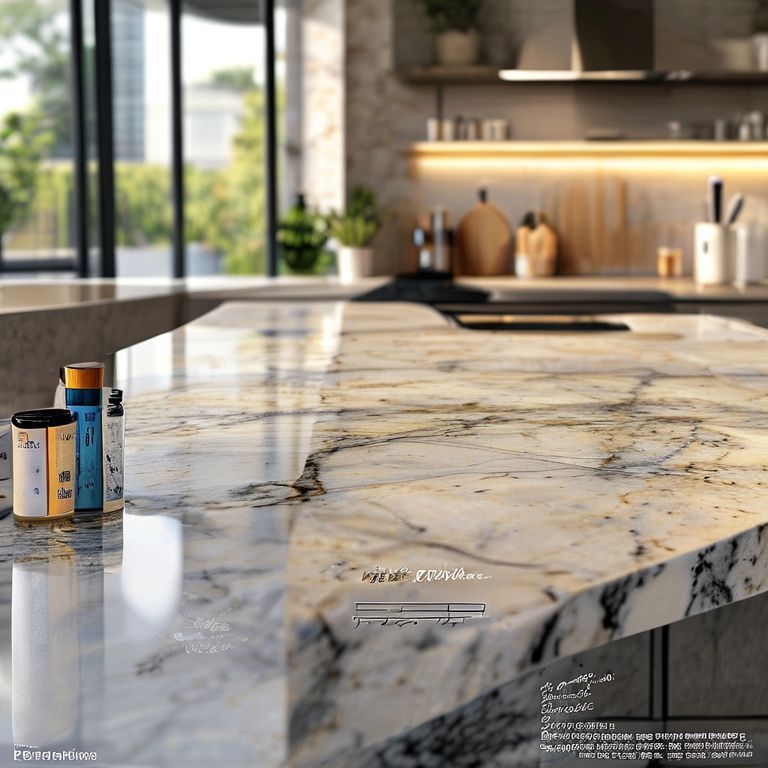
The Nature and Safety of Artificial Marble
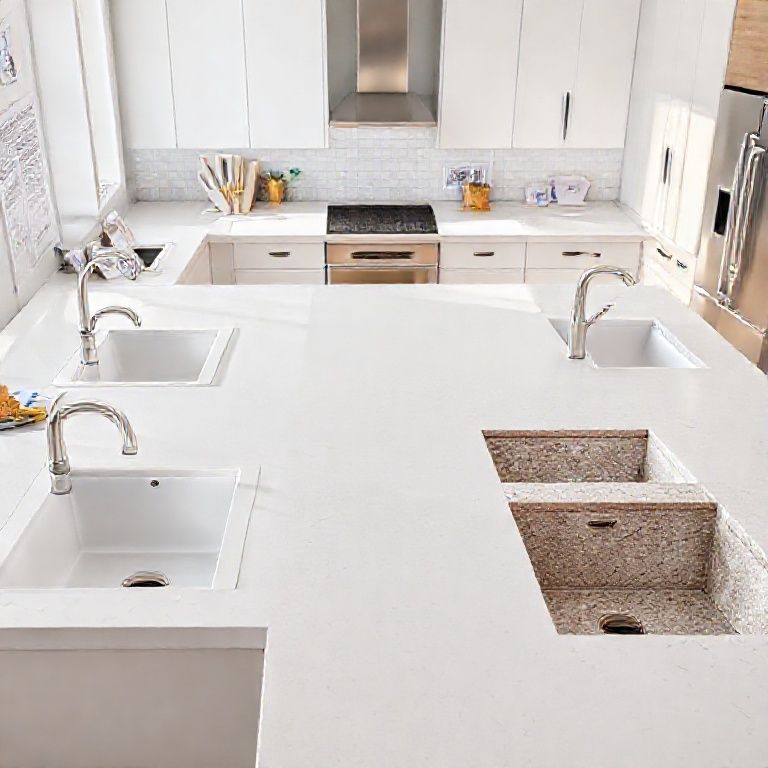
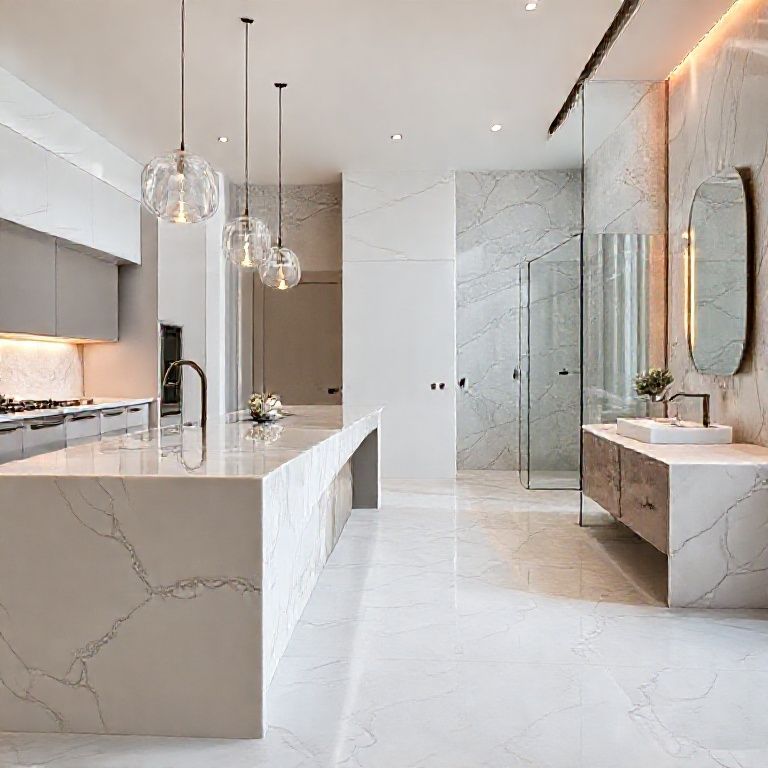
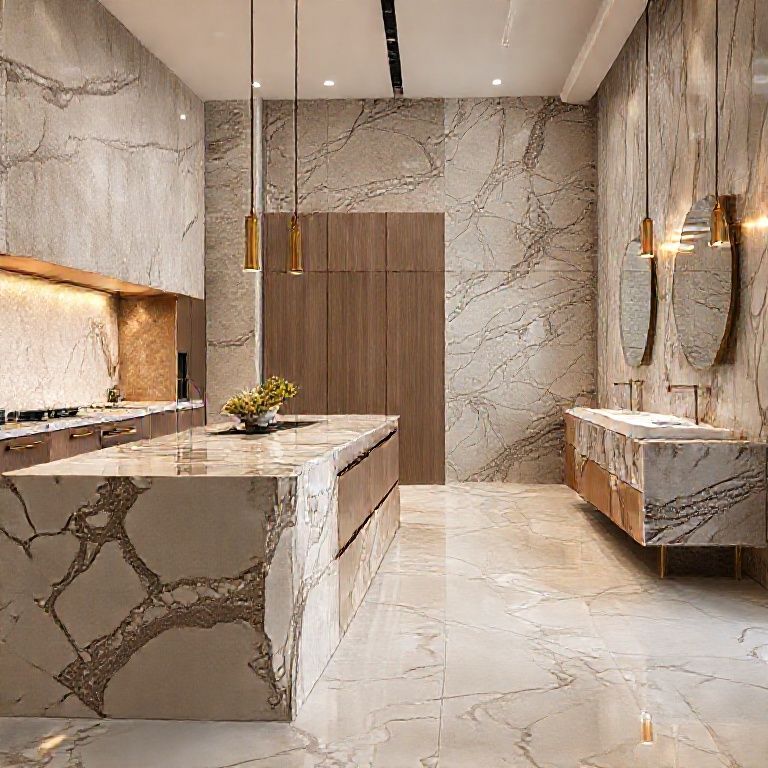
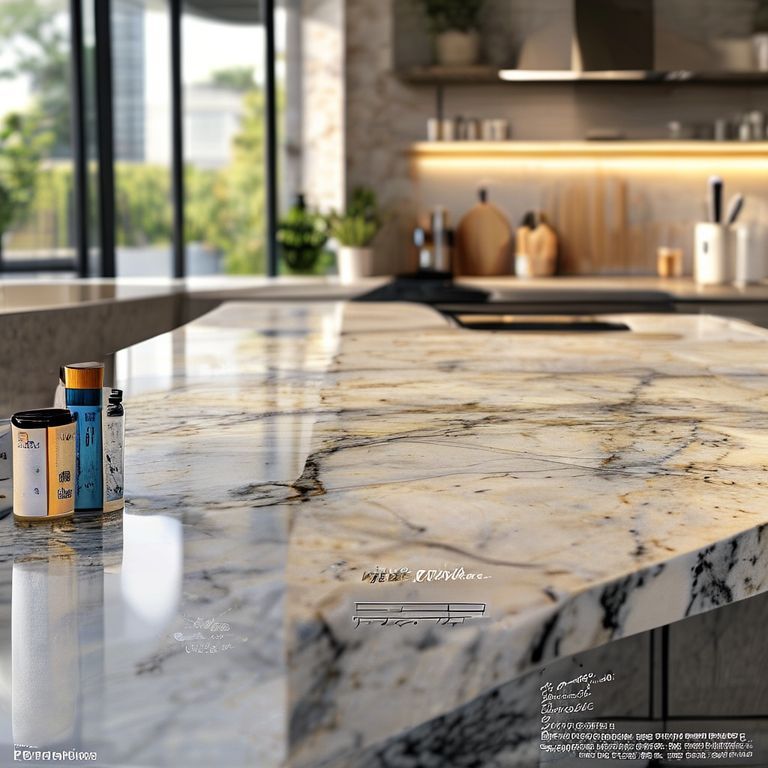
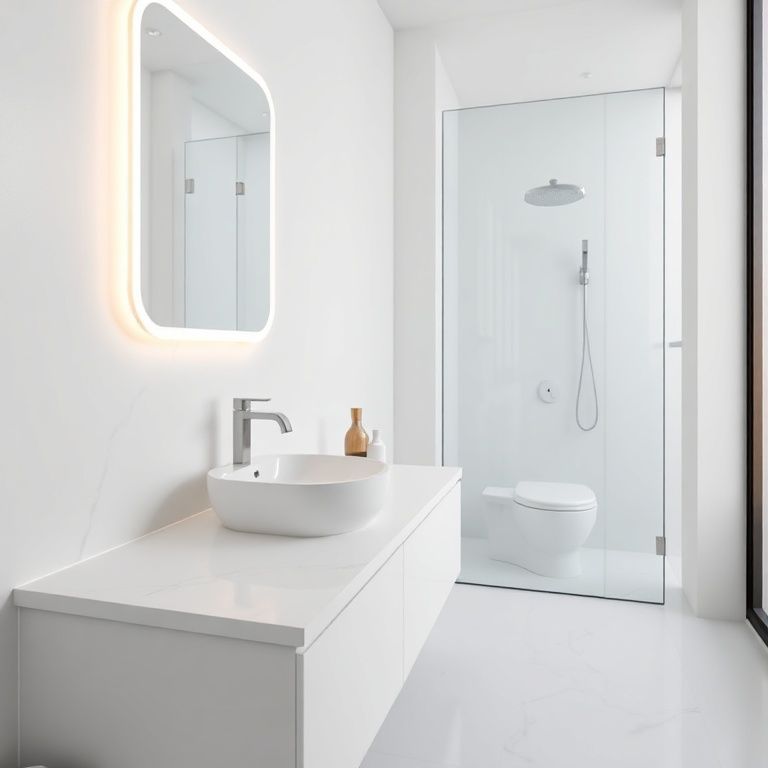
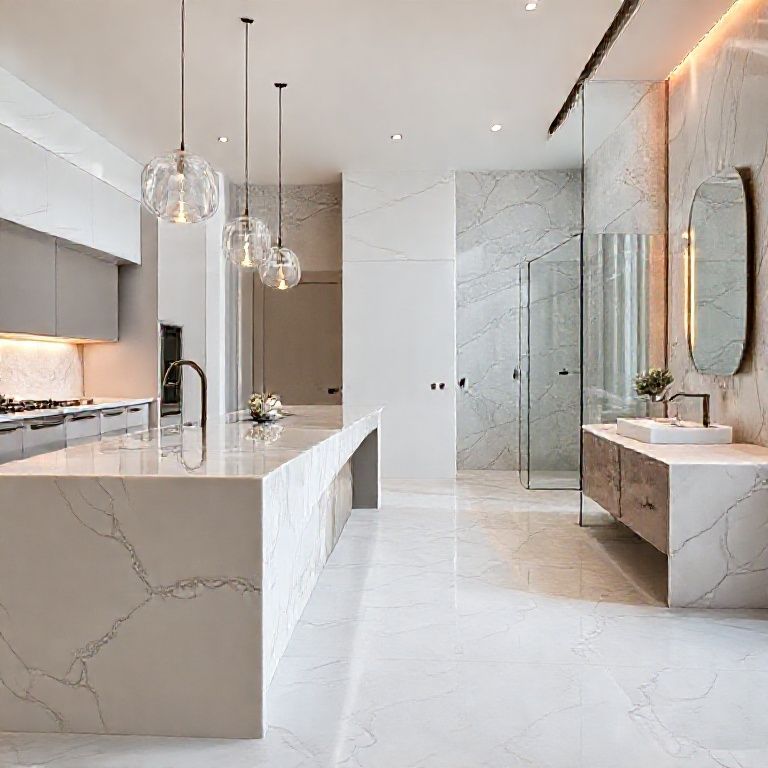
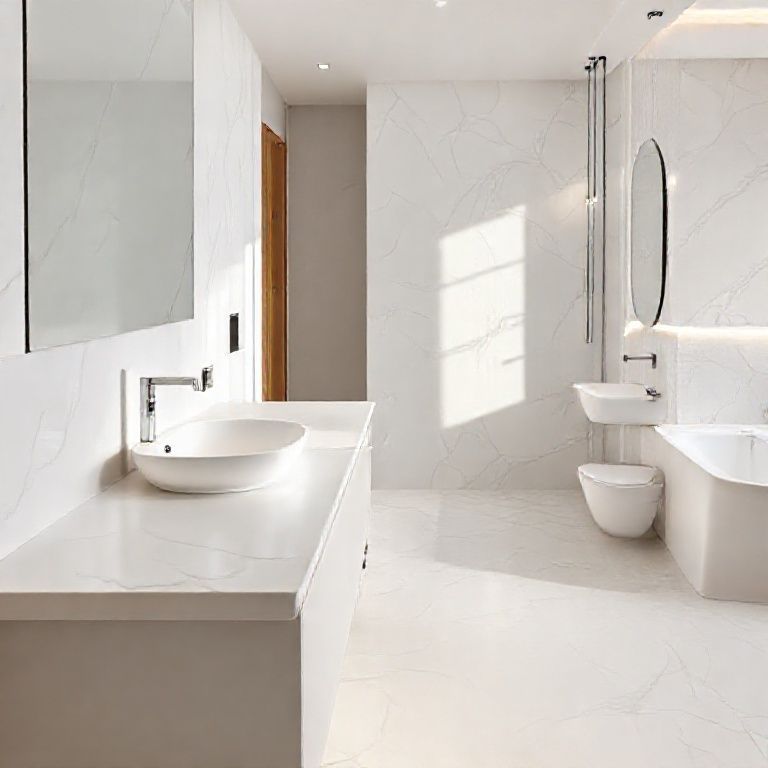
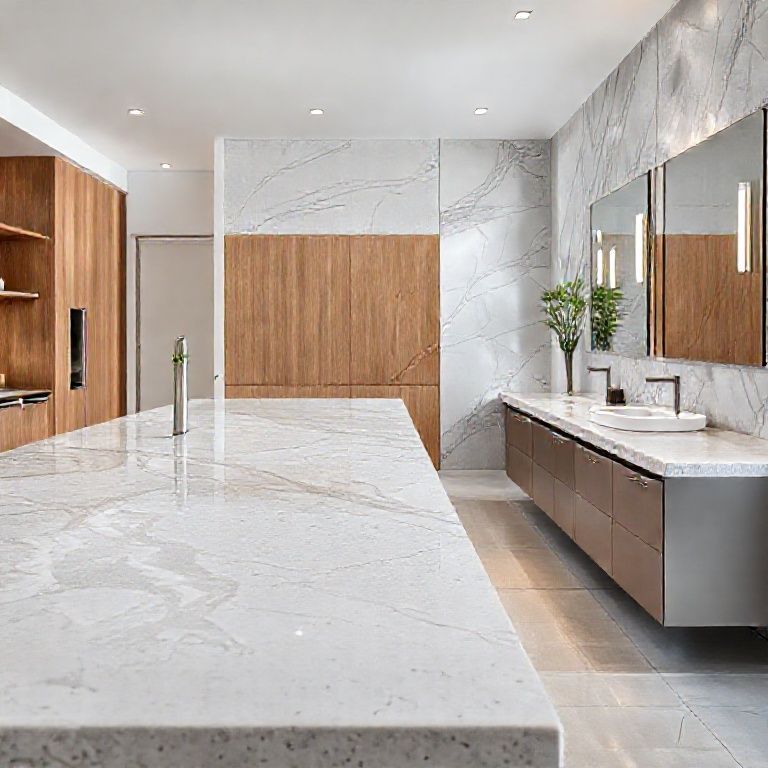
Artificial marble, also known as synthetic stone, has revolutionized the world of interior and exterior design. Unlike traditional natural marble, this modern material is crafted from a combination of minerals, resins, and other composite materials, giving it the appearance and durability of real marble without the high cost and maintenance issues.

What is Artificial Marble?
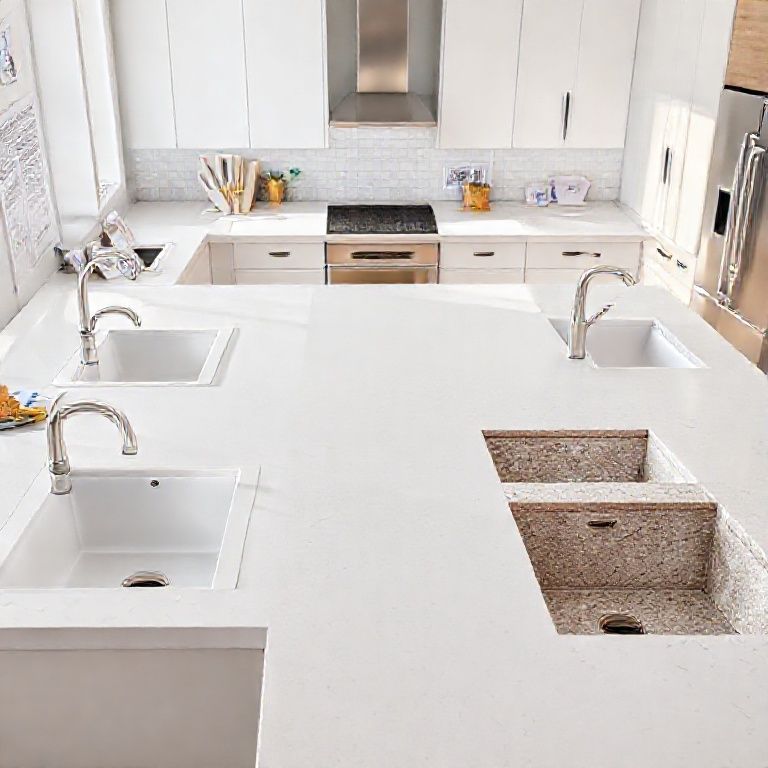
Artificial marble, often referred to as quartz, is a composite material engineered to mimic the look and feel of natural stone. It is created by fusing a mixture of quartz sand, resin, and pigments at high temperatures. The result is a solid surface that is not only aesthetically pleasing but also highly durable, resistant to scratches, stains, and heat.
Composition and Manufacturing Process
The primary component of artificial marble is quartz, which accounts for up to 93% of its composition. The remaining 7% is made up of resins, pigments, and other binding agents that give it its distinctive look and texture. During manufacturing, the quartz sand and resin mixture is heated to around 1,700 degrees Celsius, causing the materials to melt and fuse together. Once cooled, the resulting product is a solid, monolithic slab of material that can be cut into various shapes and sizes for different applications.
Safety Concerns: Addressing Radiation Myths
When discussing the safety of artificial marble, one of the most common concerns revolves around radiation. Many people mistakenly believe that artificial marble could emit harmful radiation due to its composite nature. However, it’s important to address these misconceptions to fully understand the safety of this material.
Understanding Radiation in Materials
Radiation in the context of materials often refers to radioactive emissions. Naturally occurring radioactive materials (NORM) can be found in various substances, but they pose a risk only when they are present in high concentrations or when they are processed in ways that release radiation.
Artificial Marble and Radiation
Artificial marble is not composed of radioactive elements. The quartz used in its production is a naturally occurring mineral that is non-radioactive. The manufacturing process involves high-temperature fusion, not the use of radioactive materials or processes. Therefore, there is no risk of radiation emission from artificial marble.
Regulatory Standards and Safety Testing
To ensure the safety of construction and interior materials, various regulatory bodies around the world set strict standards. For artificial marble, these standards focus on ensuring that the material is free from harmful chemicals, heavy metals, and other contaminants. Extensive testing is performed to comply with these standards, including checks for radiation.
In the United States, the Environmental Protection Agency (EPA) and the Consumer Product Safety Commission (CPSC) oversee the safety of consumer products. For artificial marble, compliance with these agencies’ guidelines means that the material undergoes rigorous testing to ensure it does not emit harmful levels of radiation.
Health and Environmental Benefits
Beyond the question of radiation, artificial marble offers several health and environmental benefits:
Non-Toxic and Durable
Artificial marble is free from toxic chemicals commonly found in traditional construction materials, such as formaldehyde and benzene. This makes it a safer option for homes and workplaces. Its durability ensures that it can withstand heavy use without deteriorating, reducing the need for frequent replacements.
Sustainable Production
The production of artificial marble is more sustainable than that of natural stone. It requires fewer natural resources and less energy to manufacture. Additionally, the material can be recycled and reused, reducing waste and environmental impact.
Low Maintenance
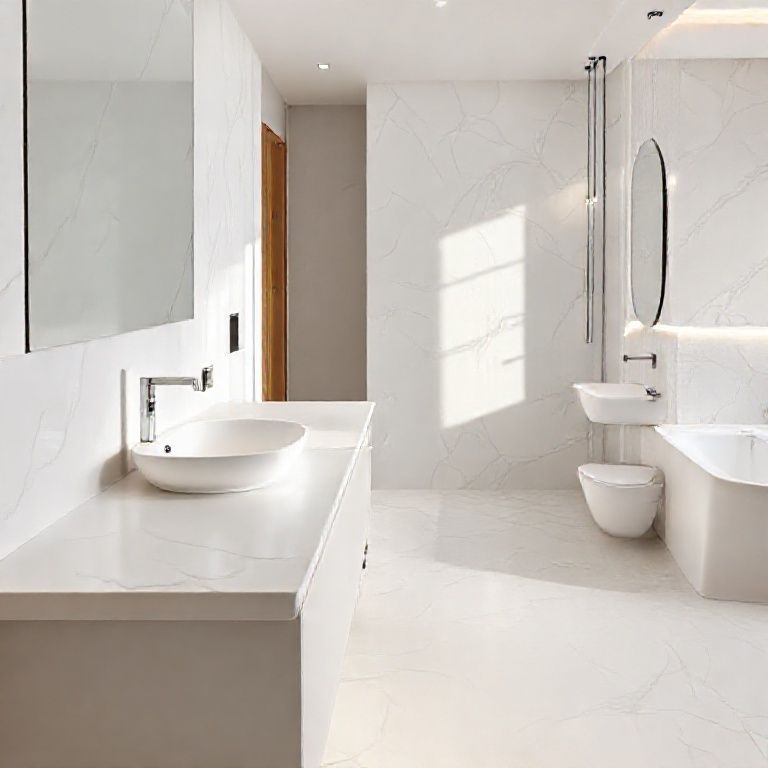
Unlike natural stone, artificial marble does not require sealing or regular maintenance to prevent staining. Its non-porous surface makes it easy to clean, making it an excellent choice for high-traffic areas like kitchens and bathrooms.
Conclusion
In summary, artificial marble is a safe, durable, and sustainable alternative to natural stone. It is free from radioactive materials and complies with strict safety standards set by regulatory bodies. The misconceptions about radiation are unfounded, given that the material is composed of non-radioactive quartz and undergoes rigorous testing to ensure safety. As we continue to seek out materials that balance aesthetics with health and environmental considerations, artificial marble stands out as a top choice for modern construction and design.
Standards, Certifications, and Quality Assurance in Artificial Marble
Having established the safety and non-toxic nature of artificial marble in the first part, we now turn our focus to the rigorous standards and quality assurance processes that underpin this modern material. Ensuring the safety and reliability of artificial marble involves multiple layers of testing, certification, and adherence to industry standards.
Industry Standards and Regulations
Artificial marble is subject to various industry standards and regulatory requirements to ensure it meets the highest safety and quality benchmarks. These standards cover everything from material composition to manufacturing processes and final product performance.
International Standards
Several international organizations set standards for the production and use of artificial marble:
ISO (International Organization for Standardization): The ISO sets global standards for a wide range of industries, including materials used in construction. For artificial marble, ISO standards focus on ensuring the material’s durability, safety, and environmental impact.
ASTM (American Society for Testing and Materials): This U.S.-based organization develops standards for a wide variety of materials and products. ASTM standards for artificial marble cover aspects such as chemical composition, mechanical properties, and performance under various conditions.
EN Standards (European Norms): In Europe, the European Committee for Standardization (CEN) develops EN standards for construction materials. These standards ensure that artificial marble products meet rigorous safety and quality requirements across European countries.
Certification Processes
To ensure that artificial marble products meet the necessary safety and quality standards, manufacturers often seek certifications from recognized testing and certification bodies.
Testing Laboratories
Independent testing laboratories play a crucial role in the certification process. These labs conduct comprehensive tests on artificial marble to verify its compliance with relevant standards. Tests typically include:
Chemical Composition Analysis: Ensuring that the material is free from harmful chemicals, heavy metals, and other contaminants. Physical and Mechanical Testing: Evaluating the material’s strength, durability, and resistance to wear and tear. Radiation Testing: Confirming that the material does not emit harmful levels of radiation, as discussed previously.
Certification Bodies
Certification bodies, such as UL (Underwriters Laboratories), TÜV (Technischer Überwachungsverein), and SGS (Société Générale de Surveillance), provide official certifications to products that meet their stringent safety and quality criteria. Certification from these bodies assures consumers and businesses that the artificial marble products they use are safe and reliable.
Quality Assurance in Manufacturing
The manufacturing process of artificial marble is designed to ensure consistent quality and safety throughout the production line. Here’s a closer look at the quality assurance measures implemented:
Raw Material Sourcing
Quality begins with the sourcing of raw materials. Manufacturers carefully select high-quality quartz sand and other components to ensure the integrity of the final product. Suppliers are often required to provide certificates of analysis to confirm the purity and composition of their materials.
Manufacturing Controls
During the manufacturing process, strict controls are in place to monitor the quality of the materials and the production environment. This includes:
Temperature and Pressure Monitoring: Ensuring that the fusion process occurs at the correct temperature and pressure to achieve the desired material properties. Mixing and Blending: Accurately combining quartz sand, resins, and pigments to create a homogeneous mixture. Curing and Cooling: Properly curing the material to set its properties and cooling it to avoid structural defects.
Final Inspections
Once the artificial marble slabs are produced, they undergo a series of final inspections to ensure they meet all quality and safety standards. This includes:
Surface Quality Checks: Inspecting the surface for any imperfections, scratches, or blemishes. Dimensional Accuracy: Ensuring that the slabs meet the specified dimensions. Performance Testing: Conducting tests to verify the material’s strength, durability, and resistance to various environmental conditions.
Benefits of Compliance with Standards
Compliance with industry standards and certifications brings several benefits:
Enhanced Safety
By adhering to stringent safety standards, manufacturers can provide products that are safe for use in residential, commercial, and industrial settings. This assurance is particularly important for products that will be in contact with food, such as kitchen countertops.
Improved Quality
Compliance with quality standards ensures that the artificial marble products are of consistent quality. This means that customers can expect the same level of durability and appearance from one product to another.
Market Credibility
Products that meet recognized standards and certifications gain credibility in the marketplace. This can lead to increased customer trust and better market acceptance.
Conclusion
环保和可持续性
随着全球对环保和可持续发展的关注不断增加,人造大理石在生产过程中的环保性也成为重要考量。尽管人造大理石在制作时会释放一定的二氧化碳,但其整体的碳足迹比天然大理石低得多。这是因为天然大理石的开采和运输过程中所产生的碳排放远高于人造大理石。
环保认证
许多人造大理石生产商会获得各种环保认证,如:
FSC认证(森林管理委员会认证):虽然这一认证主要针对木材产品,但一些人造大理石生产商也会采用FSC认证的木材作为原材料,这样可以确保使用的木材来源于可持续管理的森林。
LEED认证(绿色建筑评估体系):LEED认证是由美国绿色建筑委员会(USGBC)设立的,旨在推广可持续建筑设计。获得LEED认证的人造大理石产品,意味着其在生产和使用过程中都符合严格的环保标准。
使用寿命和耐用性
人造大理石的耐用性和长寿命是其受欢迎的原因之一。由于其不含有机成分,人造大理石不会因潮湿、霉菌或虫害而受损。它的高耐刮擦性和耐热性使其成为厨房台面和浴室柜台的理想选择。
安装和维护
虽然人造大理石的耐用性非常高,但其安装和日常维护仍需注意:
安装:由于人造大理石是一种硬质材料,安装时需要使用专业的工具和技术。建议聘请专业人员进行安装,以确保产品的安全和美观。
日常维护:人造大理石不需要像天然石材那样进行定期的保养。只需用温水和中性清洁剂定期清洁即可。避免使用酸性清洁剂,因为这些清洁剂可能会对其表面造成损害。
健康和安全
人造大理石的健康和安全性得到了广泛的认可。为了确保产品的安全,许多生产商会进行一系列的健康测试,包括:
重金属检测:确保材料中不含有对健康有害的重金属。 甲醛释放测试:确保材料不会释放有害的甲醛。 无毒性测试:确保材料在加热或使用过程中不会释放有毒物质。
市场趋势和未来发展
随着人们对环保和健康的关注不断增加,人造大理石的市场前景非常广阔。未来,随着技术的进步,人造大理石的生产将会更加环保,材料的组成和制造工艺也将更加安全和高效。随着消费者对个性化和定制化产品的需求增加,人造大理石市场也将迎来更多的创新和发展机会。
结论
人造大理石在安全标准和质量保证方面,已经达到了一个非常高的水平。通过严格的生产工艺、严格的质量控制和严格的环保标准,人造大理石不仅能够满足现代建筑和家居的需求,同时也对环境和人体健康产生最小的影响。无论是在家庭装修还是在商业建筑中,人造大理石都是一个值得信赖的选择。