Understanding Artificial Marble and Its Composition
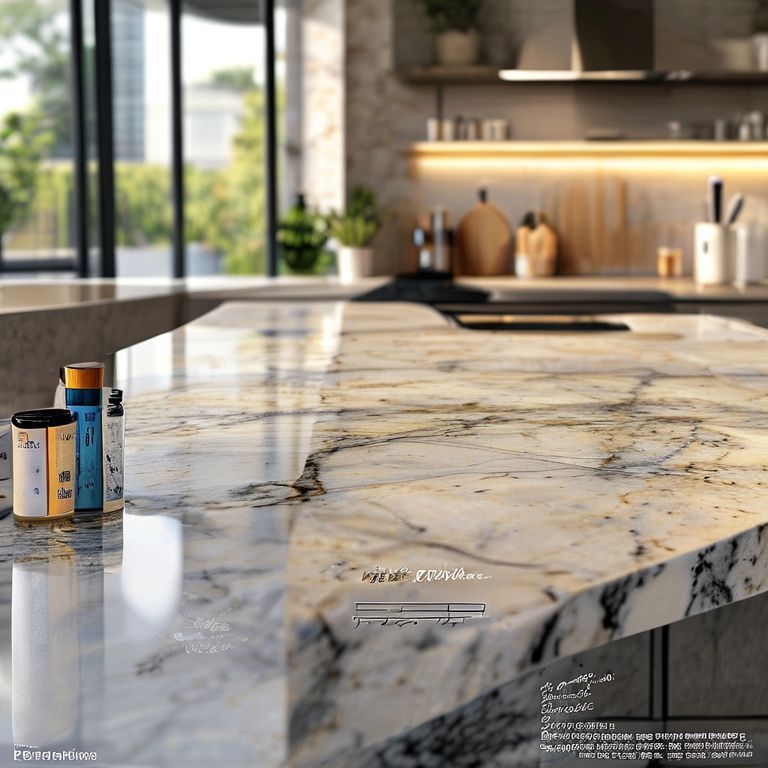
Artificial marble, often referred to as engineered stone, is a composite material designed to mimic the appearance of natural marble. It has surged in popularity due to its durability, affordability, and aesthetic appeal. However, as with any material used in home and commercial construction, concerns about potential health risks, including radiation, naturally arise.

Material Composition
Artificial marble is primarily composed of natural stone powders, such as quartz, calcite, and feldspar, which are combined with resins or polymers to form a solid, monolithic material. These ingredients are carefully blended and compressed at high temperatures and pressures to create the final product. The end result is a surface that closely resembles natural marble but offers enhanced durability and resistance to stains, scratches, and heat.
Potential Radiation Concerns
Given the materials used, one might wonder if artificial marble emits radiation. The primary concern here revolves around the natural stone powders and the binders used. While natural stone materials like quartz are abundant in the Earth’s crust, the question remains whether these materials emit harmful levels of radiation when processed and used in artificial marble.
Scientific Insight
Research into the radiation emissions of artificial marble has shown that the manufacturing process does not introduce new radiation sources. The materials used in artificial marble, primarily derived from natural stone, already exist in the environment in forms that do not pose radiation risks. The process of creating artificial marble involves heating and compressing these materials, which does not change their inherent properties concerning radiation.
Regulatory Standards
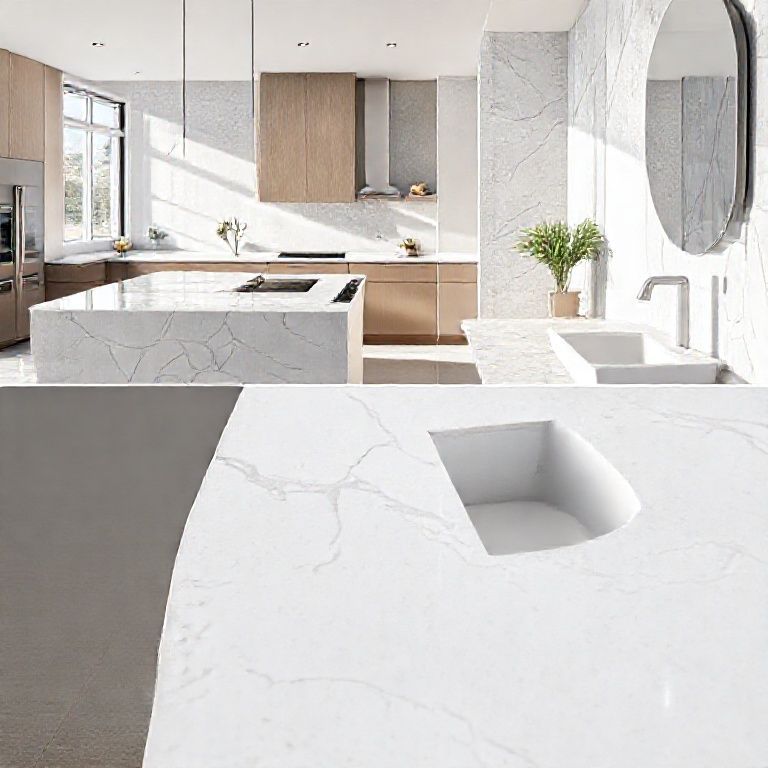
Given the potential concerns, regulatory bodies worldwide have established standards to ensure the safety of artificial marble. These standards focus on various aspects, including chemical composition, physical properties, and emissions. Let’s explore some of these key regulatory frameworks:
1. European Standards
In Europe, the European Committee for Standardization (CEN) has developed standards for stone materials, including artificial marble. The primary standard is EN 12654, which outlines the requirements for artificial stone surfaces. This standard covers aspects like mechanical properties, surface quality, and environmental performance. Importantly, it also addresses emissions of volatile organic compounds (VOCs) and other potentially harmful substances.
2. American Standards
In the United States, the American National Standards Institute (ANSI) and the International Organization for Standardization (ISO) have collaborated to establish guidelines for synthetic stone products. The ANSI/ISO 13798 provides a comprehensive framework for the production and evaluation of synthetic stone materials. This standard ensures that the materials used in artificial marble meet specific safety criteria, including non-toxicity and minimal emissions.
Health and Safety Implications
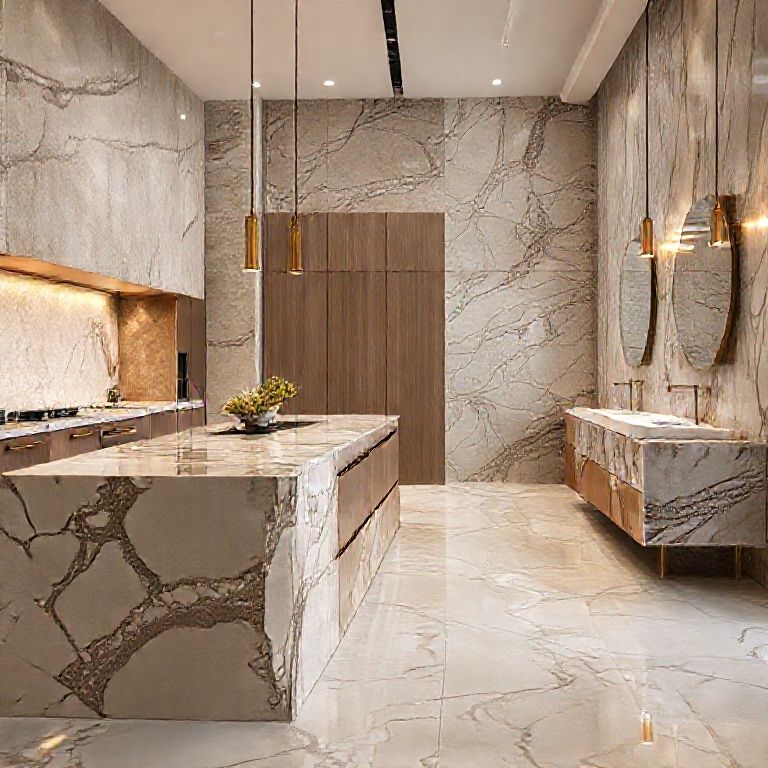
The focus on health and safety in the regulatory standards is paramount. The standards ensure that artificial marble does not release harmful substances, including radiation, into the environment or indoor air. This is crucial for maintaining the health and well-being of occupants in buildings where artificial marble is used.
Environmental Impact
Beyond health concerns, the environmental impact of artificial marble is also considered in the regulatory standards. The production process of artificial marble, while resource-intensive, is designed to minimize waste and reduce environmental footprint. The use of recycled materials and the implementation of efficient manufacturing processes contribute to the sustainability of this material.
Consumer Assurance
For consumers, understanding these standards can provide significant peace of mind. Knowing that artificial marble has undergone rigorous testing and meets stringent safety criteria allows for confident use in various applications, from kitchen countertops to bathroom vanities.
Conclusion of Part 1
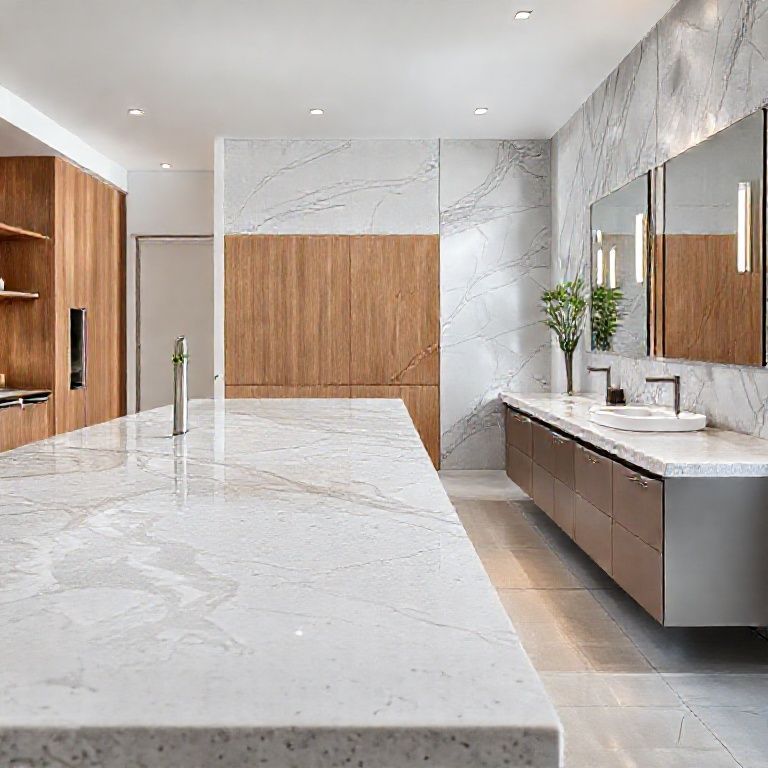
In summary, artificial marble is a sophisticated material crafted from natural stone powders and resins. Despite initial concerns about radiation, scientific research and regulatory standards reassure us that this material does not pose radiation risks. The stringent regulatory frameworks in place across Europe and the United States ensure that artificial marble meets high safety and environmental standards. As we move forward to the second part, we will further explore the benefits, applications, and long-term implications of using artificial marble in modern construction.
Applications, Benefits, and Long-Term Implications of Artificial Marble
Artificial marble, or engineered stone, has revolutionized the way we approach material selection in construction and design. Its unique blend of natural stone aesthetics and synthetic material benefits makes it an ideal choice for a wide array of applications. In this part, we will explore the multifaceted advantages of artificial marble and its enduring impact on modern construction.
Versatility and Design Flexibility
One of the most compelling benefits of artificial marble is its remarkable versatility. Unlike natural stone, which is often limited by its natural occurrence and size, artificial marble can be manufactured in virtually any shape, size, and color. This allows designers and architects to push the boundaries of creativity, creating unique and customized designs that perfectly match their vision.
Durability and Maintenance
Artificial marble is renowned for its exceptional durability. The high-pressure and high-temperature manufacturing process that creates artificial marble results in a material that is incredibly hard and resistant to scratches, chips, and stains. Unlike natural stone, which can be prone to these issues, artificial marble offers a long-lasting, low-maintenance surface that retains its appearance over time. This durability makes it an excellent choice for high-traffic areas, such as kitchens and bathrooms.
Sustainability Considerations
In addition to its durability, artificial marble offers significant sustainability benefits. The manufacturing process, while resource-intensive, can incorporate recycled materials and minimize waste. Furthermore, the longevity of artificial marble reduces the need for frequent replacements, contributing to a lower overall environmental impact compared to natural stone.
Applications in Modern Construction
The applications of artificial marble are virtually limitless. Here are some of the most common uses in modern construction:
1. Kitchen Countertops
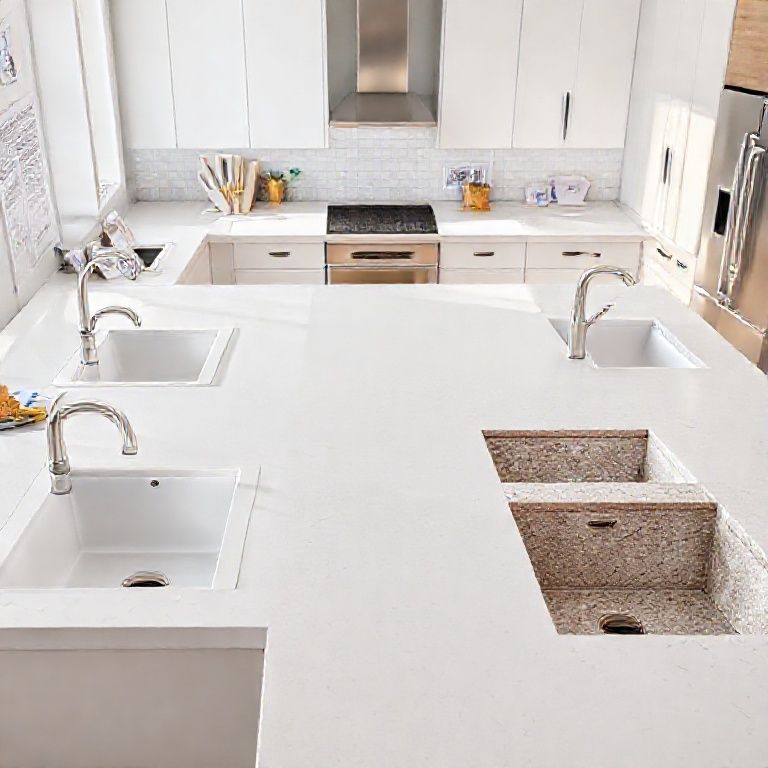
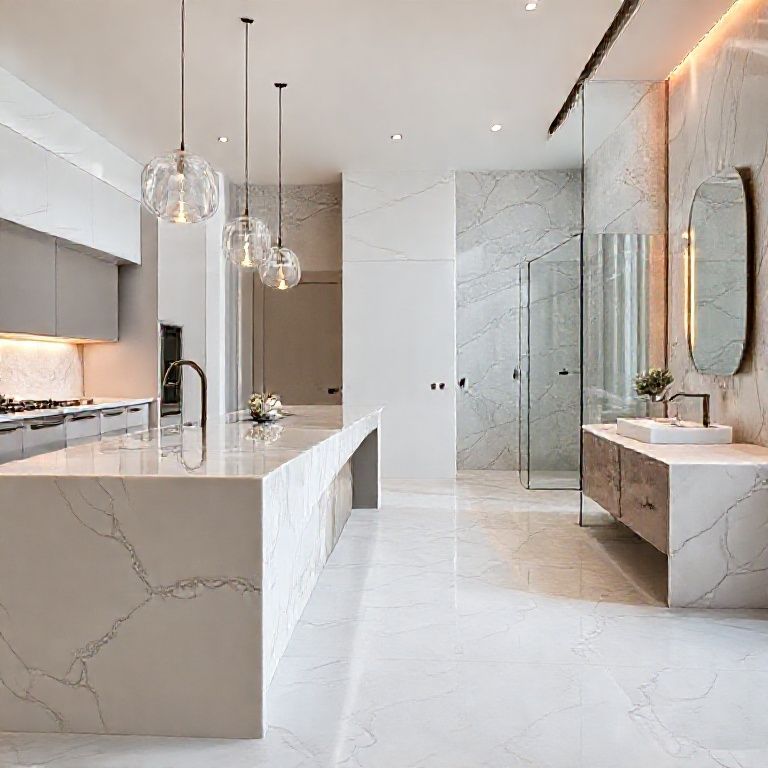
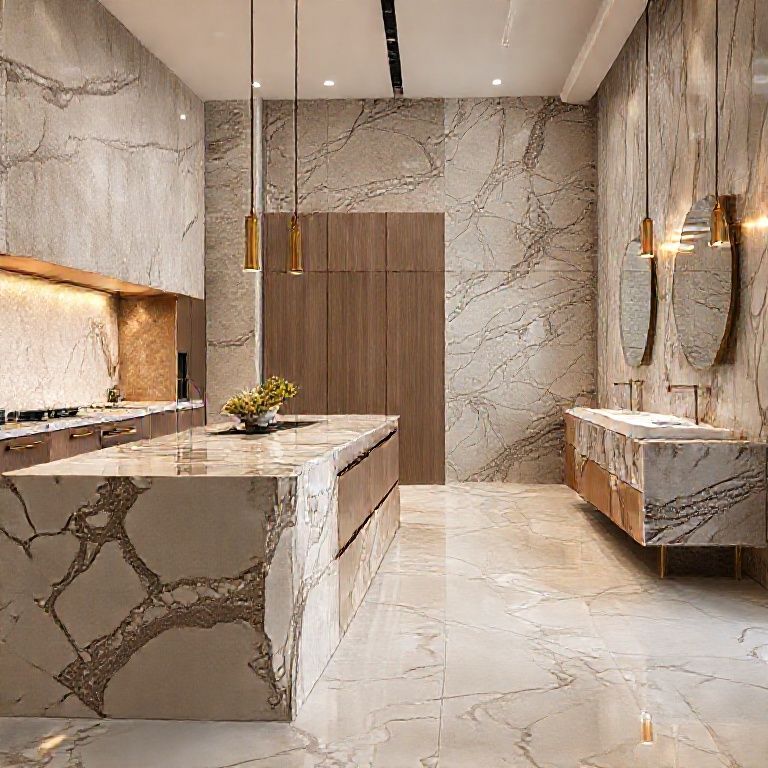
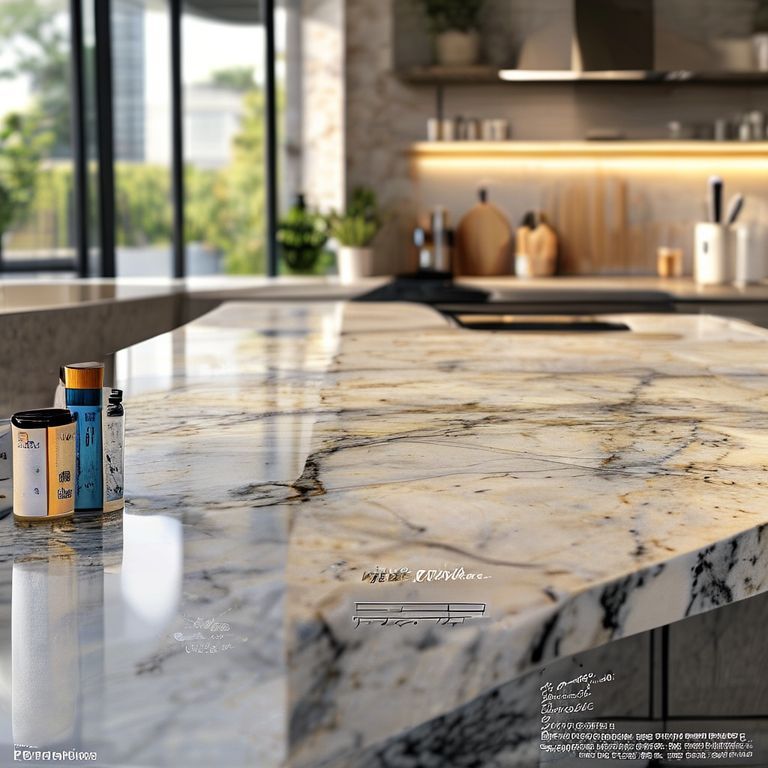
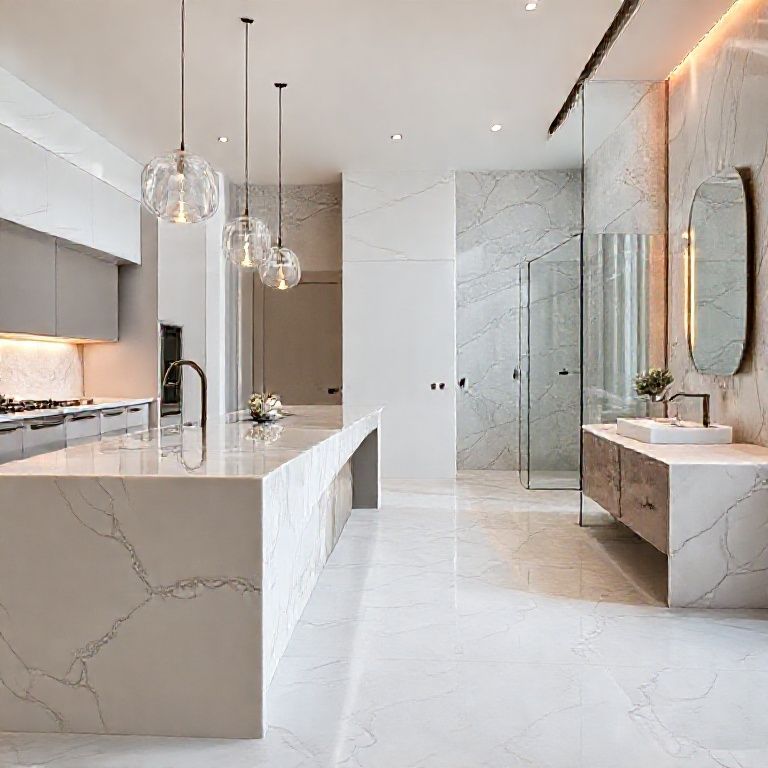
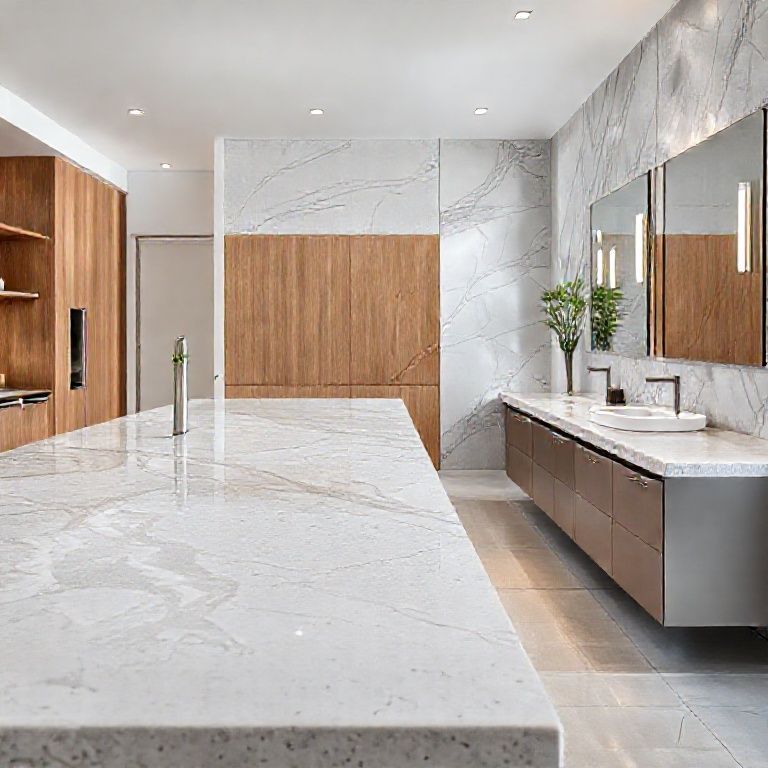
Artificial marble is a popular choice for kitchen countertops due to its durability and aesthetic appeal. Its resistance to heat, stains, and scratches makes it ideal for high-traffic kitchen areas. Additionally, the variety of colors and finishes available allows for a customized look that can complement any kitchen design.
2. Bathroom Vanities
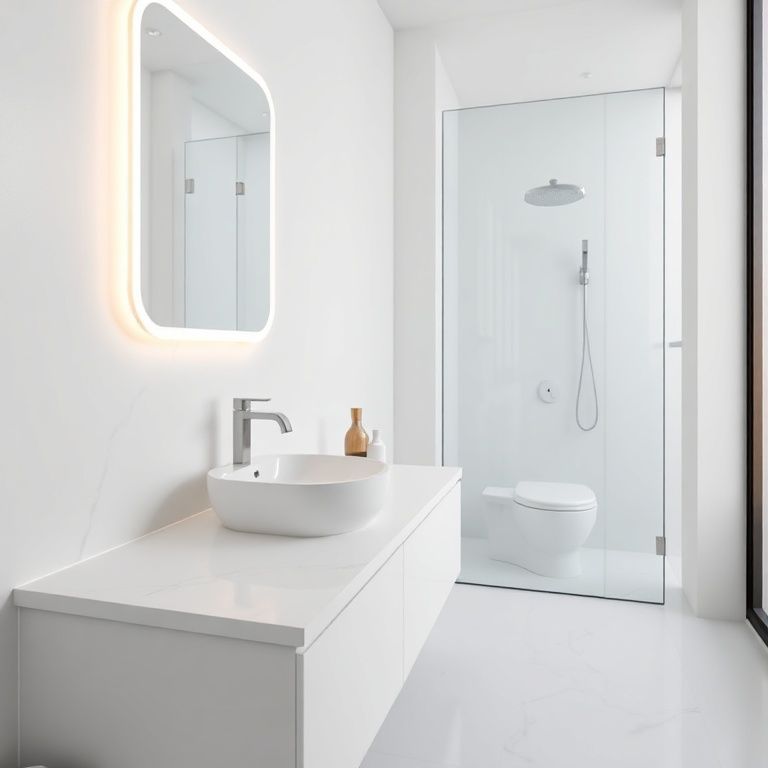
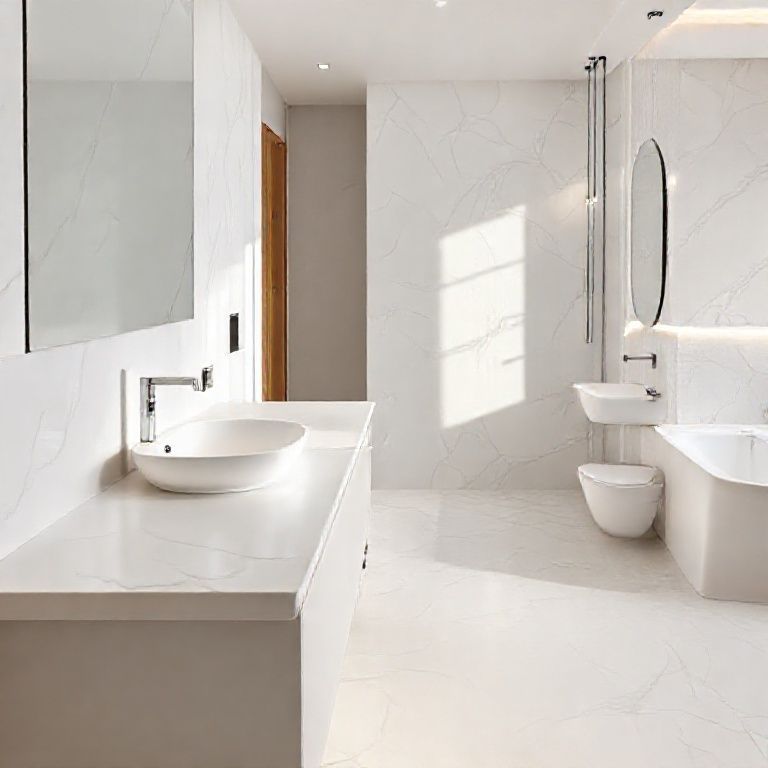
Bathroom vanities made from artificial marble offer a sleek and modern look. The material’s resistance to water and stains ensures that vanities will maintain their appearance over time, even in a humid environment. The ability to create custom shapes and designs allows for unique and personalized bathroom features.
3. Interior and Exterior Cladding
Artificial marble can be used for both interior and exterior cladding, providing a luxurious and durable finish. Its resistance to weather conditions makes it suitable for exterior applications, where it can withstand the elements while maintaining its appearance.
4. Commercial Spaces
In commercial spaces, such as offices and retail environments, artificial marble can be used for reception areas, dining tables, and other high-visibility locations. Its durability and low maintenance make it an excellent choice for busy commercial settings where appearance and functionality are critical.
Long-Term Implications
The long-term implications of using artificial marble in construction are significant. Its durability ensures that it will provide lasting value, reducing the need for frequent repairs or replacements. This not only saves money but also contributes to a more sustainable building practice.
Health and Safety
As previously mentioned, the regulatory standards for artificial marble ensure that it is safe for use in indoor environments. This peace of mind is crucial for both consumers and professionals in the construction industry. Knowing that artificial marble does not emit harmful radiation or other toxic substances allows for confident use in residential and commercial spaces.
Conclusion of Part 2
In conclusion, artificial marble stands out as a versatile, durable, and sustainable material for modern construction. Its applications span from kitchen countertops to commercial spaces, offering a blend of aesthetic appeal and practical benefits. The stringent regulatory standards that govern its production ensure that it meets high safety and environmental standards. As we continue to seek materials that balance beauty, functionality, and sustainability, artificial marble proves to be an excellent choice, offering long-term value and peace of mind.
By understanding the composition, benefits, and applications of artificial marble, we can appreciate its role in modern construction and design, ensuring that our spaces are not only beautiful but also safe and environmentally friendly.