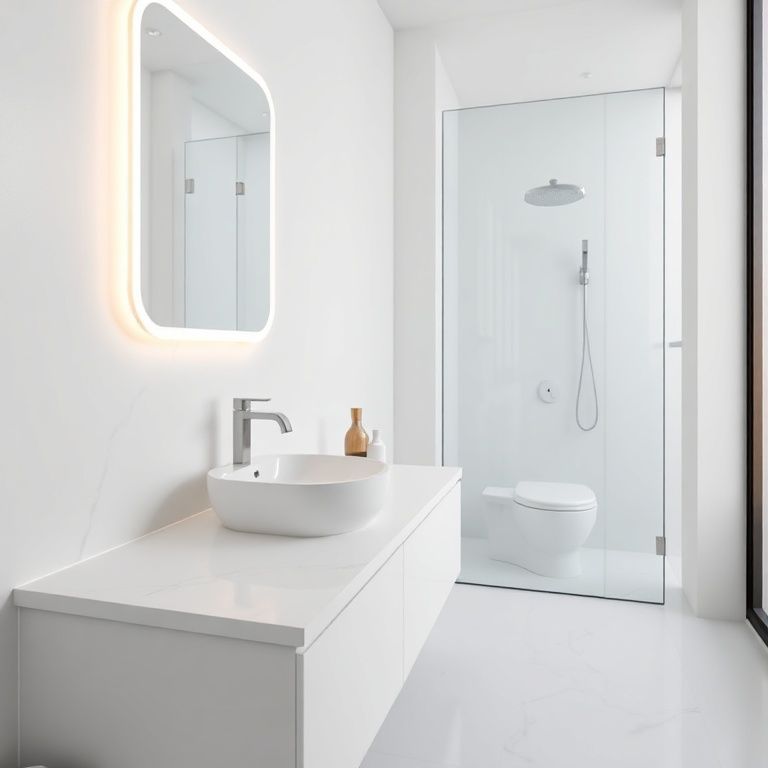
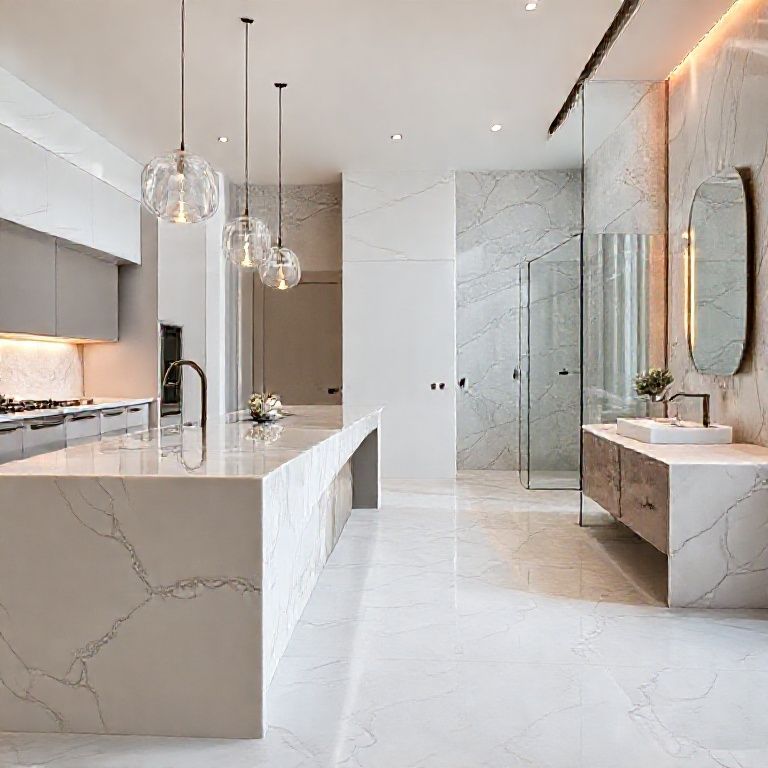
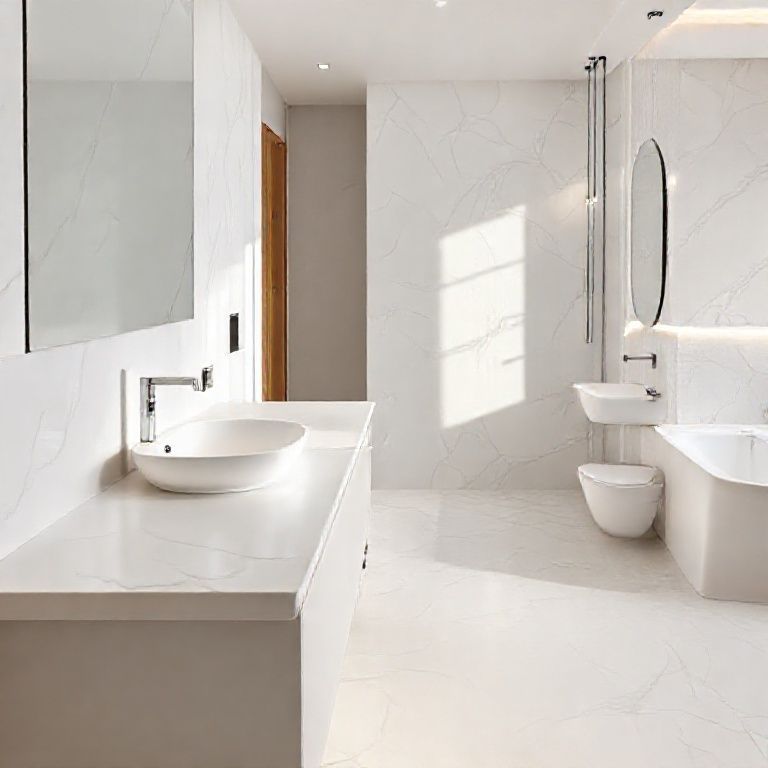
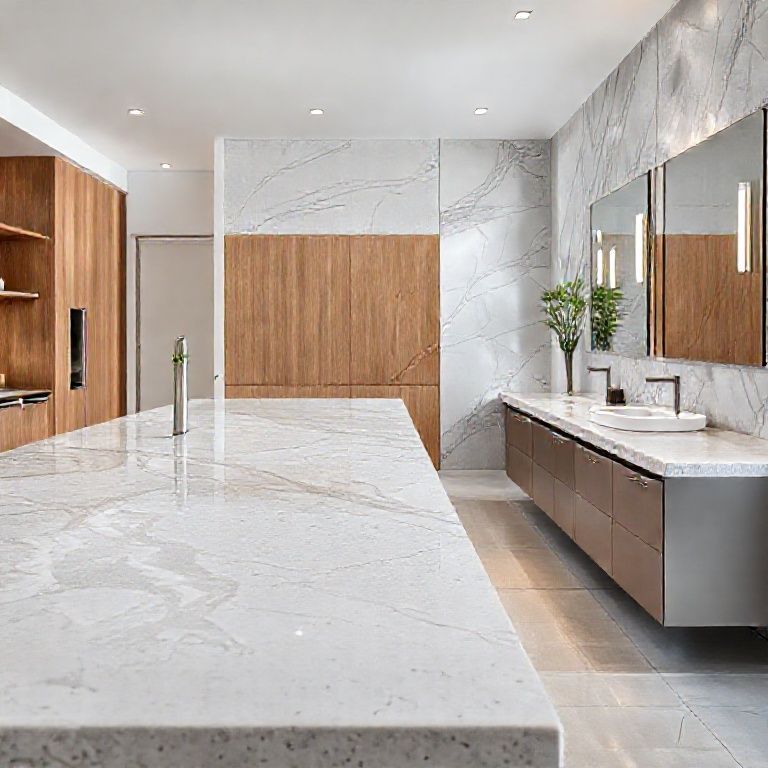
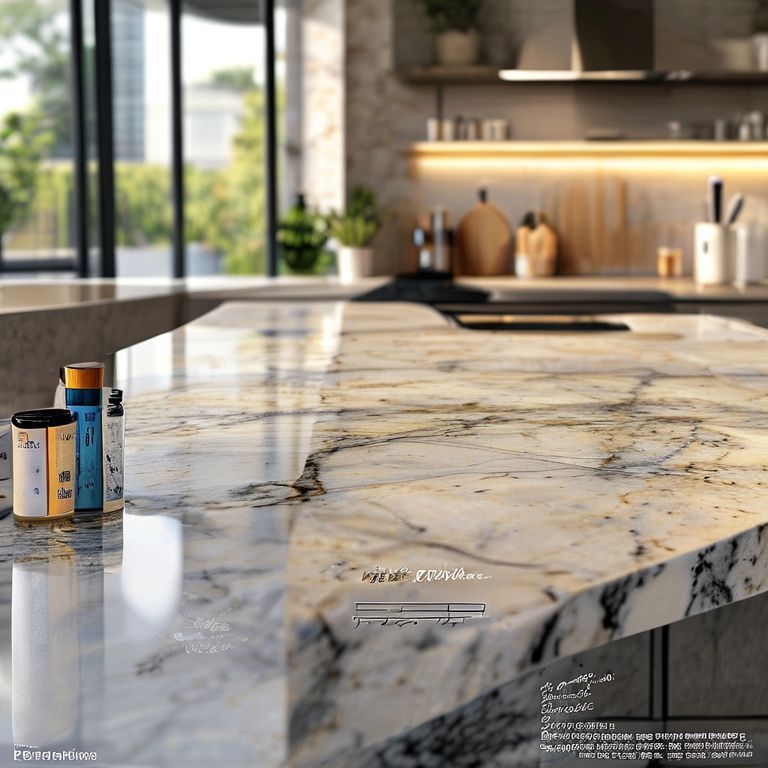
In this comprehensive exploration, we delve into the safety concerns surrounding artificial marble, particularly focusing on the issue of radiation and its potential hazards. We aim to provide you with clear, scientifically-backed information to help you make informed decisions about this popular material for countertops and decorative surfaces. This article is split into two parts for easier understanding and detailed examination of all aspects.

artificial marble, radiation, safety, health hazards, non-toxic, countertop material, surface safety, material concerns, radiation-free, health risks, safe alternatives
Understanding Artificial Marble and Its Radiation Concerns
Introduction to Artificial Marble
Artificial marble, also known as synthetic or engineered marble, has become an increasingly popular choice for countertops, tabletops, and decorative surfaces in homes and commercial spaces. Made primarily from a mixture of quartz, limestone, and other minerals bonded with resin, this material is celebrated for its aesthetic appeal and durability. However, with its rising popularity comes a series of questions and concerns, particularly around the issue of radiation and potential health hazards.
What is Radiation?
Radiation refers to energy that travels in waves or as particles, such as light, heat, X-rays, and gamma rays. There are two main types of radiation: ionizing and non-ionizing. Ionizing radiation has enough energy to remove tightly bound electrons from atoms, which can lead to damage in living tissues and DNA. Non-ionizing radiation, on the other hand, does not have the same energy level and typically does not cause such damage. Examples of non-ionizing radiation include visible light, radio waves, and microwaves.
Radiation in Construction Materials
The concern about radiation in construction materials often stems from the natural presence of radioactive elements like uranium, thorium, and potassium. These elements can emit ionizing radiation. However, it’s crucial to differentiate between natural radiation and artificial radiation.
The Composition of Artificial Marble
Artificial marble is crafted from natural minerals like quartz and limestone. While these materials can contain trace amounts of radioactive elements, the manufacturing process does not introduce artificial radiation. The resin used to bond these minerals is also non-ionizing. Therefore, the primary concern about radiation from artificial marble typically revolves around the naturally occurring radioactive materials in the raw materials used.
Scientific Studies and Findings
Multiple studies have been conducted to assess the radiation levels in artificial marble. According to the Environmental Protection Agency (EPA), materials like granite, which often contain higher levels of naturally occurring radioactive materials (NORM), are more concerning in terms of radiation exposure than artificial marble. In fact, the radiation levels in most artificial marble products are significantly lower than those considered safe for daily exposure.
Common Misconceptions
There are several misconceptions regarding artificial marble and radiation:
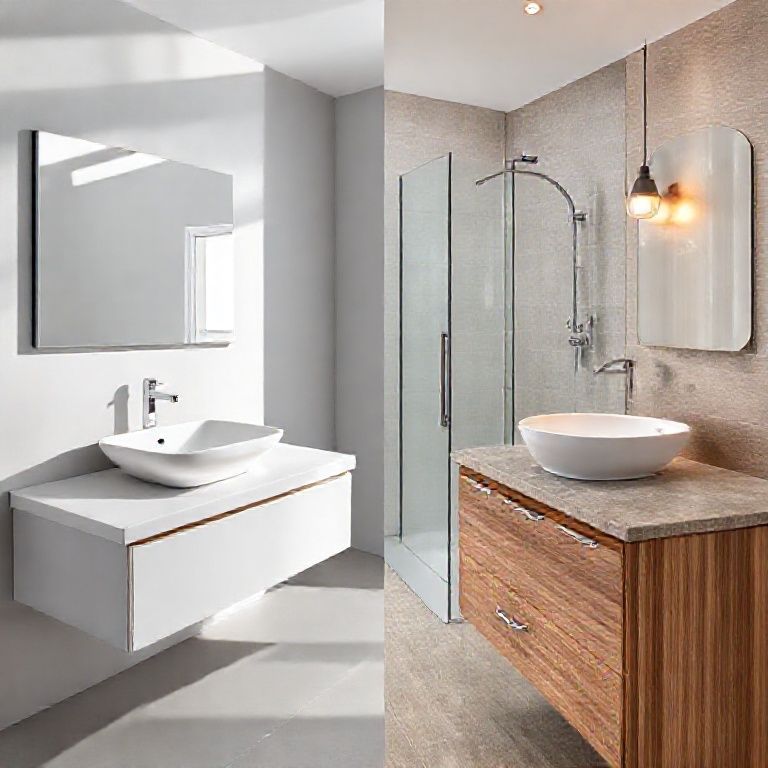
Artificial Radiation: Many believe that artificial marble emits radiation due to its synthetic nature. However, this is not the case. The radiation from artificial marble, if any, comes from the natural materials used in its composition. Health Risks: There is a common myth that artificial marble poses significant health risks due to radiation. Scientific evidence, however, suggests minimal risk, primarily due to the low levels of naturally occurring radioactive materials.
Regulatory Standards
Various regulatory bodies, including the EPA and the World Health Organization (WHO), have established guidelines to ensure that construction materials, including artificial marble, are safe for use. These guidelines focus on limiting the exposure to naturally occurring radioactive materials to safe levels. Artificial marble products typically meet these standards.
Practical Implications
For homeowners and businesses, understanding the radiation concerns associated with artificial marble can help alleviate fears and make informed decisions. Here are some practical implications:
Installation and Usage: Artificial marble is safe for everyday use in kitchens, bathrooms, and other areas. It is important to follow standard installation practices to ensure safety. Health Monitoring: Routine health monitoring for workers involved in the production and installation of artificial marble is standard practice to ensure they are not exposed to harmful levels of radiation.
Conclusion of Part 1
In summary, the concerns about radiation from artificial marble are largely unfounded when considering the material’s composition and the scientific evidence supporting its safety. Artificial marble, made from natural minerals and resins, emits negligible radiation levels, far below the thresholds that pose any significant health risks. Understanding these facts can help you appreciate the benefits of artificial marble without unnecessary worry.
Assessing the Health Hazards of Artificial Marble
Continuing the Discussion on Safety
Building on the foundation laid in Part 1, this section delves deeper into the health hazards associated with artificial marble. We will explore various aspects, including chemical composition, environmental impact, and long-term health effects, to provide a thorough understanding of this popular material.
Chemical Composition and Safety
The primary components of artificial marble include:
Quartz: Known for its durability and aesthetic appeal, quartz is a naturally occurring mineral that is safe in the quantities used in artificial marble. Limestone: Another safe natural mineral that contributes to the strength and appearance of the material. Resins: Typically made from polymers like melamine, these are non-toxic when used in controlled environments. The resins used in artificial marble do not emit harmful chemicals under normal conditions.
Potential Chemical Hazards
Although artificial marble is generally safe, there are a few points to consider regarding potential chemical hazards:
Volatile Organic Compounds (VOCs): During the manufacturing process, some VOCs might be released. However, modern manufacturing techniques aim to minimize these emissions. The resins used in artificial marble are formulated to reduce the release of VOCs. Formaldehyde: Some resins might contain small amounts of formaldehyde. However, the levels are controlled and within safe limits set by regulatory bodies. The curing process further reduces any potential formaldehyde emissions.
Environmental Impact
The production and use of artificial marble have minimal environmental impact compared to natural stone alternatives:
Resource Utilization: Unlike natural marble, which requires extensive quarrying, artificial marble can be produced using recycled materials and less resource-intensive processes. Waste Reduction: The manufacturing process of artificial marble can incorporate waste materials from other industries, thereby reducing overall waste.
Long-term Health Effects
There is extensive research on the long-term health effects of using artificial marble:
Durability and Maintenance: Artificial marble is highly durable and requires minimal maintenance. Proper cleaning and care ensure that it remains safe and hygienic over time. Microbial Growth: Unlike natural stone, artificial marble does not foster microbial growth, making it a hygienic choice for kitchens and bathrooms.
Addressing Concerns with Scientific Evidence
Scientific studies consistently show that the radiation levels in artificial marble are negligible:
Radiation Levels: Independent studies confirm that the radiation from artificial marble is within safe limits. The natural radioactive materials present do not pose a significant health risk. Chemical Safety: Extensive testing and reviews from health and safety organizations affirm that the chemical components of artificial marble are safe under normal usage conditions.
Regulatory Standards and Compliance
Artificial marble manufacturers adhere to strict regulatory standards to ensure product safety:
Compliance: Products are tested for compliance with national and international safety standards. These standards include checks for radiation levels, chemical emissions, and overall material safety. Certifications: Many manufacturers provide certifications and documentation to assure buyers of the safety and compliance of their products.
Real-World Applications and Testimonials
The use of artificial marble in various applications provides practical insights into its safety:
Commercial Use: Restaurants, hotels, and other commercial establishments frequently use artificial marble for its durability and aesthetic appeal, without reporting significant health issues. Residential Use: Homeowners have reported satisfaction with the safety and maintenance of artificial marble in their homes, further reinforcing its safety profile.
Conclusion of Part 2
In conclusion, the health hazards associated with artificial marble are minimal, supported by scientific evidence and regulatory compliance. The material’s composition, minimal environmental impact, and adherence to safety standards ensure that it is a safe choice for countertops and decorative surfaces. By understanding these aspects, you can confidently choose artificial marble, knowing it poses no significant health risks.
Final Thoughts
Artificial marble is a remarkable material that combines durability, aesthetic appeal, and safety. The concerns about radiation and health hazards are largely unfounded, given the low levels of naturally occurring radioactive materials and the stringent safety standards governing its production. With this comprehensive understanding, you can appreciate the benefits of artificial marble without unnecessary apprehension.
This detailed exploration provides a thorough understanding of the safety of artificial marble, addressing common concerns and misconceptions. By relying on scientific evidence and regulatory standards, you can make informed decisions about this versatile material.