Understanding Artificial Marble and Its Health Implications
Artificial marble, often referred to as cultured stone, is a composite material that has gained significant popularity in recent years, especially in the realms of interior design and home decor. Unlike natural marble, which is a genuine stone formed through geological processes, artificial marble is manufactured through a meticulous process involving a mixture of limestone, marble chips, and a resin binder. This synthetic composite is designed to mimic the appearance and durability of natural stone, making it an attractive option for those seeking the aesthetic appeal of marble without the hefty price tag.

Composition and Production
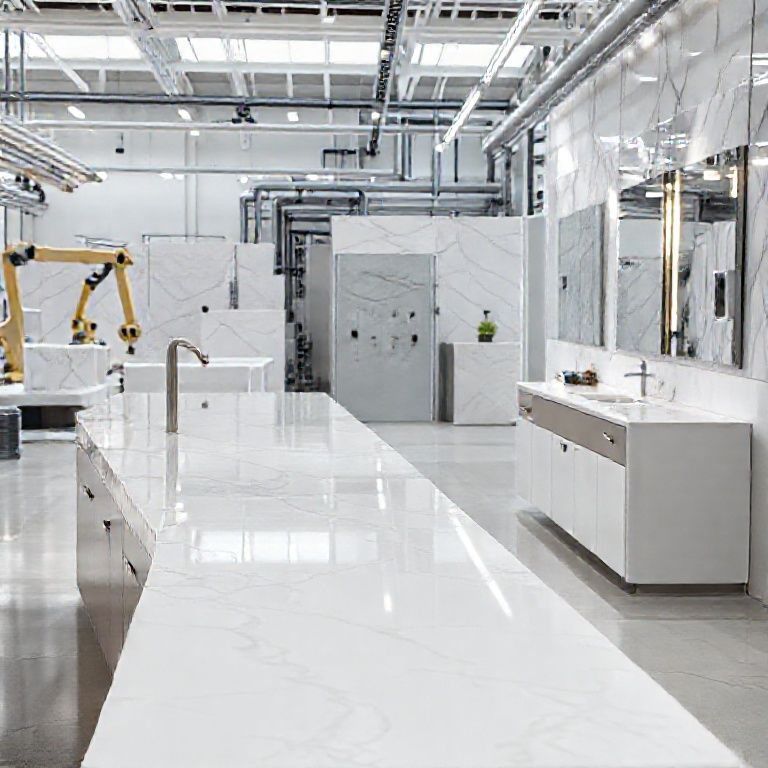
The primary ingredients of artificial marble are limestone, marble dust, and a polymer resin. During the production process, these components are combined and subjected to high pressure and temperature to create a solid, homogeneous stone. The result is a material that can be sculpted into various forms, offering a level of versatility that natural marble cannot match.
Safety Concerns
One of the most pressing questions surrounding artificial marble is whether it poses any health risks. To address this, it is crucial to delve into the materials used in its production and the processes involved.
Chemical Components and Emissions
Artificial marble is primarily composed of natural stone particles and polymer resins. The resin used is typically a polyester or acrylic polymer, which binds the stone particles together. During the curing process, these resins emit volatile organic compounds (VOCs). VOCs are chemicals that easily vaporize at room temperature and can contribute to indoor air pollution. They are known to have adverse health effects, including headaches, dizziness, and respiratory issues. However, the production and curing processes are tightly controlled to minimize VOC emissions.
Health Impact Assessment
Studies on the health impacts of artificial marble are relatively limited compared to those on natural stone. However, the general consensus among material scientists and health experts is that, when manufactured and installed correctly, artificial marble poses minimal health risks. The primary concern revolves around the initial curing phase where VOC emissions might be higher. Once the product has fully cured, the levels of harmful emissions are significantly reduced.
Usability in Various Applications
Artificial marble’s popularity stems from its versatility and aesthetic appeal. It is widely used in countertops, sinks, fountains, and decorative items. Let’s explore some of the most common applications:
Countertops
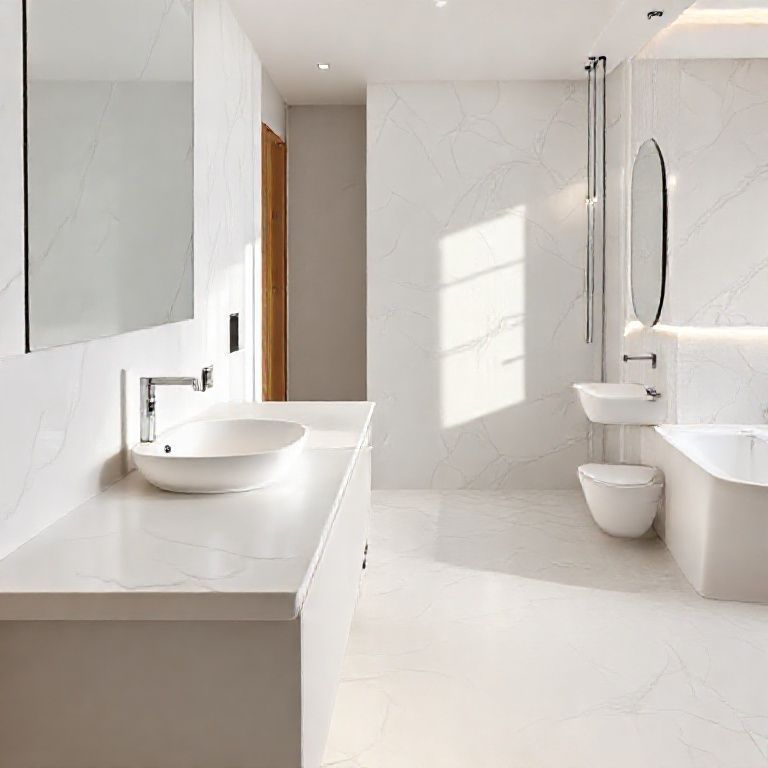
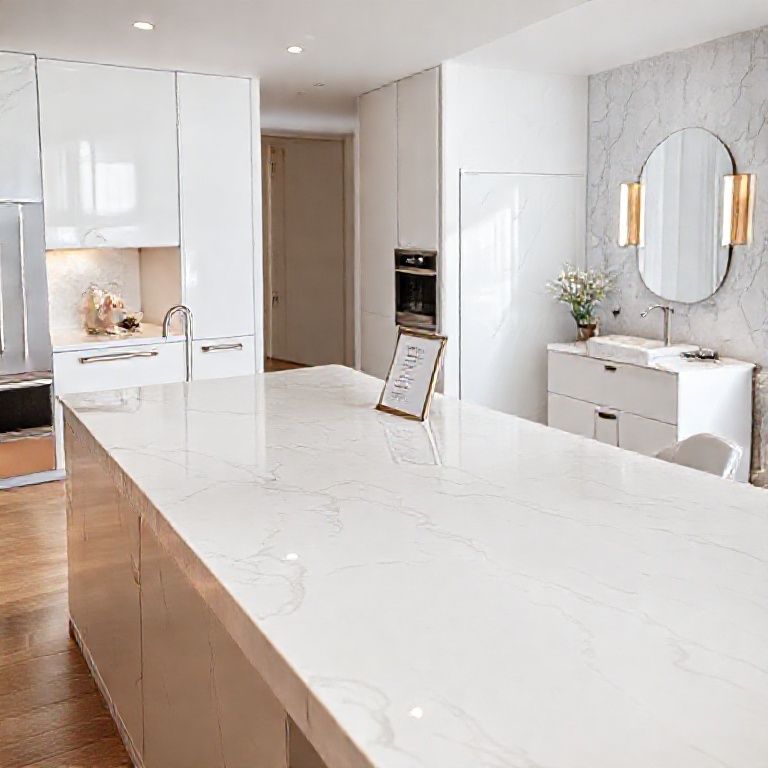
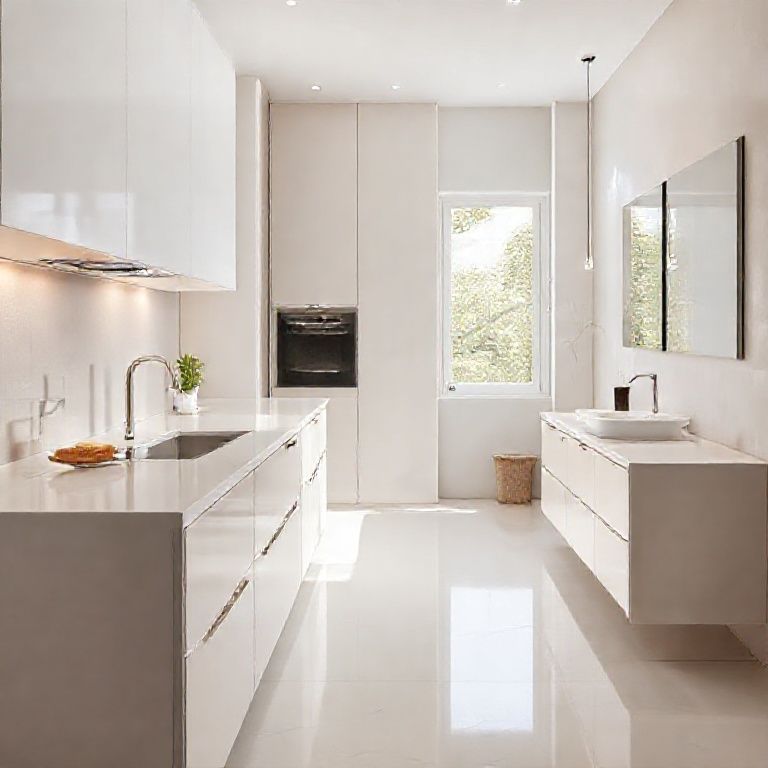
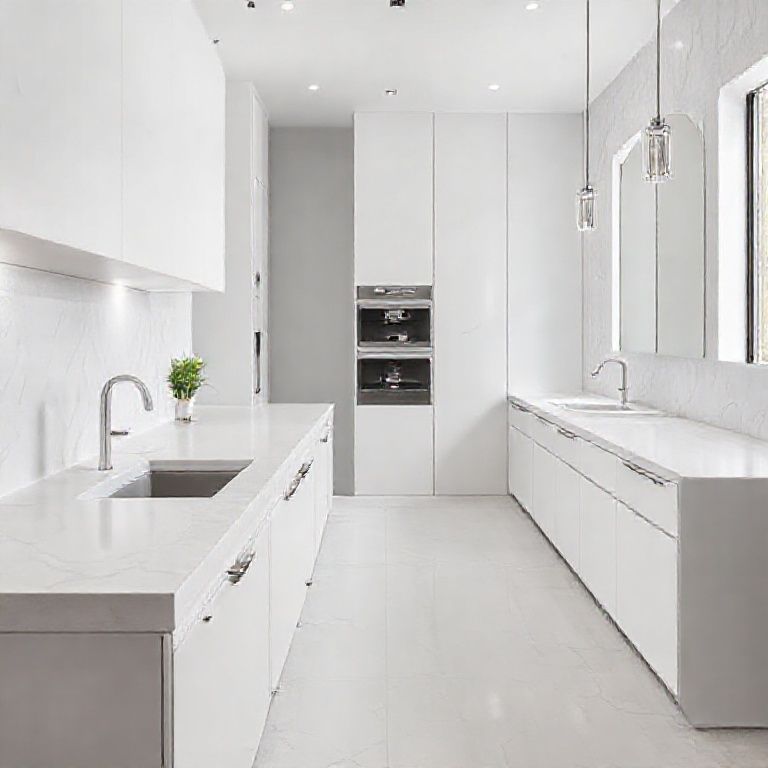
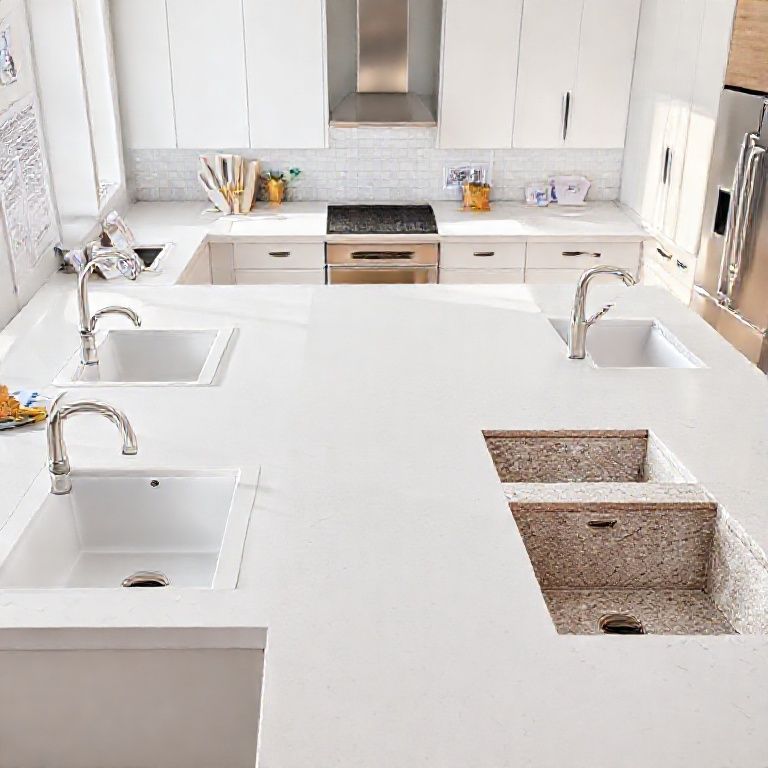
One of the most popular uses of artificial marble is in kitchen and bathroom countertops. Its durability, resistance to stains, and low maintenance requirements make it an excellent choice for those looking to replicate the elegance of natural marble without the upkeep. Moreover, its ability to withstand high temperatures makes it suitable for cooking surfaces.
Decorative Items
Artificial marble is also favored in the creation of decorative items such as vases, sculptures, and fountains. Its ability to replicate the intricate patterns found in natural marble allows for a wide range of artistic expressions. The material’s versatility means it can be shaped into virtually any form, making it a favorite among designers and craftsmen.
Indoor Design
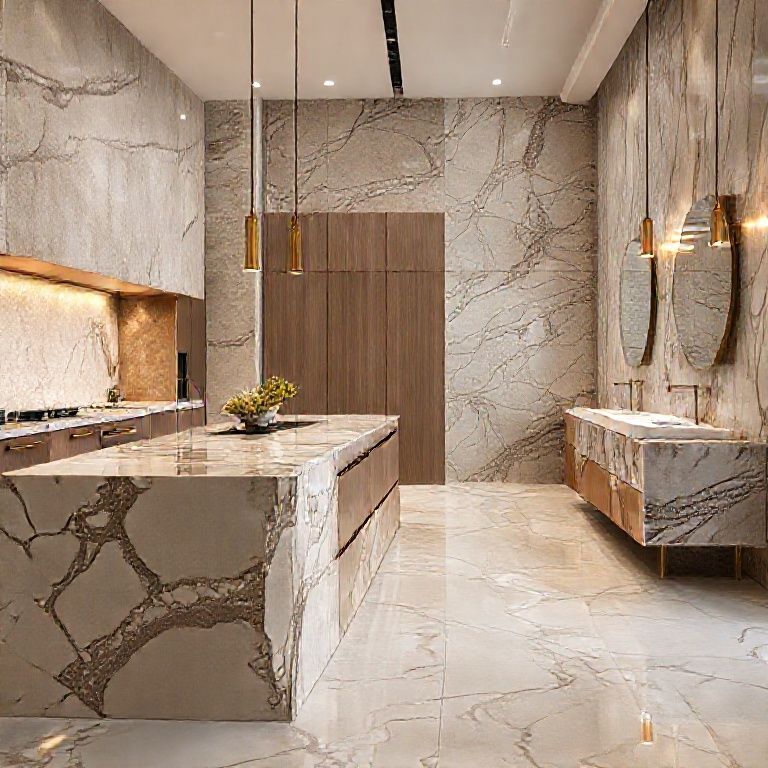
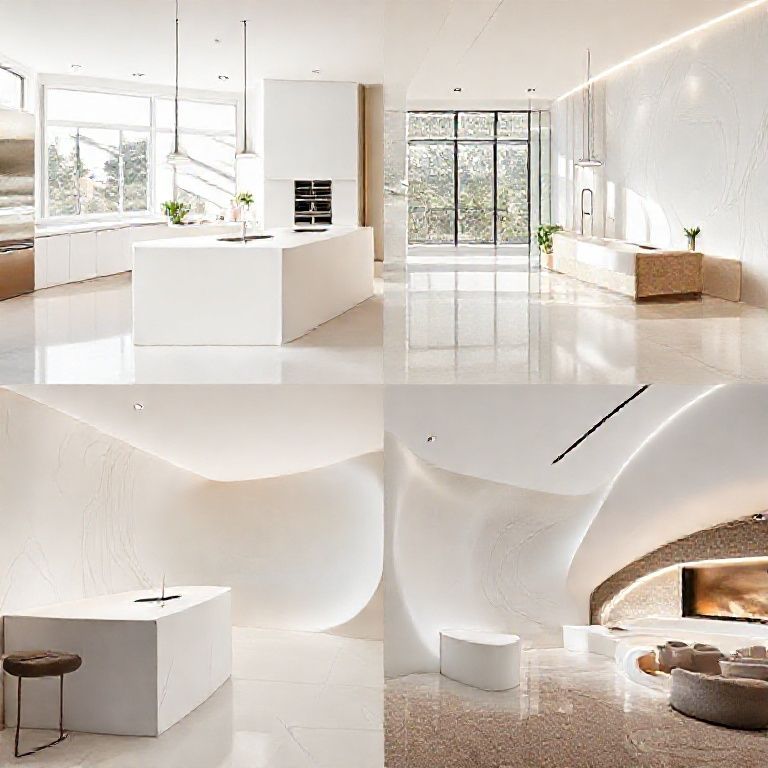
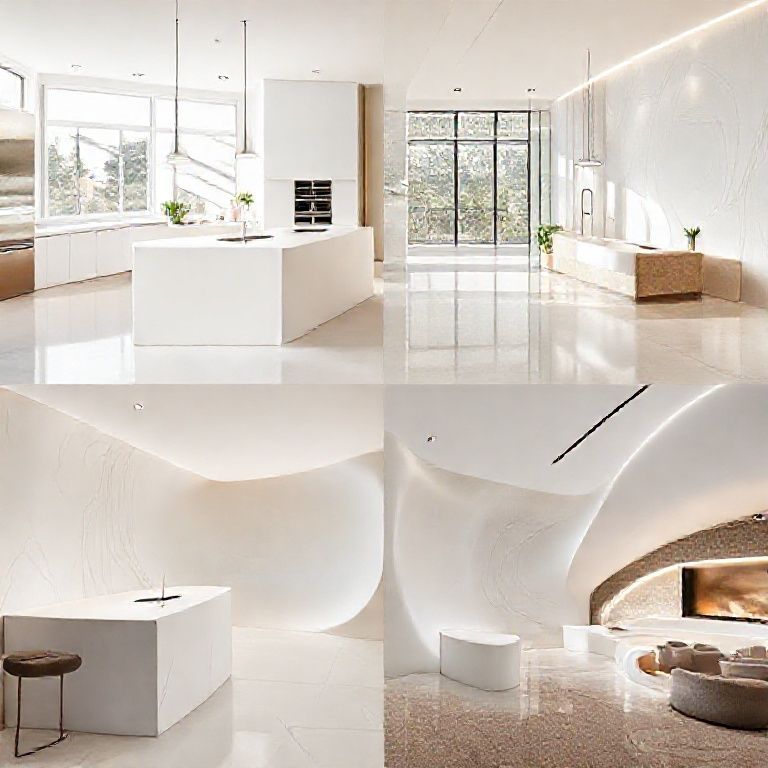
The use of artificial marble in interior design is on the rise. Its aesthetic appeal, coupled with its durability and low maintenance, makes it an ideal choice for both residential and commercial spaces. From flooring to wall cladding, artificial marble offers a sophisticated and enduring option for interior decor.
Environmental Impact
The production of artificial marble involves the use of natural stone particles, which raises questions about its environmental sustainability. While the extraction of limestone and marble dust does have an environmental footprint, the overall environmental impact is relatively low compared to the extraction and transportation processes required for natural marble.
Conclusion
In summary, artificial marble is a fascinating material that combines the beauty of natural stone with the advantages of modern manufacturing processes. While concerns about its health impacts exist, particularly during the initial curing phase, the material poses minimal risks when used correctly. Its versatility and aesthetic appeal make it an excellent choice for a wide range of applications, from countertops to decorative items. As with any material, it is essential to follow best practices for installation and maintenance to ensure its longevity and safety.
In the next part, we will delve deeper into the comparative analysis of artificial marble versus natural marble, exploring their long-term durability, maintenance requirements, and cost-effectiveness.
Comparative Analysis: Artificial Marble vs. Natural Marble
Having explored the basics of artificial marble and addressed common safety concerns, it is time to delve deeper into a comparative analysis between artificial marble and natural marble. This segment will examine the long-term durability, maintenance requirements, and cost-effectiveness of both materials, providing a comprehensive overview to help you make an informed decision.
Durability and Long-Term Performance
Natural Marble
Natural marble is renowned for its timeless beauty and elegance. However, its durability can be a point of contention. Marble is a soft stone, making it susceptible to scratches, stains, and etching from acidic substances. This necessitates regular maintenance and often the application of sealants to preserve its appearance and longevity.
Artificial Marble
In contrast, artificial marble is a significantly harder material than natural marble. It is engineered to be more resistant to scratches, stains, and etching, thus offering superior durability. The polymer resin used in its composition provides a protective barrier that enhances its resistance to wear and tear. This makes artificial marble an excellent choice for high-traffic areas where durability is paramount.
Maintenance Requirements
Natural Marble
Maintaining natural marble requires a careful approach. To protect its beauty and prolong its life, marble surfaces need regular cleaning and sealing. Acidic foods and beverages should be avoided, and spills should be wiped up promptly to prevent staining. Over time, marble can lose its luster and may require resurfacing or polishing to restore its shine.
Artificial Marble
Artificial marble’s low maintenance requirements are one of its biggest advantages. Because it is more resistant to stains and scratches, it does not require frequent cleaning or sealing. A simple wipe-down with a mild detergent and water is usually sufficient to keep it looking pristine. This low maintenance aspect makes artificial marble particularly appealing for busy households and commercial spaces where cleaning can be a logistical challenge.
Cost-Effectiveness
Natural Marble
Natural marble is a premium material, and its cost reflects its beauty and exclusivity. High-quality marble can be prohibitively expensive, and the additional costs of maintenance and potential repairs further add to the overall expense. Despite its beauty, the total cost of ownership for natural marble is often higher when factoring in maintenance and potential repairs.
Artificial Marble
Artificial marble offers a more cost-effective alternative to natural marble. The manufacturing process, while sophisticated, is more economical than mining and transporting natural marble. Additionally, the lower maintenance requirements translate to long-term savings. The durability and resistance of artificial marble mean it requires less frequent replacement and fewer repairs, further enhancing its cost-effectiveness.
Aesthetic Appeal
Natural Marble
The aesthetic appeal of natural marble is unparalleled. Its unique patterns and colors offer a level of individuality that artificial marble can only mimic. The beauty of natural marble lies in its natural imperfections, which add character and charm to any space. Whether it’s the classic veining of Italian marble or the vibrant colors of Brazilian marble, natural stone has a timeless elegance that continues to captivate.
Artificial Marble
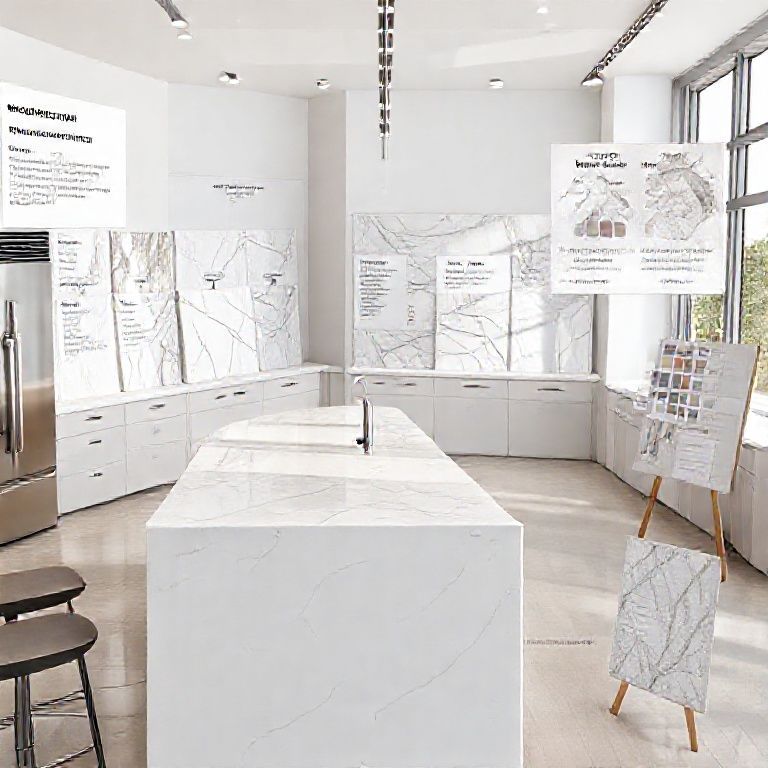
Artificial marble can replicate the intricate patterns and colors of natural marble with remarkable accuracy. Modern manufacturing techniques allow for a high degree of customization, enabling designers to create pieces that closely resemble natural marble while offering superior durability and resistance. While artificial marble may lack the unique imperfections of natural stone, it provides a close approximation that many find visually appealing.
Environmental Considerations
Natural Marble
The environmental impact of natural marble is a significant consideration. The extraction of marble involves extensive mining operations that can lead to habitat destruction and contribute to carbon emissions. Additionally, the transportation of natural marble from its source to the end user adds to its environmental footprint.
Artificial Marble
The production of artificial marble involves the use of natural stone particles, which raises questions about its environmental sustainability. However, the overall environmental impact is relatively low compared to the extraction and transportation processes required for natural marble. The manufacturing process also allows for better control over waste and emissions, contributing to a more sustainable production cycle.
Conclusion
In conclusion, both artificial and natural marble have their unique advantages and disadvantages. Natural marble offers unmatched beauty and a timeless appeal, but it comes with higher costs and maintenance requirements. Artificial marble, on the other hand, provides a cost-effective, low-maintenance alternative that closely mimics the aesthetic appeal of natural marble while offering superior durability and resistance. When deciding between the two, it is essential to consider factors such as budget, maintenance, and the specific needs of your space.
By understanding the comparative aspects of artificial and natural marble, you can make a well-informed decision that balances beauty, durability, and practicality for your interior design needs.
Artificial marble continues to be a fascinating subject of interest, particularly in the realms of interior design and home decor. Its blend of beauty, durability, and low maintenance requirements make it a compelling choice for many. As we move forward, it is essential to stay informed about the latest advancements in material science and sustainability to make the best choices for our living spaces.