Understanding Artificial Marble and Its Composition
Introduction
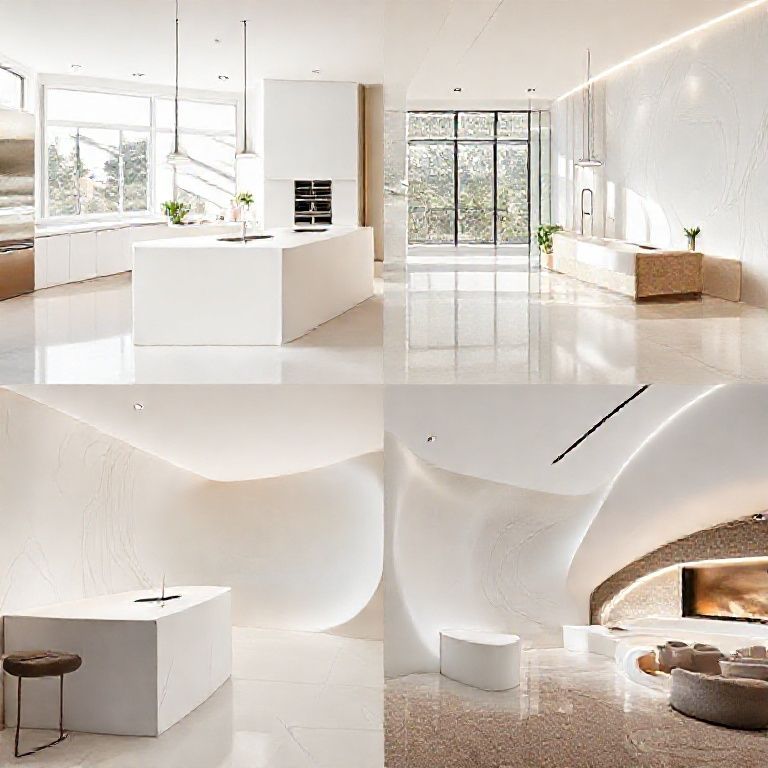
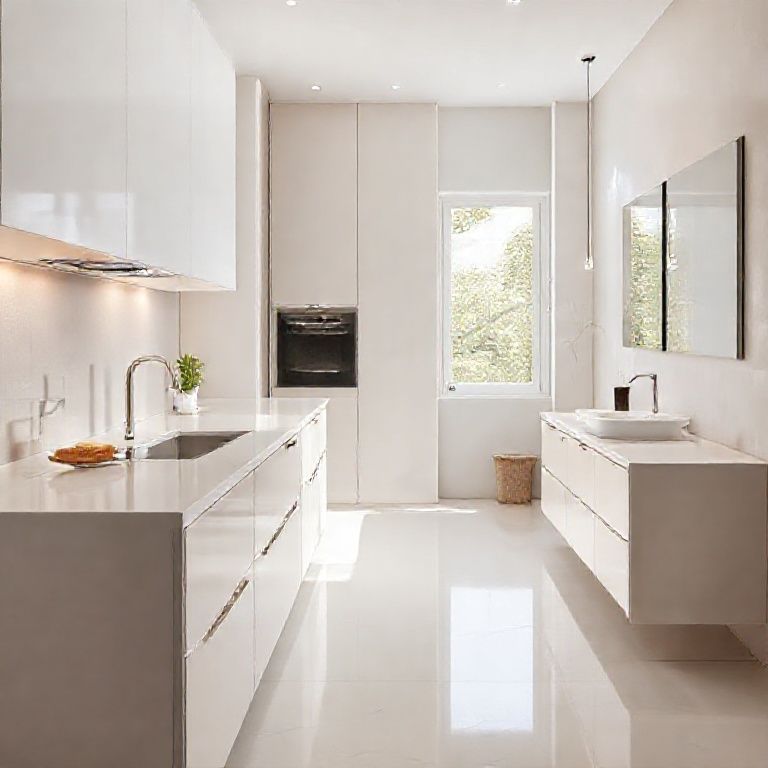
Artificial marble, often referred to as engineered stone, has surged in popularity due to its stunning aesthetics, durability, and relatively low cost compared to natural marble. However, with this rise in popularity comes a series of questions about its safety and health implications, particularly concerning radiation and potential harm to humans. This first part aims to demystify artificial marble by delving into its composition, the science behind its production, and the ongoing debates about its safety.

What is Artificial Marble?
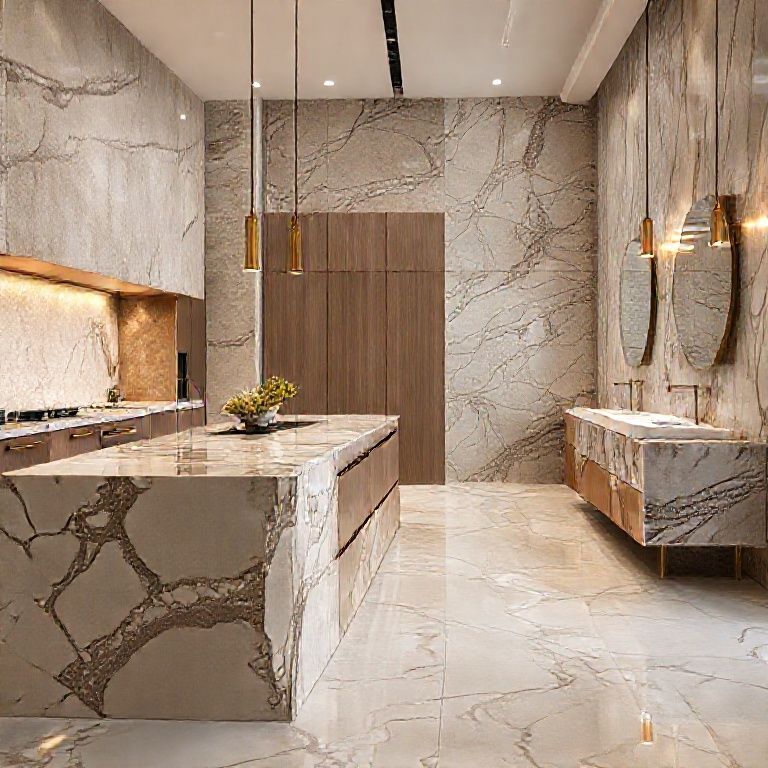
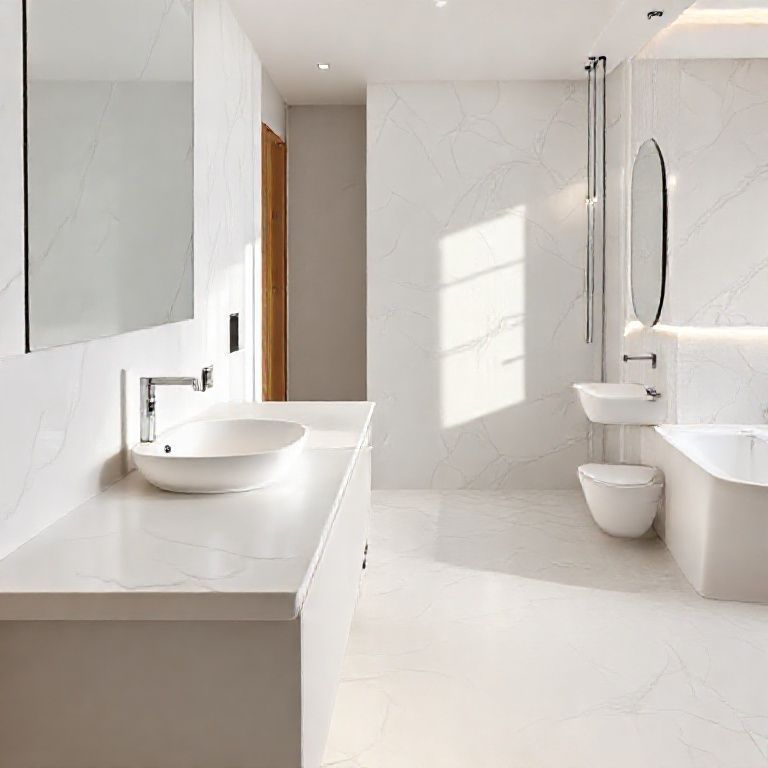
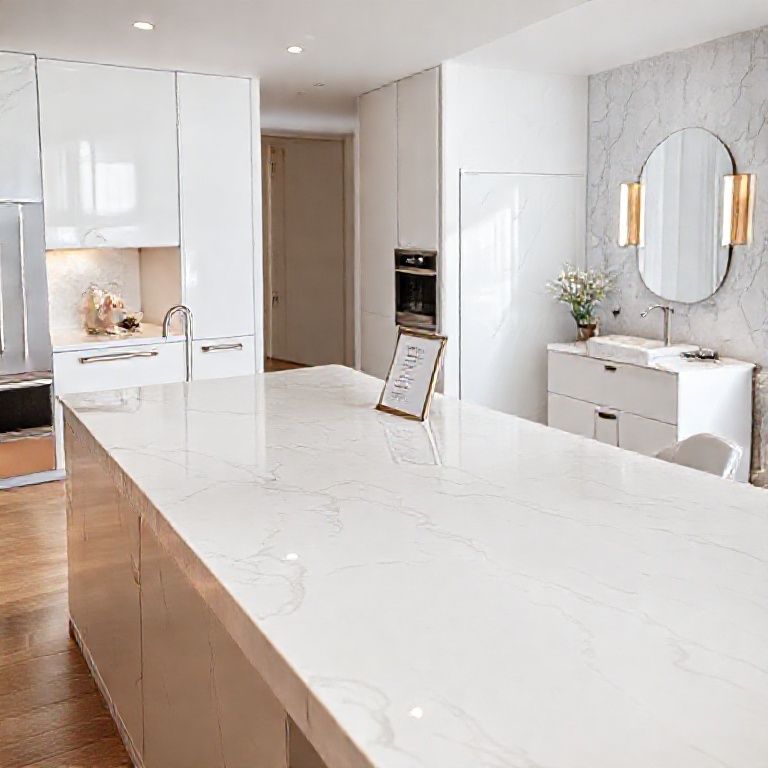
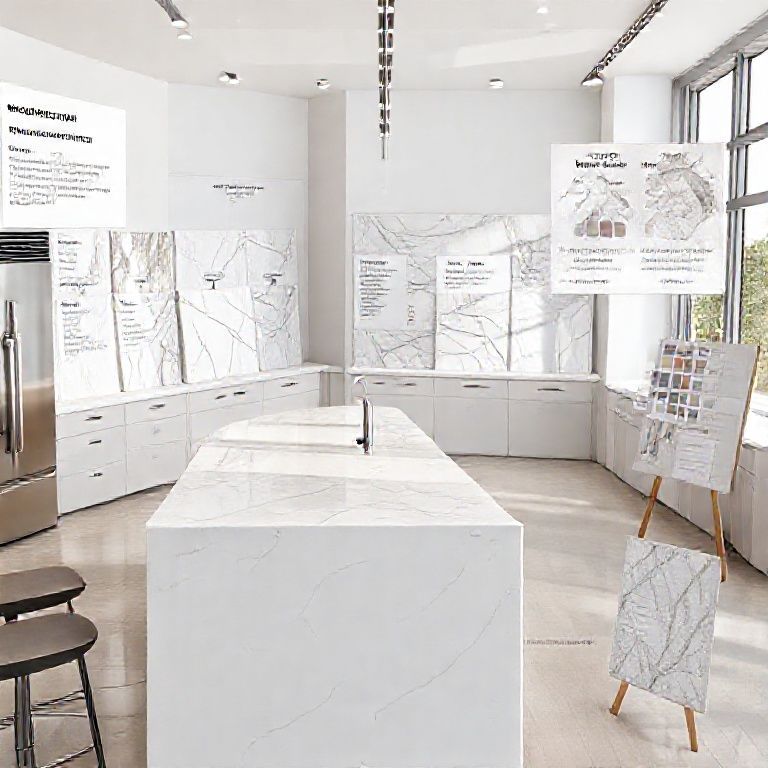
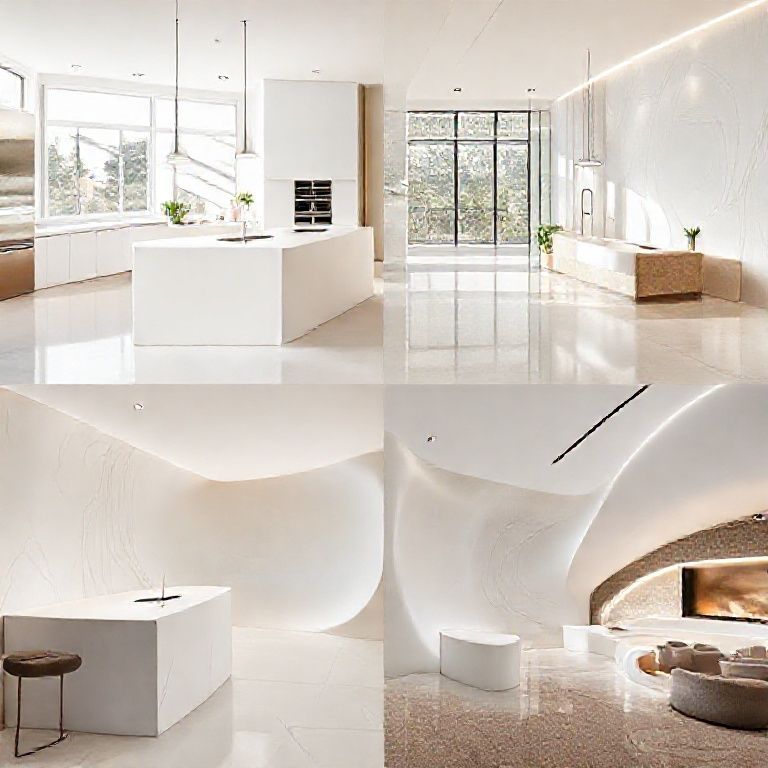
Artificial marble, or engineered stone, is a composite material created by combining a quartz (usually 90% or more) with other minerals, pigments, and a polymer binder. This mixture is heated and pressurized in molds to form a solid stone-like material. The result is a product that mimics the look and feel of natural marble but without the issues of cracks, chips, and discoloration often found in natural stone.
Material Composition and Manufacturing Process
The primary component of artificial marble is quartz, a naturally occurring mineral that is abundant and relatively inert. To this base, manufacturers add various pigments to achieve the desired color and a polymer binder to hold the mixture together. The manufacturing process involves mixing the quartz and pigments, followed by heating and applying pressure to solidify the material.
Radiation Concerns: What You Need to Know
A common concern about artificial marble is whether it emits radiation and if this could pose any health risks. To address this, it’s important to understand what radiation is and how it relates to the materials we use in our daily lives.
What is Radiation?
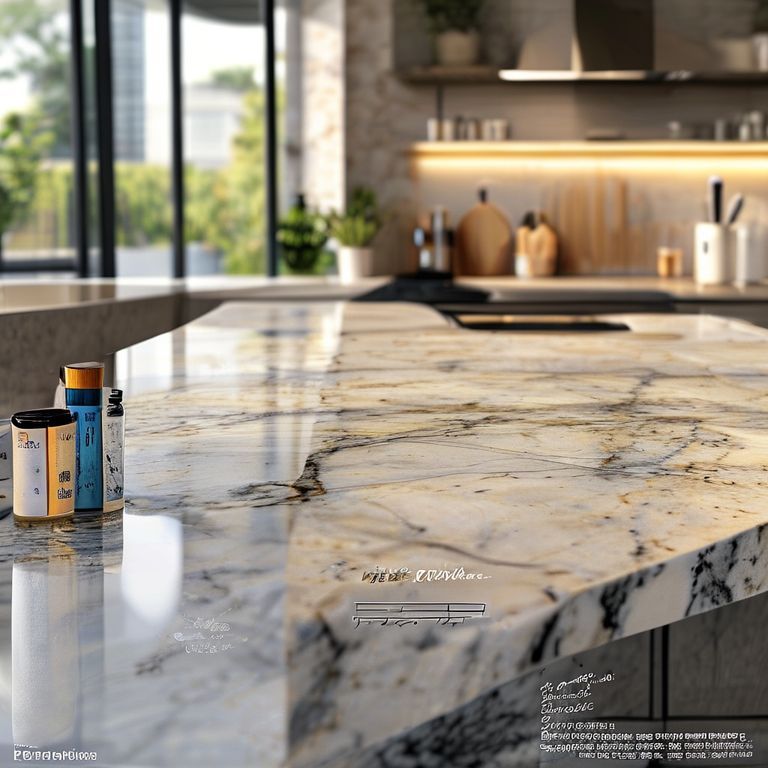
Radiation is energy that comes in waves or particles, and it can be harmful in high doses. There are two main types of radiation: ionizing radiation, which has enough energy to remove tightly bound electrons from atoms and create ions, and non-ionizing radiation, which does not have this capability. Examples of ionizing radiation include X-rays and gamma rays, while non-ionizing radiation includes radio waves, microwaves, and visible light.
Does Artificial Marble Emit Radiation?
To determine if artificial marble emits radiation, it’s crucial to examine its ingredients and the manufacturing process. Quartz, the primary component of artificial marble, is a naturally occurring mineral that does not emit radiation under normal conditions. The pigments and polymer binders used in the production process are also generally non-radioactive.
Scientific studies and testing by reputable organizations have shown that artificial marble does not emit harmful ionizing radiation. The binders and pigments used do not contribute to radiation levels, and the manufacturing process does not introduce any radioactive elements.
Health Implications and Safety Standards
While artificial marble does not emit radiation, it’s still important to consider other health implications associated with its use.
Non-Toxic Nature
The materials used in artificial marble are typically non-toxic. Quartz and the polymers used are not known to release harmful substances under normal usage conditions. However, like any material, if broken or cut, fine dust can be produced. This dust can be harmful if inhaled, leading to respiratory issues. Therefore, it’s crucial to handle artificial marble with care, especially in environments where dust can become airborne.
Safety Standards and Certifications
To ensure the safety and quality of artificial marble, manufacturers often adhere to various safety standards and certifications. These include ISO standards, which set international benchmarks for quality and safety, and local regulations that ensure the materials are safe for use in homes and commercial spaces.
Conclusion
In conclusion, artificial marble is a fascinating material that combines the beauty of natural stone with the durability and consistency of engineered materials. While concerns about radiation are unfounded, it’s essential to handle the material responsibly to avoid any potential health risks associated with dust inhalation. The scientific consensus and safety standards provide reassurance about the material’s safety, making it a viable and attractive option for various applications.
Addressing Health Risks and Safe Alternatives
Introduction
Having explored the composition and radiation concerns of artificial marble, this second part will delve deeper into the potential health risks associated with its use and discuss safe alternatives. We will also examine how to mitigate any risks and ensure a safe environment when using artificial marble.
Potential Health Risks Beyond Radiation
While artificial marble does not emit radiation, other aspects of its use can pose health risks, particularly concerning dust and chemical exposure.
Dust and Respiratory Issues
One of the primary health concerns with artificial marble is the generation of dust during cutting, grinding, and other manufacturing processes. When fine particles become airborne, they can be inhaled, potentially leading to respiratory issues. This risk is heightened in poorly ventilated areas where dust can accumulate.
Preventing Dust Exposure
To mitigate the risk of dust exposure, several precautions can be taken:
Proper Ventilation: Ensure that work areas are well-ventilated. Use exhaust fans and open windows to disperse airborne dust.
Dust Masks and Protective Equipment: When handling artificial marble, especially during cutting and grinding, use dust masks and other protective gear to prevent inhalation of fine particles.
Wet Cutting Techniques: Whenever possible, use wet cutting techniques to minimize dust generation. This involves cutting the marble with water to create a slurry that reduces airborne particles.
Regular Cleaning: Regularly clean surfaces and work areas to prevent dust accumulation. Use damp cloths to wipe surfaces and vacuum with HEPA filters to capture fine particles.
Chemical Exposure
Although the components of artificial marble are generally non-toxic, there are still concerns about the chemicals used in the manufacturing process. Some pigments and binders might contain volatile organic compounds (VOCs), which can off-gas and pose health risks.
Managing VOC Emissions
To minimize exposure to VOCs:
Choose Low-VOC Products: Opt for artificial marble products that are labeled as low-VOC or VOC-free. These products use alternative binders and pigments that minimize harmful emissions.
Proper Curing: Ensure that the artificial marble is fully cured before use. The curing process allows any residual VOCs to off-gas, reducing the risk of exposure.
Adequate Ventilation During Installation: When installing artificial marble, ensure that the area is well-ventilated to allow any off-gassing to dissipate quickly.
Safe Alternatives to Artificial Marble
While artificial marble is a popular choice, there are other materials that offer similar aesthetic benefits with potentially fewer health risks.
Natural Stone
Natural stone, such as marble, granite, and limestone, offers timeless beauty and durability. However, natural stone can harbor bacteria, molds, and other microorganisms, particularly if not properly maintained. Additionally, natural stone can be more expensive and less consistent in quality compared to artificial marble.
Alternative Composite Materials
Quartz Countertops: Quartz is a popular alternative to artificial marble. It is made from 93% quartz, making it highly durable and non-porous. Quartz is also resistant to stains and bacteria, but it can be more expensive than artificial marble.
Corian: Corian is another composite material made from acrylic resin. It is highly durable, resistant to stains, and comes in a variety of colors and finishes. Corian is also non-porous and does not support bacterial growth, but it can be more costly than both artificial marble and natural stone.
Health Considerations for All Materials
When selecting any material for use in living or working spaces, it’s essential to consider the potential health risks associated with dust, chemical exposure, and microbial growth. Here are some general guidelines:
Choose Low-VOC Products: Look for materials labeled as low-VOC or VOC-free to minimize exposure to harmful chemicals.
Proper Installation and Curing: Ensure that materials are properly installed and allowed to cure according to manufacturer instructions to minimize off-gassing.
Regular Maintenance: Regularly clean and maintain surfaces to prevent dust accumulation and microbial growth.
Ventilation: Ensure that work areas and living spaces are well-ventilated to disperse airborne particles and reduce the risk of respiratory issues.
Conclusion
Artificial marble is a versatile and attractive material that offers many benefits, including durability and consistent aesthetics. While it does not emit harmful radiation, it’s important to handle it responsibly to avoid dust and chemical exposure. By following safety guidelines and choosing low-VOC products, you can enjoy the benefits of artificial marble while minimizing potential health risks. Additionally, exploring safe alternatives like quartz and Corian can provide similar benefits with potentially fewer health concerns.
In summary, understanding the composition, potential risks, and safe handling practices of artificial marble allows you to make informed decisions about its use in your home or workplace, ensuring a safe and beautiful environment.