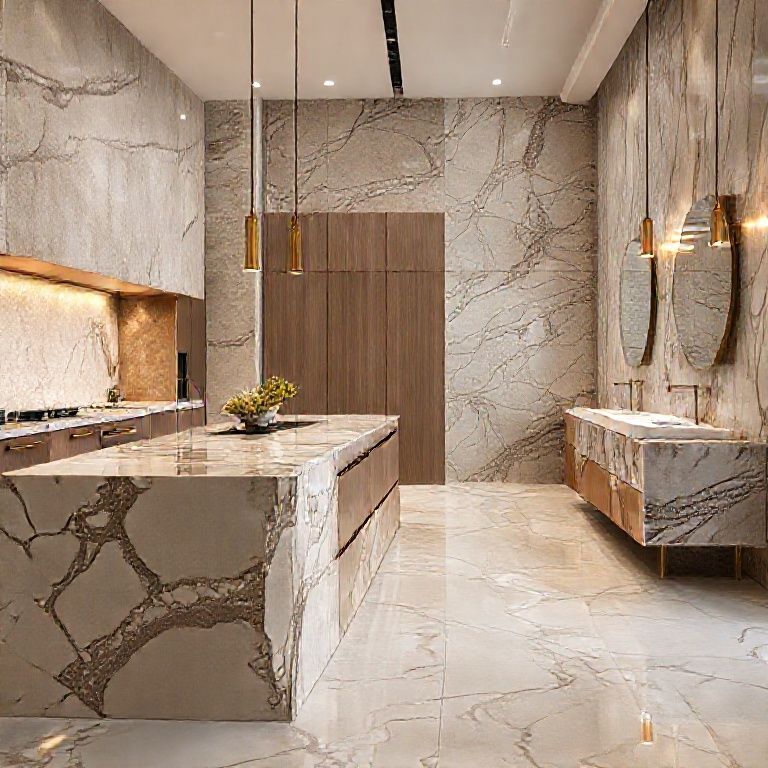
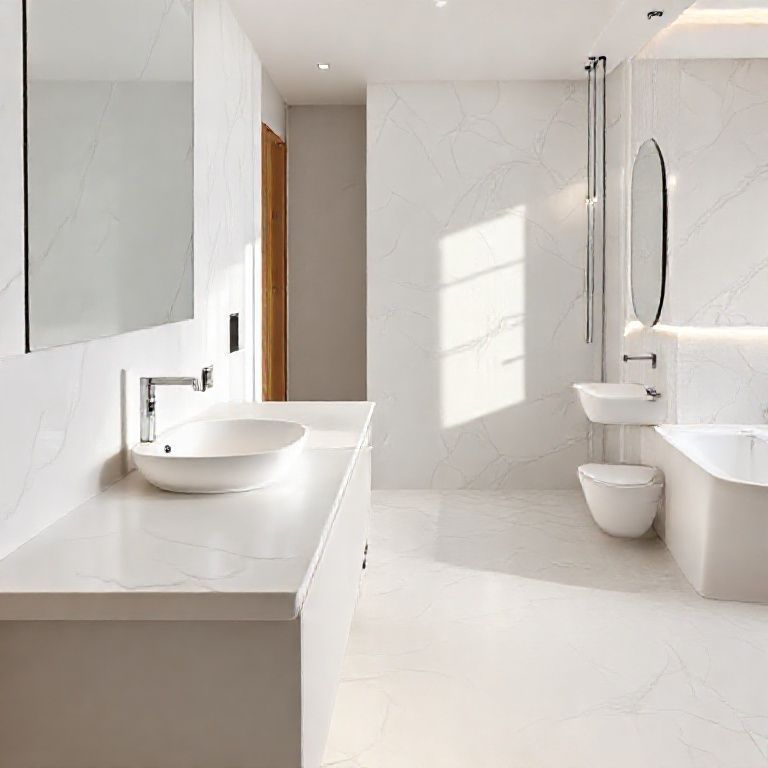
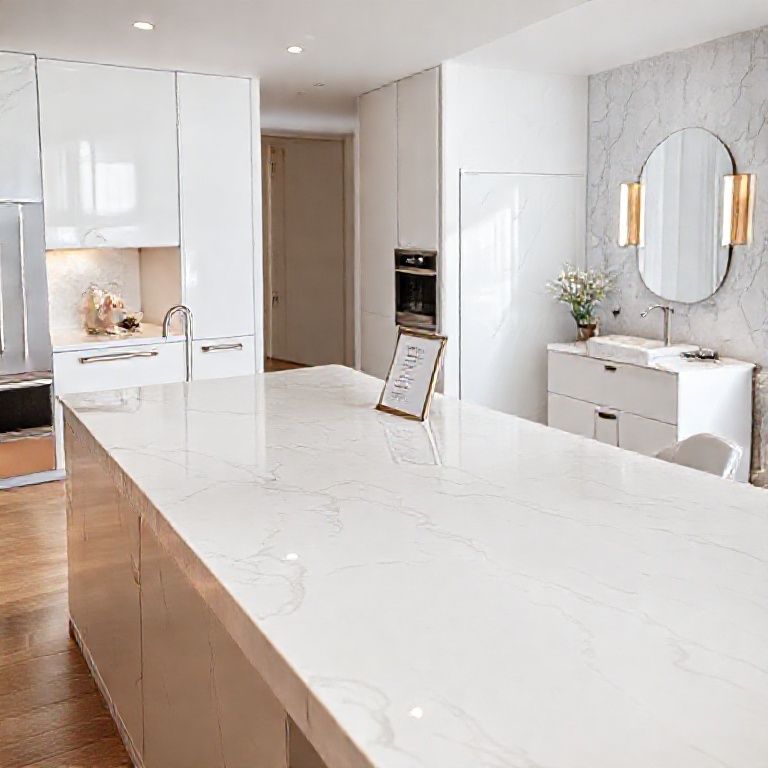
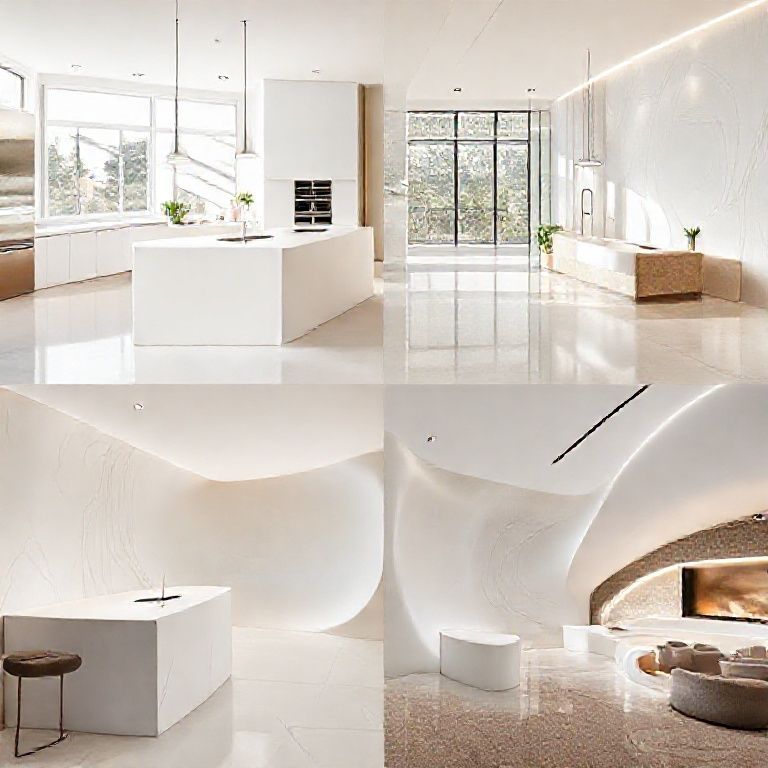
In this comprehensive guide, we explore the safety of engineered marble, addressing the pressing question: does artificial marble have radiation, and if so, what are the potential health hazards? We break down the topic into two parts to provide a thorough and engaging understanding of the subject. From understanding the material’s composition to its potential effects on human health, this article aims to inform and reassure.

engineered marble, radiation, safety, health hazards, artificial stone, countertop, tiles, non-toxic, radiation-free, health concerns
Understanding Engineered Marble and Its Composition
${part1}
Introduction to Engineered Marble
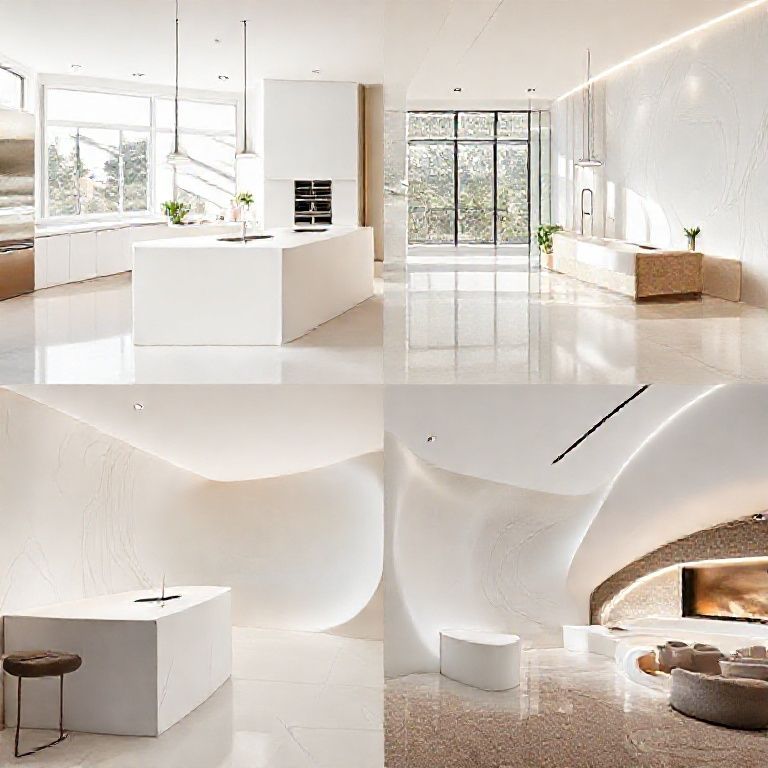
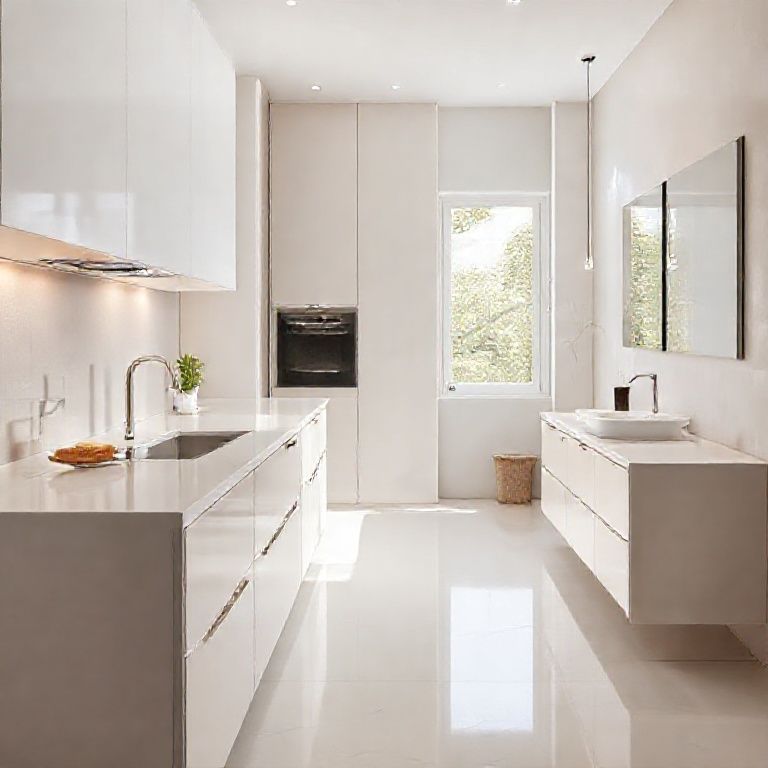
Engineered marble, often referred to as artificial or cultured marble, has become a popular choice in modern interior design due to its aesthetic appeal and durability. Unlike natural marble, engineered marble is a composite material made from a mixture of minerals, resins, and pigments. This unique blend gives it a realistic marble look while offering a more cost-effective and maintenance-free alternative to traditional marble.
Material Composition
At its core, engineered marble is composed of several key elements:
Quartz: This is the primary mineral used, comprising up to 70-80% of the material. Quartz is renowned for its durability and resistance to stains, making it a practical choice for countertops and other high-traffic areas. Resins: Epoxy or polyester resins are used to bind the quartz particles together. These resins are thermosetting polymers, meaning they harden permanently once mixed and cured. Pigments: To achieve the desired color and texture, various pigments are added to the mixture. These pigments are typically inorganic and non-toxic, ensuring the final product’s safety.
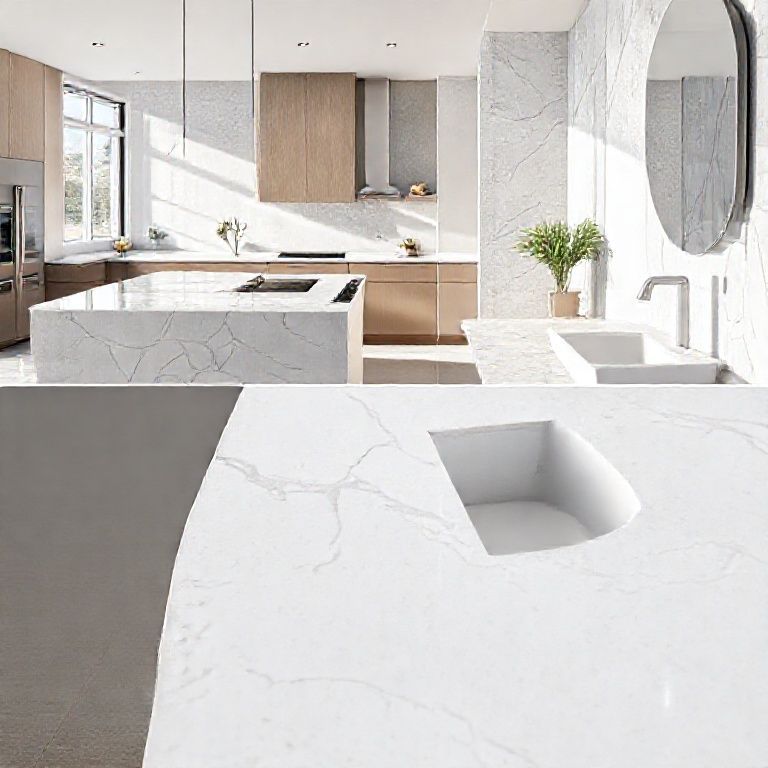
Radiation and Engineered Marble
One of the primary concerns surrounding engineered marble is whether it emits radiation and poses a health risk. To address this, it is crucial to understand the nature of radiation and how it applies to composite materials like engineered marble.
Types of Radiation
Radiation can be categorized into two main types: ionizing and non-ionizing. Ionizing radiation has enough energy to remove tightly bound electrons from atoms, which can cause damage to living tissues and DNA. Examples include X-rays, gamma rays, and high-energy UV rays. Non-ionizing radiation, on the other hand, does not have enough energy to ionize atoms and includes lower-energy UV rays, visible light, infrared, microwaves, and radio waves.
The Role of Quartz in Engineered Marble
Quartz is a naturally occurring mineral that does not emit radiation. The energy levels within quartz crystals are not sufficient to ionize atoms, which means it does not produce ionizing radiation. Similarly, the resins and pigments used in engineered marble are not sources of radiation. Therefore, the primary components of engineered marble do not emit radiation.
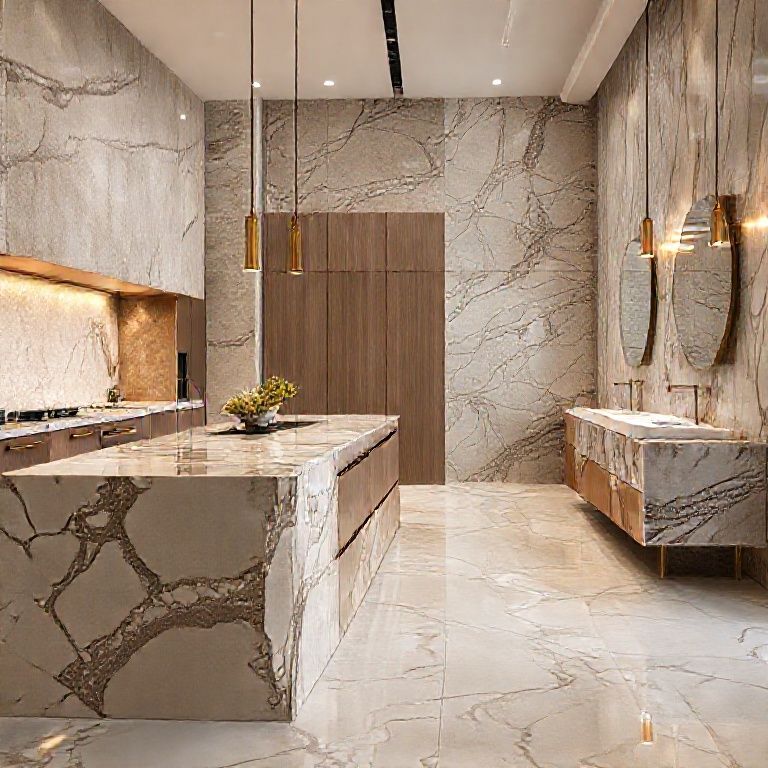
Testing and Certification
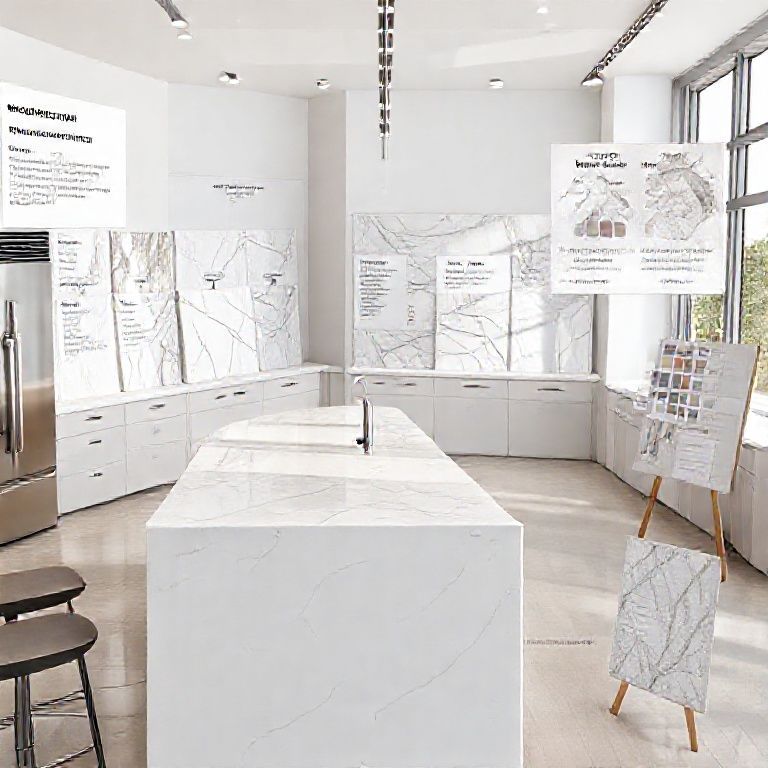
To further reassure potential users, many manufacturers of engineered marble undergo rigorous testing to confirm the absence of harmful radiation. These tests are often conducted by independent laboratories using advanced equipment to measure any potential radiation levels. The results consistently show that engineered marble does not emit radiation beyond background levels naturally found in the environment.
Environmental and Health Safety
Engineered marble is designed with safety in mind. The materials used—quartz, resins, and pigments—are selected for their non-toxic properties. The manufacturing processes are also controlled to ensure minimal environmental impact and maximum safety for users. Many products come with certifications from reputable organizations that verify their safety standards.
Conclusion
In conclusion, engineered marble does not have radiation concerns. The primary materials—quartz, resins, and pigments—do not emit ionizing radiation, which is the type of radiation that poses health risks. Comprehensive testing further confirms that engineered marble is radiation-free. This makes it a safe and reliable choice for various interior design applications, offering both aesthetic appeal and practical benefits without compromising health.
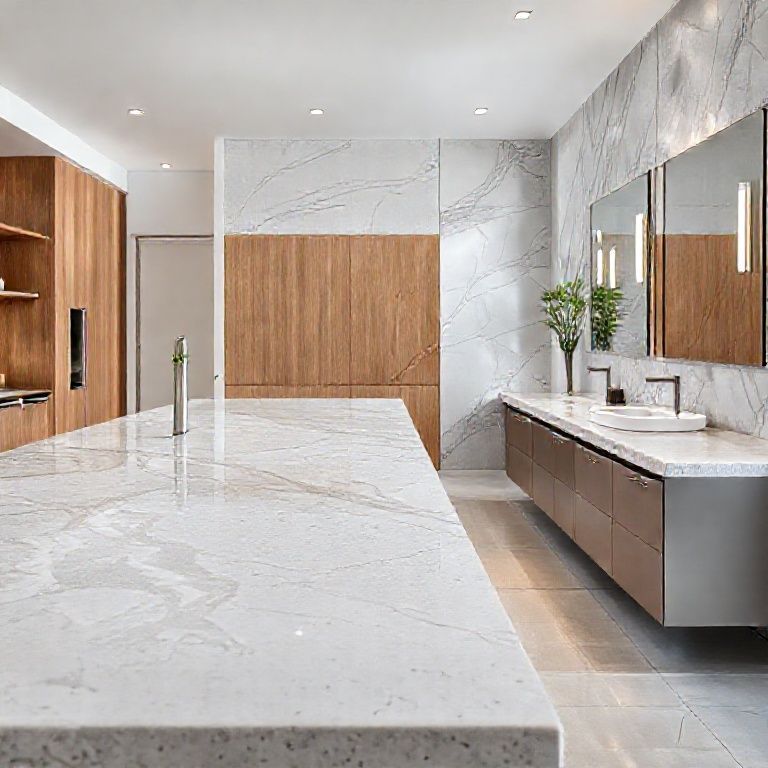
Long-Term Safety and Health Implications of Engineered Marble
${part2}
Introduction to Long-Term Safety
While the immediate safety of engineered marble is well-established, understanding its long-term impact on health and the environment is equally important. This part delves deeper into the potential health implications of using engineered marble over extended periods and explores any possible long-term effects.
Non-Toxic Nature of Engineered Marble
Engineered marble is composed of non-toxic materials that are safe for prolonged use. The quartz used is a natural mineral that does not release harmful substances when installed and used in normal conditions. Similarly, the resins and pigments are selected for their inert properties. This ensures that there are no toxic emissions over time that could pose health risks.
Potential Chemical Release
Although engineered marble is generally safe, it is essential to consider the possibility of chemical release. Over time, the resins used in the material could potentially degrade, releasing small amounts of volatile organic compounds (VOCs). However, the levels of VOCs emitted from high-quality engineered marble products are typically within acceptable limits set by health and safety regulations.
Manufacturing Processes
The manufacturing processes of engineered marble are designed to minimize chemical emissions. Modern techniques ensure that the resins cure properly and that the pigments do not leach out. Additionally, manufacturers often use low-VOC resins to further reduce any potential chemical release.
Regulatory Standards
To ensure safety, engineered marble products are subject to various regulatory standards. These standards are enforced by organizations such as the Environmental Protection Agency (EPA) and other global health and safety bodies. Compliance with these standards guarantees that the materials used in engineered marble meet stringent safety requirements.
Health Implications of Long-Term Use
Allergic Reactions: While rare, some individuals may experience allergic reactions to certain resins or pigments. However, these reactions are typically minor and can often be managed with proper care and attention. Always follow manufacturer guidelines for maintenance and cleaning to minimize such risks.
Dust and Particles: During installation and maintenance, fine dust particles from engineered marble can become airborne. To mitigate this, it is advisable to use protective masks and ensure proper ventilation during installation. Regular cleaning with appropriate materials can also help reduce dust accumulation.
Microbial Growth: Like any surface, engineered marble can harbor bacteria or mold if not properly maintained. Regular cleaning with antibacterial or antifungal agents can prevent microbial growth and ensure a hygienic environment.
Environmental Impact
Engineered marble’s environmental impact is generally low compared to natural stone alternatives. The manufacturing process is designed to minimize waste and energy consumption. Additionally, the durability of engineered marble means it requires less frequent replacement, reducing the need for new raw materials.
Sustainable Practices
Many manufacturers of engineered marble are adopting sustainable practices to further reduce their environmental footprint. This includes using recycled materials and implementing energy-efficient production processes. By choosing sustainable engineered marble products, consumers can contribute to a more environmentally friendly construction industry.
Conclusion
In conclusion, the long-term safety and health implications of engineered marble are generally positive. The non-toxic nature of its primary components, combined with rigorous regulatory standards and sustainable manufacturing practices, ensure that engineered marble remains a safe and environmentally friendly choice. While minor issues such as chemical release, dust particles, and microbial growth can arise, they are easily managed with proper care and maintenance. Engineered marble continues to be a reliable and attractive option for modern interior design, offering both aesthetic appeal and practical benefits without compromising on health or environmental standards.
By breaking down the safety concerns of engineered marble into two comprehensive parts, we have covered the fundamental composition, immediate safety, long-term health implications, and environmental impact. This detailed exploration aims to provide a thorough understanding, reassuring readers about the safety and benefits of using engineered marble in their homes and businesses.