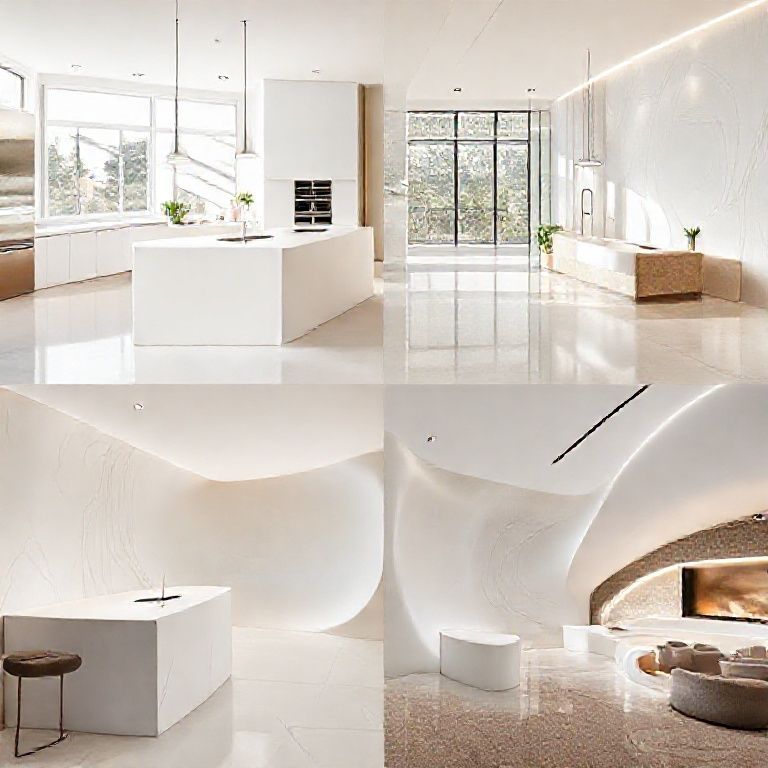
Corian vs Quartz: Unveiling the Key Differences
In the realm of kitchen and bathroom countertops, two materials have consistently stood out for their durability, aesthetics, and versatility: Corian and Quartz. Both are highly sought after for their premium qualities, but they come with distinct characteristics that cater to different preferences and requirements. Here, we delve into the nuanced differences between Corian and Quartz, guiding you through material composition, installation, maintenance, and overall benefits to help you make an informed choice.

Material Composition:
At the heart of the debate between Corian and Quartz lies their fundamental composition. Corian is a type of solid surface made from polyvinyl chloride (PVC) that has been processed into a homogeneous, fine-grained material. This composition allows for a wide range of colors and patterns, offering designers and homeowners unprecedented flexibility in their aesthetic choices.
On the other hand, Quartz is a natural stone made from silica, the same material found in sand. It is composed of tiny crystals bound together with resin. Quartz countertops are made through a process called compression molding, where powdered quartz is mixed with colorants and bonded together under high pressure and temperature.
Durability and Strength:
When it comes to durability, both Corian and Quartz offer impressive resistance to scratches, stains, and heat. However, their underlying strengths differ.
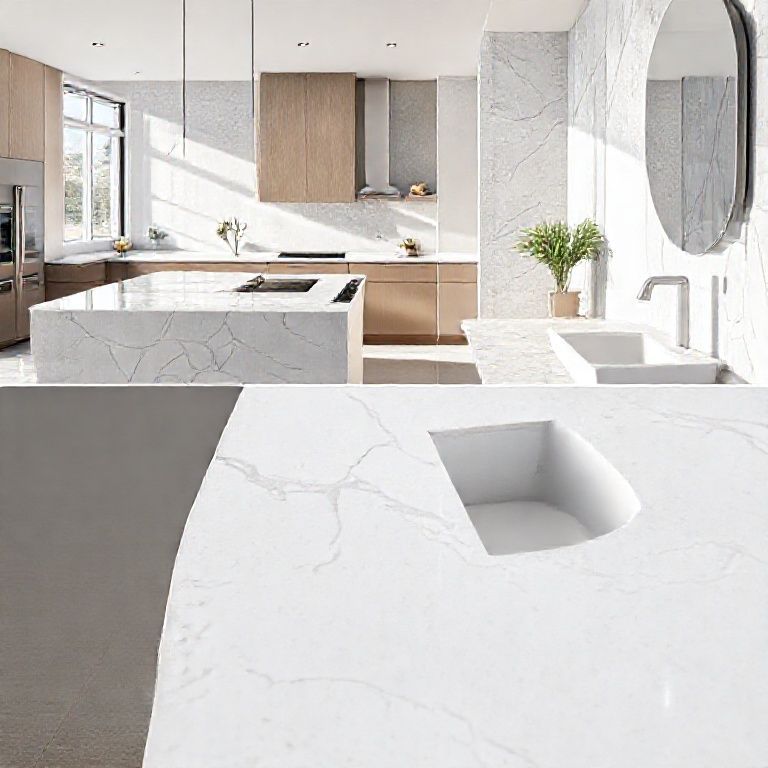
Corian is renowned for its high impact resistance. It’s designed to withstand everyday wear and tear, making it a favorite for high-traffic areas like kitchens. Corian’s density and uniform composition provide a smooth, consistent finish that resists scratches and chips. Additionally, Corian’s solid surface nature means it is impervious to moisture, making it an excellent choice for both kitchens and bathrooms.
Quartz, in contrast, is celebrated for its unmatched hardness, ranking a 7 on the Mohs scale, which makes it highly resistant to scratches and cuts. While Quartz is also resistant to stains and heat, its natural stone composition can sometimes be more susceptible to thermal shock compared to Corian. This means that Quartz may develop cracks if exposed to sudden temperature changes, whereas Corian’s solid surface nature helps mitigate such risks.
Installation Process:
The installation process for Corian and Quartz also varies significantly due to their differing compositions.
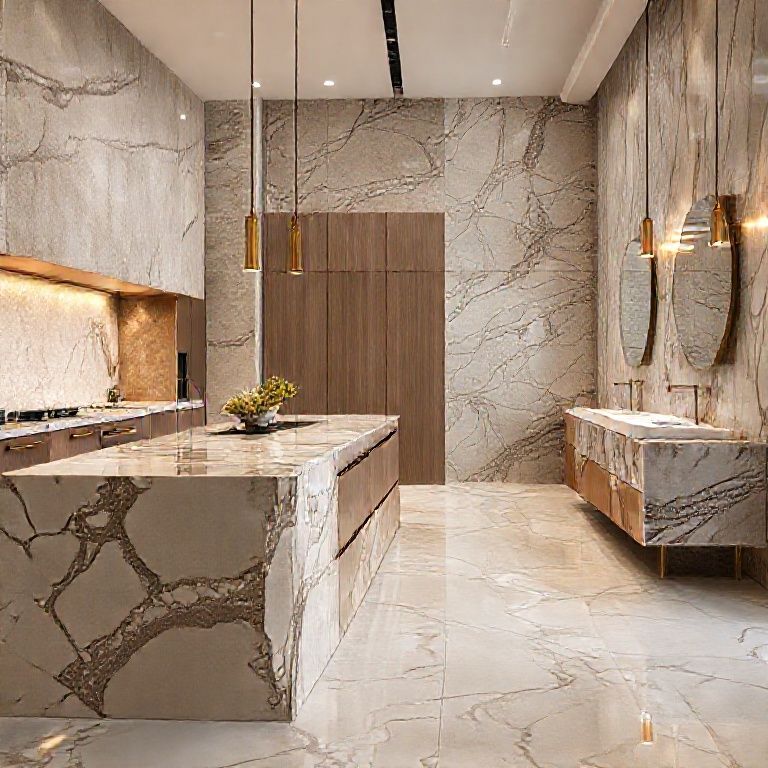
Corian installation is relatively straightforward. Its solid surface form allows for easy cutting to fit various countertop sizes and shapes. It can be installed over a variety of substrates, including wood, metal, and concrete, using adhesives or mechanical fasteners. Due to its lightweight and pre-cut nature, Corian often requires less labor-intensive preparation, making it a more convenient choice for many installations.
Quartz, however, demands more careful handling. Given its nature as a natural stone, it requires a stable, flat, and well-prepared substrate to ensure a secure bond. The installation process often involves a meticulous fitting and grouting to prevent movement and ensure longevity. Additionally, because Quartz slabs are heavier and typically larger, they require more robust support structures to prevent warping and damage.
Maintenance Requirements:
Maintenance is another critical factor distinguishing Corian from Quartz. While both materials are low-maintenance, their specific care routines differ.
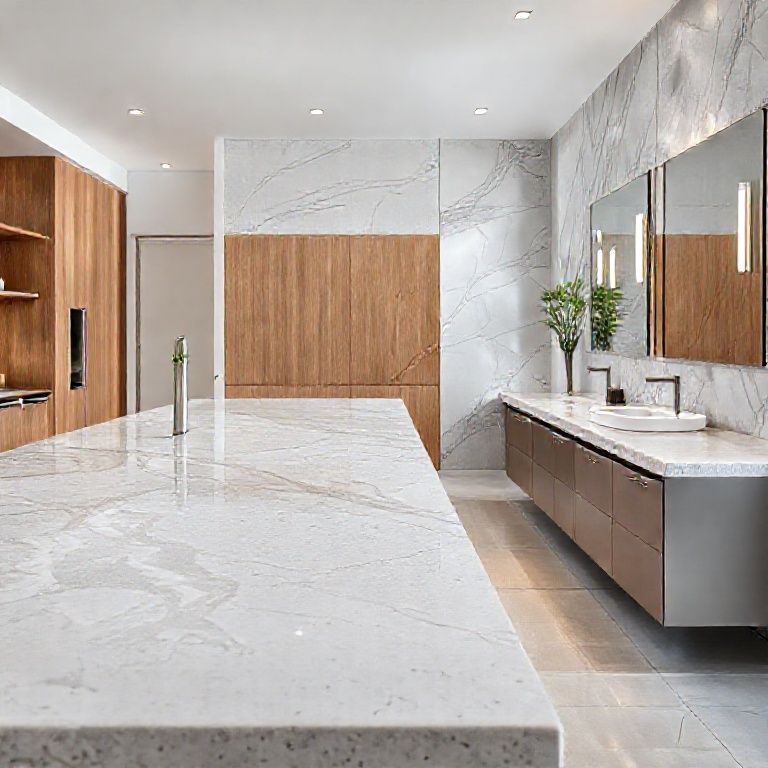
Corian’s solid surface composition means it requires minimal upkeep. Regular cleaning with mild soap and water is often sufficient to maintain its pristine appearance. Since Corian does not absorb liquids, spills can be easily wiped away without the risk of staining or warping. Additionally, its resistance to mold and bacteria makes it an excellent choice for hygienic environments.
Quartz, being a natural stone, requires more regular maintenance. While it is resistant to stains, it can still be affected by acidic substances, so it’s important to use cutting boards and avoid prolonged contact with acidic foods and beverages. Regular sealing is often recommended to protect the stone’s surface and maintain its luster. Additionally, because Quartz can be prone to chips and cracks, any damage should be promptly addressed to prevent further deterioration.
Cost Considerations:
Cost is always a crucial consideration when choosing between Corian and Quartz. Generally, Corian is more affordable than Quartz due to its synthetic nature and the efficiencies in its manufacturing process. Corian’s lower cost is partly due to its ability to be produced in large quantities with consistent quality.
Conversely, Quartz typically commands a higher price point. The natural stone’s rarity, the labor-intensive extraction and processing, and the need for careful installation contribute to its higher cost. However, Quartz’s timeless beauty and durability often justify the investment for those who prioritize aesthetic appeal and long-term value.
Conclusion:
Corian and Quartz each offer unique advantages that cater to different design and functional preferences. Corian’s versatility, durability, and ease of installation make it an excellent choice for those seeking a high-performance, low-maintenance countertop. Quartz, with its natural beauty and unparalleled hardness, appeals to those who value the aesthetic and tactile qualities of a natural stone.
Ultimately, the choice between Corian and Quartz will depend on your specific needs, design aspirations, and budget. By understanding their key differences, you can make an informed decision that enhances both the functionality and beauty of your kitchen or bathroom space.
Continuing the Journey: Aesthetic Versatility and Environmental Impact
As we continue our exploration of the differences between Corian and Quartz, it’s essential to consider their aesthetic versatility and environmental impact. These factors often play a significant role in the decision-making process for homeowners and designers alike.
Aesthetic Versatility:
Both Corian and Quartz offer a range of aesthetic possibilities, but they cater to different design philosophies and preferences.
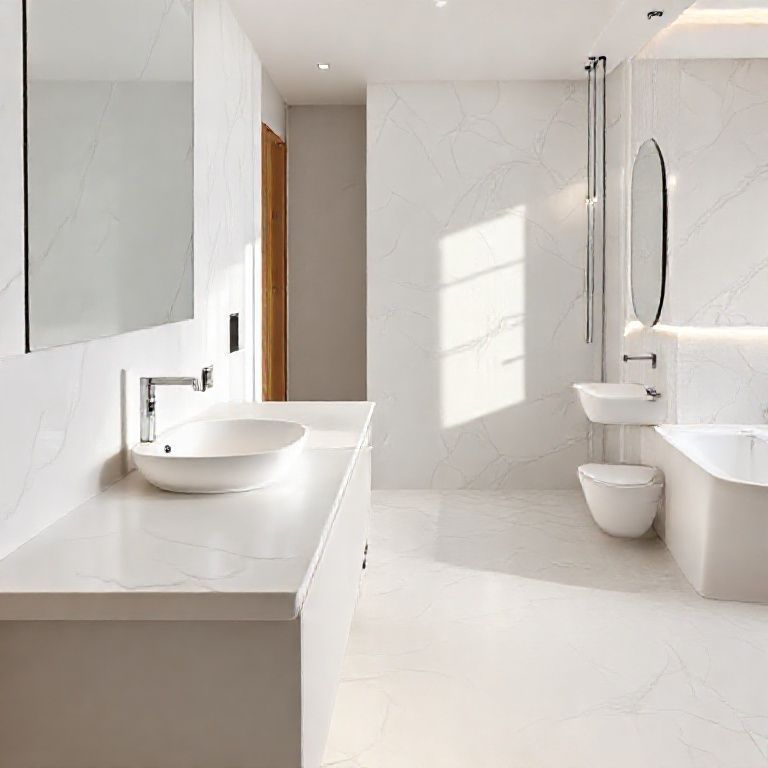
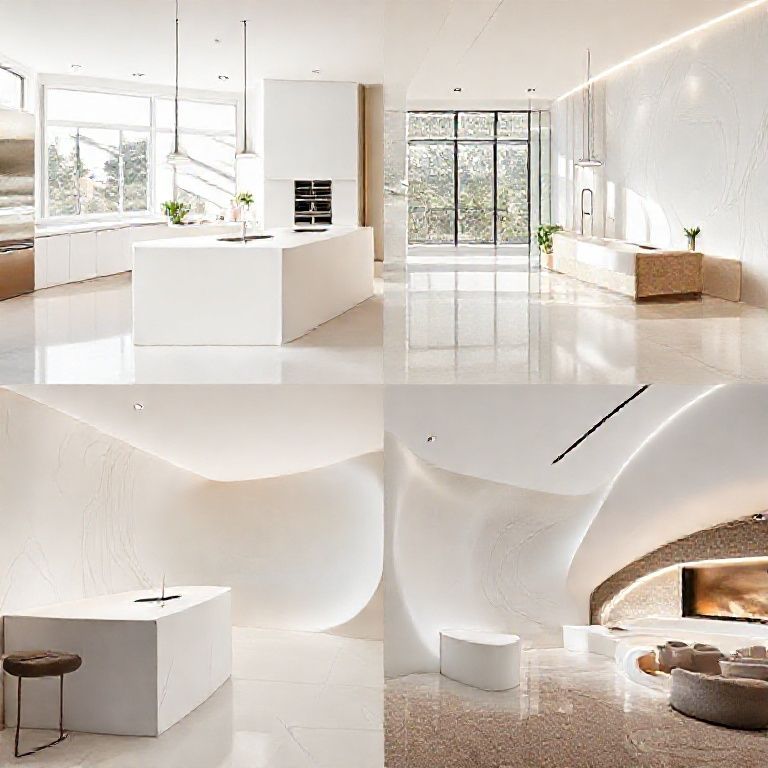
Corian’s primary strength lies in its versatility. This synthetic material is known for its ability to mimic a wide array of colors and textures. It can be crafted to resemble traditional stone, wood, or even metal, offering designers and homeowners the freedom to create custom designs that align with contemporary or classic styles. Corian’s uniform composition ensures consistent color and texture throughout, eliminating the visual inconsistencies often found in natural stone.
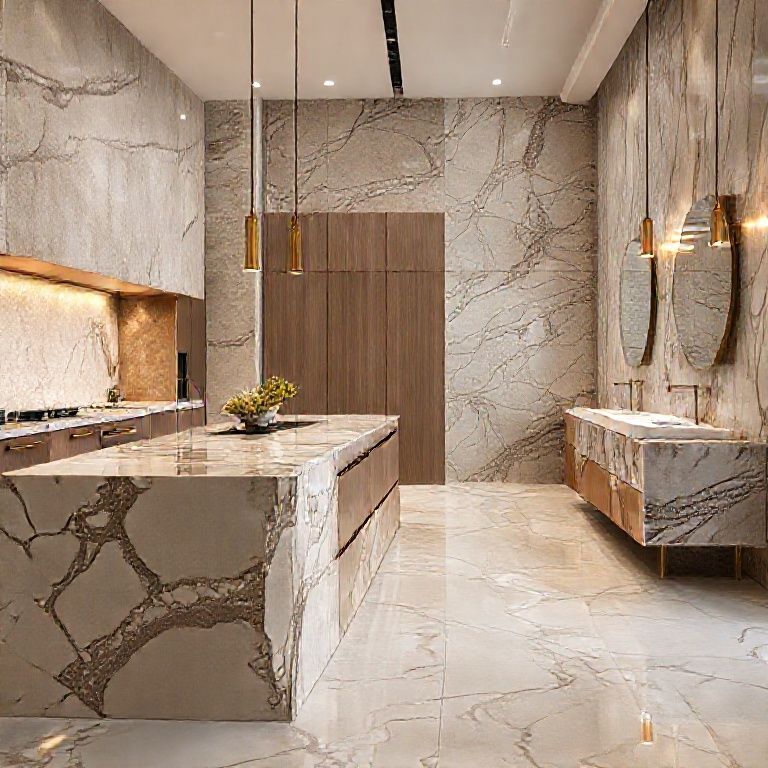
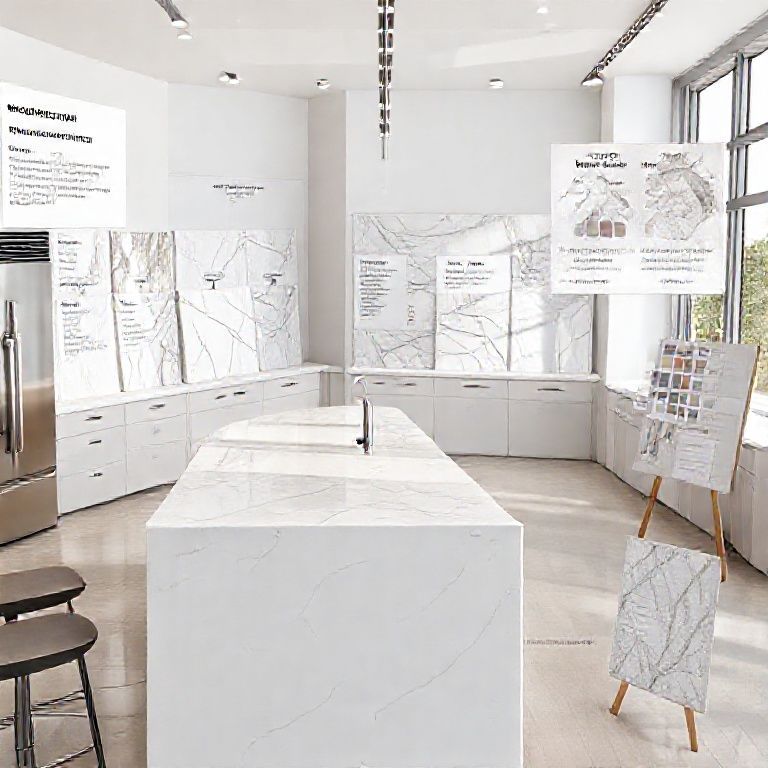
Quartz, on the other hand, brings the timeless beauty of natural stone to countertops. Its unique veining and patterns are the result of natural processes, offering a one-of-a-kind aesthetic that can add a touch of luxury and elegance to any space. Quartz’s natural texture and color variations provide a distinct character that can elevate the overall design of a kitchen or bathroom.
While Quartz’s aesthetic is often seen as more organic and refined, Corian’s versatility allows for a broader spectrum of creative possibilities, including the ability to design bespoke patterns and colors.
Environmental Impact:
In an increasingly eco-conscious world, the environmental impact of the materials we choose is a critical consideration. Both Corian and Quartz offer distinct advantages and challenges in this regard.
Corian, being a synthetic material, is manufactured using chemical processes. While it offers durability and low maintenance, its production involves the use of PVC, which is a petroleum-based material. Although Corian is recyclable, its environmental footprint is a concern for some. However, it’s worth noting that the manufacturing process for Corian has improved over the years, with efforts to minimize waste and energy consumption.
Quartz, as a natural stone, has a more sustainable production process compared to synthetic materials. Its environmental impact is primarily associated with the quarrying and transportation processes. However, Quartz’s longevity and durability mean that once installed, its environmental footprint remains low over time. Additionally, many quartz manufacturers are committed to sustainable mining practices to reduce environmental impact.
Choosing the Right Material:
Selecting the right material for your kitchen or bathroom hinges on a variety of factors, including aesthetic preferences, budget, installation complexity, and maintenance requirements.
For Kitchen Countertops:
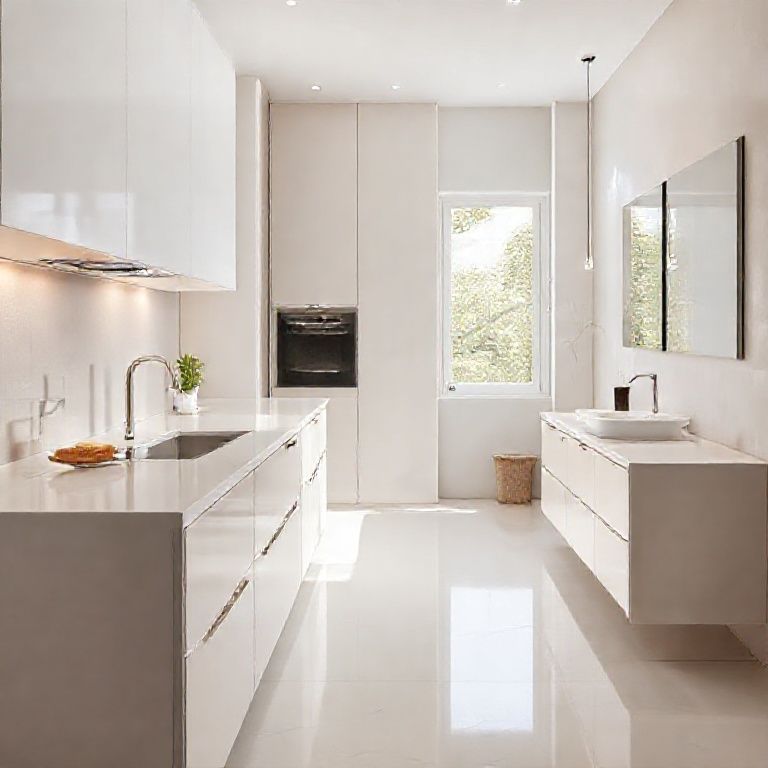
If your priority is durability and low maintenance in a high-traffic area like a kitchen, Corian may be the better choice. Its resistance to scratches, stains, and moisture makes it an ideal material for busy kitchens where spills and wear are common. Corian’s versatility also allows for creative designs that can complement various kitchen styles.
For Bathroom Countertops:
In a bathroom setting, where对于浴室,你可能更倾向于选择具有独特自然美感的材料。在这种情况下,石英石可能更适合。它的天然花纹和独特颜色可以增加浴室的豪华感和个性化。尽管石英石的维护需求稍高,但其美观性和耐用性可以让它成为浴室的绝佳选择。
对于预算有限的项目:
如果你的预算有限,Corian可能是更实惠的选择。尽管石英石的价格通常更高,但Corian提供了高性价比的选择,同时仍然提供卓越的耐用性和多样性。
对于专注于环保的项目:
如果环保是你的主要关注点,你需要仔细权衡两者的环境影响。石英石的开采和运输可能对环境造成更大的影响,但它的耐用性意味着你不需要频繁更换。而Corian虽然是合成材料,但其生产过程在不断优化以减少对环境的影响,并且其回收利用率也较高。
结论:
Corian和石英石各有优势,选择哪一种最终取决于你的具体需求和偏好。Corian以其多样性、耐用性和相对较低的维护需求受到许多人的青睐,而石英石则因其独特的自然美感和高硬度在高端市场中占有一席之地。
在做出决定前,建议你咨询专业的装修设计师或材料供应商,他们可以根据你的具体需求和环境提供更为精准的建议。无论你选择哪一种材料,都可以确保你的厨房或浴室展现出独特的美感和持久的耐用性。