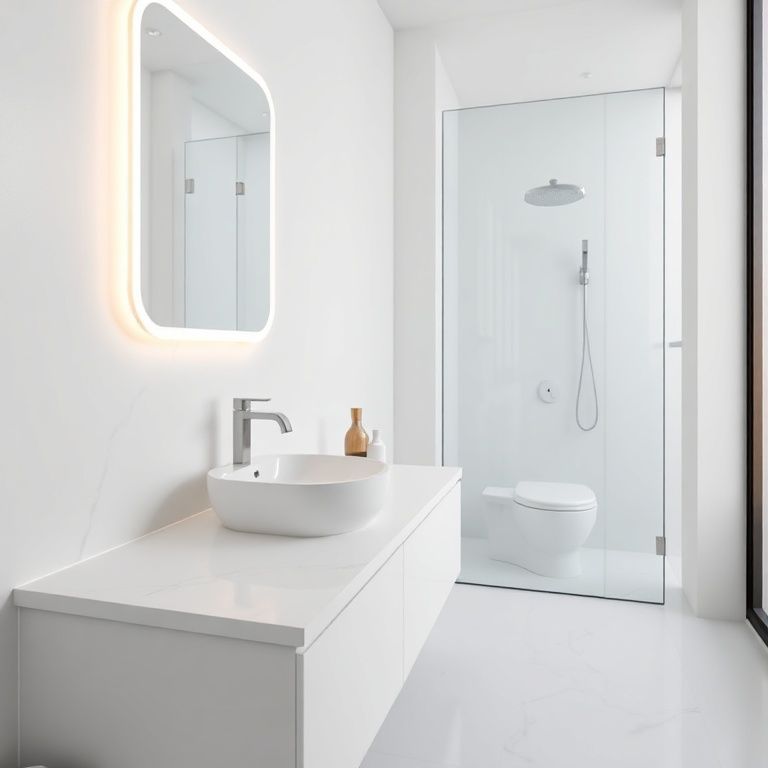
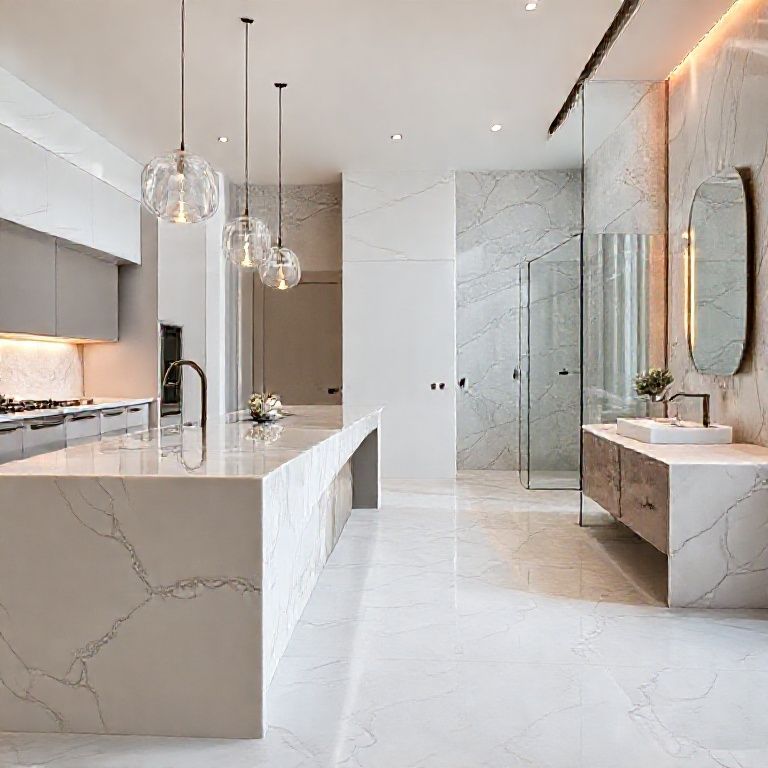
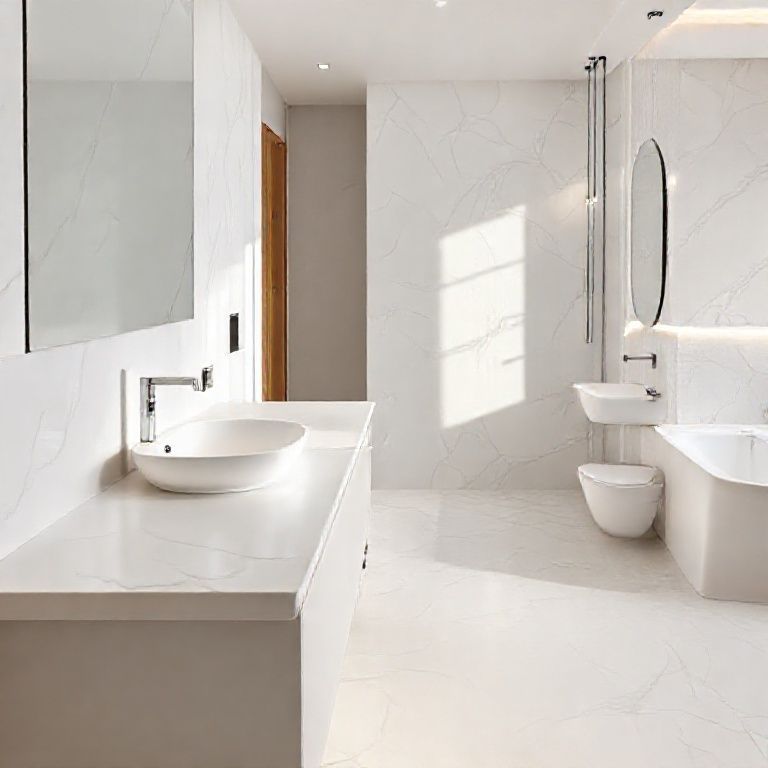
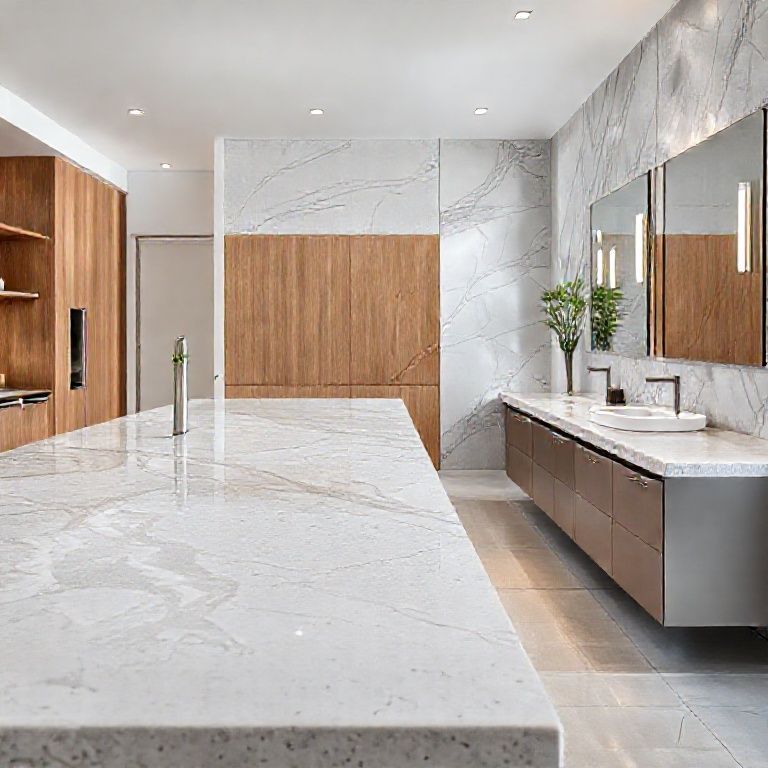
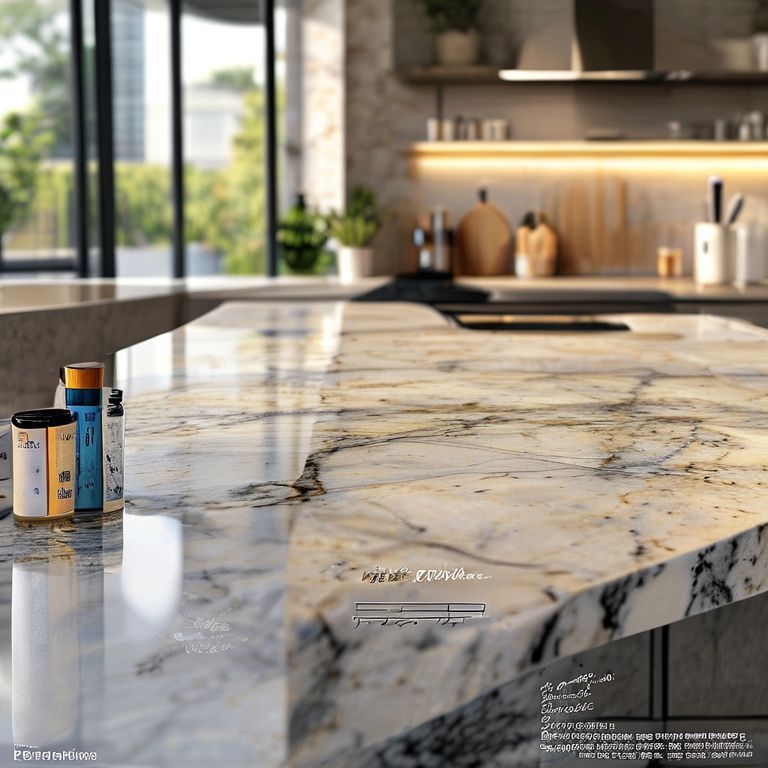
Discover the fascinating world of artificial stone and the secret ingredients that go into crafting your favorite countertops. In this comprehensive two-part article, we will explore the intricate processes and high-quality materials that make artificial stone a popular choice in modern interiors. From its creation to its maintenance, get ready to learn everything you need to know about this stunning material.

artificial stone, countertop materials, stone composite, resin, quartz, natural stone, synthetic stone, durability, design flexibility, maintenance
The Creation of Artificial Stone
Introduction
Artificial stone, also known as engineered stone or synthetic stone, has become a popular choice for countertops, tabletops, and other interior design elements. It offers a stunning aesthetic that rivals natural stone while providing unmatched durability and maintenance ease. But have you ever wondered what goes into creating this luxurious material? In this part, we’ll delve into the secret ingredients and meticulous processes behind the creation of artificial stone.
The Main Ingredients
Artificial stone is primarily composed of natural stone powder and a binding resin. Let’s break down these key components:
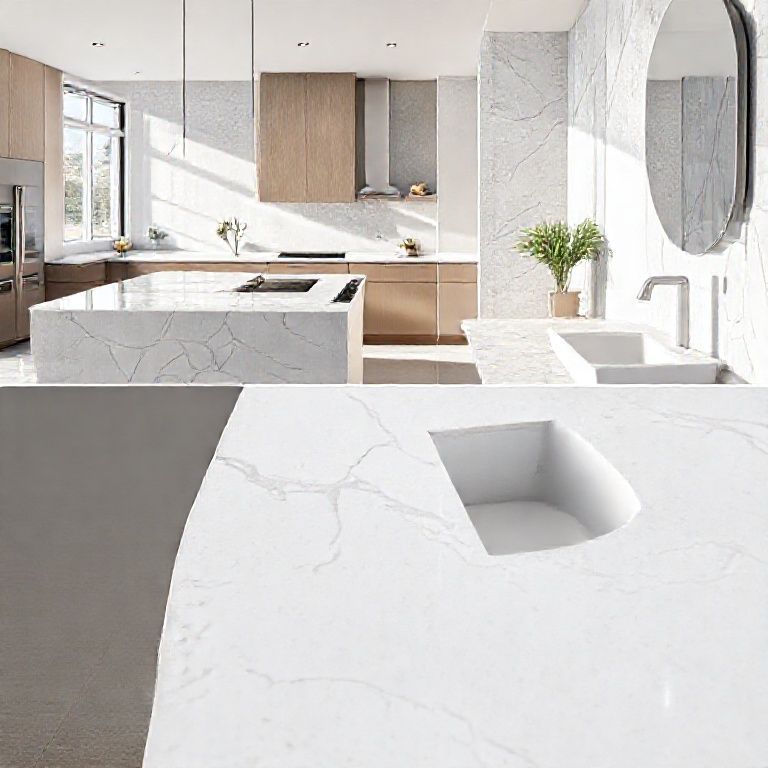
Natural Stone Powder: The foundation of artificial stone is natural stone powder, derived from crushed stones such as marble, granite, or quartz. These powders are finely milled to achieve a consistent texture and color. The stone powder forms the bulk of the material, providing the characteristic look and feel of natural stone.
Resin: The binding agent that holds the stone powder together is a high-quality synthetic resin. Commonly used resins include polyester resin, epoxy resin, and polyurethane resin. These resins offer excellent bonding strength, ensuring the artificial stone remains intact and durable over time.
Colorants and Pigments: To achieve a wide range of colors and patterns, colorants and pigments are mixed into the resin. These additives can replicate the intricate designs found in natural stone or create entirely new aesthetic possibilities. Advanced technology allows for the creation of unique, custom designs that can mimic natural stone to perfection.
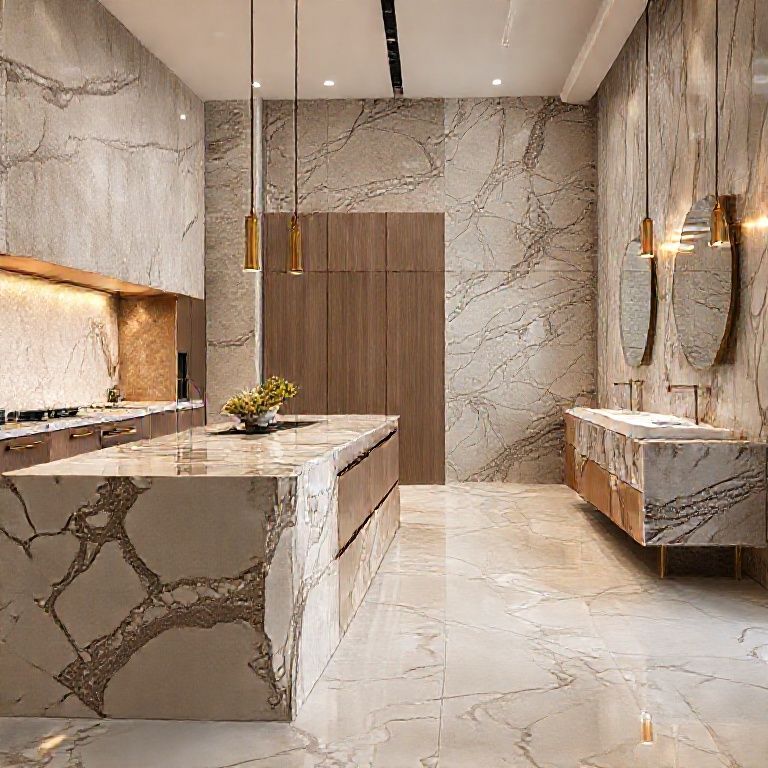
Fillers and Additives: Various fillers and additives may be incorporated to enhance specific properties of the artificial stone. These can include quartz powder for increased hardness, talc for smoother finishes, and glass fibers for added strength. These materials help tailor the stone’s characteristics to meet specific design and functional requirements.
The Manufacturing Process
The creation of artificial stone involves several meticulous steps:
Mixing: The natural stone powder is carefully mixed with the chosen resin and colorants. This step requires precise proportions to ensure a homogenous mixture that will achieve the desired aesthetic and structural properties.
Molding: The mixed material is poured into molds, which can be designed to create a variety of shapes and forms. Advanced molds allow for intricate designs and patterns that mimic natural stone surfaces. The molds can be made from stainless steel or aluminum, ensuring durability and repeatability.
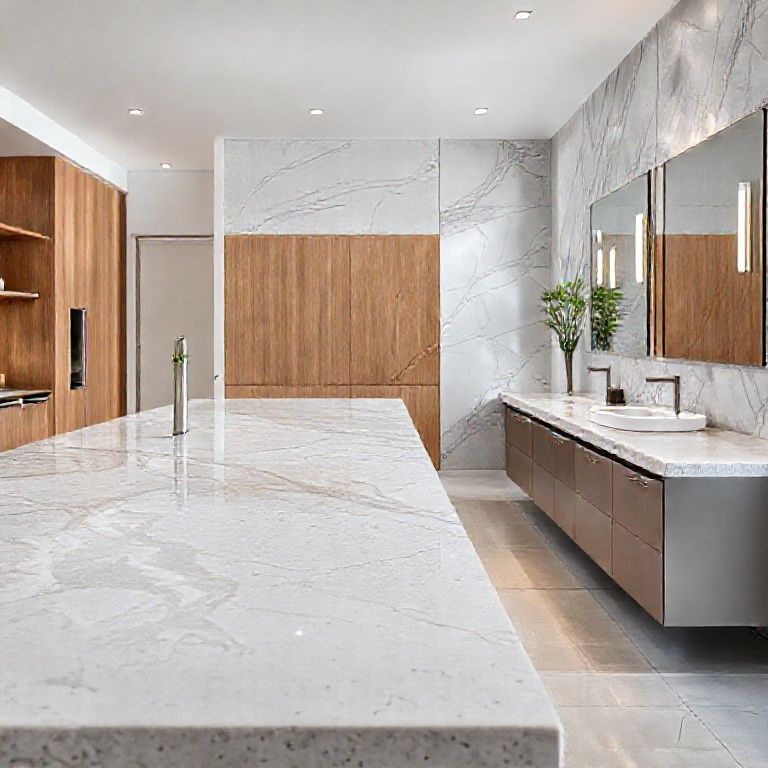
Curing: After molding, the material is left to cure. Curing involves allowing the resin to harden and bond the stone powder completely. This process can take anywhere from several hours to overnight, depending on the type of resin used. Proper curing is crucial for achieving the stone’s final strength and appearance.
Cutting and Finishing: Once cured, the artificial stone is removed from the molds and cut into the desired sizes. Cutting is done using specialized tools to achieve clean, precise edges. The surface may then be polished, sanded, or given a specific finish to enhance its look and functionality.
Benefits of Artificial Stone
Artificial stone offers numerous advantages over natural stone:
Durability: The resin bonding process creates a material that is more resistant to scratches, chips, and stains than many natural stones. This makes artificial stone ideal for high-traffic areas where durability is paramount.
Design Flexibility: With artificial stone, designers have unlimited options for color, texture, and pattern. It can be engineered to replicate any natural stone or to create entirely new designs that are not possible with natural materials.
Maintenance: Artificial stone requires minimal maintenance compared to natural stone. It is impervious to moisture and does not require sealing, making it easier to clean and maintain.
Cost-Effectiveness: While the initial cost may be higher than some natural stones, the long-term benefits in terms of durability and maintenance make artificial stone a cost-effective choice over time.
Conclusion
Artificial stone is a marvel of modern material science, combining the beauty of natural stone with the practicality of synthetic materials. By understanding the ingredients and processes involved in its creation, we can appreciate the craftsmanship and innovation that go into producing this stunning countertop material. In the next part, we’ll explore the environmental impact and sustainability of artificial stone, as well as its growing popularity in various design applications.
Sustainability and Popularity of Artificial Stone
Introduction
In the previous part, we explored the intricate creation process of artificial stone, focusing on the materials and techniques that bring this stunning material to life. Now, we turn our attention to another crucial aspect: the sustainability and popularity of artificial stone. As more people become aware of environmental issues and the need for sustainable materials, artificial stone has emerged as a promising alternative to traditional natural stone.
Sustainability of Artificial Stone
Artificial stone offers several advantages when it comes to sustainability:
Reduced Environmental Impact: Unlike natural stone, which requires extensive quarrying and transportation processes, artificial stone is manufactured in controlled environments. This reduces the environmental footprint associated with mining and transporting natural stone.
Resource Efficiency: The production of artificial stone involves recycling stone waste and using industrial by-products. This resource efficiency minimizes the need for virgin materials, contributing to a more sustainable material cycle.
Energy Consumption: The manufacturing process for artificial stone typically consumes less energy compared to the extraction, processing, and transportation of natural stone. This lower energy consumption further reduces the overall environmental impact.
End-of-Life Options: Artificial stone can be recycled at the end of its life cycle, although this is not as straightforward as recycling natural stone. However, advancements in recycling technologies are making this process more viable, ensuring that artificial stone does not contribute to landfill waste.
Popularity of Artificial Stone
Artificial stone has seen a surge in popularity for several reasons:
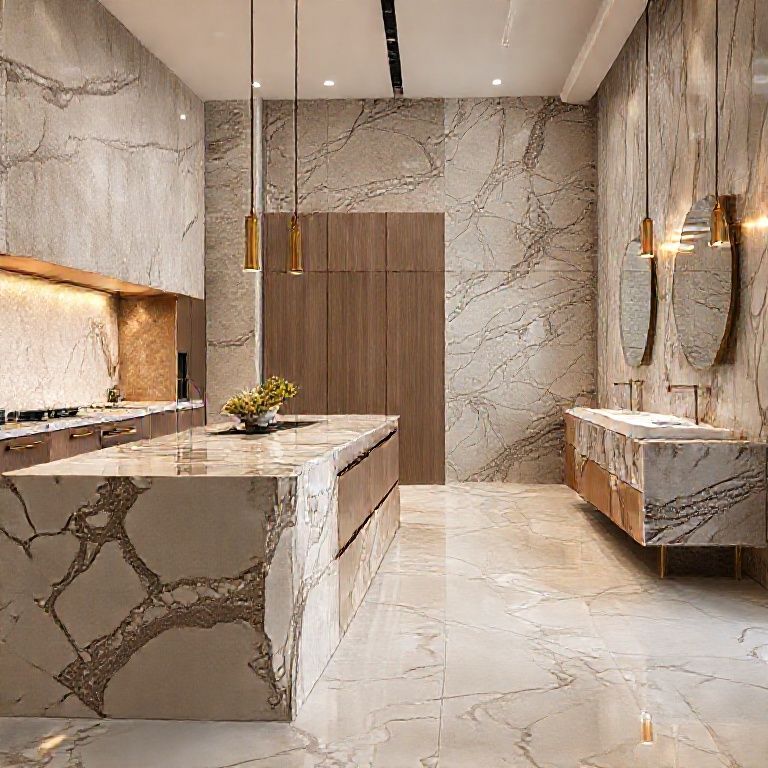
Aesthetic Versatility: The ability to create a wide range of colors, patterns, and textures has made artificial stone incredibly versatile. It can replicate the look of any natural stone, from marble to quartz, and even create entirely new designs that push the boundaries of traditional aesthetics.
Durability and Low Maintenance: As discussed earlier, artificial stone is highly durable and requires minimal maintenance. This makes it an attractive choice for both residential and commercial spaces where functionality and ease of upkeep are important.
Cost-Effectiveness: While the initial cost of artificial stone may be higher than some natural stones, its long-term benefits in terms of durability and maintenance make it a cost-effective solution. The reduced need for repairs and upkeep can offset the initial investment over time.
Design Innovation: The unique properties of artificial stone have opened up new possibilities for design. Architects and designers can experiment with bold, innovative designs that would be challenging or impossible to achieve with natural stone.
Applications in Interior Design
Artificial stone is widely used in various interior design applications:
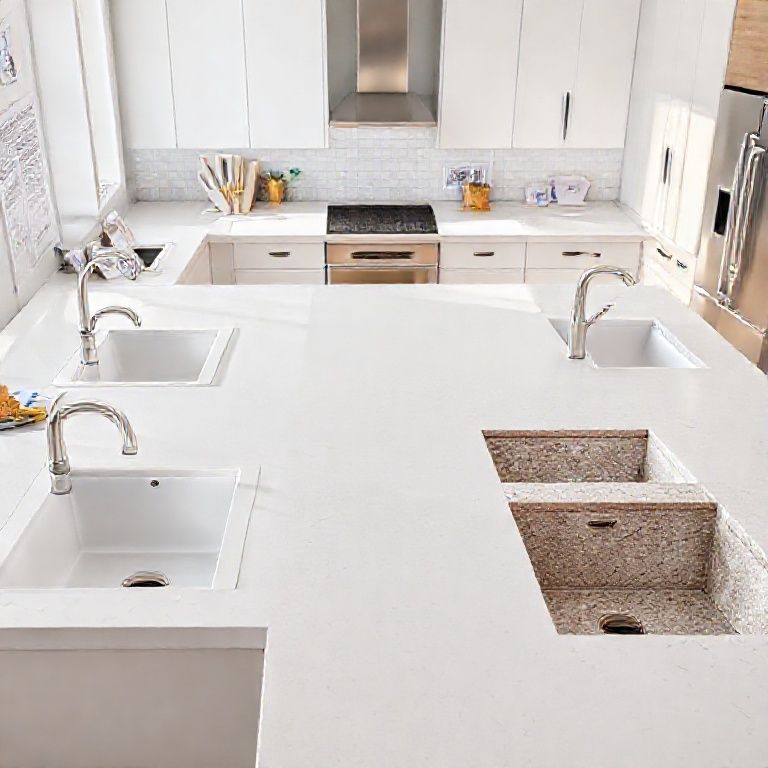
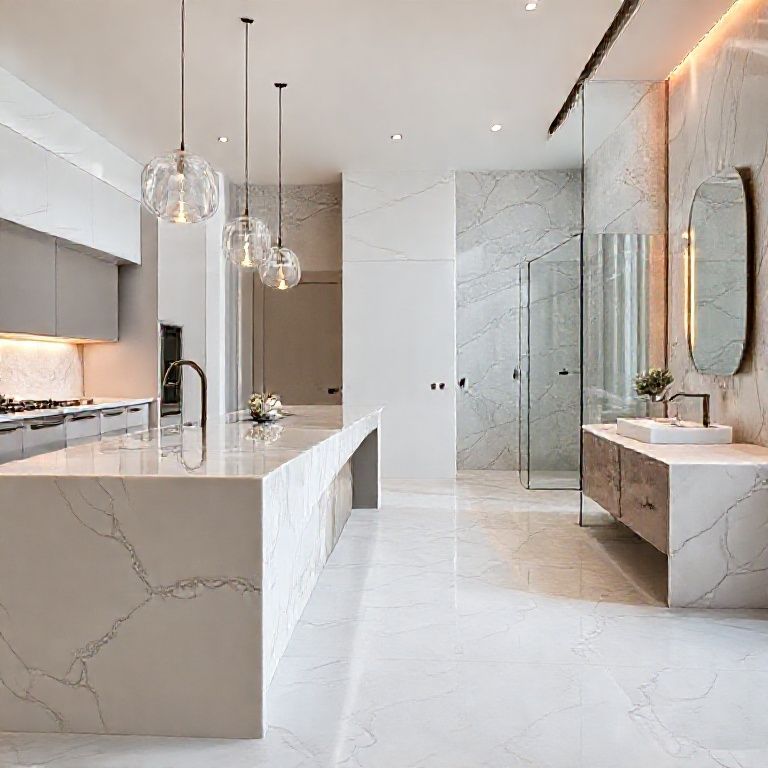
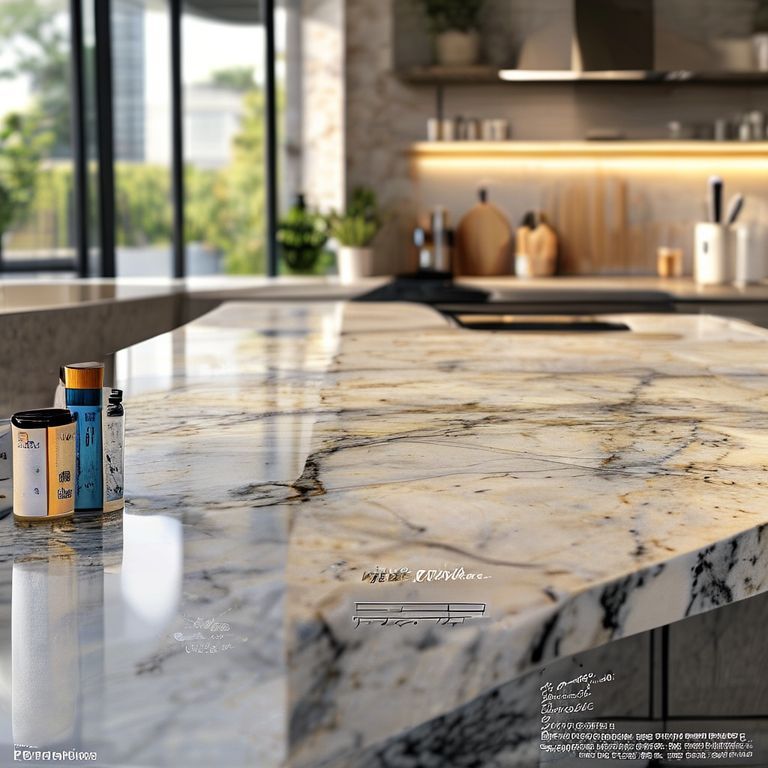
Countertops: The most common use of artificial stone is in kitchen and bathroom countertops. Its durability and ease of maintenance make it ideal for these high-traffic areas.
Tabletops: Artificial stone tabletops offer a luxurious and durable alternative to traditional wood or metal tabletops. They are perfect for dining tables, coffee tables, and other furniture pieces.
Wall Cladding: Artificial stone is also used for wall cladding, providing a stunning stone-like finish that enhances the aesthetic appeal of interior spaces.
Decorative Elements: Beyond functional uses, artificial stone can be incorporated into decorative elements such as fireplaces, mantels, and backsplashes, adding a touch of elegance and sophistication.
Future Trends
The future of artificial stone looks promising, with ongoing advancements in technology and design:
Enhanced Durability: Continued research and development are aimed at further enhancing the durability and performance of artificial stone. This includes developing new resins and additives that improve strength and resistance to various environmental factors.
Customization: The ability to customize artificial stone to meet specific design requirements will continue to grow. Advances in manufacturing processes will allow for even more precise control over color, texture, and pattern.
Sustainability: As the demand for sustainable materials grows, artificial stone will likely play an increasingly important role. Innovations in recycling and resource-efficient production methods will make it an even more eco-friendly option.
Conclusion
Artificial stone has revolutionized the world of interior design with its stunning aesthetics, durability, and low maintenance. Understanding the ingredients and processes that go into its creation, as well as its sustainability and popularity, highlights its value as a modern material. As technology and design continue to evolve, artificial stone will undoubtedly remain a popular and sustainable choice for a wide range of applications. Whether you’re a designer, homeowner, or simply an admirer of beautiful materials, artificial stone offers a remarkable blend of beauty and practicality that continues to captivate.
In this comprehensive two-part article, we’ve explored the fascinating world of artificial stone, from its intricate creation process to its growing popularity and sustainability. We hope you’ve gained a deeper appreciation for this remarkable material and its many benefits.