Understanding the Nature of Artificial Marble and Stain Permeation
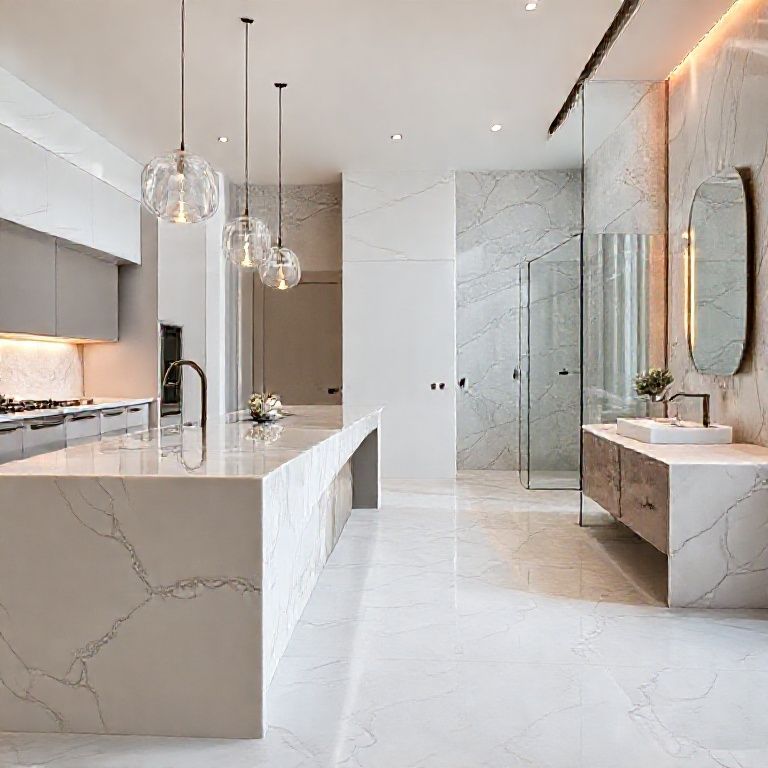
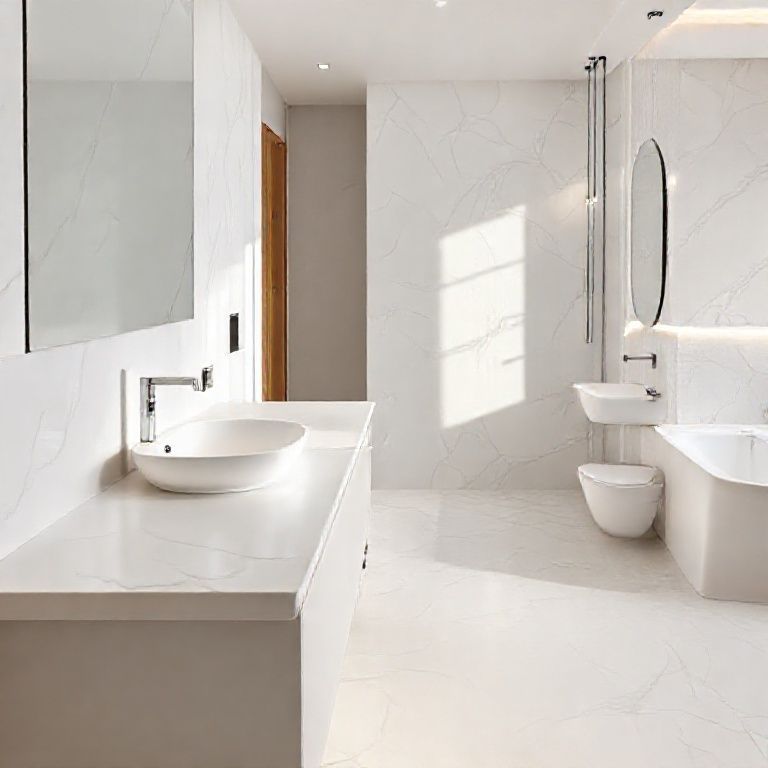
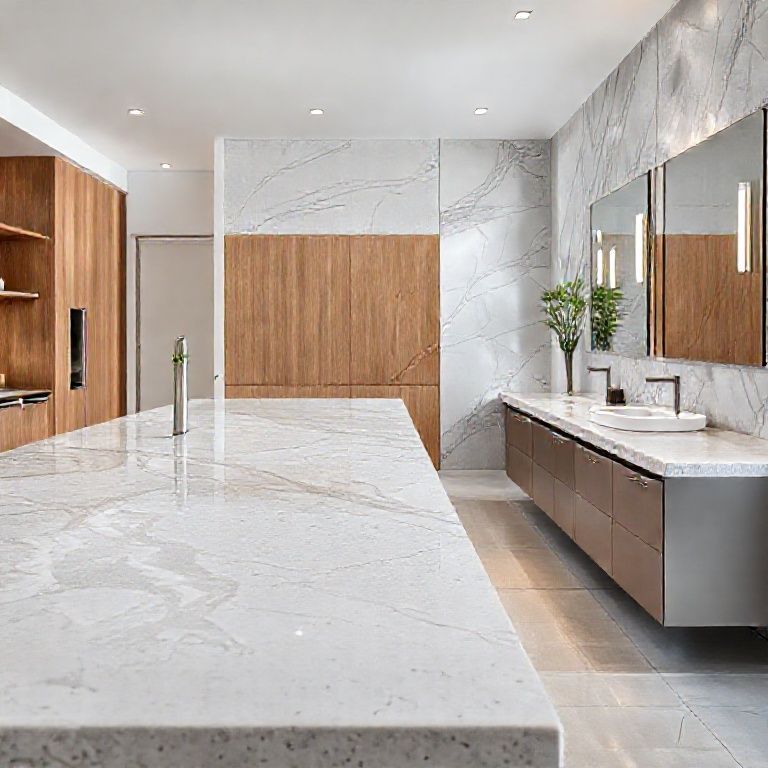
Artificial marble, often celebrated for its aesthetic appeal and durability, has become a popular choice for countertops, sinks, and other household surfaces. Unlike natural marble, artificial marble is a composite material made from a blend of resins, pigments, and minerals. This unique composition grants it impressive strength and resistance to scratches, making it an attractive alternative to traditional stone. However, as with any material, understanding its properties is crucial to maintaining its pristine appearance.

The Composition of Artificial Marble
Artificial marble is crafted by combining melamine resin, acrylic resin, or polyester resin with fine-grained minerals like quartz and pigments. This mixture is then compressed and cured under high pressure and temperature, resulting in a solid, monolithic surface. While this process imparts impressive strength, it also introduces a challenge: the material’s porous nature. Though less porous than natural stone, artificial marble still has microscopic channels and pores that can allow stains to penetrate.
The Science of Stain Permeation
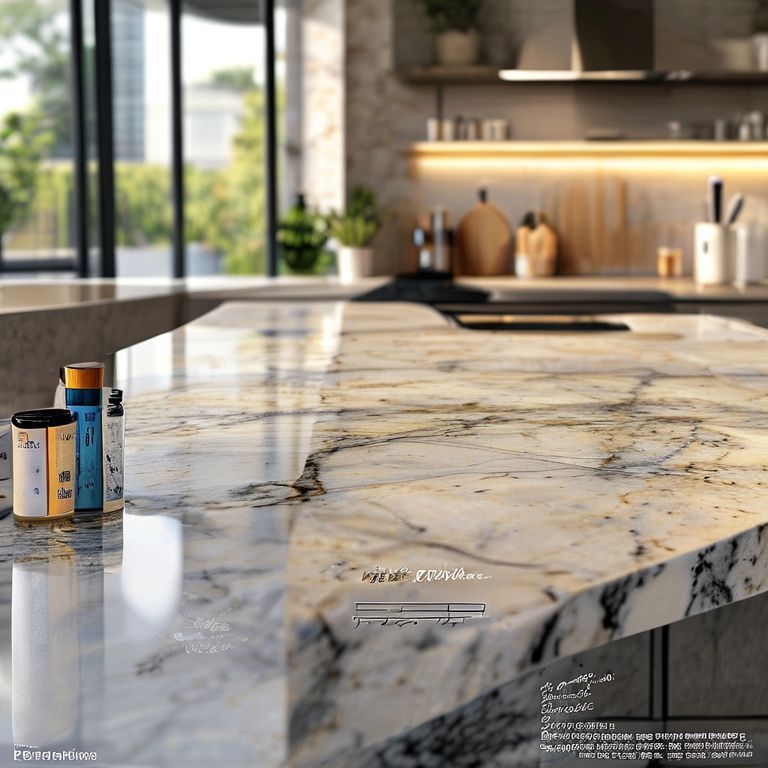
Stain permeation refers to the process by which liquids seep into the material, causing discoloration and potentially compromising its structural integrity. In artificial marble, this can happen due to several factors:
Surface Porosity: Even though artificial marble is manufactured to minimize porosity, small openings can still exist. When liquids like food juices, coffee, or wine come into contact with these pores, they can infiltrate the material and form stains.
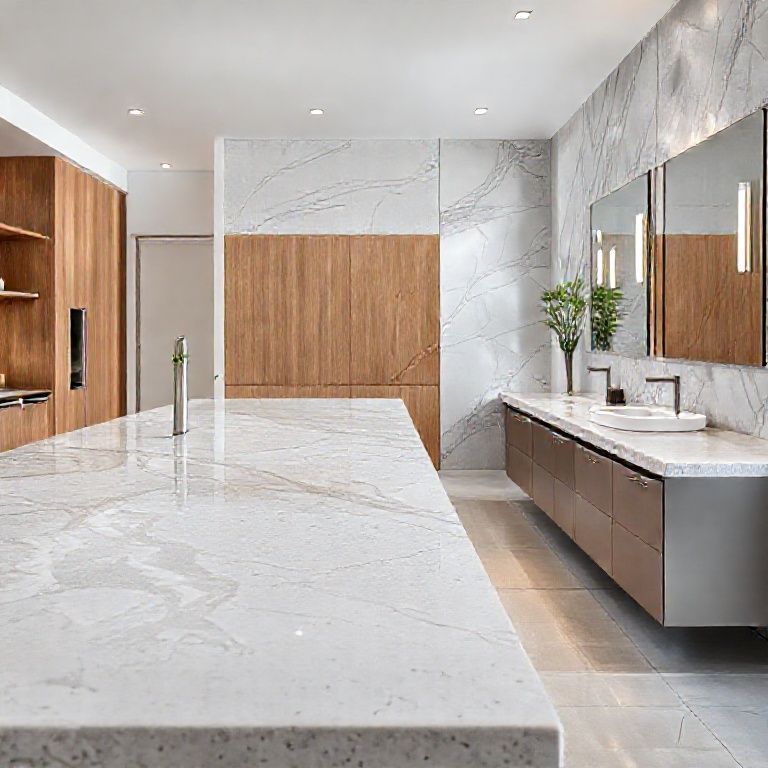
Chemical Interactions: Different stains have varying chemical compositions that can interact with the material in different ways. Acidic or alkaline substances can break down the resins and minerals, leading to deeper penetration and more severe staining.
Temperature Effects: Heat can exacerbate stain permeation. When a hot liquid spills onto an artificial marble surface, the heat can expand the pores and increase the rate at which the stain infiltrates the material.
Preventing Stain Permeation
Understanding the principles behind stain permeation allows for better prevention and treatment strategies. Here are some essential tips to keep your artificial marble surfaces looking their best:
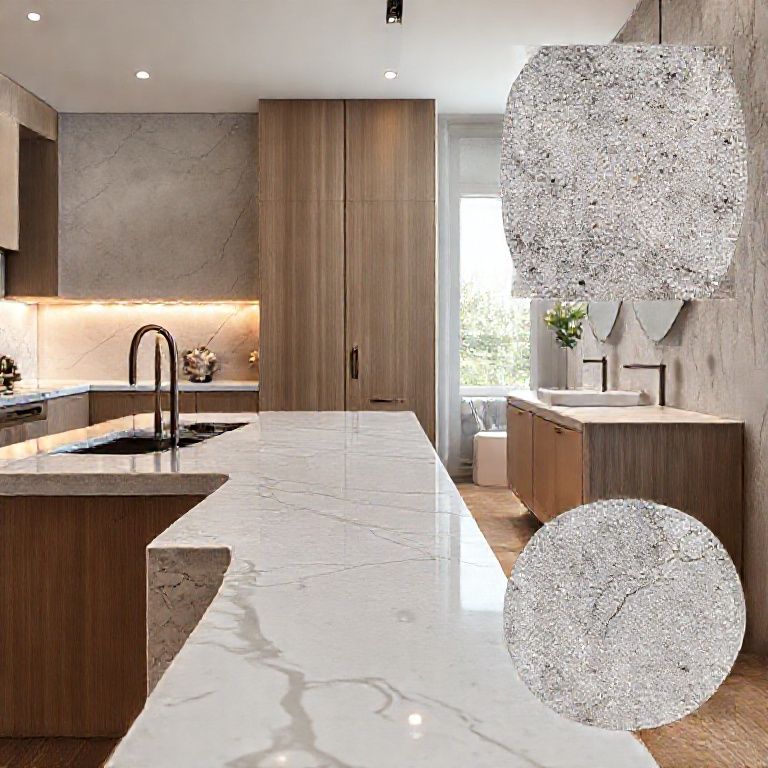
Immediate Action: The key to preventing deep stains is immediate action. As soon as a spill occurs, blot the surface with a clean, dry cloth to absorb as much liquid as possible. Avoid rubbing, which can push the stain deeper into the pores.
Use of Specialized Cleaners: Regular cleaning with specialized marble cleaners can help maintain the surface and prevent stains from setting in. Look for products that are designed specifically for artificial marble, as they are formulated to clean without damaging the material.
Avoiding Harsh Chemicals: Avoid using abrasive cleaners or harsh chemicals that can damage the surface. Instead, opt for mild soap and water solutions for routine cleaning.
Regular Maintenance: Regular maintenance, including sealing the surface, can help prevent stains. While artificial marble typically doesn’t require sealing, some manufacturers recommend it for added protection.
Conclusion
Understanding the science behind stain permeation in artificial marble is essential for maintaining its beauty and longevity. By knowing the material’s composition and the factors that contribute to staining, you can take proactive steps to protect it. In the next part of this series, we will delve deeper into the cleaning techniques and maintenance practices that can help keep your artificial marble surfaces looking pristine. Stay tuned for more detailed insights into the care and preservation of this remarkable material.
Advanced Cleaning Techniques and Maintenance for Artificial Marble
In the previous section, we explored the nature of artificial marble and the science behind stain permeation. Now, let’s dive deeper into advanced cleaning techniques and maintenance practices that will help you keep your artificial marble surfaces looking their best. From professional cleaning methods to long-term care strategies, this comprehensive guide will provide you with all the information you need to maintain the beauty and integrity of your artificial marble.
Advanced Cleaning Techniques
Maintaining the pristine appearance of artificial marble requires a combination of immediate action and regular maintenance. Here are some advanced cleaning techniques to ensure your surfaces remain flawless:
Blotting and Absorbing Spills: As soon as a spill occurs, the first step is to blot the surface with a clean, dry cloth to absorb as much liquid as possible. This prevents the liquid from seeping into the pores. Avoid rubbing, which can push the stain deeper into the material.
Using Specialized Cleaners: Specialized cleaners formulated for artificial marble can effectively remove stains without damaging the surface. These cleaners are designed to break down tough stains without harsh chemicals that can degrade the material.
Microfiber Cloths: Microfiber cloths are excellent for cleaning artificial marble. They are gentle on the surface yet effective at removing dirt and grime. Use a microfiber cloth with a mild soap and water solution for routine cleaning.
Avoiding Abrasive Tools: Avoid using abrasive sponges or scrubbers that can scratch the surface. Instead, opt for soft cloths and gentle cleaning solutions.
Spot Cleaning: For minor stains, a soft brush or sponge with a mild soap solution can be used to gently scrub the affected area. Avoid using too much pressure.
Professional Cleaning Services: For tough stains or deep cleaning, consider hiring professional cleaning services that specialize in artificial marble. They have the expertise and equipment to clean without damaging the surface.
Maintenance Practices
Long-term care and maintenance are crucial to preserving the beauty and integrity of artificial marble. Here are some essential practices to follow:
Regular Cleaning: Regular cleaning with a mild soap and water solution will help prevent stains from setting in. Wipe the surface daily to remove fingerprints, spills, and food particles.
Sealing the Surface: While artificial marble doesn’t typically require sealing, some manufacturers recommend it for added protection. Consult the manufacturer’s guidelines to determine if sealing is necessary and to find recommended products.
Using Coasters and Trivets: To protect the surface from heat and spills, always use coasters for drinks and trivets for hot dishes. This prevents direct contact with the surface and reduces the risk of stains and heat damage.
Avoiding Hot Liquids Directly: When placing hot liquids on the surface, use a heat-resistant trivet or coaster. Direct contact with hot liquids can cause discoloration and damage.
Immediate Stain Removal: Address spills immediately to prevent stains from setting in. Use a clean, dry cloth to blot and absorb the liquid as soon as possible.
Troubleshooting Common Stains
Different stains require different approaches to removal. Here’s how to tackle some common stains effectively:
Wine Stains: Wine, especially red wine, can be particularly stubborn. Blot the stain with a clean, dry cloth immediately after it occurs. Use a mixture of equal parts water and white vinegar to dab the stain gently. Rinse with clean water and dry thoroughly.
Coffee and Tea Stains: For coffee and tea stains, blot the spill immediately with a clean, dry cloth. Mix a solution of baking soda and water to form a paste. Apply the paste to the stain, let it sit for a few minutes, then wipe clean with a damp cloth.
Food Stains: For food stains, blot the spill with a clean, dry cloth. Use a mixture of mild dish soap and water to gently scrub the stain. Rinse with clean water and dry thoroughly.
Oil and Grease Stains: To remove oil and grease stains, use a commercial cleaner designed for artificial marble. Apply the cleaner according to the manufacturer’s instructions. Blot the stain gently with a clean cloth, then rinse and dry.
Conclusion
Maintaining the beauty and integrity of artificial marble requires a combination of immediate action, regular cleaning, and proper maintenance. By understanding the principles of stain permeation and implementing advanced cleaning techniques, you can keep your artificial marble surfaces looking pristine for years to come. In the next section, we will explore additional tips and tricks to ensure your artificial marble remains in top condition. Stay tuned for more detailed insights into the care and preservation of this remarkable material.
Final Thoughts
By understanding the science behind stain permeation in artificial marble and employing advanced cleaning techniques and maintenance practices, you can ensure that your artificial marble surfaces remain beautiful and durable. Immediate action, regular cleaning, and proper maintenance are key to preventing stains and preserving the material’s integrity. Whether you’re a homeowner or a professional, these tips will help you keep your artificial marble looking its best. For more detailed insights and continued care strategies, stay tuned for our next discussion on the topic.