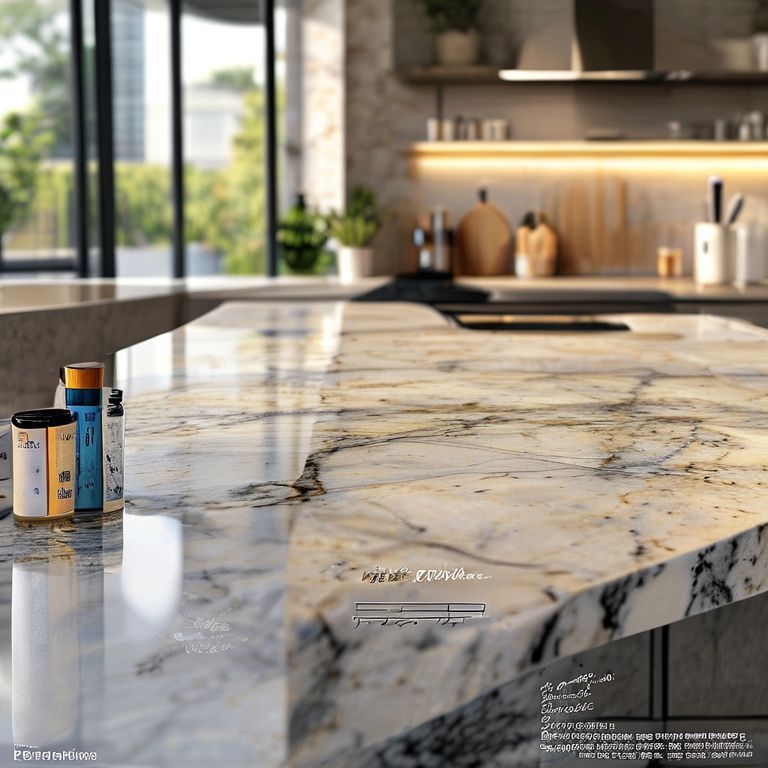
Understanding Engineered Marble and Its Composition
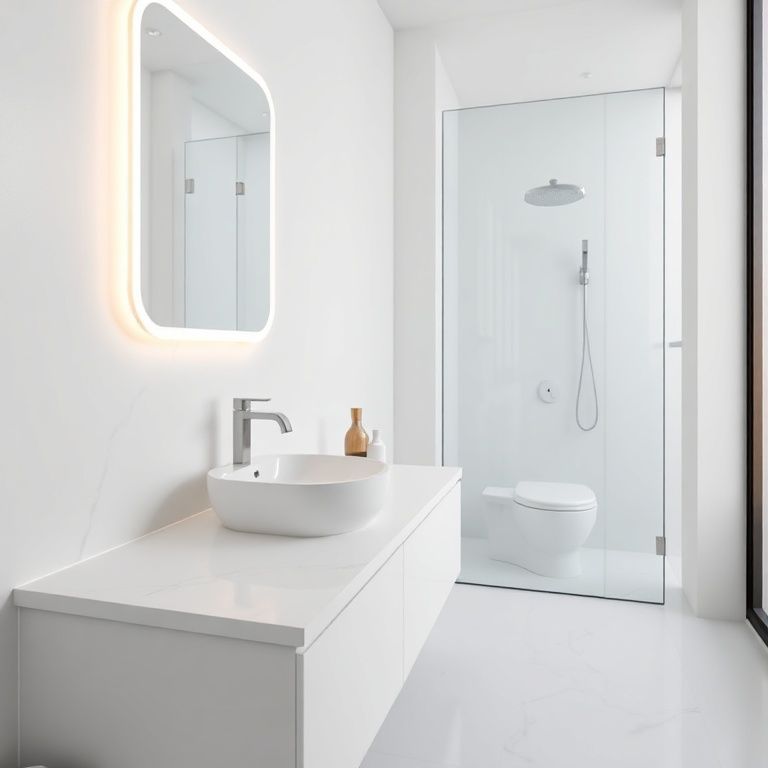
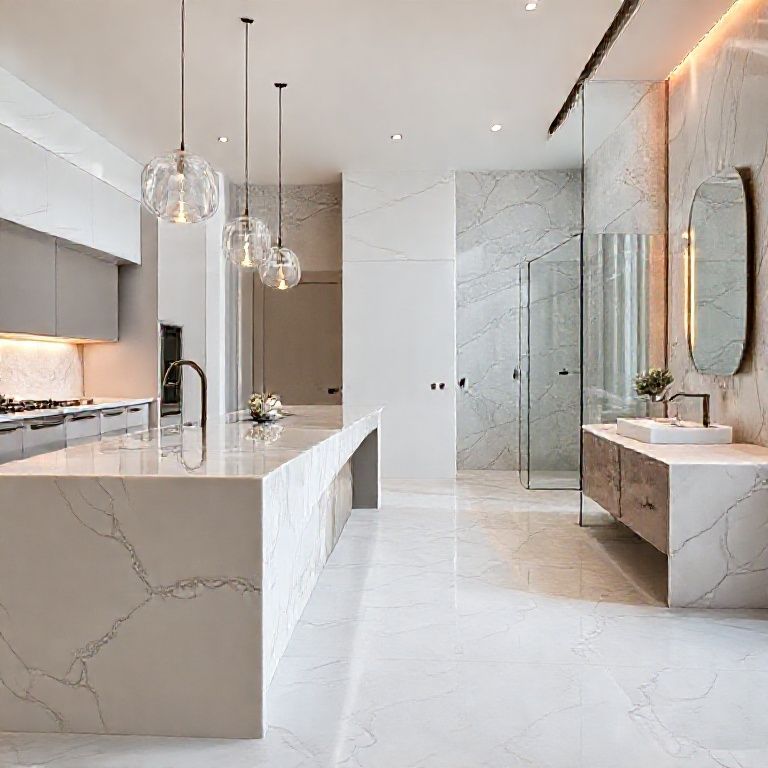
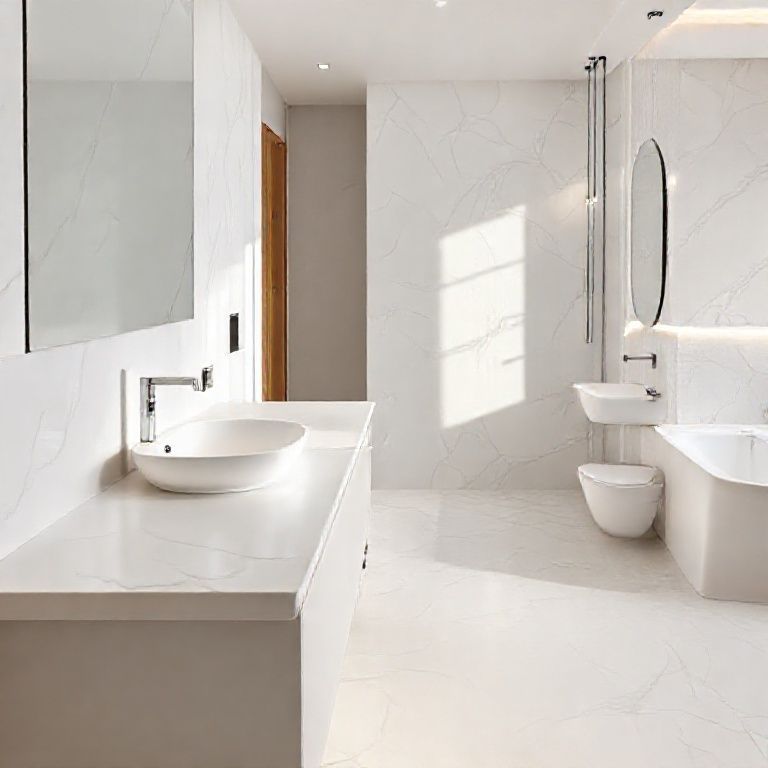
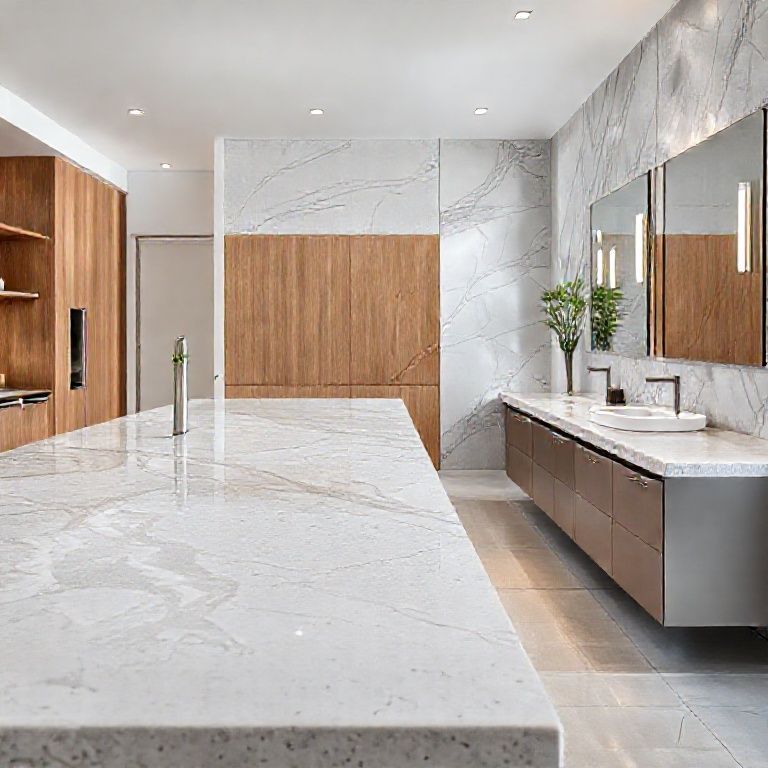
In today’s world, where design and functionality often go hand in hand, engineered marble has emerged as a popular choice for countertops, wall cladding, and various interior design elements. Engineered marble, also known as artificial or synthetic marble, is a composite material that combines natural stone with resin and pigments to create a high-quality, durable surface.

The Composition of Engineered Marble
Engineered marble is primarily composed of:
Natural Stone Aggregates: These are usually quartz, limestone, or calcite, which provide the material with its aesthetic appeal and durability. Resin Binders: Polymer resins act as a binding agent to hold the stone particles together, enhancing the material’s strength and water resistance. Pigments and Dyes: These are used to achieve the desired color and pattern, replicating the look of traditional marble.
The result is a material that not only mimics the beauty of natural marble but also offers superior strength and durability. But with such a blend of materials, one might wonder about its safety, especially regarding potential health impacts.
Potential Health Impacts
When it comes to the safety of engineered marble, it’s essential to consider the materials used in its creation:
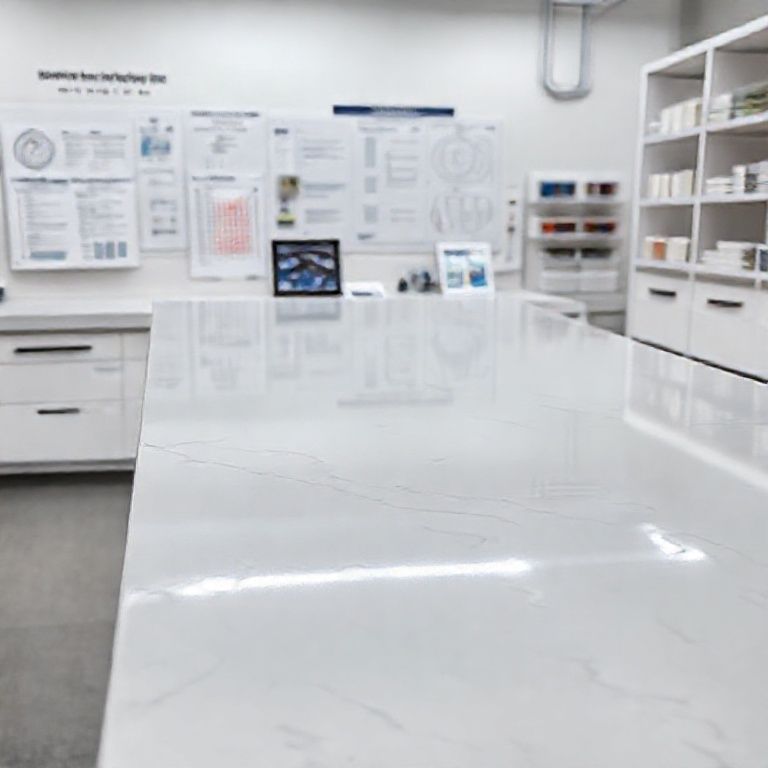
Resin Binders: The resin binders used in engineered marble are typically made from synthetic polymers. These materials are generally considered safe when manufactured and installed correctly. However, concerns arise from the production process, where chemicals might be released. Manufacturers employ rigorous safety protocols to minimize these risks, ensuring that the finished product is non-toxic and safe for use.
Pigments and Dyes: The pigments used in engineered marble are often synthetic and designed to be stable and non-reactive. However, it’s crucial to ensure that these dyes are free from harmful chemicals like phthalates and heavy metals, which could pose health risks if released into the environment or inhaled.
Volatile Organic Compounds (VOCs): During the manufacturing process, some VOCs might be released. However, modern manufacturing practices aim to minimize these emissions through proper ventilation and advanced filtration systems. As a result, the levels of VOCs in engineered marble are typically within safe limits.
Comparison to Natural Marble
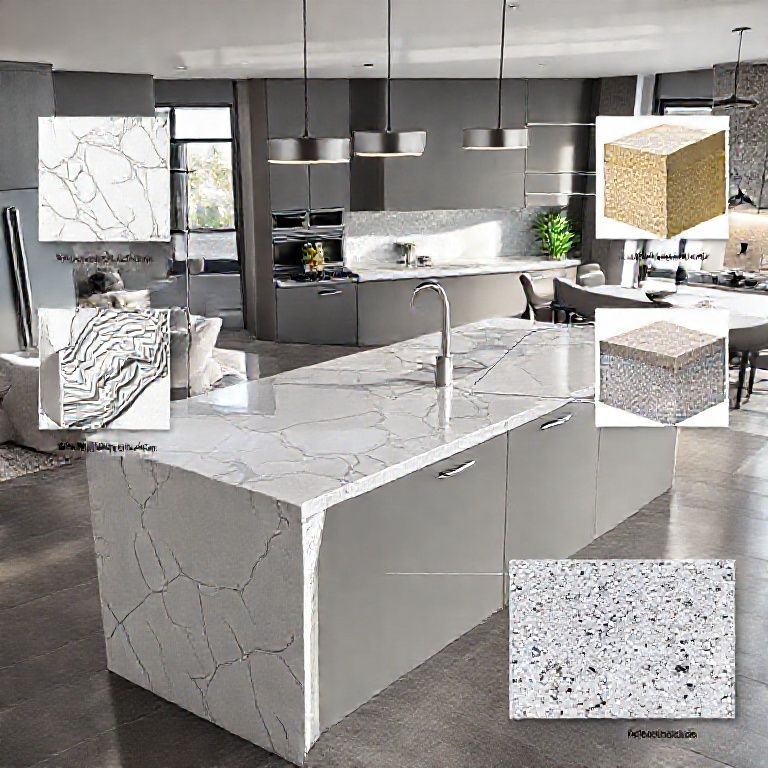
Natural marble, while beautiful, poses its own set of challenges. It is susceptible to staining, etching, and scratching, which requires regular maintenance and professional cleaning. Additionally, natural marble can contain trace amounts of minerals and metals, which, while generally not harmful, might raise concerns for individuals with specific sensitivities.
In contrast, engineered marble offers a more consistent and controlled composition, reducing the risk of unexpected contaminants. This predictability makes it a safer option for those concerned about the quality and safety of their materials.
Environmental Footprint
Another aspect to consider is the environmental footprint of engineered marble. While natural marble mining has significant ecological impacts, including habitat destruction and carbon emissions, engineered marble presents a more sustainable alternative.
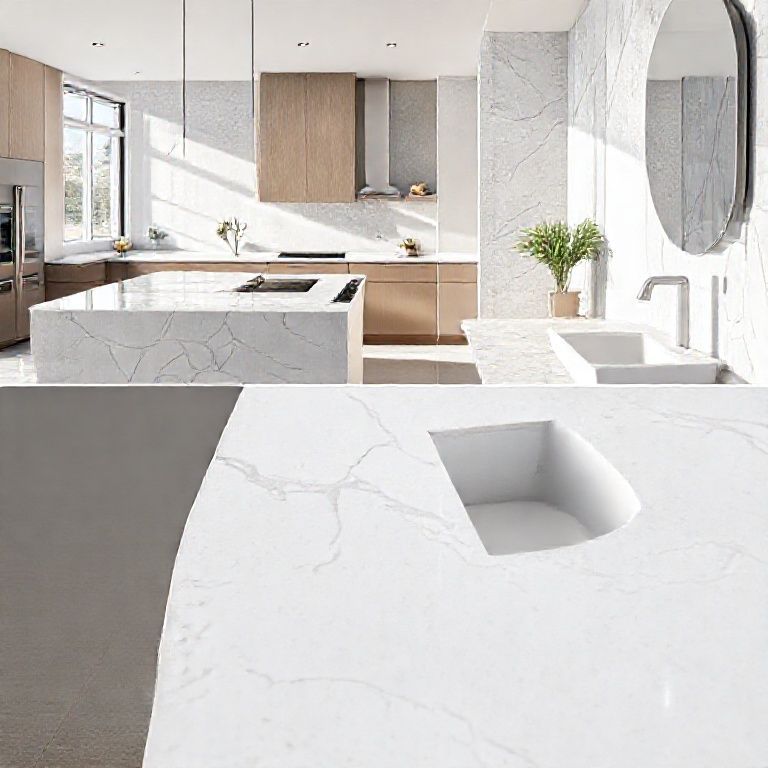
Resource Efficiency: Engineered marble uses smaller quantities of natural stone, thus reducing the environmental impact associated with mining and transportation.
Waste Reduction: The manufacturing process of engineered marble can lead to less waste compared to natural stone, as it allows for precise control over the material’s composition and reduces the need for extensive post-production clean-up.
Recyclability: Unlike natural stone, engineered marble can be more easily recycled, contributing to a more circular economy in the construction and interior design industries.
Conclusion
In conclusion, engineered marble is a safe, durable, and aesthetically pleasing alternative to natural marble. The materials used in its creation, when properly manufactured, pose minimal health risks. Moreover, its environmental benefits make it a more sustainable choice. As we continue to navigate the complexities of modern interior design, understanding the composition and benefits of engineered marble can guide us toward safer and more responsible design decisions.
Long-Term Safety and Comparative Analysis
In the previous section, we explored the composition and basic safety aspects of engineered marble. Now, we will delve into long-term exposure effects, compare engineered marble with other popular countertop materials, and provide practical tips to ensure its safe use.
Long-Term Exposure Effects
Engineered marble is designed to be a durable and long-lasting material. However, like any material, understanding long-term exposure effects is crucial for ensuring ongoing safety.
Durability and Maintenance: Engineered marble is known for its resistance to scratches, stains, and etching. This durability means that with proper maintenance, engineered marble can last for decades, reducing the need for frequent replacements. Regular cleaning with mild soap and water is generally sufficient to maintain its pristine appearance and safety.
Chemical Resistance: One of the key benefits of engineered marble is its high resistance to chemicals. This makes it a safer option for households with children or pets, as accidental spills are less likely to cause damage or health concerns.
Heat and Thermal Stability: Engineered marble is also heat-resistant, which means it can withstand the heat from cooking appliances without warping or releasing harmful substances. This makes it a safe choice for kitchen countertops.
Comparative Analysis: Engineered Marble vs. Other Countertop Materials
To fully understand the safety of engineered marble, it’s beneficial to compare it with other popular countertop materials such as granite, quartz, and stainless steel.
Granite: Granite is a natural stone that is durable and aesthetically pleasing. However, it can be prone to staining and requires regular sealing to maintain its appearance and safety. Additionally, granite mining has significant environmental impacts. In contrast, engineered marble offers a more consistent and controlled composition, reducing the risk of unexpected contaminants.
Quartz: Quartz is a synthetic material that is highly durable and resistant to stains. While quartz is generally safe, it is made from silica, which can be harmful if inhaled in its powdered form. Modern manufacturing techniques aim to minimize this risk. Engineered marble, on the other hand, offers a non-toxic alternative with similar durability and resistance properties.
Stainless Steel: Stainless steel is highly durable and easy to clean but can be prone to scratching and staining if not properly maintained. Additionally, it lacks the aesthetic appeal of natural and engineered stone. Engineered marble provides a stone-like appearance with superior durability and minimal maintenance.
Tips for Ensuring the Safe Use of Engineered Marble
While engineered marble is generally safe, there are a few practical tips to ensure its safe and optimal use:
Choose Certified Products: Look for engineered marble products that have been certified by reputable organizations. These certifications often indicate that the product meets stringent safety and quality standards.
Proper Installation: Ensure that engineered marble is installed by professionals who are experienced with the material. Proper installation techniques can help prevent issues such as warping and cracking, which could potentially expose harmful substances.
Regular Cleaning: Clean engineered marble regularly with mild soap and water to prevent the buildup of grime and potential contaminants. Avoid using harsh chemicals or abrasive cleaners that could damage the surface.
Avoid Extreme Conditions: While engineered marble is heat-resistant, it’s important to avoid exposing it to extreme conditions that could cause cracking or other damage. This includes using trivets or hot pads when placing hot dishes on the countertop.
Monitor for Damage: Regularly inspect engineered marble surfaces for signs of damage or wear. Addressing issues promptly can prevent minor problems from becoming more significant and potentially harmful.
Conclusion
In conclusion, engineered marble is a safe, durable, and aesthetically pleasing alternative to natural stone. With proper maintenance and installation, it poses minimal health risks and offers long-term durability. By comparing it with other countertop materials, we can appreciate its advantages and ensure its safe use in our homes and workspaces. As we continue to prioritize safety and sustainability in design, engineered marble stands out as a responsible and attractive choice for modern interiors.
By exploring both the composition and long-term safety of engineered marble, we aim to demystify its potential benefits and drawbacks, helping you make informed decisions for your interior design needs.