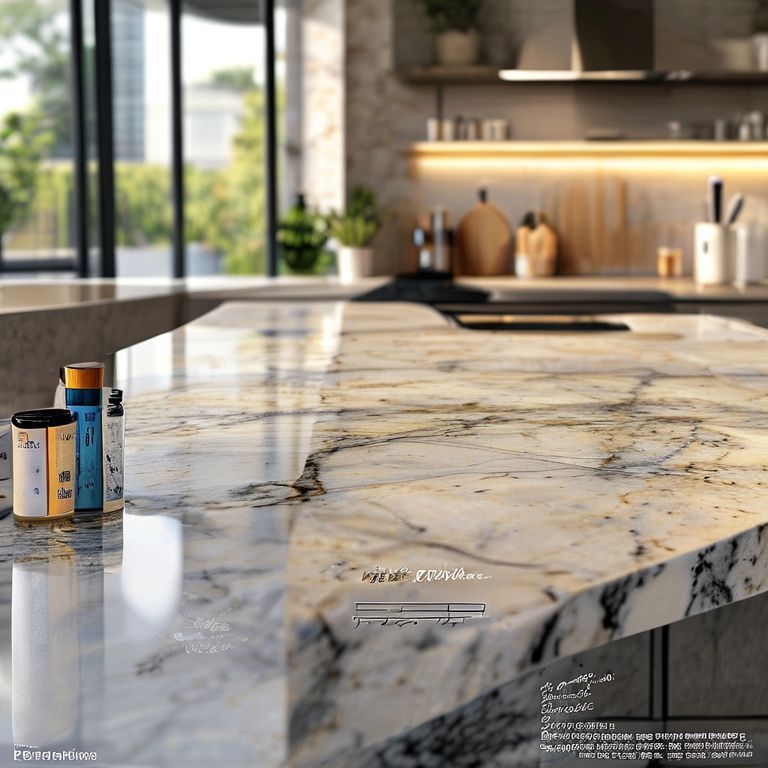
Understanding Engineered Marble and Its Safety Profile
In recent years, engineered marble has become a popular choice for home and commercial interiors due to its aesthetic appeal, durability, and cost-effectiveness. This luxurious material is often preferred for countertops, sinks, and other high-traffic areas. However, with its rising popularity comes a series of questions regarding its safety, particularly concerning radiation and its potential health impacts. Let’s delve into what engineered marble is, its safety profile, and address the concerns that many have about its use.

What is Engineered Marble?
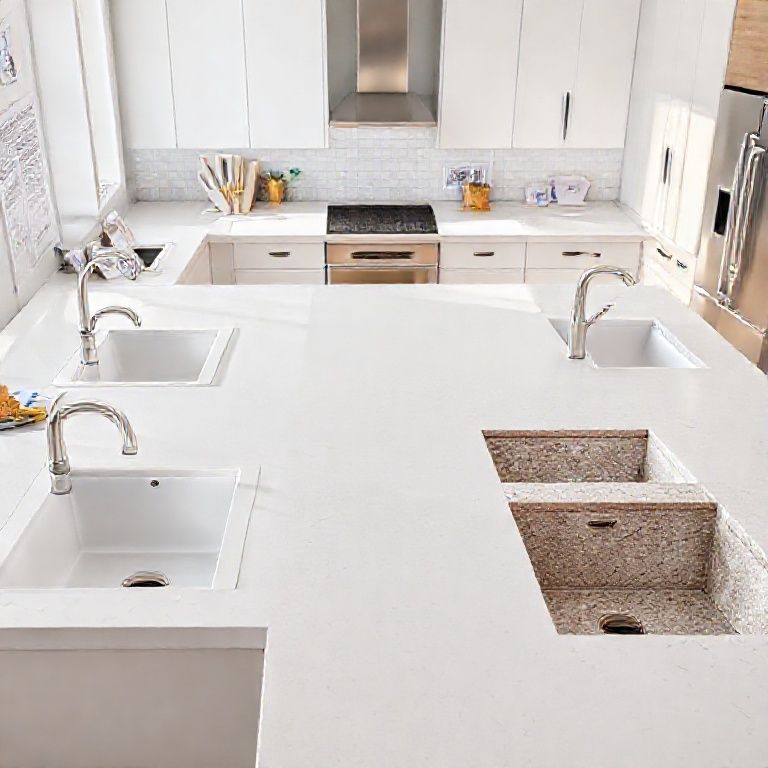
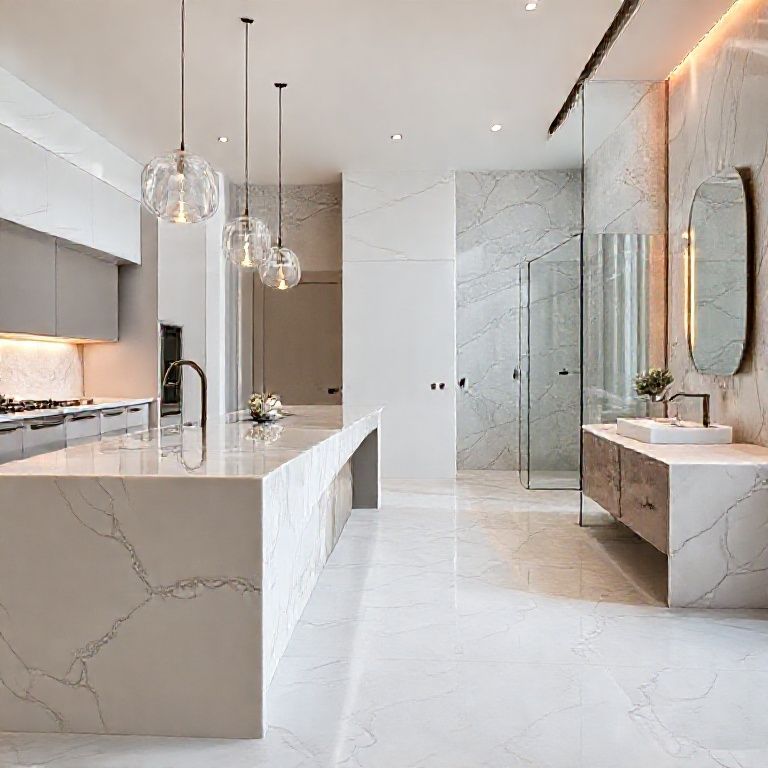
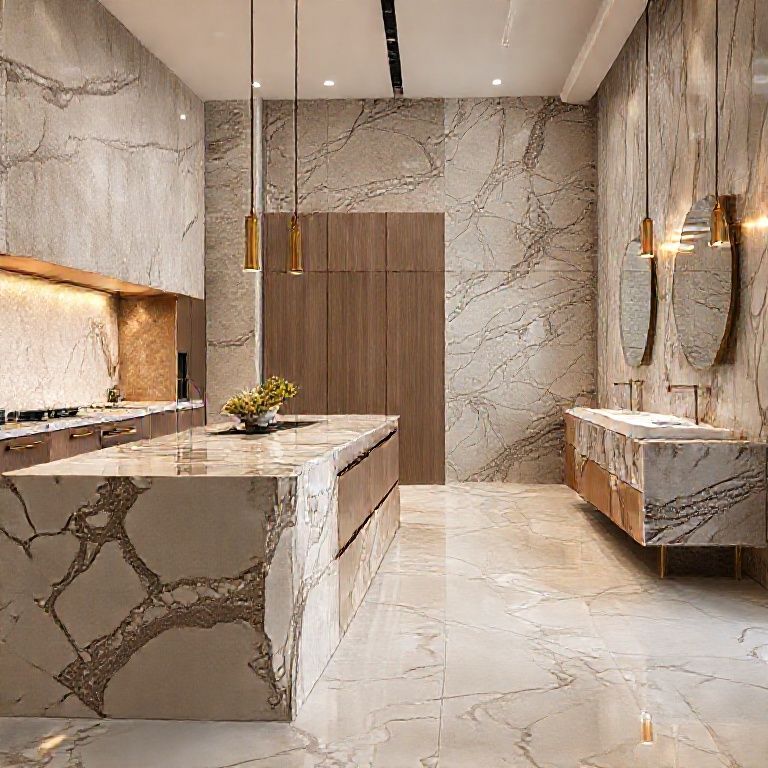
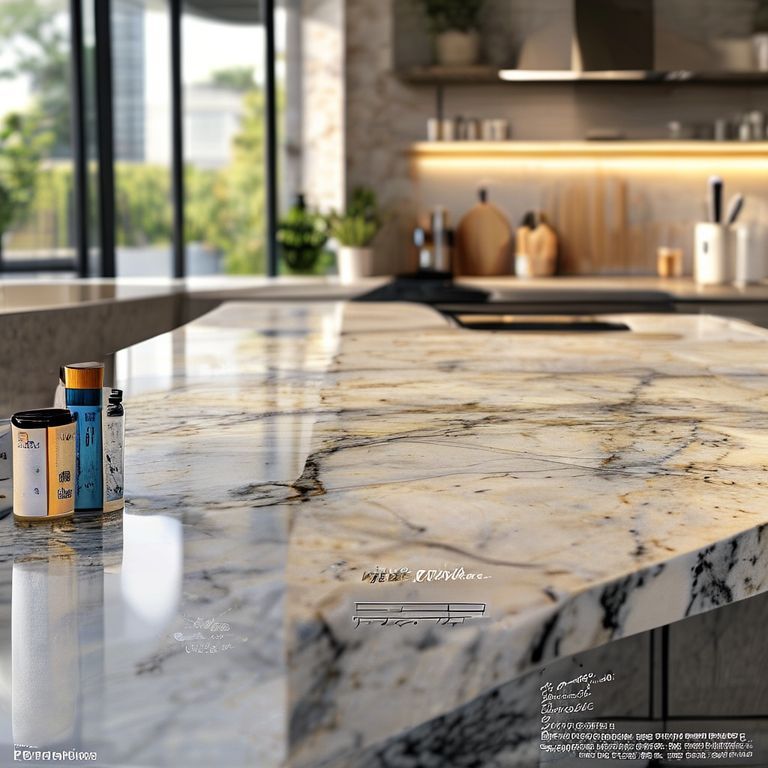
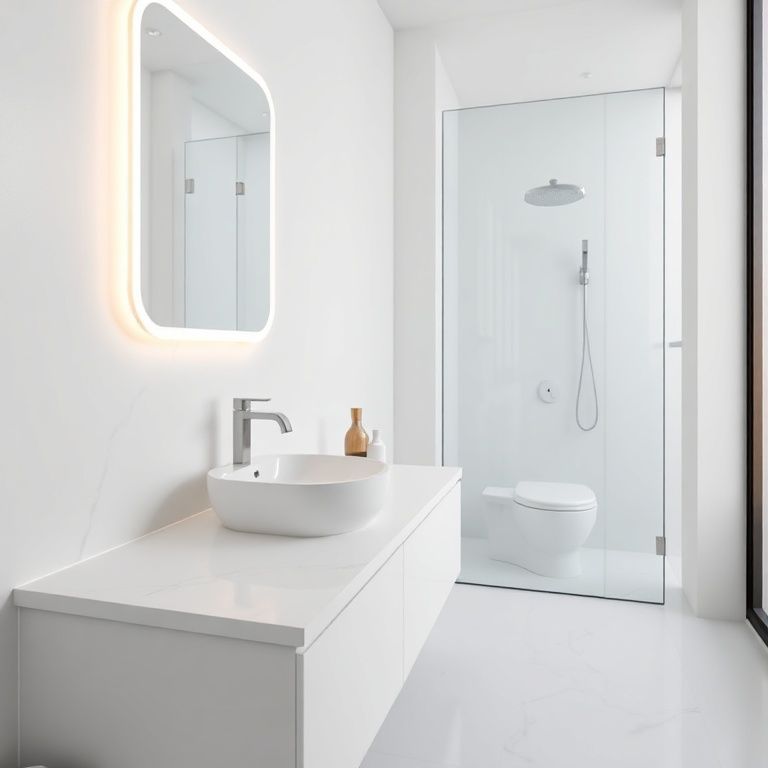
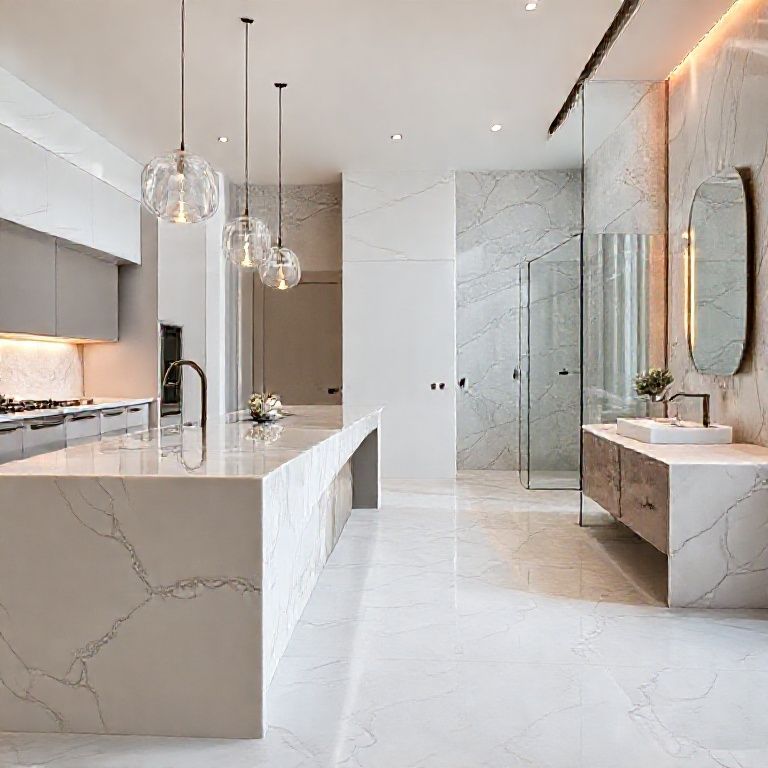
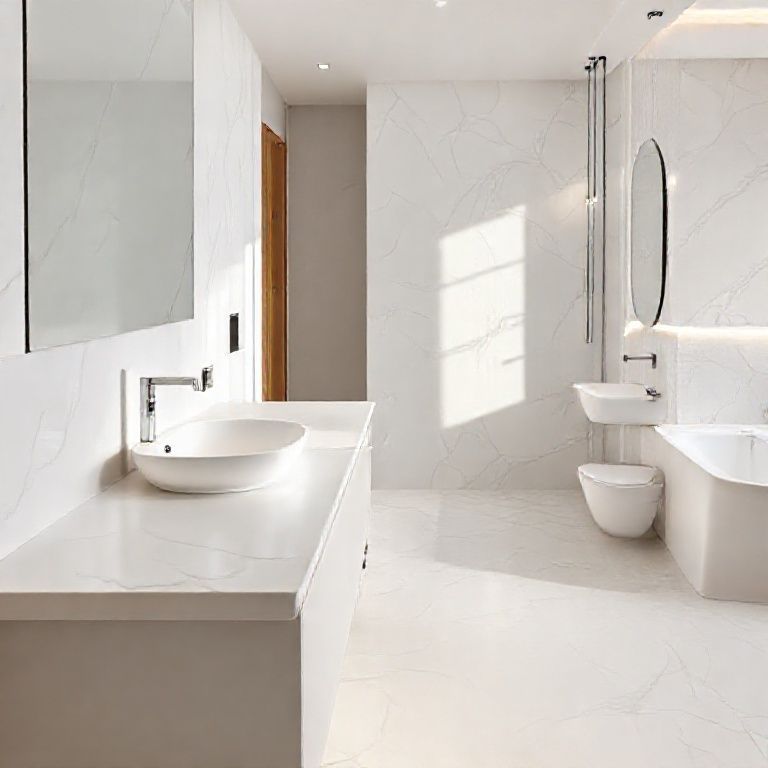
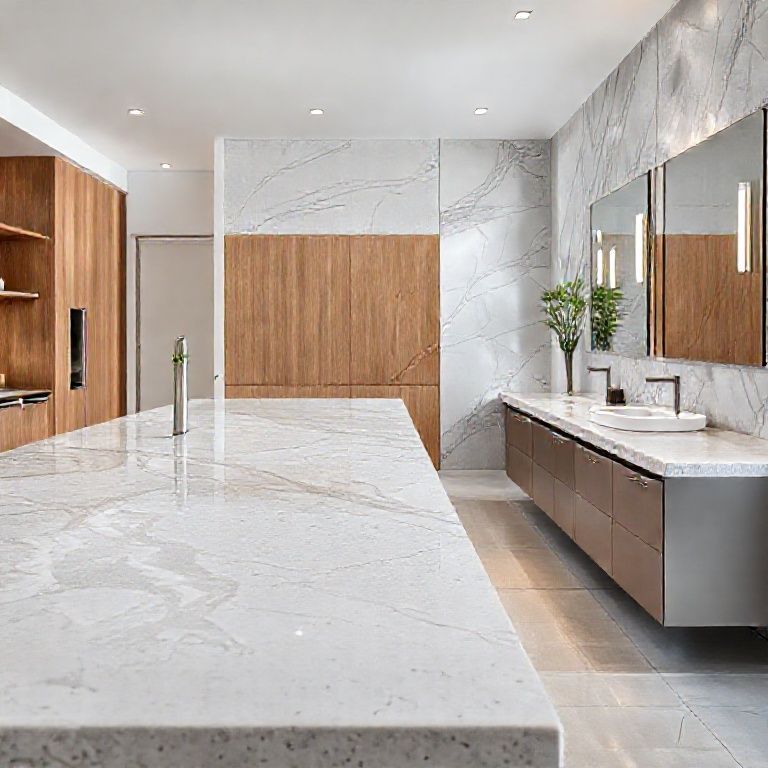
Engineered marble is a composite material that combines natural marble dust with other substances such as resins, waxes, and pigments to create a robust and versatile product. Unlike natural marble, which is a solid stone, engineered marble is made from a thick slab of material that can be cut and shaped as needed. This process results in a product that is more uniform in color and texture, and more resistant to scratches and chips.
Radiation Concerns
One of the primary concerns regarding engineered marble is whether it emits radiation and if it poses any health risks. To address this, it’s essential to understand the composition and properties of engineered marble.
Natural vs. Engineered Materials
Natural marble is composed of calcium carbonate and other minerals, which are not radioactive. Engineered marble, on the other hand, includes these same minerals but also incorporates resins and other additives. Despite this, the level of natural radioactivity in both natural and engineered marble is extremely low. To put it into perspective, natural marble sources like granite and other stones that are often used in construction can contain trace amounts of radioactive elements such as uranium, thorium, and potassium. However, the concentrations in marble, whether natural or engineered, are negligible.
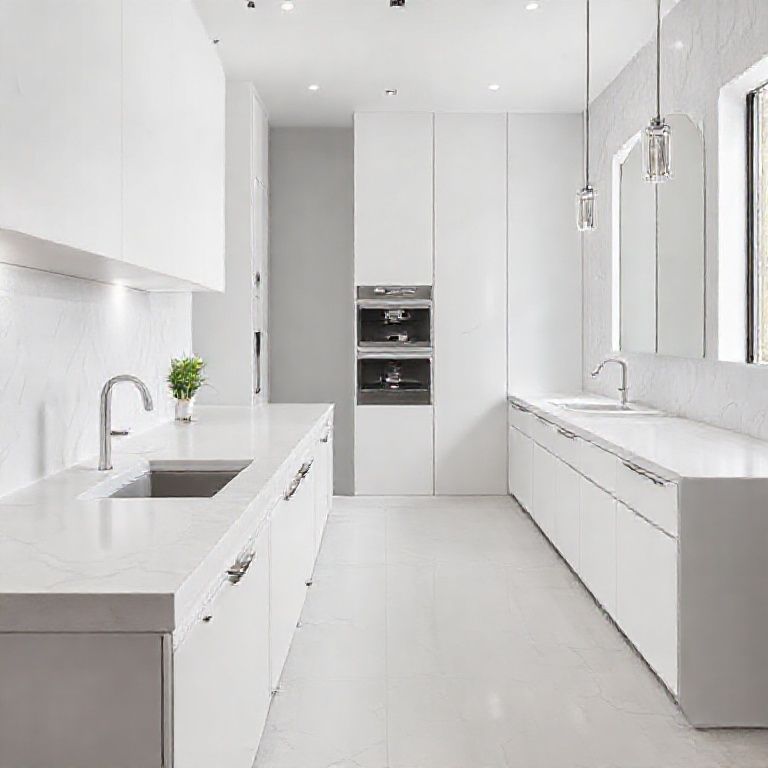
Scientific Studies and Findings
Several scientific studies have been conducted to measure any potential radiation emissions from engineered marble. These studies consistently show that engineered marble does not emit significant levels of radiation. The resins and additives used in its production do not contribute to radioactive emissions. Therefore, the risk of radiation exposure from engineered marble is practically non-existent.
Health Impacts
Given the low levels of radiation in engineered marble, let’s explore other potential health impacts.
Non-Toxic Components
Engineered marble is typically composed of non-toxic materials. The resins used are generally food-grade or at least non-toxic in the concentrations used in manufacturing. The pigments and other additives are also carefully selected to ensure safety. While it’s always wise to handle any new material with care, the components in engineered marble do not pose a significant health risk when used in normal applications.
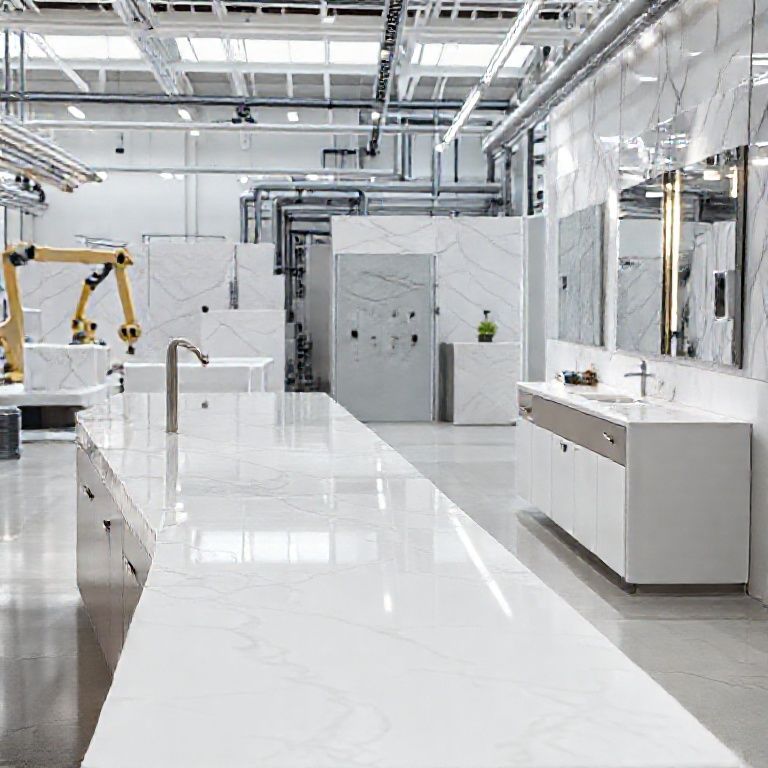
Indoor Air Quality
Another aspect to consider is indoor air quality. When materials are cut, polished, or otherwise processed, fine particles can be released into the air. However, engineered marble is designed to minimize dust generation. Modern manufacturing techniques have made significant improvements in this area, ensuring that the particles released are minimal and do not pose a significant health risk. Additionally, the resins used in engineered marble are typically low-VOC (volatile organic compounds), contributing to a healthier indoor environment.
Conclusion of Safety
In conclusion, engineered marble is a safe material to use in both residential and commercial settings. The low levels of radiation, non-toxic components, and modern manufacturing techniques all contribute to its safety profile. While it’s always important to follow standard safety precautions when working with any material, the specific concerns regarding radiation and health impacts do not justify any undue worry.
In the next part, we will further explore the environmental impact of engineered marble, its sustainability, and how it compares to other countertop materials in terms of overall health and safety.
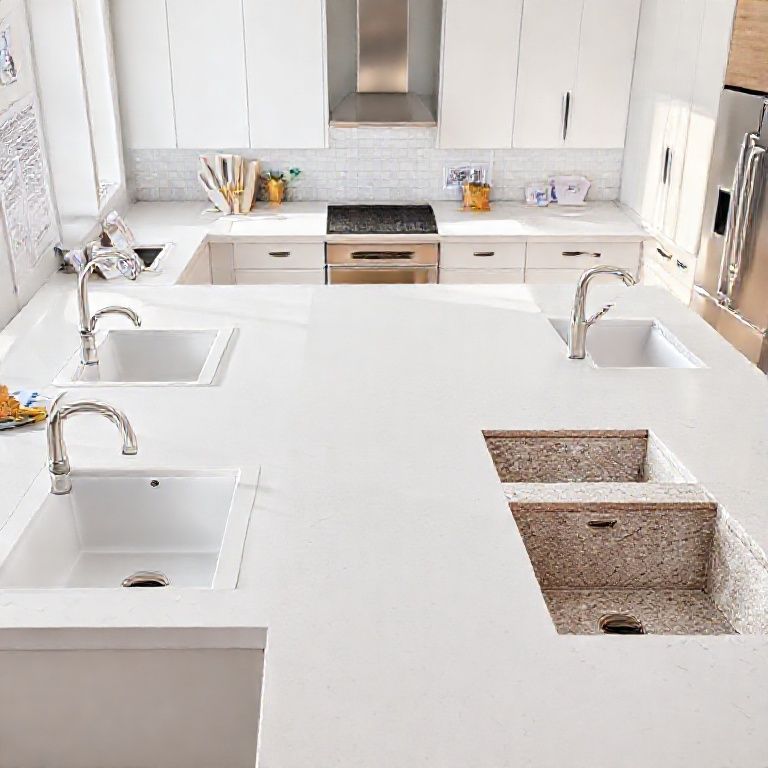
Sustainability, Environmental Impact, and Comparative Health Safety
Having addressed the primary concerns about radiation and direct health impacts, it’s essential to broaden our discussion to include the environmental aspects and the comparative safety of engineered marble against other popular materials. This comprehensive examination will help you make an informed decision about its suitability for your space.
Sustainability of Engineered Marble
Environmental Footprint
When evaluating the sustainability of engineered marble, it’s important to consider its entire lifecycle from production to disposal. Engineered marble is manufactured from natural marble dust and other eco-friendly materials. The production process is relatively low-impact compared to other materials. For instance, the energy required to produce engineered marble is significantly less than that needed to quarry and process natural stone.
Recyclability and Disposal
One of the standout features of engineered marble is its recyclability. Unlike natural stone, which can only be recycled to a limited extent, the components of engineered marble can be fully recycled. This means that at the end of its life, engineered marble can be processed and reused in new products, reducing waste and the need for virgin materials.
Comparative Sustainability
When comparing engineered marble to other countertop materials, such as granite, quartz, and wood, it stands out in terms of sustainability. Granite, for example, requires significant quarrying and processing, contributing to environmental degradation. Quartz, while more sustainable than granite, still involves mining and energy-intensive processes. Engineered marble, on the other hand, utilizes recycled marble dust and other sustainable materials, making it a more environmentally friendly choice.
Health Safety Compared to Other Materials
Granite
Granite is a natural stone known for its durability and aesthetic appeal. However, it can contain trace amounts of radioactive elements. While the levels are generally low, some individuals may have concerns about potential radiation exposure. Additionally, granite is a non-porous material, which means it does not absorb liquids easily, reducing the risk of bacteria growth from spills.
Quartz
Quartz is another popular choice for countertops, celebrated for its scratch and stain resistance. It is composed of silica, which is non-toxic. However, the manufacturing process for quartz can involve high-pressure and high-temperature treatments that may release fine particles into the air. While these particles are generally considered safe, they can still raise concerns for those sensitive to airborne particulates.
Wood
Wood countertops offer a natural and warm aesthetic but come with their own set of health concerns. Wood can absorb moisture and oils, potentially leading to mold growth and bacteria if not properly maintained. Additionally, wood can release volatile organic compounds (VOCs) during production and over time, which can impact indoor air quality.
Engineered Marble vs. Others
In contrast to these materials, engineered marble stands out for its safety profile. The non-toxic nature of its components, low-VOC emissions, and minimal dust generation make it a superior choice for those concerned about health and safety. Moreover, its recyclability adds an extra layer of environmental sustainability, making it a responsible choice for the conscientious consumer.
Long-Term Health Impacts
The long-term health impacts of using engineered marble are minimal. Given its composition and manufacturing processes, there is no evidence to suggest that prolonged exposure to engineered marble poses any significant health risks. This is a significant advantage when compared to materials that may emit harmful substances over time.
Conclusion: Making an Informed Choice
In summary, engineered marble is a safe, sustainable, and environmentally friendly option for countertops and other interior applications. The negligible radiation levels, non-toxic components, and minimal impact on indoor air quality all contribute to its safety profile. When compared to other materials like granite, quartz, and wood, engineered marble emerges as a superior choice for health and sustainability.
By understanding the science behind engineered marble and its overall impact on your wellbeing and the environment, you can confidently choose this beautiful material for your space, knowing that you are making a safe and responsible choice.