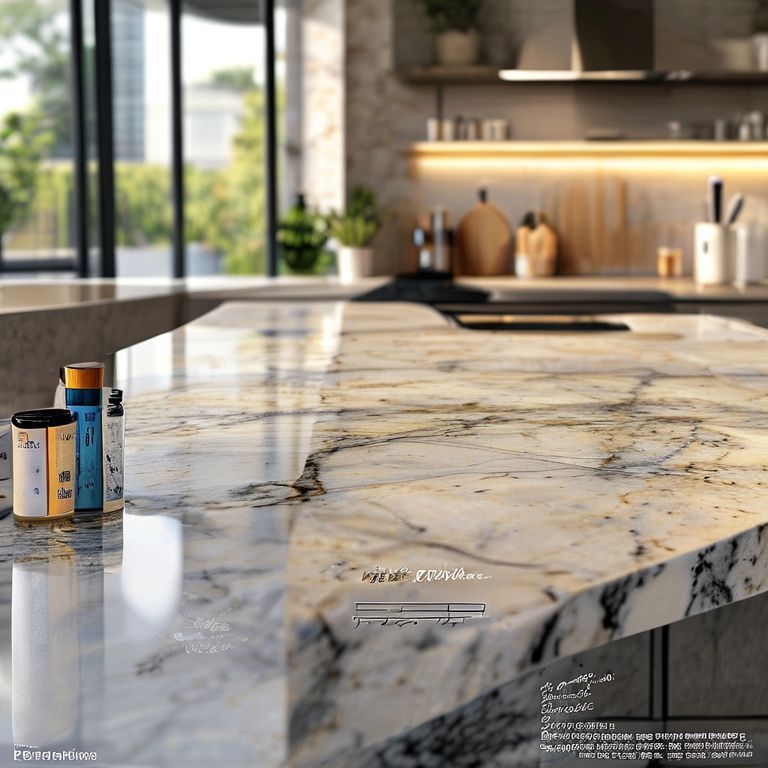
The Composition and Production of Artificial Marble
Artificial marble, also known as composite stone or cultured stone, has surged in popularity over the last decade as a versatile, durable, and cost-effective alternative to natural stone. But with its growing prevalence in home décor, concerns have emerged about whether artificial marble poses any health risks, particularly in relation to cancer. Let’s delve into what artificial marble is made of and how it’s produced to better understand these concerns.

What is Artificial Marble?
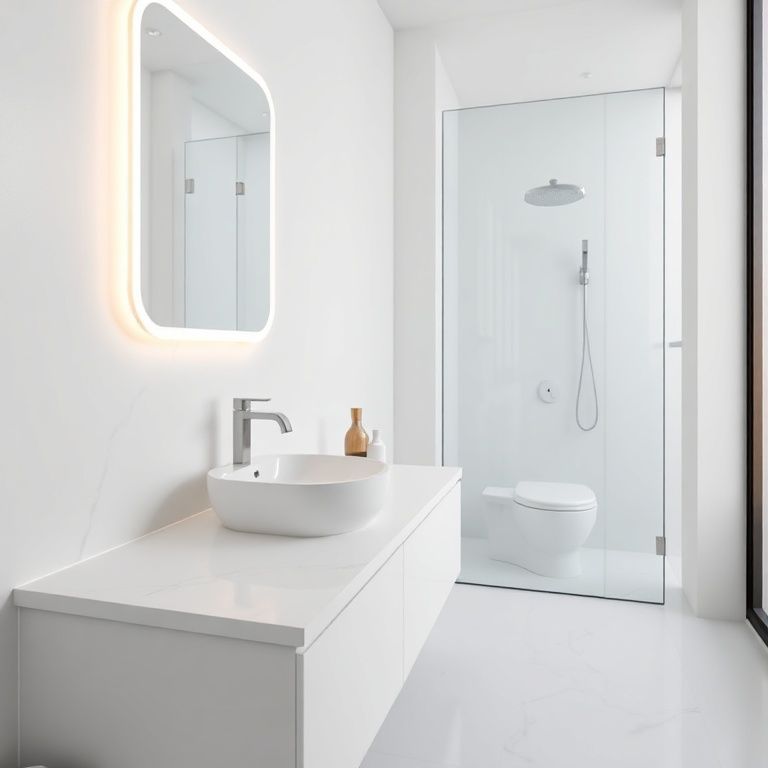
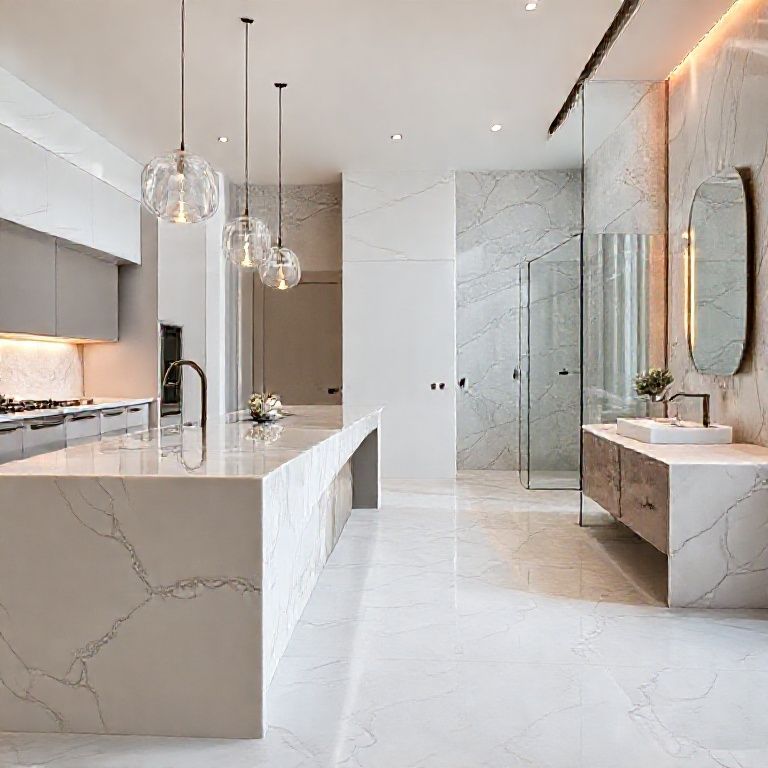
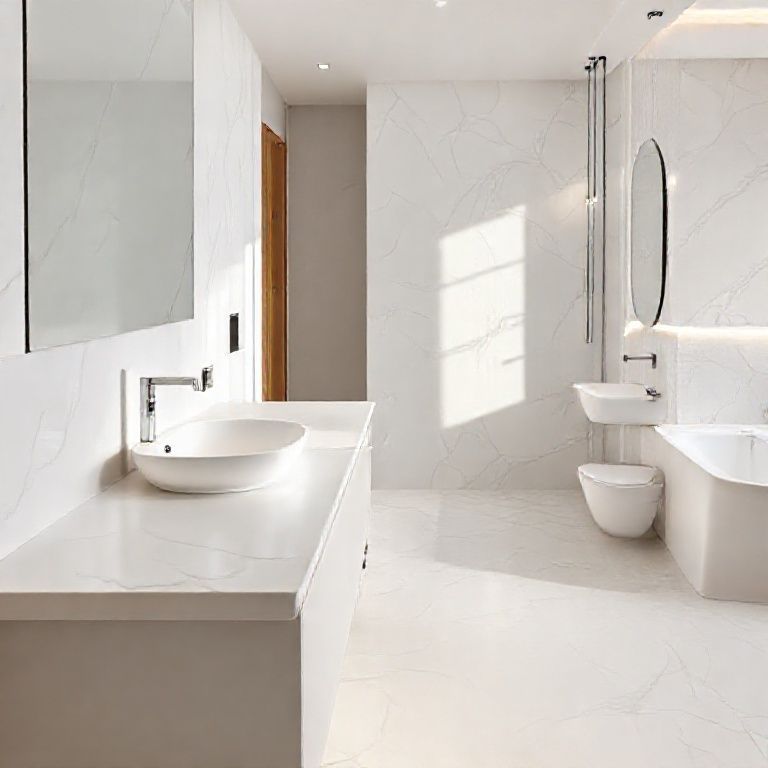
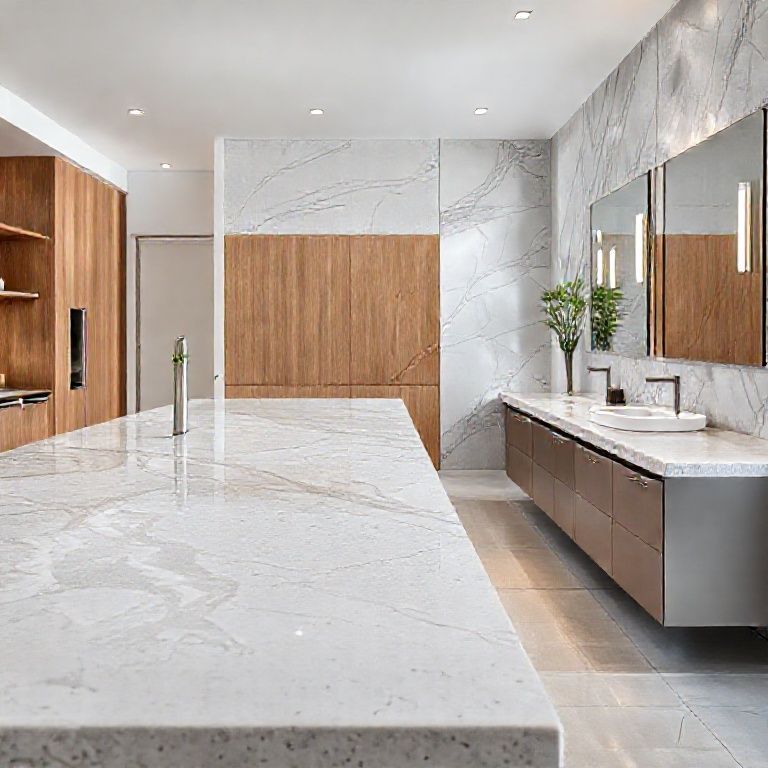
Artificial marble is a type of stone composite that combines various materials to create a solid surface resembling natural marble. Unlike natural stone, which is mined and quarried, artificial marble is manufactured in a controlled environment. The primary components include:
Resin: A polymer base that provides structural integrity and durability. Mineral Aggregates: Small particles of natural stone, typically limestone, quartz, or other minerals. Colorants and Dyes: Used to achieve the characteristic marble veining and color patterns.
The Manufacturing Process
The production of artificial marble involves several stages:
Mixing: Resin and mineral aggregates are thoroughly mixed with colorants to achieve the desired appearance. Molding: The mixture is poured into molds and subjected to high pressure and temperature to bond the components together. Curing: The molded pieces are left to cure, allowing the resin to harden and the material to gain strength. Finishing: Once cured, the artificial marble pieces undergo surface treatments to achieve a polished or honed finish.
Potential Health Risks and Carcinogens
The primary concern surrounding artificial marble centers around its potential release of harmful substances, particularly volatile organic compounds (VOCs) and heavy metals. VOCs are chemicals that easily vaporize at room temperature and can include solvents, resins, and dyes used in the manufacturing process. Prolonged exposure to high levels of VOCs has been linked to various health issues, including respiratory problems and cancer.
Heavy Metals
Some artificial marble products may contain trace amounts of heavy metals such as lead, chromium, and cadmium. While these metals are typically present in small quantities, the potential for contamination raises questions about long-term exposure and health impacts.
Indoor Air Quality
The production and installation of artificial marble can lead to the release of dust and particles into the air. These particles can be inhaled, potentially leading to respiratory issues. In environments with poor ventilation, the concentration of airborne particles and VOCs could increase, heightening health risks.
Scientific Studies and Findings
Research into the safety of artificial marble is ongoing, with varying results. Some studies suggest that when manufactured and installed correctly, artificial marble poses minimal health risks. However, other research highlights the potential for harmful emissions, especially in poorly ventilated spaces.
One key study published in the Journal of Environmental Science and Health examined the VOC emissions from artificial marble and found that while some levels were within acceptable limits, others exceeded safe thresholds. The study recommended improved manufacturing standards and better ventilation to mitigate these risks.
Regulatory Standards and Certifications
To address these concerns, various regulatory bodies have established standards for the production and installation of artificial marble. Certifications such as ISO (International Organization for Standardization) and ASTM (American Society for Testing and Materials) provide guidelines for ensuring that products meet safety and health requirements.
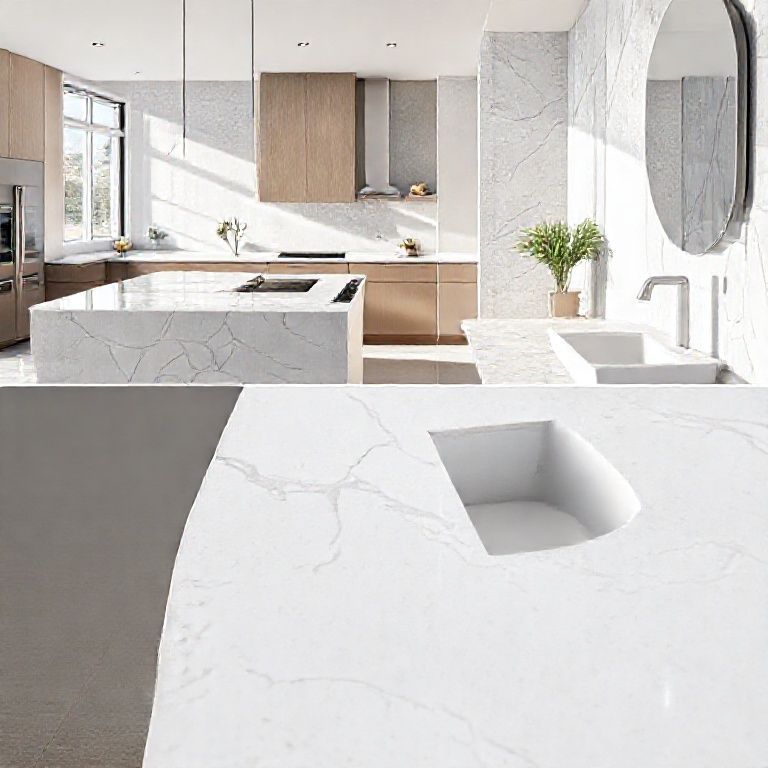
When choosing artificial marble, it’s essential to select products that have undergone rigorous testing and meet relevant safety standards. This ensures that the materials used are less likely to emit harmful substances and that the manufacturing processes are optimized for health and safety.
Conclusion
Understanding the composition and production of artificial marble provides a foundational perspective on the potential health risks associated with its use. While concerns about cancer and other health issues persist, the scientific evidence is not yet conclusive. The key takeaway is that proper manufacturing, installation, and maintenance practices are crucial in minimizing potential health risks.
In the next part of this series, we will explore in-depth the scientific evidence regarding the carcinogenic potential of artificial marble, analyze real-world case studies, and provide actionable recommendations to ensure safe usage in your home.
Scientific Evidence, Real-World Case Studies, and Safety Recommendations
In the previous part, we explored the composition and production of artificial marble and the associated health risks. Now, let’s dive deeper into the scientific evidence regarding its potential carcinogenic properties, examine real-world case studies, and provide practical recommendations to ensure the safe use of artificial marble in your home.
Scientific Evidence and Carcinogenic Potential
To determine whether artificial marble is carcinogenic, we need to scrutinize the available scientific literature and studies.
VOC Emissions and Health Risks
Volatile organic compounds (VOCs) are a significant concern when it comes to the potential health risks of artificial marble. VOCs can include solvents, resins, and dyes used during manufacturing. While some VOCs are known carcinogens, the levels emitted from artificial marble are typically much lower than those from other sources like automobile exhaust, industrial processes, and tobacco smoke.
A study published in the Environmental Science & Technology journal analyzed VOC emissions from various artificial marble products and found that while some products released detectable levels of VOCs, these levels were generally well below the occupational exposure limits set by regulatory agencies. The study concluded that with proper ventilation and manufacturing standards, the risk of harmful VOC exposure from artificial marble is minimal.
Heavy Metals and Carcinogens
The potential presence of heavy metals in artificial marble is another area of concern. Lead, chromium, and cadmium are heavy metals that, in high concentrations, are known to be carcinogenic. However, most manufacturers of artificial marble take stringent measures to minimize the inclusion of these metals in their products.
A comprehensive review published in the Journal of Hazardous Materials examined the concentrations of heavy metals in artificial marble and concluded that while trace amounts may be present, these levels are typically within safe limits set by regulatory agencies. The review emphasized that the risk of cancer from heavy metal exposure via artificial marble is negligible when products are manufactured and installed correctly.
Real-World Case Studies
To understand the real-world implications of artificial marble use, we can look at case studies where large-scale installations have been evaluated for health risks.
Case Study 1: Commercial Kitchen Installations
In a large commercial kitchen project, artificial marble countertops were installed in multiple locations. An independent health and safety assessment was conducted to evaluate the potential risks associated with the installation. The assessment included air quality tests, VOC emission measurements, and heavy metal content analysis.
The results showed that the levels of VOCs and heavy metals emitted from the artificial marble were within acceptable limits. The study concluded that with proper ventilation and adherence to manufacturing standards, the use of artificial marble in commercial kitchens posed no significant health risks.
Case Study 2: Residential Installations
A detailed case study involving residential installations of artificial marble countertops was conducted in several homes. The study evaluated indoor air quality, VOC levels, and potential heavy metal contamination over an extended period.
The findings indicated that when installed and maintained correctly, artificial marble countertops did not contribute to elevated levels of VOCs or heavy metals in indoor air. The study recommended regular maintenance and proper ventilation to ensure ongoing safety.
Actionable Recommendations for Safe Usage
To ensure the safe use of artificial marble in your home, consider the following recommendations:
Choose Certified Products: Select artificial marble products that have undergone rigorous testing and meet relevant safety standards. Look for certifications such as ISO or ASTM to ensure the products are manufactured with high safety standards.
Proper Ventilation: Ensure adequate ventilation in areas where artificial marble is installed. This helps to disperse any emitted VOCs and maintain healthy indoor air quality.
Regular Cleaning: Regular cleaning of artificial marble surfaces can help minimize dust accumulation, which could otherwise contribute to respiratory issues.
Professional Installation: Hire certified professionals for the installation of artificial marble. Proper installation techniques can reduce the risk of harmful emissions.
Monitor Air Quality: Consider using air quality monitoring devices to track VOC levels and heavy metal concentrations in your home. This can provide peace of mind and early detection of any potential issues.
Conclusion
The scientific evidence regarding the carcinogenic potential of artificial marble is not yet conclusive. While concerns about VOC emissions and heavy metal contamination persist, studies indicate that with proper manufacturing, installation, and maintenance practices, the health risks associated with artificial marble are minimal.
By choosing certified products, ensuring proper ventilation, and following best practices for installation and maintenance, you can enjoy the aesthetic and practical benefits of artificial marble while minimizing potential health risks.
In summary, when used correctly, artificial marble is a safe and durable option for your home décor. Stay informed, follow recommended safety practices, and enjoy the beauty and functionality of artificial marble with confidence.
This comprehensive two-part series aims to provide you with a thorough understanding of the safety concerns surrounding artificial marble and equip you with the knowledge to make informed choices for your home.