Composition and Potential Health Concerns of Artificial Marble
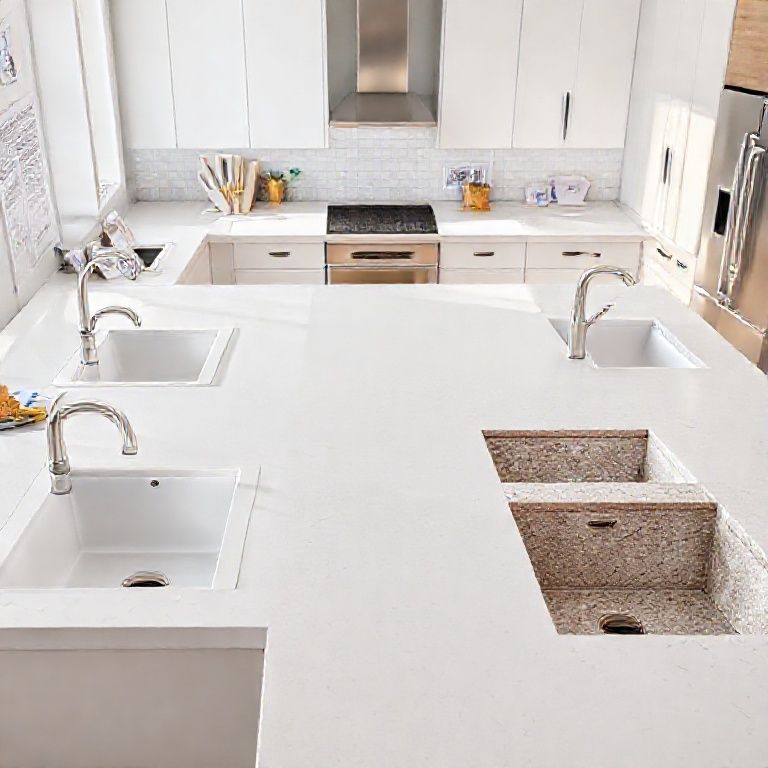
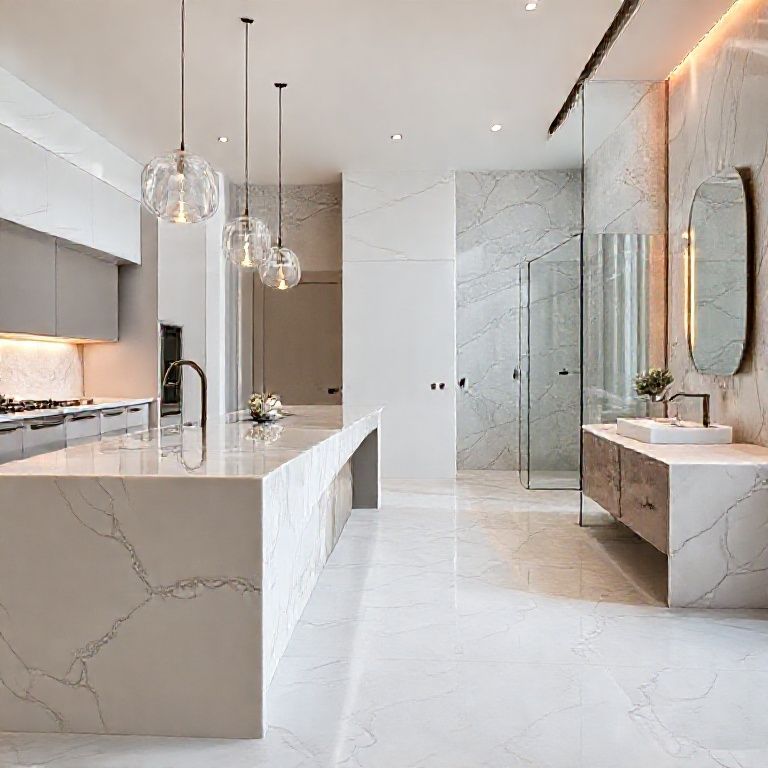
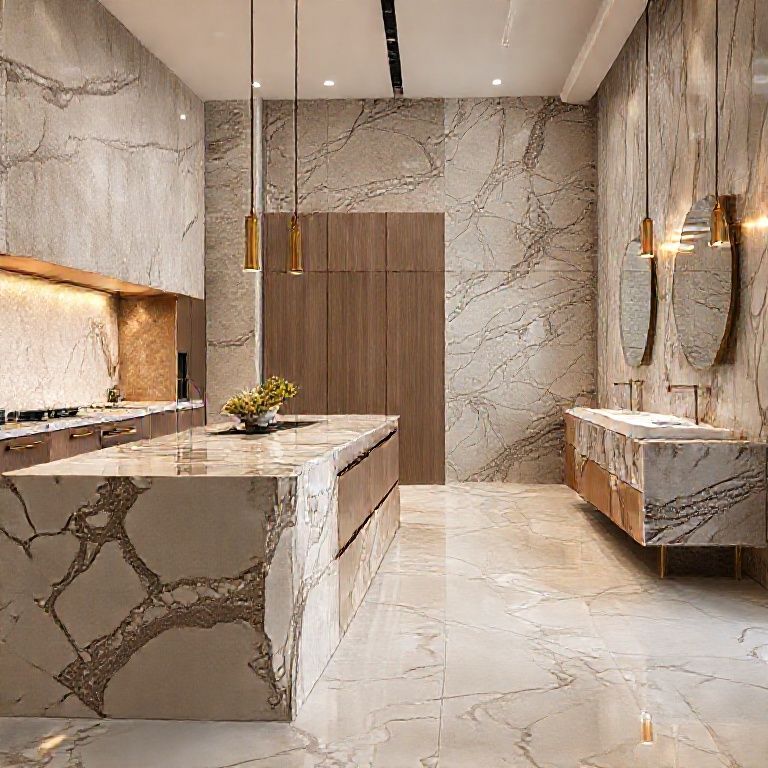
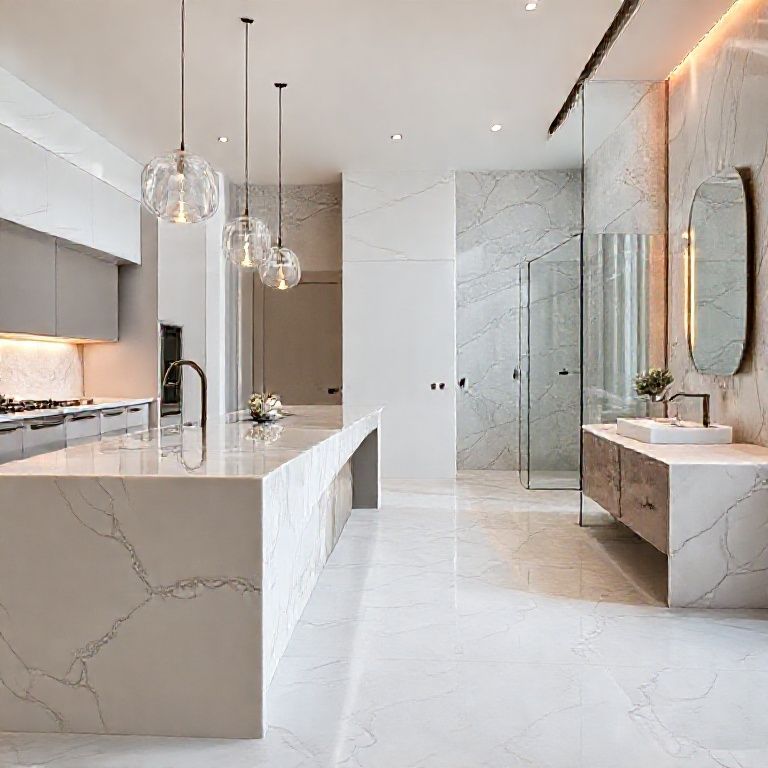
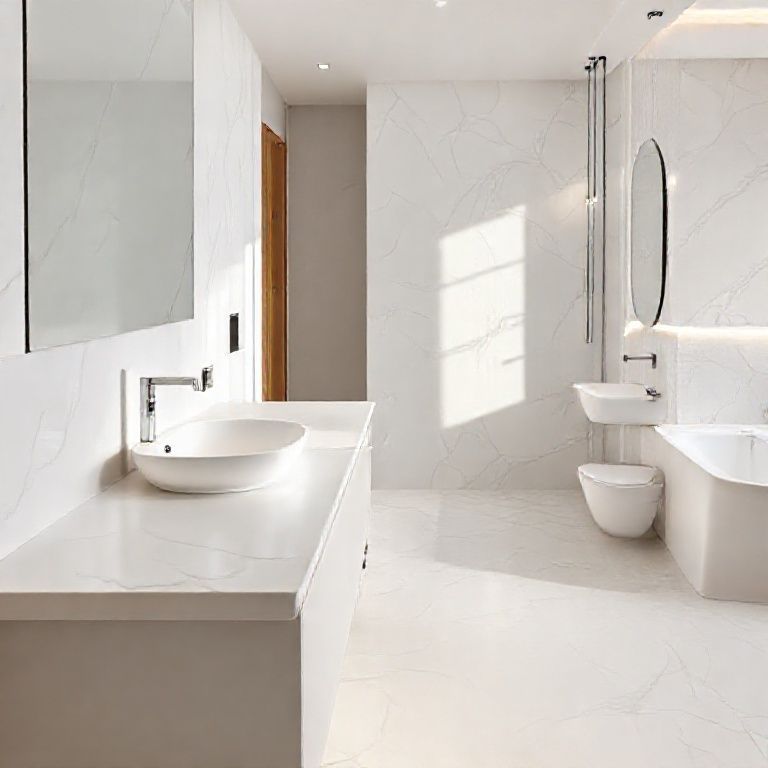
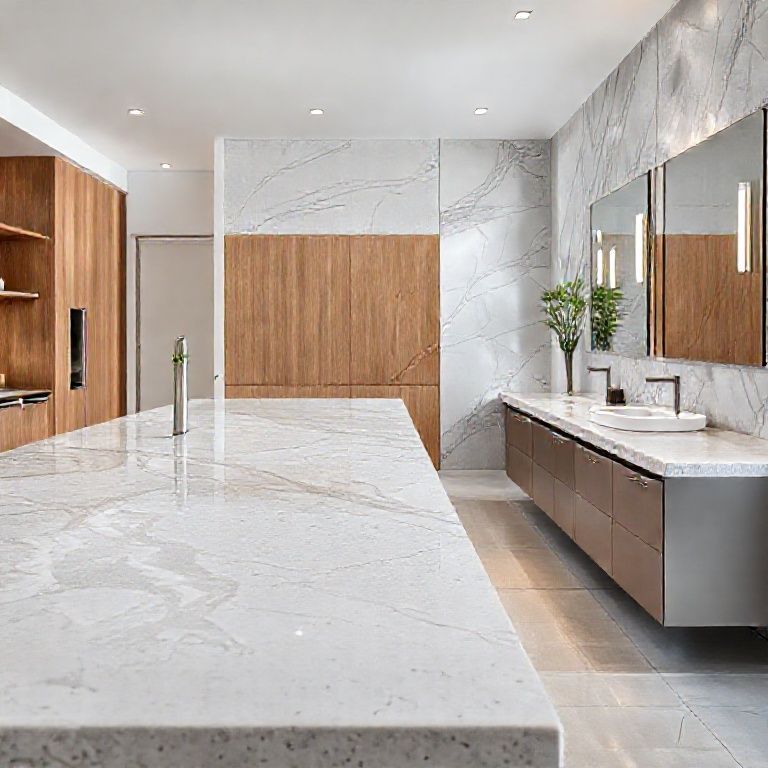
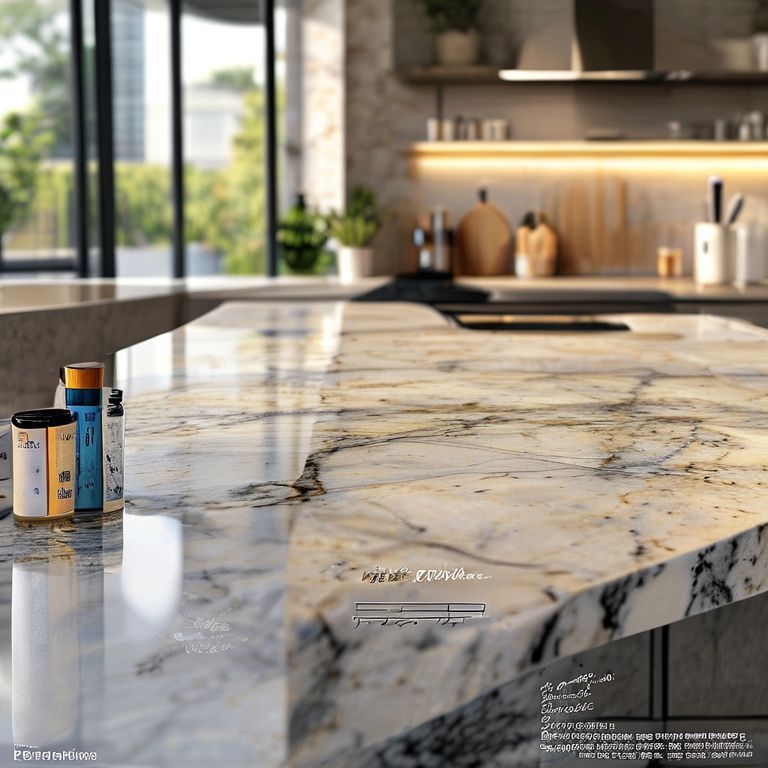
In recent years, artificial marble has emerged as a popular choice for countertops, sinks, and other decorative surfaces due to its durability, cost-effectiveness, and aesthetic appeal. However, with its growing popularity comes the necessity to understand its composition and the potential health impacts associated with its use.

What is Artificial Marble?
Artificial marble, also known as synthetic stone or cultured stone, is a composite material made primarily from natural minerals such as calcite, quartz, and dolomite, combined with bonding agents, pigments, and other additives. The process of creating artificial marble involves mixing these ingredients in a factory, pouring the mixture into molds, and then curing it at high temperatures to produce a solid, stone-like material.
Common Composition of Artificial Marble
The primary components of artificial marble include:
Natural Minerals: These provide the material with its stone-like appearance and durability. Common minerals include calcite, quartz, and dolomite. Bonding Agents: These chemicals help bind the minerals together and include substances like acrylic resins, polyurethane, and polyester. Pigments and Dyes: To achieve the desired color, various pigments and dyes are mixed into the material. Fillers: Additional materials like marble dust or talc may be used to enhance texture and appearance. Hardeners and Stabilizers: These additives help to make the material more resistant to wear and environmental factors.
Potential Health Concerns
While artificial marble offers many advantages, there are concerns regarding the potential health impacts of the materials used in its production.
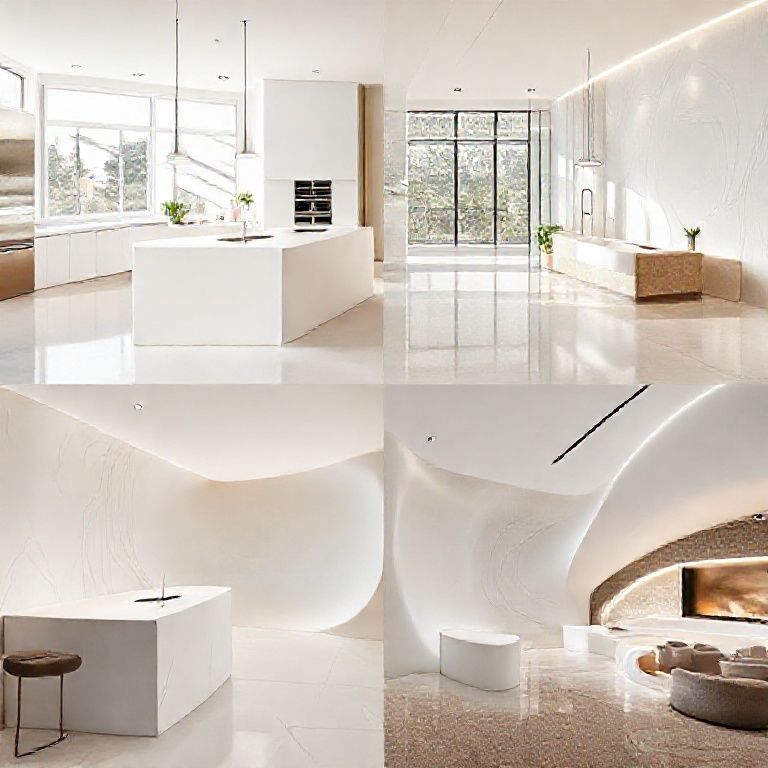
Chemical Exposure: The bonding agents and additives used in artificial marble can release volatile organic compounds (VOCs) during manufacturing and curing. These VOCs may include solvents, resins, and other chemicals that can contribute to indoor air pollution. Dust and Particles: During installation and maintenance, artificial marble can produce dust and small particles that may be inhaled. This could pose respiratory risks, especially for individuals with pre-existing respiratory conditions. Allergic Reactions: Some individuals may experience allergic reactions to specific components in the artificial marble, such as certain pigments or resins.
Regulatory Standards and Safety Measures
Manufacturers of artificial marble are required to adhere to various safety and environmental standards to mitigate potential health risks. For example, many production facilities comply with regulations from organizations like the Environmental Protection Agency (EPA) and the Occupational Safety and Health Administration (OSHA). However, it is essential for consumers to choose reputable brands and products that have undergone rigorous testing for safety.
Installation and Maintenance
Proper installation and maintenance of artificial marble can significantly reduce health risks. Here are some tips to ensure safe usage:

Choose Certified Products: Opt for artificial marble products that have been certified by recognized safety and quality organizations. Ventilation: Ensure adequate ventilation during installation to minimize exposure to VOCs and dust. Professional Installation: Hire certified professionals for the installation to ensure that the material is handled and placed correctly. Regular Cleaning: Clean artificial marble surfaces regularly to prevent the buildup of dust and grime that could pose inhalation risks.
Conclusion
While artificial marble offers a durable and aesthetically pleasing alternative to natural stone, it is crucial to be aware of its composition and potential health impacts. By understanding the materials used and taking appropriate safety measures, individuals can enjoy the benefits of artificial marble while minimizing any potential health risks. In the next part, we will delve deeper into specific substances found in artificial marble and their health implications.
Detailed Analysis of Specific Substances in Artificial Marble and Their Health Implications
In the previous part, we explored the general composition and potential health concerns associated with artificial marble. Now, we will delve deeper into the specific substances found in this material and examine their health implications in greater detail.
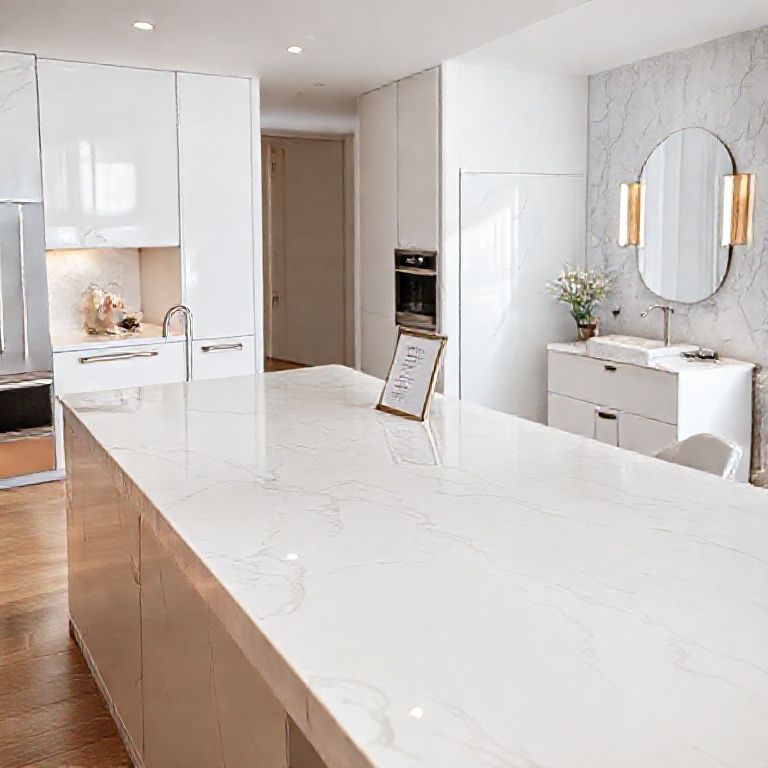
Detailed Composition Analysis
Artificial marble is composed of various materials, each with its own potential health impacts. Here is a closer look at some of the key components:
Natural Minerals
Calcite: A common mineral found in artificial marble, calcite is generally considered safe. It is a form of calcium carbonate, which is found in many natural stones and is often used in dietary supplements.
Quartz: Quartz is another common mineral used in artificial marble. While quartz in its pure form is generally harmless, crystalline forms like silica can be hazardous when inhaled as dust. Industrial processes that involve cutting or grinding quartz can produce fine silica particles that pose serious health risks, including silicosis and lung cancer.
Dolomite: Dolomite is a carbonate mineral that is also used in artificial marble. It is generally non-toxic but can contribute to the overall dust and particle emissions during installation and maintenance.
Bonding Agents
Acrylic Resins: Acrylic resins are commonly used as bonding agents in artificial marble. While these resins are generally safe when properly processed, they can release VOCs during curing. Prolonged exposure to these chemicals can lead to respiratory irritation, headaches, and other health issues.
Polyurethane: Polyurethane is another bonding agent that may be used in artificial marble. It is known for its durability but can also release VOCs. Some components of polyurethane can cause skin irritation and respiratory problems.
Polyester: Polyester resins are sometimes used in the production of artificial marble. These resins can also release VOCs and may pose health risks if inhaled or if they come into prolonged contact with skin.
Pigments and Dyes
Azo Dyes: Many artificial marble products use azo dyes to achieve vibrant colors. These dyes are generally considered safe for use in decorative materials, but some azo dyes have been linked to allergic reactions and other health issues in certain individuals.
Metallic Pigments: Metallic pigments, such as titanium dioxide and iron oxides, are often used to enhance the appearance of artificial marble. These pigments are generally non-toxic but can contribute to dust and particle emissions during installation and maintenance.
Fillers
Marble Dust: Some artificial marble products incorporate marble dust to enhance texture and appearance. While marble dust is generally safe, it can contribute to dust and particle emissions during handling and installation.
Talc: Talc is a soft mineral sometimes used as a filler in artificial marble. Talc dust, when inhaled, has been linked to respiratory issues and other health concerns, particularly when contaminated with asbestos fibers.
Health Implications of Specific Substances
To understand the potential health impacts of artificial marble, it is essential to examine the specific substances used in its production and their effects on human health.
Volatile Organic Compounds (VOCs)
Respiratory Effects: VOCs released during the curing and installation of artificial marble can cause respiratory irritation, including symptoms like coughing, wheezing, and shortness of breath. Prolonged exposure can lead to more serious respiratory conditions.
Headaches and Dizziness: Exposure to high levels of VOCs can cause headaches, dizziness, and other neurological symptoms. These effects are often referred to as “sick building syndrome.”
Long-term Health Risks: Long-term exposure to certain VOCs has been linked to more serious health issues, including liver and kidney damage, as well as an increased risk of certain cancers.
Dust and Particle Emissions
Respiratory Issues: Dust and fine particles generated during installation and maintenance can be inhaled, leading to respiratory problems such as asthma exacerbation and chronic obstructive pulmonary disease (COPD).
Allergic Reactions: Some individuals may develop allergic reactions to specific dust particles or additives in artificial marble, leading to symptoms like sneezing, itching, and skin rashes.
Chemical Allergens
Skin Irritation: Prolonged contact with certain chemicals in artificial marble, such as acrylic resins and polyurethane, can cause skin irritation and allergic dermatitis.
Respiratory Allergies: Inhalation of certain chemical allergens can lead to respiratory allergies, including asthma and other allergic respiratory conditions.
Mitigation Strategies
To minimize the health risks associated with artificial marble, consider the following strategies:
Choose Low-VOC Products: Opt for artificial marble products that have low or no VOC content. Look for certifications or labels that indicate reduced chemical emissions.
Proper Ventilation: Ensure adequate ventilation during installation and curing to reduce the concentration of VOCs in indoor air. Open windows and use exhaust fans to facilitate air circulation.
Professional Installation: Hire certified professionals who are experienced in the installation of artificial marble. They will follow best practices to minimize dust and particle emissions.
Protective Gear: Use appropriate protective gear, such as masks and gloves, when handling artificial marble to reduce the risk of inhalation and skin contact with potentially harmful substances.
Regular Cleaning: Clean artificial marble surfaces regularly to prevent the buildup of dust and particles that can pose inhalation risks.
Regulatory Standards and Certification
To ensure the safety and quality of artificial marble, various regulatory standards and certifications exist that help consumers make informed decisions. These standards help to verify that the materials used in artificial marble production are safe and that the products meet specific performance criteria.
ISO Certification: The International Organization for Standardization (ISO) provides standards for a wide range of products, including artificial marble. ISO certification indicates that a product meets international standards for quality, safety, and environmental management.
CPSC Compliance: In the United States, the Consumer Product Safety Commission (CPSC) oversees the safety of consumer products. Artificial marble products that comply with CPSC regulations are designed to minimize potential health hazards, including exposure to harmful chemicals.
EPA Standards: The Environmental Protection Agency (EPA) sets standards for the emissions of VOCs from various products, including artificial marble. Products that meet EPA standards for VOC emissions are considered low-emission and safer for indoor use.
OSHA Regulations: The Occupational Safety and Health Administration (OSHA) establishes regulations to protect workers from hazardous materials in the workplace. Artificial marble manufacturers who adhere to OSHA regulations ensure that their production processes minimize the risk of exposure to harmful substances for workers and consumers alike.
Environmental Impact and Sustainability
While artificial marble offers many benefits, it is essential to consider its environmental impact and sustainability. The production and disposal of artificial marble involve various environmental considerations that can affect both local and global ecosystems.
Resource Extraction: The extraction of natural minerals used in artificial marble production can have significant environmental impacts, including habitat destruction, water pollution, and greenhouse gas emissions. Sustainable mining practices and the use of recycled materials can help mitigate these effects.
Energy Consumption: The manufacturing process for artificial marble requires significant energy, often derived from non-renewable sources. Choosing manufacturers that use energy-efficient processes and renewable energy sources can help reduce the environmental footprint of artificial marble production.
Waste Management: The disposal of artificial marble at the end of its life cycle poses challenges, including the difficulty of recycling the composite materials. Proper waste management practices, including recycling and responsible disposal, can help minimize the environmental impact of artificial marble.
Lifecycle Assessment: Conducting a lifecycle assessment (LCA) of artificial marble can provide valuable insights into its environmental impact from production to disposal. This assessment helps identify areas where improvements can be made to reduce environmental harm and enhance sustainability.
Conclusion
Artificial marble is a versatile and durable material that offers many benefits for home and commercial spaces. However, understanding its composition and potential health impacts is crucial for making informed choices about its use. By choosing certified, low-VOC products, ensuring proper ventilation and installation, and considering the environmental impact of its production and disposal, individuals can enjoy the advantages of artificial marble while minimizing potential health risks.
In the next section, we will explore real-world case studies and expert opinions to further understand the practical implications of using artificial marble in various settings and how to best manage its use for optimal safety and sustainability.