Understanding Artificial Marble and Its Composition
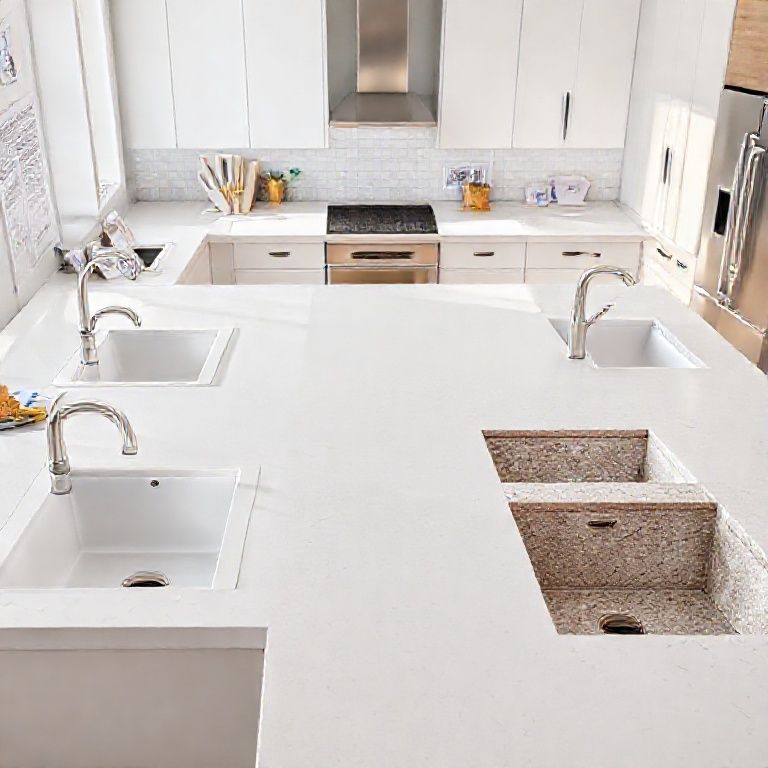
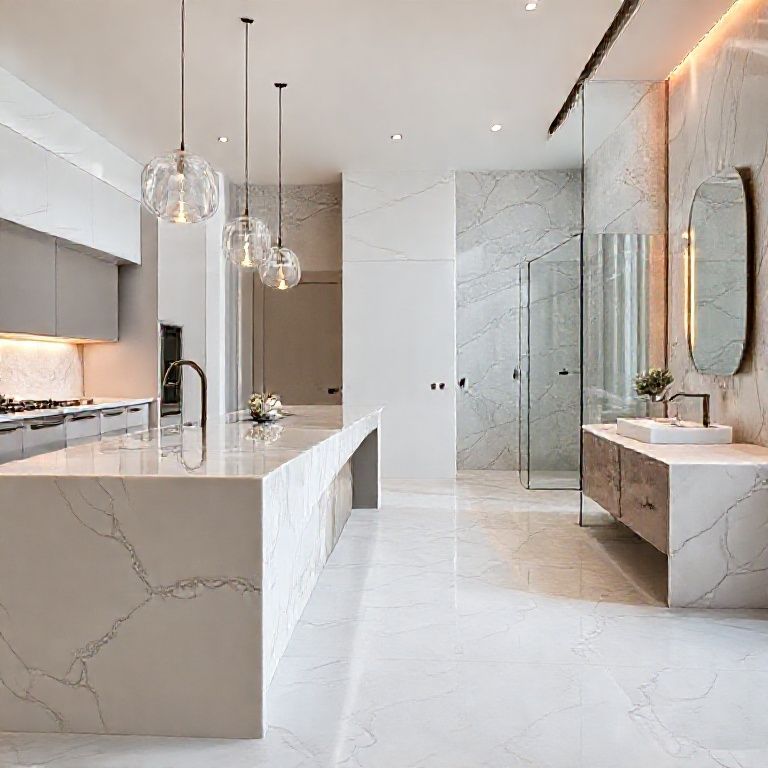
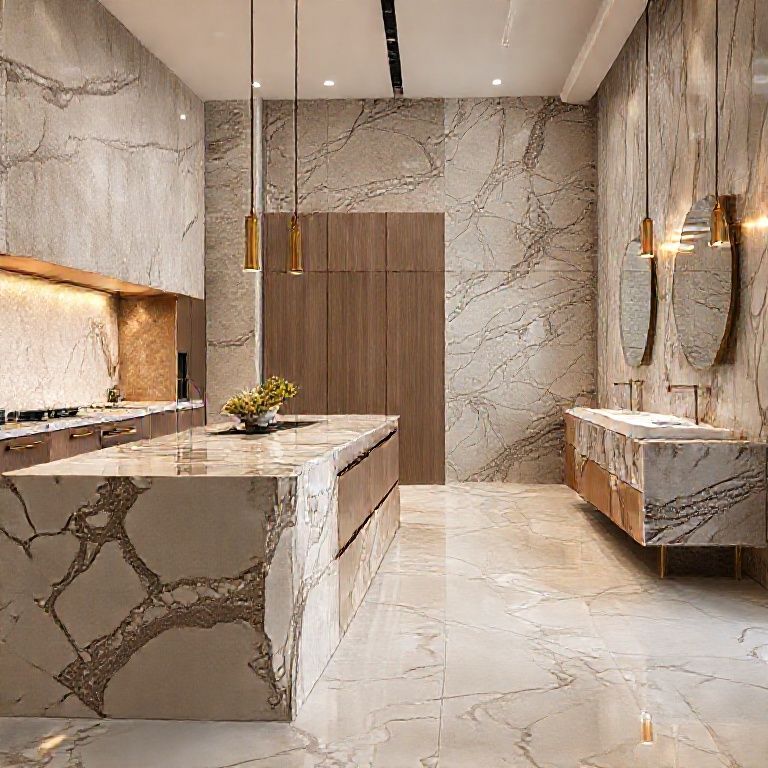
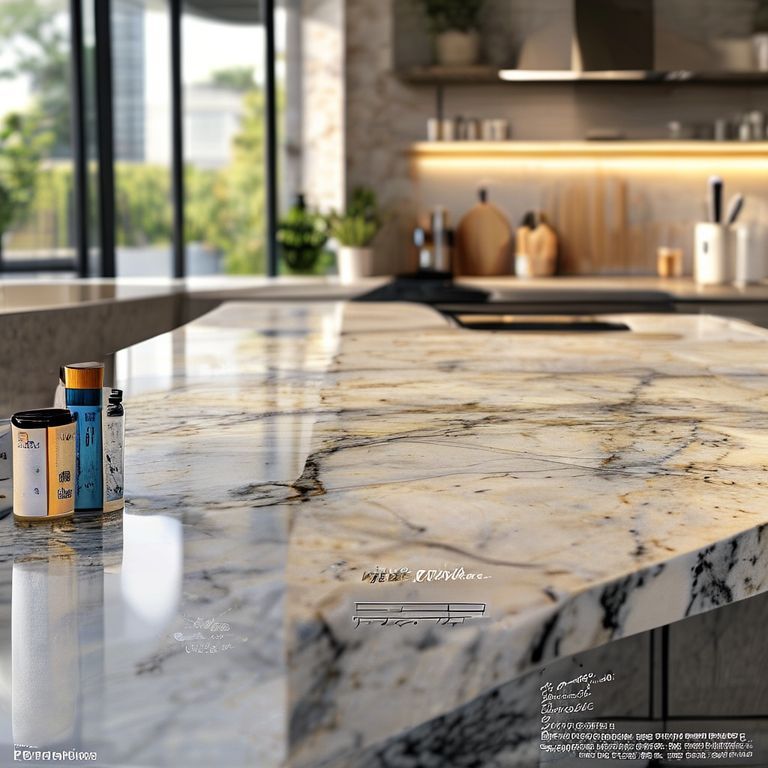
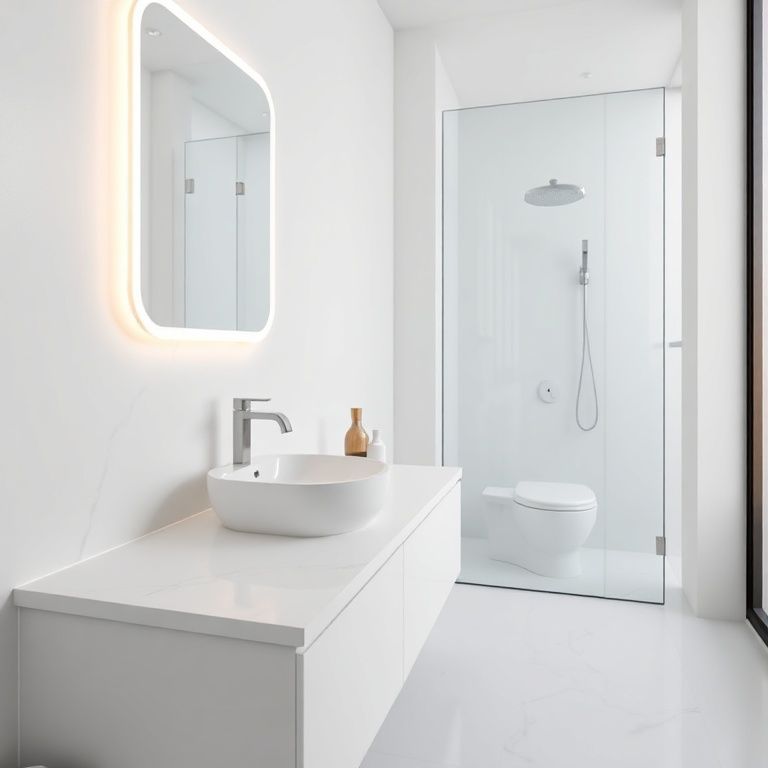
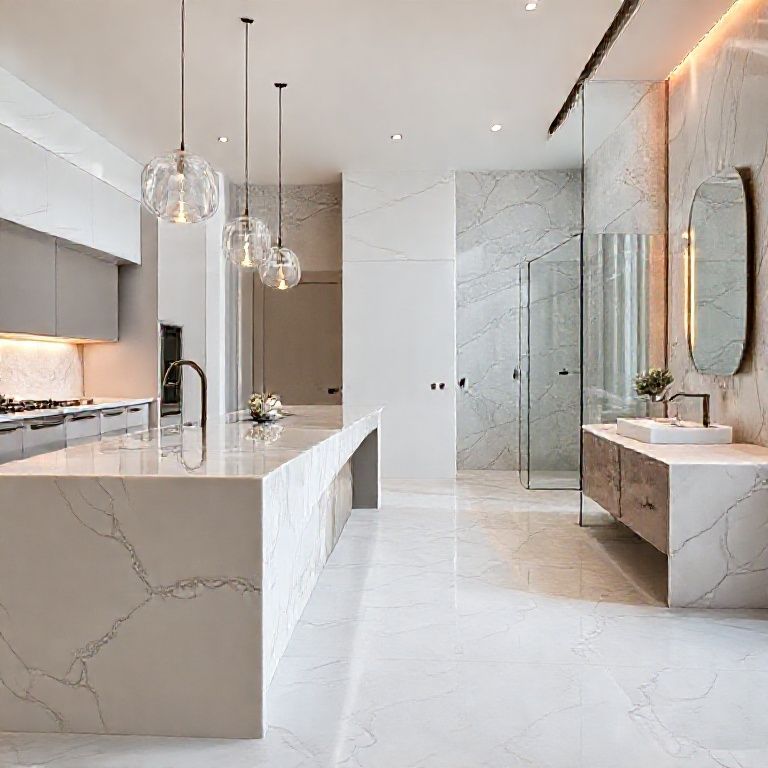
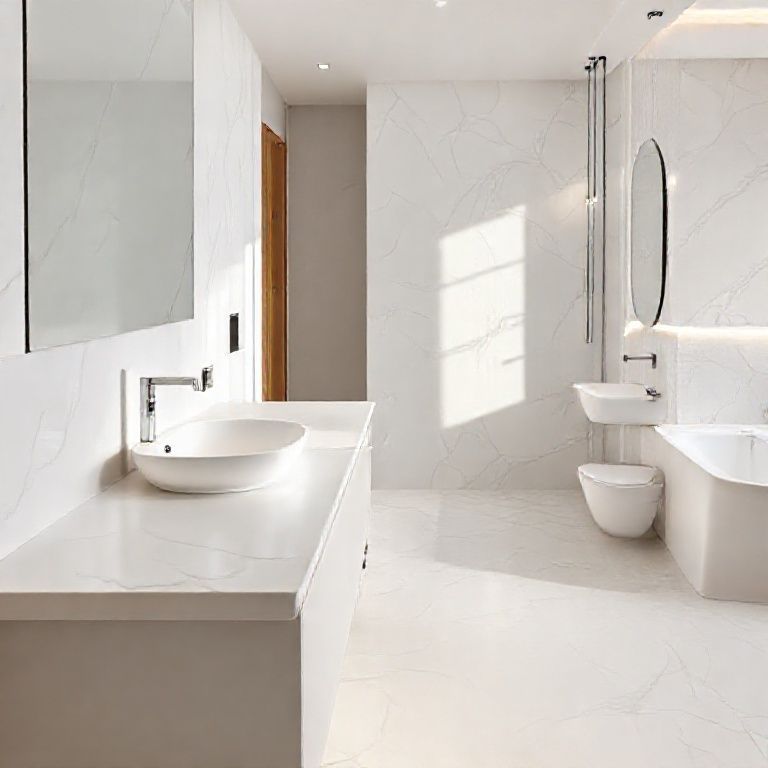
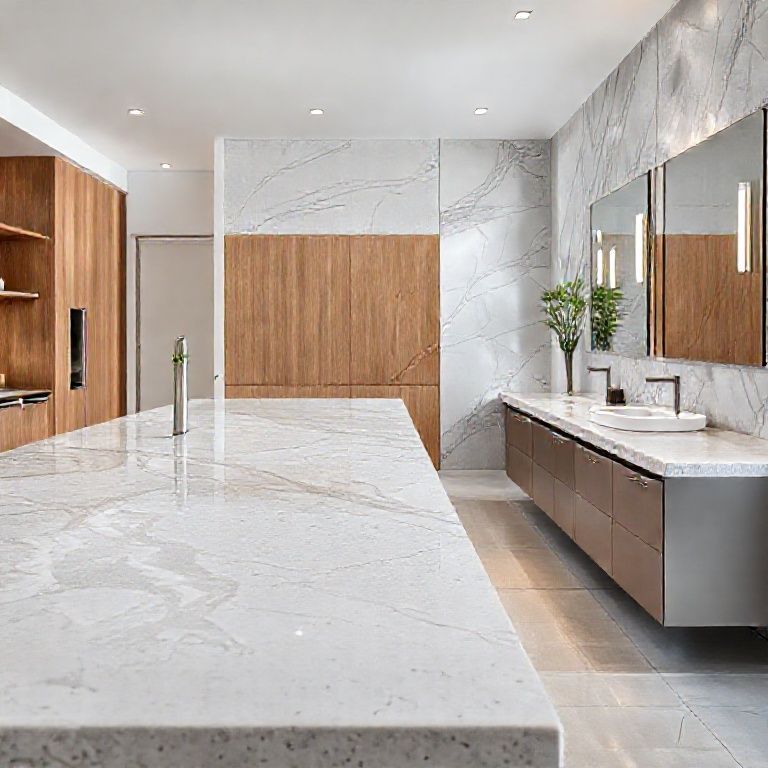
In recent years, artificial marble has emerged as a popular alternative to traditional natural stone for countertops, kitchen tables, and other interior design elements. Its appealing aesthetics, durability, and cost-effectiveness have made it a favored choice among homeowners and businesses alike. However, with its growing popularity comes an array of questions regarding its safety and potential health risks. In this part, we will explore the composition of artificial marble and the materials used in its production.

What is Artificial Marble?
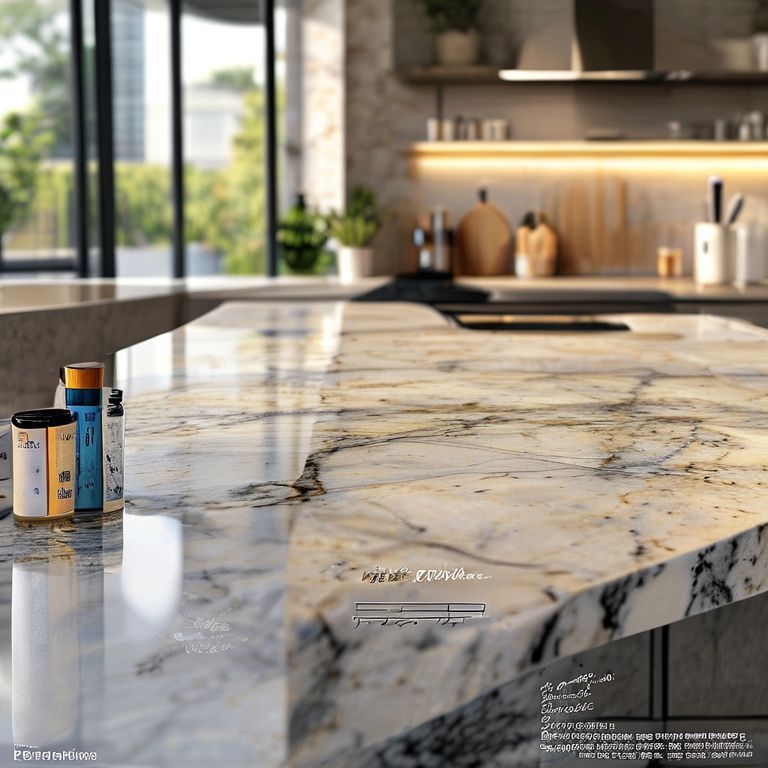
Artificial marble, also known as cultured stone, is a composite material created from a mixture of minerals, including marble chips, resin, and pigments. This combination is meticulously engineered to mimic the appearance of natural marble while offering enhanced durability and reduced maintenance. The process begins with the selection of high-quality marble chips, which are then combined with a polymer resin and coloring agents to produce the desired aesthetic and structural integrity.
The Ingredients of Artificial Marble
Artificial marble is typically composed of the following key components:
Marble Chips: These provide the stone’s characteristic texture and appearance. While natural marble is derived from a single source, the chips in artificial marble can come from various locations, contributing to a consistent yet customizable look.
Resin: A polymer resin serves as the binding agent, holding the marble chips together to form a solid, monolithic structure. This resin can be made from various materials, including acrylic, polyester, or epoxy, each offering different properties in terms of strength and flexibility.
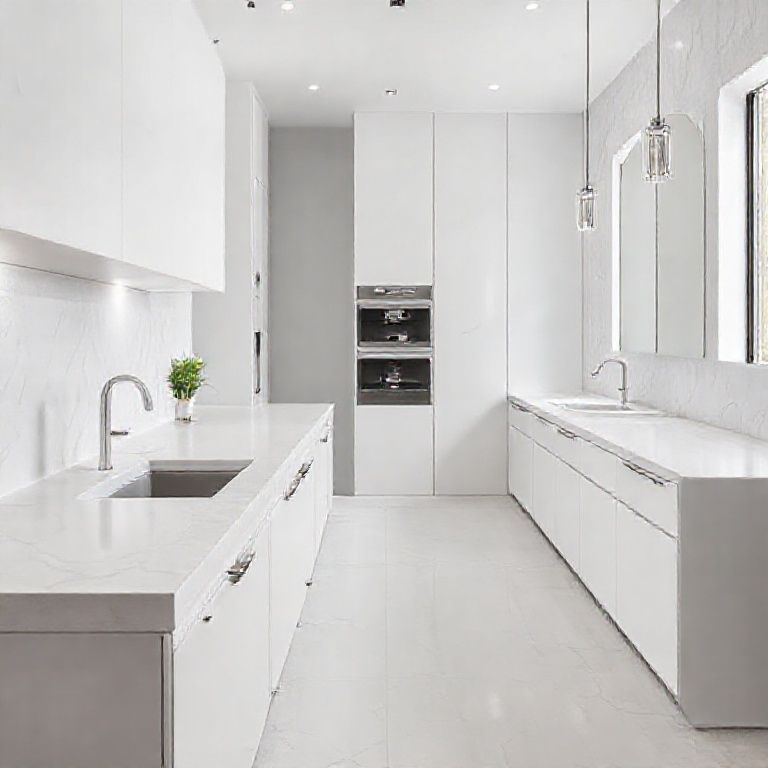
Pigments: To achieve the vibrant colors and patterns seen in artificial marble, pigments are added during the manufacturing process. These pigments are typically synthetic and designed to withstand fading over time.
Fillers: Additional fillers such as quartz or silica are sometimes included to enhance the material’s hardness and durability.
Manufacturing Process
The creation of artificial marble involves several key steps:
Mixing: Marble chips, resin, and pigments are thoroughly mixed to ensure a uniform distribution of materials.
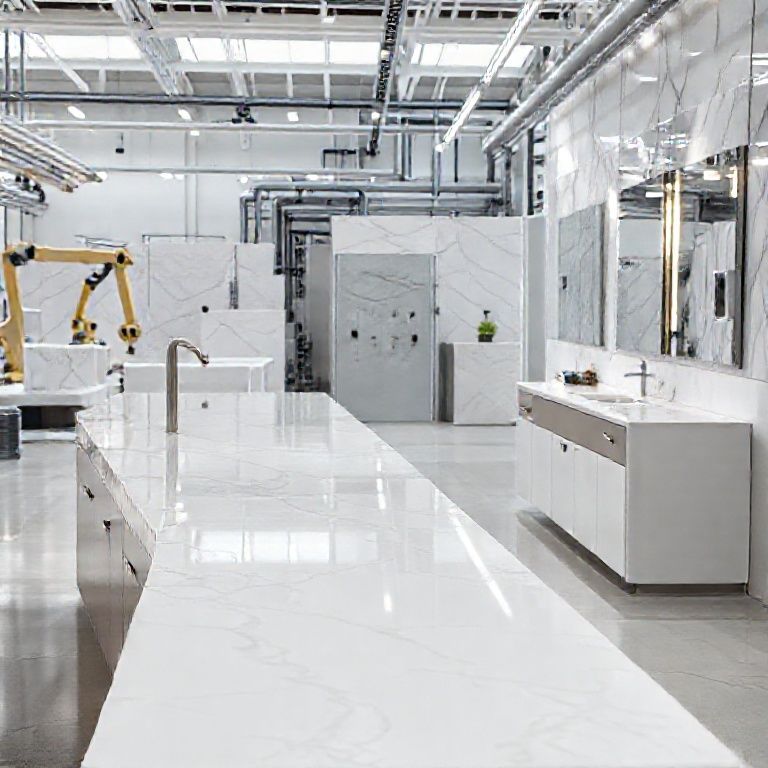
Molding: The mixture is then poured into molds, where it is allowed to cure under specific temperature and pressure conditions.
Curing: During the curing process, the resin bonds with the marble chips, forming a solid and cohesive material. This process can take several hours to days, depending on the specific formulation and curing method used.
Finishing: Once cured, the artificial marble is finished to achieve the desired surface texture and appearance. This may involve grinding, polishing, or applying protective coatings.
Potential Health Risks
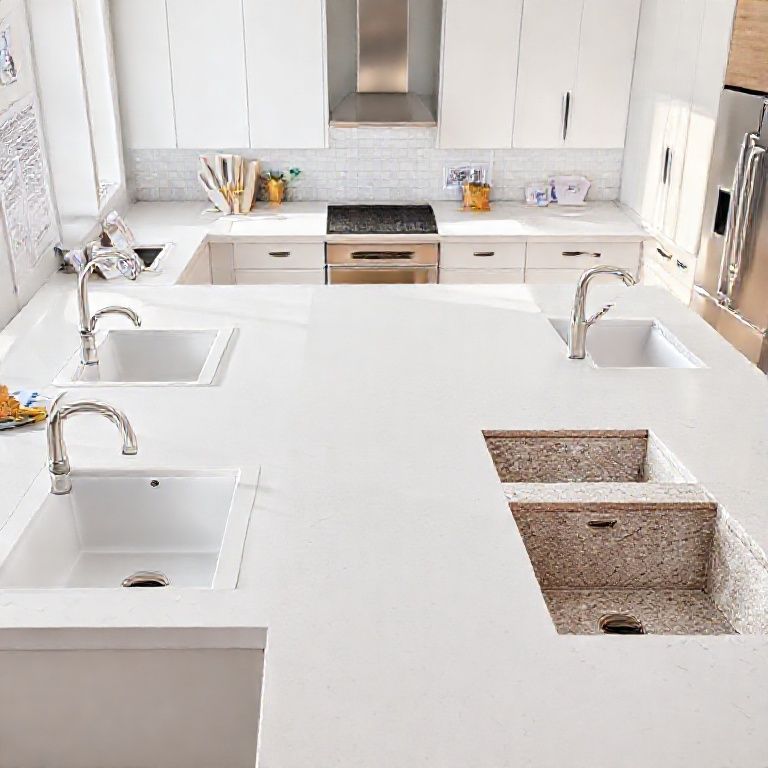
While artificial marble is generally considered safe, there are some potential health concerns associated with its production and use:
Volatile Organic Compounds (VOCs): During the curing process, resins and other chemicals used in artificial marble can emit volatile organic compounds. VOCs are known to contribute to poor indoor air quality, which can lead to respiratory issues, headaches, and other health problems. However, modern manufacturing techniques have significantly reduced VOC emissions, making it less of a concern for most installations.
Allergic Reactions: Some individuals may experience allergic reactions to the materials used in artificial marble, particularly if they have sensitivities to resins or certain pigments. Symptoms may include skin irritation, respiratory discomfort, or other allergic responses.
Microbial Growth: Although artificial marble is generally resistant to microbial growth due to its non-porous nature, improper installation or maintenance can create conditions where mold or bacteria may develop, posing health risks.
Regulatory Standards and Safety Testing
Manufacturers of artificial marble are subject to various regulatory standards designed to ensure product safety and quality. These standards often include:
Material Safety Data Sheets (MSDS): Comprehensive documents that provide detailed information about the materials used, potential hazards, and safety precautions. Testing for VOC Emissions: Regular testing to ensure that VOC emissions are within acceptable limits. Allergen Testing: Assessments to determine if the material poses any allergenic risks to users.
Conclusion
Understanding the composition and manufacturing process of artificial marble is crucial in evaluating its potential impact on health. While there are some concerns related to VOC emissions and allergic reactions, advancements in manufacturing have significantly mitigated these risks. By choosing high-quality, well-manufactured artificial marble, you can enjoy its aesthetic and practical benefits while minimizing potential health hazards.
Long-Term Health Effects and Environmental Considerations
In the previous part, we discussed the basic composition and manufacturing process of artificial marble. Now, we turn our focus to the long-term health effects and environmental considerations associated with its use. This part aims to provide a detailed analysis of whether artificial marble poses lasting health risks, backed by scientific research and expert opinions.
Chronic Exposure and Health Risks
Artificial marble is designed to be a durable and long-lasting material, but questions remain about the potential health risks associated with chronic exposure, especially in indoor environments.
Indoor Air Quality: One of the primary concerns regarding artificial marble is its impact on indoor air quality. Although modern manufacturing techniques have significantly reduced volatile organic compound (VOC) emissions, long-term exposure to low levels of VOCs can still pose health risks. Studies have linked chronic exposure to VOCs with various health issues, including: Respiratory Problems: Prolonged inhalation of VOCs can lead to chronic respiratory issues, such as asthma, bronchitis, and other lung-related problems. Neurological Effects: Some VOCs are neurotoxic, potentially affecting cognitive functions and leading to symptoms such as headaches, dizziness, and fatigue. Cancer Risks: While conclusive evidence is still emerging, some studies suggest a possible link between long-term exposure to certain VOCs and increased cancer risk. Chemical Leaching: Over time, chemicals used in the resin and pigments of artificial marble may leach into the surrounding environment. This leaching can occur through surface contact or through the material’s porous nature if not properly sealed. Potential health risks associated with chemical leaching include: Allergic Reactions: Prolonged exposure to leached chemicals can cause skin irritation, allergic dermatitis, and other allergic responses. Hormonal Disruption: Some chemicals used in artificial marble production, such as phthalates, are known endocrine disruptors, potentially affecting hormonal balance and leading to various health issues.
Scientific Studies and Expert Opinions
Several scientific studies and expert opinions have been conducted to assess the health risks associated with artificial marble:
University of British Columbia Study: A study conducted by the University of British Columbia investigated indoor air quality in homes with artificial marble countertops. The study found elevated levels of VOCs in the immediate vicinity of the countertops, suggesting a need for proper ventilation and air purification systems to mitigate potential health risks.
American Lung Association: The American Lung Association has highlighted the importance of maintaining good indoor air quality, particularly in spaces with artificial marble installations. They recommend regular monitoring of VOC levels and the use of air purifiers to reduce exposure.
Occupational Safety and Health Administration (OSHA): OSHA provides guidelines on permissible exposure limits for various chemicals, including those used in artificial marble production. While there are no specific guidelines for artificial marble, OSHA’s general principles can be applied to ensure workplace safety.
Environmental Impact
The environmental impact of artificial marble extends beyond its immediate health effects on humans. The production and disposal of artificial marble have several ecological considerations:
Resource Extraction: The production of artificial marble involves the extraction of raw materials, including marble chips, resins, and pigments. This process can have significant environmental impacts, such as habitat destruction and pollution from mining activities.
Waste Management: The disposal of artificial marble at the end of its lifecycle presents challenges in waste management. Unlike natural stone, artificial marble is not biodegradable, posing difficulties in recycling and disposal.
Energy Consumption: The manufacturing process for artificial marble is energy-intensive, contributing to greenhouse gas emissions and climate change. Efforts to reduce energy consumption in production processes are essential for minimizing the environmental footprint.
Mitigating Health Risks
To mitigate potential health risks associated with artificial marble, several measures can be taken:
Proper Installation: Ensuring proper installation by qualified professionals can help prevent issues such as microbial growth and improper sealing, which can lead to chemical leaching.
Ventilation: Adequate ventilation in areas with artificial marble installations can help reduce VOC levels and improve indoor air quality. This includes using exhaust fans, opening windows, and utilizing air purifiers3. Regular Cleaning: Regular cleaning of artificial marble surfaces can help prevent the buildup of dust and grime, which can harbor mold and bacteria. Using pH-neutral cleaning agents is recommended to avoid damaging the surface.
Sealants: Applying high-quality sealants can protect the artificial marble from stains, spills, and chemical leaching. Sealants create a barrier that prevents chemicals from penetrating the material and helps maintain its integrity.
Monitoring Indoor Air Quality: Regular monitoring of indoor air quality can help detect elevated levels of VOCs or other harmful chemicals. Air purifiers and air quality sensors can be used to maintain a healthy indoor environment.
Case Studies and Real-World Experiences
Residential Case Study: In a study conducted in a residential home with an artificial marble kitchen countertop, residents reported mild symptoms of headaches and respiratory discomfort, which subsided after the installation of air purifiers and improved ventilation. This suggests that proper indoor air management can significantly mitigate health risks.
Commercial Use: In commercial settings, such as restaurants and offices, artificial marble is often used for countertops and other surfaces. Regular maintenance and monitoring of air quality have shown to minimize health risks, demonstrating that with proper care, artificial marble can be safely used in commercial environments.
Expert Recommendations
American Institute of Chemical Engineers (AIChE): AIChE recommends that facilities using artificial marble implement regular monitoring of VOC levels and use of air purification systems to maintain safe indoor air quality.
National Institute for Occupational Safety and Health (NIOSH): NIOSH emphasizes the importance of proper ventilation and the use of personal protective equipment (PPE) for workers involved in the installation and maintenance of artificial marble.
Environmental Protection Agency (EPA): The EPA provides guidelines on reducing exposure to harmful chemicals, which can be applied to the use of artificial marble. They recommend minimizing the use of VOC-containing products and ensuring proper disposal of materials.
Conclusion
While artificial marble offers numerous benefits in terms of aesthetics and durability, it is essential to be aware of the potential health risks associated with its use. By understanding the material’s composition, adhering to best practices for installation and maintenance, and implementing measures to improve indoor air quality, these risks can be significantly minimized. Ongoing research and expert recommendations continue to provide valuable insights into ensuring the safe use of artificial marble in both residential and commercial environments.
In summary, artificial marble can be a safe and practical choice when proper precautions are taken. It is crucial to stay informed about the latest research and guidelines to make well-informed decisions regarding its use in your space.