The Composition and Benefits of Artificial Marble
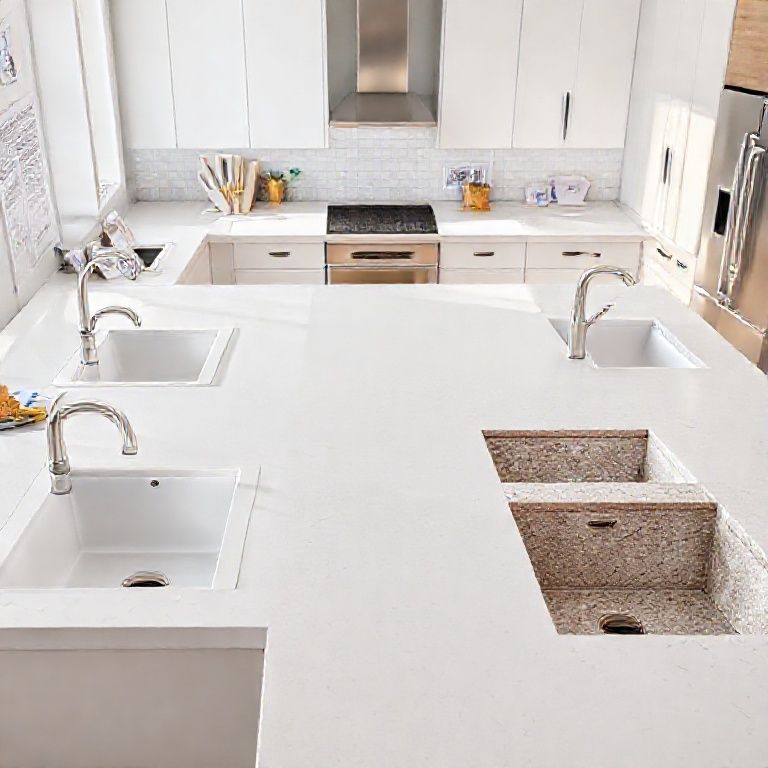
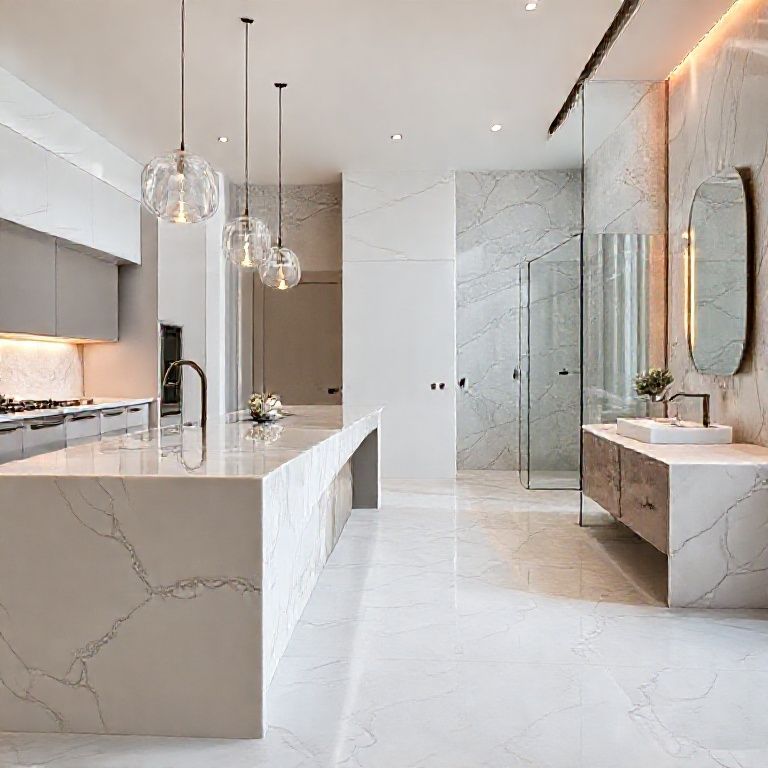
Artificial marble, often referred to as cultured marble or synthetic marble, is a popular choice for countertops, sinks, and other interior decorations due to its durability, aesthetic appeal, and cost-effectiveness. This material is primarily composed of natural minerals such as calcite, dolomite, and talc, which are bonded together using resins and pigments to create a stone-like appearance. The process of creating artificial marble involves mixing these minerals with a polymer resin and then pressing and curing them under heat and pressure.

Benefits of Artificial Marble
Durability and Low Maintenance: One of the standout benefits of artificial marble is its durability. It is significantly more resistant to scratches, chips, and stains compared to natural stone. Additionally, it requires minimal maintenance. Unlike natural stone, artificial marble does not require sealing, reducing the need for regular upkeep.
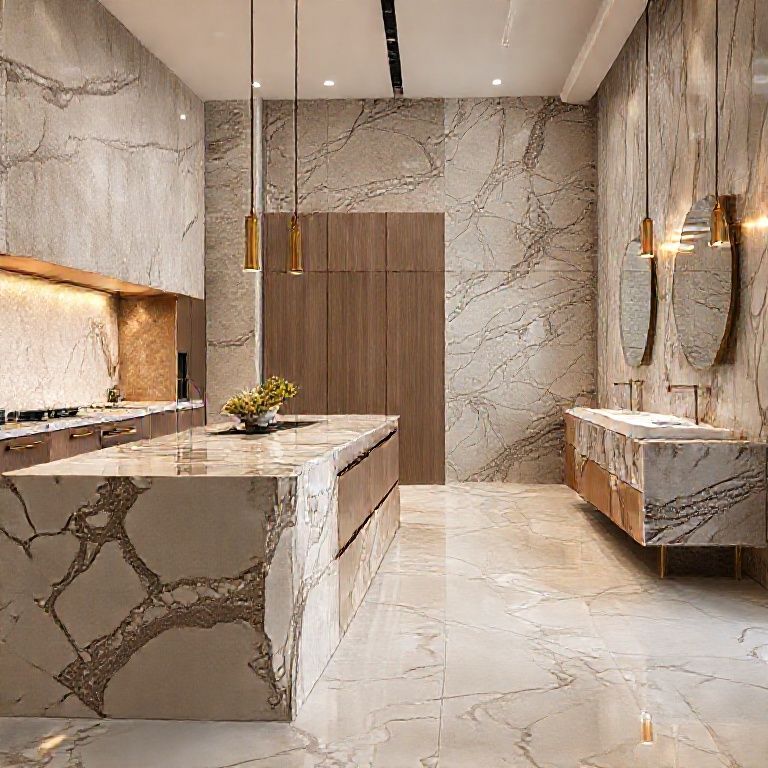
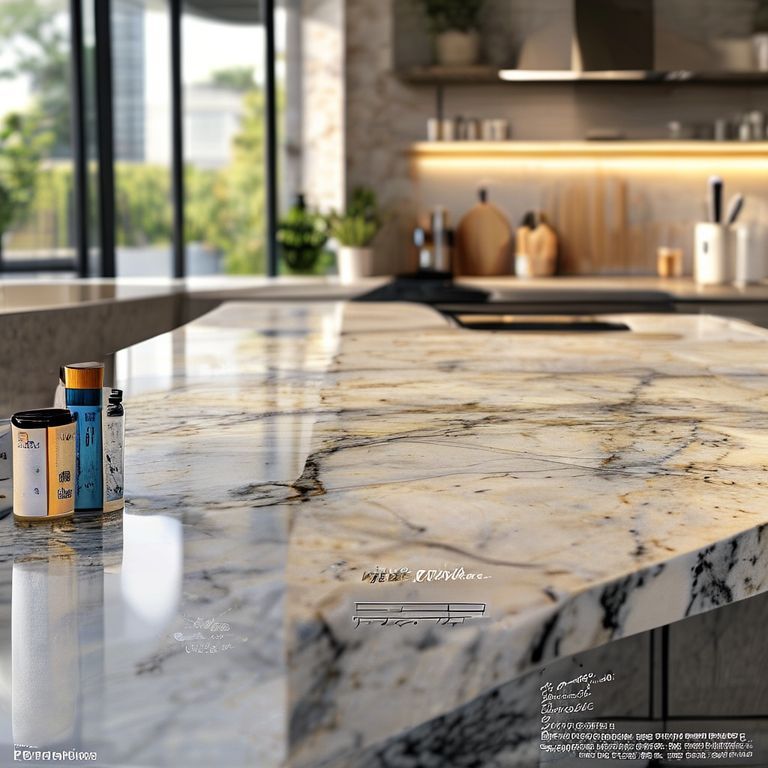
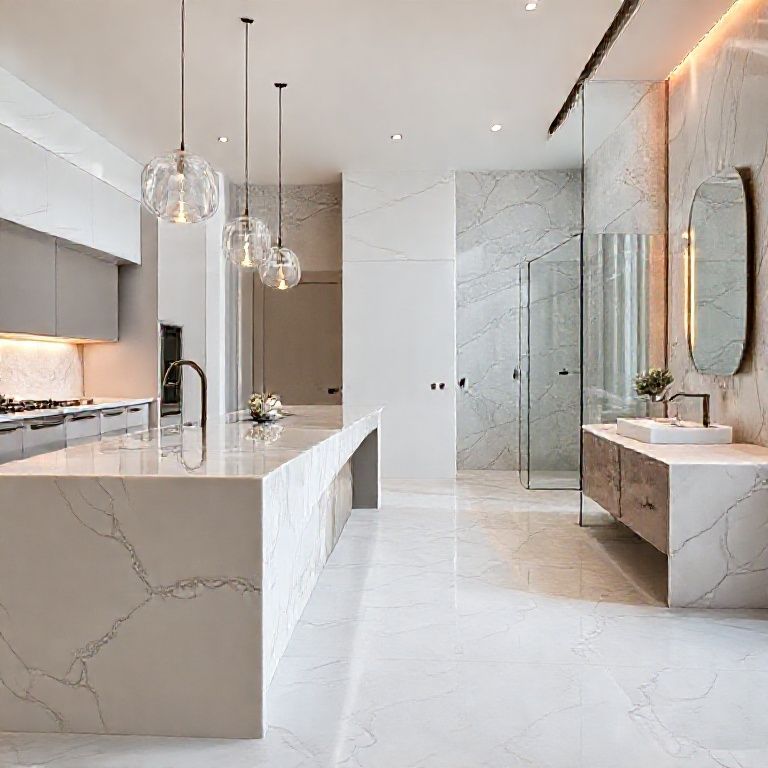
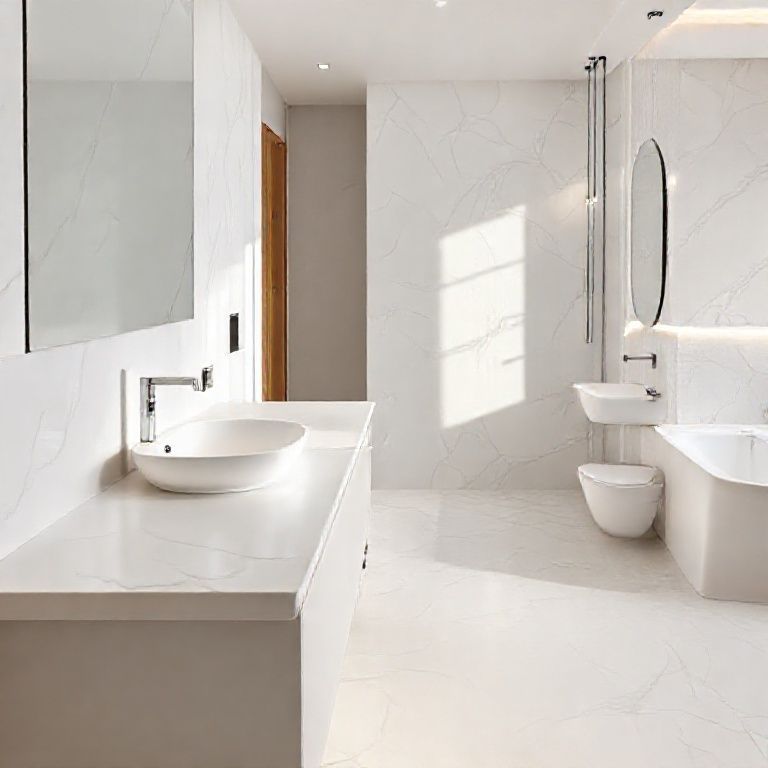
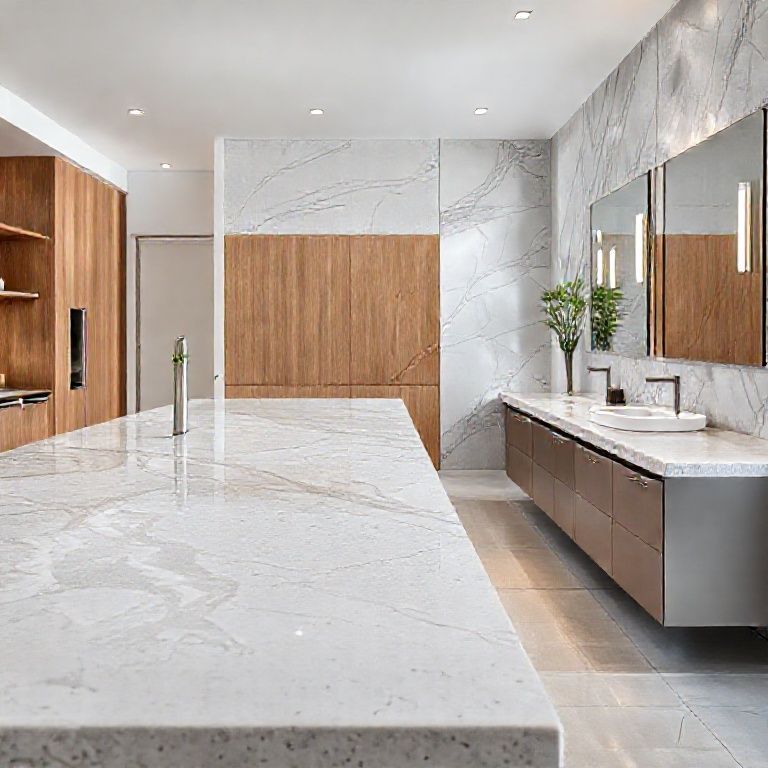
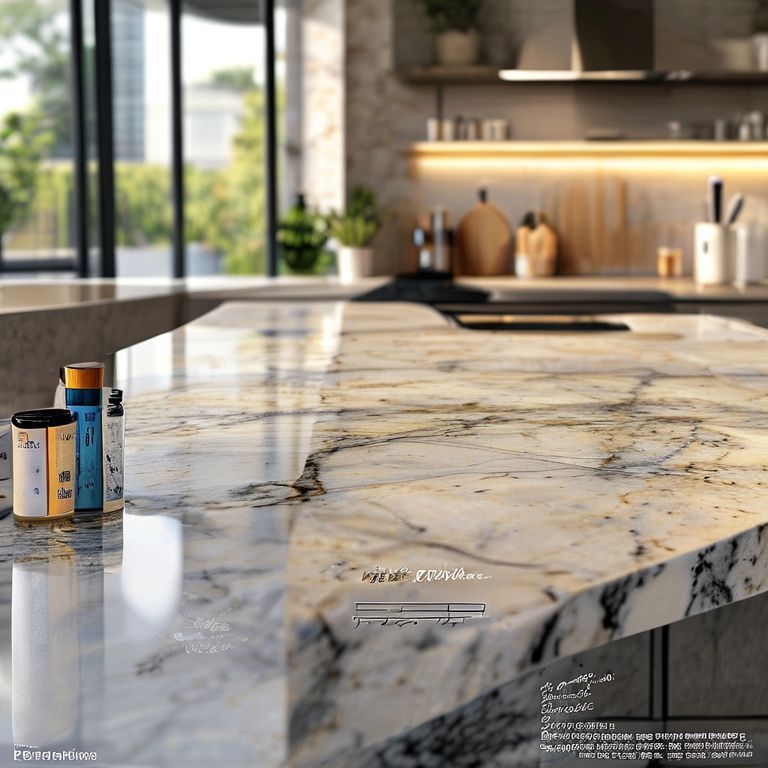
Aesthetic Appeal: Artificial marble can mimic the appearance of various types of natural stone, including granite and quartz. It offers a wide range of colors and finishes, allowing for a high degree of customization to suit any design preference.
Cost-Effectiveness: Another major advantage is its cost. Artificial marble is generally more affordable than natural stone alternatives. This makes it an attractive option for both commercial and residential projects where budget constraints are a concern.
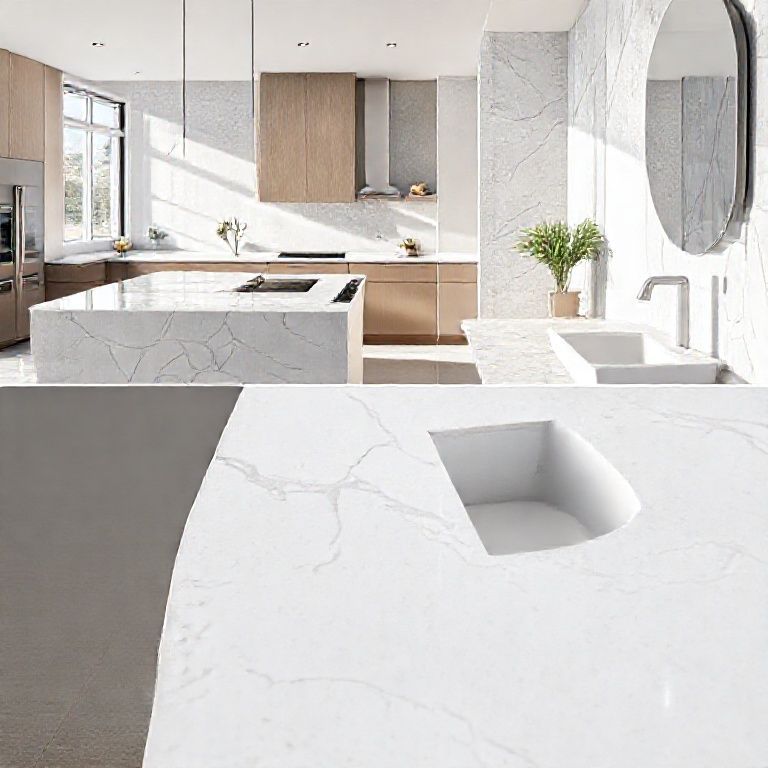
Weight: Unlike natural stone, which can be quite heavy, artificial marble is much lighter. This makes it easier to install and transport, especially for large-scale projects.
Composition Breakdown
To understand whether artificial marble is harmful to human health, it’s important to delve into its composition. The primary ingredients include:
Natural Minerals: Calcite, dolomite, and talc are naturally occurring minerals that provide the base structure of the material. Resins: Polymer resins, often made from polyurethane or acrylic, are used to bind the minerals together. These resins play a crucial role in the durability and strength of the artificial marble. Pigments: These are used to achieve the desired color and finish. High-quality pigments ensure that the color remains vibrant and long-lasting.
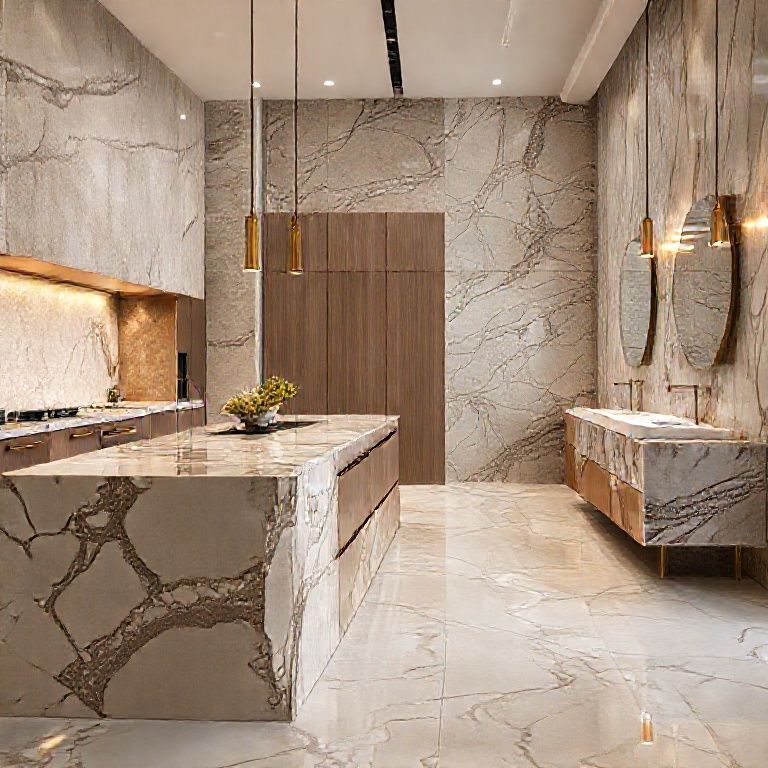
Potential Concerns
While artificial marble offers numerous benefits, there are some concerns regarding its safety, particularly regarding the release of chemicals during its manufacturing and use. The most common concern revolves around the resins used in the material. Let’s explore this further in the next part of the article.
Safety Concerns and Potential Health Risks
Despite the many advantages of artificial marble, there are some safety concerns that have been raised, primarily concerning the potential release of chemicals into the environment and human body. To fully understand these concerns, it’s essential to explore the materials used in its production and the associated risks.
Chemical Release During Manufacturing
The manufacturing process of artificial marble involves high temperatures and pressures, which can cause the resins and other chemicals to release volatile organic compounds (VOCs). VOCs are chemicals that easily vaporize at room temperature and can include substances like formaldehyde, benzene, and toluene. These compounds are known to have adverse health effects, including respiratory problems, headaches, and eye irritation.
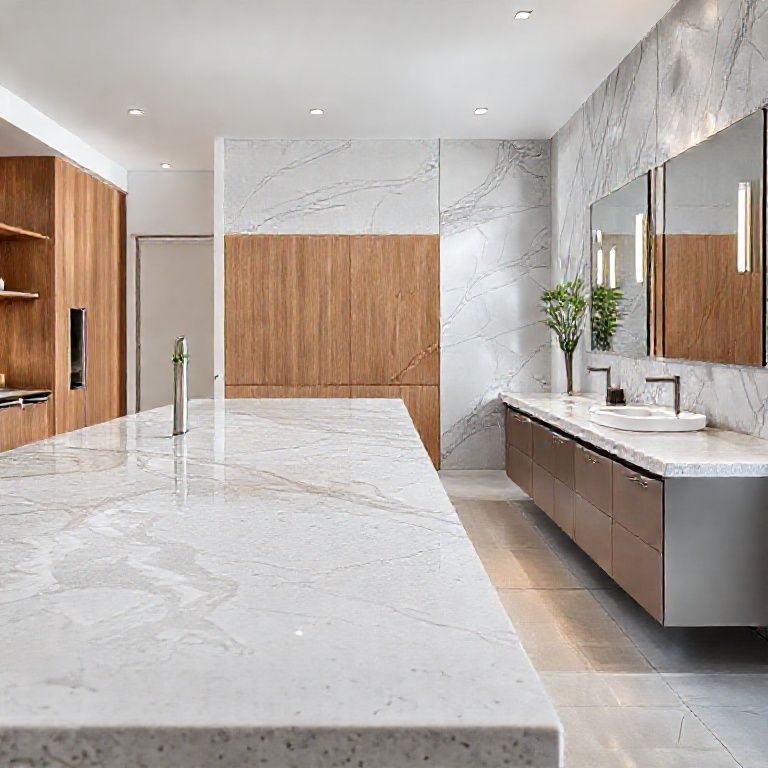
Formaldehyde: One of the most common resins used in artificial marble is urea-formaldehyde resin, which releases formaldehyde. Formaldehyde is a known carcinogen and can cause significant health issues if inhaled over long periods.
Benzene and Toluene: These compounds are also sometimes found in the resins used to manufacture artificial marble. They are linked to various health problems, including leukemia and other forms of cancer.
Post-Installation Concerns
While the primary chemical release occurs during manufacturing, there are also some concerns about the long-term safety of artificial marble in use.
Heat Exposure: Artificial marble is designed to be durable and resistant to heat. However, prolonged exposure to high temperatures, such as those from a hot pan or direct sunlight, can cause the material to degrade. This degradation can potentially release small amounts of harmful chemicals into the air.
Water Exposure: Although artificial marble is highly resistant to water and stains, prolonged exposure to water can cause the material to weaken over time. This could potentially lead to the leaching of some chemicals, especially if the material is not properly sealed.
Regulatory Standards and Certifications
To address these concerns, several regulatory bodies and standards organizations have developed guidelines to ensure the safety of artificial marble. For instance, the American National Standards Institute (ANSI) and the International Organization for Standardization (ISO) have established standards to limit the release of VOCs from synthetic materials.
When selecting artificial marble, it’s important to look for products that have been certified by these organizations. Certifications such as the GREENGUARD Gold certification indicate that the product has been tested for harmful emissions and meets stringent safety standards.
Alternatives and Best Practices
For those who are concerned about the potential health risks of artificial marble, there are several alternatives and best practices to consider:
Natural Stone: If health concerns are a significant factor, natural stone such as granite or quartzite can be a safer alternative. These materials do not release harmful chemicals during their use.
High-Quality Artificial Marble: Opt for high-quality artificial marble that uses low-VOC resins and has been tested and certified for safety. Look for products with certifications from recognized bodies.
Proper Installation and Maintenance: Ensure that the artificial marble is installed by a professional who understands how to minimize the release of any harmful chemicals. Regular maintenance can also help to keep the material in good condition, reducing the risk of degradation and chemical leaching.
Conclusion
Artificial marble offers numerous benefits in terms of durability, aesthetic appeal, and cost-effectiveness. However, there are some safety concerns related to the release of chemicals during manufacturing and potential degradation over time. To mitigate these risks, it’s essential to choose high-quality products, opt for certified materials, and follow best practices for installation and maintenance. By doing so, you can enjoy the advantages of artificial marble while minimizing any potential health risks.