The Composition and Benefits of Artificial Marble
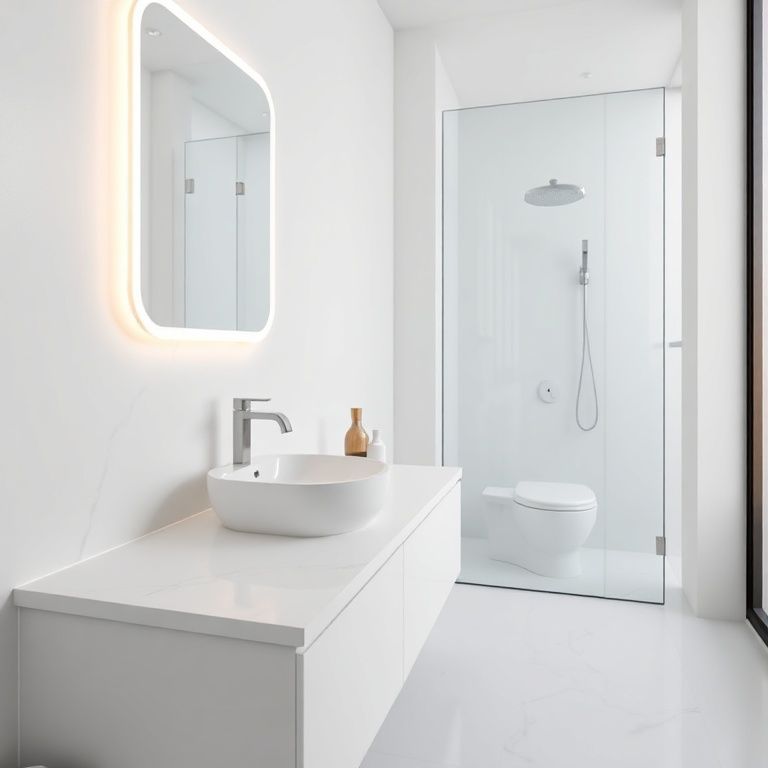
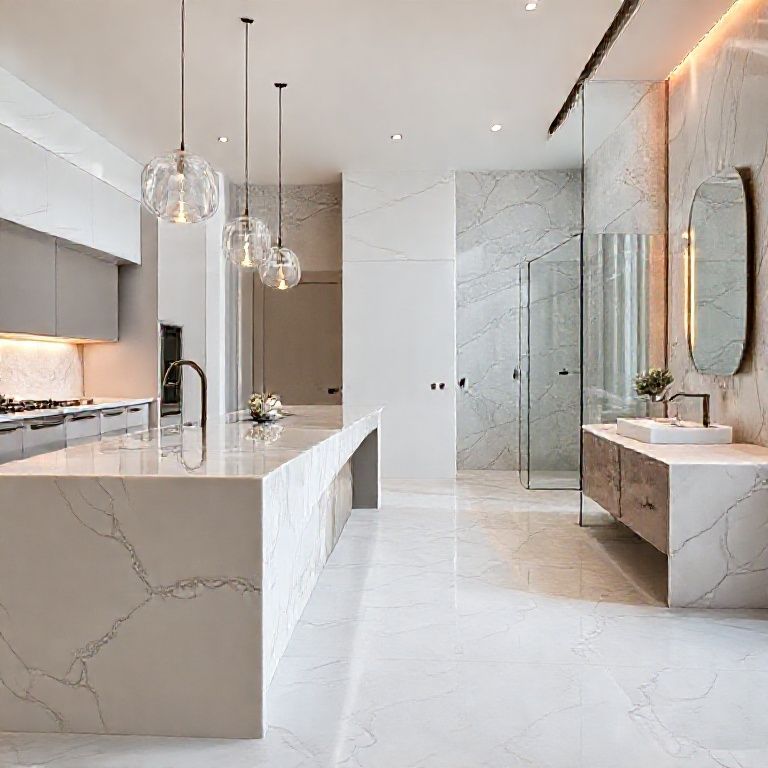
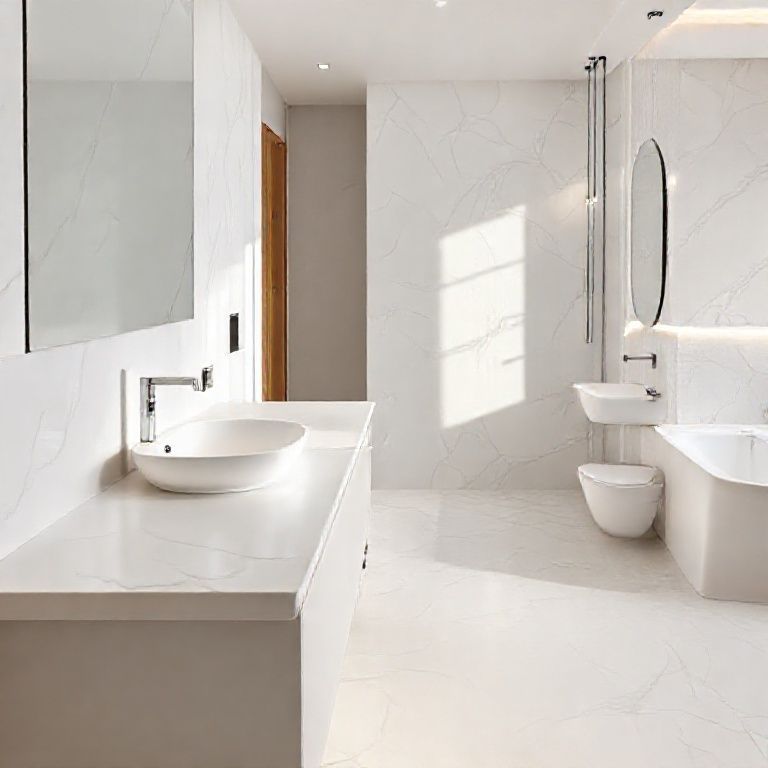
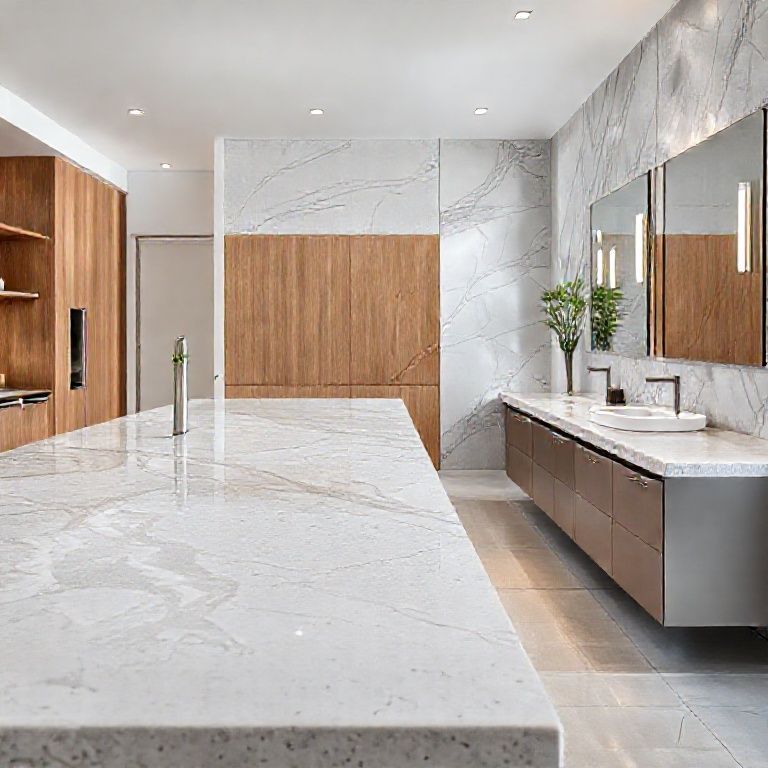
In the world of modern interior design, artificial marble has emerged as a popular choice for countertops, flooring, and other decorative surfaces. This synthetic material, crafted from a blend of minerals, resins, and pigments, mimics the aesthetic appeal of natural marble while offering several practical benefits. But what exactly is artificial marble, and how safe is it for human health?

Understanding Artificial Marble
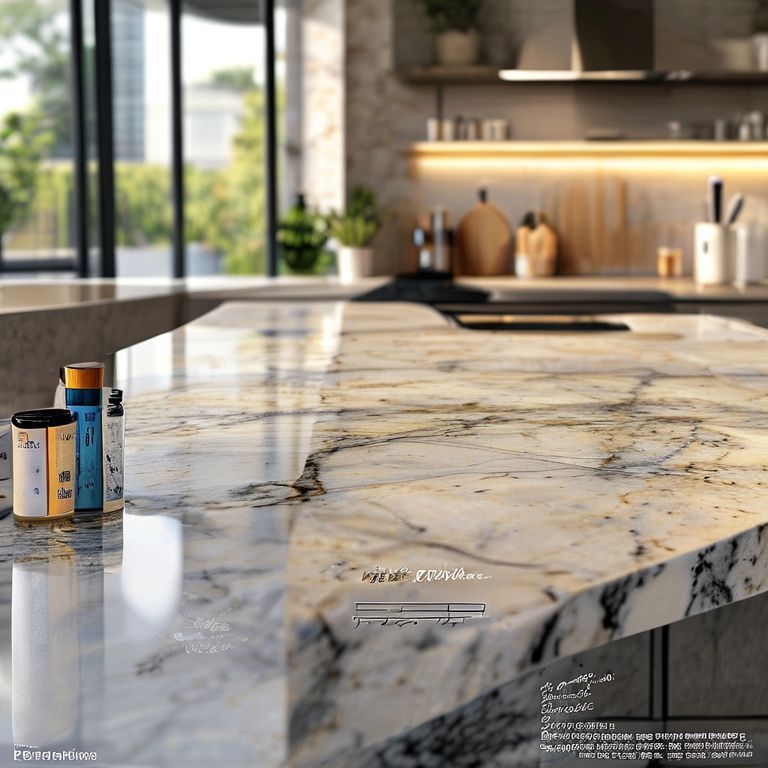
Artificial marble, often referred to as synthetic or engineered marble, is a composite material designed to replicate the appearance of natural marble. It is created by combining powdered stone, such as calcite, dolomite, or limestone, with a resin binder, typically a polymer or polyester. Pigments and dyes are added to achieve the desired color and finish. The mixture is then pressed and heated to form a solid, durable surface.
Benefits of Artificial Marble
One of the most significant advantages of artificial marble is its durability. Unlike natural marble, which can be prone to scratches, chips, and stains, artificial marble offers a more resilient surface that maintains its appearance over time. It is also highly resistant to water, making it an excellent choice for kitchens and bathrooms where moisture is a constant presence.
Additionally, artificial marble is easier to maintain than natural stone. It does not require sealing or regular maintenance to prevent staining, which can be a hassle for natural marble. This ease of upkeep makes artificial marble a practical choice for busy households and commercial spaces.
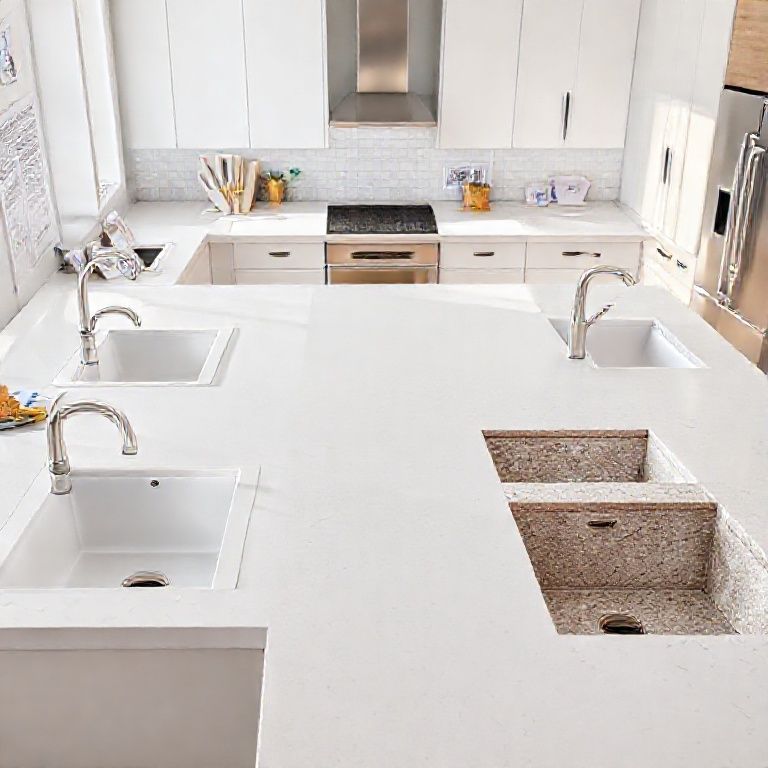
Another benefit lies in its customization options. Manufacturers can create a vast array of colors and patterns, allowing designers and homeowners to tailor the material to their specific aesthetic preferences. This flexibility makes artificial marble a versatile option for both traditional and modern designs.
Health Concerns with Artificial Marble
Despite its many benefits, concerns have been raised regarding the potential health impacts of artificial marble. The primary concern revolves around the chemicals used in its production. During the manufacturing process, various resins, pigments, and other additives are used, some of which may emit volatile organic compounds (VOCs). These compounds can include formaldehyde, benzene, and other chemicals that are known to have harmful effects on human health.
When artificial marble is first installed, it may release these VOCs into the surrounding air. The concentration of these chemicals can be particularly high in new installations, leading to temporary indoor air quality issues. Symptoms of exposure to high levels of VOCs can include headaches, dizziness, respiratory irritation, and eye irritation.
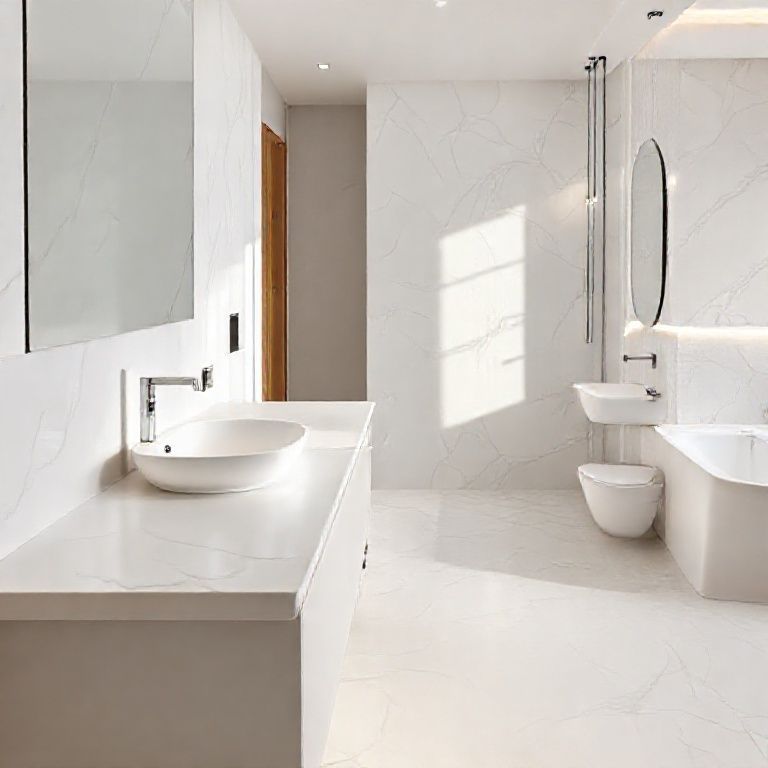
However, it is essential to note that manufacturers have made significant strides in reducing the levels of harmful chemicals in their products. Many modern formulations of artificial marble are designed to minimize VOC emissions, making them safer for indoor environments.
Regulatory Standards and Safety Testing
To ensure the safety of artificial marble, various regulatory bodies and industry associations have established standards and testing protocols. These guidelines help manufacturers produce materials that meet specific safety criteria, thereby reducing the risk of exposure to harmful chemicals.
For instance, the American National Standards Institute (ANSI) and the American Society for Testing and Materials (ASTM) have developed standards for the production and testing of synthetic stone products. These standards cover aspects such as chemical composition, physical properties, and environmental impact.
Manufacturers who adhere to these standards must conduct rigorous testing to verify that their products comply with the established safety guidelines. This testing often includes assessing VOC emissions, evaluating the durability of the material, and examining the potential for chemical leaching into water sources.
Comparing Artificial Marble to Natural Stone
When considering the safety of artificial marble, it is helpful to compare it to natural stone, which is often seen as a more traditional and “natural” option. Natural marble, granite, and other stones can also contain harmful minerals, such as heavy metals, which can pose health risks if not properly installed and maintained.
For example, natural marble contains trace amounts of lead and other heavy metals. While these metals are typically present in very low concentrations, improper installation or handling can lead to dust and particles that may pose a risk, particularly to children and pets.
In contrast, artificial marble, when manufactured according to current safety standards, is designed to minimize the release of harmful chemicals. It also offers a controlled environment for production, allowing manufacturers to precisely manage and limit the inclusion of potentially harmful substances.
Conclusion of Part 1
In conclusion, artificial marble presents a compelling combination of aesthetic appeal and practical benefits, making it a popular choice for many interior design projects. While concerns about its safety exist, particularly regarding the potential release of VOCs during installation, advancements in manufacturing processes have significantly mitigated these risks. By adhering to stringent regulatory standards and safety testing protocols, manufacturers ensure that artificial marble is a safer option compared to some traditional natural stones.
In the next part of this article, we will delve deeper into the specific health risks associated with artificial marble, explore the long-term effects of exposure, and provide recommendations for minimizing potential health hazards.
Long-term Effects and Safety Recommendations
While the immediate concerns about artificial marble often center around the release of volatile organic compounds (VOCs), it is equally important to consider the long-term effects of exposure to this material. Understanding these potential risks and knowing how to mitigate them can help ensure that artificial marble remains a safe choice for your home or workplace.
Long-term Health Effects of Artificial Marble
The long-term health effects of artificial marble primarily revolve around the continuous exposure to low levels of VOCs and other chemicals. While the initial installation phase may pose the greatest risk, prolonged exposure to even small amounts of harmful chemicals can accumulate over time, leading to various health issues.
Respiratory Problems: Chronic exposure to VOCs can lead to persistent respiratory problems, including asthma, bronchitis, and other chronic obstructive pulmonary diseases (COPD). These conditions can worsen over time, particularly in individuals with pre-existing respiratory issues.
Neurological Effects: Some VOCs, such as formaldehyde, are known neurotoxins. Long-term exposure to these chemicals can potentially lead to neurological symptoms, including headaches, memory loss, and cognitive decline. While the evidence linking artificial marble to severe neurological disorders is still emerging, it underscores the importance of minimizing exposure.
Skin Irritation: Prolonged contact with artificial marble surfaces, especially if they contain certain chemicals, can lead to skin irritation and allergic reactions. This is particularly relevant for individuals who spend a lot of time in contact with the material, such as chefs, builders, and interior designers.
Carcinogenic Risks: Although the direct link between artificial marble and cancer is not well-established, some VOCs, like benzene, are known carcinogens. Long-term exposure to these chemicals could potentially increase the risk of developing cancer over time.
Evaluating Health Risks
To evaluate the health risks associated with artificial marble, it is essential to consider several factors, including the type of chemicals used in the material, the ventilation of the space where it is installed, and the duration of exposure.
Chemical Composition: The specific chemicals used in the production of artificial marble can significantly impact health risks. Manufacturers who use low-VOC resins and other environmentally friendly additives can significantly reduce potential health hazards.
Ventilation: Proper ventilation is crucial in minimizing exposure to VOCs. Ensuring that the installation area is well-ventilated during and after the installation of artificial marble can help disperse harmful chemicals and reduce their concentration in the air.
Exposure Duration: The length of time individuals spend in contact with artificial marble can also affect health risks. Reducing the duration of exposure by limiting the time spent in newly installed spaces or by ensuring the material is fully cured before use can help mitigate potential health issues.
Safety Recommendations for Using Artificial Marble
To ensure the safe use of artificial marble, consider the following recommendations:
Choose High-Quality Products: Opt for artificial marble products from reputable manufacturers who adhere to stringent safety standards and use low-VOC materials. Look for certifications from recognized organizations, such as ANSI and ASTM, which indicate compliance with safety guidelines.
Ensure Proper Ventilation: Maintain good ventilation in the area where artificial marble is installed. Open windows, use fans, and consider installing an air purifier to help reduce the concentration of VOCs in the air.
Allow Adequate Curing Time: Allow sufficient time for the artificial marble to cure before using the space. This period can vary depending on the manufacturer’s recommendations, but it is essential for allowing the material to fully harden and reducing the release of VOCs.
Regular Cleaning: Regular cleaning of artificial marble surfaces can help remove any surface contaminants and reduce the risk of skin irritation. Use mild, non-abrasive cleaning agents to maintain the material without introducing additional chemicals.
Monitor Indoor Air Quality: Consider using indoor air quality monitors to track the levels of VOCs in your space. If you notice elevated levels, take监测到异常高的VOCs水平时,可以采取进一步的措施来改善空气质量。
例如,增加空气净化器的使用频率,或者在空气质量恶化时暂时避免使用该材料的区域。
教育和培训: 对使用和维护人员进行培训,使他们了解如何正确安装和维护人造大理石,以及如何识别和处理可能的健康风险。
替代材料: 如果您对人造大理石的健康风险持有严重担忧,可以考虑使用其他类型的材料,如天然石材(如花岗岩、大理石等),这些材料通常不含有大量的添加剂和化学物质。
总结
人造大理石在现代建筑和装修中广泛应用,其优点显而易见。与之相关的健康风险不能被忽视。通过选择高质量的产品、确保良好的通风、养成正确的使用习惯以及在必要时采取其他安全措施,可以有效地降低其对健康的潜在风险。如果担心健康影响,咨询专业人士或医疗机构也是一种明智的做法。
在使用人造大理石时,综合考虑其优缺点,并采取相应的预防措施,可以使其成为一个安全、实用的装修选择。