Composition, Benefits, and Initial Safety Concerns
Introduction:
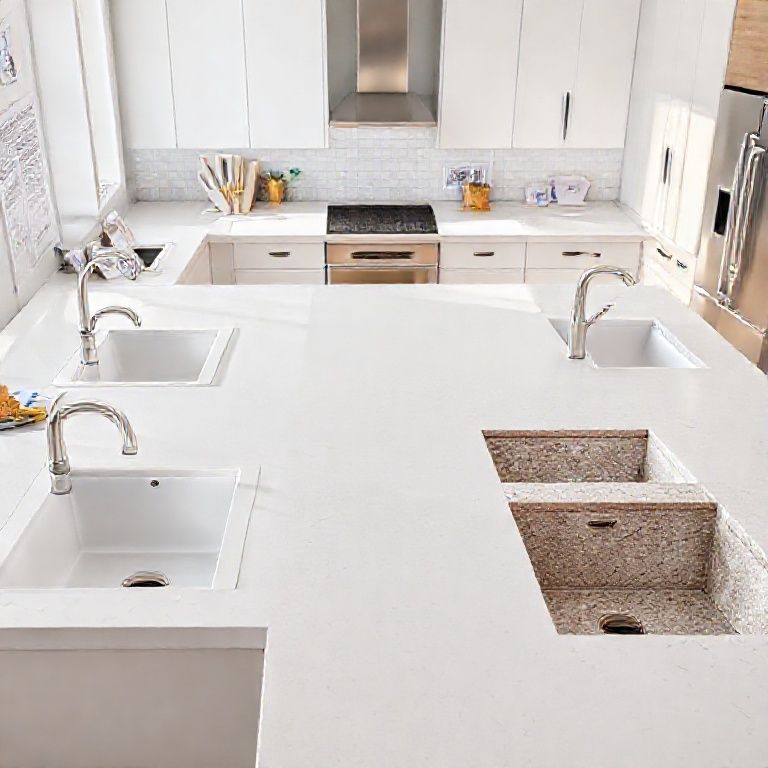
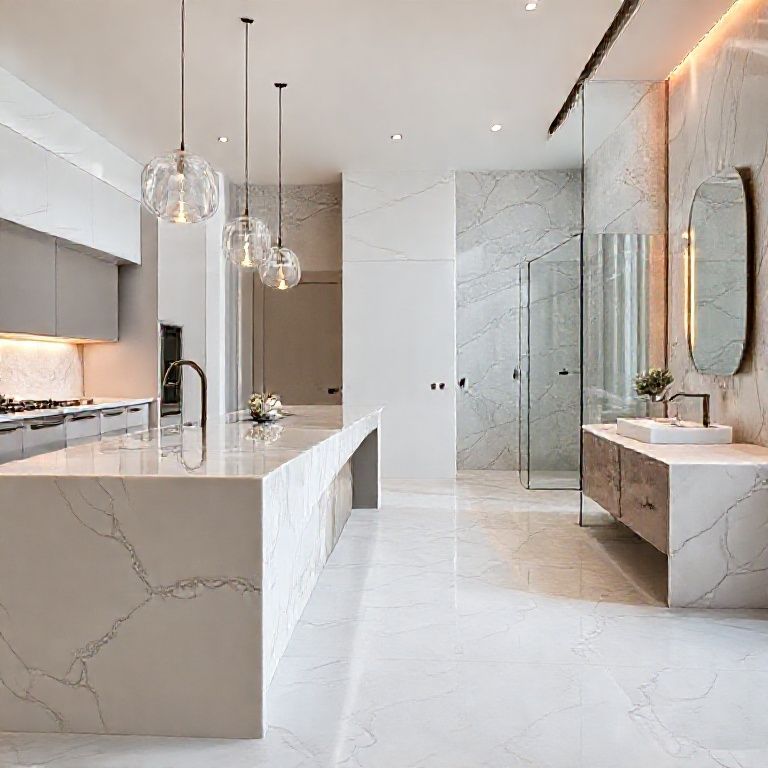
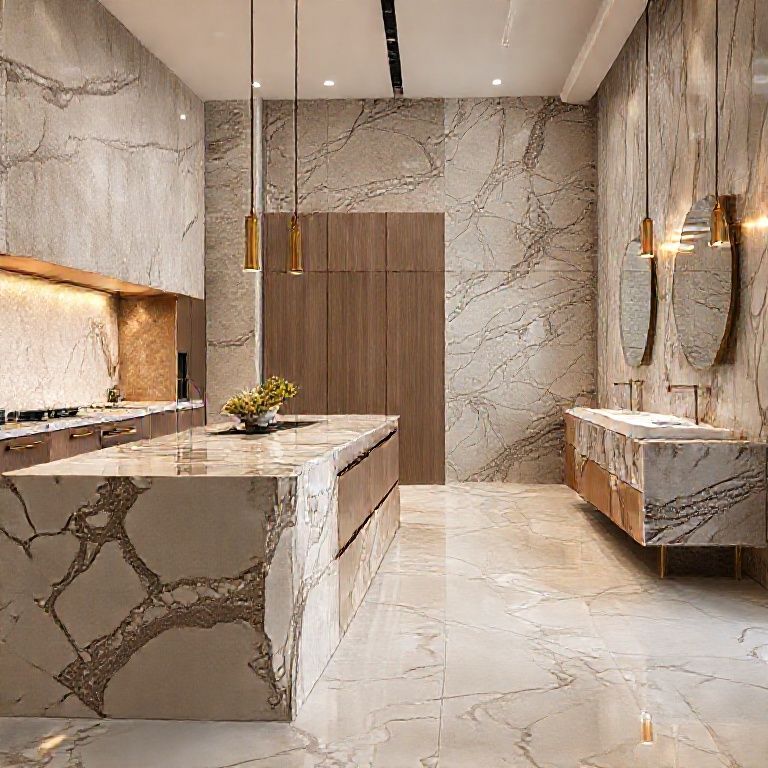
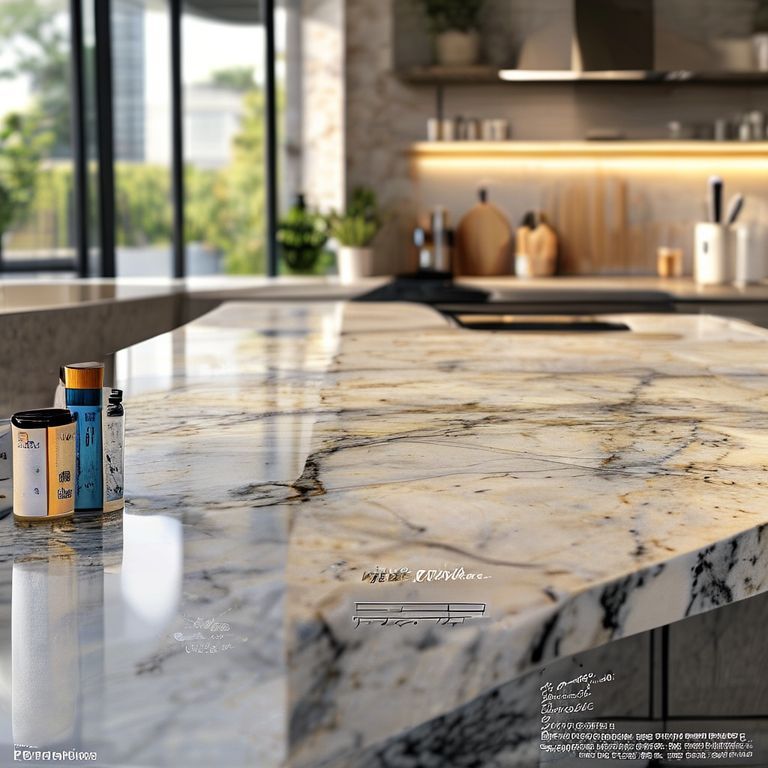
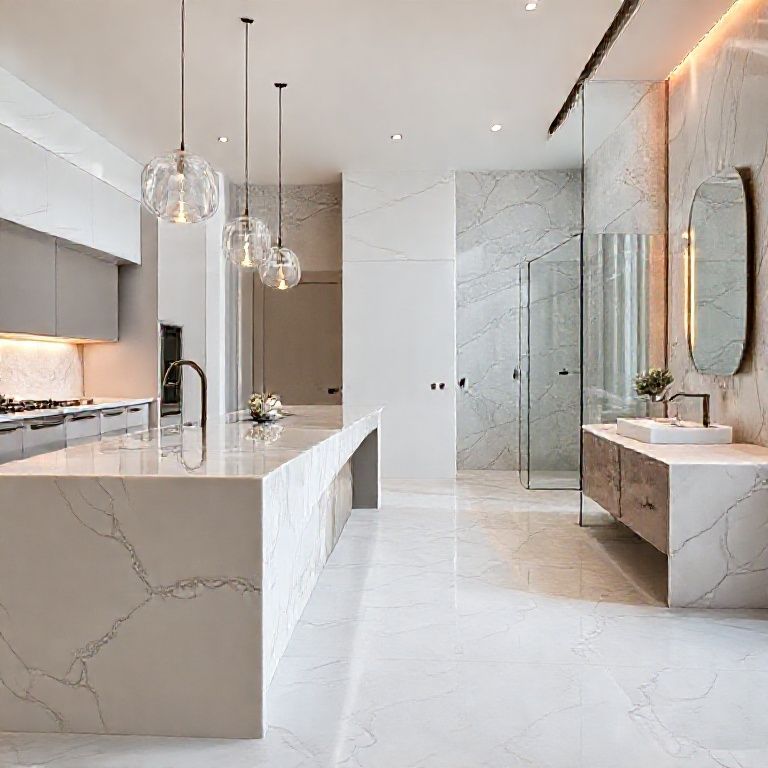
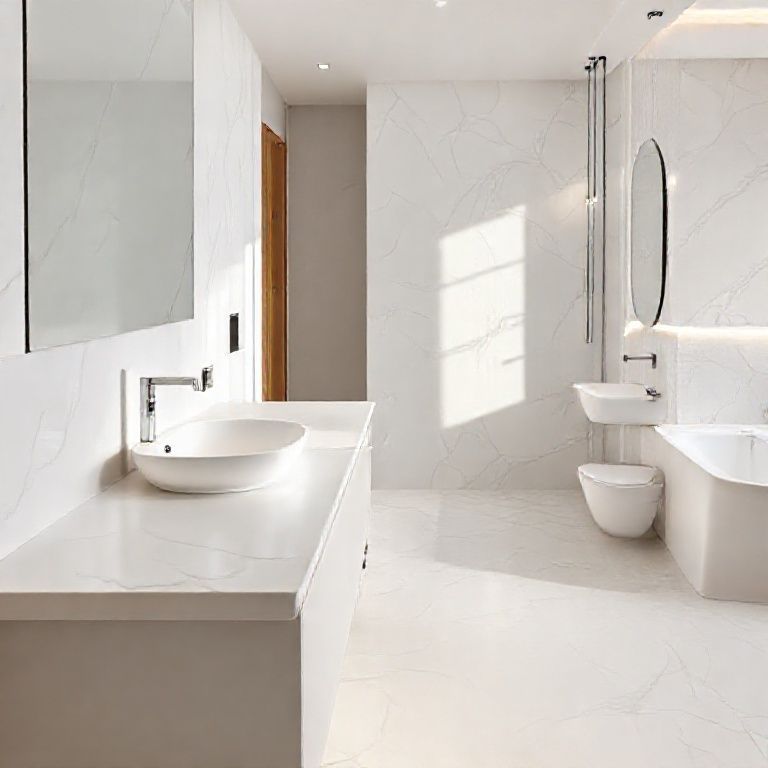
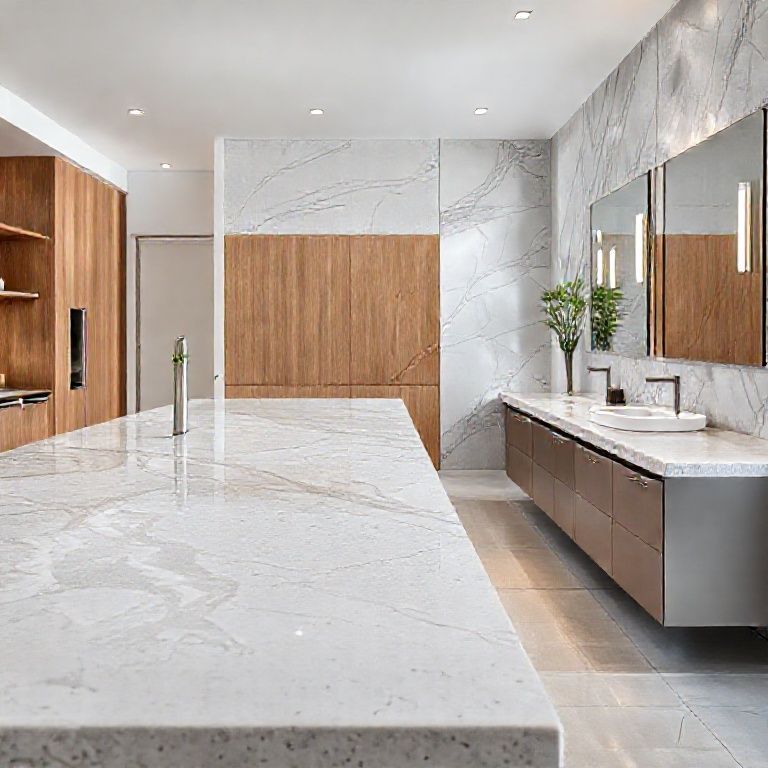
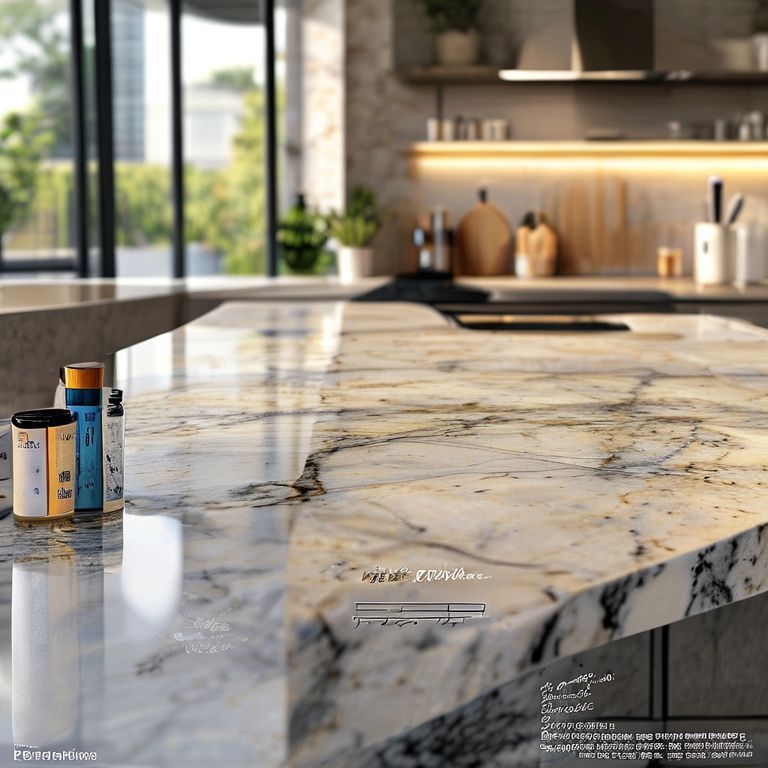
Artificial marble, also known as cultured stone or synthetic marble, has rapidly become a favored material in home and commercial construction. Its striking appearance and durability make it an attractive alternative to traditional natural marble. However, the question remains: is artificial marble safe for human health? In this first part of our exploration, we will examine the composition of artificial marble, highlight its benefits, and discuss the initial safety concerns that have been raised.

The Composition of Artificial Marble:
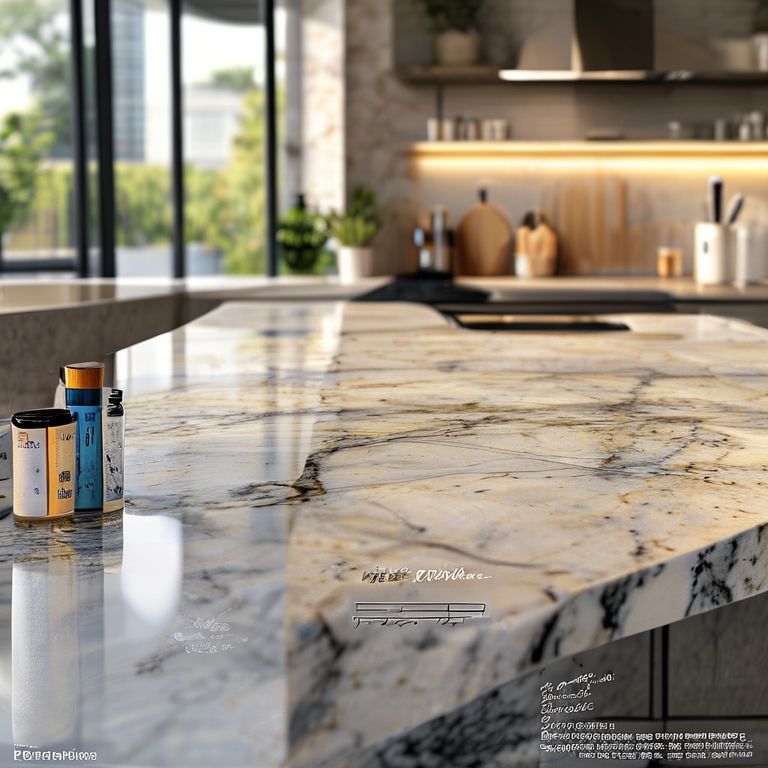
Artificial marble is a composite material primarily made from a mixture of quartz powder and resin. The manufacturing process involves combining these materials under high pressure and temperature, resulting in a stone-like surface that mimics the look and feel of natural marble. This material can be colored in a myriad of ways, allowing for extensive customization to suit various design needs.
Key Components:
Quartz Powder: The primary component, providing the material with its hardness and durability. Resin: A binder that holds the quartz particles together, giving the material its cohesive strength. Color Pigments: Added to achieve the desired aesthetic effects.
Benefits of Artificial Marble:
Affordability: Artificial marble is significantly less expensive than natural marble, making it accessible for a wider range of budgets. Durability: The material is highly resistant to scratches, stains, and heat, making it an excellent choice for high-traffic areas. Customizability: Designers can create virtually any color or texture, offering unparalleled flexibility in design. Low Maintenance: Unlike natural stone, artificial marble does not require sealing or regular maintenance.
Initial Safety Concerns:
Despite these benefits, several initial safety concerns have been raised regarding the potential hazards of artificial marble.
Formaldehyde Emissions: One of the primary concerns revolves around formaldehyde, a volatile organic compound (VOC) that can be released from the resin used in the manufacturing process. Formaldehyde is known to be harmful, potentially causing respiratory issues, skin irritation, and other health problems.
Heavy Metals: Although rare, there are concerns about the presence of heavy metals in some artificial marble products. Metals such as lead or mercury could pose serious health risks if not properly managed during production.
Long-Term Effects: With the relatively new nature of artificial marble technology, long-term health effects remain largely unknown. The human body’s response to prolonged exposure to these materials is still under research.
Conclusion:
Artificial marble offers numerous benefits that make it an appealing choice for both designers and homeowners. However, the safety concerns surrounding its use cannot be overlooked. In the next part of this article, we will delve deeper into the scientific research surrounding the health impacts of artificial marble, providing a thorough analysis to help you make an informed decision about its use in your living or working space.
Scientific Research and Regulatory Standards
Introduction:
As we continue our investigation into the safety of artificial marble, the next part of this article will focus on scientific research and regulatory standards. Understanding the current findings from health and safety studies, as well as the regulatory measures in place, will provide a clearer picture of whether artificial marble poses any significant health hazards.
Scientific Research on Formaldehyde Emissions:
Numerous studies have examined the potential health risks associated with formaldehyde emissions from artificial marble. Formaldehyde is a known carcinogen and is associated with various health issues, including respiratory problems and skin irritation.
Studies on Formaldehyde Levels: Initial Findings: Early studies indicated that freshly installed artificial marble could emit formaldehyde levels above the acceptable indoor air quality standards. However, these levels typically decrease over time as the material cures. Long-Term Exposure: Research suggests that prolonged exposure to low levels of formaldehyde may still pose health risks, particularly for individuals with pre-existing respiratory conditions or other sensitivities. Mitigation Techniques: Curing Period: Allowing the material to cure for several weeks before use can significantly reduce formaldehyde emissions. Ventilation: Proper ventilation during installation and after curing can help dissipate any remaining formaldehyde. Alternative Materials: Some manufacturers have developed low-VOC or formaldehyde-free formulations to mitigate these concerns.
Heavy Metals in Artificial Marble:
Another area of concern is the potential presence of heavy metals in artificial marble products.
Detection and Testing: Regulatory Testing: Many manufacturers now conduct rigorous testing to ensure that their products meet or exceed safety standards for heavy metals. Consumer Reports: Some consumer reports have highlighted instances of heavy metal contamination, prompting calls for more stringent regulatory oversight. Remedial Actions: Manufacturers’ Initiatives: In response to these concerns, many manufacturers have adopted safer production practices and are transparent about their sourcing and testing protocols. Regulatory Compliance: Increased regulatory scrutiny has led to stricter standards for the production and sale of artificial marble, ensuring that products are safe for use.
Regulatory Standards and Certifications:
To address safety concerns, various regulatory bodies have established guidelines and certifications to ensure the safety of artificial marble products.
International Standards: ISO Certification: Many artificial marble products now carry ISO certifications, indicating compliance with international safety and quality standards. EU Standards: In Europe, the European Committee for Standardization (CEN) has developed standards to ensure the safe production and use of artificial stone. Local Regulations: US Guidelines: In the United States, the Environmental Protection Agency (EPA) and the Consumer Product Safety Commission (CPSC) oversee the regulation of VOC emissions and other safety aspects. Global Compliance: Manufacturers are increasingly adopting global best practices to meet international and local regulatory requirements.
Conclusion:
Scientific research and regulatory standards play a crucial role in determining the safety of artificial marble. While initial concerns about formaldehyde emissions and heavy metals have been significant, advances in manufacturing techniques and regulatory oversight have greatly mitigated these risks. The curing period, proper ventilation, and the use of safer materials further enhance the safety profile of artificial marble.
By staying informed about the latest research and adhering to regulatory guidelines, you can confidently use artificial marble in your home or business, knowing that it meets stringent safety standards. In the ever-evolving landscape of interior design, making well-informed choices ensures that both aesthetics and health are prioritized.
In conclusion, artificial marble offers a compelling combination of beauty, durability, and affordability. While initial concerns about its safety have been valid, ongoing research and regulatory standards have significantly addressed these issues, making it a viable and safe option for modern interior design. By understanding the composition, benefits, and safety measures associated with artificial marble, you can make an informed decision that aligns with both your design vision and health priorities.