
The allure of marble has captivated designers and homeowners for centuries, its timeless elegance gracing grand halls and intimate spaces alike. However, the cost, porosity, and delicate nature of natural marble often present practical challenges. Enter artificial marble, a modern marvel engineered to mimic the luxurious aesthetic of its natural counterpart while offering enhanced durability and a more accessible price point. But as with any material that attempts to replicate the organic beauty of nature, questions inevitably arise. One of the most persistent queries is: does artificial marble change color?
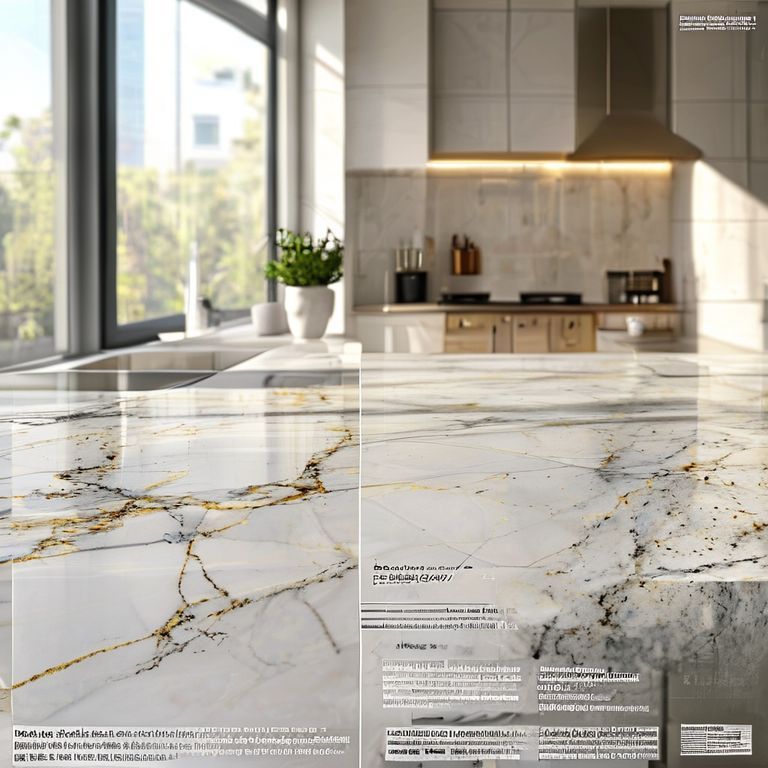
This isn’t a simple yes or no answer, as the phenomenon is nuanced and dependent on a confluence of factors. At its core, artificial marble, often referred to as engineered stone or quartz surfaces, is a composite material. It’s typically composed of ground natural quartz crystals (up to 90-95%), mixed with polymer resins and pigments. This carefully curated blend is then subjected to a high-pressure, high-temperature process that fuses the components into a solid, non-porous slab. The pigments are integral to achieving the vast array of colors and patterns that artificial marble offers, from the classic veining of Calacatta to bold, contemporary hues.
The perception of “color change” in artificial marble can stem from several sources, the most common being external influences and inherent material characteristics. Let’s first address the external factors. The most frequent culprit behind a perceived color shift is staining. Unlike natural marble, which is highly porous and readily absorbs liquids, engineered stone boasts a significantly lower porosity thanks to the binding resins. This makes it remarkably resistant to common household spills like wine, coffee, or oil. However, “resistant” doesn’t equate to “impervious.” Certain highly concentrated or prolonged exposure to staining agents, particularly those with strong pigments like turmeric or certain industrial dyes, can potentially affect the surface. The resin matrix, while protective, can still be susceptible to absorption if left unattended for extended periods. This often manifests as a darkening or a subtle tinting of the material, rather than a complete transformation of its original color.
Another significant external factor is exposure to ultraviolet (UV) radiation. Natural sunlight, or prolonged exposure to strong artificial UV light, can, over time, cause degradation of the polymer resins used in the manufacturing of artificial marble. This degradation can lead to a phenomenon known as “yellowing” or a general fading of the pigments. The extent of this effect is heavily dependent on the quality of the resins used, the specific pigments incorporated, and the intensity and duration of UV exposure. High-quality engineered stone brands invest in UV stabilizers within their formulations to mitigate this risk. Therefore, a countertop in a dimly lit kitchen is far less likely to experience UV-induced color change than one constantly bathed in direct sunlight, such as an outdoor kitchen surface or a windowsill.
Heat is another element that can play a role. While artificial marble is generally heat-resistant, extreme and prolonged direct heat can, in some instances, cause the resins to degrade. This degradation can lead to discoloration, often manifesting as darkening or a yellowish hue. This is why it’s always recommended to use trivets and hot pads when placing hot cookware on any countertop surface, including engineered stone. The resins are designed to withstand moderate heat, but sustained, intense temperatures can push their limits.
Beyond external influences, there are also subtle intrinsic characteristics of artificial marble that can contribute to a perceived color change, or more accurately, a change in its visual appearance. One such factor is the presence of different types of resins and their interaction with light. Some resins might possess a slightly different refractive index, which can, under certain lighting conditions, create a subtle shift in how the color is perceived. This is not a true discoloration but rather an optical effect. Furthermore, the quality of the pigments used is paramount. Lower-grade pigments might be more susceptible to fading or reacting with environmental factors over extended periods, leading to a gradual dulling or alteration of the intended color. Reputable manufacturers prioritize high-quality, stable pigments to ensure long-term color fidelity.
The manufacturing process itself can also introduce subtle variations. While rigorous quality control is standard, minor inconsistencies in the distribution of pigments or resins within a slab can occur. These are typically imperceptible to the naked eye but might contribute to a slightly different appearance when compared to another batch or even a different section of the same slab. This is less about a “change” over time and more about inherent variability in the production.
Finally, the surrounding environment can influence how we perceive the color of artificial marble. Changes in ambient lighting, the colors of adjacent materials (cabinets, walls, backsplashes), and even the cleanliness of the surface can all subtly alter the perceived hue. A countertop that looks bright white under fluorescent kitchen lights might appear slightly off-white or even creamy under warm, incandescent bulbs. This is not a change in the material itself, but a change in our perception influenced by external visual cues. Understanding these various factors is the first step in demystifying the question of whether artificial marble changes color.
Continuing our exploration into the chromatic evolution of artificial marble, it’s vital to delve into practical aspects and how to safeguard its pristine appearance. While the material is engineered for resilience, proactive care and informed choices can significantly prolong its visual vibrancy. The key lies in understanding the nuances of its composition and how to mitigate the potential for discoloration.
The quality of the artificial marble itself plays a pivotal role in its susceptibility to color change. Not all engineered stones are created equal. Manufacturers vary in their choice of raw materials, resin formulations, pigment quality, and manufacturing processes. Higher-end products typically utilize superior quartz content, advanced resin systems with built-in UV stabilizers, and high-performance pigments. These superior components are designed to resist staining, fading, and degradation far more effectively than their lower-cost counterparts. Therefore, when investing in artificial marble, researching the reputation of the manufacturer and the specific product line is a prudent step. Look for brands that offer warranties against staining and discoloration, as this often indicates a commitment to quality and durability.
The installation process, while seemingly straightforward, can also have indirect implications. If the sealant applied during installation is of poor quality or not applied correctly, it could potentially leave the surface more vulnerable to staining, especially in the initial stages before the resins fully cure or if the sealant wears down over time. However, it’s important to note that most high-quality engineered stones do not require sealing as their non-porous nature makes it unnecessary. Any sealant used is usually for polishing purposes or for very specific product types.
Maintenance, however, is where homeowners have the most direct influence on the longevity of their artificial marble’s color. The golden rule is to clean spills promptly. While resistant, leaving potent staining agents like red wine, mustard, or turmeric on the surface for extended periods can still lead to issues. A quick wipe-down with a damp cloth and mild dish soap is usually sufficient for everyday cleaning. For more stubborn marks, a non-abrasive household cleaner can be used. It’s crucial to avoid harsh chemicals, abrasive scrubbers, and acidic or alkaline cleaners. These can potentially etch or damage the resin binder, leading to dull spots or even subtle color alterations over time. Bleach, ammonia, and oven cleaners should be strictly avoided.
When it comes to preventing heat-related discoloration, the consistent use of trivets and hot pads is non-negotiable. This simple habit protects the resin matrix from thermal shock and degradation. Similarly, avoiding dragging heavy or rough-bottomed appliances across the surface can prevent scratches, which, while not a color change, can affect the overall aesthetic and potentially create areas where dirt and grime can accumulate, leading to a localized appearance of discoloration.
Addressing the issue of UV exposure requires a strategic approach, particularly in areas with high sunlight. If your artificial marble is installed near a window or in an outdoor setting, consider using UV-protective window films. These films can block a significant portion of harmful UV rays without significantly altering the natural light entering the space. This is a particularly effective measure for lighter-colored artificial marbles, which might show any signs of yellowing more prominently.
The phenomenon of “hazing” or a cloudy appearance can sometimes be mistaken for discoloration. This often occurs when cleaning products leave a residue or when hard water deposits build up. Regular cleaning with appropriate solutions and occasional polishing with a specialized engineered stone cleaner can help maintain a clear, glossy finish.
In cases where a light stain does occur, prompt action is key. For most common stains on engineered stone, a paste of baking soda and water can be gently applied to the affected area. Allow it to sit for a short period (no more than 15-20 minutes) and then gently wipe it away with a soft cloth. For more persistent stains, specialized engineered stone stain removers are available, but always test them in an inconspicuous area first.
It’s also worth considering the lighting in your space. As mentioned earlier, different light sources can dramatically alter how we perceive color. If you notice a perceived change in your artificial marble’s hue, experiment with different lighting options to see if it’s an environmental factor rather than a material issue. Sometimes, simply changing your light bulbs from cool to warm tones can make a significant difference.
Ultimately, the question of whether artificial marble changes color is more accurately framed as how its appearance can be influenced and preserved. By understanding its composition, choosing quality products, and implementing mindful maintenance practices, homeowners can ensure that their engineered stone surfaces retain their beauty and elegance for many years. The resilience and low-maintenance nature of artificial marble are among its most celebrated attributes, and with a little attention, these qualities can be enjoyed for a lifetime, a testament to intelligent design and thoughtful care.









