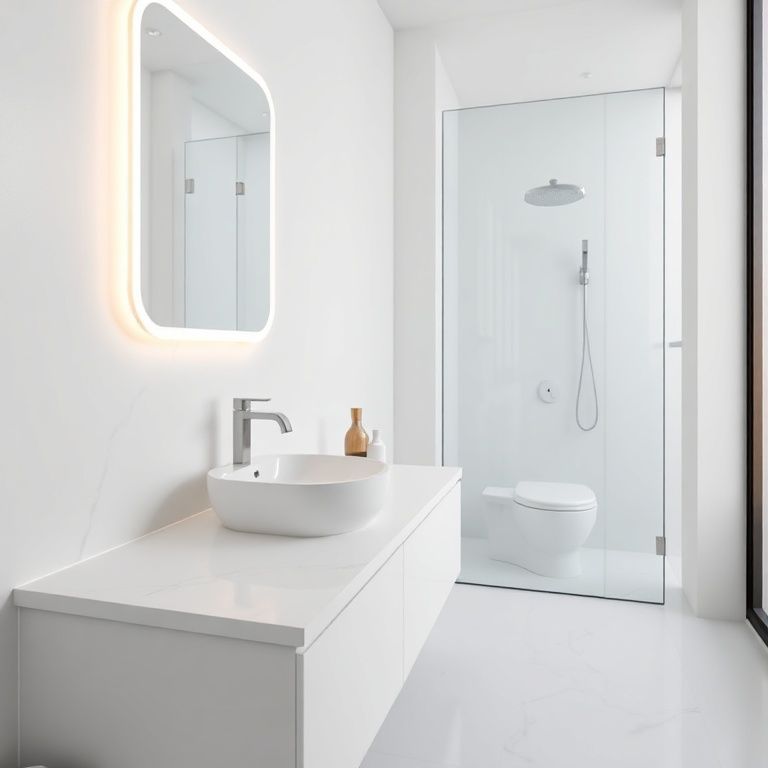
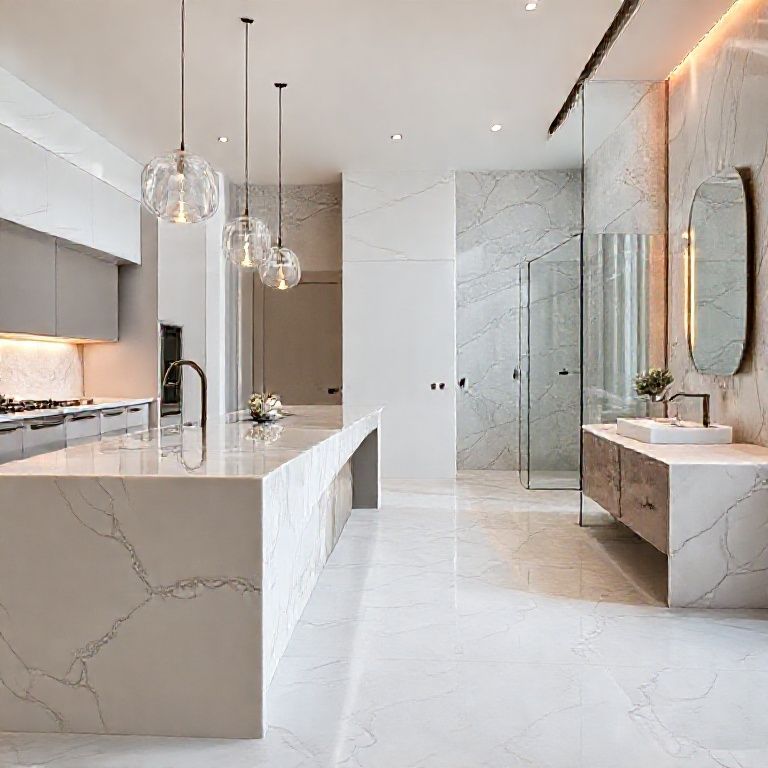
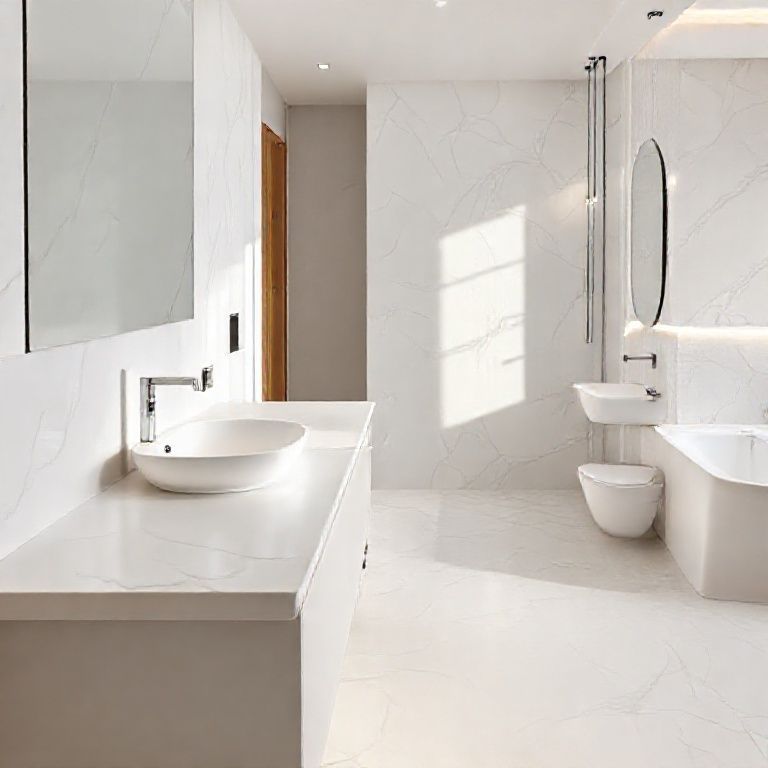
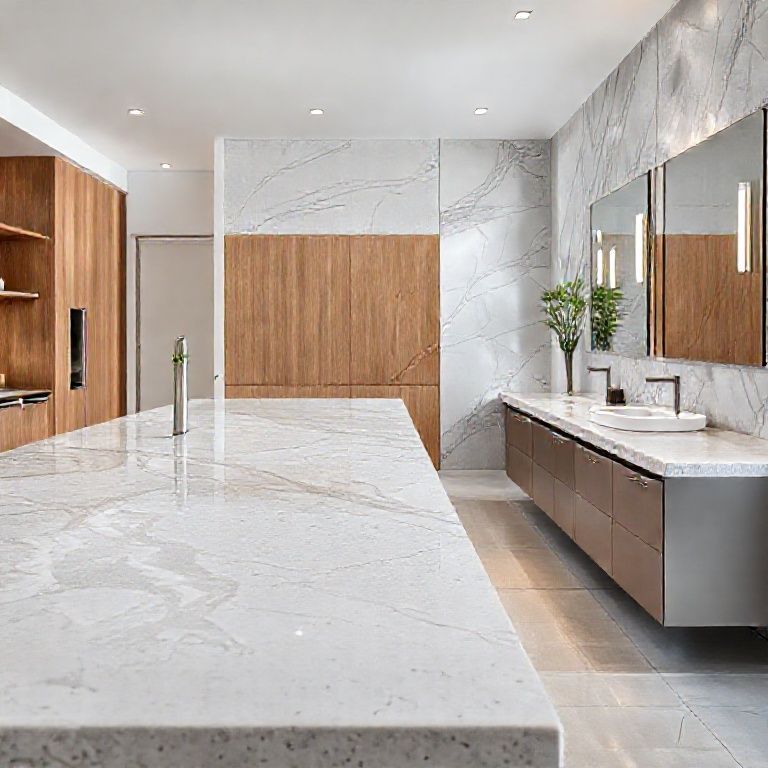
Part 1
The Timeless Beauty: Natural vs. Artificial Marble – Which Reigns Supreme?
In the world of interior design, marble is often hailed as the epitome of elegance and luxury. Its captivating veins and rich textures offer an unparalleled aesthetic that can elevate any space. However, with the advent of artificial marble, a debate has emerged: which is more beautiful – natural or artificial marble? In this first part of our comprehensive guide, we delve into the aesthetics, unique characteristics, and the allure of both natural and artificial marble.

The Allure of Natural Marble
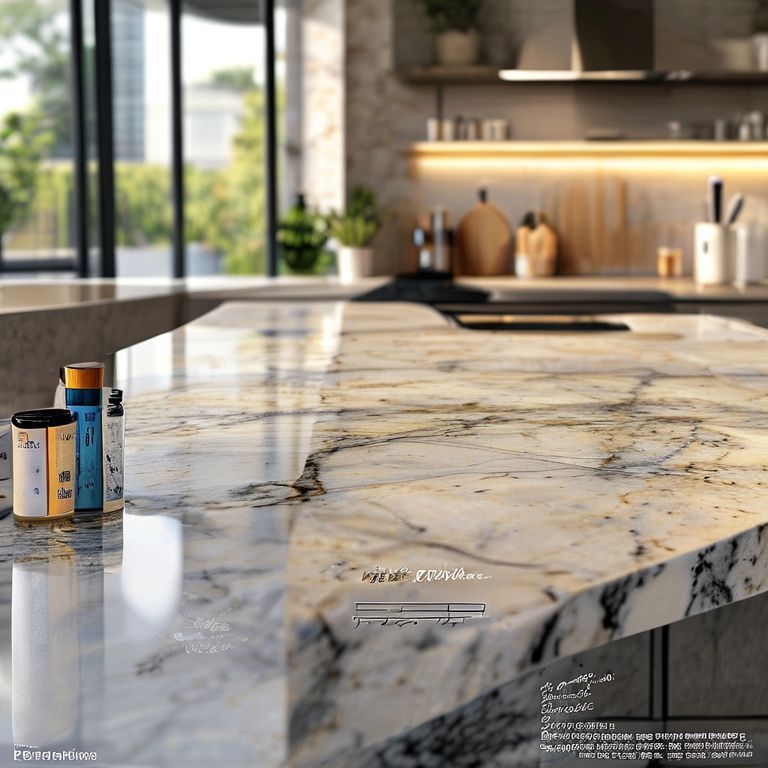
Natural marble has been cherished for centuries for its inherent beauty and timeless appeal. Sourced directly from quarries, this type of marble boasts a one-of-a-kind appearance due to its natural veins, patterns, and colors. Each piece of natural marble is unique, offering a sense of authenticity and exclusivity that artificial alternatives often lack.
Unique Patterns and Colors
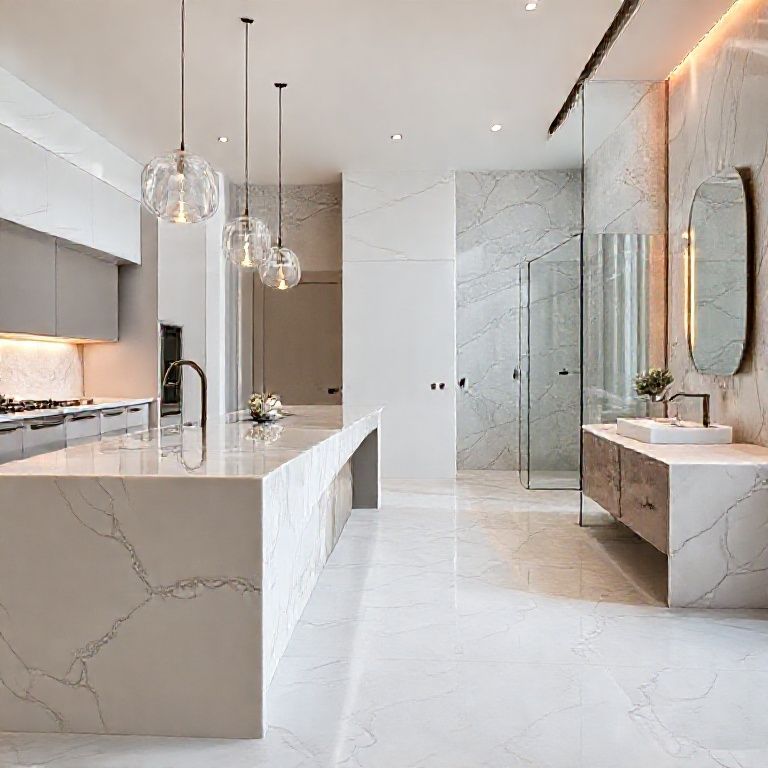
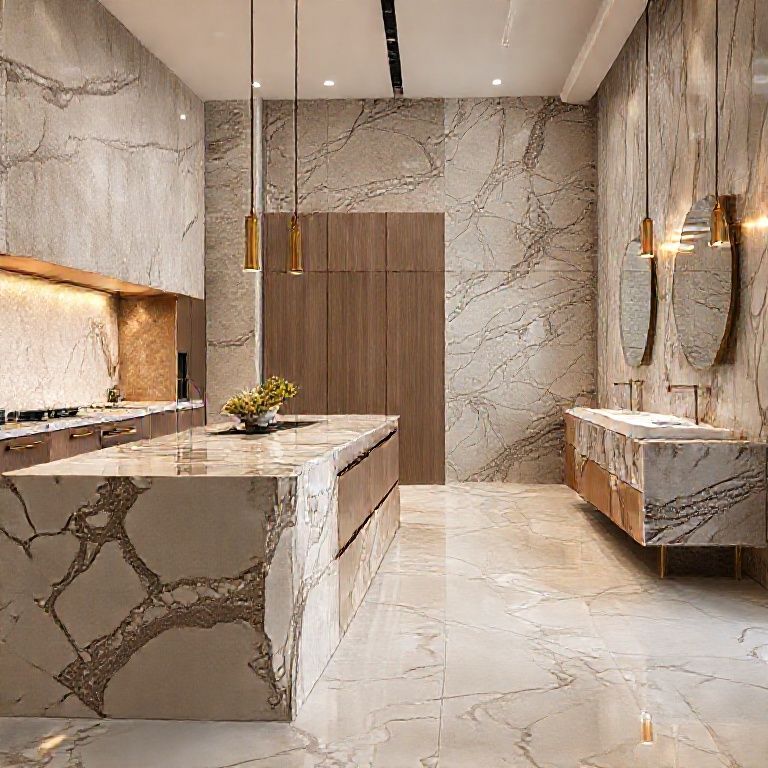
One of the most striking features of natural marble is its unique patterning. The natural formation of marble veins creates a distinct and beautiful design that is not replicated in artificial marble. Whether it’s the rich hues of Calacatta or the striking black and white veins of Carrara, natural marble offers a level of visual interest that is unmatched.
Durability and Longevity
Natural marble is renowned for its durability. When properly maintained, it can last for generations, maintaining its beauty and structural integrity. The material’s natural composition ensures a solid and long-lasting surface that can withstand the test of time.
Maintenance and Care
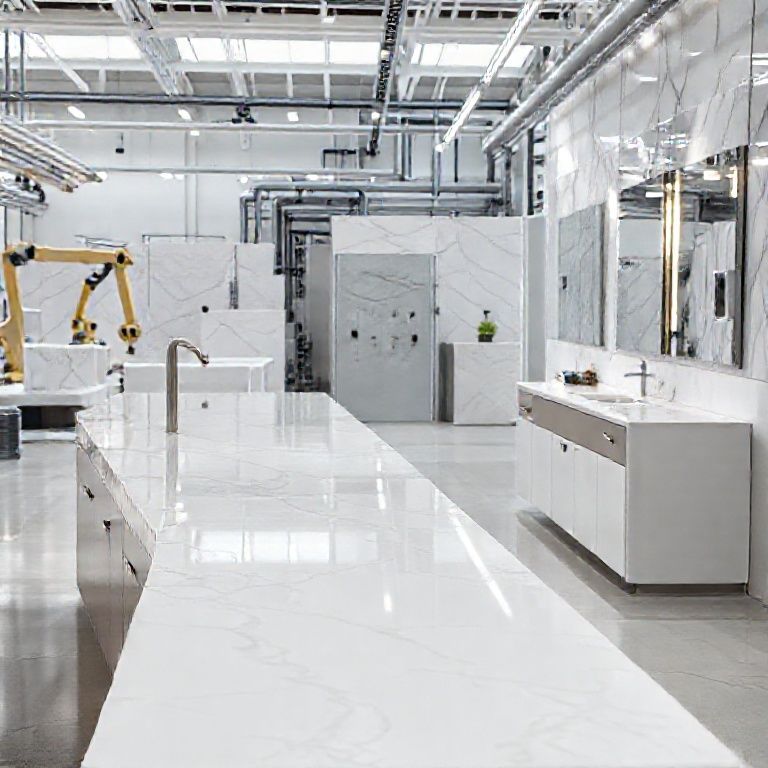
While natural marble’s beauty is undeniable, it requires careful maintenance to preserve its luster. Regular cleaning with pH-neutral cleaners and sealing it periodically can help in maintaining its pristine appearance. Despite the need for upkeep, the effort is often considered worthwhile for those who value the authentic charm of natural marble.
The Rise of Artificial Marble
Artificial marble, or engineered stone, has made significant strides in recent years, offering a compelling alternative to natural marble. Made from a mixture of minerals, resins, and pigments, artificial marble mimics the appearance of natural marble while providing several practical benefits.
Consistent Aesthetics
Artificial marble stands out for its consistent appearance. Unlike natural marble, which can vary significantly from piece to piece, artificial marble offers a uniform look that is perfect for large installations or when a specific design is required. This consistency ensures that every piece matches perfectly, providing a seamless finish.
Durability and Maintenance
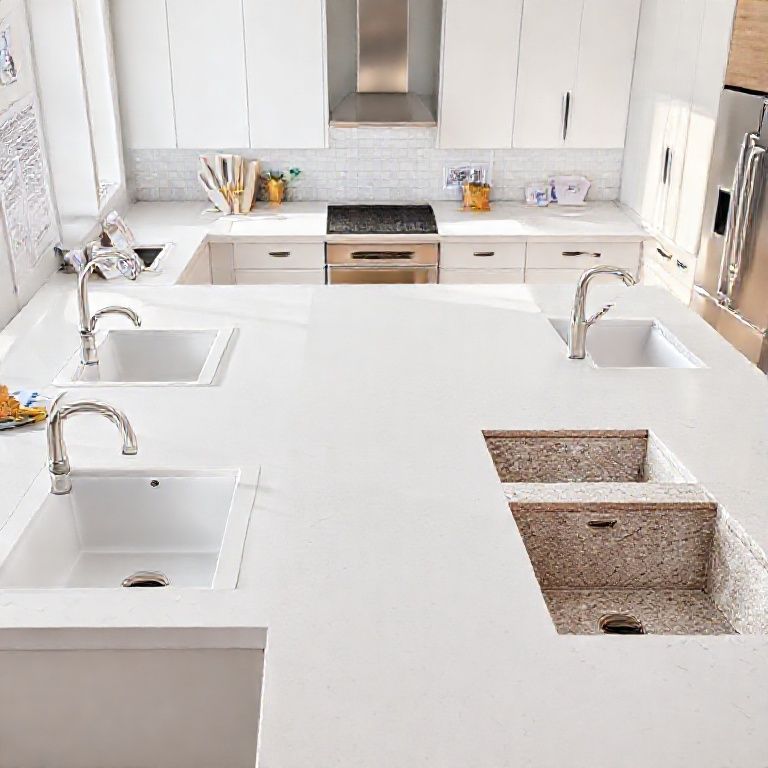
One of the biggest advantages of artificial marble is its durability. It is resistant to stains, scratches, and thermal damage, making it an excellent choice for high-traffic areas. Additionally, artificial marble requires minimal maintenance. A simple wipe-down with a damp cloth is usually sufficient to keep it looking pristine.
Affordability and Availability
Artificial marble is generally more affordable than natural marble, making it a practical choice for many homeowners and businesses. The cost-effectiveness of artificial marble, combined with its availability in a wide range of colors and designs, makes it a versatile option for various interior design projects.
The Aesthetic Debate: Natural vs. Artificial
When it comes to aesthetics, both natural and artificial marble have their own distinct charms.
Natural Marble’s Authentic Beauty
For those who prioritize authenticity and the natural beauty of materials, natural marble is often the preferred choice. Its organic patterns and colors provide a unique and elegant look that can enhance any space. Natural marble can add a touch of luxury and sophistication to both residential and commercial interiors.
Artificial Marble’s Modern Appeal
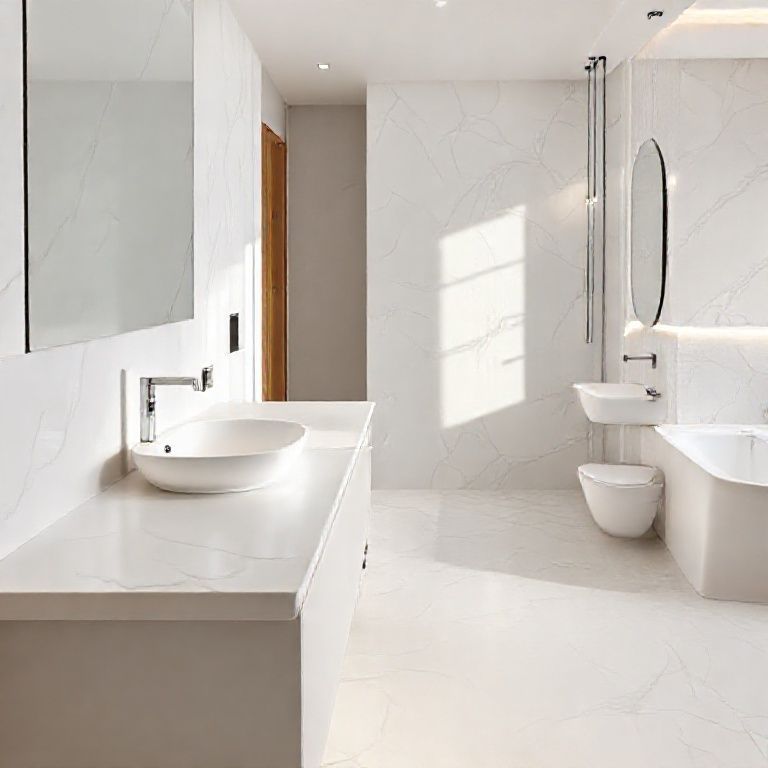
On the other hand, artificial marble offers a modern and contemporary aesthetic. Its ability to replicate the look of natural marble while providing a consistent and uniform appearance makes it ideal for designers who want to achieve a polished and seamless look. The versatility of artificial marble allows for creative and innovative design possibilities.
Conclusion
The debate between natural and artificial marble boils down to personal preference and specific project requirements. Natural marble’s unique and authentic beauty offers a timeless elegance that is hard to replicate. Meanwhile, artificial marble’s consistent aesthetics, durability, and affordability make it a practical and modern choice.
In the next part, we will explore the practical aspects of using marble in interior design, including installation, cost considerations, and the environmental impact of both natural and artificial marble.
Part 2
The Timeless Beauty: Natural vs. Artificial Marble – Which Reigns Supreme?
In the world of interior design, the choice between natural and artificial marble often hinges on practical considerations as well as aesthetic preferences. This second part of our comprehensive guide will delve into the practical aspects of using marble in interior design, including installation, cost considerations, and the environmental impact of both natural and artificial marble.
Installation and Practicality
When it comes to installation, both natural and artificial marble offer distinct advantages and challenges.
Natural Marble Installation
Natural marble requires careful installation due to its weight and the need for precise cutting to fit specific spaces. Professional installation is often recommended to ensure that the marble is cut and laid correctly to maintain its integrity and aesthetic appeal. However, the beauty of natural marble can justify the additional effort required for installation.
Artificial Marble Installation
Artificial marble is generally easier to install compared to natural marble. It comes in pre-cut slabs that can be snapped together, making installation relatively straightforward even for DIY enthusiasts. This ease of installation can save both time and money, making artificial marble a practical choice for many projects.
Cost Considerations
The cost of marble plays a significant role in the decision-making process for many homeowners and businesses.
Natural Marble Costs
Natural marble tends to be more expensive than artificial marble due to its rarity and the labor-intensive process of extraction and installation. High-quality natural marble like Carrara or Travertine can be particularly costly. However, the premium price is often justified by the unique beauty and timeless appeal of natural marble.
Artificial Marble Costs
Artificial marble offers a more budget-friendly alternative to natural marble. The cost of artificial marble is generally lower, and it is available in a wide range of designs and colors. This affordability makes artificial marble an attractive option for those looking to achieve marble-like aesthetics without breaking the bank.
Environmental Impact
The environmental impact of both natural and artificial marble is an important consideration for environmentally-conscious consumers.
Natural Marble and Sustainability
The extraction of natural marble can have significant environmental impacts. Quarrying activities can lead to habitat destruction, water pollution, and carbon emissions. Additionally, natural marble is a finite resource, and its extraction can be unsustainable if not managed carefully. Many modern quarries implement sustainable practices to minimize their environmental footprint, but the overall impact of natural marble remains a concern for some.
Artificial Marble and Production
Artificial marble, while more sustainable than natural marble, is not entirely free from environmental concerns. The production process involves the use of synthetic materials and energy-intensive manufacturing techniques. However, advancements in technology have led to improvements in the environmental footprint of artificial marble production. Moreover, artificial marble can be recycled at the end of its lifecycle, reducing waste and environmental impact.
Combining Natural and Artificial Marble
For those who want to combine the best of both worlds, integrating both natural and artificial marble in a single project can be a practical and aesthetically pleasing solution. For example, natural marble can be used in high-traffic areas where durability is crucial, while artificial marble can be used in less visible areas to add elegance and cost-effectiveness.
Conclusion
The choice between natural and artificial marble ultimately depends on a variety of factors including aesthetics, practicality, cost, and environmental impact. Natural marble offers a unique and authentic beauty that can elevate any space, while artificial marble provides a modern, consistent, and affordable alternative. By understanding the practical aspects of using marble in interior design, homeowners and businesses can make an informed decision that best suits their needs and preferences.
In the ever-evolving world of interior design, the timeless beauty of marble continues to captivate and inspire. Whether you choose the natural elegance of marble or the innovative appeal of artificial marble, both options offer a wealth of possibilities to create stunning and enduring spaces.