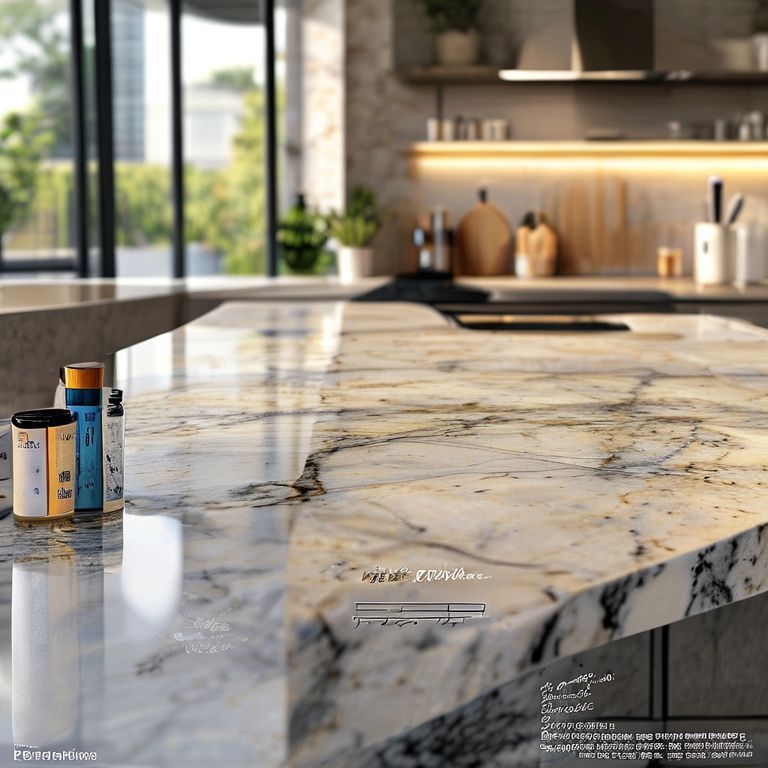
The Ten Major Drawbacks of Artificial Marble: Understanding Its Cement Composition
Artificial marble, often perceived as a cost-effective and aesthetically pleasing alternative to natural stone, has gained significant popularity in both residential and commercial settings. However, beneath its polished veneer lies a series of drawbacks that can pose challenges to long-term satisfaction and project integrity. In this part, we will discuss the ten major drawbacks of artificial marble, focusing on its cement composition and the associated issues.

Durability Issues: Artificial marble, despite its name, lacks the durability of natural stone. The cement composition used in artificial marble can lead to chipping and cracking, especially under heavy use or impact. This makes it less suitable for high-traffic areas where durability is paramount.
Chemical Sensitivity: The cement and resin binders used in artificial marble can be sensitive to certain chemicals. While it may look like natural stone, it often fails to withstand common household cleaning agents, leading to discoloration and surface damage. This is particularly problematic in kitchens and bathrooms where cleaning is frequent.
Aesthetic Limitations: While artificial marble can mimic the appearance of various natural stones, its aesthetic is ultimately artificial. It cannot match the unique and natural beauty found in real stone. Over time, its uniformity can become monotonous, lacking the character that natural stone offers.
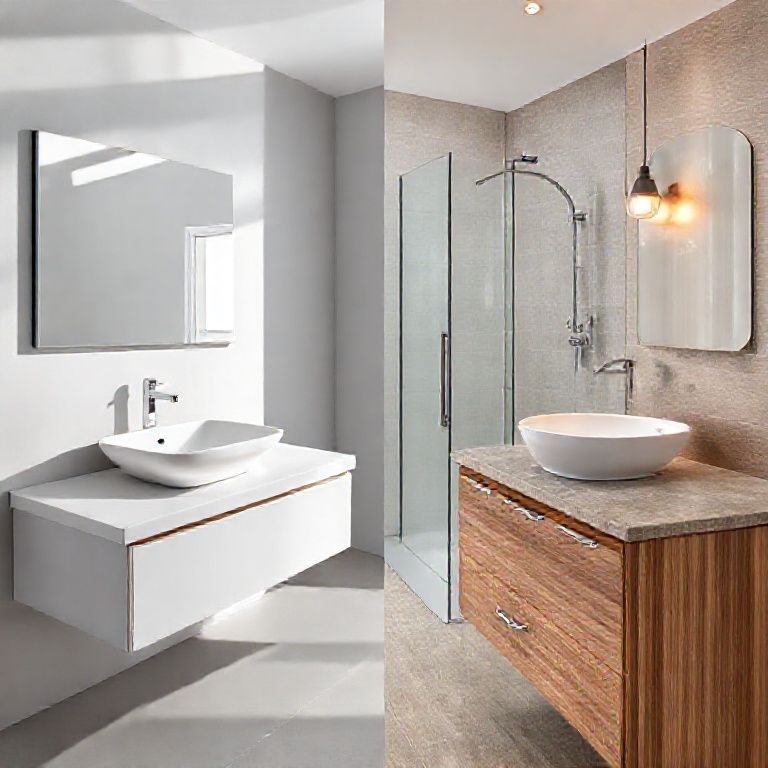
Heat Resistance: The cement composition in artificial marble makes it less heat-resistant compared to natural stone. Hot pots, pans, and even hot food can cause warping or discoloration, leading to an unsatisfactory user experience. This is especially problematic for kitchen countertops.
Low Strength to Weight Ratio: Due to its cement composition, artificial marble has a low strength to weight ratio. This means it is not ideal for applications where weight is a concern, such as in certain architectural designs or for heavy furniture bases.
Maintenance Challenges: Artificial marble requires specific maintenance to preserve its appearance and integrity. Regular cleaning with suitable products and avoiding abrasive cleaners is essential. Failure to adhere to these maintenance protocols can result in long-term damage.
Environmental Concerns: The production process for artificial marble involves various chemicals and processes that can have environmental impacts. The cement composition, often made from industrial by-products, can lead to environmental concerns such as waste disposal issues and potential emissions.
Limited Color Options: While artificial marble can be colored to mimic natural stone, the color options are limited compared to natural stone. The color consistency can also vary, leading to potential discrepancies in appearance, especially in large installations.
Aging and Fading: Over time, the resin binders in artificial marble can degrade, leading to aging and fading. This can affect the overall aesthetic appeal, requiring periodic restoration to maintain its original look.
Installation Difficulties: The cement composition makes artificial marble difficult to cut and install accurately. Specialized tools and techniques are required, which can increase labor costs and complicate the installation process.
Understanding these drawbacks is crucial for anyone considering artificial marble for their next project. While it offers an attractive and affordable alternative, it’s essential to weigh these factors carefully against the benefits and choose the right material for your specific needs.
The Ten Major Drawbacks of Artificial Marble: Understanding Its Cement Composition (Continued)
In the second part of our exploration, we continue to discuss the ten major drawbacks of artificial marble, with an emphasis on its cement composition and the practical implications of these issues. By understanding the underlying reasons behind these drawbacks, we can make more informed decisions when selecting materials for our projects.
Inconsistent Quality Control: The quality of artificial marble can vary significantly between manufacturers due to differences in their cement composition and manufacturing processes. This inconsistency can lead to variations in durability, appearance, and performance, making it difficult to ensure a uniform and high-quality finish across large installations.
Limited Design Flexibility: The cement composition of artificial marble restricts its ability to be cut and shaped in the same way as natural stone. This limitation can pose challenges for custom designs and intricate patterns, which are often achievable with natural stone.
Potential for Allergic Reactions: Some individuals may experience allergic reactions to the resin binders used in artificial marble. The cement composition can release volatile organic compounds (VOCs) during installation and curing, which can lead to indoor air quality issues for sensitive individuals.
Difficult Repairs: Once installed, repairing artificial marble is significantly more challenging compared to natural stone. The cement composition makes it difficult to repair chips or cracks, often requiring complete replacement of the affected area.
Unpredictable Performance Under Stress: The performance of artificial marble under various stresses, such as thermal, mechanical, and chemical, is often unpredictable due to its cement composition. This unpredictability can lead to unforeseen issues over time, such as cracking or deformation.
Shorter Lifespan: Due to its composition, artificial marble generally has a shorter lifespan compared to natural stone. The durability issues, chemical sensitivity, and potential for aging and fading all contribute to a reduced overall lifespan.
Higher Cost Over Time: While artificial marble may have a lower upfront cost, the need for frequent maintenance, potential for repairs, and eventual replacement can lead to higher long-term costs. This can make it less economical than initially anticipated.
Environmental Impact: The environmental impact of artificial marble extends beyond its production to its disposal. The cement composition and synthetic materials used can complicate recycling and disposal processes, leading to potential environmental harm.
Installation and Labor Costs: Due to the cement composition, specialized tools and techniques are required for cutting, installation, and finishing. This increases labor costs and can complicate the installation process, particularly for large or complex projects.
Inconsistent Aesthetics: Despite efforts to mimic natural stone, the aesthetics of artificial marble can be inconsistent. Variations in color, texture, and finish can occur, leading to a less cohesive appearance, especially in large installations.
By understanding these ten major drawbacks, particularly focusing on the cement composition of artificial marble, you can make a more informed decision about whether this material is suitable for your needs. Whether you are renovating a kitchen, designing a bathroom, or planning a commercial project, considering these factors can help ensure you choose the right material that meets both your aesthetic and functional requirements.
Artificial marble offers an appealing and cost-effective alternative to natural stone, but it is essential to be aware of its limitations. By understanding the drawbacks associated with its cement composition, you can make a well-informed choice that aligns with your project goals and long-term satisfaction.