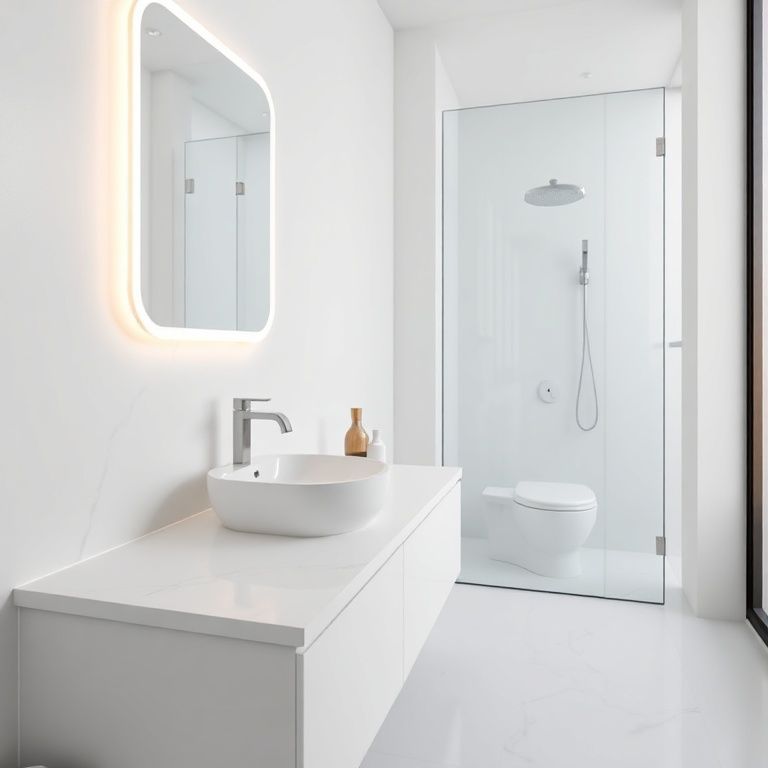
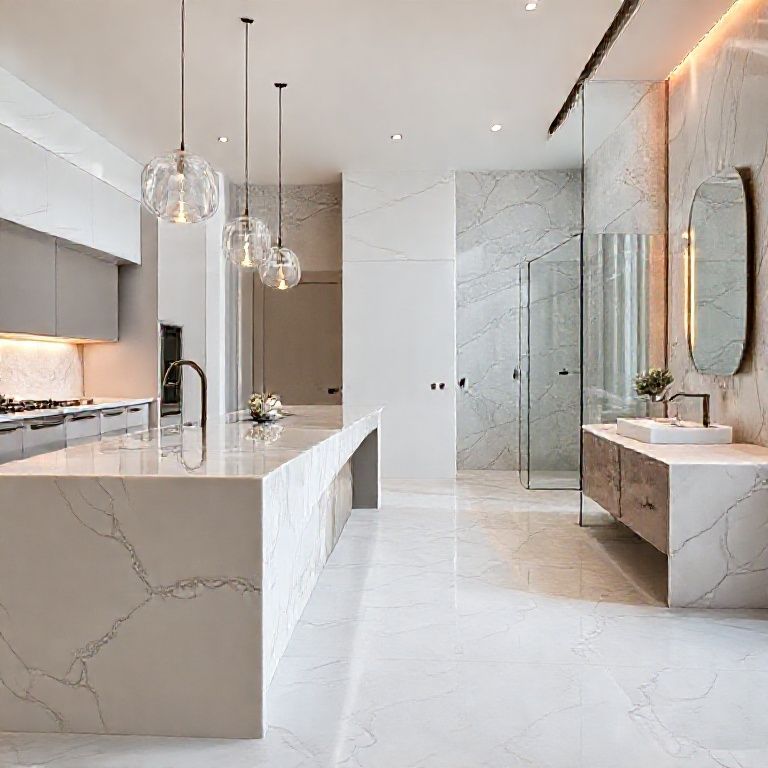
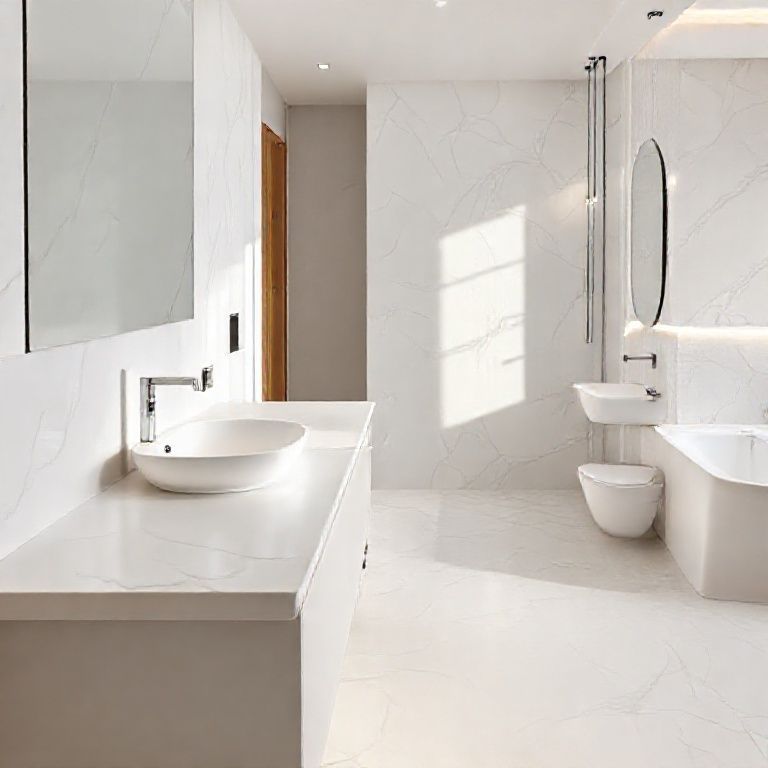
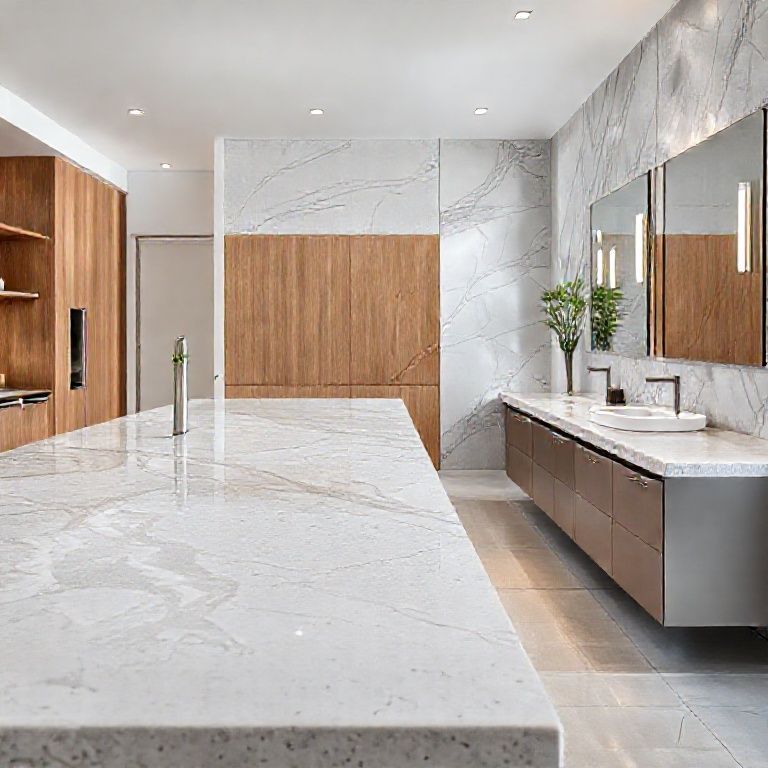
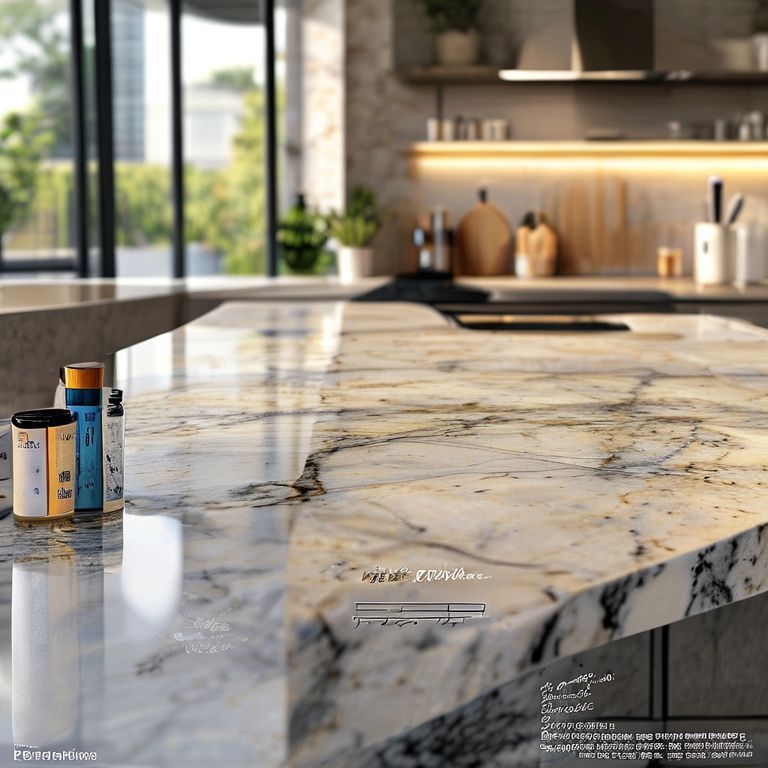
Unveiling the Hidden Disadvantages of Artificial Marble
Introduction
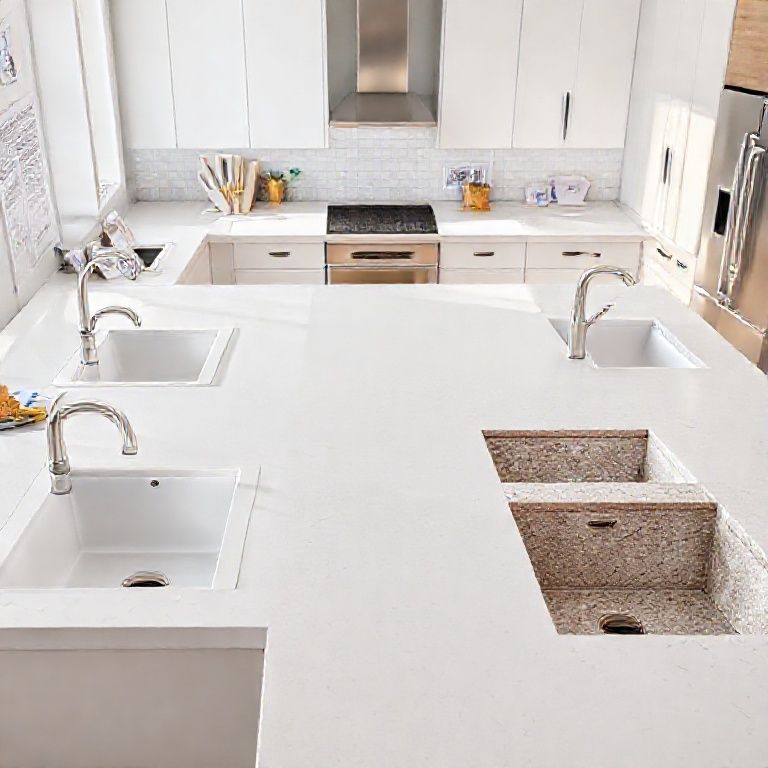
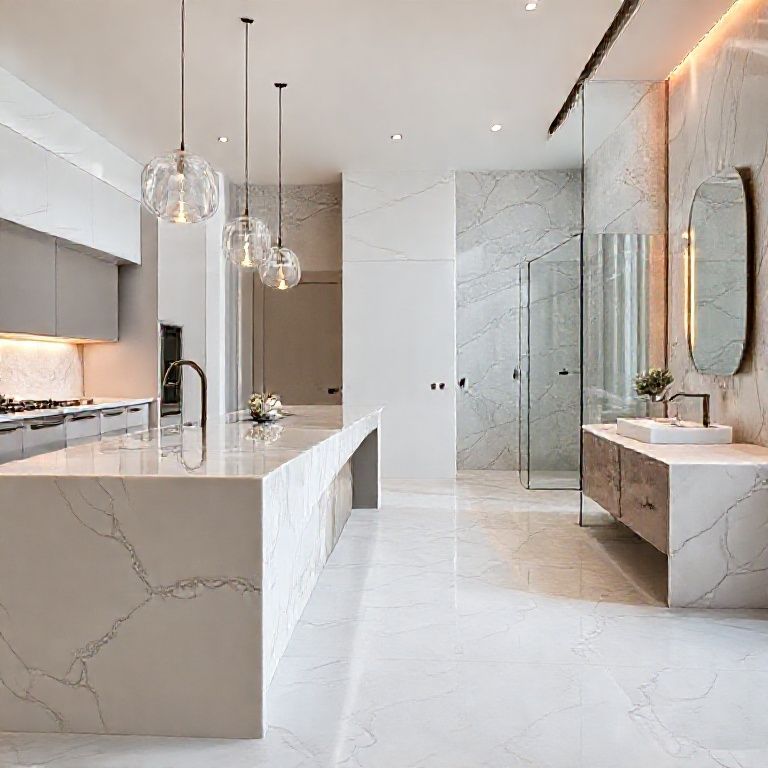
Artificial marble, often touted as a cost-effective and durable alternative to natural stone, has gained immense popularity in recent years. It offers a myriad of colors and finishes, making it a versatile option for countertops, sinks, and other decorative elements. However, beneath its glossy exterior lies a spectrum of potential pitfalls that may not be immediately apparent. In this first part of our exploration, we will uncover the ten major drawbacks of artificial marble.

1. Maintenance Challenges
One of the most significant drawbacks of artificial marble is its maintenance requirements. Unlike natural stone, which can be easily cleaned with a simple stone soap and water, artificial marble often requires specialized cleaning products to maintain its appearance. These products can be expensive and may not be readily available, making regular upkeep a hassle. Additionally, artificial marble can be prone to staining, especially if it contains pigments that fade over time.
2. Aesthetic Limitations
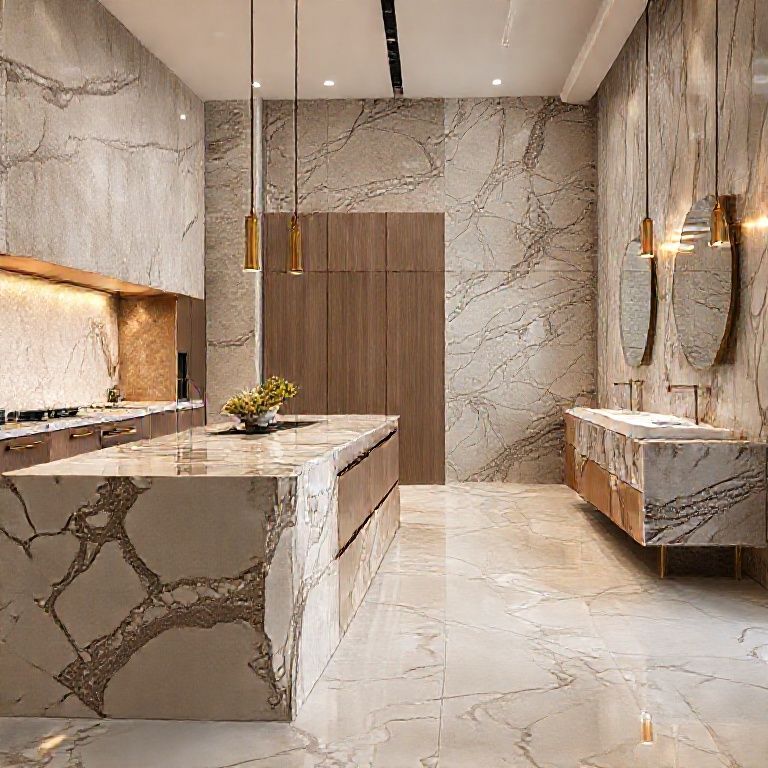
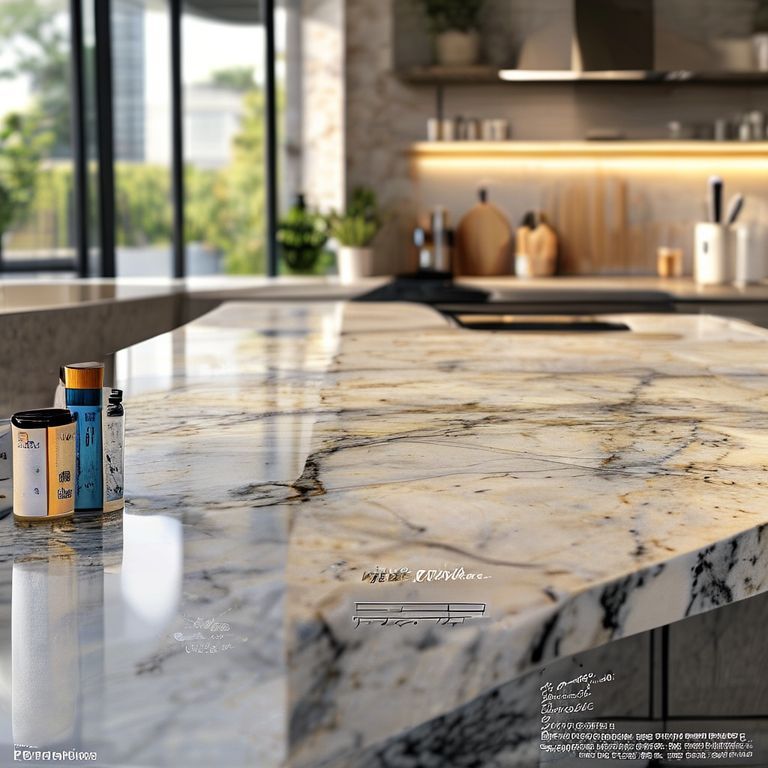
While artificial marble offers a vast array of colors and textures, it often falls short in replicating the unique beauty of natural stone. The patterns and finishes of artificial marble can sometimes appear artificial or overly manufactured, lacking the natural elegance and uniqueness that natural stone provides. This can be particularly noticeable in high-end settings where the authenticity of the material is highly valued.
3. Durability Concerns
Though marketed as a durable material, artificial marble is not immune to damage. It can be susceptible to scratches, chips, and impact damage, particularly when exposed to hard objects or heavy use. Unlike natural stone, which often develops a patina over time, artificial marble may show signs of wear more visibly, as it does not age gracefully.
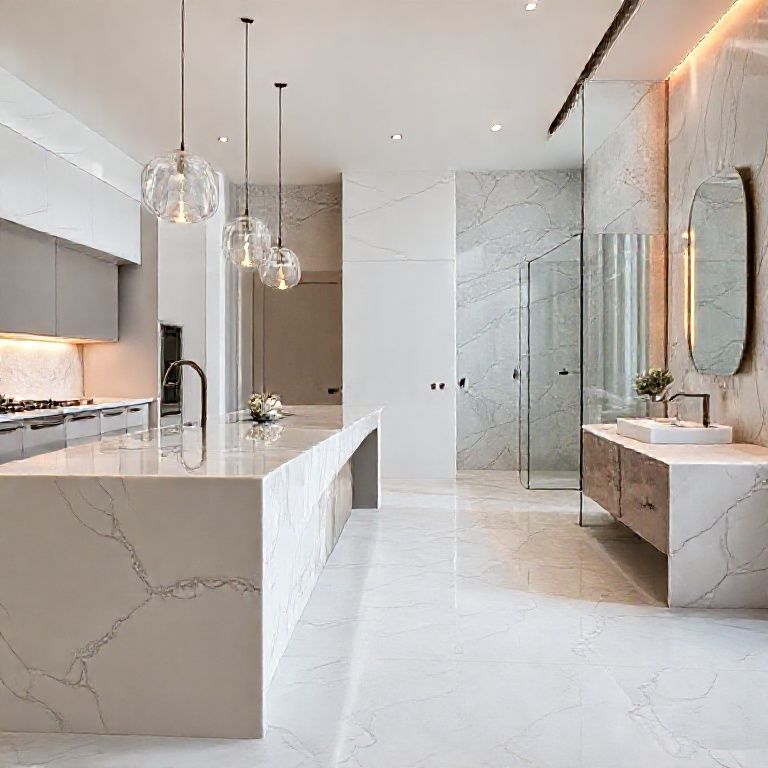
4. Health Concerns
One of the most controversial aspects of artificial marble is its chemical composition. Many artificial marbles contain a variety of synthetic resins, adhesives, and pigments, some of which may release volatile organic compounds (VOCs) into the air. While manufacturers often claim that these emissions are minimal, prolonged exposure to VOCs can pose health risks, including respiratory issues and irritation.
5. Installation Challenges
Installing artificial marble can be more complex than one might expect. It often requires a professional installer to ensure proper adhesion and alignment, which can add to the overall cost. Moreover, the installation process may involve a curing period during which the surface must remain undisturbed, adding another layer of complexity and inconvenience.
6. Limited Customization Options
While artificial marble offers a wide range of colors and finishes, the customization options are generally more limited compared to natural stone. Custom designs and intricate carvings are challenging to achieve with artificial marble, as it does not have the same malleability and workability as natural materials.
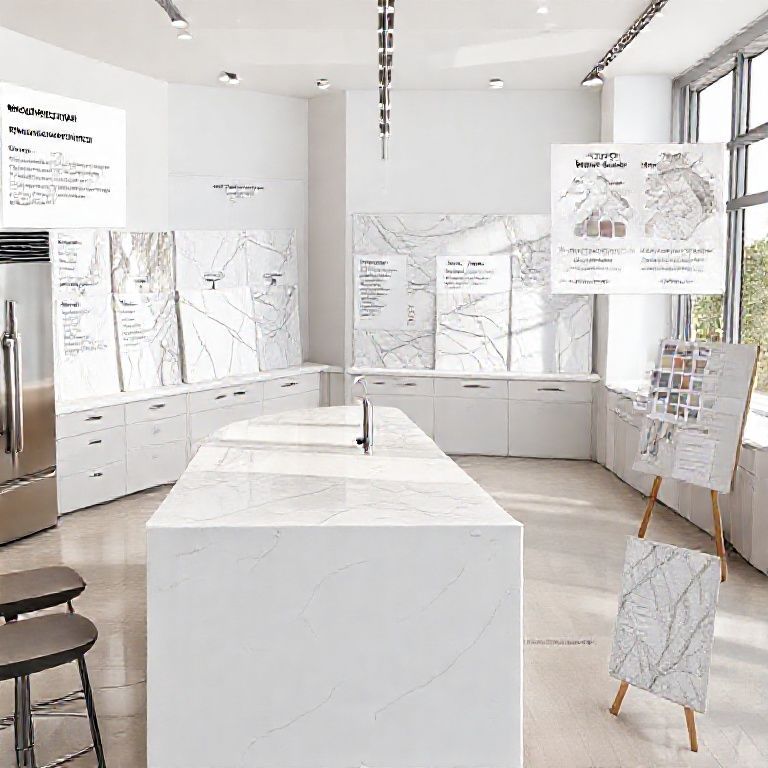
7. Environmental Impact
The production of artificial marble involves various chemical processes that can have a significant environmental impact. The extraction of raw materials, the synthesis of resins and pigments, and the manufacturing processes all contribute to pollution and resource depletion. Additionally, the disposal of artificial marble at the end of its lifecycle poses a challenge, as it does not decompose naturally.
8. Cost Inconsistencies
Although artificial marble is often marketed as a cost-effective alternative, the actual cost can vary widely depending on the quality and complexity of the design. High-quality artificial marble can be surprisingly expensive, and the additional costs for specialized maintenance products and professional installation can further inflate the price.
9. Thermal Sensitivity
Artificial marble is generally not as heat-resistant as natural stone. Prolonged exposure to high temperatures can cause the material to warp, crack, or discolor. This makes it unsuitable for use in areas where it will be frequently exposed to heat, such as under cooktops or near ovens.
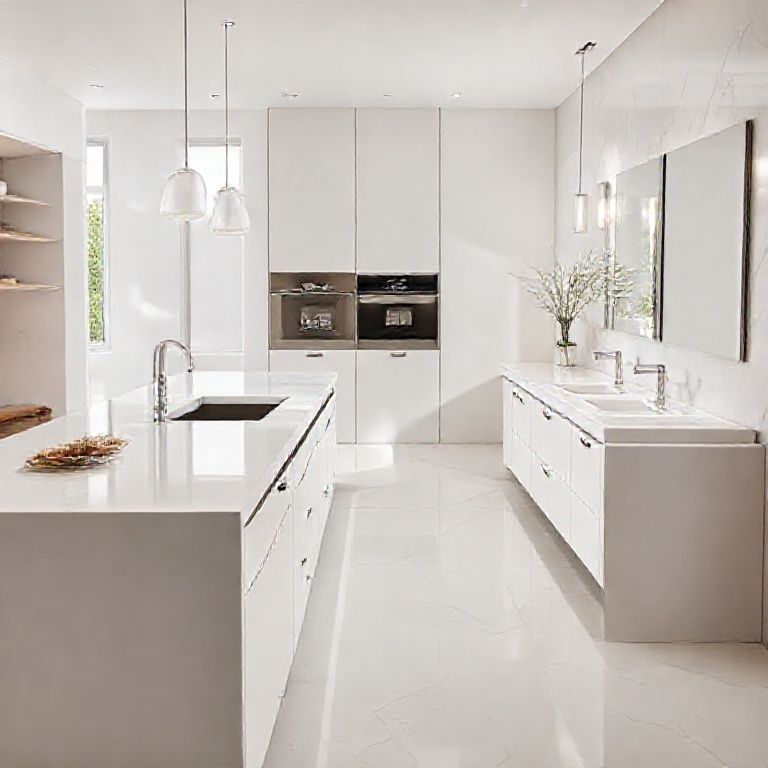
10. Warranty Limitations
While some manufacturers offer warranties on their artificial marble products, these warranties often come with significant limitations. Unlike natural stone, which typically has a more comprehensive and long-term warranty, artificial marble warranties may exclude certain types of damage or require specific maintenance to remain valid. This can leave homeowners with limited recourse in case of issues.
Conclusion
In the first part of our detailed analysis, we have uncovered the ten major drawbacks of artificial marble. From maintenance challenges and aesthetic limitations to durability concerns and health risks, it is clear that artificial marble may not be the perfect solution for every renovation project. In the next part, we will further explore additional drawbacks and provide insights into how to mitigate these issues when considering artificial marble for your next home improvement.
Addressing the Hidden Drawbacks of Artificial Marble
Introduction
Building on the first part of our exploration, this segment will delve deeper into the ten major drawbacks of artificial marble, offering a comprehensive understanding of the material’s limitations. We will also provide practical advice on how to mitigate some of these issues to make an informed decision about its use in your home or business.
1. Maintenance Challenges (Continued)
Artificial marble’s maintenance challenges extend beyond the need for specialized cleaning products. The material can also be prone to etching, where surface imperfections are created by abrasive cleaning agents. This can lead to a diminished appearance over time if not properly maintained. Moreover, the cost of these specialized products can add up, making regular upkeep an ongoing expense.
2. Aesthetic Limitations (Continued)
The aesthetic limitations of artificial marble are particularly evident in settings where natural stone’s authenticity is highly valued. While artificial marble can mimic various natural stones, it often lacks the organic imperfections that make natural stone so unique. For instance, natural stone often features unique veining and color variations that artificial marble cannot perfectly replicate. This can be a dealbreaker for clients who prioritize the natural beauty of the material.
3. Durability Concerns (Continued)
The durability concerns of artificial marble are multifaceted. While it is designed to be a durable alternative, its susceptibility to scratches, chips, and impact damage cannot be overlooked. The surface can wear down more quickly than natural stone, especially in high-traffic areas. Additionally, the material’s response to temperature changes can lead to cracking or warping, further compromising its longevity.
4. Health Concerns (Continued)
The health concerns associated with artificial marble are a significant consideration. The chemical composition of many artificial marbles can release VOCs, which are linked to various health issues. Prolonged exposure to these compounds can lead to respiratory problems, headaches, and other health concerns. While manufacturers often tout low-emission claims, it is essential to consider the long-term health impacts of these chemicals in indoor environments.
5. Installation Challenges (Continued)
The installation process for artificial marble can be more complex than anticipated. Achieving a seamless and professional-looking finish often requires specialized knowledge and tools, which can drive up labor costs. Additionally, the curing period necessary for proper adhesion and bonding can limit the flexibility of installation schedules, adding to the overall inconvenience.
6. Limited Customization Options (Continued)
The limited customization options of artificial marble are particularly evident when compared to natural stone. While it is possible to create custom designs, the material’s rigidity makes intricate carvings and detailed work challenging. This limitation can be a significant drawback for clients who desire highly personalized and detailed designs in their renovation projects.
7. Environmental Impact (Continued)
The environmental impact of artificial marble production is a critical concern. The chemical processes involved in manufacturing synthetic resins and pigments contribute to pollution and resource depletion. Additionally, the end-of-life disposal of artificial marble poses challenges, as it does not decompose naturally and may require specialized recycling processes.
8. Cost Inconsistencies (Continued)
The cost inconsistencies of artificial marble stem from the variability in quality and complexity of the material. High-quality artificial marble can be surprisingly expensive, and the additional costs for specialized maintenance products and professional installation can further inflate the price. It is essential to consider these factors to avoid unexpected expenses down the line.
9. Thermal Sensitivity (Continued)
The thermal sensitivity of artificial marble is a significant drawback, particularly in high-heat environments. Prolonged exposure to high temperatures can cause the material to warp, crack, or discolor, compromising its appearance and structural integrity. This makes it unsuitable for use in areas where it will be frequently exposed to heat, such as under cooktops or near ovens.
10. Warranty Limitations (Continued)
The warranty limitations of artificial marble can leave homeowners with limited recourse in case of issues. Unlike natural stone, which typically has comprehensive and long-term warranties, artificial marble warranties often come with significant exclusions. These limitations can leave clients feeling unsupported and without a clear path to resolving issues that may arise over time.
Conclusion
In the second part of our detailed analysis, we have further探讨了关于人造大理石的十大缺点,并提供了一些减轻这些问题的实用建议。人造大理石在现代建筑和家居设计中的广泛应用虽然带来了许多便利,但也有一些潜在的缺点。
1. 维护挑战
解决方法:尽量选择那些声称低VOC排放和易于清洁的产品。定期进行专业清洁,避免使用过于粗糙的清洁工具,以减少划痕和磨损。 实用建议:保持清洁,尽早处理溢出或泄漏,以防止长期污渍。
2. 美学局限
解决方法:对于追求高美学价值的项目,可以考虑使用高质量的人造大理石,并与设计师合作,以实现最接近自然石的外观效果。 实用建议:在选择前,多看看不同款式和颜色,确保与整体设计风格相协调。
3. 耐久性问题
解决方法:选择高质量、耐用的人造大理石品牌,并在安装前仔细检查其耐刮擦和抗撞击等指标。 实用建议:避免在表面放置尖锐物品,以减少划伤和损坏。
4. 健康风险
解决方法:选择那些声称低VOC和环保认证的产品。如果可能,在安装后进行通风,以减少室内污染。 实用建议:在使用人造大理石前,仔细阅读材料的安全信息,并采取适当的防护措施。
5. 安装复杂性
解决方法:聘请专业人员进行安装,以确保产品的正确铺设和固定。在安装前仔细阅读安装手册,了解所有必要的准备步骤。 实用建议:在选择安装团队时,确保其有丰富的经验和良好的口碑。
6. 定制化选项有限
解决方法:与设计师合作,以实现最接近定制化需求的解决方案。在设计阶段,尽可能详细地表达个性化需求,以便设计师提供最佳方案。 实用建议:在设计和选择材料时,考虑可调整性和未来可能的改动。
7. 环境影响
解决方法:选择那些声称环保和可持续生产的品牌。在材料选择和使用过程中,尽量减少对环境的负面影响。 实用建议:了解和支持那些致力于环境保护和可持续发展的公司和项目。
8. 成本不一致
解决方法:在选择产品时,仔细比较不同品牌和型号的价格和性能。了解每个产品的具体成分和制造工艺,以便做出更明智的选择。 实用建议:在预算范围内寻找性价比最高的产品,并留意特别促销或优惠活动。
9. 热敏感性
解决方法:在设计和布局时,尽量避免将人造大理石放置在高温区域。在可能的情况下,选择具有更高热稳定性的产品。 实用建议:安装隔热材料或使用冷却系统,以减少高温对人造大理石的影响。
10. 保修限制
解决方法:仔细阅读产品保修条款,了解保修范围和不在保修范围内的情况。在购买前,确保了解保修期限和索赔流程。 实用建议:保存所有购买凭证和保修文件,以便在需要时进行索赔。
通过理解和应对这些缺点,你可以更好地利用人造大理石的优势,同时尽量减少其可能带来的问题。无论是在家庭装修还是商业项目中,综合考虑这些因素将有助于实现更加满意的设计和使用体验。