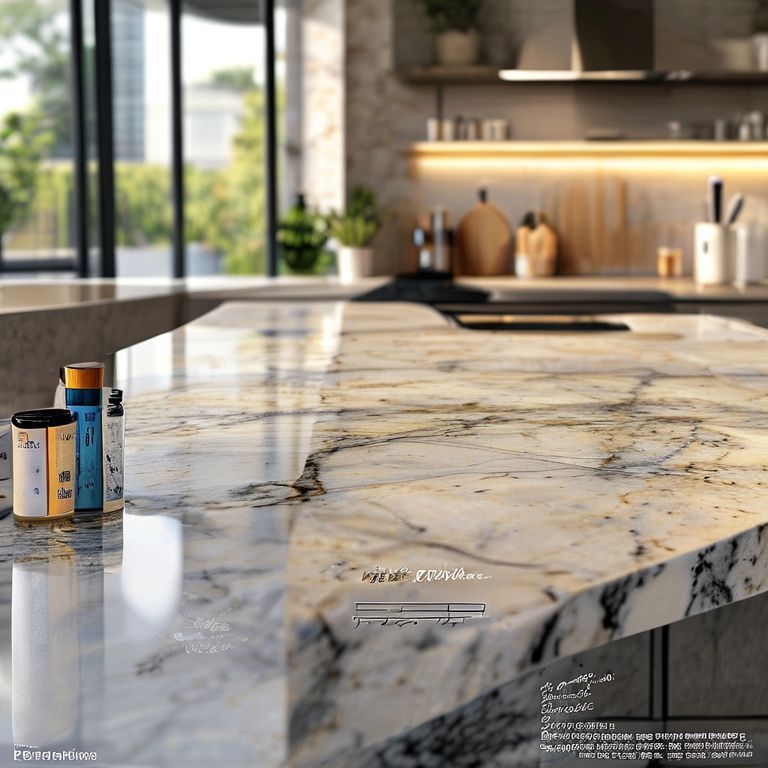
The Ten Major Downsides of Synthetic Marble: Unveiling the First Five Concerns
When it comes to interior design and home renovation, synthetic marble often stands out due to its alluring aesthetics and perceived durability. It’s a material that promises a luxurious appearance while being more cost-effective than natural marble. However, beneath its polished exterior, synthetic marble has several significant drawbacks that should be carefully considered.

1. Limited Longevity and Wear Resistance
While synthetic marble can last for decades, its longevity is often overshadowed by natural marble. The composite materials used in synthetic marble can wear down faster than natural stone, especially in high-traffic areas. Over time, the surface can scratch, chip, and dull, leading to an unappealing appearance that requires costly repairs or replacement. In contrast, natural marble has a timeless quality that retains its beauty over centuries.
2. Susceptibility to Stains and Discoloration
One of the most significant issues with synthetic marble is its vulnerability to stains and discoloration. Unlike natural marble, which develops a patina over time, synthetic marble can quickly show the effects of spills and spills from acidic substances like wine, coffee, and juice. These stains can be difficult to remove, and in some cases, permanent, leading to a diminished aesthetic appeal. Regular cleaning and protective coatings can mitigate this issue, but they come with additional costs.
3. Environmental Impact
The production process of synthetic marble involves various chemicals and energy-intensive processes, contributing to its environmental footprint. The manufacturing of composite materials releases greenhouse gases and other pollutants, making it a less eco-friendly choice compared to natural stone. Additionally, the disposal of synthetic marble at the end of its life cycle poses a challenge, as it often ends up in landfills where it can take a long time to decompose.
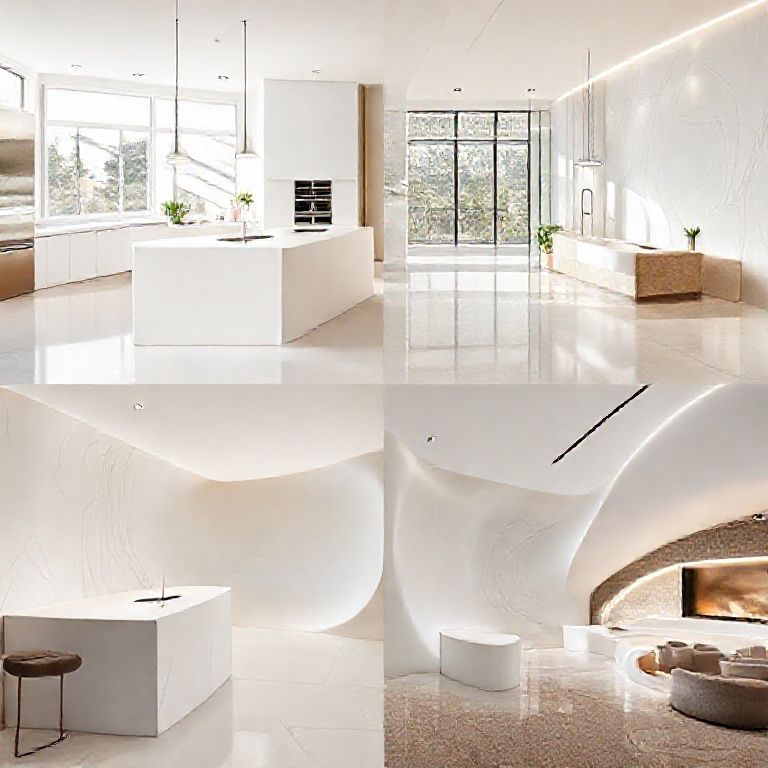
4. Limited Customization Options
While synthetic marble can be molded into various shapes and sizes, its customization options are more limited compared to natural marble. The inherent properties of synthetic materials mean that achieving the exact color and pattern can be challenging. This limitation can be a drawback for those seeking a highly personalized design. Natural marble, on the other hand, offers a unique and irreplaceable beauty that can be tailored to specific aesthetic needs.
5. Thermal Conductivity
Synthetic marble has poor thermal conductivity compared to natural marble. When exposed to heat, synthetic marble can warp, crack, or even catch fire if not properly managed. This makes it a less suitable option for kitchen countertops and other areas where heat is a constant factor. Natural marble, with its superior thermal properties, is generally a safer choice for high-heat applications.
In the next part of this series, we will continue to explore the remaining five major downsides of synthetic marble, providing a comprehensive overview to help you make an informed decision about your next renovation project.
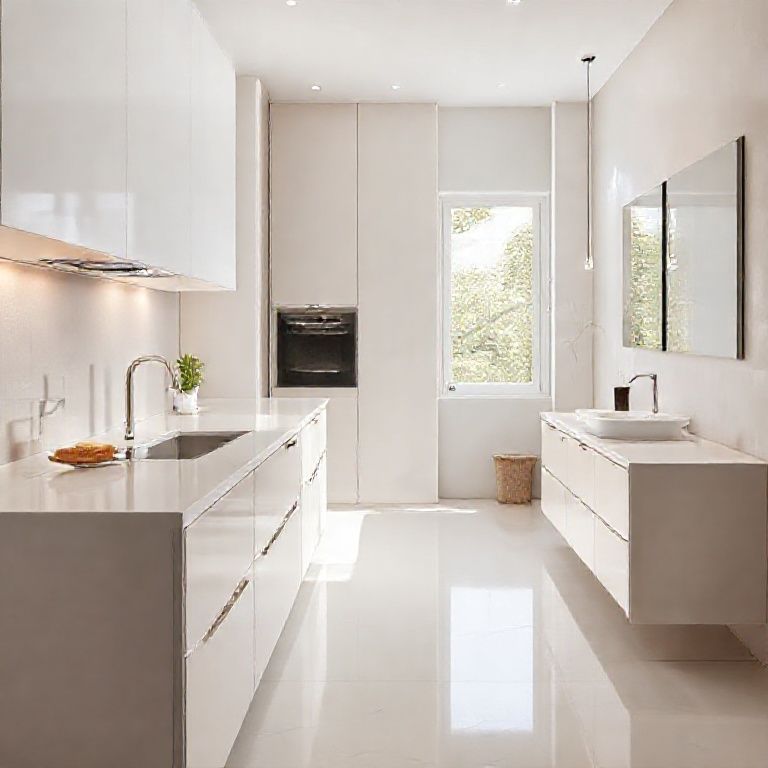
The Ten Major Downsides of Synthetic Marble: Exploring the Remaining Five Concerns
Building on our initial discussion of synthetic marble’s limitations, this second part delves into the remaining five significant drawbacks that often go unnoticed. Understanding these concerns can help you make a more informed decision when choosing between synthetic and natural marble.
6. Chemical Resistance Issues
Synthetic marble often struggles with chemical resistance, especially when exposed to harsh cleaning agents and solvents. Unlike natural marble, which can develop a protective layer over time, synthetic marble can break down when exposed to certain chemicals. This susceptibility can lead to surface degradation and an unsightly appearance, requiring frequent maintenance and potentially leading to the need for replacement.
7. Health Concerns
The production of synthetic marble involves the use of various binders, resins, and pigments, some of which may release volatile organic compounds (VOCs) during manufacturing and when in use. These VOCs can contribute to indoor air pollution, posing health risks such as respiratory issues and headaches. Although manufacturers often claim low VOC levels, the potential for off-gassing remains a concern. Natural stone, in contrast, generally has a lower VOC emission, making it a safer option for indoor environments.
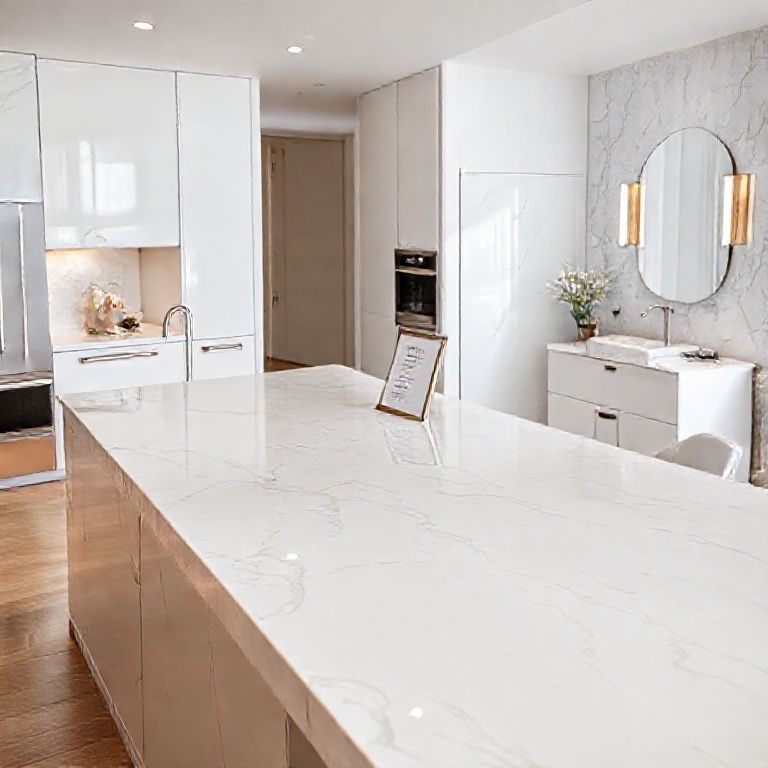
8. Poor Resistance to High Pressure
Synthetic marble is not as resilient to high-pressure impacts as natural marble. When subjected to heavy objects or sharp impacts, synthetic marble can easily crack or shatter, leading to significant damage. This makes it less suitable for high-traffic areas where durability is paramount. Natural marble, with its inherent toughness and ability to withstand pressure, offers superior performance in such settings.
9. Inconsistent Quality and Standards
The quality of synthetic marble can vary significantly depending on the manufacturer and the specific product. Unlike natural marble, which adheres to consistent geological standards, synthetic marble can have inconsistent properties, including color, texture, and durability. This inconsistency can lead to quality issues, requiring careful selection of suppliers and products to ensure a reliable and long-lasting finish.
10. Aesthetic Limitations
While synthetic marble can mimic the look of natural marble to a certain extent, it often falls short in replicating the unique beauty and character of natural stone. The natural veins, color variations, and imperfections found in natural marble are difficult to replicate in synthetic materials. This can result in a somewhat artificial appearance that may not appeal to those seeking a more authentic and organic aesthetic.
In conclusion, while synthetic marble offers certain advantages in terms of cost and design flexibility, it is essential to weigh these against its significant downsides. From longevity and chemical resistance to health concerns and aesthetic limitations, a thorough understanding of these drawbacks can help you make a well-informed decision about the best material for your renovation needs. Whether opting for synthetic marble or exploring alternatives like natural stone, careful consideration of these factors will ensure a more satisfying and durable outcome.
By understanding both the benefits and drawbacks of synthetic marble, you can make a more informed decision that aligns with your aesthetic, functional, and environmental priorities.