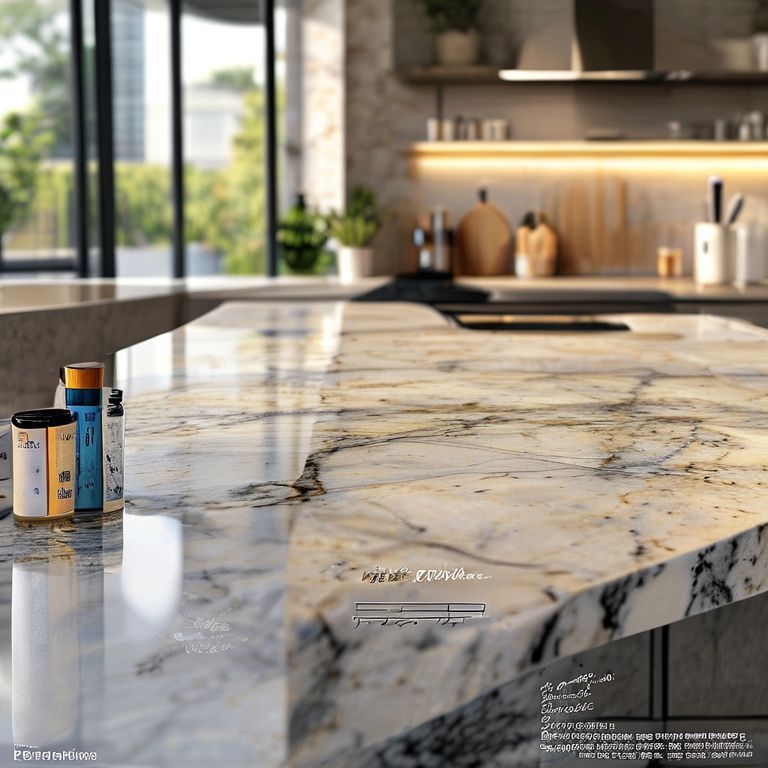
The Ten Major Downsides of Artificial Marble: Unveiling the Hidden Truths (Part 1)
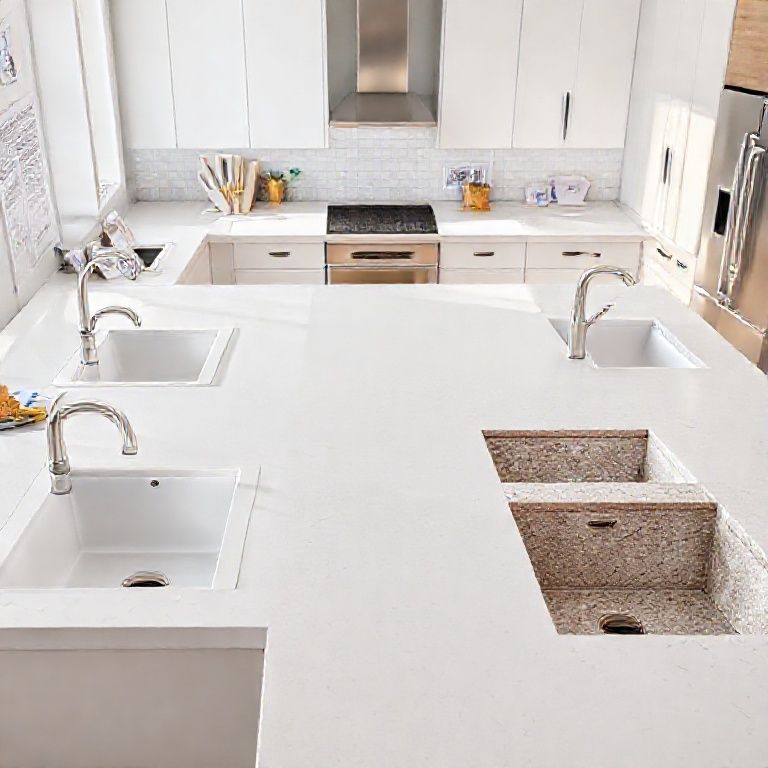
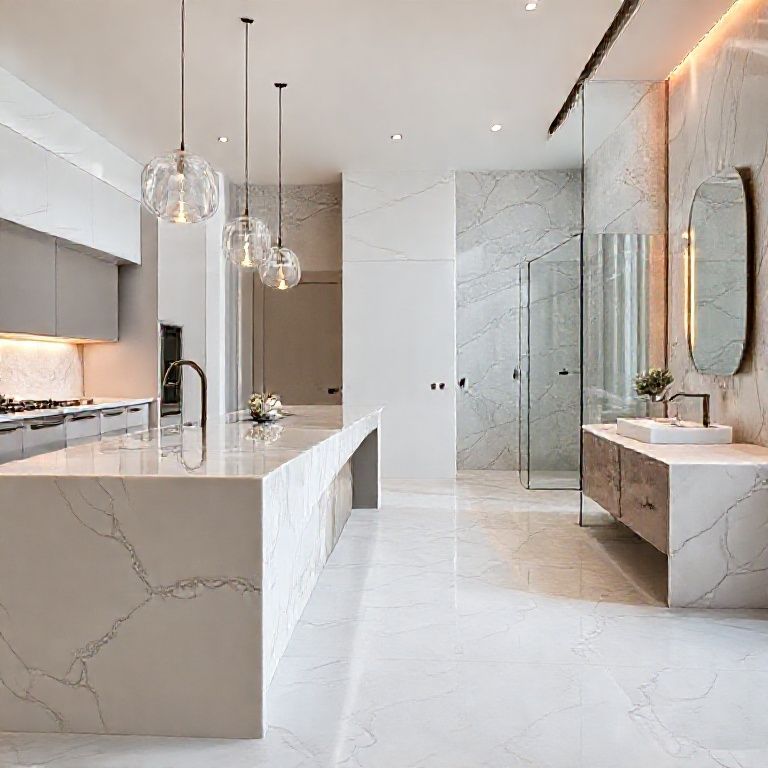
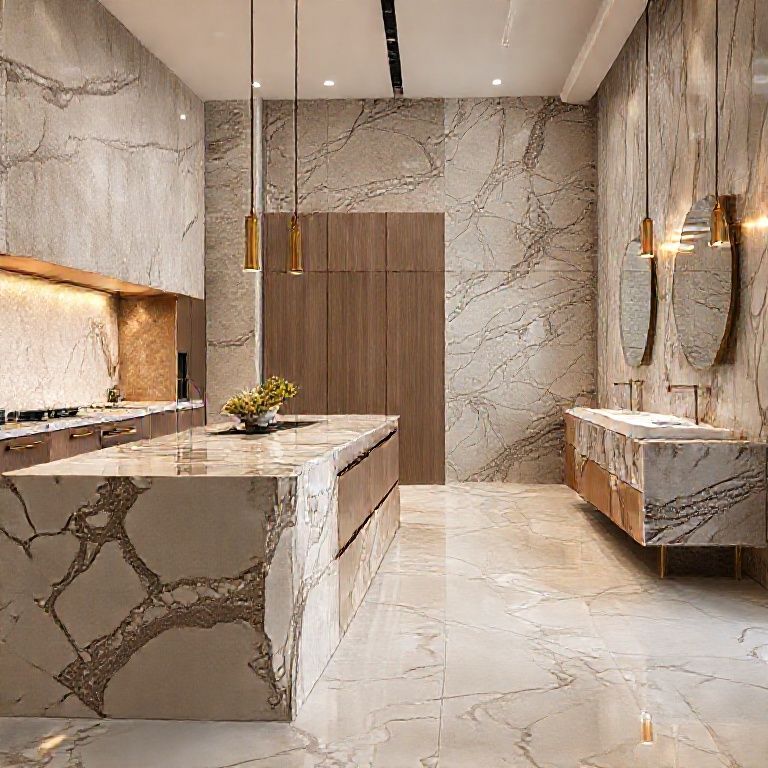
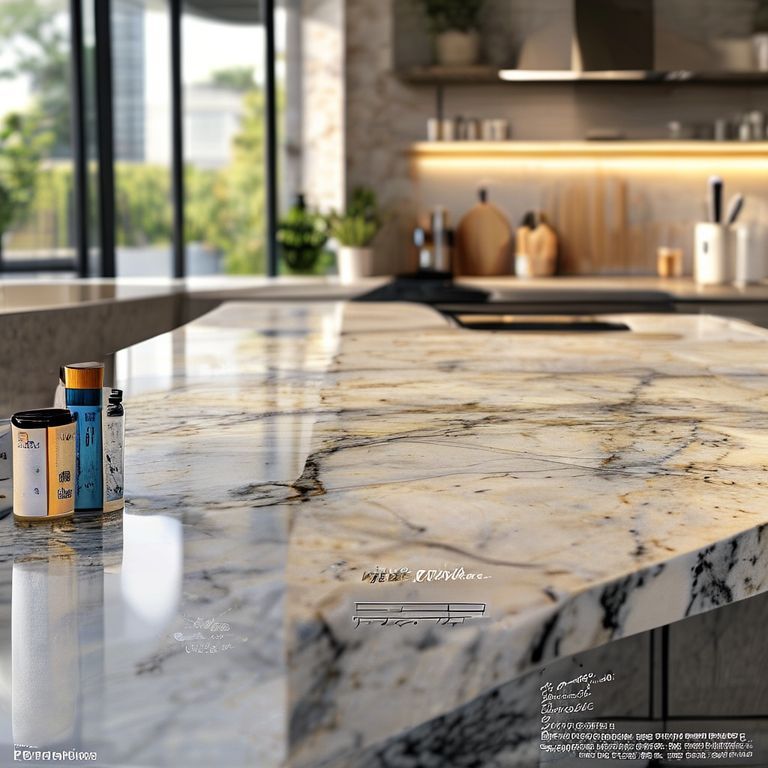
Artificial marble has been a popular choice for countertops, sinks, and other decorative surfaces due to its realistic appearance and relatively low cost. However, beneath its appealing exterior, there lie several significant downsides that many homeowners and designers may not be fully aware of. In this first part of our exploration, we will highlight ten major drawbacks of artificial marble that could impact the longevity and functionality of your space.

1. Limited Durability and Scratch Resistance
While artificial marble mimics the aesthetic of natural marble, it lacks the inherent durability of its natural counterpart. Artificial marble is typically composed of a composite material that includes resin, pigments, and other additives. This composition means it can be more susceptible to scratches, chips, and other forms of damage when compared to traditional marble.
2. Thermal Damage
One significant concern with artificial marble is its vulnerability to thermal damage. Unlike natural stone, which can withstand high temperatures, artificial marble can crack or warp when exposed to extreme heat. This makes it unsuitable for use in areas where hot cookware or oven trays are frequently placed.
3. Abrasive Damage
The surface of artificial marble can be easily marred by abrasive materials such as metal utensils, cutting boards, and even certain cleaning agents. Over time, this can lead to a pitted or scratched surface that diminishes its aesthetic appeal.
4. Limited Color Options
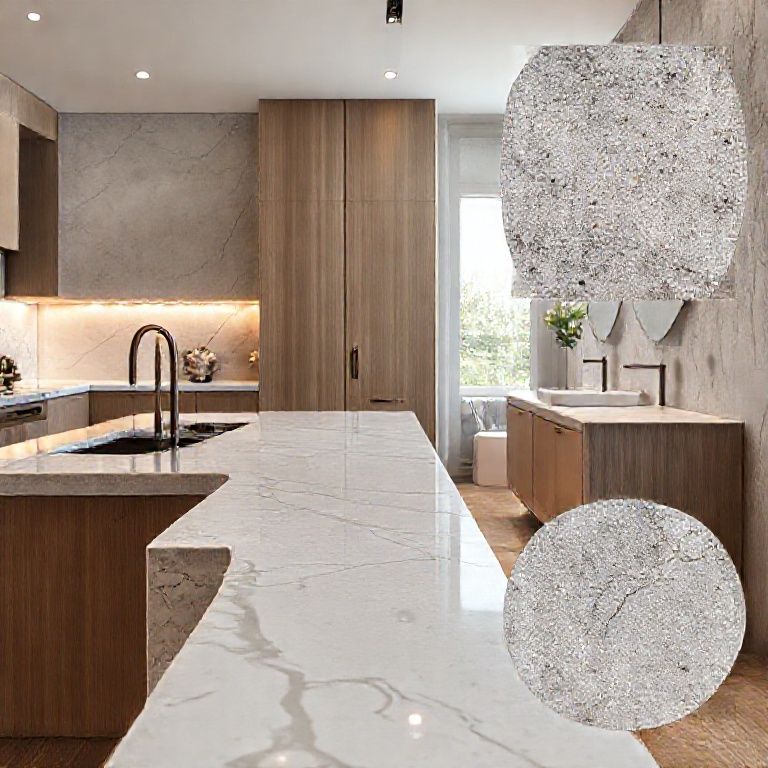
While artificial marble can be engineered to mimic the look of natural marble, it often falls short in replicating the full range of colors and patterns found in natural stone. The color consistency can also vary between batches, leading to a less uniform appearance.
5. Moisture Sensitivity
Artificial marble can absorb moisture over time, which can lead to staining and warping. Unlike natural stone, which has a more consistent and impermeable surface, artificial marble can be more prone to discoloration when exposed to liquids.
6. Environmental Concerns
The production process for artificial marble involves the use of various synthetic materials and chemicals, which can have environmental impacts. From manufacturing waste to the release of volatile organic compounds (VOCs), the environmental footprint of artificial marble can be significant.
7. Poor Chemical Resistance
Artificial marble is not as resistant to acids and other chemicals as natural marble. Items like citrus juices, vinegar, and certain cleaning products can cause discoloration and degradation of the surface over time.
8. Uneven Surface and Installation Challenges
Artificial marble often has a more uneven surface compared to natural marble, which can make it challenging to work with during installation. The uneven texture can also make it harder to achieve a polished finish, leading to aesthetic imperfections.
9. Warranty Limitations
While manufacturers often offer warranties for artificial marble products, these warranties typically have limitations compared to those offered for natural stone. The warranty may cover only certain types of damage, leaving users unprotected against some of the specific downsides we’ve discussed.
10. Aesthetic Limitations
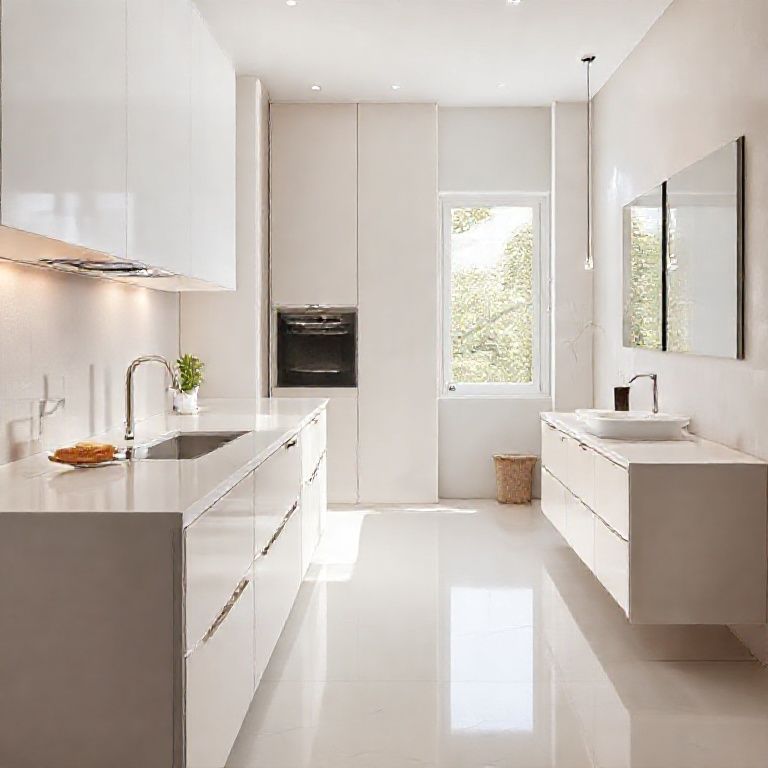
Despite its realistic appearance, artificial marble often lacks the natural beauty and unique character of natural stone. The uniformity and predictability of artificial marble can make it less appealing for those looking for a more distinctive and organic look.
In the next part of this series, we will delve into additional environmental and health-related concerns, as well as provide practical tips on how to mitigate some of the downsides associated with artificial marble.
The Ten Major Downsides of Artificial Marble: Unveiling the Hidden Truths (Part 2)
Continuing our comprehensive exploration of artificial marble, we will now focus on the environmental, health-related concerns, and practical tips that can help mitigate some of the issues we’ve already discussed. Understanding these aspects can aid you in making more informed decisions when choosing materials for your home or commercial space.
1. Environmental and Health-Related Concerns
One of the most significant concerns regarding artificial marble is its environmental impact. The production process often involves the use of synthetic materials and chemicals, which can lead to the release of volatile organic compounds (VOCs). These compounds not only contribute to air pollution but can also pose health risks, including respiratory issues and other long-term health effects.
2. Long-Term Environmental Impact
The extraction and manufacturing processes associated with artificial marble can result in considerable waste and resource depletion. Unlike natural stone, which can be mined sustainably, the lifecycle of artificial marble involves the continuous use of synthetic materials, contributing to ongoing environmental degradation.
3. Health Risks from Chemical Leaching
Certain chemicals used in the production of artificial marble can leach into the environment over time. These chemicals can contaminate water sources and soil, posing risks to both ecosystems and human health. Additionally, indoor air quality can be affected by the off-gassing of chemicals from artificial marble surfaces.
4. Limited Recycling Options
Unlike some natural materials, artificial marble does not have straightforward recycling options. The composite nature of the material makes it difficult to recycle efficiently, leading to increased waste and environmental impact. This lack of recycling options further compounds the environmental downsides of artificial marble.
5. Odor and VOC Emissions
New installations of artificial marble can emit strong odors due to the release of VOCs from the materials used in its production. These odors can linger in a space for an extended period, creating discomfort for occupants and impacting indoor air quality.
6. Inadequate Resistance to Harsh Chemicals
Artificial marble’s poor chemical resistance means it is susceptible to damage from household cleaning products, acids, and other harsh chemicals. Over time, this can lead to significant deterioration of the surface, requiring costly repairs or replacements.
7. Reduced Aesthetic Versatility
While artificial marble can mimic natural stone to some extent, it lacks the versatility and natural beauty found in true marble. The limited color options and uniformity can make it less appealing for those seeking a more unique and natural aesthetic.
8. Higher Maintenance Requirements
Maintaining artificial marble often requires specific cleaning products and techniques to prevent damage and maintain its appearance. This can add to the upkeep burden, requiring regular attention to avoid the downsides related to scratches, chips, and chemical reactions.
9. Potential for Surface Damage
The surface of artificial marble can be easily marred by everyday activities. Items such as metal utensils, cutting boards, and even certain cleaning agents can cause surface damage, leading to a less durable and aesthetically pleasing finish over time.
10. Limited Longevity
While artificial marble can be durable under normal conditions, its overall longevity is often limited compared to natural stone. Factors such as thermal damage, chemical resistance, and susceptibility to scratching can significantly reduce its lifespan, leading to more frequent replacements and associated costs.
Practical Tips to Mitigate Downsides
1. Choose High-Quality Products
Opt for high-quality artificial marble products that use better materials and manufacturing techniques. Look for products with enhanced durability, scratch resistance, and chemical resistance to mitigate some of the downsides.
2. Proper Installation and Maintenance
Ensure proper installation by qualified professionals to avoid surface imperfections and installation challenges. Regular maintenance, using recommended cleaning products and techniques, can help maintain the appearance and longevity of artificial marble surfaces.
3. Avoid Extreme Heat
To prevent thermal damage, avoid placing hot items directly on artificial marble surfaces. Use trivets or pot holders to protect the surface from high temperatures.
4. Use Protective Pads
Place cutting boards, utensils, and other items on protective pads to minimize scratches and abrasions on the surface of artificial marble.
5. Monitor VOC Emissions
When installing artificial marble, ensure proper ventilation to reduce VOC emissions. This can help improve indoor air quality and minimize lingering odors.
6. Consider Eco-Friendly Alternatives
If environmental concerns are a significant factor, explore eco-friendly alternatives to artificial marble. Materials such as reclaimed wood, bamboo, or other sustainable options can provide aesthetic appeal while being more environmentally friendly.
By understanding and addressing these ten major downsides, you can make more informed decisions about the use of artificial marble in your renovation projects. Balancing aesthetics, durability, and environmental impact will help you achieve a functional and sustainable outcome.
In conclusion, while artificial marble offers an appealing and cost-effective alternative to natural stone, it is essential to be aware of its limitations and downsides. By considering both the practical and environmental aspects, you can make better-informed choices that align with your needs and values.