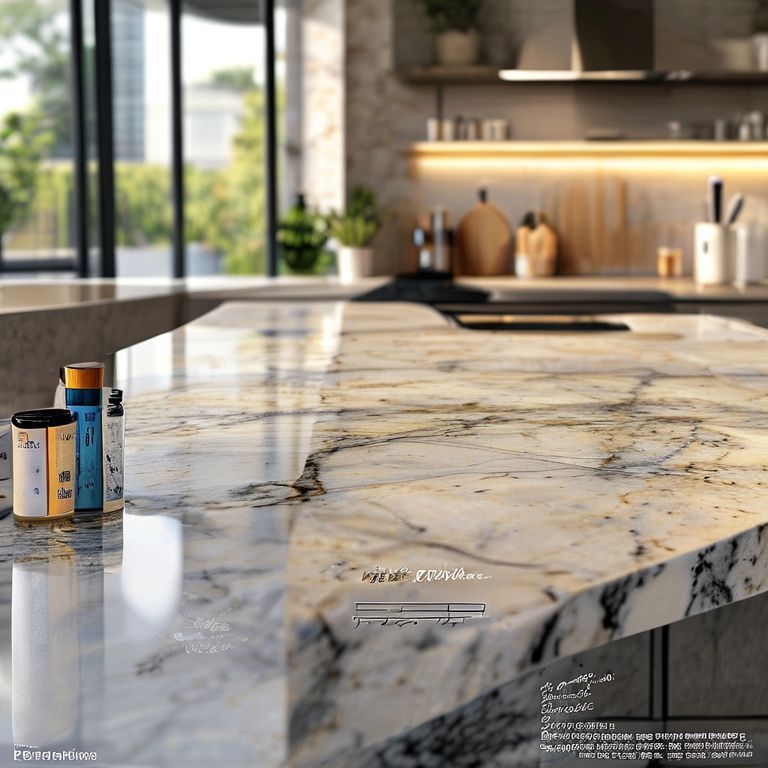
Exploring the nuanced distinctions between synthetic marble and natural marble is essential for anyone looking to make an informed choice for their home or business. This comprehensive guide delves into the characteristics, advantages, and applications of both types of marble, offering valuable insights to help you choose the best material for your needs. Read on to discover why understanding these differences can make all the difference in your design decisions.

synthetic marble, natural marble, marble differences, artificial marble, marble vs natural marble, durability marble, cost-effectiveness marble, design options marble, maintenance marble, installation marble
The Subtle Differences Between Synthetic Marble and Natural Marble
In the world of high-end interior design and architecture, marble remains one of the most revered and sought-after materials for both aesthetic appeal and durability. However, not all marble is created equal. This brings us to an intriguing comparison: synthetic marble and natural marble. Understanding their subtle differences can help you make an informed decision, whether you’re designing a kitchen, bathroom, or an upscale office space.
What is Synthetic Marble?
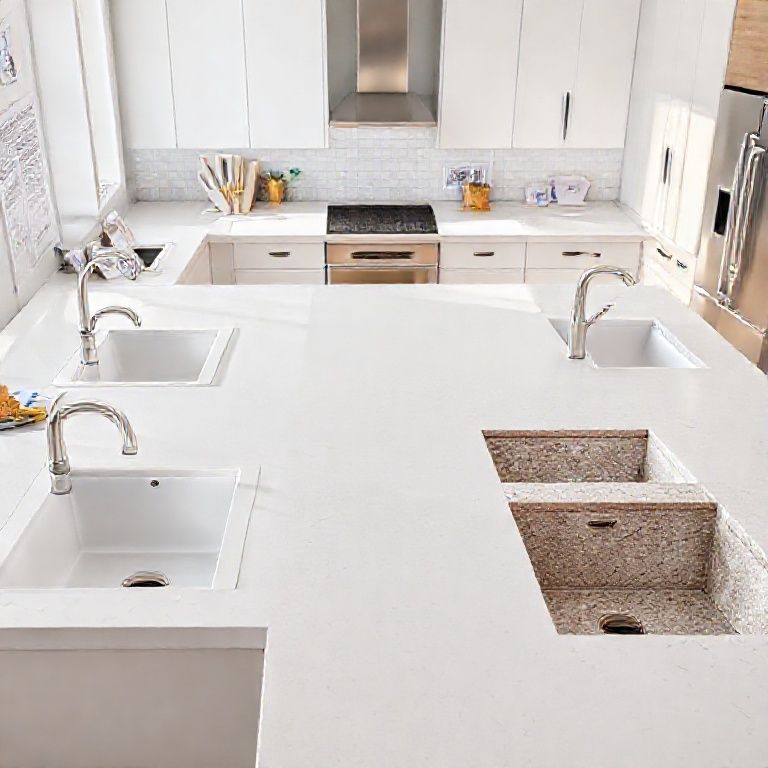
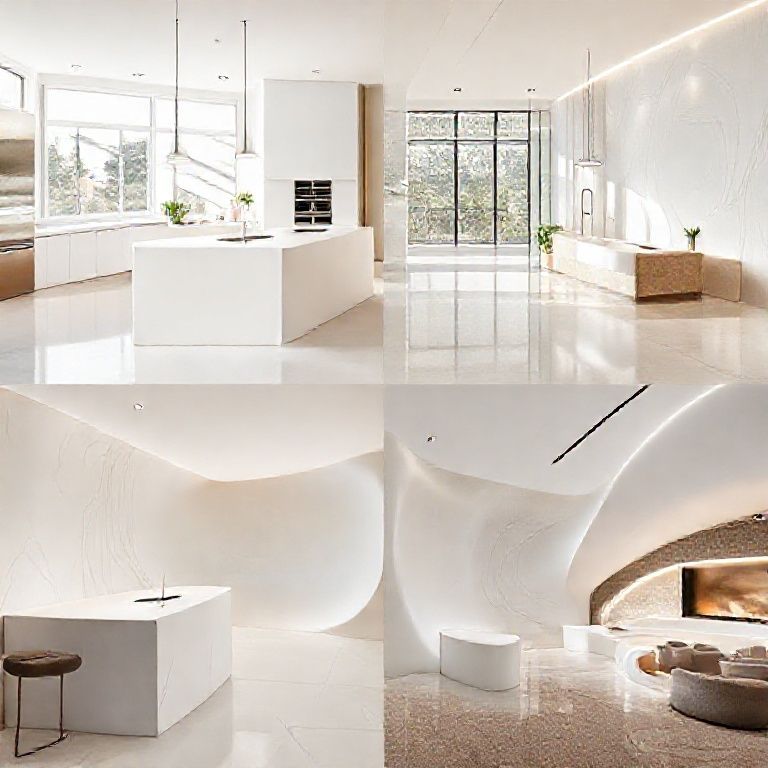
Synthetic marble, also known as artificial marble or cultured marble, is a composite material made from a mixture of minerals, resin, and pigments. It is crafted in factories under controlled conditions, allowing designers and homeowners to achieve specific colors and patterns that mimic natural marble. The process involves bonding crushed stone, such as calcite or dolomite, with resin to create a solid material. Once the mixture is poured into molds and allowed to cure, the result is a durable and aesthetically pleasing material that can replicate the look of natural marble.
What is Natural Marble?
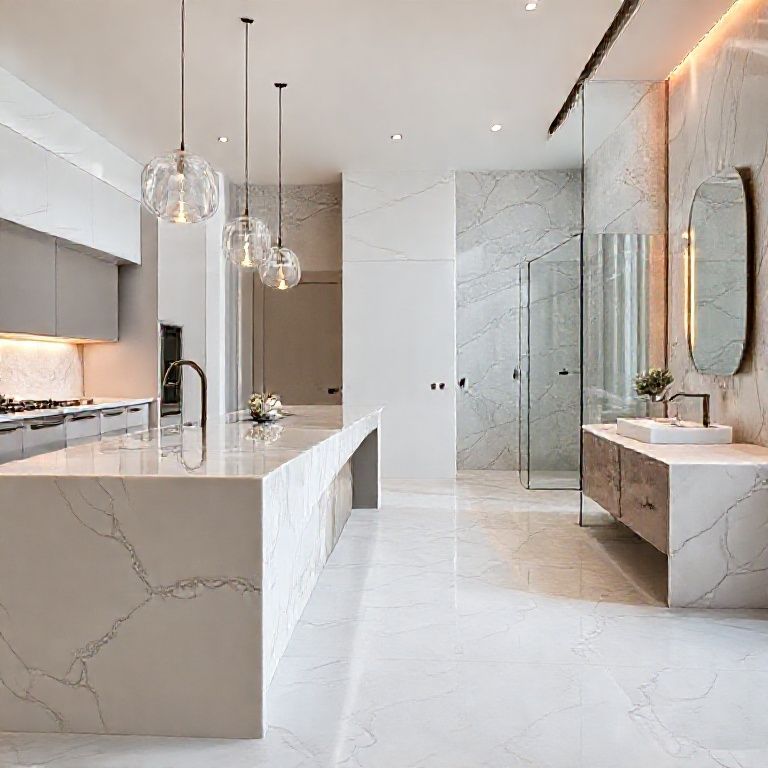
Natural marble, on the other hand, is a metamorphic rock that is formed when limestone is subjected to intense heat and pressure over millions of years. This process recrystallizes the limestone, resulting in the beautiful and unique patterns and colors found in natural marble. Each piece of natural marble is distinct, with no two slabs being exactly alike. This uniqueness is one of the reasons why natural marble has been prized for centuries for its elegance and timeless beauty.
Durability and Maintenance
When it comes to durability, synthetic marble often edges out natural marble. This is largely due to the controlled manufacturing process that eliminates impurities and inconsistencies found in natural stone. Synthetic marble is highly resistant to scratches, stains, and heat, making it a practical choice for high-traffic areas. In contrast, natural marble can be susceptible to acid stains and requires regular sealing to maintain its appearance and longevity.
Maintenance of synthetic marble is relatively straightforward. It requires minimal upkeep, typically involving simple cleaning with a damp cloth and mild soap. On the other hand, natural marble needs more careful handling. It must be cleaned with pH-neutral cleaners to avoid damage and should be regularly sealed to protect against staining.
Cost-Effectiveness
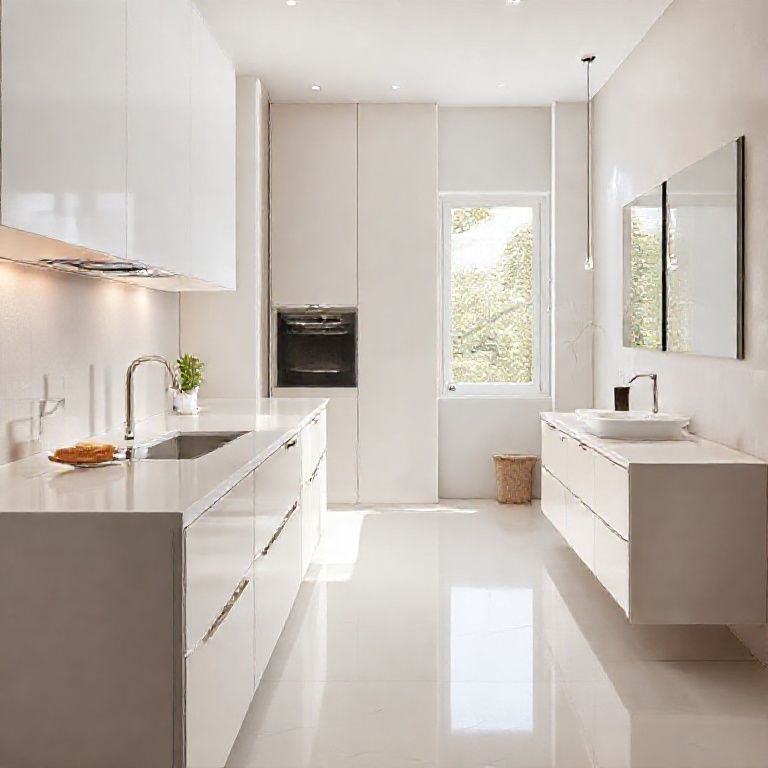
Another significant advantage of synthetic marble is its cost-effectiveness. Due to the controlled manufacturing process and the use of less expensive materials, synthetic marble is generally more affordable than natural marble. This makes it an attractive option for homeowners and businesses looking for a luxurious look without the premium price tag.
In contrast, natural marble, with its unique and one-of-a-kind qualities, tends to be more expensive. The cost can vary widely based on the type of marble, its rarity, and the complexity of its patterns. High-end varieties like Italian Carrara marble can be particularly costly.
Design Flexibility
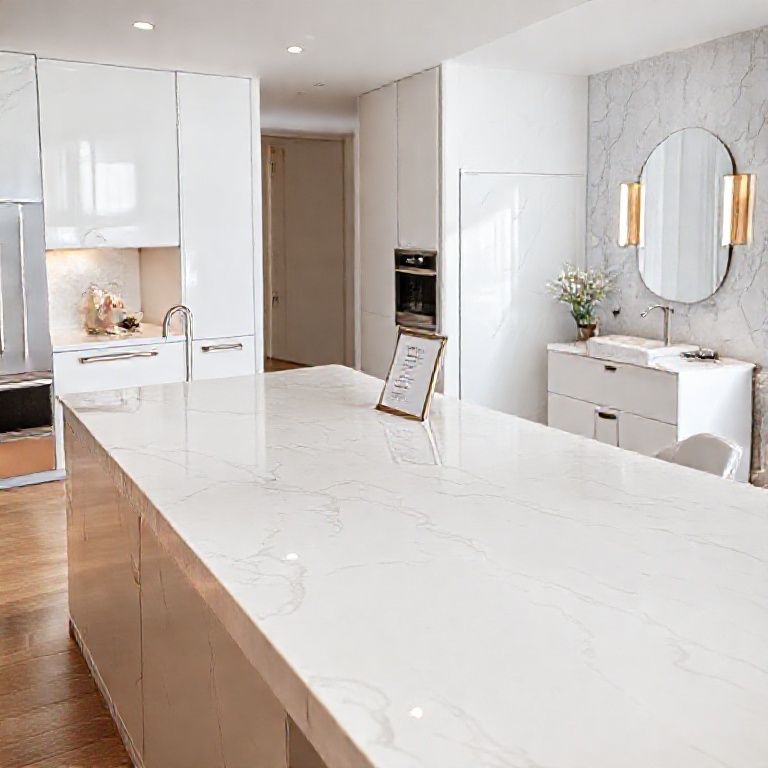
Synthetic marble offers unparalleled design flexibility. It can be molded into almost any shape or size and can mimic the appearance of a wide range of natural stones, including granite, quartz, and even wood. This flexibility allows designers to push creative boundaries and create unique, custom designs that would be difficult or impossible to achieve with natural marble.
Natural marble, while beautiful in its own right, has more limitations in terms of design. While it can be cut into various shapes and sizes, the inherent variability means that achieving consistent patterns and colors can be challenging. Moreover, natural marble slabs are typically larger, which can limit design options in smaller spaces.
Installation
The installation process for synthetic marble is generally simpler and faster. Since it is a solid, homogeneous material, it can be cut and installed with standard tools and techniques. Additionally, synthetic marble can be used for a variety of applications, including countertops, sinks, tiles, and even bathtubs, with relatively straightforward installation processes.
Natural marble, while aesthetically stunning, requires more specialized installation techniques. It is often installed by skilled craftsmen who can cut and shape the stone to fit specific designs. The process can be labor-intensive and time-consuming, particularly for intricate patterns or large installations.
Environmental Impact
When considering the environmental impact, synthetic marble scores higher points. It is a more sustainable option since it does not require the extraction of natural stone, thus reducing the environmental footprint associated with quarrying and transporting natural marble. Additionally, synthetic marble can be manufactured using recycled materials, further enhancing its eco-friendly profile.
Natural marble extraction, on the other hand, can have significant environmental impacts. Quarrying natural marble involves the removal of large amounts of rock, which can lead to habitat destruction and contribute to soil erosion. Moreover, the transportation of natural marble from distant quarries adds to its carbon footprint.
Applications
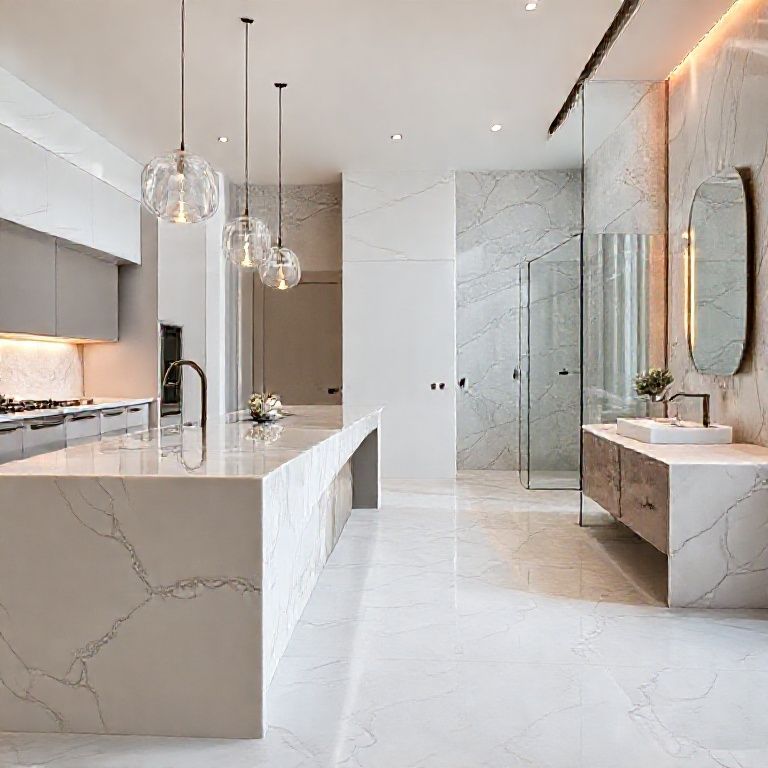
Synthetic marble is widely used in various applications due to its versatility and durability. It is commonly found in kitchen and bathroom countertops, sinks, bathtubs, tiles, and decorative elements. Its ability to mimic the appearance of natural marble while offering enhanced durability makes it a popular choice in both residential and commercial settings.
Natural marble, with its unique and timeless beauty, is often reserved for high-end applications where its aesthetic appeal is paramount. It is frequently used in flooring, wall cladding, sculptures, fountains, and other decorative elements. The unique patterns and colors of natural marble make it ideal for creating statement pieces and adding a touch of elegance to any space.
Conclusion
In conclusion, the choice between synthetic marble and natural marble boils down to several factors, including durability, maintenance, cost, design flexibility, installation, environmental impact, and the specific applications for which the material will be used. Synthetic marble offers durability, cost-effectiveness, and design flexibility, making it a practical choice for many applications. Natural marble, with its unique beauty and timeless elegance, remains a coveted option for those looking to add a touch of luxury and authenticity to their spaces.
Understanding these subtle differences can help you make a well-informed decision that aligns with your design vision and practical needs.
The Subtle Differences Between Synthetic Marble and Natural Marble
Aesthetic Appeal
While synthetic marble can closely mimic the appearance of natural marble, it is essential to consider the subtleties in aesthetic appeal. Natural marble boasts a unique beauty that comes from its natural formation process. Each slab is distinct, with intricate patterns and colors that are the result of millions of years of geological processes. This uniqueness can add a sense of authenticity and timeless elegance to a space.
Synthetic marble, on the other hand, is crafted to achieve specific colors and patterns, often with a high degree of uniformity. While it can be incredibly lifelike, it lacks the organic variability that makes natural marble so special. For those who appreciate the natural beauty and unique characteristics of stone, natural marble may be the better choice.
Chemical Resistance
One of the significant advantages of synthetic marble is its superior chemical resistance. Because it is made from a combination of minerals and resin, synthetic marble does not react to acids or other chemicals in the same way that natural marble does. This makes it an excellent choice for areas where exposure to chemicals is likely, such as kitchens and bathrooms.
Natural marble, however, is more susceptible to acid stains. This is because the calcium carbonate in natural marble can react with acidic substances, leading to discoloration and potential damage. Regular sealing is necessary to protect natural marble from such stains, which can be a time-consuming and costly maintenance task.
Heat Resistance
Heat resistance is another area where synthetic marble excels. Because it is a solid, homogeneous material, synthetic marble can withstand high temperatures without warping or cracking. This makes it ideal for applications like countertops and cooktops, where exposure to heat is frequent.
Natural marble, while beautiful, is less heat-resistant. Prolonged exposure to high heat can cause natural marble to crack or change color. This makes it less suitable for areas where heat is a regular concern, such as near stoves or ovens.
Water Resistance
Water resistance is a critical factor to consider, especially for bathroom and kitchen installations. Synthetic marble is highly water-resistant, which makes it an excellent choice for wet areas where exposure to water is frequent.
Natural marble, however, is not as water-resistant. While it can be sealed to some extent to prevent water damage, it is still more susceptible to water stains and potential damage over time. Regular maintenance is necessary to ensure that natural marble remains in good condition.
Environmental Impact
The environmental impact of the materials is another significant consideration. Synthetic marble offers a more sustainable option because it does not require the extraction of natural stone. This reduces the environmental footprint associated with quarrying and transporting natural marble.
Natural marble extraction can have significant environmental impacts. Quarrying natural marble involves removing large amounts of rock, which can lead to habitat destruction and contribute to soil erosion. Additionally, transporting natural marble from distant quarries adds to its carbon footprint.
Lifespan and Longevity
The lifespan and longevity of synthetic marble and natural marble are also important factors to consider. Synthetic marble, due to its robust composition and controlled manufacturing process, typically has a longer lifespan and requires less maintenance. It is resistant to scratches, stains, and heat, which helps it maintain its appearance and structural integrity over time.
Natural marble, while beautiful, can be继续讨论综上所述的对比,可以更深入地探讨材料的实际应用和实际案例,以便更好地理解它们在不同情境下的表现和适用性。
实际应用和案例
Synthetic Marble in Modern Design
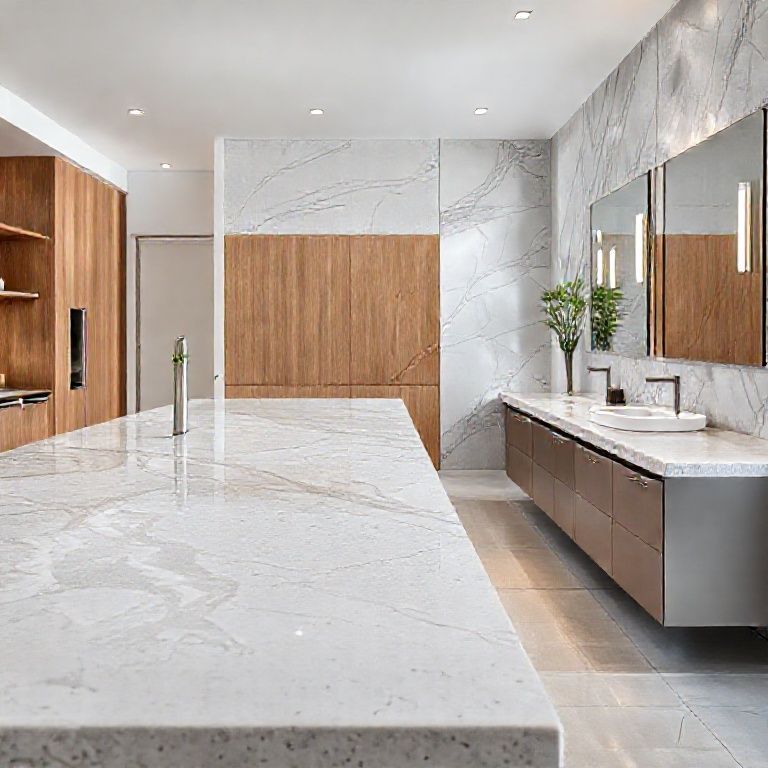
Synthetic marble has found widespread use in modern design due to its versatility and durability. In commercial kitchens, for instance, synthetic marble countertops are favored for their resistance to heat, stains, and chemicals. This makes them ideal for high-traffic areas where maintenance is a concern. For example, in a bustling urban restaurant, the durability of synthetic marble ensures that the countertops remain pristine and functional, reducing the need for frequent replacements and repairs.
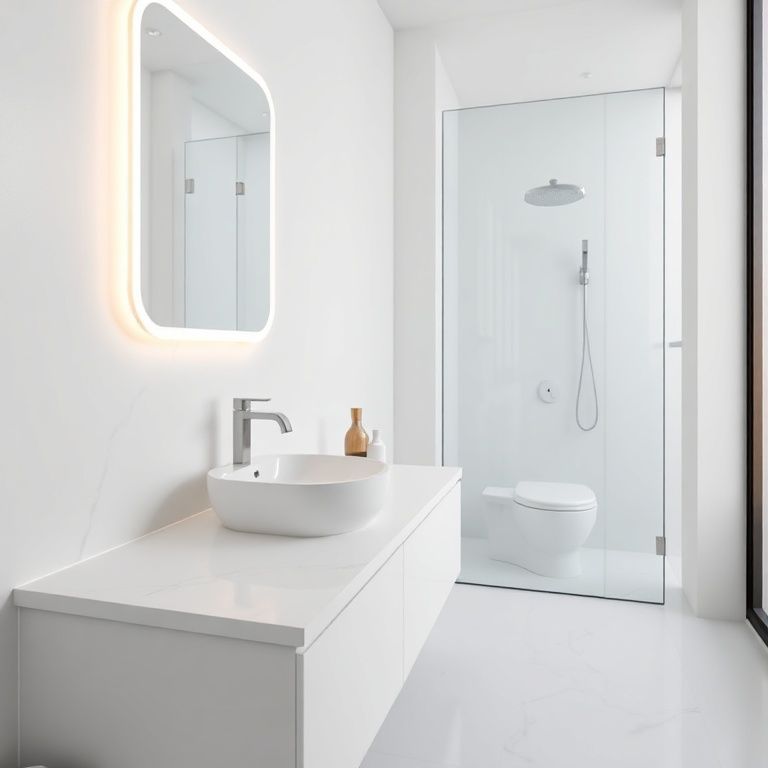
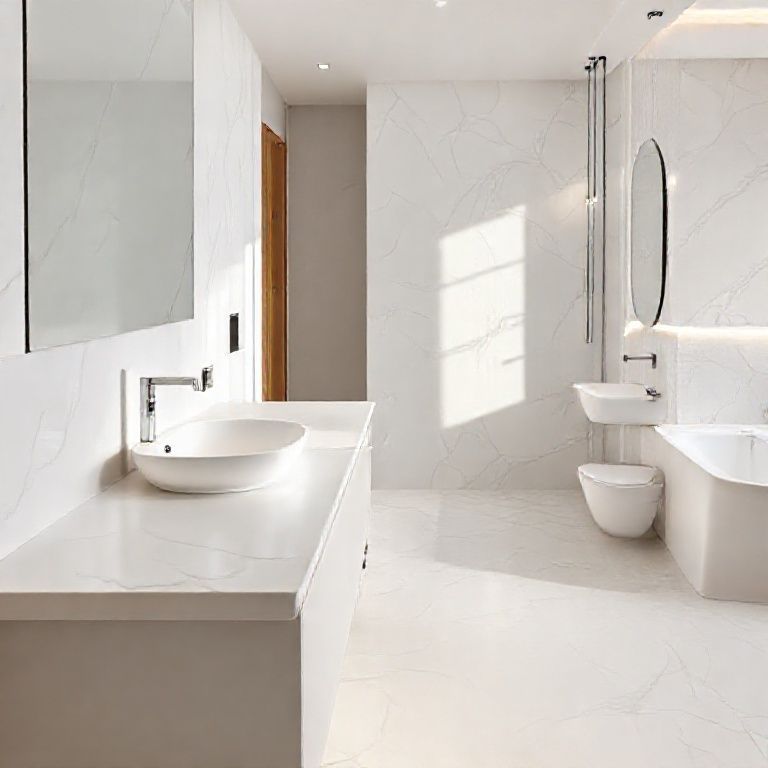
In residential settings, synthetic marble is often used for bathroom vanities, sinks, and bathtubs. Its ability to mimic the appearance of natural marble while offering superior resistance to water makes it a popular choice for homeowners looking to combine beauty with practicality. Additionally, synthetic marble’s uniformity allows for a wide range of design possibilities, from sleek and modern to traditional and classic.
Natural Marble in High-End Interiors
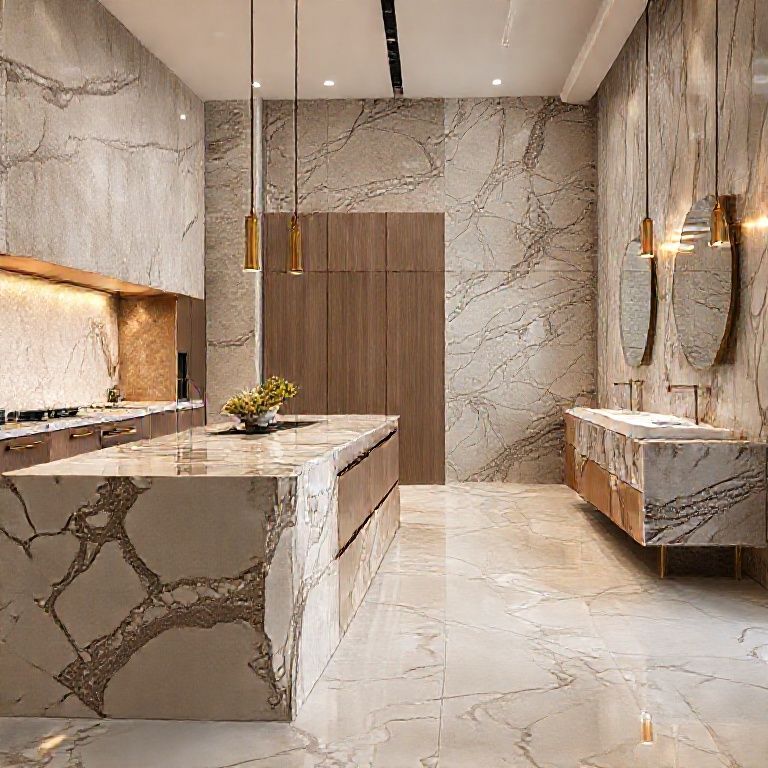
Natural marble, with its unique beauty and timeless elegance, remains a coveted choice for high-end interiors where its aesthetic appeal is paramount. In luxury homes, natural marble is often used for flooring, wall cladding, and decorative elements. The one-of-a-kind patterns and colors of natural marble add a touch of authenticity and luxury that is difficult to replicate.
For example, in a high-end hotel, the use of natural marble for flooring and bathroom fixtures can create an ambiance of sophistication and exclusivity. The unique characteristics of each slab of natural marble contribute to the overall design theme, providing a sense of individuality and craftsmanship.
Maintenance and Upkeep
When it comes to maintenance, synthetic marble is typically much easier to care for. Regular cleaning with a damp cloth and mild soap is usually sufficient to keep synthetic marble looking its best. This simplicity in upkeep makes synthetic marble a practical choice for busy households and commercial spaces where time and resources are limited.
On the other hand, natural marble requires more careful handling and regular maintenance to preserve its beauty and integrity. Cleaning with pH-neutral cleaners is essential to avoid damaging the stone, and regular sealing is necessary to protect against stains and water damage. While this increased maintenance can be seen as a drawback, it also highlights the unique character and timeless appeal of natural marble.
Environmental Considerations
The environmental impact of the materials is another important factor to consider. Synthetic marble offers a more sustainable option because it does not require the extraction of natural stone. This reduces the environmental footprint associated with quarrying and transporting natural marble.
Natural marble extraction, however, can have significant environmental impacts. Quarrying natural marble involves removing large amounts of rock, which can lead to habitat destruction and contribute to soil erosion. Additionally, transporting natural marble from distant quarries adds to its carbon footprint.
Conclusion
In conclusion, the choice between synthetic marble and natural marble ultimately comes down to a balance between practicality, aesthetic appeal, and environmental considerations. Synthetic marble offers durability, cost-effectiveness, and design flexibility, making it a practical choice for many applications. Natural marble, with its unique beauty and timeless elegance, remains a coveted option for those looking to add a touch of luxury and authenticity to their spaces.
Understanding these subtle differences can help you make a well-informed decision that aligns with your design vision and practical needs. Whether you choose synthetic or natural marble, both materials offer unique advantages that can enhance the beauty and functionality of any space.