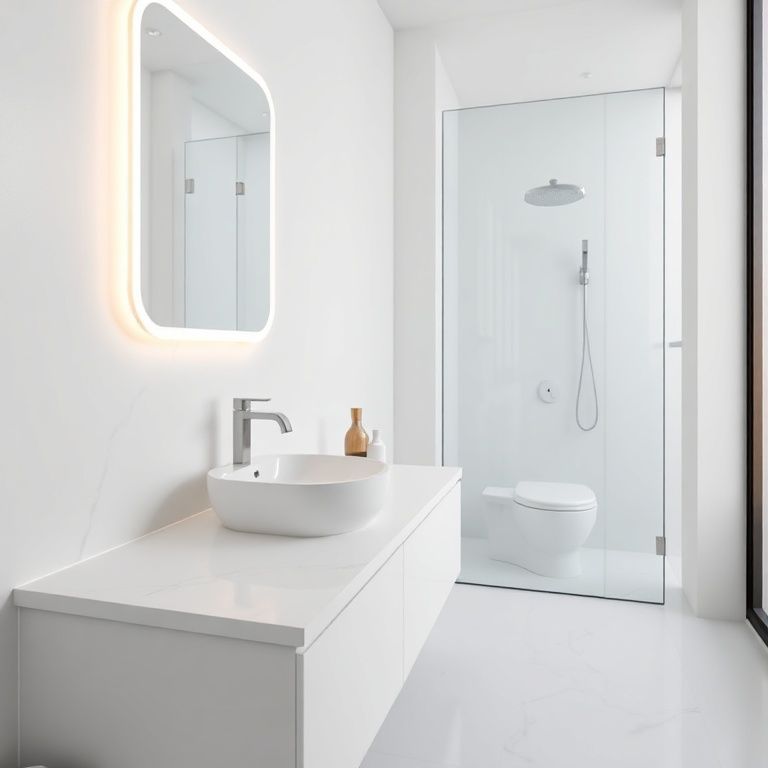
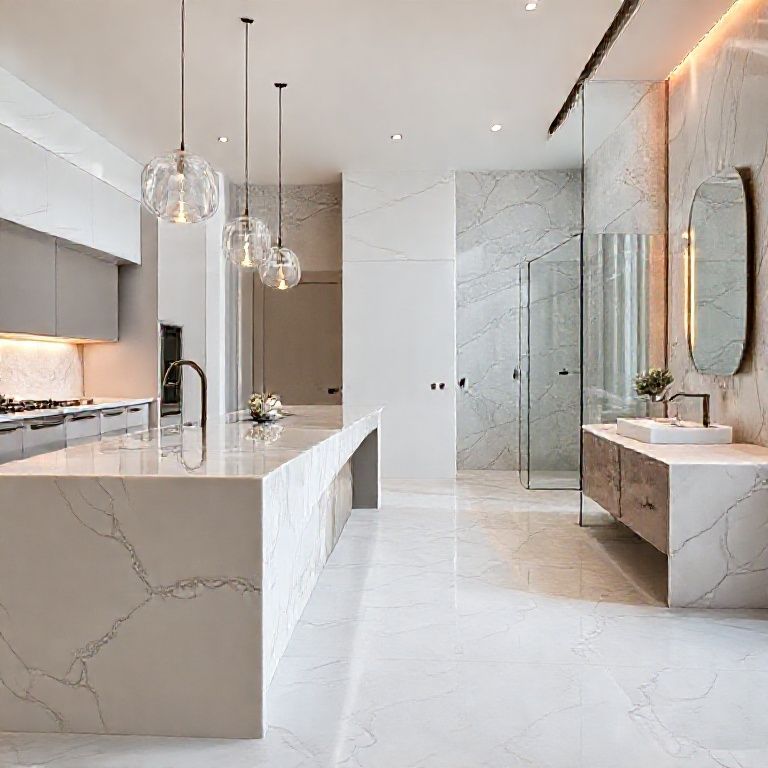
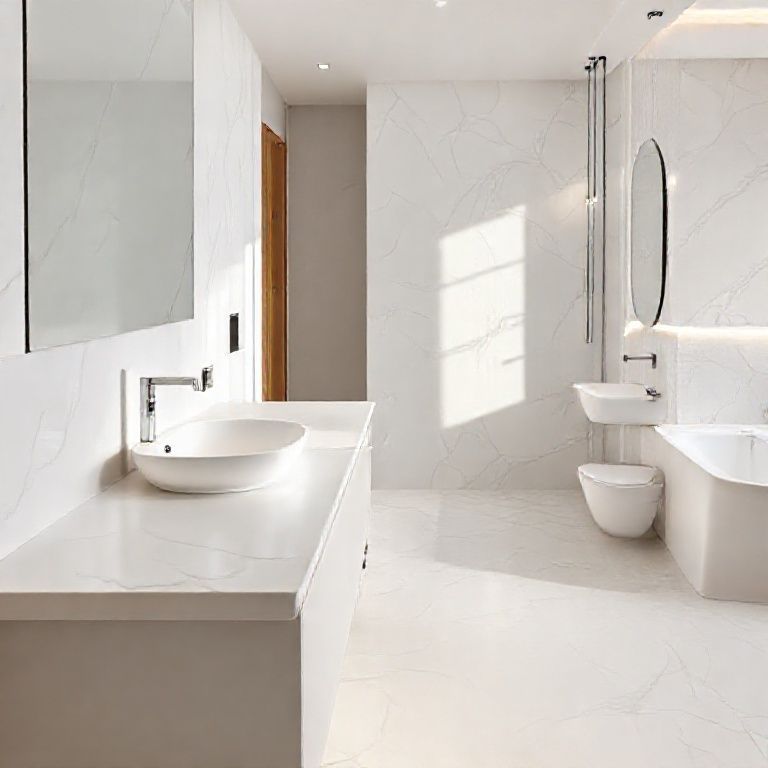
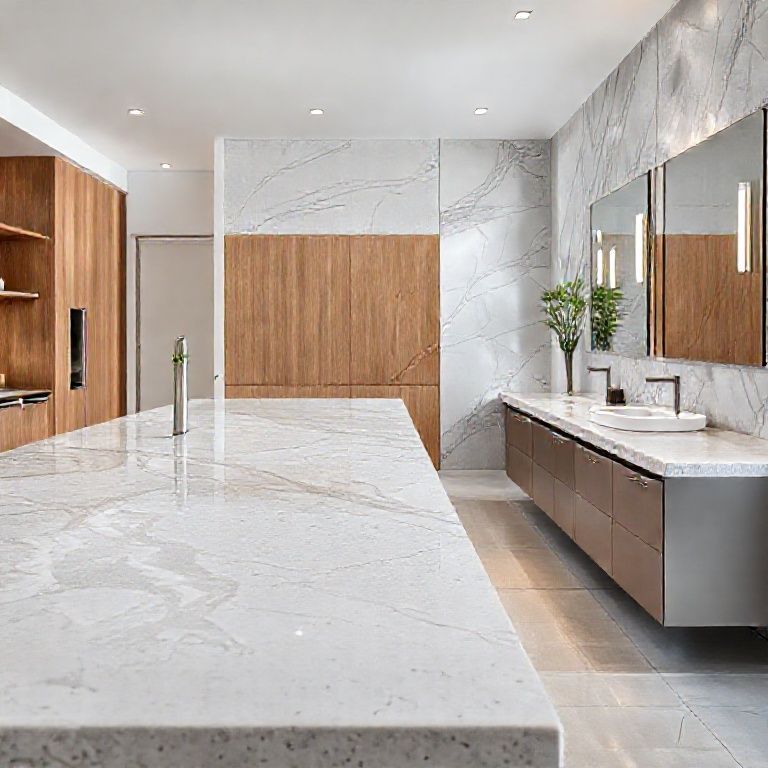
Formation, Durability, and Aesthetic Differences
When it comes to selecting the perfect material for your home’s countertops, flooring, or decorative accents, the choice between engineered marble and natural marble can be a pivotal one. Both have their unique charm and practicality, but understanding their formation, durability, and aesthetic differences is crucial for making an informed decision.

Formation Processes
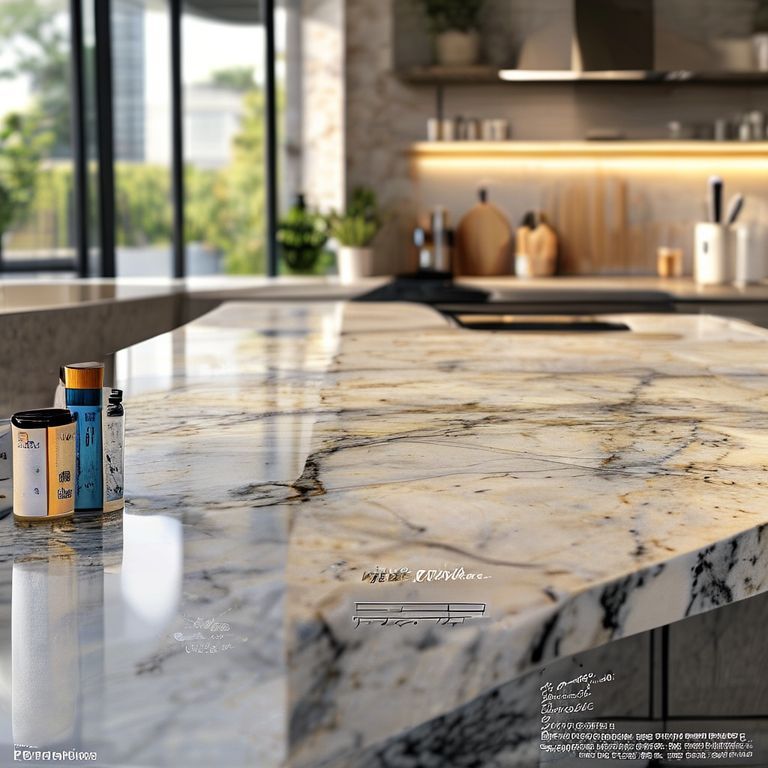
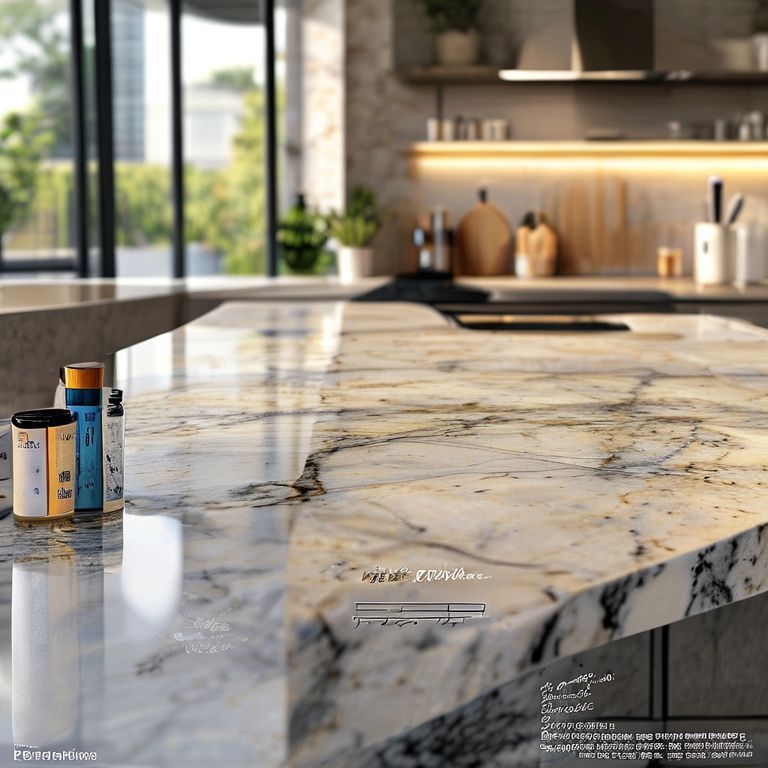
Natural Marble: Natural marble is a metamorphic rock formed through a complex process involving pressure and heat. Over millions of years, limestone is transformed under intense geological conditions, resulting in the creation of marble. This natural process gives natural marble its characteristic veining and color variations, which are unique to each piece.
Engineered Marble: Engineered marble, on the other hand, is a man-made composite material. It is crafted by combining natural marble powder with resins and other binding agents. This mixture is then poured into molds and subjected to high pressure and heat to form a solid slab. Once cooled, the slab is polished to achieve a smooth, consistent finish. Unlike natural marble, engineered marble allows for precise control over its appearance and properties.
Durability and Practicality
Natural Marble: Natural marble is known for its timeless beauty and elegance but comes with certain drawbacks. Its porosity can make it susceptible to staining and etching from acidic substances like wine, juice, and coffee. To maintain its pristine appearance, regular sealing and upkeep are necessary. However, the beauty of natural marble lies in its uniqueness; each piece has a distinct pattern and color that cannot be replicated.
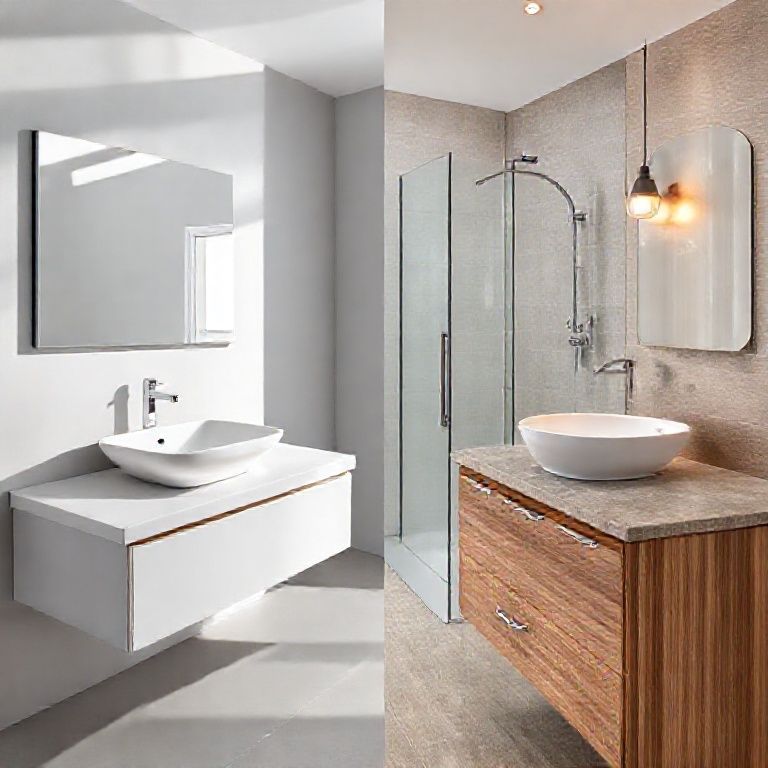
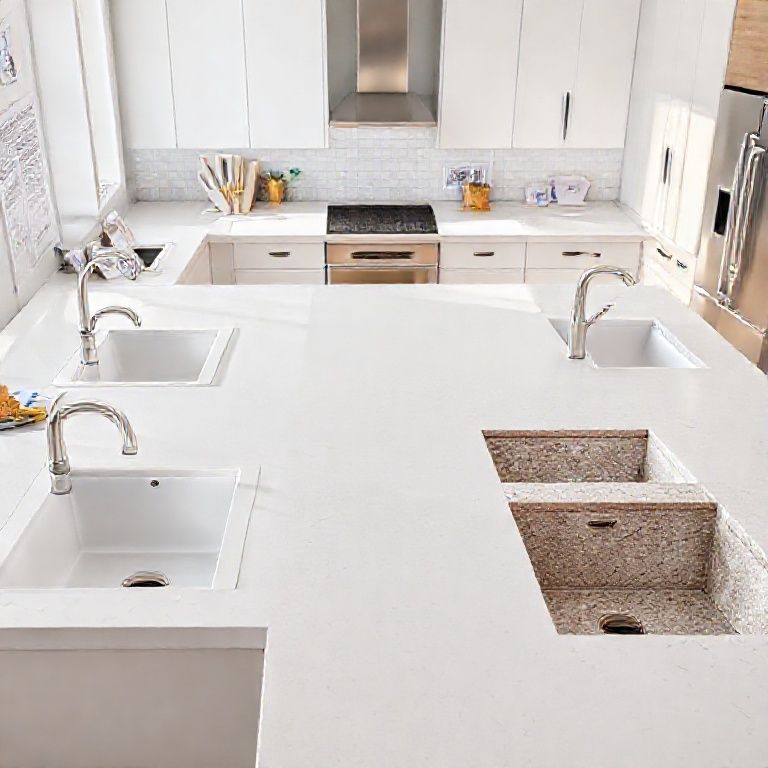
Engineered Marble: Engineered marble offers a significant advantage in durability and resistance. Because it is a composite material, it is less porous than natural marble, making it more resistant to staining and etching. This means that engineered marble requires less maintenance, making it an ideal choice for high-traffic areas where durability is paramount. Moreover, its consistent composition allows for uniform color and finish across the entire slab, providing a more predictable aesthetic outcome.
Aesthetic Differences
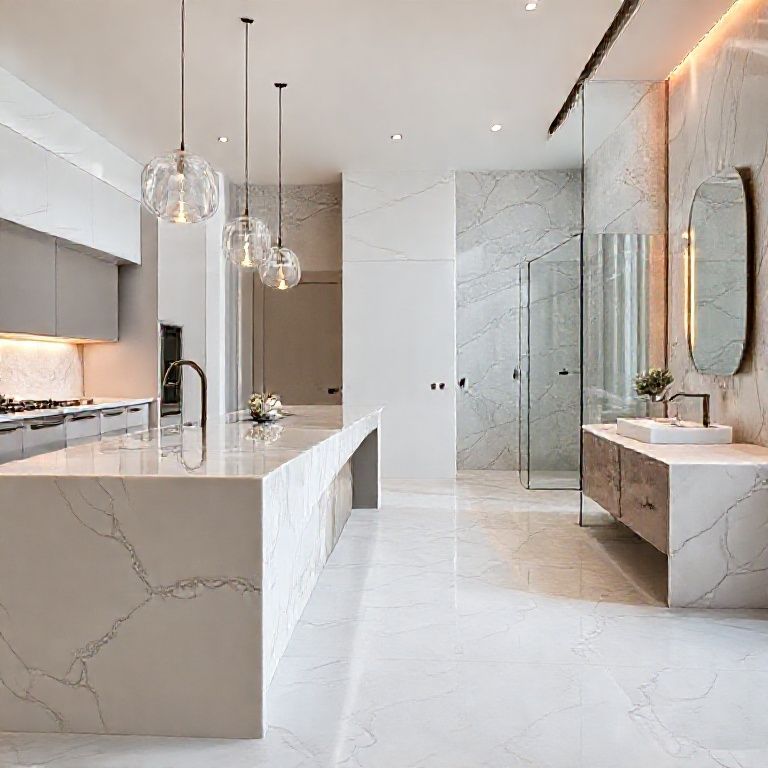
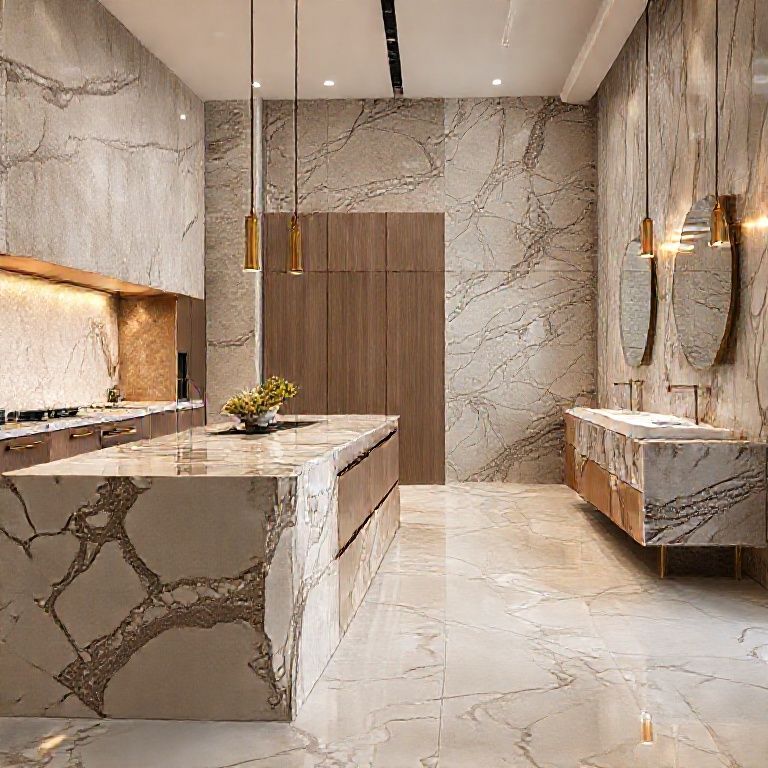
Natural Marble: One of the most captivating features of natural marble is its natural veining and color variations. This inherent uniqueness makes each piece of natural marble one-of-a-kind. The irregularities and subtle variations in color create a sense of luxury and authenticity that is hard to replicate. Natural marble’s beauty lies in its natural imperfections, which add character and charm to any space.
Engineered Marble: Engineered marble, while not as naturally variable as natural marble, offers a level of consistency and predictability that many designers and homeowners appreciate. It allows for a more uniform look and can be designed to mimic the appearance of natural marble, including its veining and color variations. However, because it is manufactured, the patterns and colors are more uniform and less likely to change over time. This makes engineered marble a great choice for those looking for a specific aesthetic that does not require the unique charm of natural marble.
Color and Finish Options
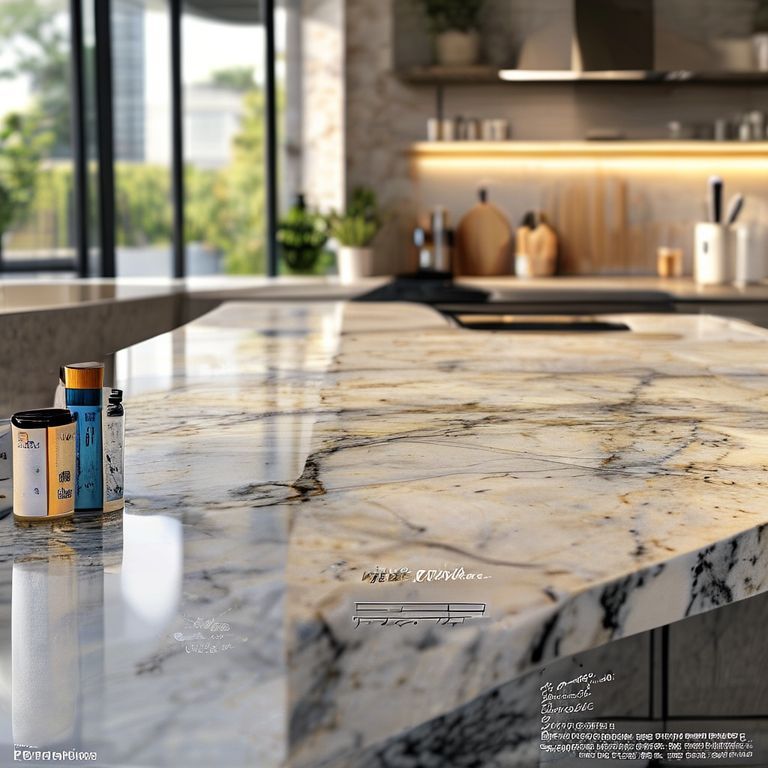
Natural Marble: The colors and finishes in natural marble are inherently diverse. From the rich, deep hues of Italian Carrara marble to the vibrant, earthy tones of Brazilian marmore, the variety is almost endless. Each piece has its own unique color pattern, which adds to its allure and individuality.
Engineered Marble: Engineered marble offers a broad spectrum of color and finish options, allowing for more design flexibility. Because it can be precisely manufactured, designers can create custom patterns and finishes that mimic natural marble or offer entirely new and innovative looks. This versatility makes engineered marble a popular choice for modern design trends that seek both beauty and functionality.
Cost Considerations
Natural Marble: Given its rarity and the natural process involved in its formation, natural marble can be significantly more expensive than engineered marble. The cost varies widely depending on the type, quality, and origin of the marble. High-end natural marbles like those from Italy or Brazil can command premium prices, making them a choice for those with a penchant for exclusivity and luxury.
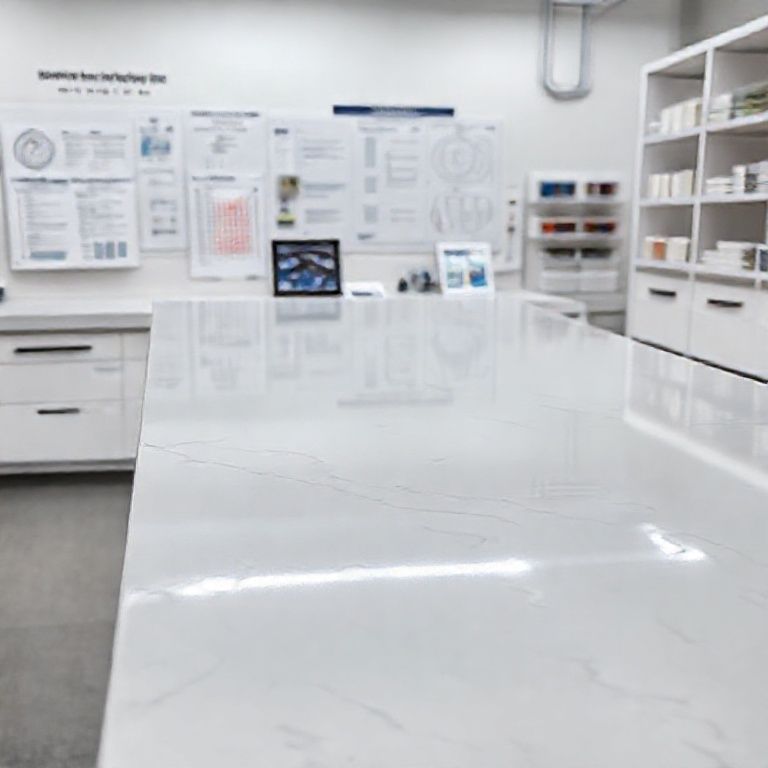
Engineered Marble: Engineered marble is generally more affordable due to its manufacturing process. The ability to control the production process means that manufacturers can produce large, consistent slabs at a lower cost. This makes engineered marble accessible to a wider range of budgets without compromising on quality and aesthetics.
Installation and Maintenance
Natural Marble: Installing natural marble requires careful consideration due to its natural porosity. Professional installation is recommended to ensure that the marble is properly sealed and maintained to prevent staining and etching. Regular maintenance, including sealing, is essential to keep natural marble looking its best over time.
Engineered Marble: Engineered marble’s durability and low porosity make it easier to install and maintain. It is less susceptible to staining and does not require frequent sealing. This reduces the maintenance burden on homeowners and makes it an attractive option for those who prefer low-maintenance materials.
Installation, Maintenance, and Design Flexibility
Having explored the formation, durability, aesthetic differences, and cost considerations between engineered marble and natural marble, we now turn our focus to installation, maintenance, and design flexibility. These aspects play a crucial role in the practicality and long-term satisfaction of using either material in your home or commercial space.
Installation
Natural Marble:
Professional Expertise: Given its natural state, natural marble often requires the expertise of professional installers to ensure that it is cut, fitted, and sealed correctly. The irregularities in natural marble mean that precise measurements and careful handling are necessary to achieve the best results.
Challenges: Natural marble can be challenging to work with due to its natural imperfections. Each piece must be cut to fit perfectly, which can be time-consuming and requires a high level of skill. Additionally, the natural patterns and colors can sometimes result in less predictable outcomes, which may not always align with the desired design.
Engineered Marble:
Ease of Installation: Engineered marble’s uniformity and consistent thickness make it easier to install. It can be cut and fitted more precisely, reducing the need for extensive adjustments. The consistent density and hardness of engineered marble also make it less prone to damage during installation, providing a more straightforward installation process.
Predictability: Because engineered marble slabs are manufactured to exact specifications, they offer a high degree of predictability in terms of fit and appearance. This makes it easier for installers to achieve the desired look and ensures that the final installation meets the design expectations.
Maintenance
Natural Marble:
Sealing and Protection: The natural porosity of marble means that it is susceptible to staining and etching. Regular sealing is essential to protect natural marble from damage. This involves applying a protective coating that helps to fill the pores and prevent stains from penetrating the surface. The frequency of sealing can vary depending on the type of natural marble and the level of exposure to potential stains, but it is generally recommended every six months to a year.
Cleaning: Cleaning natural marble requires the use of pH-neutral cleaners to avoid etching the surface. Regular cleaning with a soft cloth and a gentle marble-specific cleaner helps to maintain its luster and prevent buildup of grime and residue.
Engineered Marble:
Low Maintenance: Engineered marble’s composite nature makes it significantly more low-maintenance compared to natural marble. Because it is less porous, it is less prone to staining and etching. As a result, sealing is not as frequently required, which simplifies the maintenance routine.
Cleaning: Cleaning engineered marble is straightforward. A pH-neutral cleaner and a soft cloth are sufficient to keep the surface looking pristine. The low porosity and resistance to stains mean that engineered marble can withstand daily wear and tear without significant damage, making it a practical choice for high-traffic areas.
Design Flexibility
Natural Marble:
Unique Patterns: One of the greatest advantages of natural marble is its unique and intricate patterns. The natural veining and color variations add a sense of authenticity and luxury to any space. This makes natural marble ideal for design projects that seek to highlight natural beauty and uniqueness.
Limited Predictability: While natural marble’s uniqueness is a major selling point, it also means that there is less predictability in terms of the final appearance. Each piece of natural marble is different, which can be a challenge for designers who need consistent patterns and finishes across multiple installations.
Engineered Marble:
Customization: Engineered marble offers a high degree of design flexibility. Because it can be precisely manufactured, designers can create custom patterns and finishes that mimic natural marble or offer entirely new designs. This allows for a high level of creativity and control over the final appearance.
Consistency: The consistency of engineered marble makes it easier to achieve a uniform look across multiple installations. This is particularly beneficial for large-scale projects where a consistent finish is required. Engineers can ensure that each slab meets the exact specifications, providing a cohesive and harmonious design.
Applications:
Natural Marble: Natural marble is often used in high-end design projects where luxury and authenticity are paramount. It is commonly found in upscale kitchens, bathrooms, and living spaces where its natural beauty can be showcased. The timeless elegance of natural marble makes it a popular choice for traditional and classical design styles.
Engineered Marble: Engineered Marble:
Versatility in Use: Engineered marble’s versatility makes it suitable for a wide range of applications. Its durability and resistance to staining make it ideal for high-traffic areas such as commercial kitchens, office spaces, and public buildings. The ability to create custom designs and finishes also makes engineered marble a popular choice for modern and contemporary design styles.
Cost-Effectiveness: Because engineered marble is more affordable and requires less maintenance, it is a cost-effective option for many projects. This makes it accessible to a broader range of budgets without compromising on quality and aesthetics.
Environmental Impact:
Natural Marble: The extraction and transportation of natural marble can have a significant environmental impact. Quarrying natural marble is often associated with habitat destruction, and the transportation of large marble slabs can contribute to greenhouse gas emissions. Additionally, natural marble is a finite resource, and its extraction can lead to depletion over time.
Engineered Marble: Engineered marble’s manufacturing process can also have environmental implications, particularly in terms of the energy and materials used in its production. However, advancements in manufacturing technology are continually improving the sustainability of engineered marble. Many manufacturers are adopting eco-friendly practices, such as using recycled materials and reducing waste, to minimize the environmental impact.
Sustainability Considerations: While natural marble’s beauty lies in its natural state, its environmental footprint can be a concern. Engineered marble, with its ability to mimic natural marble while offering more sustainable production practices, is often seen as a more environmentally friendly option.
Conclusion
Choosing between engineered marble and natural marble ultimately depends on your specific needs, preferences, and design goals.
Natural Marble:
Ideal for those who value authenticity and the unique beauty of natural stone. Suitable for high-end, luxury projects where the distinctive character and elegance of natural marble can be highlighted. Requires professional installation and regular maintenance to preserve its appearance.
Engineered Marble:
Offers a high degree of design flexibility, durability, and low maintenance. Perfect for modern, contemporary designs that seek both functionality and aesthetic appeal. More cost-effective and environmentally friendly options are often available.
Whether you opt for the timeless elegance of natural marble or the innovative versatility of engineered marble, both materials can enhance the beauty and functionality of your space. Understanding their differences will help you make an informed decision that aligns with your design vision and practical requirements.