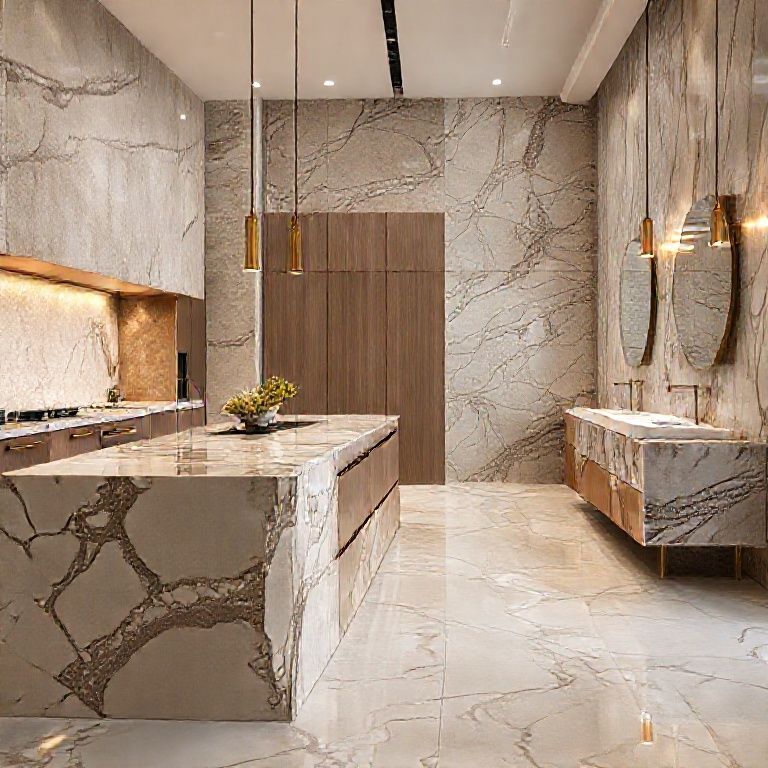
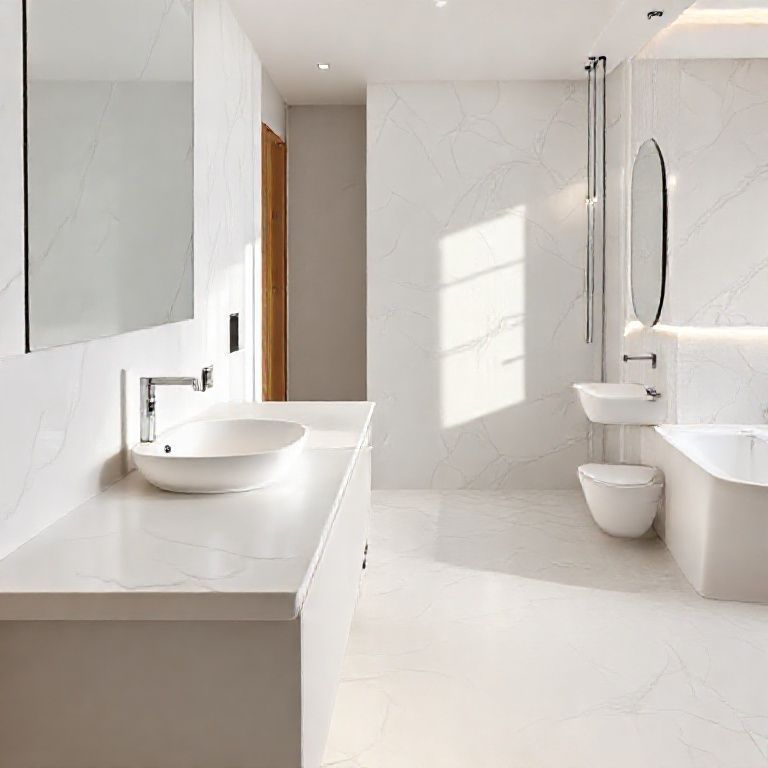
Curious about the timeline of marble renovation projects? This comprehensive guide dives into the intricate process of marble restoration, revealing the time it takes to bring your marble surfaces back to life. From the initial assessment to the final touch, discover the detailed steps and factors that influence the duration of a marble renovation project. Let’s embark on this journey to rejuvenate your marble surfaces!

marble renovation, marble restoration, marble cleaning, marble repair, renovation timeline, marble refurbishment, marble maintenance, marble treatment, marble resurfacing, marble polishing
Part 1
The Timeline of Marble Renovation: Unveiling the Secrets Behind Marble Restoration Projects
Marble, with its timeless elegance and intricate beauty, is a favorite choice for both residential and commercial interiors. However, the luxurious appeal of marble comes with its own set of challenges, particularly when it comes to maintenance and renovation. Understanding the timeline of marble renovation is crucial for anyone looking to restore their marble surfaces to their former glory.
The First Step: Initial Assessment
The journey of marble renovation begins with a thorough initial assessment. This step is vital as it sets the foundation for the entire restoration process. During the assessment, a marble specialist will evaluate the condition of the marble surfaces, identifying any signs of damage such as stains, scratches, etching, or even structural issues.
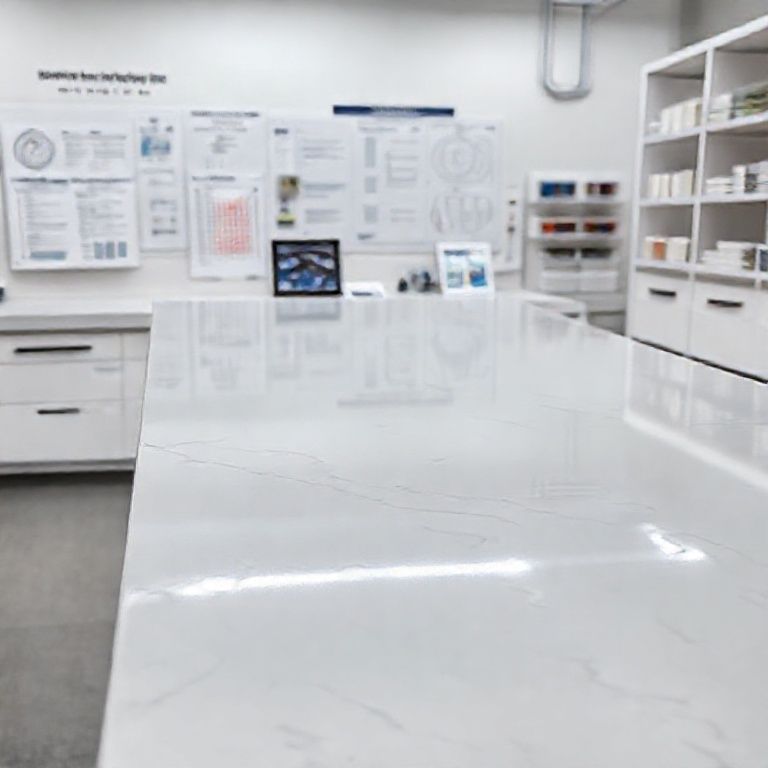
Factors such as the type of marble, the extent of damage, and the specific restoration techniques required will influence this phase. Generally, an initial assessment can take anywhere from a few hours to a couple of days, depending on the size and complexity of the project.
Cleaning and Preparation
Once the assessment is complete, the cleaning and preparation phase begins. This stage involves thoroughly cleaning the marble surfaces to remove any dirt, grime, or residue that could interfere with the restoration process. Traditional cleaning methods include the use of specialized marble cleaning solutions and high-pressure cleaning techniques.
The duration of this phase can vary significantly based on the level of dirt and the size of the area being cleaned. For small areas, cleaning might take a few hours, while larger projects could extend this to several days.
Restoration Techniques
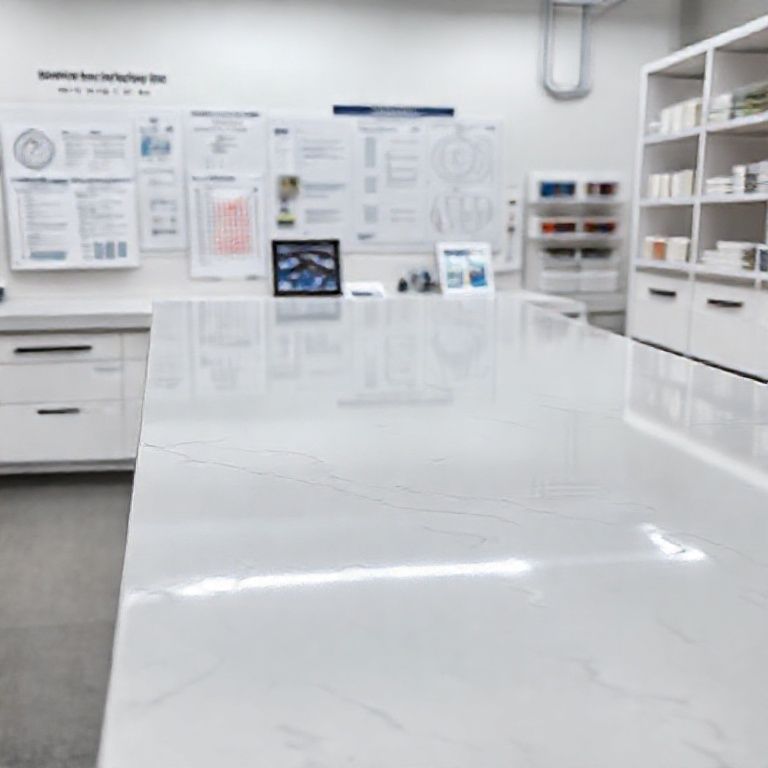
After cleaning, the restoration process begins, which includes several techniques depending on the specific needs of the marble. Common restoration methods include:
Polishing and Buffing: For minor scratches and stains, polishing and buffing techniques are often used. This process involves using various grades of abrasive compounds to smooth out the marble surface and restore its shine. The time required for polishing can vary from a few hours to several days, depending on the extent of the damage and the number of surfaces involved.
Re-Etching: In cases where the marble has developed etching or discoloration due to exposure to acids or other chemicals, re-etching might be necessary. This process involves carefully re-applying etching solutions to restore the marble’s original texture and appearance. The duration of this step can range from a few hours to a couple of days, depending on the size of the area and the level of damage.

Filling and Sealing: For deeper scratches or structural damage, filling and sealing techniques might be required. This involves filling in the damaged areas with a compatible marble filler and then sealing the surface to protect it from future damage. The time required for filling can vary from a few hours to several days, depending on the size and complexity of the damage.
Final Touches
Once the restoration techniques have been applied, the final touches are made to ensure the marble surfaces look impeccable. This includes polishing, sealing, and applying protective coatings to enhance the durability of the restoration. The final touches phase typically takes a few hours to a couple of days, depending on the size and complexity of the project.
Factors Influencing the Timeline
Several factors can influence the overall timeline of a marble renovation project. These include:
Size of the Area: Larger areas naturally require more time to complete the restoration process. Extent of Damage: The more extensive the damage, the longer the restoration process will take. Type of Marble: Different types of marble may require different restoration techniques, which can affect the timeline. Complexity of the Project: Projects with multiple surfaces or intricate designs may take longer to complete. Availability of Materials: Delays in obtaining necessary materials can also impact the timeline.
In conclusion, the timeline of marble renovation is a complex journey that involves multiple steps and considerations. From initial assessment to final touches, each phase plays a crucial role in ensuring the marble surfaces are restored to their former beauty. Understanding these factors can help set realistic expectations and ensure a successful marble restoration project.
Part 2
The Timeline of Marble Renovation: Unveiling the Secrets Behind Marble Restoration Projects
In our previous section, we explored the initial stages of marble renovation, from assessment to cleaning and preparation. Now, let’s delve deeper into the various restoration techniques and the factors that influence the overall timeline of a marble renovation project.
Restoration Techniques Continued
Let’s revisit some of the common restoration techniques in more detail:
Polishing and Buffing: This technique is often used to address minor scratches and surface stains. Polishing involves using a series of progressively finer abrasive compounds to smooth out the marble surface. The process begins with coarser compounds to remove larger imperfections and gradually moves to finer compounds for a polished finish. The duration of polishing can vary significantly:
For small areas, such as a single tabletop, polishing might take a few hours. For larger areas, like an entire room’s marble flooring, it could extend to several days.
Re-Etching: When the marble has developed etching, a process where the surface becomes dull and pitted, re-etching can restore its original texture and appearance. Re-etching involves carefully applying etching solutions to the marble, which requires precise control to avoid over-etching. The time required for re-etching can vary:
Small areas might be completed within a day. Larger areas or extensive damage could take several days.
Filling and Sealing: This technique is used for deeper scratches or structural damage. Filling involves injecting a compatible marble filler into the damaged areas to fill voids and restore the surface. Once filled, the surface is polished to blend the filled areas seamlessly. Sealing the surface with a protective coating helps prevent future damage. The time required for filling and sealing can range from:
A few hours for small, isolated areas. Several days for extensive damage or large surfaces.
Additional Restoration Techniques
Beyond the primary techniques, other specialized methods might be employed depending on the specific needs of the project:
Micro-Abrasion: This technique involves using fine abrasive particles to remove stains and restore the surface. It can be particularly effective for treating etching and discoloration. The time required for micro-abrasion can vary from a few hours to several days, depending on the size and complexity of the area.
Laser Etching: For intricate designs or logos on marble surfaces, laser etching can be used. This technique involves using a laser to etch designs into the marble. The time required for laser etching can vary based on the complexity and size of the design, ranging from a few hours to several days.
Final Touches
The final touches phase is crucial for ensuring the restored marble surfaces look impeccable. This phase includes:
Polishing: Applying the final polish to achieve a smooth, shiny surface. This step can take a few hours to several days, depending on the size and number of surfaces. Sealing: Applying protective coatings to enhance the durability and longevity of the restoration. Sealing can take a few hours to a couple of days, depending on the number of surfaces and the specific products used. Inspection and Adjustments: Conducting a thorough inspection to ensure all areas have been properly restored. Any necessary adjustments or touch-ups are made during this phase. This can take a few hours.
Factors Influencing the Timeline
Several factors can significantly influence the timeline of a marble renovation project:
Type of Marble: Different types of marble have varying levels of hardness and porosity, which can affect the restoration techniques and the time required. For example, softer marbles might require more delicate handling and longer polishing times.
Extent of Damage: The more extensive the damage, the longer the restoration process will take. Large areas with significant etching or deep scratches will require more time for filling and sealing.
Complexity of the Project: Projects with multiple surfaces or intricate designs can be more complex and time-consuming. Coordinating the restoration of different areas and ensuring consistency in the final result can add to the overall duration.
Availability of Materials: Delays in obtaining necessary materials can impact the timeline. Ensuring a steady supply of high-quality restoration materials is crucial for maintaining the project schedule.
Weather Conditions: In outdoor projects, weather conditions can play a role in the restoration timeline. For example, rain or high humidity can delay drying times for certain restoration techniques.
Conclusion
Understanding the timeline of marble renovation is essential for planning and managing restoration projects effectively. Each phase, from initial assessment to final touches, involves careful consideration and precise execution to ensure the marble surfaces are restored to their former beauty. By considering factors such as the size of the area, extent of damage, type of marble, complexity of the project, availability of materials, and weather conditions, one can better anticipate the duration of a marble renovation project.
In conclusion, marble renovation is a meticulous process that requires expertise and patience. By following a well-structured timeline and understanding the various继续我们的探讨,了解如何更好地管理和计划一个大理石翻新项目将对任何涉及大理石表面的项目都有所帮助。
我们将进一步深入探讨一些关键的管理和执行方面,以确保项目按时、按预算并达到预期效果。
项目规划和管理
详细的项目计划:在开始任何翻新工作之前,制定一个详细的项目计划是至关重要的。这个计划应包括每个阶段的具体时间表、所需资源、预算分配以及可能的风险和应对策略。使用项目管理软件可以帮助更好地跟踪进度和沟通。
资源分配和预算管理:合理的资源分配和严格的预算管理是成功的关键。确保你有足够的人员和设备来完成任务,并定期检查以确保成本不会超出预算。考虑到材料和劳动力的成本波动,预留一定的预算应对不可预见的费用。
供应链管理:确保你的供应链稳定,特别是在获取专门的大理石清洁和修复材料方面。与可靠的供应商建立长期关系,可以确保你在需要时能够及时获得所需材料。
执行和监控
质量控制:在每个阶段都进行质量控制检查,以确保工作符合标准和客户期望。这不仅包括物理检查,还应包括对工作方法和安全措施的评估。
沟通和反馈:保持与客户和利益相关者的持续沟通,特别是在项目关键阶段。这不仅有助于管理预期和现实之间的差距,还能提供及时反馈,以便在必要时进行调整。
风险管理:识别潜在风险并制定应对策略。这可能包括天气影响、材料供应中断、或者意外的项目要求变更等。具备灵活的应对策略可以帮助你在面对突发情况时仍能按时完成项目。
后续维护和保养
教育和培训:在项目完成后,教育客户如何正确维护他们的大理石表面。这不仅可以延长大理石的使用寿命,还能保持其美观和光泽。
定期检查和维护:建议客户定期检查和维护他们的大理石表面,以防止小问题演变成大问题。提供后续维护服务,不仅是对客户的一种责任,也是提升客户满意度和品牌忠诚度的一种方式。
总结
大理石翻新是一个复杂且细致的过程,需要精确的规划、严格的管理和对细节的关注。通过以上方法,你可以确保项目顺利进行,达到高质量的结果。无论你是一位业内专业人士,还是一个热爱大理石的业余爱好者,理解和掌握这些基本原则都将对你的项目成功至关重要。