${part1}
Introduction to Artificial Marble
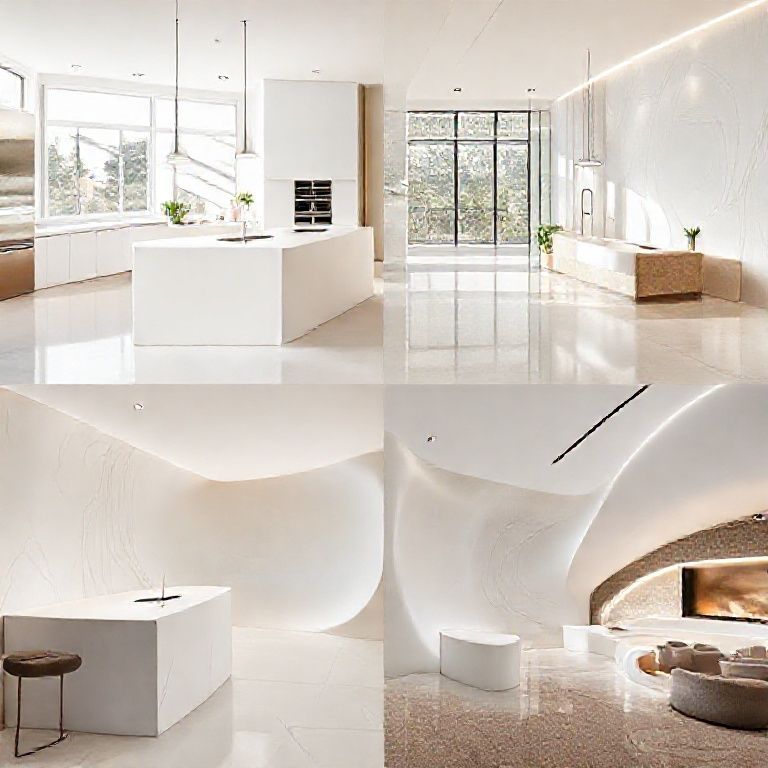
Artificial marble, also known as engineered stone, is a popular choice for countertops, tiles, and other decorative surfaces. It combines resin and marble chips to create a material that mimics the natural beauty of traditional marble while offering durability and cost-effectiveness. However, as with any material, artificial marble has its own set of disadvantages that potential buyers should consider. In this first part of our series, we explore ten significant drawbacks that you might not have anticipated.

1. Maintenance Issues
One of the primary concerns with artificial marble is its maintenance. Unlike natural stone, which often requires minimal upkeep, artificial marble can be susceptible to scratches, stains, and discoloration. Even with proper cleaning, these imperfections can sometimes be difficult to avoid, leading to a less pristine appearance over time.
2. Limited Heat Resistance
While artificial marble is robust in many ways, it falls short when it comes to heat resistance. Unlike natural stone, which can withstand high temperatures without damage, artificial marble can warp or melt under intense heat. This means that hot pots, pans, or even just a forgotten cup of coffee can leave permanent marks on your countertop.
3. Lower Durability Compared to Natural Stone
Though artificial marble is engineered to be durable, it generally doesn’t match the longevity of natural stone. Natural marble, granite, and other stones have been used for centuries, standing the test of time. In contrast, artificial marble may crack under heavy pressure or suffer from surface degradation over prolonged use.
4. Chemical Sensitivity
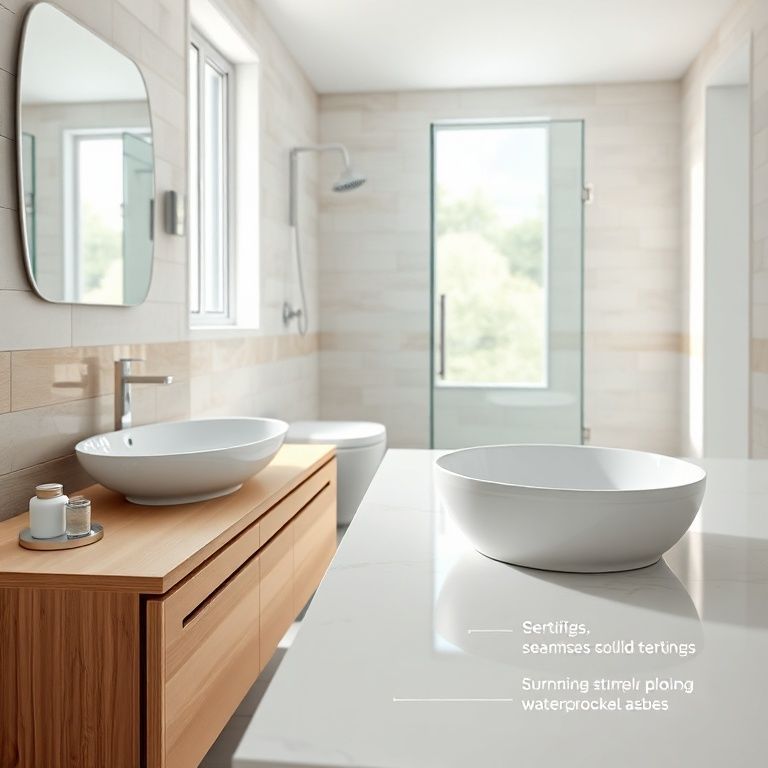
Artificial marble is composed of resin and marble chips, which makes it sensitive to certain chemicals. Acidic substances, such as vinegar, citrus juice, or even some cleaning agents, can etch or dull the surface. This necessitates careful selection and use of cleaning products to maintain the surface’s integrity.
5. Poor Performance Under High Humidity
Artificial marble is not well-suited for areas with high humidity. Unlike natural stone, which can withstand varying moisture levels, artificial marble can absorb water, leading to potential mold growth or even structural weakening. This makes it less ideal for kitchens or bathrooms where humidity is a constant factor.
6. Aesthetic Limitations
While artificial marble can mimic the look of natural stone, it often falls short in achieving the exact same aesthetic. The color variations and patterns in natural stone are unique and cannot be replicated perfectly in artificial marble. This can result in a less authentic appearance, particularly in high-end design settings.
7. Environmental Concerns
The production of artificial marble involves the use of resins and other chemicals that can have environmental repercussions. The manufacturing process can release volatile organic compounds (VOCs) that contribute to air pollution. Additionally, the disposal of artificial marble at the end of its lifecycle poses challenges, as it is not biodegradable and requires specialized waste management.
8. Cost of Repairs
Repairing artificial marble is not as straightforward as it is with natural stone. Unlike granite or marble, which can often be resurfaced or polished, artificial marble usually requires replacement of the entire piece when damaged. This can be both costly and inconvenient, especially if the damage is extensive.
9. Thermal Expansion Issues
Artificial marble can experience thermal expansion, which means that it may expand or contract with changes in temperature. This can lead to structural issues if the material is not installed properly or if the surrounding environment experiences significant temperature fluctuations.
10. Limited Customization
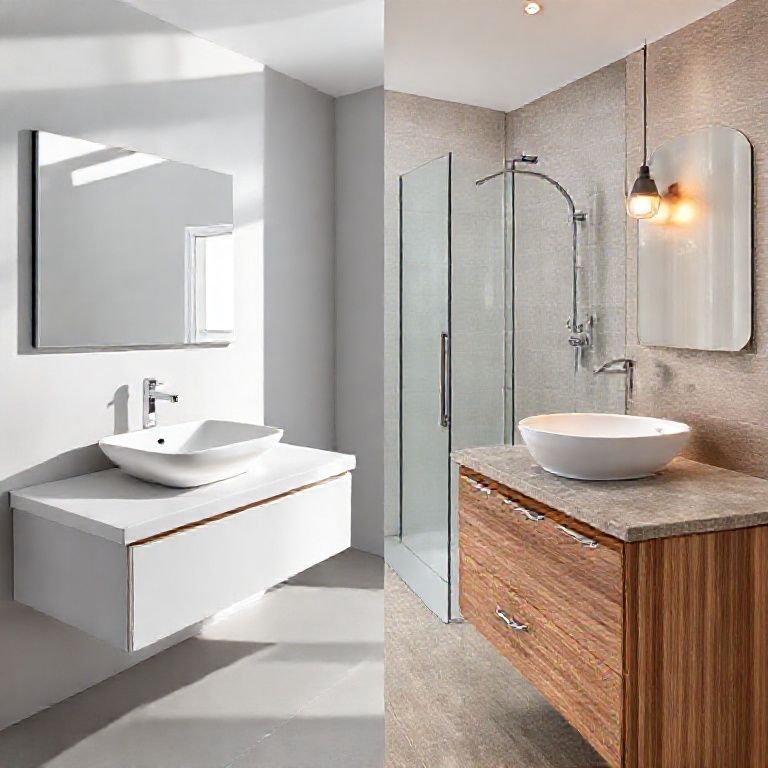
Finally, artificial marble offers limited customization compared to natural stone. The color and pattern variations are pre-determined during manufacturing, which restricts the ability to create unique designs tailored to specific aesthetic needs.
Conclusion
While artificial marble offers many benefits such as cost-effectiveness and ease of installation, it’s crucial to weigh these against the significant drawbacks we’ve discussed. The next part of our series will delve deeper into alternative materials and how they compare to artificial marble, providing you with a comprehensive understanding to make an informed decision.
${part2}
Comparative Analysis: Alternatives to Artificial Marble
Having explored the disadvantages of artificial marble, it’s important to consider what alternatives are available. This part of our series will delve into various alternative materials and compare them to artificial marble, highlighting their pros and cons. Understanding these options will help you make a more informed decision when selecting materials for your next project.
1. Natural Granite
Pros:
Durability: Granite is incredibly durable and can withstand heavy use and high temperatures without warping. Low Maintenance: Granite surfaces are easy to clean and resistant to stains and scratches. Aesthetic Versatility: Granite comes in a wide range of colors and patterns, providing extensive design options.
Cons:
Cost: Natural granite is more expensive than artificial marble. Weight: Granite is much heavier, which can complicate installation and transportation.
2. Natural Marble
Pros:
Aesthetic Appeal: Marble offers a timeless and luxurious look that is unmatched by synthetic materials. Low Maintenance: Marble is relatively low maintenance, though it does require sealing to protect against stains.
Cons:
Cost: Marble is more expensive than both artificial marble and granite. Sensitivity to Acids: Natural marble can be etched by acidic substances, requiring careful cleaning and the use of specific maintenance products.
3. Quartz Countertops
Pros:
Durability: Quartz is incredibly hard and scratch-resistant, making it a durable choice. Low Maintenance: Easy to clean and resistant to stains, spills, and bacteria. Aesthetic Versatility: Available in a wide range of colors and patterns.
Cons:
Cost: While more affordable than granite and marble, quartz is still more expensive than artificial marble. Weight: Quartz is heavy, which can complicate installation.
4. Stainless Steel
Pros:
Durability: Extremely durable and resistant to scratches, stains, and bacteria. Low Maintenance: Easy to clean and maintain. Aesthetic Appeal: Offers a sleek, modern look that can complement various design styles.
Cons:
Cost: Stainless steel is more expensive than artificial marble. Aesthetic Limitations: May not suit all design aesthetics.
5. Laminate
Pros:
Cost: Much more affordable than natural stone or even some synthetic options. Design Flexibility: Available in a wide range of colors and patterns. Lightweight: Easier to install and transport due to its lightweight nature.
Cons:
Durability: Not as durable as natural stone or even some synthetic options. Maintenance: Prone to scratches and can show wear over time. Aesthetic Limitations: May not offer the same aesthetic appeal as natural stone.
6. Concrete
Pros:
Customization: Highly customizable in terms of color, texture, and design. Durability: Extremely durable and can withstand heavy use and high temperatures. Low Maintenance: Easy to clean and maintain.
Cons:
Cost: Can be more expensive than artificial marble, depending on customization. Weight: Very heavy, which complicates installation.
Conclusion
Understanding the disadvantages of artificial marble is crucial for making an informed decision about your next project. While artificial marble offers certain benefits, it also has significant drawbacks that can impact its longevity, maintenance, and environmental impact. By comparing it to natural and other synthetic alternatives, you can choose the material that best suits your needs and design preferences.
In the final part of our series, we will summarize our findings and provide some tips on how to mitigate the disadvantages of artificial marble when it is the chosen material.
Stay tuned for the final part of our series where we summarize our findings and offer tips on mitigating the disadvantages of artificial marble.