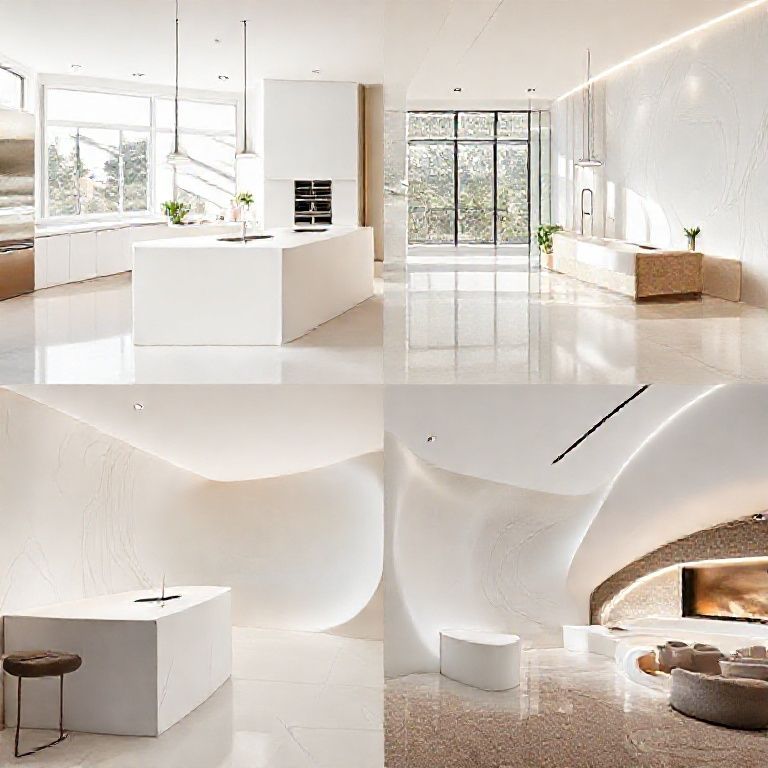
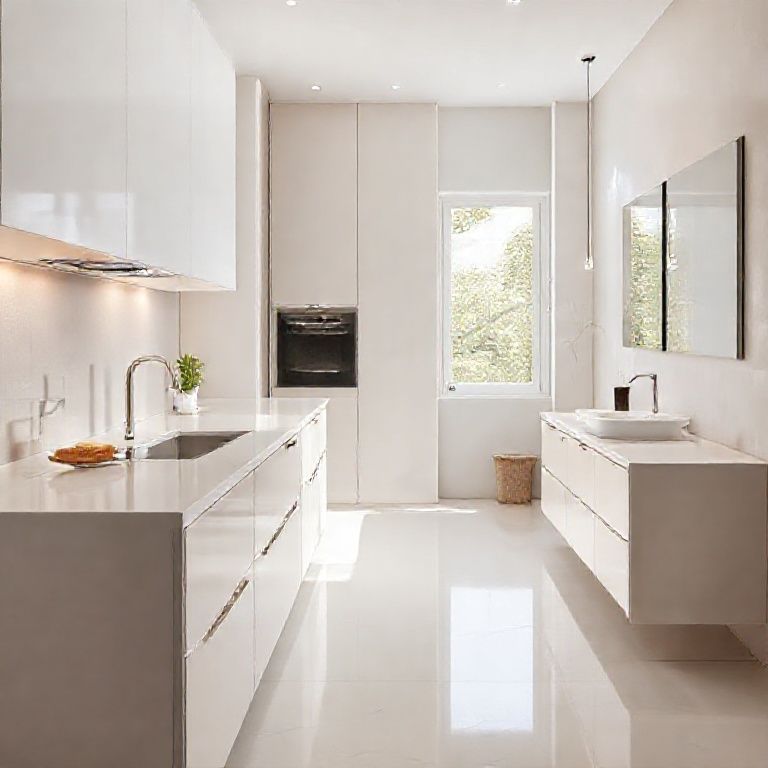
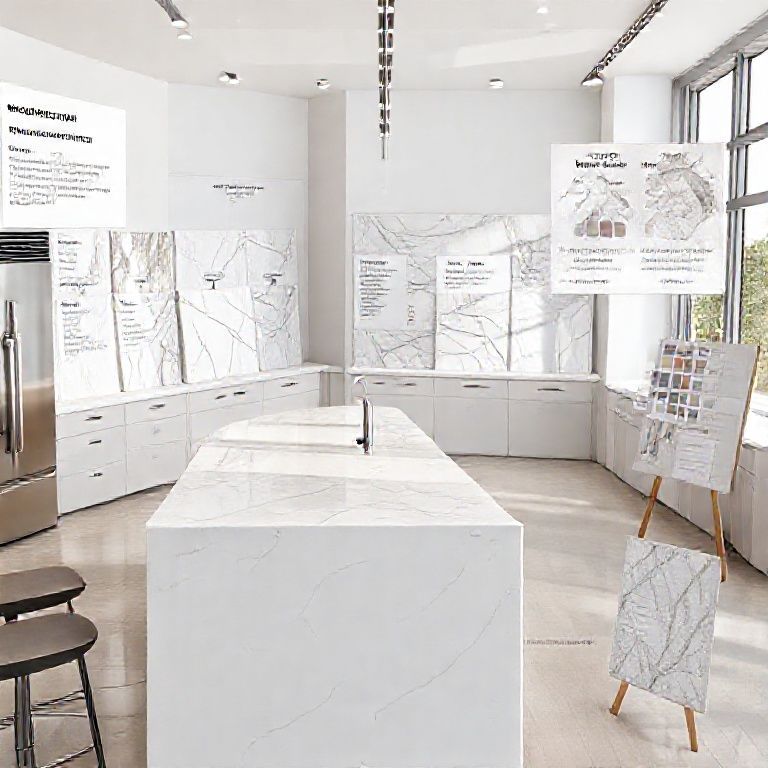
${part1} Artificial marble has gained significant popularity in recent years, often praised for its beauty and durability. However, beneath its glossy surface lie several drawbacks that potential users should consider before making a decision. This article explores the top 10 disadvantages of artificial marble, helping you make an informed choice for your next renovation or construction project.

1. Maintenance Issues
Artificial marble requires regular maintenance to maintain its pristine appearance. Unlike natural stone, it can be susceptible to stains and scratches. Acidic foods, such as tomatoes or citrus, can leave unsightly stains, and abrasive cleaners can damage the surface. Regular cleaning with a soft cloth and a mild, non-abrasive cleaner is essential to keep artificial marble looking new.
2. Limited Heat Resistance
While artificial marble can handle moderate temperatures, it is not as heat-resistant as natural stone or granite. Heat can cause the material to warp or crack, especially if there is a sudden temperature change. This makes it unsuitable for areas where high heat is a constant, such as under stovetops or around open flames.
3. Aesthetic Limitations
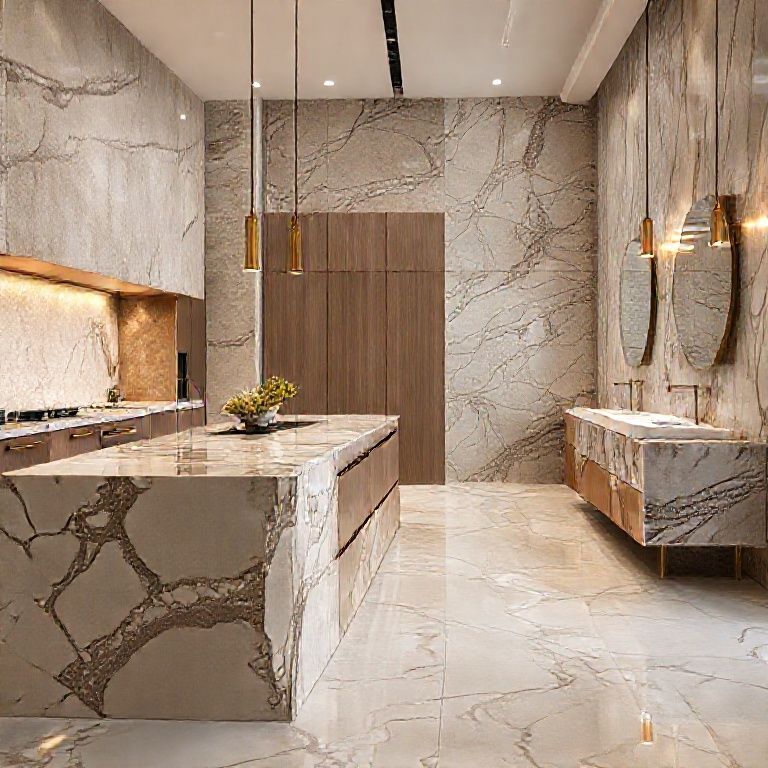
Artificial marble, despite its many advantages, has certain aesthetic limitations. It cannot replicate the unique veining and color variations found in natural stone. This means that while it can look beautiful, it lacks the individuality and uniqueness of natural materials. For those seeking a truly one-of-a-kind look, artificial marble may fall short.
4. Durability Concerns
Although artificial marble is durable, it is not as robust as some natural stones. The material can be prone to chips and cracks, especially if subjected to heavy impacts or sharp objects. This makes it less suitable for high-traffic areas where durability is a priority.
5. Installation Challenges
The installation of artificial marble can be more complicated than that of natural stone. Unlike natural stone slabs that can be cut to fit, artificial marble often requires pre-fabricated pieces that may not always fit perfectly. This can lead to gaps, uneven edges, and the need for additional finishing work, which can increase the overall cost and complexity of the installation process.
6. Health Concerns
Artificial marble is made from a combination of materials, including melamine resin, which can emit volatile organic compounds (VOCs) during manufacturing and installation. While these levels typically decrease over time, some concerns remain regarding the long-term health effects of prolonged exposure to these chemicals. For those with sensitivities or health concerns, this could be a significant consideration.
7. Cost of Repair
Repairing artificial marble can be more costly and complicated than repairing natural stone. If a crack or chip occurs, the entire piece might need to be replaced rather than just a section. This can be particularly problematic for custom or unique designs where replacement may not be straightforward or possible.
8. Limited Availability of Colors and Patterns
While artificial marble offers a variety of colors and patterns, the options are still limited compared to natural stone. Natural stone provides a virtually limitless range of colors, veining, and patterns, each piece being unique. For those seeking a highly customized look, artificial marble may not offer the same level of customization.
9. Environmental Impact
The production of artificial marble involves synthetic materials that can have a higher environmental impact compared to natural stone. The manufacturing process can be energy-intensive and may produce waste that is not as easily recyclable as natural stone. Additionally, the use of synthetic materials can lead to environmental concerns regarding the disposal of non-biodegradable components.
10. Warranty Limitations
While many manufacturers offer warranties for artificial marble, these often come with limitations. Warranties may not cover certain types of damage, such as scratches, stains, or improper installation issues. It’s important to read the fine print and understand what is covered before committing to a purchase.
In conclusion, while artificial marble offers many advantages, it also has several drawbacks that should not be overlooked. From maintenance issues to aesthetic limitations, understanding these disadvantages can help you make a more informed decision when considering this popular material for your next project.
${part2} Continuing our deep dive into the top 10 drawbacks of artificial marble, we will explore more detailed aspects that may influence your decision-making process when considering this material for your home or commercial space.
11. Water Absorption
Artificial marble is not completely impervious to water, unlike many natural stones. Over time, prolonged exposure to water can cause the material to absorb moisture, leading to potential warping or discoloration. This is particularly important for areas exposed to frequent moisture, such as kitchen sinks or countertops.
12. Chemical Resistance
While artificial marble is resistant to many chemicals, it is not invulnerable. Strong acids, solvents, and cleaning agents can damage the surface over time. This means that regular, careful cleaning is essential to maintain the appearance and longevity of the material. For environments where chemicals are frequently used, the risk of damage may be higher.
13. Thermal Expansion
Artificial marble can expand and contract with temperature changes, unlike natural stone. This can lead to issues with expansion joints and may cause the material to crack or warp in extreme temperature variations. It’s important to consider this factor when planning installations in areas with significant temperature fluctuations.
14. Installation Time
The installation of artificial marble can be more time-consuming than natural stone. Because it often requires pre-fabricated pieces and specialized cutting, the process can be labor-intensive. This can result in longer installation times and potentially higher labor costs compared to natural stone, which can often be cut on-site to exact measurements.
15. Uneven Surfaces
During the manufacturing process, artificial marble can develop uneven surfaces that require additional finishing. Unlike natural stone, which can often be polished to a smooth, even finish, artificial marble may need additional sanding or buffing to achieve a perfect surface. This extra step can add to the overall cost and time of the installation process.
16. Limited Flexibility
Artificial marble is a rigid material that does not bend or flex. This can make it less suitable for certain design applications where a more flexible material might be preferable. For example, in areas where movement or shifting is expected, such as under cabinets or in walls, artificial marble may not provide the desired aesthetic or functional outcome.
17. Compatibility Issues
When integrating artificial marble with other materials, compatibility issues can arise. For example, if artificial marble is combined with metal fixtures or hardware, there may be issues with corrosion or galvanic reactions over time. Ensuring compatibility between different materials is crucial to prevent long-term damage and maintain the integrity of the installation.
18. Limited Lifespan
While artificial marble is designed to be durable, its lifespan may be limited compared to some natural stones. Factors such as exposure to high heat, chemicals, and physical impacts can shorten its lifespan. For projects where longevity is a primary concern, the potential for a shorter lifespan of artificial marble may be a significant drawback.
19. Environmental Concerns
The production of artificial marble involves synthetic materials that can contribute to environmental concerns. The manufacturing process often requires significant energy and can produce waste that is not easily recyclable. Additionally, the use of synthetic materials may lead to environmental issues related to disposal and potential contamination.
20. Lack of Natural Beauty
One of the most significant drawbacks of artificial marble is the lack of natural beauty found in materials like granite, marble, and quartzite. Natural stone offers unique beauty that cannot be replicated by artificial materials. The individual characteristics and imperfections of natural stone add to its appeal and uniqueness, which artificial marble often lacks.
In conclusion, while artificial marble offers many benefits, it is essential to weigh these against its numerous drawbacks. From maintenance issues to environmental concerns, understanding these disadvantages can help you make a more informed decision when selecting materials for your next project. Consider your specific needs, the environment where the material will be used, and your long-term goals to determine if artificial marble is the right choice for you.