The Top Three Stones to Avoid on Your Window Sill: A Comprehensive Guide
When it comes to enhancing the aesthetic appeal of your home, the choice of materials for various surfaces plays a crucial role. Among these, window sills are often adorned with various types of stones. While some stones might seem like an excellent choice for their beauty and durability, certain types can pose significant risks and challenges. Here, we focus on the top three stones you should avoid for your window sills and understand why they’re not the best choice.

1. Marble
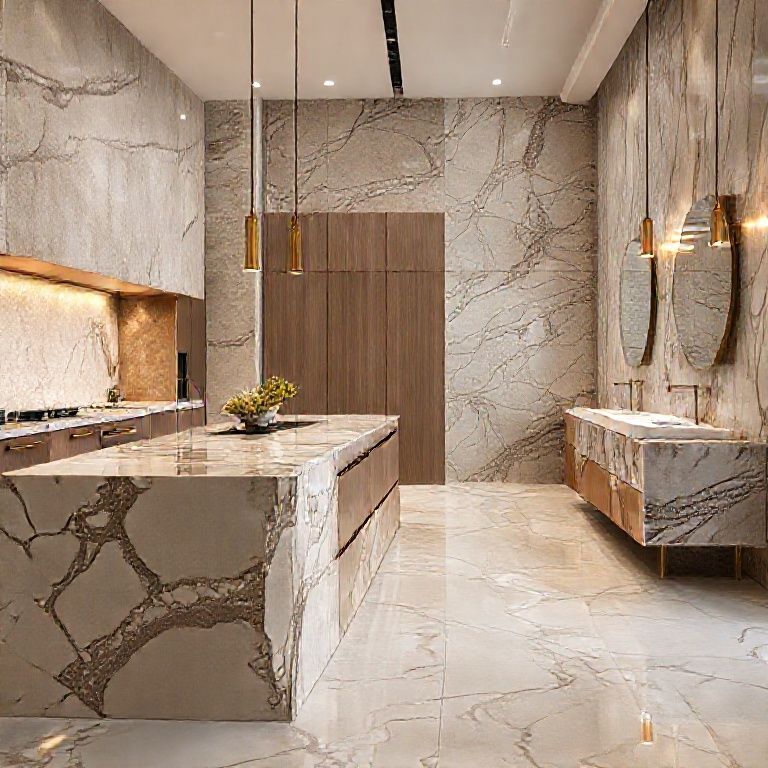
Marble is renowned for its exquisite beauty and is often used in high-end interior decor. However, its delicate nature makes it a poor choice for window sills.
Porosity and Staining
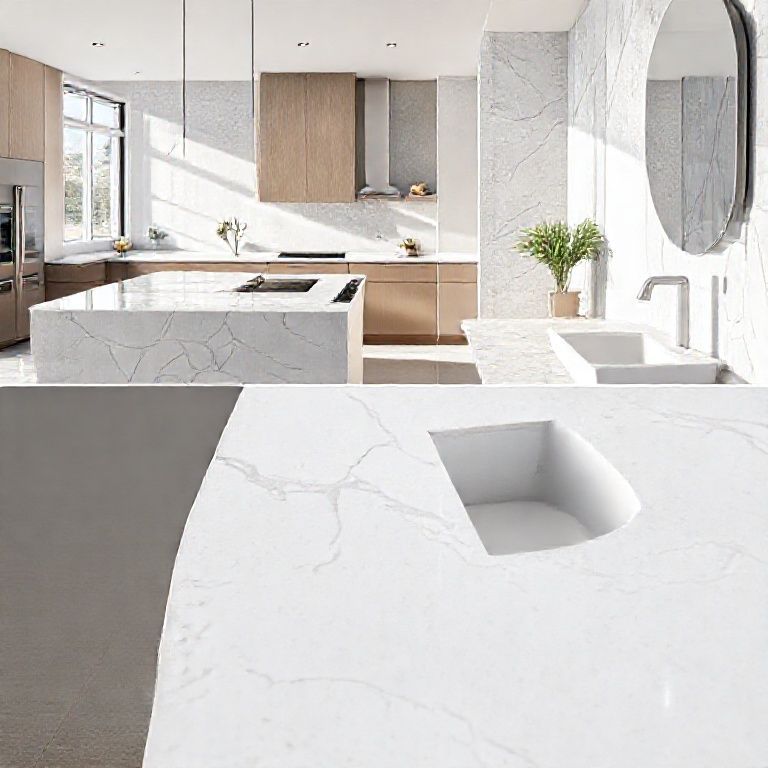
Marble is a metamorphic rock that contains high levels of minerals and is often porous. This porosity makes marble highly susceptible to staining from spills and daily use. Even a small amount of coffee, juice, or any other liquid can seep into the marble and leave permanent marks. Unlike granite or quartz, marble cannot be sealed to prevent staining, making it particularly vulnerable in a high-traffic area like a window sill.
Acidity and Etching
Marble also reacts poorly to acidic substances, which are common in household cleaning products. Acids can etch and damage the marble surface, creating unsightly swirls and discoloration. Over time, this can lead to a significant loss of the marble’s original shine and appearance.
Thermal Sensitivity
Another drawback of marble is its sensitivity to temperature changes. Cooking spills or hot pots placed on the sill can cause thermal shock, leading to cracks and other forms of damage. This makes marble an impractical choice for window sills where such incidents are frequent.
2. Limestone
Limestone, often used in construction and decorative elements, is another stone that should be avoided for window sills due to its inherent properties.
High Porosity
Like marble, limestone is also porous. This high porosity makes it highly susceptible to stains and moisture damage. Over time, spills and regular exposure to water can seep into the stone and cause it to deteriorate, leading to a loss of structural integrity.
Weathering
Limestone is also prone to weathering. Exposure to the elements can cause the stone to become dull and develop a chalky appearance. This not only affects the aesthetic appeal but also weakens the stone’s surface, making it more susceptible to further damage.
Chemical Reactivity
Limestone’s chemical composition makes it reactive to many common household cleaning agents. Acidic cleaners can cause etching and discoloration, compromising the stone’s appearance and longevity.
3. Slate
Slate is a metamorphic rock that is often chosen for its durability and natural beauty. However, when it comes to window sills, there are several reasons why slate may not be the best option.
Cracking
Slate is prone to cracking, especially when subjected to temperature fluctuations. Hot liquids or cooking spills can cause thermal stress, leading to cracks and fissures in the stone. Over time, these cracks can become more pronounced, compromising the structural integrity of the sill.
Weather Sensitivity
Slate can also be sensitive to weather conditions, particularly in regions with significant temperature variations. This sensitivity can lead to weathering and a gradual degradation of the stone’s surface.
Splitting
Natural splits and fractures are common in slate, which can create uneven surfaces. While some might consider this characteristic as part of its natural beauty, it can be problematic for a window sill where a smooth, even surface is essential for both appearance and functionality.
The Top Three Stones to Avoid on Your Window Sill: A Comprehensive Guide
In the previous part, we explored why marble, limestone, and slate are not ideal choices for your window sills. Here, we continue by discussing the broader implications of using inappropriate stone materials on window sills and delve into better alternatives.
Understanding the Risks
When selecting materials for your window sills, understanding the inherent properties and risks associated with different stones is crucial. Here’s a deeper look at why the mentioned stones are problematic and the broader implications for your home.
Aesthetic Damage
Aesthetic damage is one of the most immediate concerns. Stains, etching, and discoloration can significantly detract from the overall look of your home. For marble and limestone, this is often irreversible, leading to a loss of value and appeal. Slate’s natural fractures and weathering can also create an uneven, unattractive surface.
Structural Integrity
The structural integrity of your window sill is paramount. Stones that are prone to cracking, splitting, or weathering can compromise the stability of the sill, potentially leading to more severe issues over time. This can affect the overall safety and functionality of your window.
Maintenance Challenges
Maintaining the appearance and longevity of your window sill is essential. Stones that are difficult to clean and maintain, such as those that stain easily or react to cleaning agents, require more effort and can lead to higher maintenance costs. This is not only time-consuming but can also be financially burdensome.
Better Alternatives to Avoid Window Sill Issues
While marble, limestone, and slate have their drawbacks, there are several stone alternatives that are much more suitable for window sills.
Granite
Granite is a durable and low-maintenance option that stands up well to the rigors of daily use.
Low Porosity
Granite has a lower porosity compared to marble and limestone, making it more resistant to staining. While it is not completely impervious, its surface can be sealed to prevent minor stains and spills from penetrating deeply.
High Durability
Granite’s hardness and durability make it resistant to scratches and thermal shock. This means it can withstand hot liquids and cooking spills without cracking or etching, ensuring a longer-lasting and more reliable option for your window sill.
Easy Maintenance
Granite is relatively easy to clean and maintain. Regular cleaning with mild soap and water can keep it looking pristine. For more stubborn stains, specialized granite cleaners are available to restore its original shine.
Quartzite
Quartzite is another excellent alternative with superior properties for window sills.
Superior Hardness
Quartzite is one of the hardest natural stones available, offering exceptional resistance to scratches, stains, and thermal shock. This makes it highly durable and low-maintenance, ideal for high-traffic areas like window sills.
Non-Porous
Quartzite is non-porous, which means it is highly resistant to stains and moisture. This property ensures that spills and daily use won’t penetrate the stone, maintaining its appearance over time.
Versatile Aesthetics
Quartzite comes in a variety of colors and patterns, providing a versatile aesthetic option that can complement various interior designs.
Corian
Corian is a synthetic stone made from a combination of 90% natural stone and 10% high-quality polymers.
Stain Resistance
One of the standout features of Corian is its exceptional stain resistance. It doesn’t absorb liquids, meaning spills won’t penetrate or stain the surface. This makes it an excellent choice for window sills where spills are common.
Easy Maintenance
Corian is easy to clean and maintain. Regular cleaning with a mild detergent and water can keep it looking new. It’s also resistant to scratches and doesn’t require sealing, simplifying its upkeep.
Versatile Design
Corian offers a wide range of colors and textures, providing versatility in design options. It can mimic the appearance of natural stones while offering the benefits of durability and low maintenance.
Conclusion
Choosing the right material for your window sill is an important decision that can significantly impact both the aesthetics and the longevity of your home. While marble, limestone, and slate might seem like attractive options at first glance, their inherent properties make them unsuitable for this particular surface. Granite, quartzite, and Corian offer superior durability, low maintenance, and resistance to stains and moisture, making them much better alternatives.
Understanding the risks associated with inappropriate stone materials and selecting the right alternative can help you maintain a beautiful, functional, and long-lasting window sill. By making an informed choice, you can ensure that your home remains both beautiful and durable, enhancing its overall value and appeal.