The Origins and Properties of Engineered Marble
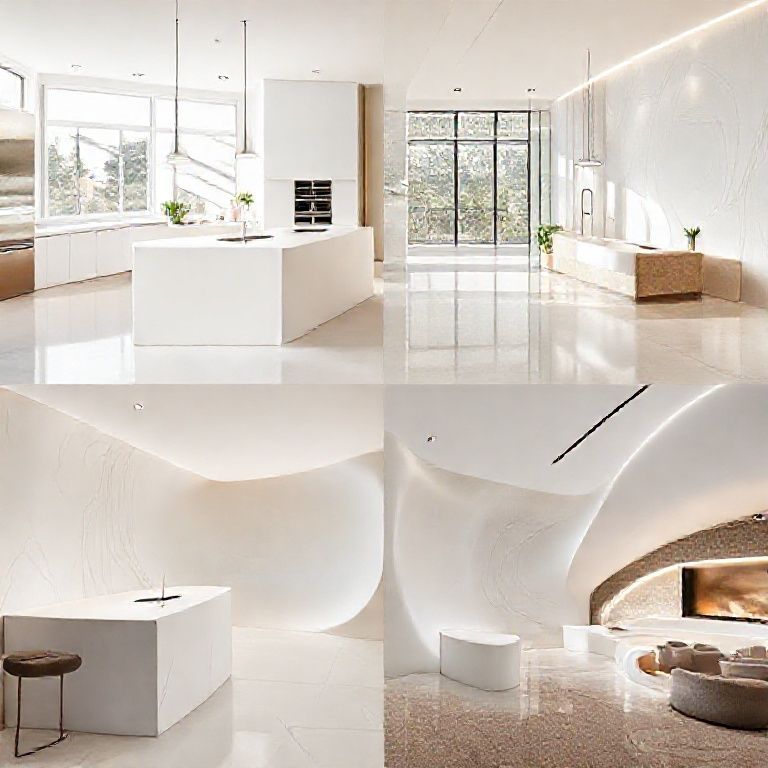
When considering luxurious and durable materials for interior design, engineered marble stands out as a top choice. Unlike natural marble, which is extracted from quarries, engineered marble is manufactured in a controlled environment. This innovation allows designers and homeowners to enjoy the aesthetic appeal of marble without the limitations and costs associated with natural stone.

What is Engineered Marble?
Engineered marble, also known as synthetic or cultured marble, is a composite material made from a combination of marble powder and resin. This process begins with finely ground marble chips that are mixed with a polymer resin, typically polyurethane. The mixture is then poured into molds and allowed to cure under pressure. The result is a solid surface that mimics the look and feel of natural marble while offering superior performance characteristics.
The Benefits of Engineered Marble
1. Aesthetic Versatility:
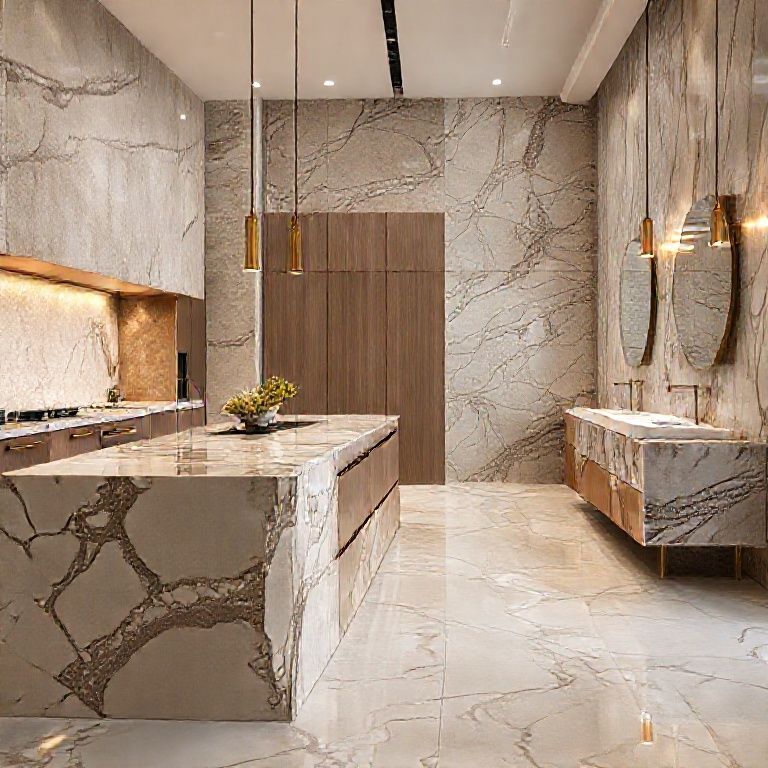
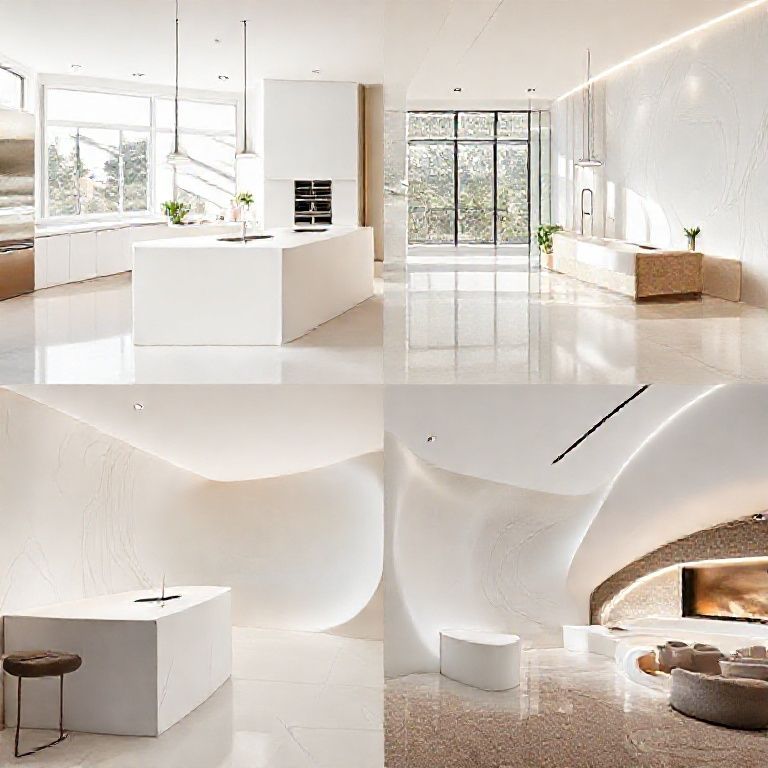
Engineered marble boasts an unparalleled range of colors, patterns, and textures, allowing for endless creative possibilities. This versatility makes it an ideal choice for modern interior design, where unique and personalized aesthetics are highly valued. Whether you’re envisioning a sleek kitchen counter, a chic bathroom vanity, or a sophisticated tabletop, engineered marble can be customized to fit any vision.
2. Durability and Strength:
One of the most significant advantages of engineered marble is its durability. Unlike natural stone, which can be prone to chips, cracks, and staining, engineered marble is a solid surface that is resistant to these issues. The resin binding the marble powder provides exceptional strength, making it suitable for high-traffic areas where wear and tear are common. This durability ensures that your investment in engineered marble will withstand the test of time.
3. Water Resistance and Easy Maintenance:
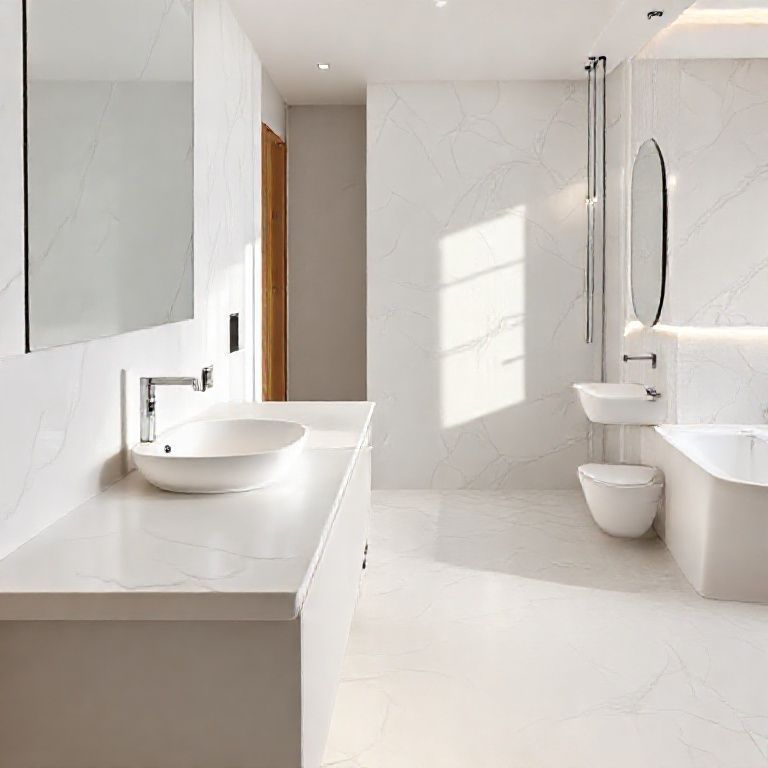
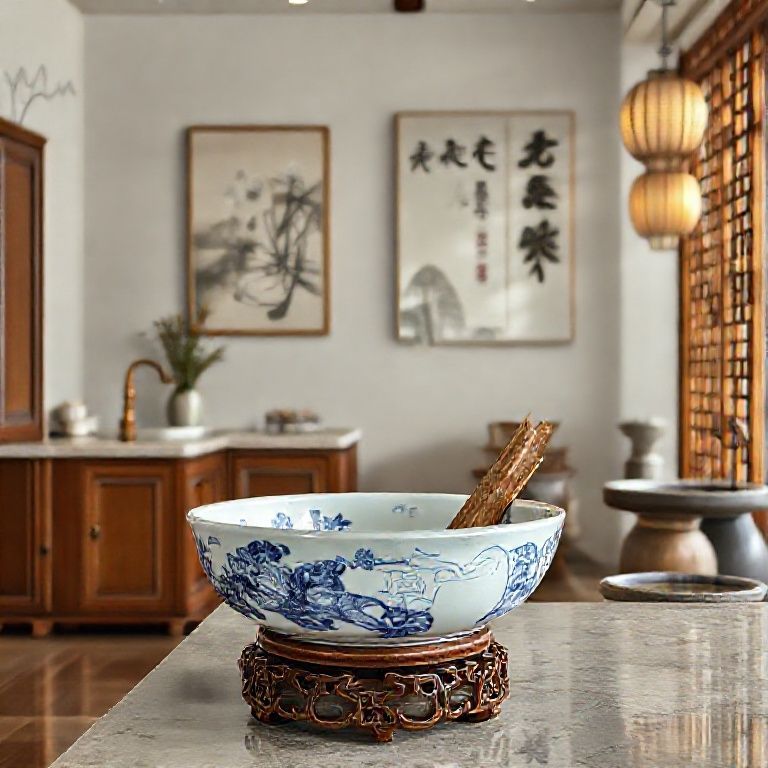
Engineered marble is highly water-resistant, making it an excellent choice for kitchens, bathrooms, and other areas where moisture is a concern. Unlike natural marble, which can absorb water and develop stains, engineered marble’s solid surface prevents water from penetrating, reducing the risk of damage and making maintenance a breeze. Cleaning engineered marble surfaces typically involves simple wiping with a damp cloth and mild detergent, ensuring that they stay pristine and beautiful.
4. Cost-Effectiveness:
Another compelling reason to choose engineered marble is its cost-effectiveness. Because it is manufactured rather than mined, engineered marble can be produced in large quantities without the environmental impact and high costs associated with natural stone. This efficiency translates to more affordable pricing for consumers, making it accessible for a wide range of applications.
5. Eco-Friendly Options:
For those concerned about the environmental impact of construction materials, engineered marble offers a sustainable alternative to natural stone. The production process can be optimized to minimize waste, and many manufacturers use recycled materials in the production of engineered marble. Additionally, the longevity of engineered marble reduces the need for frequent replacements, further contributing to its eco-friendly profile.
Applications and Future Trends in Engineered Marble
Engineered marble is not just a static material but a dynamic one, continually evolving to meet the needs of modern design and functionality. Its applications are vast and varied, from residential spaces to commercial environments, each benefiting from its unique attributes.
Applications in Residential Spaces
1. Kitchens:
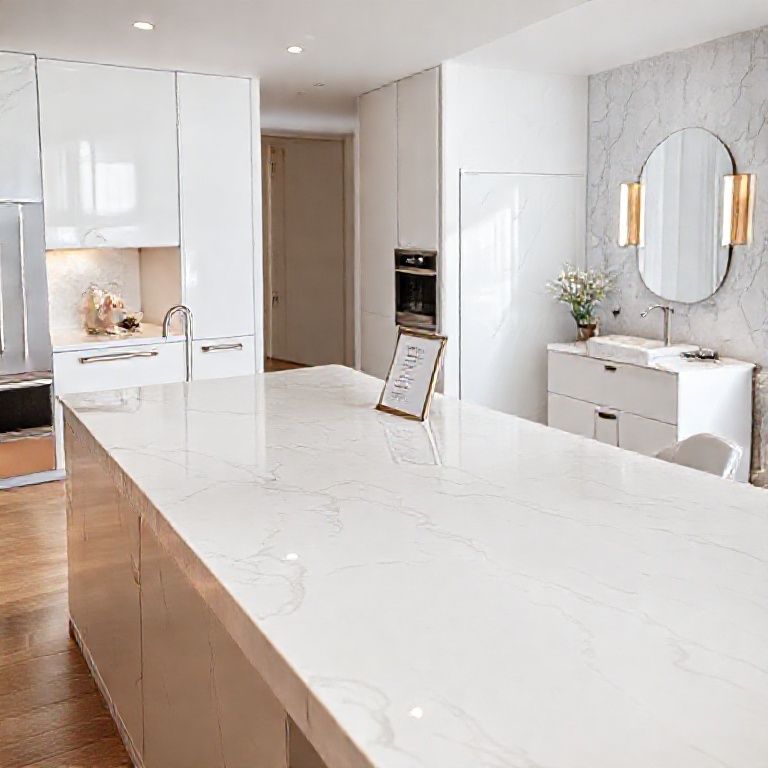
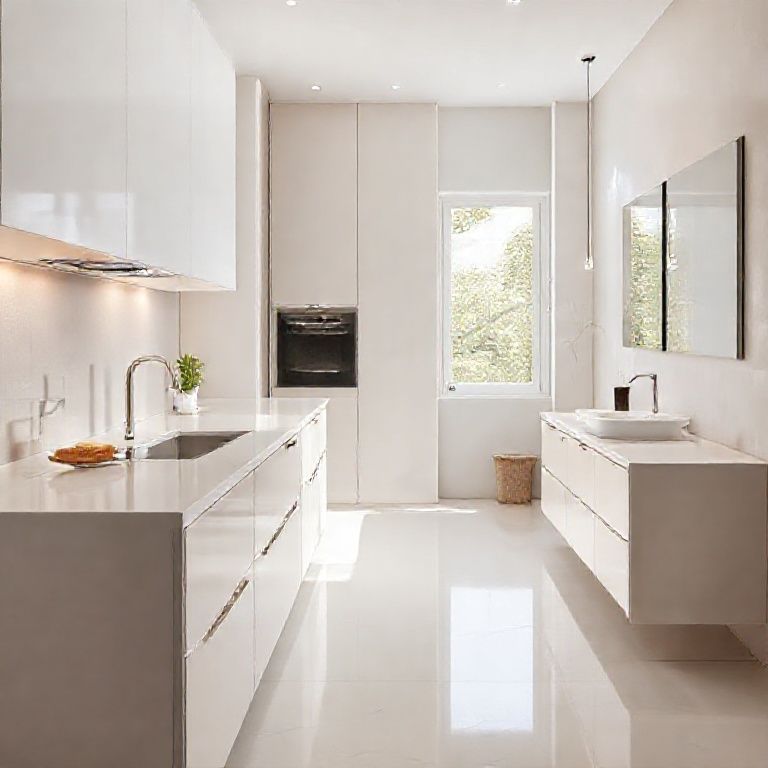
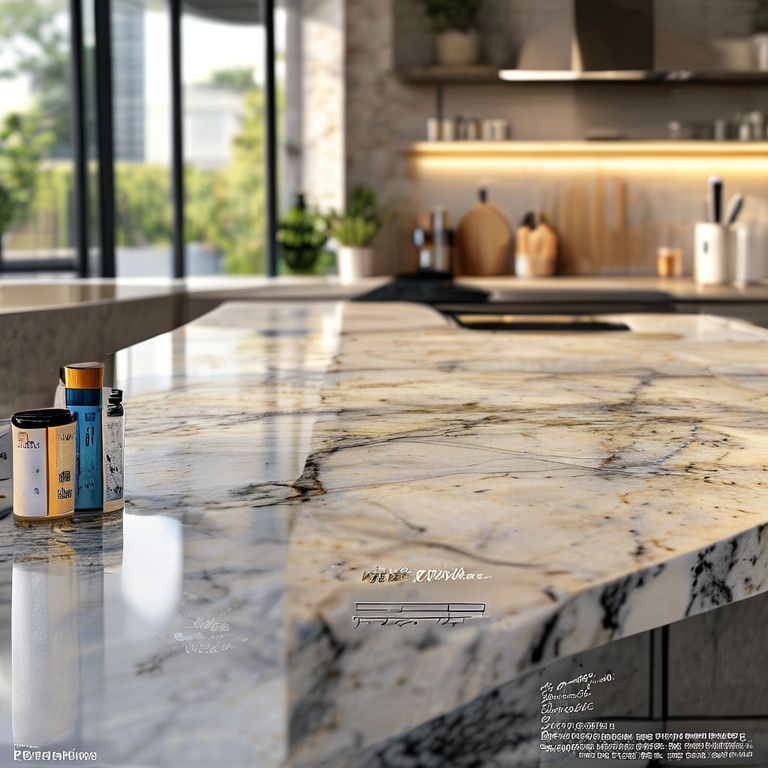
In the kitchen, engineered marble is a popular choice for countertops, backsplashes, and even cabinetry. Its resistance to water and stains makes it an ideal material for a space where food preparation and cleaning are frequent activities. The aesthetic appeal of engineered marble can enhance the overall look of a kitchen, from traditional to contemporary styles. With its ability to mimic the look of natural marble, it brings a touch of luxury without the upkeep.
2. Bathrooms:
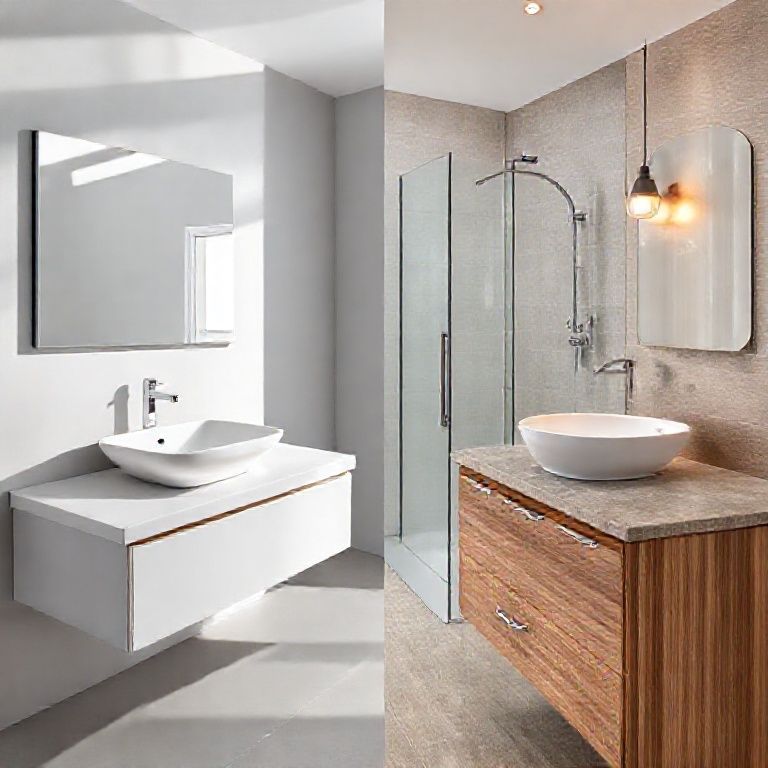
Bathrooms are another area where engineered marble shines. Its water resistance and durability make it perfect for countertops, sinks, and even bathtubs. The ability to create custom designs and patterns allows for unique and personalized bathroom designs. Engineered marble’s maintenance-friendly nature ensures that it remains looking new for years to come, even with daily use.
3. Living Areas:
Engineered marble can also be found in living areas, where its aesthetic appeal is often the primary consideration. Coffee tables, side tables, and even decorative elements can be crafted from engineered marble, adding a touch of elegance and sophistication to any room. Its versatility allows it to complement various design styles, from modern and minimalist to traditional and ornate.
Applications in Commercial Environments
1. Offices:
In commercial settings like offices, engineered marble is prized for its durability and low maintenance. Reception areas, conference rooms, and open-plan spaces benefit from the strength and appearance of engineered marble. Its resistance to spills and scratches ensures that it maintains its pristine look in high-traffic areas, providing a professional and polished environment.
2. Retail Spaces:
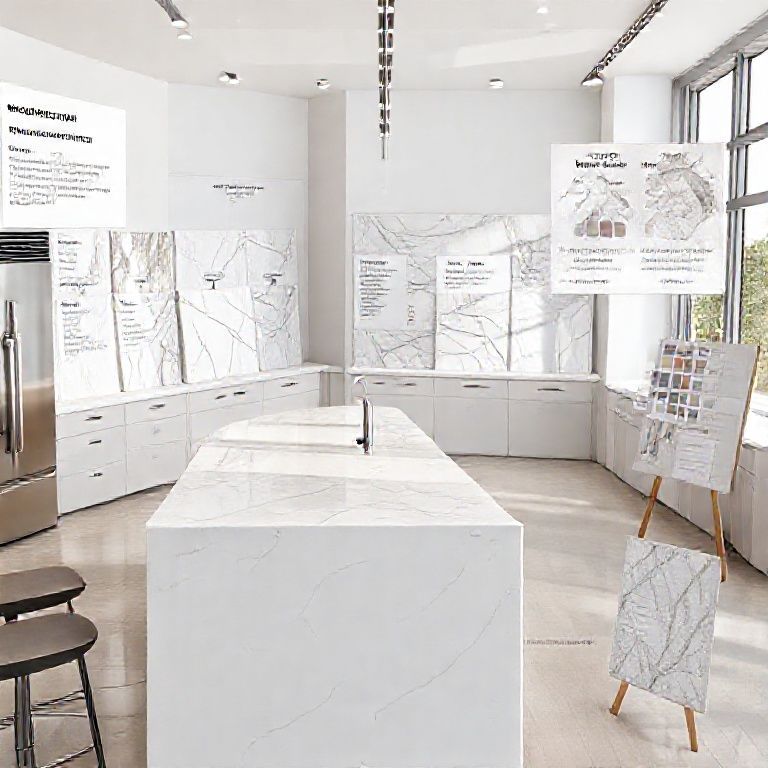
Retail environments also leverage the benefits of engineered marble. Countertops, display tables, and shelving units made from engineered marble provide a sturdy and attractive surface that can enhance the shopping experience. The material’s ability to mimic natural marble allows retailers to offer a high-end look without the premium price tag.
3. Restaurants and Hospitality:
The hospitality industry, including restaurants and hotels, frequently uses engineered marble for countertops, bars, and other surfaces that require both durability and a luxurious appearance. The material’s resistance to spills and stains makes it ideal for high-traffic areas where cleanliness and appearance are paramount.
Future Trends in Engineered Marble
1. Advanced Manufacturing Techniques:
As technology continues to advance, so too does the manufacturing of engineered marble. New techniques and innovations are enhancing the quality and variety of this material. Enhanced resins and improved manufacturing processes are leading to even more durable and aesthetically impressive products.
2. Sustainable Practices:
Sustainability will continue to be a major focus in the production of engineered marble. Manufacturers are exploring ways to further reduce waste, use recycled materials, and minimize the environmental impact of production. This trend is in line with global efforts to create more sustainable building materials.
3. Customization and Personalization:
The future of engineered marble will likely see even greater customization options. Advances in technology allow for more intricate designs and patterns, catering to the unique preferences of designers and homeowners. This level of customization will make engineered marble even more versatile and appealing across various applications.
4. Integration with Smart Technology:
As smart home and office technologies continue to evolve, engineered marble may see new applications in these areas. For instance, surfaces with embedded sensors or interactive features could become possible, combining the aesthetic benefits of marble with cutting-edge technology.
Conclusion:
Engineered marble is revolutionizing the way we think about interior design and construction materials. Its combination of beauty, durability, and cost-effectiveness makes it an attractive choice for both residential and commercial projects. As technology and manufacturing processes continue to advance, the potential applications and benefits of engineered marble will only grow, ensuring that it remains at the forefront of modern design trends. Whether you’re looking to enhance the aesthetic appeal of your home or create a professional and durable environment in a commercial space, engineered marble offers a versatile and innovative solution.