Composition and Potential Health Risks of Artificial Marble
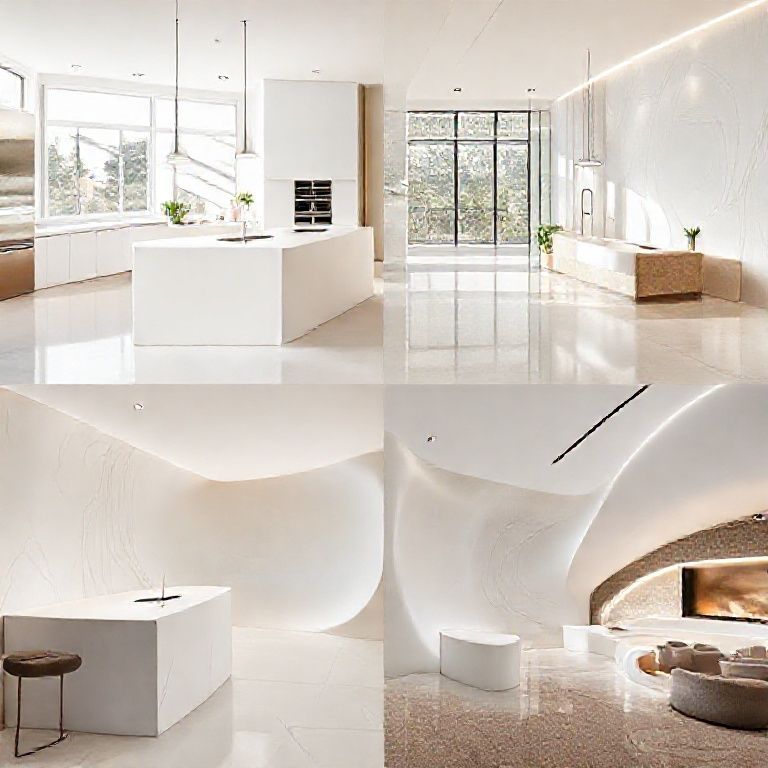
Artificial marble, often referred to as cultured stone or artificial stone, has surged in popularity over the past few years. Its sleek, durable, and cost-effective appeal makes it a favored choice for countertops, tabletops, and decorative elements in both residential and commercial settings. But amidst its growing use, a pressing question emerges: is artificial marble toxic?

Understanding Artificial Marble
Artificial marble is a composite material typically made from a mixture of quartz (often in the form of silica sand), resin, and pigments. The process involves melting the quartz particles with a polymer resin binder at high temperatures, then pouring the mixture into molds to create various shapes and designs. Once cooled, the material is polished to achieve a shiny, marble-like finish.
The Composition Breakdown
Quartz and Silica
One of the primary components of artificial marble is quartz, which is essentially pure silica. While quartz itself is a natural mineral found in many parts of the world, its role in artificial marble can raise some concerns. When quartz is heated to high temperatures during the manufacturing process, it can become crystalline, which may lead to the release of fine silica particles. Prolonged or repeated inhalation of these particles can lead to silicosis, a serious lung disease.
Resin Binders
The polymer resin used in artificial marble acts as a binder, holding the quartz particles together. These resins often contain various chemicals that can pose health risks. For instance, urea-formaldehyde resins, commonly used in this application, release formaldehyde—a known carcinogen and respiratory irritant. Formaldehyde emissions can occur during both the manufacturing process and the life of the product, especially if the material is cut, drilled, or otherwise altered.
Pigments and Additives
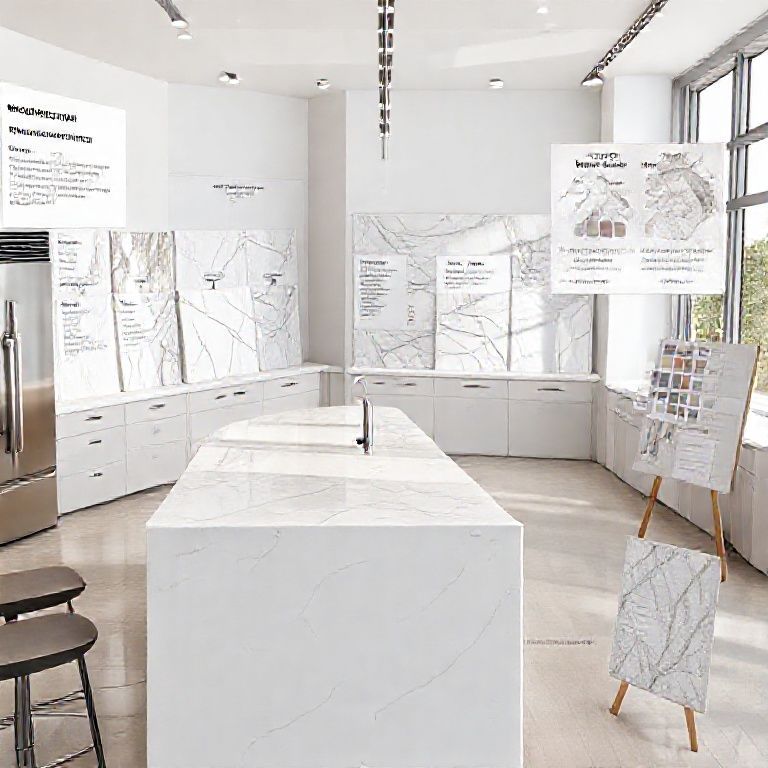
Colorants and other additives used to achieve the desired aesthetic effects in artificial marble can also contribute to its potential toxicity. Some pigments may contain heavy metals like lead, chromium, or cadmium, which are toxic to human health. Additionally, these additives might include volatile organic compounds (VOCs) that can off-gas and contribute to indoor air pollution.
Potential Health Risks
Respiratory Issues
The most immediate concern with artificial marble is respiratory health. Fine silica particles and formaldehyde released during cutting, drilling, or sanding can be inhaled and lead to respiratory problems. Workers in manufacturing plants and installers in homes or offices may be at higher risk of exposure, potentially leading to chronic respiratory conditions like silicosis or exacerbated asthma.
Skin Irritation
Handling artificial marble can lead to skin irritation, particularly for those with sensitive skin or pre-existing skin conditions. The resins and pigments used can cause allergic reactions, manifesting as redness, itching, or dermatitis. Prolonged exposure without proper protective gear can exacerbate these issues.
Long-term Health Effects
Long-term exposure to the chemicals involved in artificial marble production, especially formaldehyde and heavy metals, poses significant health risks. Formaldehyde is a known carcinogen and can cause various cancers, including nasopharyngeal cancer and leukemia. Heavy metals can lead to a range of health problems, including neurological damage, kidney issues, and developmental disorders, particularly in children.
Mitigating Risks
While the potential risks of artificial marble are concerning, there are several strategies to mitigate these health hazards:
Proper Ventilation
Ensuring adequate ventilation during any cutting, drilling, or sanding activities can significantly reduce airborne particle exposure. Using exhaust fans or opening windows to disperse silica particles and fumes is crucial.
Personal Protective Equipment (PPE)
Wearing appropriate PPE, such as N95 respirators, gloves, and protective clothing, can help minimize direct contact and inhalation of harmful substances. Eye protection is also essential to prevent irritation from dust and chemicals.
Low-VOC Alternatives
Choosing artificial marble with low-VOC content can reduce the risk of indoor air pollution. Some manufacturers now offer eco-friendly options with reduced chemical emissions, which can be a safer alternative for both installers and end-users.
Regular Maintenance
Regular cleaning and maintenance of artificial marble surfaces can help keep particulate matter and chemical residues to a minimum. Using appropriate cleaning agents that are safe for the material can prevent damage while maintaining hygiene.
Safe Alternatives and the Future of Artificial Marble
While artificial marble offers undeniable benefits in terms of aesthetics and durability, understanding its potential toxicity is vital. The next step involves exploring safer alternatives and considering future innovations that could address these concerns.
Safe Alternatives to Artificial Marble
Natural Stone
Natural stone, such as granite, marble, and quartzite, provides a timeless and elegant alternative to artificial marble. These materials are naturally occurring and free from synthetic binders and pigments. However, they do come with their own set of considerations, such as cost, maintenance, and potential for heavy metal contamination.
Solid Surface Materials
Solid surface materials like Corian, Silestone, and Formica offer another alternative. These materials are made from polymers and minerals, creating a durable, seamless surface that mimics the look of natural stone. They typically have lower VOC emissions and are less likely to release harmful particles compared to artificial marble. However, they can still contain chemicals, so it’s essential to review safety data sheets and choose products with low chemical content.
Bamboo and Wood Composites
For those looking for a more eco-friendly option, bamboo and wood composites are gaining popularity. These materials combine the beauty of natural wood with the durability of composite technology. While they may not have the same durability as artificial marble, they offer a lower toxicity profile and can be a sustainable choice.
Innovations in Artificial Marble
Reduced Chemical Content
Manufacturers are increasingly focusing on reducing the chemical content of artificial marble to make it safer for both workers and consumers. Innovations in resin technology are leading to formulations with lower formaldehyde emissions and reduced reliance on heavy metals in pigments.
Improved Ventilation Techniques
Advancements in ventilation technology are making it easier to keep work environments safe. Portable air purifiers, high-efficiency particulate air (HEPA) filters, and advanced exhaust systems are helping to capture and remove harmful particles and fumes during the installation and maintenance of artificial marble.
Sustainable Practices
The future of artificial marble lies in sustainability. Developing manufacturing processes that minimize waste, reduce energy consumption, and utilize recycled materials can significantly lower the environmental impact. Companies that prioritize sustainability are likely to lead the market in the coming years, offering safer and more eco-friendly products.
Regulatory Measures and Standards
Governments and regulatory bodies are playing a crucial role in ensuring the safety of construction materials, including artificial marble. Stringent regulations on VOC emissions, chemical content, and worker safety standards are being implemented to protect public health.
Certifications and Standards
Certifications from recognized bodies, such as the Environmental Protection Agency (EPA) in the United States or the European Union’s REACH regulation, can guide consumers toward safer products. These certifications ensure that materials meet specific safety and environmental standards.
Consumer Awareness and Education
Consumer awareness is vital in making informed decisions about the materials used in home and commercial renovations. Educating consumers about the potential health risks associated with artificial marble and advocating for safer alternatives can drive demand for safer products.
Transparency in Manufacturing
Manufacturers that prioritize transparency in their manufacturing processes can build consumer trust. Providing detailed information about the composition of their products, safety testing, and environmental impact can help consumers make informed choices.
Conclusion
In conclusion, while artificial marble offers remarkable aesthetic and practical benefits, understanding its potential toxicity is essential. By examining the composition, health risks, and mitigation strategies, we can make informed decisions about its use in our homes and workplaces. Exploring safe alternatives and staying informed about innovations and regulatory measures can help ensure that our renovation projects are both beautiful and safe. As the market evolves, prioritizing safety and sustainability will be key to the future of artificial marble and other construction materials.