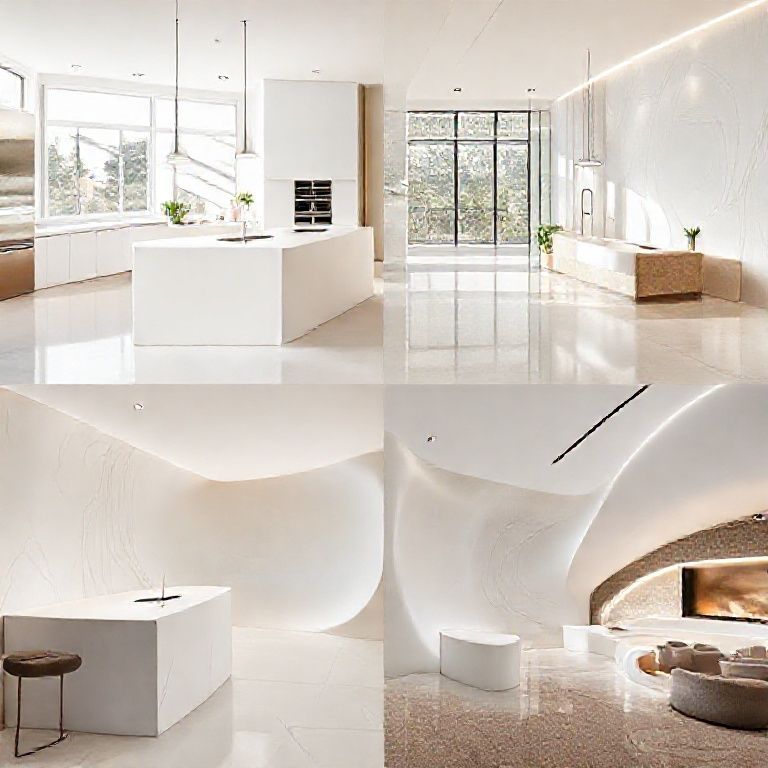
Composition and Production of Artificial Marble
In the world of modern home and office design, artificial marble has emerged as a popular choice for countertops, sinks, and various other surfaces due to its aesthetic appeal and durability. But amidst its growing popularity, questions about formaldehyde in artificial marble have surfaced, causing concern among consumers. In this part, we will delve into the composition and production process of artificial marble to understand where formaldehyde might come from and how it can be managed.

The Composition of Artificial Marble
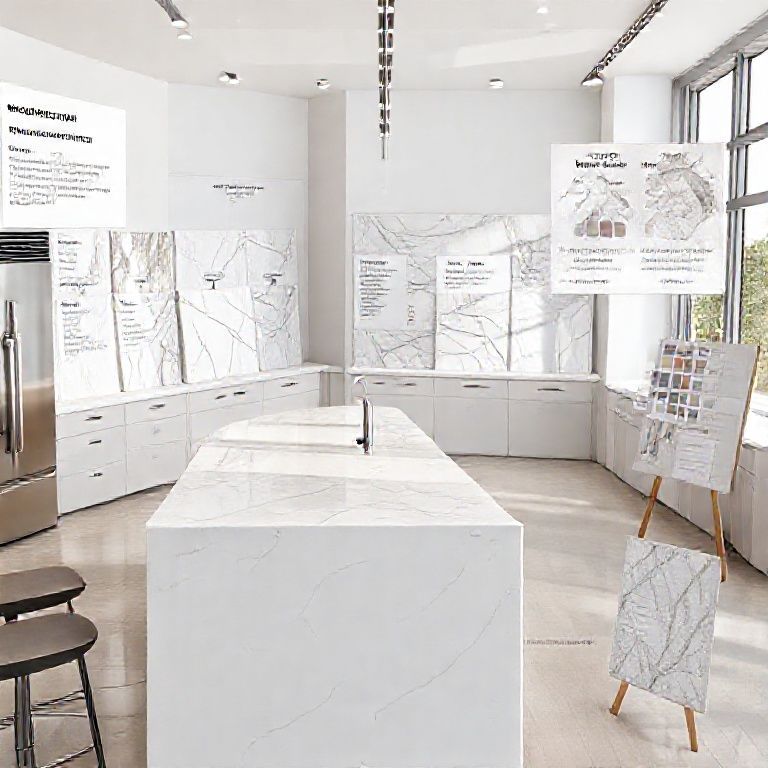
Artificial marble, also known as engineered stone, is primarily composed of natural minerals such as quartz, calcite, feldspar, and kaolin, which are combined with resins and pigments. The production process involves mixing these minerals with polymer resins, which act as a binding agent, and then compressing the mixture at high pressure and temperature to form a solid, monolithic stone. This combination results in a material that mimics the look and feel of traditional marble while offering superior strength and resistance to scratches, stains, and thermal damage.
The Role of Resins in Artificial Marble
The resin used in artificial marble is crucial as it binds the minerals together to form a cohesive and durable product. Commonly, these resins are made from polymers like urea-formaldehyde, melamine-formaldehyde, or polyester resins. While these resins significantly contribute to the strength and durability of artificial marble, they also raise concerns about formaldehyde emissions.
Understanding Formaldehyde
Formaldehyde is a colorless, flammable gas with a strong, pungent odor. It is naturally occurring and is also produced by a variety of human activities, including the burning of fossil fuels, tobacco smoking, and the use of household products. In the context of artificial marble, formaldehyde can be released during the manufacturing process or from the degradation of the resins used to bond the stone.
Regulatory Standards and Safety Measures
To ensure the safety of artificial marble products, manufacturers adhere to various international standards, such as those set by the International Organization for Standardization (ISO) and the European Committee for Standardization (CEN). These standards regulate the levels of formaldehyde emissions, ensuring that products meet specific safety criteria.
Manufacturers also employ several techniques to minimize formaldehyde emissions. These include using low-formaldehyde resins, optimizing production processes to reduce volatile organic compound (VOC) release, and conducting rigorous testing to verify compliance with safety standards. In many regions, certified artificial marble products carry labels indicating their compliance with these standards, providing consumers with an additional layer of assurance regarding their safety.
Real-World Applications and Alternatives
In the previous part, we explored the composition and production of artificial marble, shedding light on the potential sources of formaldehyde and the measures taken to mitigate its release. In this concluding part, we will discuss real-world applications of artificial marble, highlight its benefits and drawbacks, and explore alternative materials for those seeking safer options.
Applications of Artificial Marble
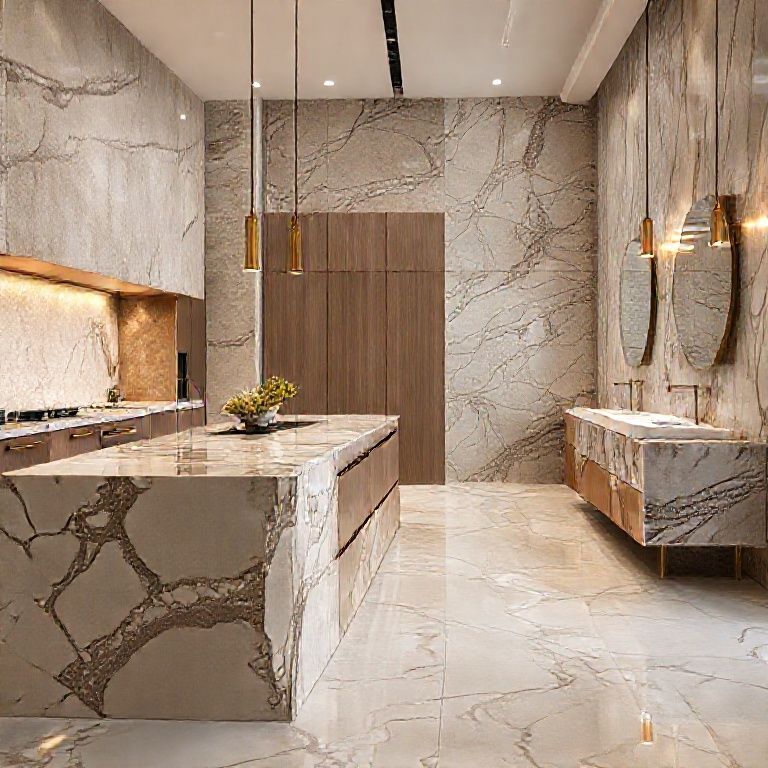
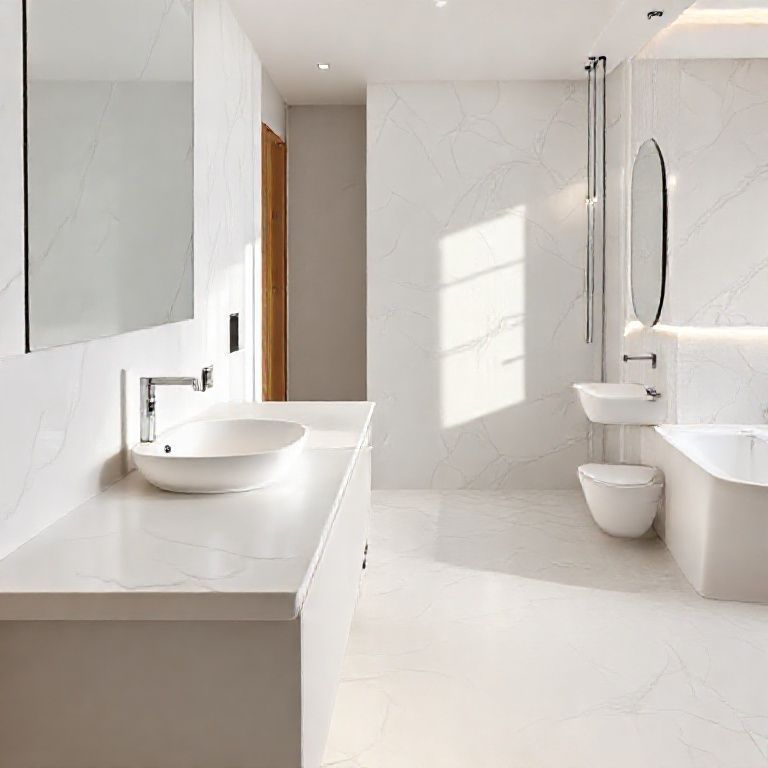
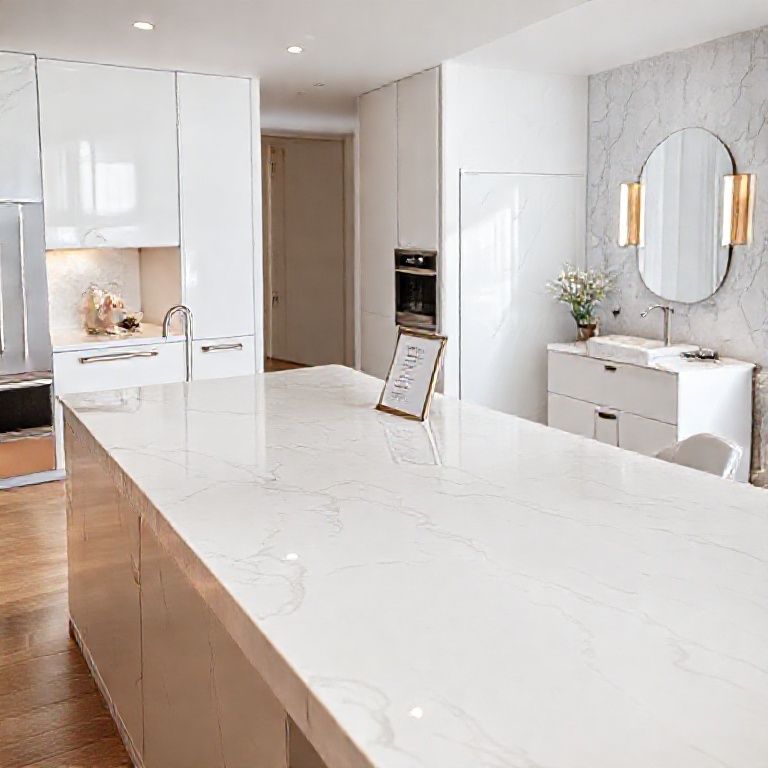
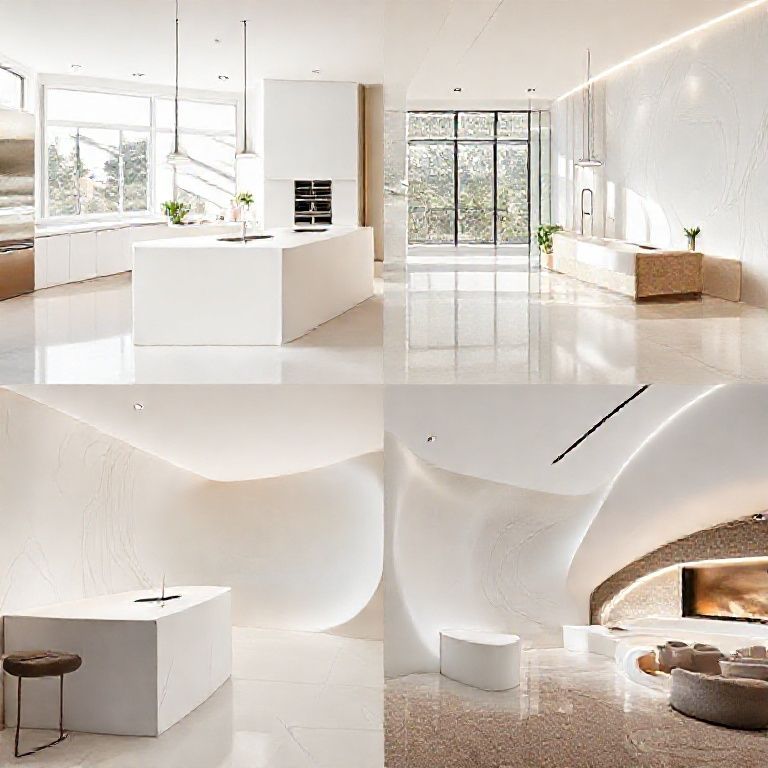
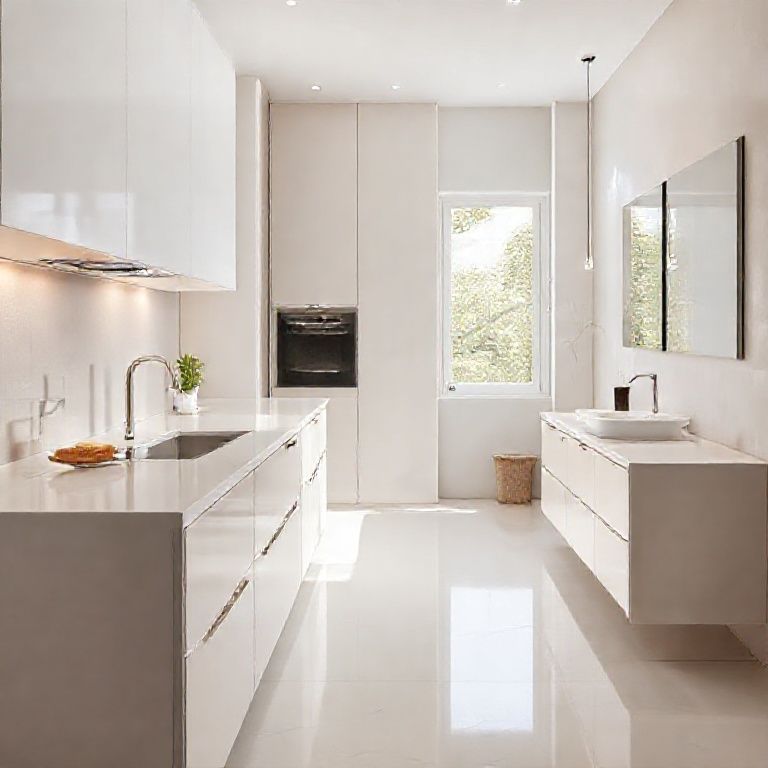
Artificial marble is widely used in various sectors due to its versatility and aesthetic appeal. In residential settings, it is a popular choice for countertops, sinks, tabletops, and even bathtubs. Its ability to replicate the look of natural stone without the high maintenance requirements makes it an attractive option for homeowners. In commercial spaces, artificial marble is frequently used for kitchen countertops, bathroom vanities, reception desks, and other high-traffic areas where durability and resistance to wear are paramount.
Benefits of Artificial Marble
Durability: Artificial marble is highly resistant to scratches, stains, and thermal damage. Unlike natural stone, it does not require sealing or regular maintenance to prevent staining and deterioration.
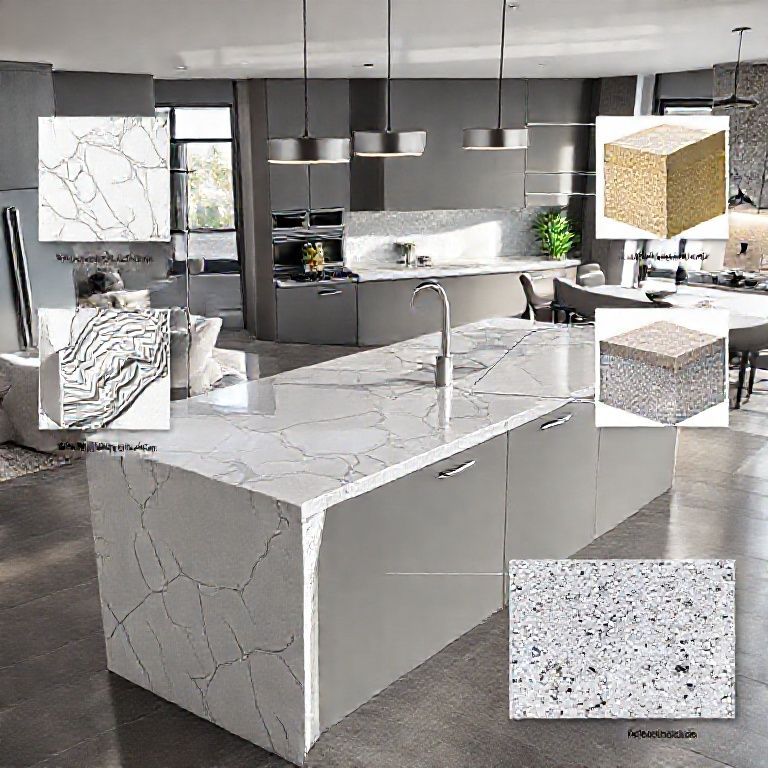
Aesthetic Variety: It offers a wide range of colors and patterns, allowing for creative design possibilities that closely mimic the appearance of natural marble and other stones.
Cost-Effectiveness: While the initial cost of artificial marble may be higher than some alternative materials, its longevity and low maintenance requirements make it a cost-effective choice in the long run.
Weight: Artificial marble is significantly lighter than natural stone, making it easier to install and transport.
Drawbacks and Concerns
Despite its many benefits, concerns about formaldehyde emissions remain a point of contention. While advancements in manufacturing processes have significantly reduced formaldehyde levels, some individuals may still prefer alternatives that offer a lower risk of chemical exposure.
Alternative Materials to Artificial Marble
For those concerned about formaldehyde, several alternatives to artificial marble provide comparable aesthetics with potentially lower chemical emissions:
Natural Stone: Granite, quartzite, and other natural stones offer timeless beauty and durability. While they require regular sealing to maintain their appearance, they do not involve synthetic resins and thus have minimal formaldehyde emissions.
Solid Surface Materials: Materials like Corian (acrylic) and Silestone (quartz) provide a balance between durability and aesthetic versatility. Corian, for instance, is known for its resistance to stains and scratches and has low formaldehyde emissions.
Wood: High-quality engineered wood or bamboo products offer natural beauty and can be a low-formaldehyde option when properly sourced and finished.
Ceramic and Porcelain Tiles: For certain applications, ceramic or porcelain tiles can provide a durable, low-maintenance surface with minimal chemical emissions.
Making Informed Choices
When selecting a countertop material, it’s essential to consider both the aesthetic and practical aspects. Here are some steps to help you make an informed decision:
Research: Look for products that have been tested and certified for formaldehyde emissions. Certifications from reputable organizations can provide reassurance about the safety of the product.
Consult with Professionals: Speak with contractors and manufacturers to understand the production processes and materials used. They can offer insights into the potential risks and benefits of different materials.
Inspect the Product: When selecting a countertop, inspect the material for any signs of cracks, stains, or other defects that could affect its durability and appearance.
Consider Ventilation: Proper ventilation in your home or office can help reduce the concentration of any potential emissions from new materials, including artificial marble.
Conclusion
Artificial marble offers a compelling combination of beauty, durability, and low maintenance, making it a favored choice for many. While concerns about formaldehyde emissions are valid, advancements in manufacturing processes and stringent regulatory standards have significantly reduced these risks. By understanding the composition and production of artificial marble, exploring its applications, and considering alternatives, you can make a well-informed decision that aligns with your aesthetic preferences and health concerns. Whether you choose artificial marble or an alternative material, prioritizing safety and quality will ensure a lasting and satisfying outcome for your space.