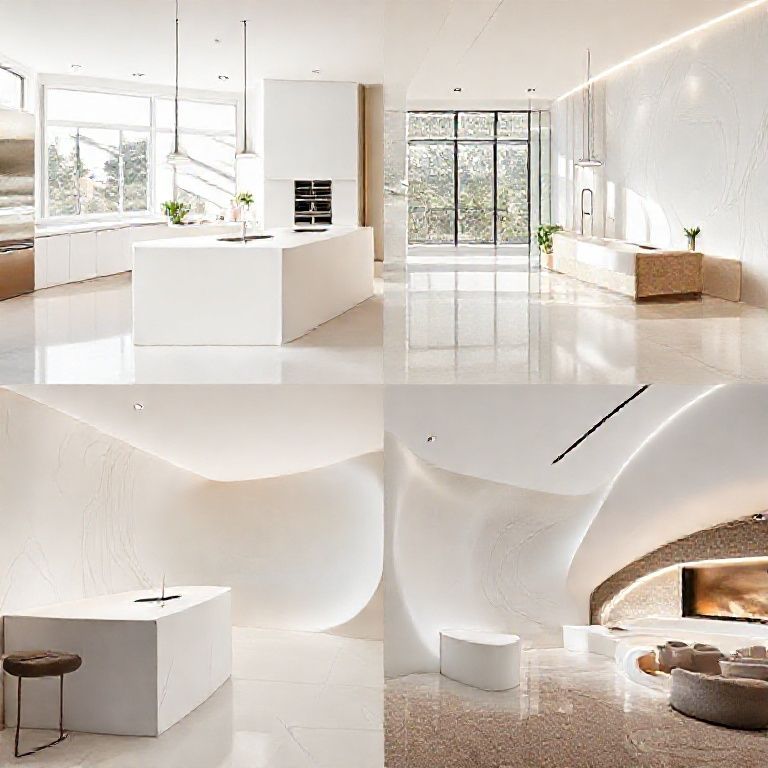
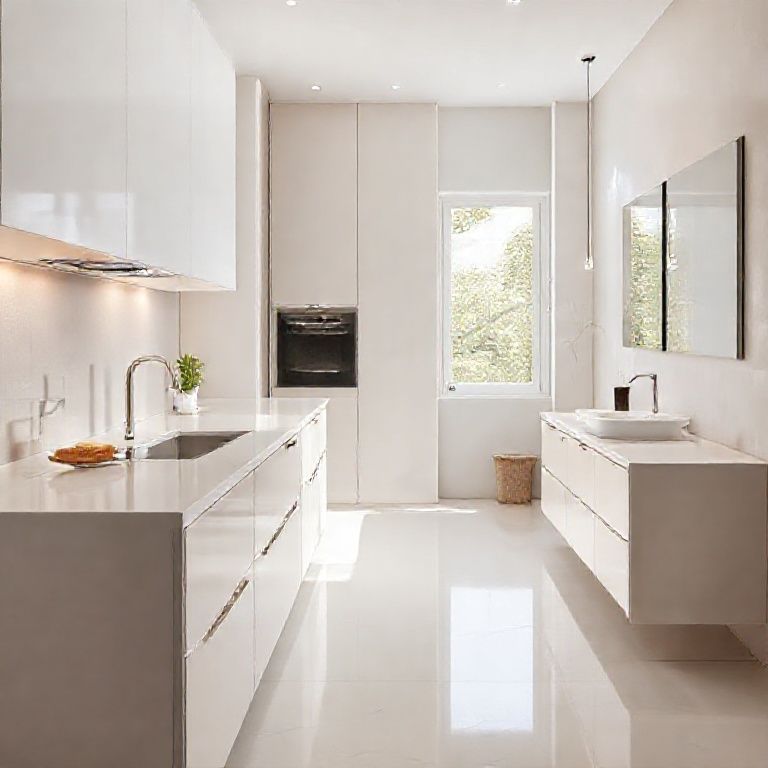
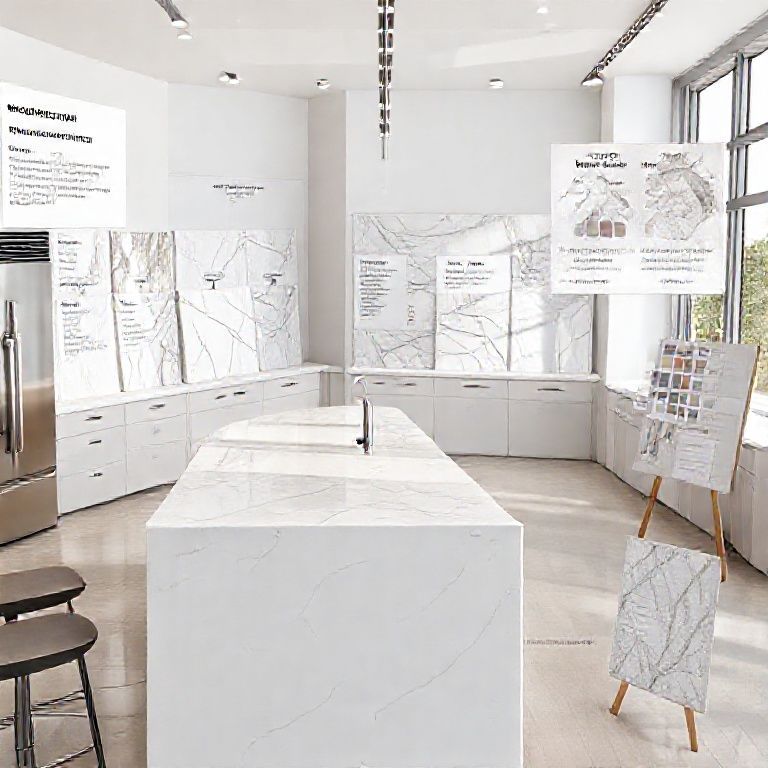
The Truth Behind Artificial Marble: Radiation Concerns Debunked
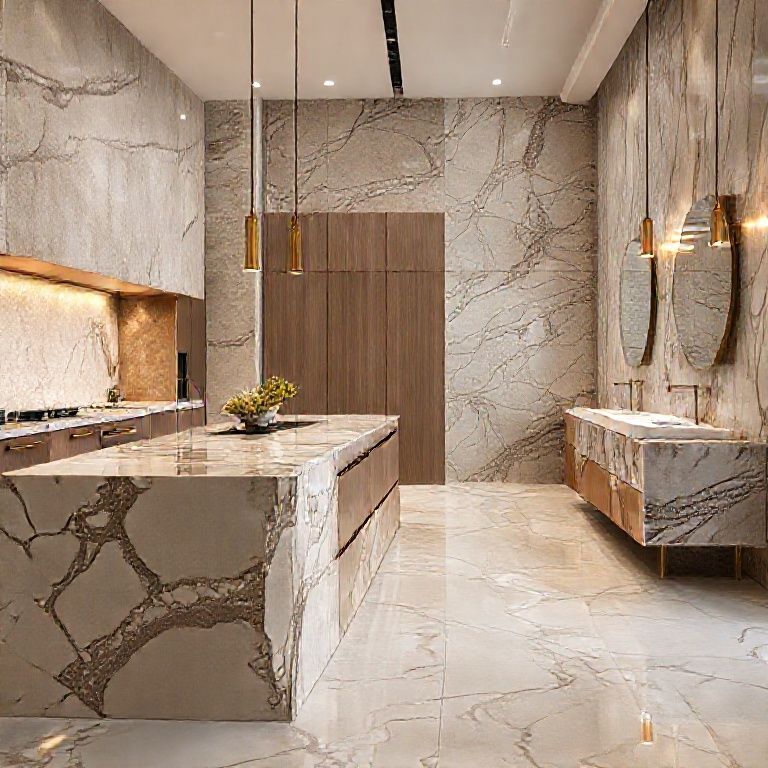
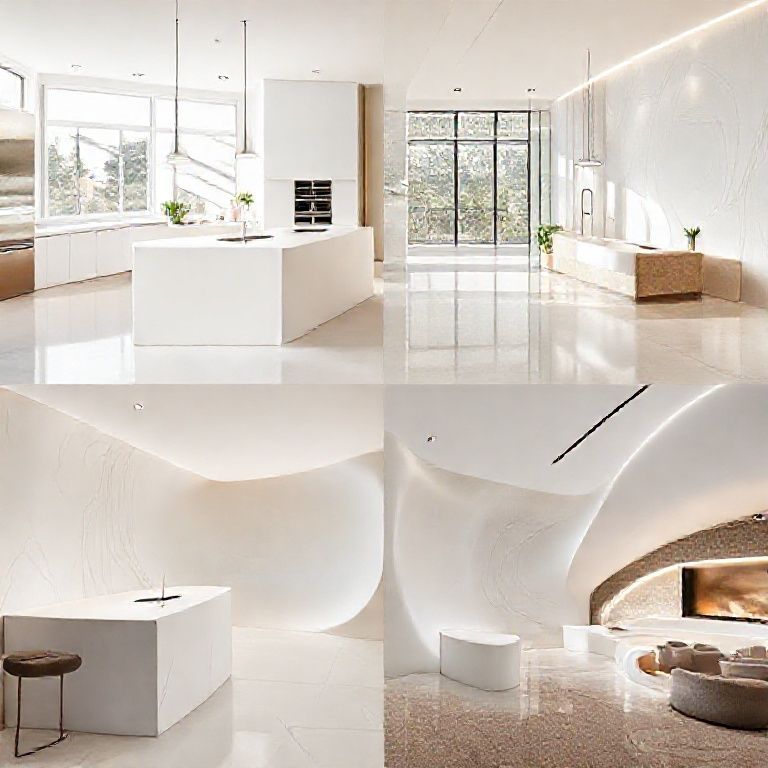
Artificial marble, also known as cultured stone or composite stone, has become a popular choice for countertops, sinks, and other interior design elements. Its appeal lies in its stunning aesthetic, durability, and relatively low cost compared to natural stone. However, a common concern that often surfaces is whether artificial marble emits radiation. This article aims to address these concerns by providing a thorough understanding of what artificial marble is, its manufacturing process, and the safety considerations associated with it.

What is Artificial Marble?
Artificial marble is a man-made material crafted from a combination of minerals, resins, and pigments. It is manufactured through a meticulous process that involves heating and compressing the raw materials at high temperatures, which fuses them into a solid, stone-like structure. This synthetic material mimics the appearance of natural marble while offering superior durability and resistance to scratches, stains, and chips.
The Manufacturing Process
To create artificial marble, manufacturers combine powdered stone, typically limestone, with a polymer resin. The mixture is then poured into molds and subjected to high heat and pressure. This process ensures the material hardens into a solid block that can be cut and shaped to create various products. The final product is polished to achieve a glossy, marble-like finish.
Radiation Concerns
Radiation concerns often arise when discussing any type of stone, whether natural or artificial. The primary source of radiation in stones is naturally occurring radioactive materials (NORMs), such as uranium, thorium, and potassium. These elements can be found in varying concentrations in both natural and artificial stone materials.
Is Artificial Marble Radioactive?
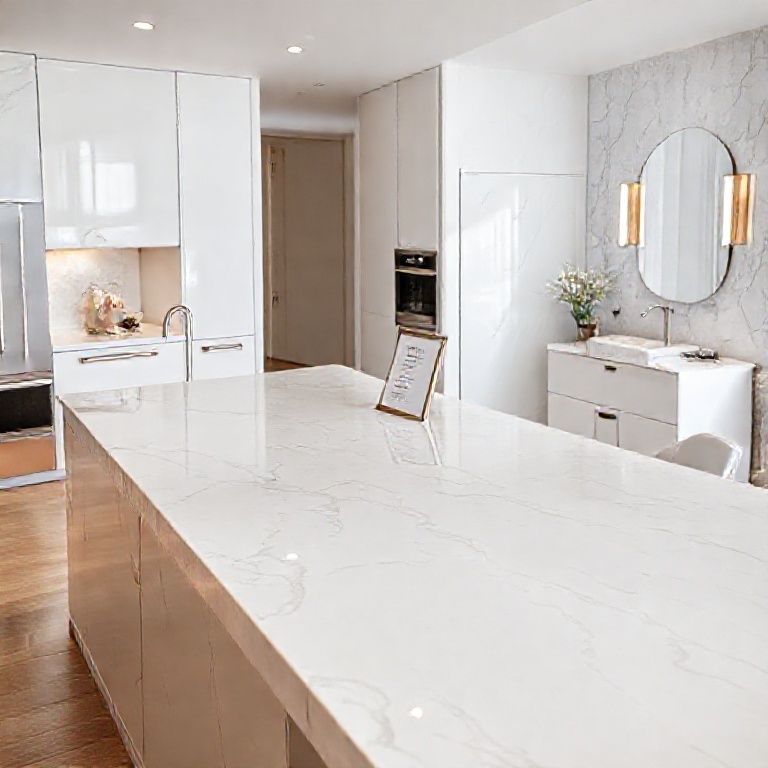
To address the primary concern, it’s important to note that artificial marble is not inherently radioactive. The manufacturing process does not introduce any additional radioactive elements. The materials used in the creation of artificial marble, such as limestone and polymer resins, do not emit radiation during or after production. The only potential source of radiation would be the naturally occurring elements present in the limestone, which is the same for natural marble.
Regulatory Standards and Safety Testing
To ensure the safety of artificial marble, manufacturers adhere to strict regulatory standards. These standards are designed to limit the presence of any harmful substances, including radioactive materials. Products are often tested by independent laboratories to verify compliance with safety regulations.
For example, in the United States, the Consumer Product Safety Commission (CPSC) and the Environmental Protection Agency (EPA) regulate the safety of consumer products, including countertops made from artificial marble. These agencies require manufacturers to provide safety data and test results to ensure that the products do not pose any health risks, including radiation exposure.
Natural Marble vs. Artificial Marble
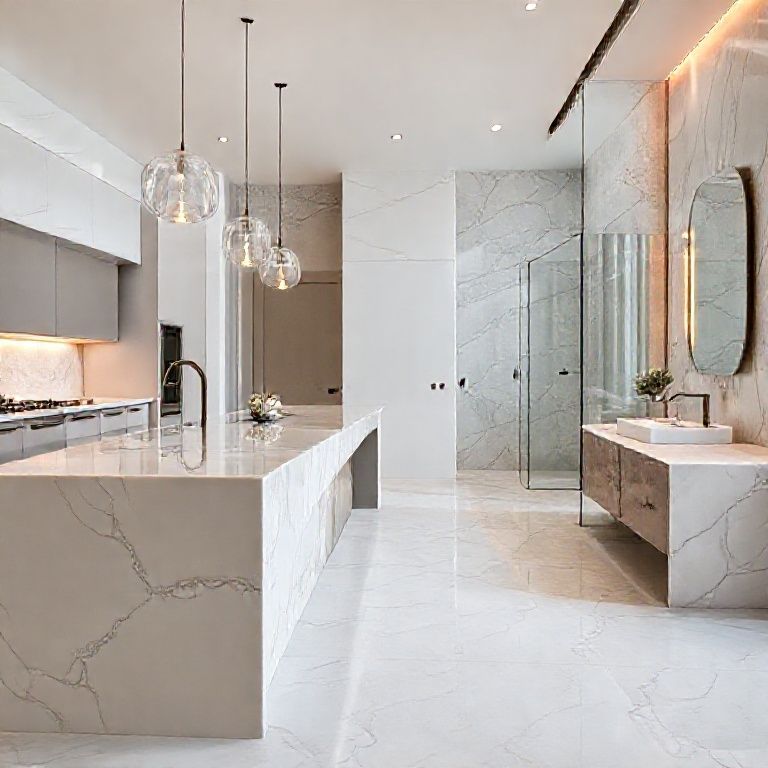
To further clarify the radiation concerns, it’s helpful to compare artificial marble with natural marble. Natural marble, like other natural stones such as granite and quartzite, can contain trace amounts of radioactive materials. However, the levels of radiation in natural marble are generally low and well within safe limits set by regulatory agencies. The same principles apply to artificial marble, which is composed of similar materials found in natural marble.
Health and Safety Considerations
While the radiation concerns are largely unfounded, it’s important to consider other health and safety factors when using artificial marble in your home. For instance, the safety of the chemicals used in the manufacturing process is paramount. Manufacturers typically use non-toxic resins and pigments to create artificial marble, ensuring that the material is safe for indoor use.
Moreover, artificial marble does not release harmful volatile organic compounds (VOCs) during or after installation. VOCs can be found in some synthetic materials, potentially leading to indoor air quality issues. By choosing artificial marble, you can rest assured that you are selecting a product that minimizes these health risks.
Real-World Applications and Benefits
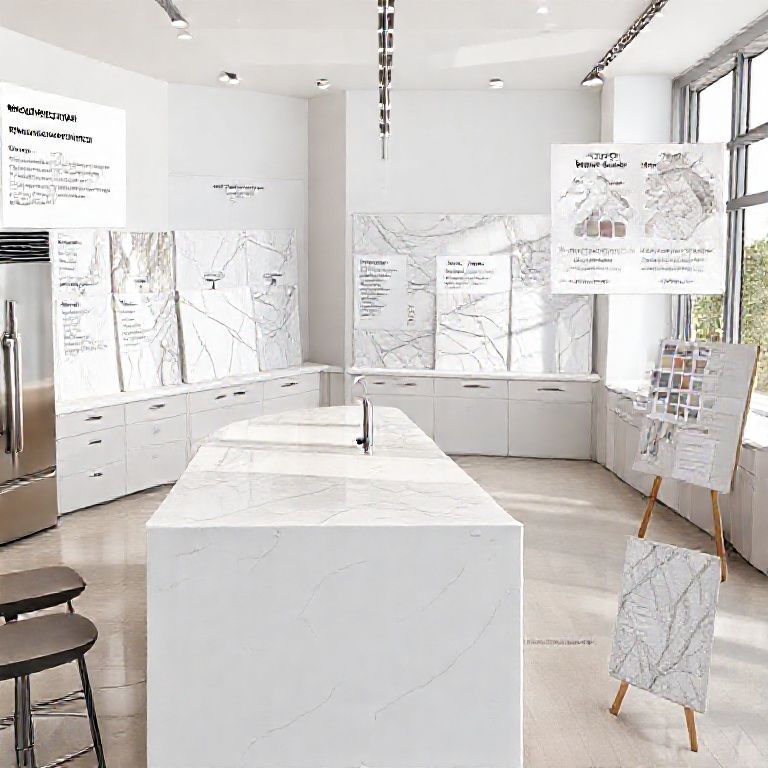
Artificial marble’s appeal extends beyond its safety and non-toxic nature. It offers several practical benefits that make it an attractive choice for modern homes and commercial spaces. Here are some key advantages:
Durability: Artificial marble is highly resistant to scratches, stains, and chips, making it an ideal choice for high-traffic areas such as kitchens and bathrooms. Low Maintenance: Unlike natural stone, artificial marble does not require sealing or frequent maintenance. It can be easily cleaned with a simple wipe-down, preserving its pristine appearance over time. Customization: Artificial marble allows for a wide range of colors, patterns, and designs, enabling homeowners and designers to create unique and personalized spaces. Cost-Effective: While the initial cost of artificial marble may be higher than some other materials, its durability and low maintenance translate to long-term savings.
Conclusion
In conclusion, the concerns about radiation in artificial marble are largely unfounded. The materials used in its production do not introduce any additional radioactive elements, and the naturally occurring radioactive materials present in limestone are the same as those found in natural marble. Regulatory standards and safety testing ensure that artificial marble products are safe for indoor use.
By understanding the manufacturing process, regulatory compliance, and health considerations, you can confidently choose artificial marble for your next renovation project. Its durability, low maintenance, and customizable options make it an excellent choice for creating beautiful, functional spaces in your home.
The Truth Behind Artificial Marble: Radiation Concerns Debunked
Continued Assurance on Safety
As we continue to explore the topic of artificial marble, it’s essential to delve deeper into the safety aspects and address any lingering concerns about radiation. By understanding the material’s composition, manufacturing process, and regulatory oversight, you can gain confidence in the safety and suitability of artificial marble for your home.
Material Composition and Safety
The primary components of artificial marble are limestone powder, polymer resins, and pigments. Limestone is a common mineral that occurs naturally and is used in various industries. When used in artificial marble, it does not introduce any harmful substances beyond those naturally present in the stone itself. Polymer resins are synthetic materials that act as a binding agent, providing strength and durability to the artificial marble.
Pigments and Additives
The pigments used in artificial marble are carefully selected to ensure they are non-toxic and safe for indoor use. Manufacturers adhere to strict guidelines to avoid the use of hazardous chemicals that could pose health risks. The additives in artificial marble are typically approved by regulatory agencies, ensuring that the final product is safe for its intended use.
Environmental Impact and Sustainability
Beyond health concerns, it’s important to consider the environmental impact and sustainability of artificial marble. The production of artificial marble involves the use of recycled materials and often results in less waste compared to natural stone extraction processes. Additionally, the durability and low maintenance of artificial marble contribute to its sustainability, as they reduce the need for frequent replacements and associated environmental impacts.
Radiation in Context
To put the radiation concerns into perspective, it’s helpful to compare the levels of naturally occurring radioactive materials in artificial marble with those found in other everyday items and natural environments. For instance, radon gas, which is a naturally occurring radioactive material found in the soil and can seep into homes, poses a more significant radiation risk than any trace amounts found in artificial marble.
Regulatory Oversight
The production and sale of artificial marble are subject to stringent regulatory oversight to ensure safety. In the United States, the Consumer Product Safety Commission (CPSC) and the Environmental Protection Agency (EPA) regulate consumer products, including countertops made from artificial marble. These agencies mandate that manufacturers conduct thorough testing and provide safety data to demonstrate that their products do not pose health risks.
Real-World Applications and Long-Term Benefits
Artificial marble’s benefits extend beyond its safety and environmental impact. Here are some additional advantages that make it a popular choice for both residential and commercial spaces:
设计自由度
人造大理石的最大优势之一是设计的无限可能。由于它是通过模具制作的,设计师和建筑师可以根据需求自由地创造出各种各样的图案和形状。无论是简约的现代风格,还是复杂的古典图案,都可以在人造大理石上实现。这种灵活性使得人造大理石在各种建筑和室内设计中都有广泛的应用。
耐用性和耐污性
人造大理石的耐用性和耐污性是其他材料无法比拟的。它不易受到酸碱、酚类、油漆和其他化学物质的侵蚀,这使得它非常适合用于厨房、浴室和其他容易受到污染的地方。由于其表面硬度高,人造大理石不容易留下划痕和污渍,清洁起来也非常方便。
安装和维护
安装人造大理石相对简单,它可以直接粘贴在墙面或地面上,无需复杂的铺设工艺。这不仅节省了时间和成本,还使得安装过程更加安全。维护方面,人造大理石不需要像天然石材那样定期进行保养,只需定期清洁即可保持其光洁如新。
成本效益
虽然人造大理石的初始成本可能高于一些其他材料,但其长期的耐用性和低维护成本使得它具有很高的成本效益。它的使用寿命长,不需要频繁更换,从而在长期来看,成本更加合理。
环保和可持续性
随着人们对环保和可持续发展的关注,人造大理石也在这方面表现出色。它通常由回收材料制成,减少了对新资源的开采。其制造过程中的废料处理也比较环保,能够降低对环境的负面影响。
应用场景
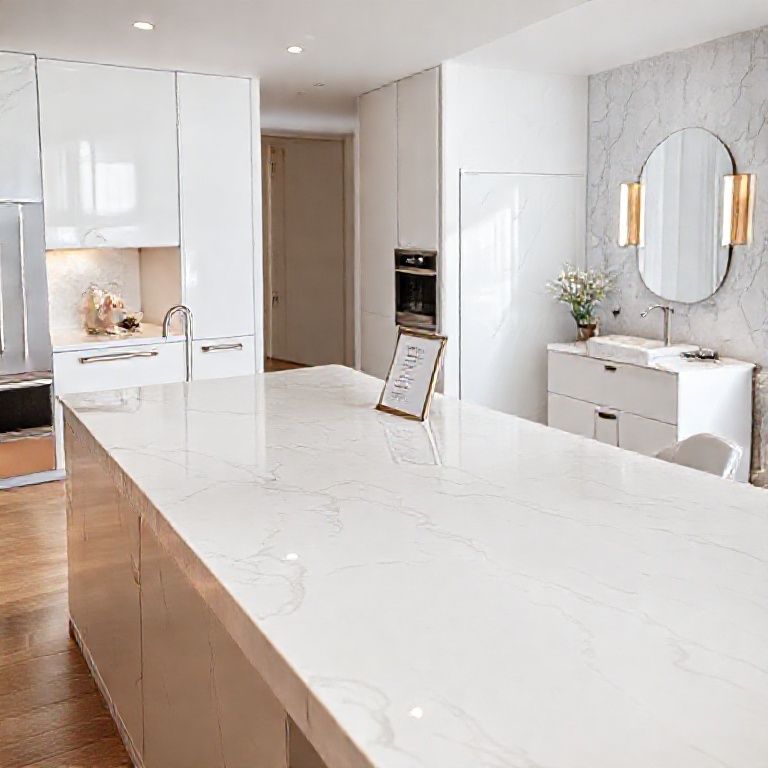
厨房台面和橱柜面板:由于其耐污性和易清洁性,人造大理石非常适合用于厨房台面和橱柜面板。它可以有效抵抗油污和化学物质,保持厨房的整洁。
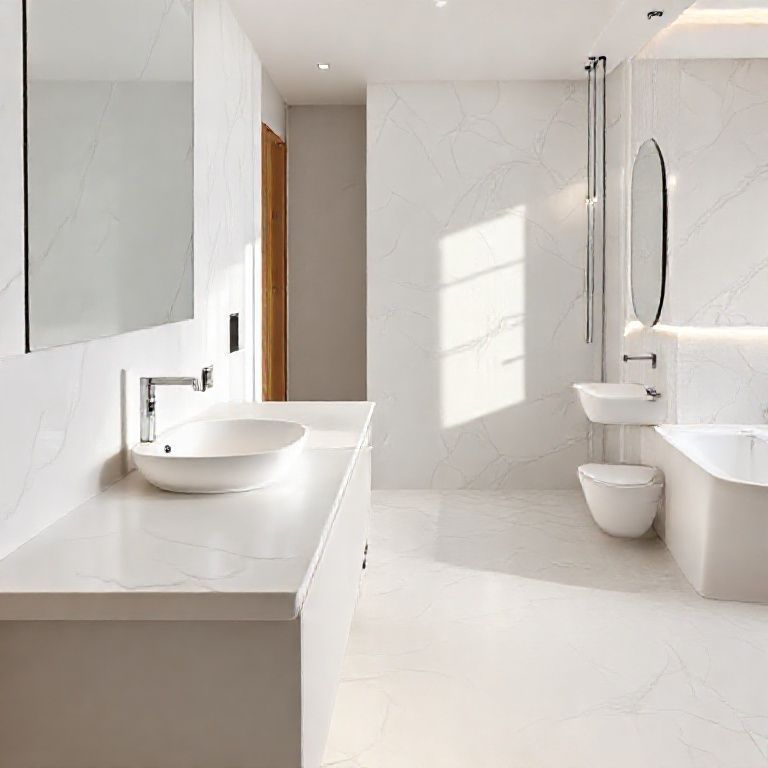
浴室:在浴室中,人造大理石可以用于制作洗手盆、浴缸、淋浴房等。它的耐水性和抗菌性能使其非常适合潮湿环境。
地板和墙面:虽然人造大理石最常见的应用是台面,但它也可以用于地板和墙面。特别是在一些现代风格的建筑中,人造大理石地板和墙面可以创造出独特的视觉效果。
商业空间:人造大理石在商业空间中的应用也非常广泛。它可以用于办公室、餐厅、酒店等场所的装饰,展现出高档、现代的视觉效果。
总结
人造大理石以其卓越的耐用性、耐污性、设计自由度和环保特性,成为了现代建筑和室内设计中的热门选择。尽管有些人对其辐射问题仍有担忧,但通过对其材料成分和制造工艺的了解,我们可以确认,人造大理石在安全性上没有天然石材的顾虑。它不仅能满足我们对美观和功能的多重需求,还能为我们的生活带来更多的便利和舒适。