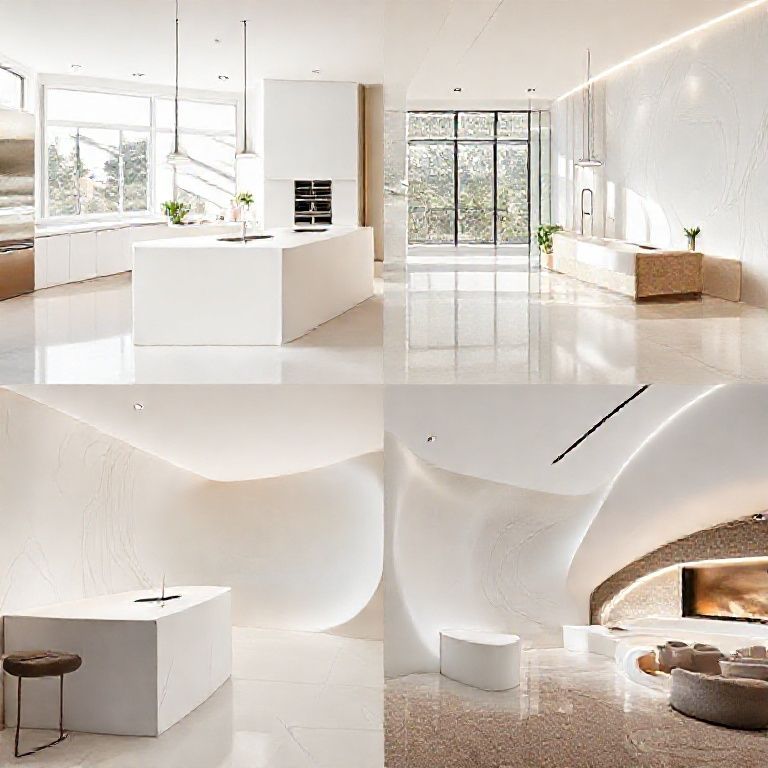
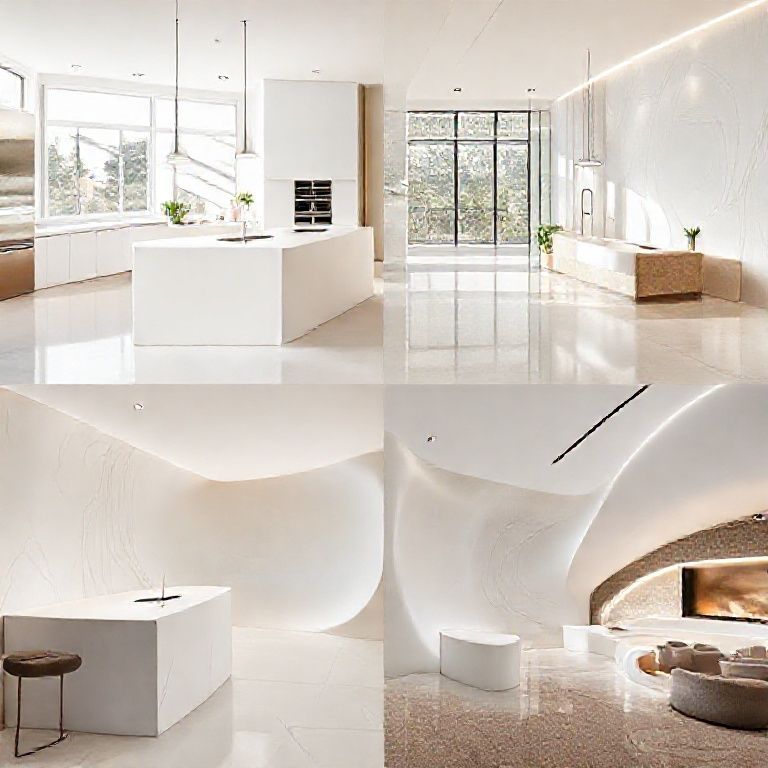
Curious about whether synthetic marble is harmful to your health and what substances it contains? In this comprehensive soft article, we delve into the world of artificial marble, exploring its potential health impacts and the hidden chemicals it may harbor. From safety concerns to alternative materials, we provide you with all the information you need to make informed decisions. Join us in uncovering the truth!

synthetic marble, health impact, hidden chemicals, artificial stone, material safety, chemical content, alternative materials, health risks, countertop safety, environmental impact
Unveiling Synthetic Marble: Composition and Health Concerns
Introduction:
Synthetic marble, often referred to as artificial stone or cultured stone, has gained immense popularity in recent years due to its durability, aesthetic appeal, and cost-effectiveness. This material is primarily composed of natural minerals such as quartz, calcite, and feldspar, combined with resins and pigments to create a visually striking surface. However, as its use becomes more widespread, questions about its health impact and hidden chemicals are surfacing. Let’s explore what synthetic marble is made of and the potential risks associated with it.
What Is Synthetic Marble?
Synthetic marble is not exactly marble but a composite material designed to mimic the look and feel of natural marble. It is crafted by combining crushed stone with resins, pigments, and other additives. This mixture is then molded and cured under high pressure and temperature to form a solid, monolithic surface. The result is a material that boasts the aesthetic qualities of marble while offering enhanced durability and resistance to stains and scratches.

Composition Breakdown:
At its core, synthetic marble consists of several key components:
Natural Minerals: Quartz, calcite, and feldspar are the primary minerals used in synthetic marble. These minerals provide the base material with strength and durability.
Resins: Resins act as binding agents that hold the mineral particles together. These can be either synthetic or natural, though synthetic resins are more commonly used due to their superior performance and cost-effectiveness.
Pigments: Pigments are added to synthetic marble to achieve the desired color and texture. These pigments can be organic or inorganic and may include dyes or metallic elements.

Additives: Various additives are incorporated to enhance specific properties such as hardness, flexibility, and resistance to environmental factors.
Potential Health Concerns:
While synthetic marble is often touted as a safe and hygienic alternative to natural stone, concerns about its health impact have emerged. Here are some key points to consider:
Chemical Emissions: During the manufacturing process, synthetic marble can emit volatile organic compounds (VOCs). These compounds include formaldehyde and phenol, which can have adverse effects on human health. VOCs can contribute to indoor air pollution, leading to respiratory issues, headaches, and other health problems.

Resin Quality: The quality of resins used in synthetic marble can vary significantly. Low-quality resins may contain harmful chemicals that can leach into the environment or be released as emissions during production and use. High-quality resins, on the other hand, are designed to minimize these risks.
Surface Treatments: To enhance durability and appearance, synthetic marble surfaces are often treated with sealants and coatings. Some of these treatments may contain chemicals that pose health risks, especially if they are not properly applied or maintained.
Dust and Particles: During installation and maintenance, synthetic marble can produce dust and small particles. These particles may contain mineral fragments and additives that can cause respiratory irritation and other health issues if inhaled.
Regulatory Standards:
To address these concerns, various regulatory bodies have established guidelines and standards for the production and use of synthetic marble. These standards aim to ensure that the material is manufactured in a way that minimizes health risks and environmental impact. Compliance with these standards can help mitigate some of the potential health concerns associated with synthetic marble.
Conclusion:
Synthetic marble offers many advantages in terms of aesthetics and durability. However, its potential health impacts cannot be overlooked. Understanding the composition and potential risks associated with synthetic marble is crucial for making informed decisions about its use in homes and public spaces. In the next part of this article, we will delve deeper into the hidden chemicals found in synthetic marble and explore alternative materials that may offer a safer and more sustainable option.
Hidden Chemicals in Synthetic Marble and Alternative Materials
Introduction:
In our previous discussion, we explored the composition and potential health concerns associated with synthetic marble. Now, we will take a closer look at the hidden chemicals that may be present in this material and examine alternative options that can offer safer and more sustainable choices. By understanding these aspects, you can make better-informed decisions about the materials you choose for your space.
Hidden Chemicals in Synthetic Marble:
Synthetic marble, despite its appealing appearance, may contain a range of hidden chemicals that pose potential health risks. Here’s a detailed look at some of these chemicals:
Formaldehyde: Source: Formaldehyde is commonly used as a resin binder in the production of synthetic marble. It helps to hold the mineral particles together, creating a solid and durable surface. Health Risks: Formaldehyde is a known carcinogen and can cause respiratory issues, skin irritation, and other health problems. It is classified as a hazardous air pollutant by the Environmental Protection Agency (EPA). Phenol: Source: Phenol is another chemical often used in the manufacturing process of synthetic marble. Health Risks: Phenol can cause skin and eye irritation, respiratory problems, and other health issues. It is also listed as a hazardous substance by the EPA. Bisphenol A (BPA): Source: BPA may be present in some synthetic marble formulations, particularly those that use epoxy resins. Health Risks: BPA is an endocrine disruptor that can interfere with hormone function, potentially leading to various health problems including reproductive issues and developmental problems in children. Volatile Organic Compounds (VOCs): Source: VOCs are emitted from synthetic marble during manufacturing and use. These can include solvents, resins, and other chemicals used in the production process. Health Risks: VOCs can contribute to indoor air pollution, causing headaches, dizziness, and other respiratory problems. Long-term exposure to VOCs has been linked to more severe health issues.
Safe Production Practices:
To mitigate the health risks associated with hidden chemicals in synthetic marble, manufacturers can adopt safe production practices. These practices include:
Low-VOC Resins: Using resins with low or no VOCs can significantly reduce the emission of harmful chemicals during and after installation.
Formaldehyde-Free Formulations: Developing formulations that do not rely on formaldehyde as a binder can eliminate a major source of health risk.
Phenol Alternatives: Exploring alternatives to phenol, such as other binders that do not pose the same health risks, can reduce potential exposure.
Environmentally Friendly Additives: Selecting additives and pigments that are safe for both human health and the environment can improve the overall safety profile of synthetic marble.
Alternative Materials:
For those concerned about the health impacts of synthetic marble, several alternative materials offer safer and more sustainable options. Here are some of the most promising alternatives:
Natural Stone: Benefits: Natural stone, such as granite, quartzite, and slate, offers timeless beauty and durability. These materials are naturally occurring and do not contain synthetic chemicals. Health Benefits: Since natural stone is free from synthetic additives and resins, it does not emit harmful VOCs or contain potentially dangerous chemicals like formaldehyde or phenol. Quartz Countertops: Benefits: Quartz is a natural stone composed of 93% quartz crystals. It is highly durable, scratch-resistant, and available in a wide range of colors and finishes. Health Benefits: Quartz countertops are free from resins, binders, and other synthetic additives, making them a safer option for health-conscious consumers. Bamboo: Benefits: Bamboo is a fast-growing, renewable resource that is highly durable and resistant to stains and scratches. Health Benefits: Bamboo countertops are free from synthetic chemicals and VOCs, making them an eco-friendly and health-conscious choice. Slate: Benefits: Slate is a natural stone known for its durability, beauty, and versatility. It is resistant to stains, scratches, and heat. Health Benefits: Slate is free from synthetic chemicals and does not emit harmful VOCs, providing a safe and natural alternative to synthetic marble. Solid Surface Materials: Benefits: Solid surface materials like Corian and DuraClad are made from a blend of acrylic, limestone, and other natural materials. They offer excellent durability and a wide range of design options. Health Benefits: High-quality solid surface materials are formulated with low or no VOCs, ensuring a safer indoor environment.
Making Informed Decisions:
When choosing a material for your space, it’s important to consider both the aesthetic and functional aspects, as well as the potential health impacts. Here are some tips for making informed decisions:
Research: Look for materials that are certified by reputable organizations and meet health and safety standards. Certifications like ISO, NSF, and GREENGUARD can be good indicators of a material’s safety profile.
隐藏化学物质的具体影响
1. 长期健康影响
长期暴露于人造大理石中的某些隐藏化学物质可能会对健康产生严重影响。例如:
甲醛(Formaldehyde):长期接触甲醛可能会增加患癌风险。它还会引起呼吸系统问题,皮肤过敏,以及眼睛刺激。
苯酚(Phenol):苯酚暴露可能导致中枢神经系统损伤,并可能对肝脏、肾脏和内分泌系统造成影响。
双酚A(BPA):双酚A被认为是一种内分泌干扰物,可能对生殖系统和发育系统产生不良影响,特别是在儿童中。
2. 急性健康影响
急性暴露于这些化学物质也可能导致以下症状:
呼吸系统问题:如咳嗽、呼吸困难和胸痛。
皮肤问题:如红肿、瘙痒和发疹。
眼睛刺激:如眼睛发红和疼痛。
如何选择更安全的材料
1. 查看认证和标准
选择符合高标准和认证的材料,例如:
GREENGUARD Gold认证:这个认证表明材料在制造过程中释放的化学物质浓度非常低,对人体健康和环境都不会产生负面影响。
2. 了解材料成分
尽量选择材料成分透明的品牌,避免含有潜在有害物质的产品。可以通过以下方式确认:
询问供应商:详细询问材料的成分和制造过程中使用的化学物质。
查看产品标签:有些材料会在产品标签上列出其成分,以便消费者了解。
3. 选择天然材料
如果可以,选择天然材料,这些材料通常不含有害化学物质:
石英石(Quartz):由93%的天然石英石组成,无需使用有害化学物质。
天然大理石和花岗岩:虽然价格较高,但它们完全是天然的,不含人工添加的化学物质。
总结
人造大理石虽然在外观和耐用性上有许多优点,但其中隐藏的化学物质可能对健康产生不利影响。通过了解这些化学物质的具体危害以及如何选择更安全的材料,你可以做出更明智的选择,为自己和家人创造一个更安全的生活环境。无论选择哪种材料,透明度和认证都是重要的考量因素。
希望这些信息对你有所帮助!如果你有更多问题,随时可以提出来。