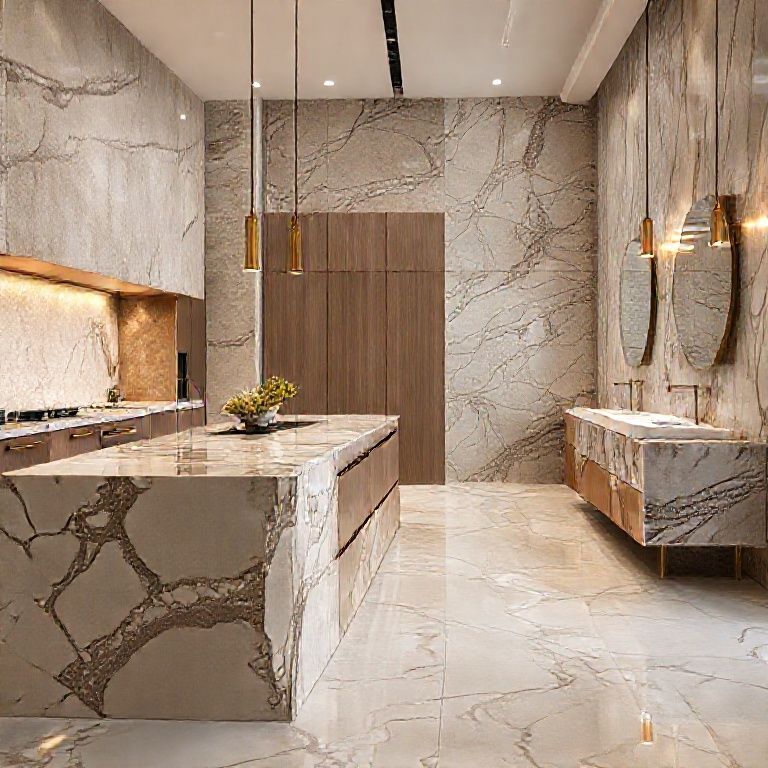
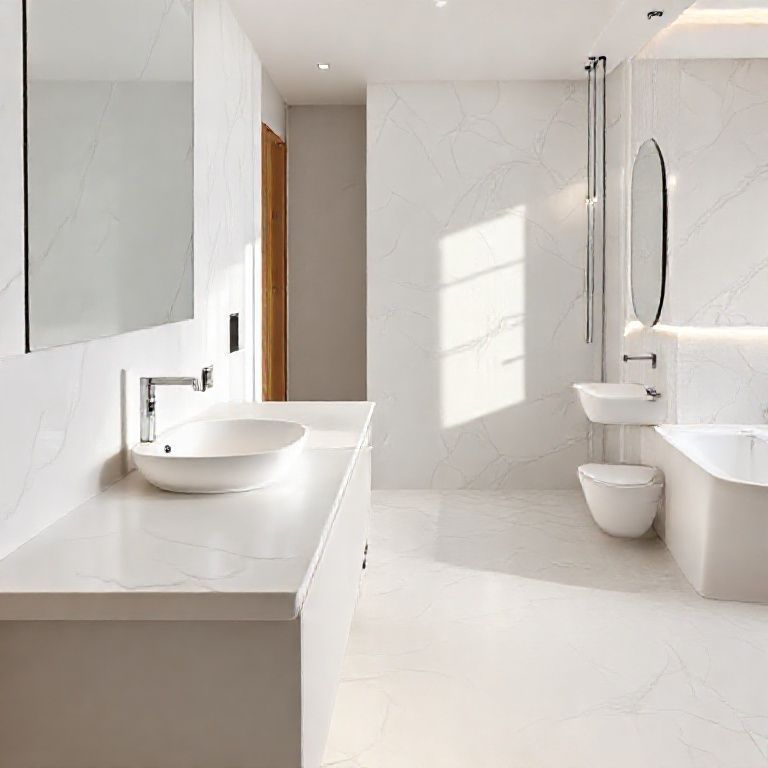
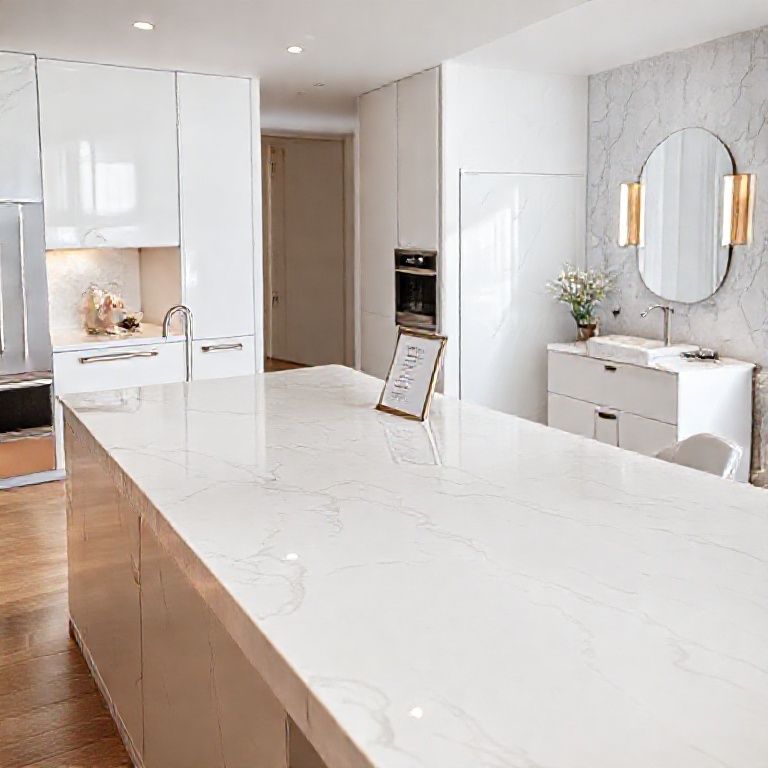
Curious about whether artificial granite countertops are safe? Dive deep into the facts surrounding the potential toxicity of these popular kitchen and bathroom surfaces. In this two-part article, we explore the composition, benefits, and risks associated with artificial granite countertops, helping you make informed decisions for your home.

artificial granite countertops, countertop toxicity, safety of countertops, chemical composition, kitchen countertops, bathroom countertops, non-toxic materials, countertop benefits, health risks, countertop alternatives
The Composition and Benefits of Artificial Granite Countertops
When it comes to modern home décor, artificial granite countertops have surged in popularity due to their stunning aesthetic appeal, durability, and relatively lower cost compared to natural stone options. But as consumers, we often find ourselves at a crossroads, wondering about the safety and potential toxicity of these synthetic materials.
Understanding Artificial Granite
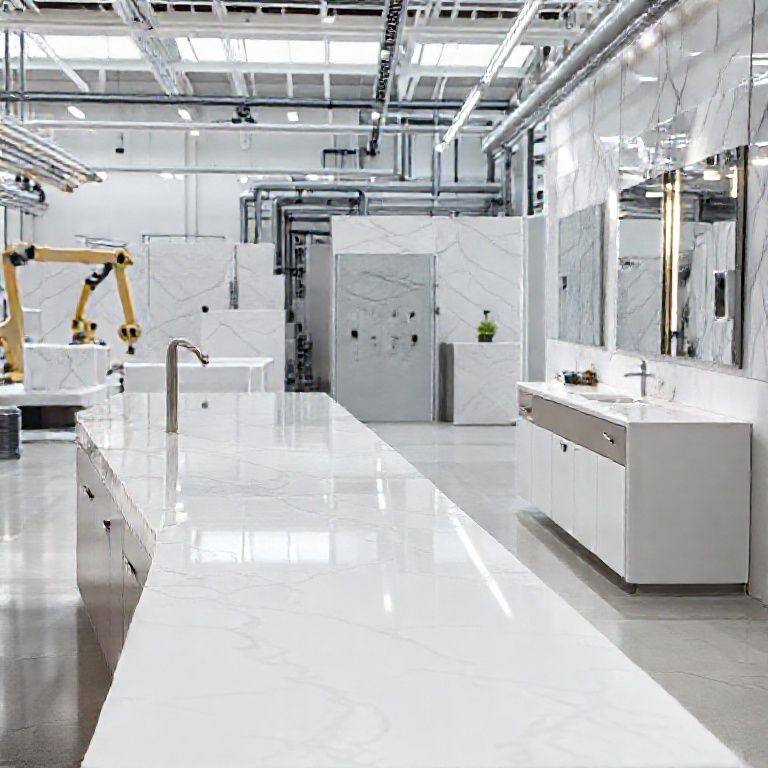
Artificial granite, also known as engineered stone, is a composite material made from a combination of natural stone powders and resins. This amalgamation is meticulously processed under high pressure and temperature to create a solid surface that mimics the look of natural granite. The most common ingredients include quartz, basalt, and other stone particles, which are bound together with polymer resins.
Why Artificial Granite is Popular
Aesthetic Versatility: One of the biggest draws of artificial granite is its incredible variety of designs and colors. Unlike natural stone, which is limited by its natural variations, artificial granite offers a near-infinite range of patterns and finishes.
Durability: Engineered stone is significantly more durable than natural granite. It is highly resistant to scratches, chips, and staining, making it an excellent choice for high-traffic areas like kitchens and bathrooms.
Cost-Effectiveness: Because it’s more affordable to produce, artificial granite countertops can offer a more budget-friendly alternative to their natural counterparts without sacrificing appearance or performance.
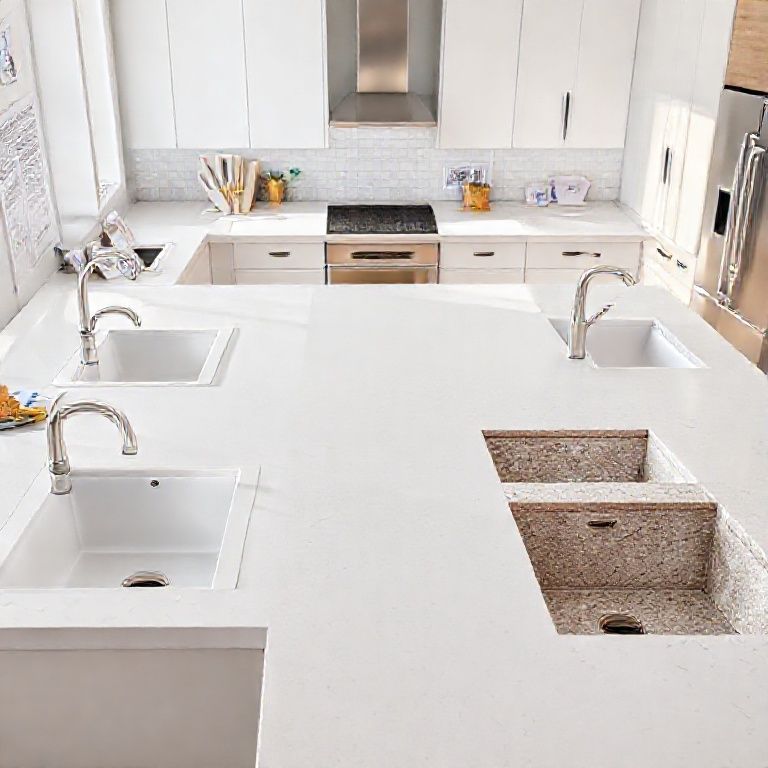
Ease of Maintenance: Artificial granite is relatively low-maintenance. Cleaning is as simple as wiping it down with a damp cloth and mild detergent, unlike natural stone, which may require more rigorous sealing and maintenance.
Chemical Composition and Potential Concerns
While artificial granite is a marvel of modern manufacturing, the question of toxicity often arises due to its chemical composition. Let’s break down the main components:
Stone Powders: Primarily quartz, basalt, and other natural stone particles, which are generally inert and non-toxic.
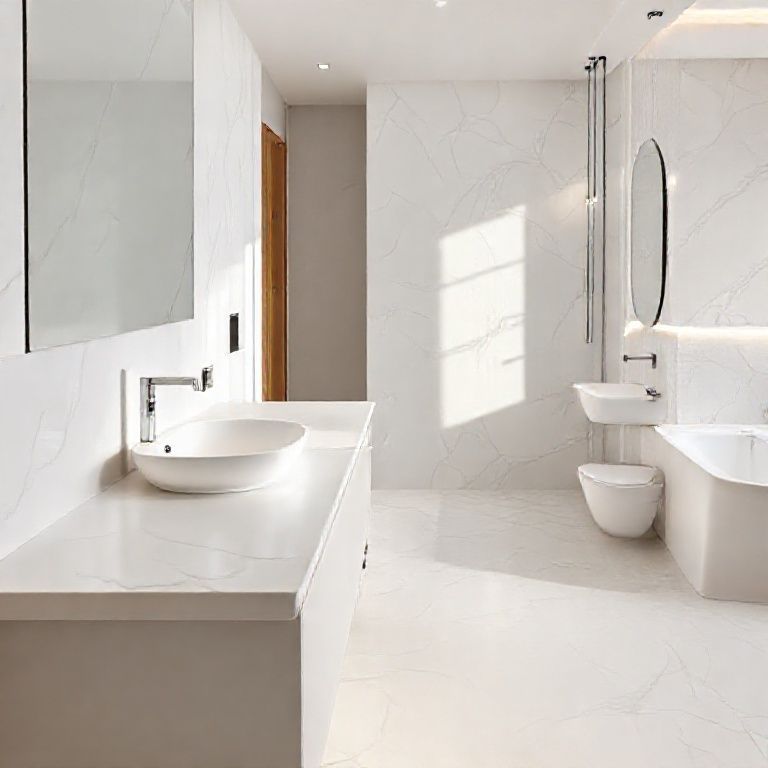
Resins and Binders: The resins used to bind the stone particles can vary widely in terms of their environmental and health impacts. The most common resins used are polyester and epoxy resins. These resins are typically cured using heat and pressure, which can release volatile organic compounds (VOCs) during manufacturing.
Potential Health Risks
While the stone particles themselves are not inherently toxic, the resins and curing process can be a source of concern. VOCs can contribute to indoor air pollution and have been associated with various health issues, including respiratory problems, headaches, and irritation of the eyes, nose, and throat. However, it’s important to note that modern manufacturing processes have significantly reduced the levels of these compounds.
Manufacturers’ Standards and Certifications
To address these concerns, reputable manufacturers often adhere to strict safety standards and certifications. Look for countertops that are certified by recognized bodies such as the American National Standards Institute (ANSI) or the Underwriters Laboratories (UL). These certifications often indicate that the product has undergone rigorous testing to ensure it meets safety and performance criteria.
Conclusion
In summary, while the stone components of artificial granite countertops are generally non-toxic, the resins used in their manufacture can potentially release VOCs, raising questions about their safety. However, with modern manufacturing processes and adherence to stringent safety standards, the risks have been greatly mitigated. In the next part, we will delve deeper into the potential health risks, alternative materials, and how to choose the safest options for your home.
Navigating Health Risks and Choosing Safer Countertop Alternatives
In the first part, we explored the composition and benefits of artificial granite countertops, as well as some of the potential concerns surrounding their safety. Now, let’s dive deeper into the health risks associated with these materials and discuss how to make informed choices for a safer home environment.
Health Risks of VOCs in Artificial Granite
Volatile organic compounds (VOCs) are a primary concern when it comes to the potential toxicity of artificial granite countertops. These chemicals can evaporate at room temperature and are emitted from various household products, including paints, cleaning agents, and, notably, synthetic materials like artificial granite.
Impacts of VOCs
Respiratory Issues: Exposure to high levels of VOCs can irritate the respiratory system, leading to symptoms such as coughing, wheezing, and shortness of breath. Prolonged exposure may contribute to long-term respiratory conditions.
Headaches and Dizziness: VOCs are known to cause headaches, dizziness, and fatigue. These symptoms are often referred to as “sick building syndrome” and can significantly impact daily life.
Eye, Nose, and Throat Irritation: VOCs can cause immediate irritation of the eyes, nose, and throat, leading to redness, itching, and burning sensations.
Long-Term Health Effects: Chronic exposure to certain VOCs has been linked to more serious health issues, including liver and kidney damage, and in some cases, even cancer.
Mitigating VOC Emissions
Manufacturers have made significant strides in reducing VOC emissions through improved curing processes and the use of low-VOC resins. However, as a consumer, there are additional steps you can take to ensure a healthier environment:
Ventilation: Proper ventilation is crucial. Ensure your kitchen and bathroom areas are well-ventilated during and after installation. Open windows and use exhaust fans to help disperse VOCs.
New Installation Acclimation: Allow the countertop to “acclimate” in your home for a few weeks before using it extensively. This period allows any remaining VOCs to dissipate.
Quality Countertops: Choose countertops from reputable manufacturers who use low-VOC resins and have transparent information about their manufacturing processes and safety certifications.
Alternative Non-Toxic Countertop Materials
If the potential risks of artificial granite are concerning, there are several alternative materials that offer both safety and style:
Natural Granite: While not entirely free of potential risks, natural granite is composed of stone that is naturally inert and non-toxic. It requires more maintenance, but it offers timeless beauty and durability.
Quartz: Quartz countertops are made from 93% quartz stone and are bonded with a resin matrix. They are virtually non-toxic, extremely durable, and low-maintenance. However, they can be more expensive than artificial granite.
Solid Surfaces: Materials like Corian (acrylic) and Formica (PVC) offer a range of colors and designs. While PVC is a concern for some, newer formulations have significantly reduced the amount of harmful chemicals.
Bamboo: Bamboo is a rapidly renewable resource and offers a unique aesthetic. It’s non-toxic and durable, although it may require more maintenance than other synthetic options.
Making Informed Choices
When choosing a countertop, it’s essential to weigh the pros and cons based on your lifestyle and health priorities. Here are some guidelines:
Research Manufacturers: Look for manufacturers that are transparent about their materials and manufacturing processes. Check for certifications like ANSI, UL, and other safety standards.
Read Reviews: Customer reviews can provide valuable insights into the long-term performance and safety of a countertop.
Consult Professionals: Consider consulting with professionals who specialize in home design and safety. They can provide expert advice tailored to your specific needs and concerns.
Consider Your Health: If you have respiratory issues, allergies, or other health concerns, prioritize materials that are known for their low emissions and non-toxicity.
Conclusion
While artificial granite countertops offer remarkable aesthetics and durability, the potential risks associated with their resins and VOC emissions cannot be ignored. However, with proper ventilation, choosing low-VOC options, and exploring alternative non-toxic materials, you can make an informed decision that prioritizes both style and safety. In the end, the goal is to create a beautiful, functional, and healthy space for you and your loved ones.