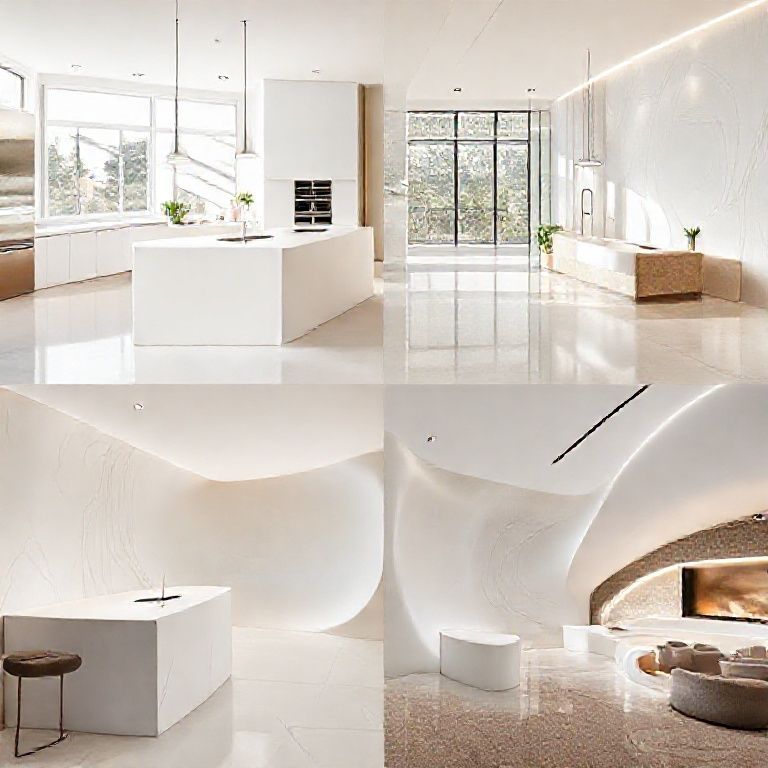
The Ultimate Choice for Your Windows: Quartz Stone vs. Granite
When it comes to enhancing the aesthetics and functionality of your home, especially the kitchen area, choosing the right material for your window sills is crucial. Among the myriad of options, quartz stone and granite stand out for their durability, beauty, and versatility. But which one is the better choice for your floating window sills? Let’s delve into the fascinating world of quartz stone versus granite to unravel their unique properties and benefits.

Quartz Stone: The Modern Marvel
Quartz stone, a relatively recent innovation in the world of natural stone, has quickly become a popular choice for window sills and other home features. Composed of 94% quartz, this engineered stone combines the best qualities of natural stone with modern manufacturing processes to create a product that excels in durability and aesthetic appeal.
Durability and Maintenance
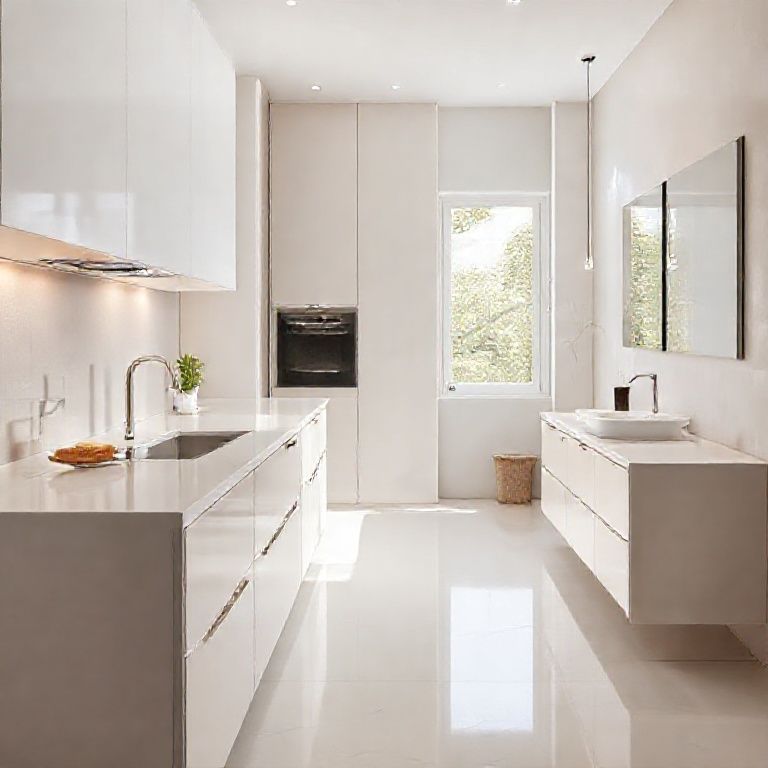
One of the most significant advantages of quartz stone is its exceptional durability. It is a non-porous material, which means it is highly resistant to stains, scratches, and chips. This makes it an ideal choice for high-traffic areas like kitchen window sills where food spills and daily wear are common. Unlike natural stone, quartz does not absorb liquids, reducing the risk of discoloration and making it easier to clean. A simple wipe-down with a damp cloth or mild cleaner suffices for maintaining its pristine appearance.
Versatility and Design Options
Quartz stone’s versatility is another major selling point. Its uniform composition allows for a wide range of colors and finishes, enabling designers to create custom designs and patterns that perfectly match the home’s decor. The material can be molded and shaped easily, offering limitless possibilities for creating unique and intricate designs that can complement any architectural style.
Cost-Effectiveness
Another compelling reason to consider quartz stone is its cost-effectiveness. Because it is manufactured rather than mined, quartz is typically more affordable than natural stone options. This makes it an attractive option for homeowners looking to achieve a luxurious look without breaking the bank.
Granite: The Timeless Classic
Granite, on the other hand, has been a favorite for centuries due to its natural beauty and durability. Originating from deep within the earth, granite is a naturally occurring stone that comes in a vast array of colors and patterns, each piece being unique and truly one-of-a-kind.
Natural Beauty and Texture
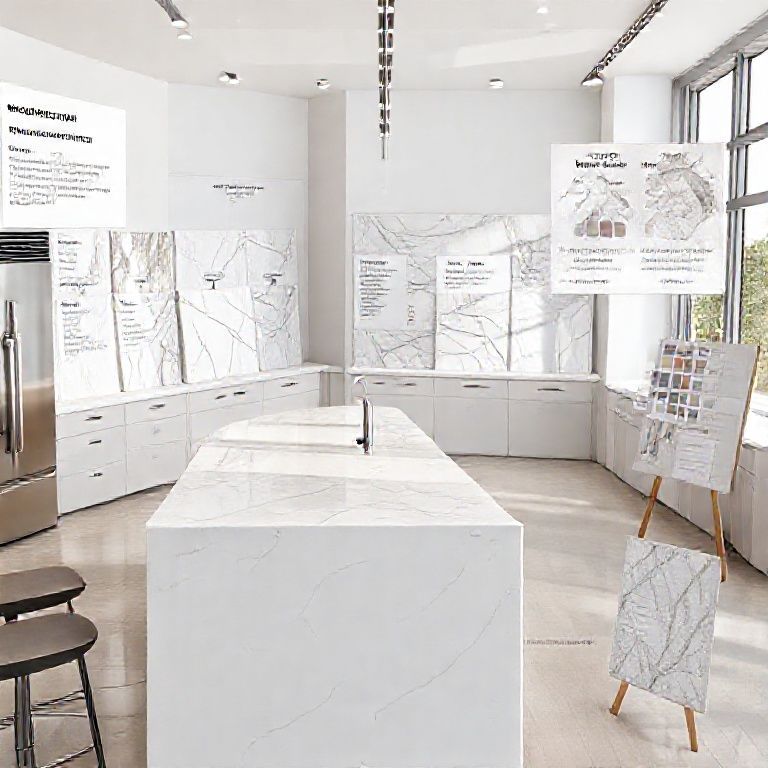
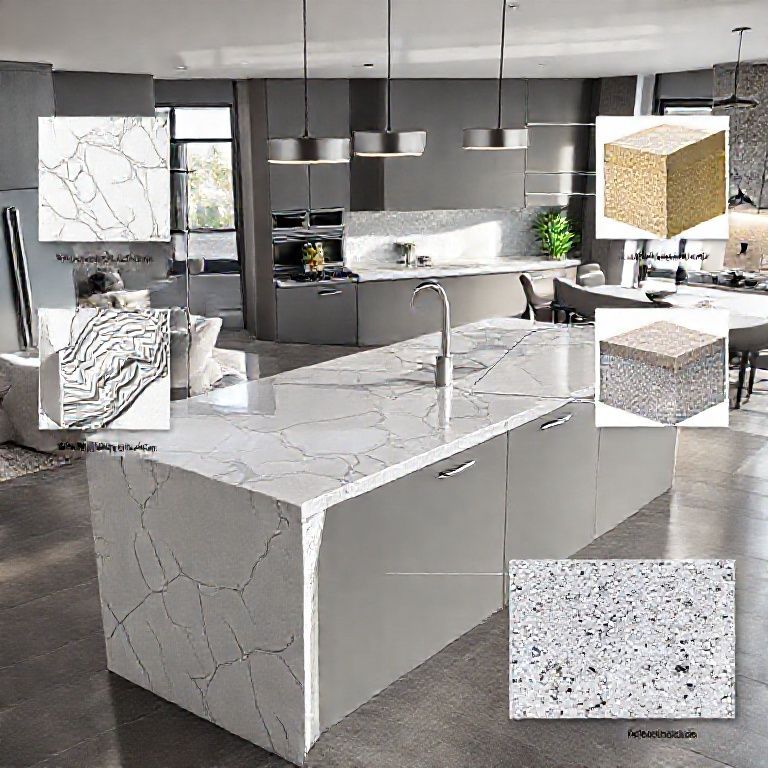
The beauty of granite lies in its natural appearance. Each slab of granite features a unique pattern of veins and colors, offering a level of authenticity that cannot be replicated. This natural aesthetic can add a timeless and elegant touch to any home, particularly in kitchens where a sophisticated and classic look is desired. The texture of granite is also a significant factor; it has a pleasing tactile quality that enhances the overall sensory experience of the space.
Durability and Longevity
Granite is renowned for its durability. It is a hard and dense stone, making it highly resistant to scratches, chips, and stains. This makes granite an excellent choice for high-traffic areas like kitchen window sills. However, it is important to note that granite is porous, which means it can absorb liquids and stains over time. While this can be managed with proper sealing, it requires more maintenance compared to the non-porous nature of quartz.
Variety and Customization
Granite offers an extensive range of colors and patterns, from the rich hues of black and grey to the vibrant colors of red, pink, and green. Each slab of granite is unique, providing endless possibilities for customization. Whether you want a classic look or something more contemporary, granite can be tailored to fit your vision.
Environmental and Ethical Considerations
When choosing between quartz stone and granite, it’s also essential to consider environmental and ethical factors. Granite extraction can have significant environmental impacts, including habitat destruction and the use of large amounts of water and energy. Quartz, being a manufactured product, involves industrial processes that also have environmental implications, although it generally uses less water and energy compared to granite mining.
The Aesthetic Appeal of Quartz Stone and Granite
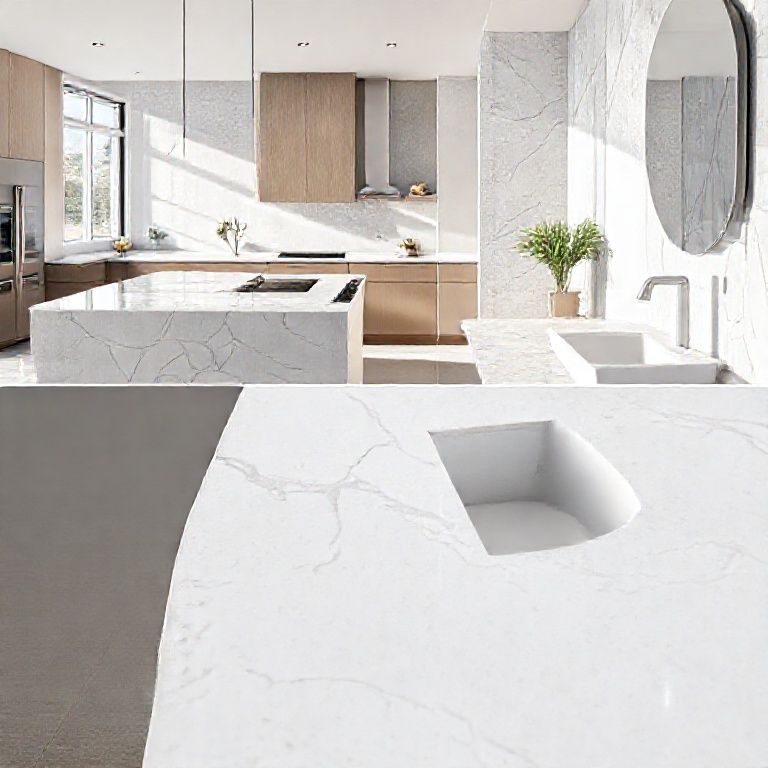
Both quartz stone and granite offer stunning aesthetic appeal, but they cater to different design preferences.
Quartz Stone: Modern and Minimalist
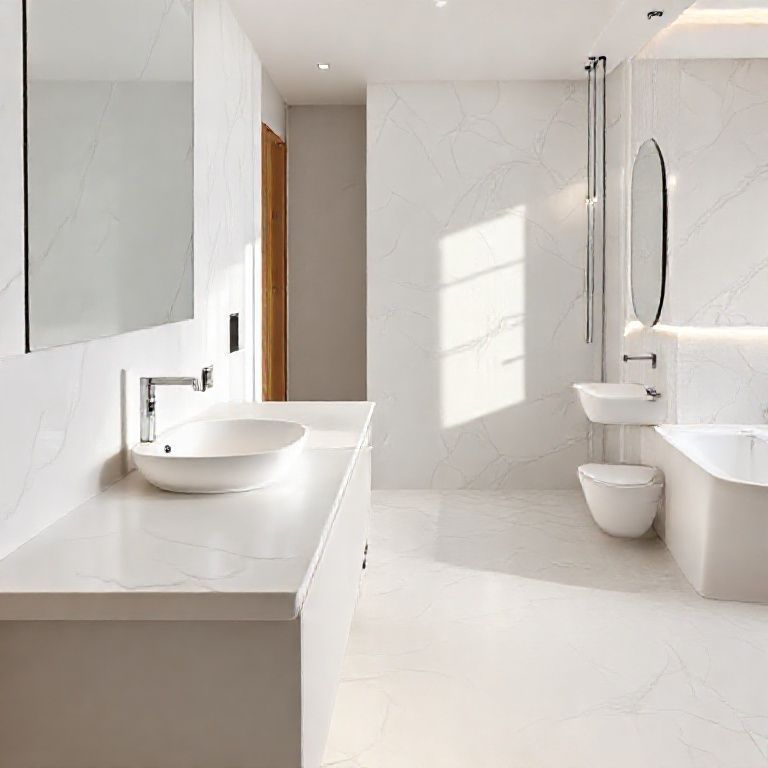
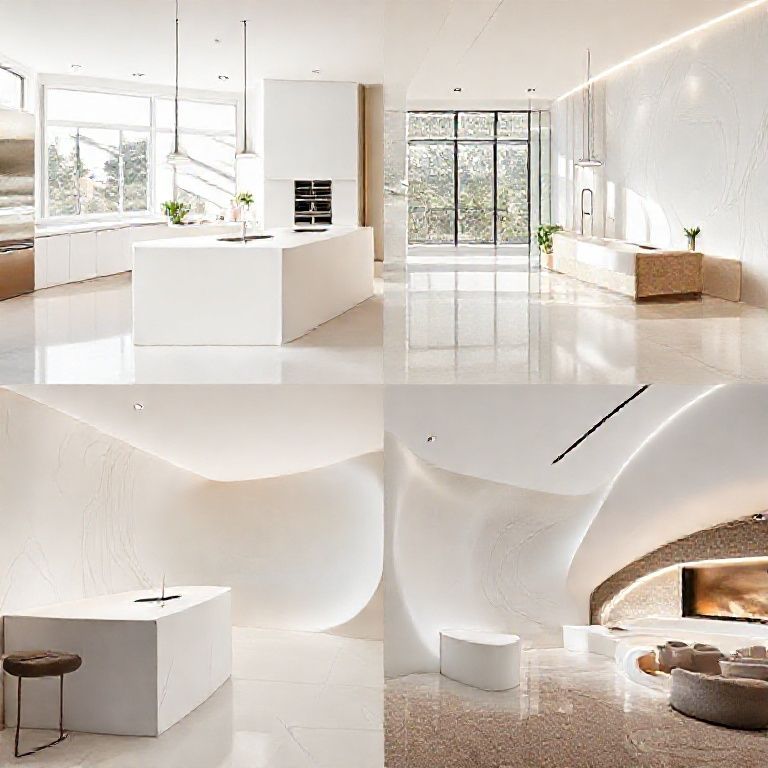
Quartz stone’s sleek and modern appearance makes it ideal for contemporary and minimalist designs. Its uniformity and ability to be molded into intricate shapes allow for sleek, clean lines and minimalist aesthetics that complement modern interiors. Whether you prefer a sleek, monochromatic look or vibrant, patterned designs, quartz stone can be tailored to fit your vision seamlessly.
Granite: Timeless and Elegant
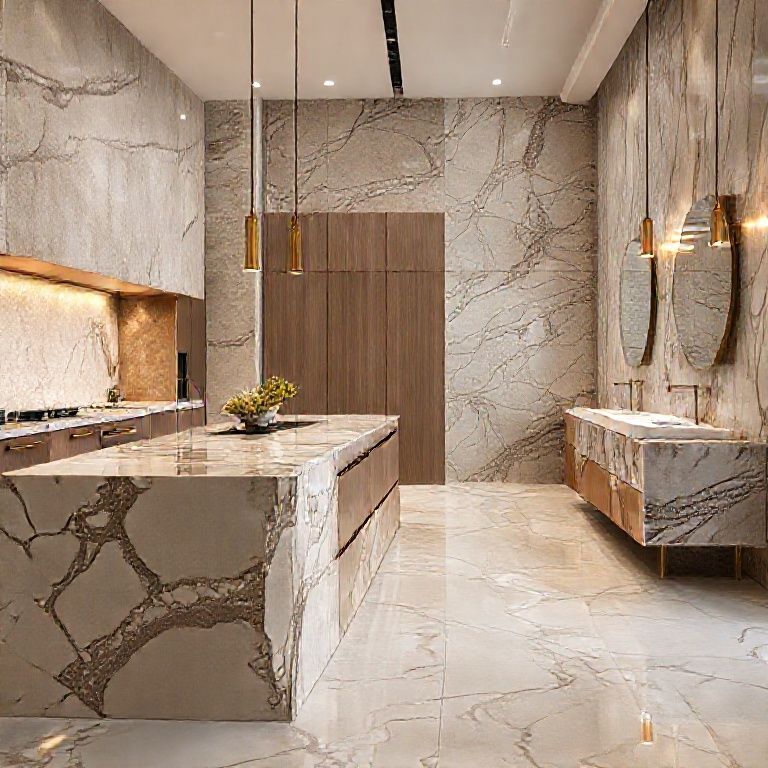
Granite’s natural beauty and unique patterns make it perfect for timeless and elegant designs. Its rich colors and textures can add a sense of luxury and sophistication to any space. Granite is often used in traditional and classic designs where the natural, one-of-a-a-kind appearance is celebrated. Its ability to enhance the warmth and character of a space makes it a favorite for those who appreciate a more classic aesthetic.
Installation and Maintenance Considerations
Both quartz stone and granite are relatively easy to install and maintain, but there are some differences to be aware of.
Installation
Both materials can be installed using traditional stone-setting techniques. However, quartz stone’s uniformity and ability to be molded might require slightly different installation methods compared to granite. It’s essential to work with experienced professionals to ensure a flawless installation.
Maintenance
As mentioned earlier, quartz stone’s non-porous nature makes it easier to maintain compared to granite. Quartz does not absorb liquids, reducing the risk of stains and discoloration. On the other hand, granite, being porous, requires regular sealing to maintain its beauty and prevent stains. While this adds a bit more maintenance to granite, it also contributes to its unique character and appeal.
Conclusion
Choosing between quartz stone and granite for your window sills depends on your specific needs, preferences, and design goals. Quartz stone offers unparalleled durability, versatility, and ease of maintenance, making it a modern and cost-effective choice. Granite, with its natural beauty and timeless elegance, provides a luxurious and unique aesthetic that can enhance the character of any space.
By understanding the unique properties and benefits of both materials, you can make an informed decision that will enhance the beauty and functionality of your home. Whether you opt for the sleek, modern look of quartz stone or the classic, elegant charm of granite, both materials promise to elevate your kitchen and create a space that is both functional and aesthetically pleasing.
The Ultimate Choice for Your Windows: Quartz Stone vs. Granite
Continuing our exploration into the world of quartz stone and granite, we delve deeper into the practical aspects of using these materials for your window sills. While both materials offer unique benefits, understanding their specific applications, maintenance requirements, and long-term costs can help you make the best choice for your home.
Applications Beyond Window Sills
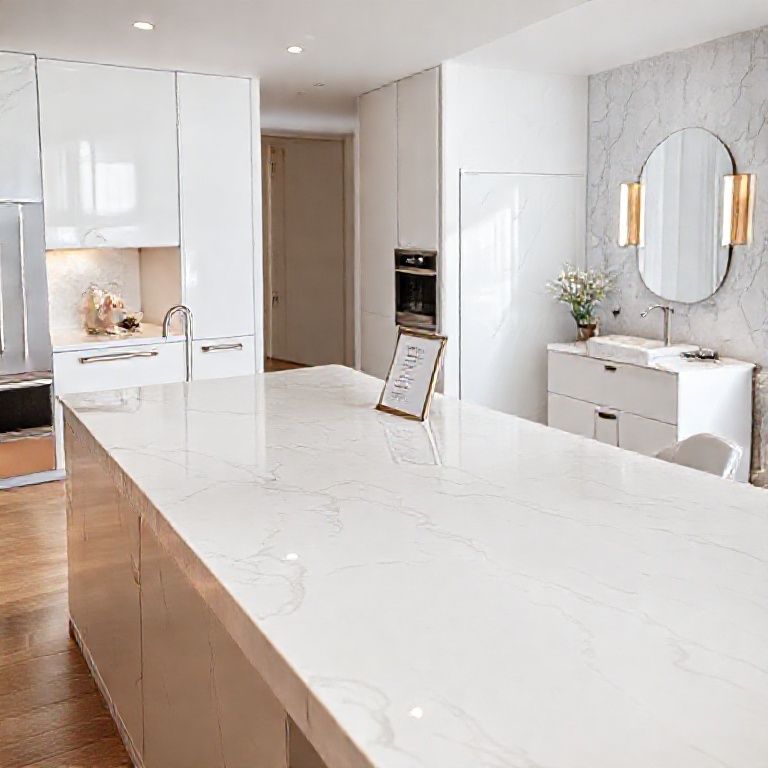
While quartz stone and granite are often used for window sills, their applications extend far beyond. Both materials are popular choices for kitchen countertops, bathroom vanities, and even tabletops due to their durability and aesthetic appeal.
Quartz Stone: Versatile and Multifunctional
Quartz’s versatility makes it an excellent choice for a wide range of applications. Its durability ensures that it can withstand the daily wear and tear of kitchen countertops and bathroom vanities. Additionally, quartz’s ability to be molded into intricate shapes allows it to be used creatively in various home features, from tabletops to decorative elements.
Granite: Timeless and Reliable
Granite’s natural beauty and durability make it a reliable choice for countertops, vanities, and even outdoor features such as patios and fire pits. Its unique patterns and colors can add a touch of elegance to any space, making it a popular choice for both residential and commercial projects.
Maintenance Requirements
While both quartz stone and granite are low-maintenance, understanding their specific maintenance requirements can help you keep them looking their best.
Quartz Stone
As a non-porous material, quartz stone requires minimal maintenance. It does not absorb liquids, reducing the risk of stains and discoloration. Regular cleaning with a damp cloth and mild cleaner is usually sufficient to maintain its pristine appearance. For occasional spills or stains, a mild abrasive cleaner can be used, but care should be taken to avoid scratching the surface.
Granite
Granite, being porous, requires more maintenance compared to quartz. To prevent stains and maintain its beauty, granite needs to be sealed regularly. The frequency of sealing depends on the level of exposure to liquids and the porosity of the granite slab. Typically, sealing every 6 to 12 months is recommended to ensure the granite remains protected and its natural beauty is preserved. In addition to sealing, regular cleaning with a mild soap and water solution can help maintain the surface of granite.
Long-Term Cost Considerations
When evaluating the long-term cost of quartz stone versus granite, several factors come into play, including initial installation costs, maintenance, and durability.
Initial Installation Costs
Quartz stone generally has a lower initial installation cost compared to granite. Its uniformity and ability to be molded into various shapes make it easier and less expensive to install. Granite,当然,继续探讨石材在家居装修中的长期成本和耐用性,可以帮助你更全面地理解它们的优缺点,从而做出更明智的选择。
长期成本
石英石
由于石英石的成本相对较低,并且其耐用性和易清洁的特点,石英石在长期使用中的维护费用也较低。它的耐污性和抗刮擦性使其在日常维护上花费较少。虽然石英石的初始安装成本较低,但是其高耐用性和低维护需求意味着在长期使用中,它的总成本可能会低于一些其他材料。
花岗岩
花岗岩的初始安装成本通常较高,但其耐久性和美观性使其在长期使用中具有较高的价值。花岗岩需要定期密封以防止吸收污渍和液体,这增加了其长期维护成本。由于花岗岩的耐用性和其美观性,它可以在长期使用中保持其价值,特别是在高端市场中。
耐用性
石英石
石英石因其非多孔性质而非常耐用。它不吸收液体,这意味着它不会因为污渍而变色或受损,因此在日常使用中非常耐用。石英石对刮擦、污渍和高温的抵抗力也使其成为一个非常耐用的选择,特别是在厨房和浴室等高使用频率的区域。
花岗岩
花岗岩也是非常耐用的石材,特别是在其表面进行了适当的密封处理。它具有高抗压强度和耐磨性,使其在各种家居环境中都表现出色。由于花岗岩是多孔的,它需要定期密封以保持其美观和防止污渍的渗入。尽管如此,花岗岩在得到适当保养后,其耐用性和美观性使其成为一个长期投资的好选择。
环境和可持续性
在选择石材时,考虑其环境和可持续性也是一个重要因素。石英石和花岗岩各自有不同的环境影响。
石英石
石英石是一种人造石材,其生产过程涉及混合石英粉、树脂和其他添加剂,然后通过高温高压工艺制成。这种过程相对环保,因为它利用了再生材料和减少了对天然石材的开采。生产过程中可能涉及一些化学品和高能耗,这需要权衡其环境影响。
花岗岩
花岗岩是天然石材,其开采和运输过程对环境有一定的影响,包括矿山开采对土地的破坏和运输过程中的碳排放。花岗岩的使用寿命长,并且可以再利用或回收,这在一定程度上减少了其对环境的长期影响。
结论
在选择石英石和花岗岩时,你需要权衡其美观性、耐用性、维护需求和环境影响等多方面的因素。石英石以其低成本、易清洁和高耐用性而闻名,适合那些寻求现代、低维护选择的家庭。而花岗岩则以其独特的自然美观和耐久性而受到追捧,适合那些重视长期价值和自然风格的人。
最终的选择应根据你的个人喜好、预算和对环境的考虑来决定。无论你选择哪种材料,都可以为你的家居带来美观和耐用的享受。