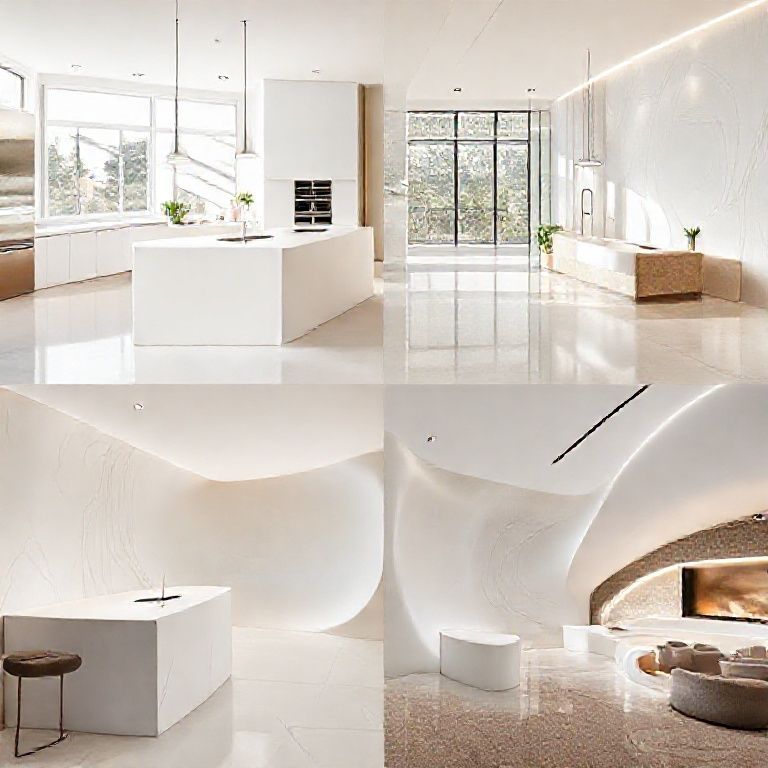
The Ultimate Comparison: Corian vs. Engineered Stone – Which Is Better for Your Home?
In the world of home renovation and design, choosing the right countertop material is pivotal. Two popular choices that often come up in discussions are Corian and engineered stone. Both materials have carved their niche in modern kitchens and bathrooms due to their unique advantages. Let’s delve into the details to understand which one could be the ultimate choice for your home.

What is Corian?
Corian is a solid surface material composed primarily of acrylic resin. It was first introduced by the DuPont Company in the 1970s. Known for its versatility, Corian countertops are made from a mixture of acrylic resin and natural stone, which gives them their unique properties. Corian is available in an extensive range of colors and patterns, allowing for highly customized designs.
What is Engineered Stone?
Engineered stone, on the other hand, is a composite material made from natural stone, resin, and other binding agents. Unlike traditional stone, engineered stone is manufactured in a controlled environment, which allows for precise control over the properties and appearance of the final product. It is often made from a combination of granite, quartz, and marble, providing a blend of the durability and beauty of natural stone with the consistency and ease of installation of a synthetic material.
Durability and Maintenance
Corian:
Corian countertops are highly durable and resistant to scratches, stains, and impact. The acrylic resin that forms the core of Corian provides excellent resistance to chemicals, making it an ideal choice for kitchens and laboratories. Corian also does not absorb liquids, which means it is easy to clean and maintain. Simply wiping down the surface with a damp cloth and mild soap is usually sufficient to keep it looking pristine.
Engineered Stone:
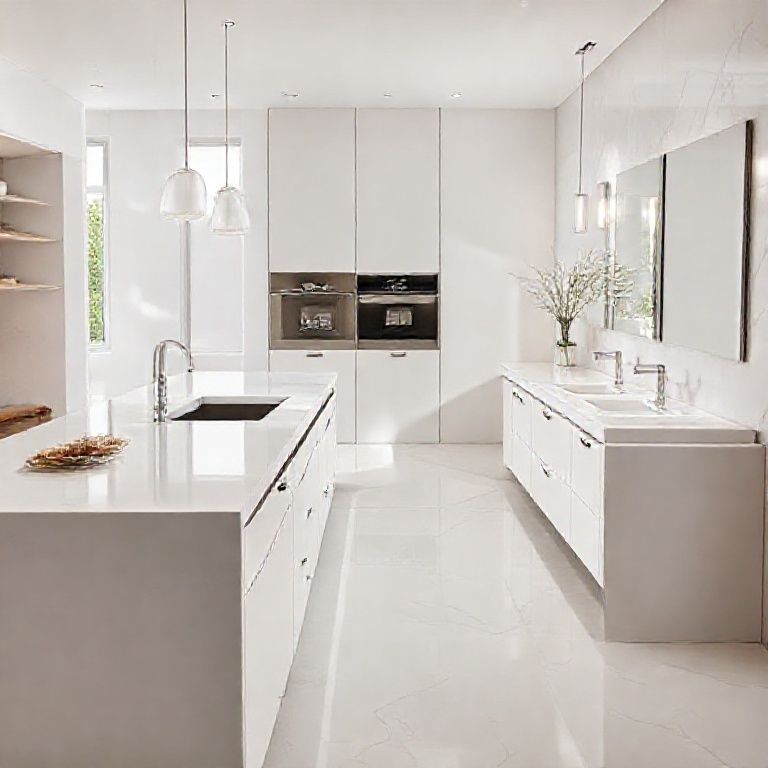
Engineered stone is known for its impressive durability. The combination of natural stone and resin ensures that it maintains the aesthetic appeal of traditional stone while being more resistant to scratches and impacts than pure natural stone. However, engineered stone can still be susceptible to stains from acidic substances. It is essential to clean engineered stone countertops promptly to prevent permanent damage. While it is relatively easy to clean, using a soft cloth and mild detergent is recommended.
Aesthetics and Design Flexibility
Corian:
Corian offers unparalleled design flexibility. The material can be molded into any shape, allowing for unique and custom designs that can perfectly match any architectural style. With a vast array of colors and patterns, Corian can mimic the look of any natural stone or even offer entirely unique designs. This versatility makes Corian a popular choice for those looking to add a touch of creativity to their countertops.
Engineered Stone:
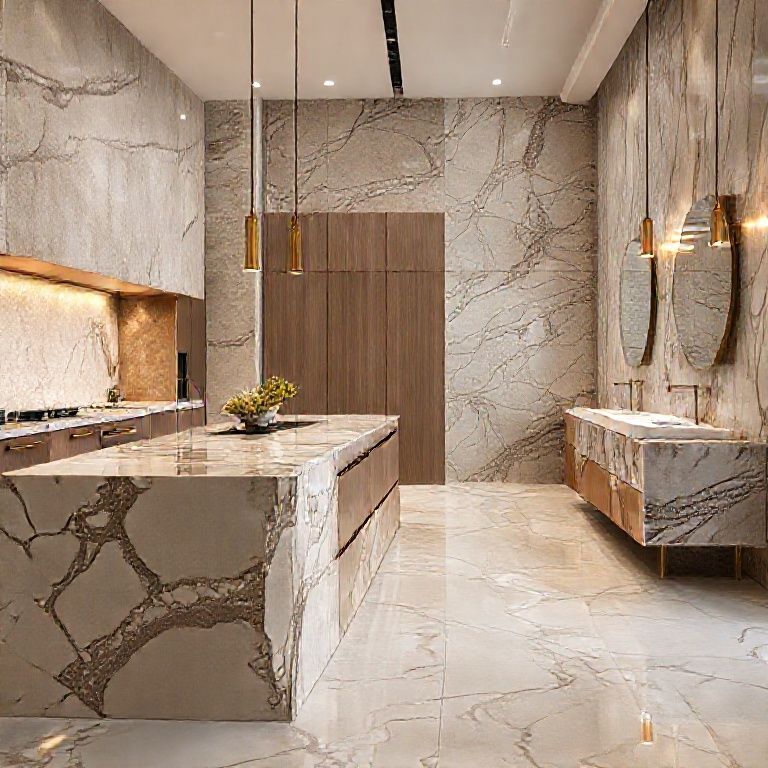
Engineered stone brings the beauty of natural stone into the realm of modern design. It can closely mimic the look of traditional stone materials like granite, marble, and quartz. However, because it is a composite material, engineered stone offers more consistent color and pattern across large slabs. This consistency makes engineered stone an excellent choice for those who want the appearance of natural stone without the variability that comes with traditional stone.
Cost-Effectiveness
Corian:
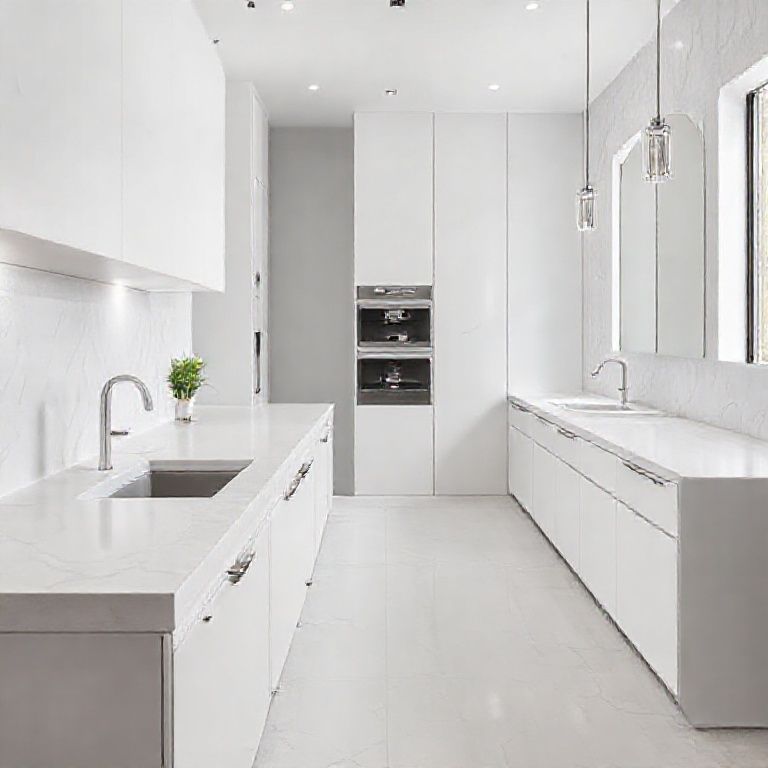
Corian countertops are generally more expensive than engineered stone due to the high-quality materials and manufacturing process. However, their durability and low maintenance requirements can make them a cost-effective choice in the long run. The upfront cost might be higher, but the reduced need for repairs and maintenance can offset this over time.
Engineered Stone:
Engineered stone is typically more affordable than Corian, making it an attractive option for those on a budget. Despite being more cost-effective initially, engineered stone might require more maintenance to prevent stains and damage, which could add to the long-term costs. However, its durability and the ability to closely mimic natural stone make it a compelling choice for many homeowners.
Installation and Professional Expertise
Corian:
Corian is relatively easy to install, which is one of its significant advantages. The material can be cut with standard tools like tile saws, and it does not require sealing, unlike natural stone. This ease of installation means that even those without extensive experience can handle the process, or it can be left to professionals who will find the work straightforward.
Engineered Stone:
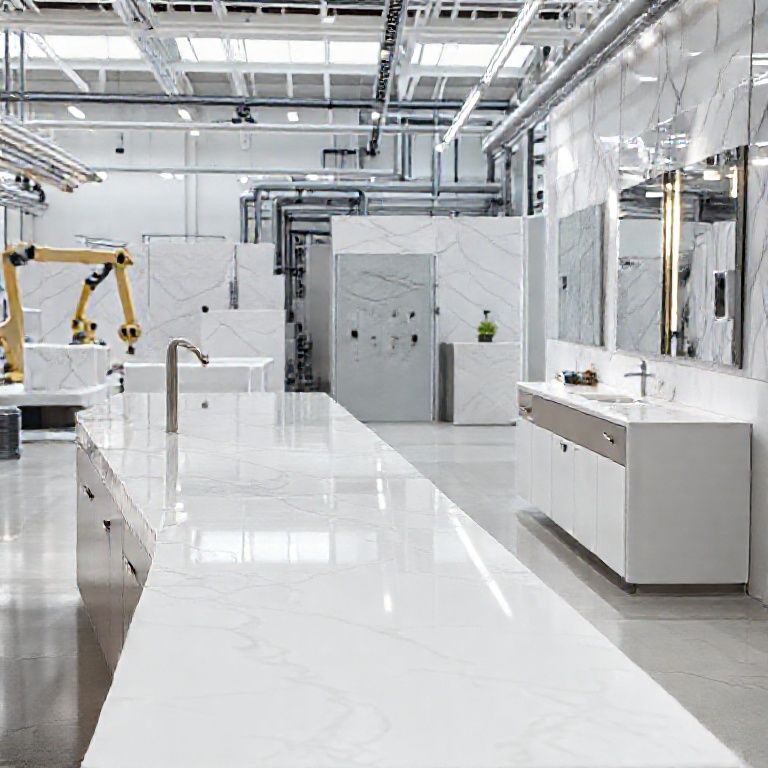
Engineered stone installation can be more complex than Corian. It often requires specialized tools and techniques, which might necessitate hiring professional installers. Additionally, engineered stone countertops need to be sealed regularly to maintain their appearance and resist stains. However, the professional installation ensures that the stone is cut and installed correctly, leading to a more durable and aesthetically pleasing result.
Environmental Impact
Corian:
Corian is made from a combination of acrylic resin and natural stone, which means it has a relatively lower environmental impact compared to traditional solid surfaces. However, the production of acrylic resin does involve some chemical processes that could raise environmental concerns. It is essential to consider the manufacturing processes and the potential for emissions when evaluating the environmental footprint of Corian.
Engineered Stone:
Engineered stone is a more eco-friendly option as it uses a combination of natural stone and resin, which is a more sustainable process than producing synthetic materials. The use of natural stone in its production means that it can be a renewable resource, depending on the availability and sustainability of the stone used. However, the extraction and transportation of natural stone can have significant environmental impacts.
Conclusion
Both Corian and engineered stone have their unique strengths, making the decision between them highly dependent on individual preferences and needs. Corian offers unmatched design flexibility and low maintenance, though it comes at a higher cost. Engineered stone provides the beauty and durability of natural stone at a more affordable price, although it may require more maintenance and professional installation.
Ultimately, the choice between Corian and engineered stone comes down to what you value most in a countertop. If you prioritize low maintenance, versatility, and design freedom, Corian might be the better option. On the other hand, if you are looking for a material that offers the appearance of natural stone at a more reasonable price point with moderate maintenance requirements, engineered stone could be the way to go.
The Ultimate Comparison: Corian vs. Engineered Stone – Which Is Better for Your Home?
In our previous section, we explored the fundamental differences between Corian and engineered stone, focusing on their durability, aesthetics, and cost-effectiveness. Now, we will delve deeper into the specific scenarios where each material excels and provide you with a clearer understanding of which countertop material might be the best fit for your home.
Kitchen Countertops
Corian for Kitchen Countertops:
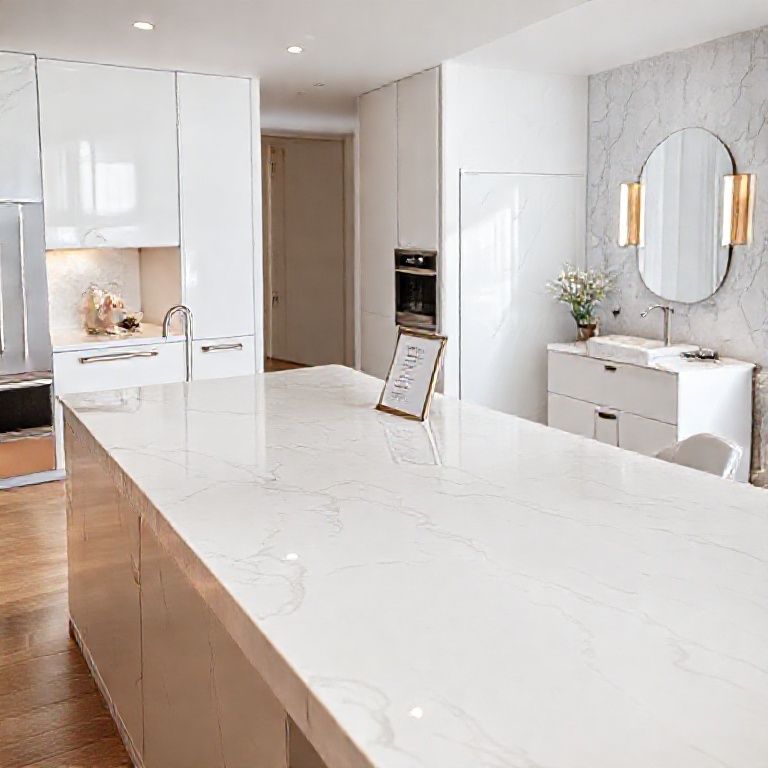
Corian is particularly popular in kitchens due to its resistance to heat, chemicals, and stains. This makes it an ideal choice for busy kitchens where spills and splashes are common. The ability to create custom shapes and designs allows homeowners to add a unique touch to their kitchen, making it not just a functional space but also a personalized one. Corian’s durability also means that it can withstand the rigors of daily kitchen use without showing signs of wear and tear.
Engineered Stone for Kitchen Countertops:
Engineered stone offers the look of natural stone, which can add a luxurious feel to any kitchen. It is highly durable and can withstand the heat and impact often encountered in a kitchen environment. However, as mentioned earlier, engineered stone can be susceptible to stains from acidic substances. It is crucial to maintain engineered stone countertops to prevent stains, which might require regular sealing and cleaning. Despite this, the aesthetic appeal and durability of engineered stone make it a strong contender for kitchen countertops.
Bathroom Countertops
Corian for Bathroom Countertops:
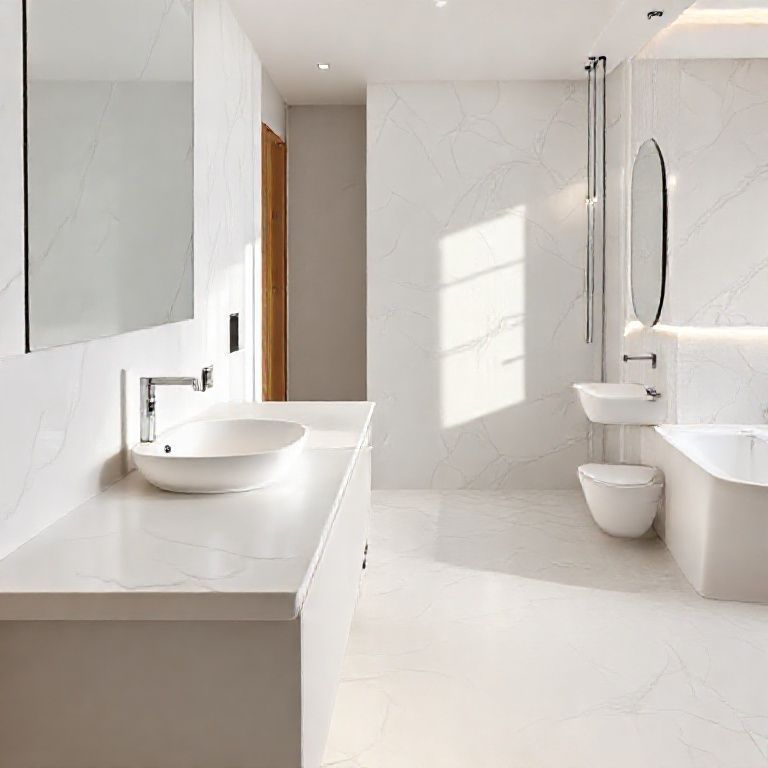
In bathrooms, Corian shines due to its water resistance. Bathrooms are prone to moisture, and Corian’s ability to repel water makes it an excellent choice for sinks, vanities, and other wet areas. This resistance to water also means that Corian does not support the growth of mold or mildew, making it a hygienic option for a space that often experiences high humidity. The ease of cleaning and low maintenance requirements make Corian a practical choice for bathroom countertops.
Engineered Stone for Bathroom Countertops:
Engineered stone can also be a good option for bathroom countertops, especially if you prefer the look of natural stone. However, the susceptibility to stains from acidic substances is a consideration. Additionally, the material can be more prone to absorbing water, which might lead to damage if not properly maintained. For those who prioritize the aesthetic appeal of natural stone without the high maintenance requirements, engineered stone could be a suitable choice.
Commercial Spaces
Corian for Commercial Spaces:
In commercial settings such as restaurants, offices, and retail spaces, Corian’s durability and low maintenance are significant advantages. The material’s resistance to chemicals and stains makes it ideal for high-traffic areas where spills and cleaning are frequent. Corian’s versatility allows for creative designs that can enhance the branding and aesthetic of commercial spaces. Its ease of cleaning and repairability also make it a practical choice for commercial environments.
Engineered Stone for Commercial Spaces:
Engineered stone can also be a popular选择用于商业空间的材料时,其美观性和耐用性同样至关重要。由于工作区域和高流量区域的高磨损率,工程石通常能够提供与天然石相似的外观,同时具有更高的耐用性。由于其含有的天然石成分,工程石可能需要更多的维护和定期密封以防止酸性物质的渗透和水分损坏。
环境影响
Corian:
Corian 由亚克力树脂和天然石组成,其生产过程中涉及一些化学过程,这可能对环境产生影响。由于其材料的可再生性和可回收性,Corian 在环境影响方面的表现相对较好。尽管如此,生产过程中可能产生的排放和废弃物需要考虑。
工程石:
工程石由天然石和树脂制成,这使其在环保方面具有更大的优势,因为它利用了可再生的天然资源。天然石的开采和运输可能对环境产生较大影响,包括矿区扰动和碳排放。尽管如此,工程石在整个生命周期中的碳足迹可能较低,因为其耐用性减少了更换的频率。
最终决定
1. 预算:
Corian:通常比工程石更昂贵,但其低维护成本和耐用性可能会在长期内节省费用。 工程石:价格相对更实惠,但可能需要更多的维护和定期维护费用。
2. 美观性:
Corian:提供了无与伦比的设计灵活性和广泛的颜色和图案选择,可以完全定制化。 工程石:可以提供天然石的外观,其一致性和高质量使其在寻求美观和自然感方面表现出色。
3. 维护:
Corian:非常易于清洁和维护,仅需简单的擦拭即可保持光洁。 工程石:需要更多的维护,特别是定期密封以防止污渍和水分损坏。
4. 耐用性:
Corian:非常耐用,抗刮擦、抗污渍,并且不会吸收液体。 工程石:耐用且具有天然石的外观,但需要更多的保养来防止酸性物质和水分的损害。
5. 环境影响:
Corian:尽管生产过程可能对环境有影响,但其材料的可再生性使其在环境方面表现较好。 工程石:利用天然石材,其生产过程可能对环境产生较大影响,但其耐用性可以减少更换的频率。
结论
在选择 Corian 或工程石时,综合考虑这些因素将帮助您做出最适合您需求和价值观的决定。无论选择哪种材料,都可以为您的家居或商业空间带来独特的美学和功能优势。