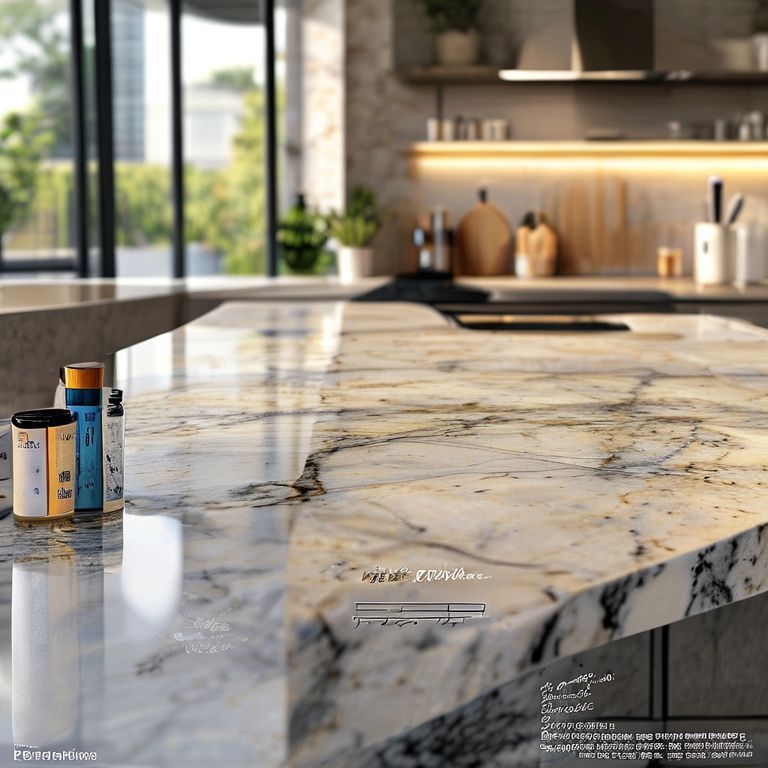
The Journey Begins: Unveiling the Before and After of Marble Renovation
In the world of luxury and elegance, marble stands as a timeless classic. Its natural beauty and versatility have made it a favored choice for architects, designers, and homeowners alike. However, even the finest marble can suffer wear and tear over time, losing its luster and charm. Enter the realm of marble renovation—a process designed to restore the beauty and grandeur of marble surfaces, breathing new life into these exquisite materials.

The Pre-Renovation State
Before embarking on the renovation journey, it’s essential to understand the initial state of the marble. Over the years, marble surfaces often accumulate grime, stains, water spots, and scratches. These imperfections can detract from the marble’s natural beauty and lead to a less than impressive aesthetic. The pre-renovation state of marble often reveals a surface marred by discoloration, dullness, and even minor structural damage, such as etchings and cracks.
Marble, being a natural stone, is susceptible to the elements. The constant exposure to moisture, temperature fluctuations, and acidic substances can cause significant deterioration. This wear and tear can lead to a surface that looks outdated and less appealing, undermining the overall aesthetic of the space it inhabits. To truly appreciate the transformative power of marble renovation, it’s crucial to understand the extent of the damage before the process begins.
The Renovation Process
The marble renovation process is meticulous and involves several stages, each designed to meticulously restore the marble’s original beauty. The journey begins with a thorough assessment of the marble’s condition. Professionals will evaluate the extent of the damage, identifying areas that require cleaning, polishing, or even more intensive restoration work.
Cleaning: The first step in the renovation process is a deep cleaning. This involves the removal of surface grime, dirt, and stains. Professionals use specialized cleaning solutions and equipment to ensure that the marble is cleaned without causing any damage. This step is crucial as it sets the foundation for the subsequent stages of renovation.
De-Etching: For marble that has suffered etching—where acidic substances have caused a loss of surface texture—de-etching is a vital step. This process involves the careful application of a de-etching compound that restores the original texture of the marble. It is a delicate process that requires expertise to avoid over-etching, which can lead to further damage.
Polishing: Polishing is perhaps the most crucial stage in marble renovation. This step involves the application of a polishing compound that restores the marble’s shine and luster. The process requires skilled professionals to use specialized equipment to evenly distribute the polishing compound and ensure a smooth, reflective finish. The result is a marble surface that not only looks beautiful but also feels luxurious to the touch.
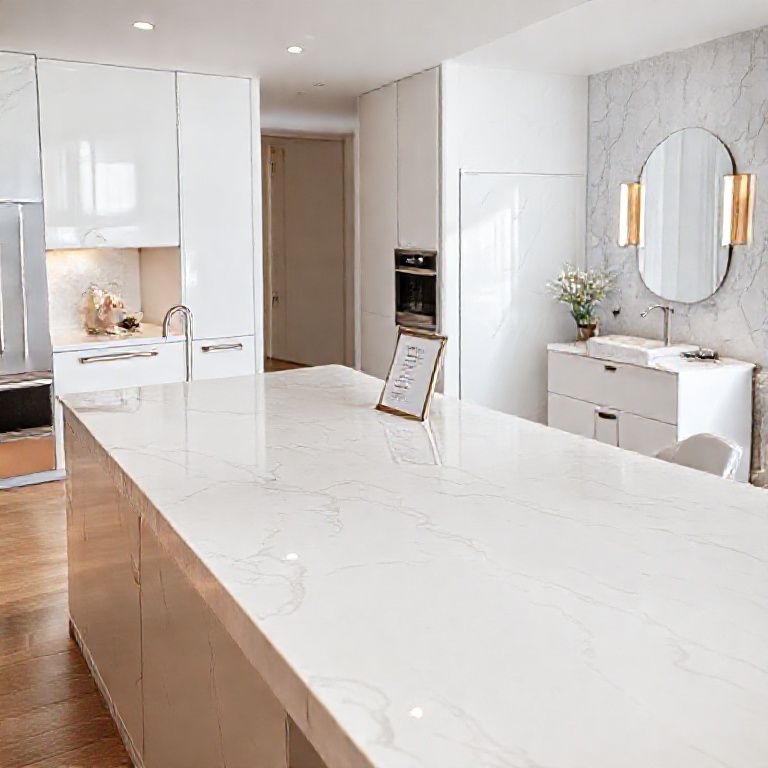
Sealing: After polishing, the marble is typically sealed to protect it from future damage. Sealing creates a protective barrier that prevents stains, water spots, and acidic substances from penetrating the marble surface. This step is essential for maintaining the renovated marble’s beauty over time.
Benefits of Marble Renovation
The benefits of marble renovation are manifold. Firstly, it extends the life of the marble, making it look as good as new. Renovated marble surfaces are not only aesthetically pleasing but also more durable and less prone to future damage. This means less frequent cleaning and maintenance, saving time and resources in the long run.
Moreover, renovated marble can significantly enhance the value of a property. Homes and buildings with beautifully restored marble interiors command higher rental prices and sell for more when it’s time to move on. The transformation of marble surfaces can also create a more cohesive and harmonious design aesthetic, making the space more inviting and luxurious.
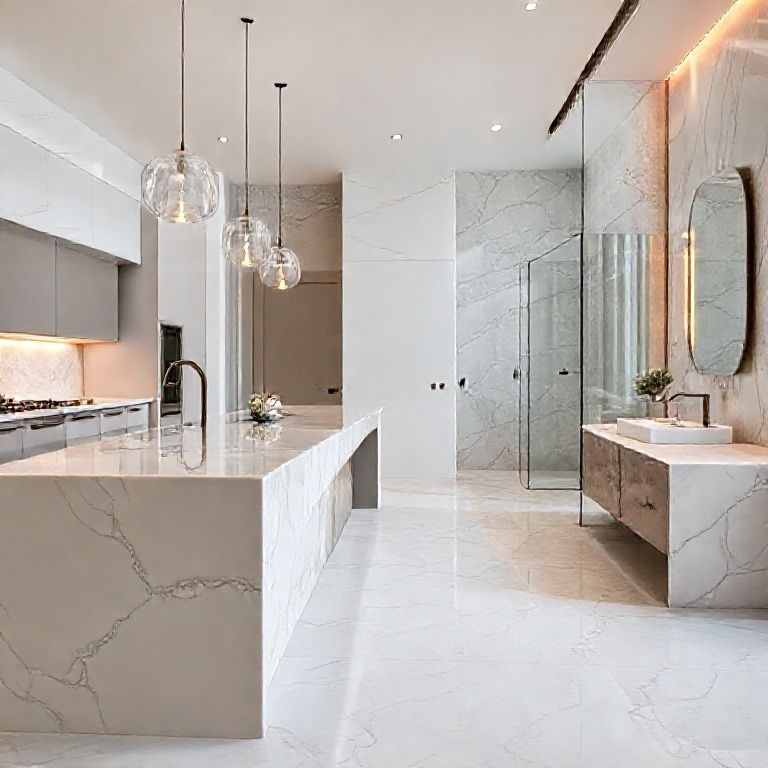
Witnessing the Transformation
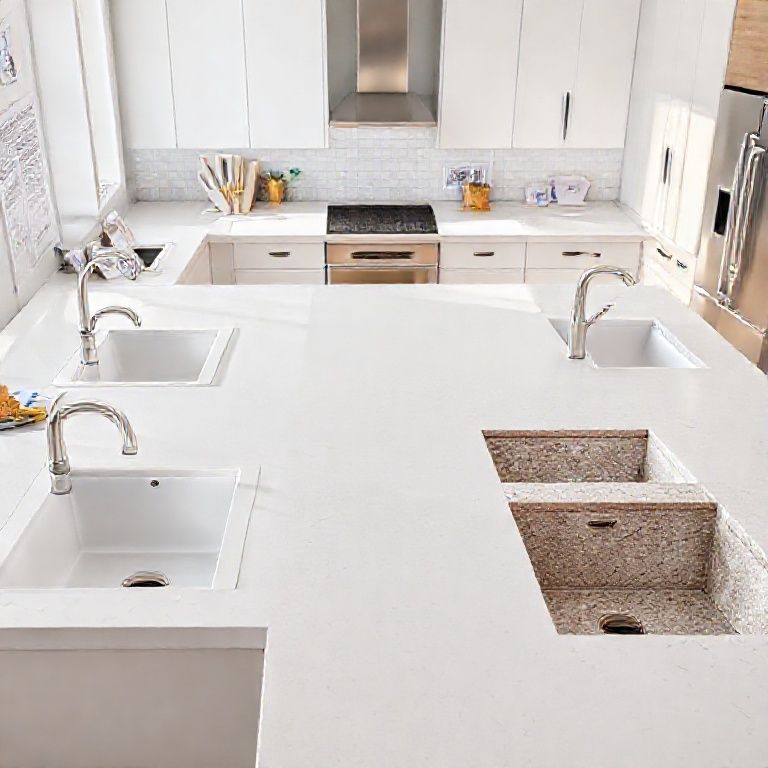
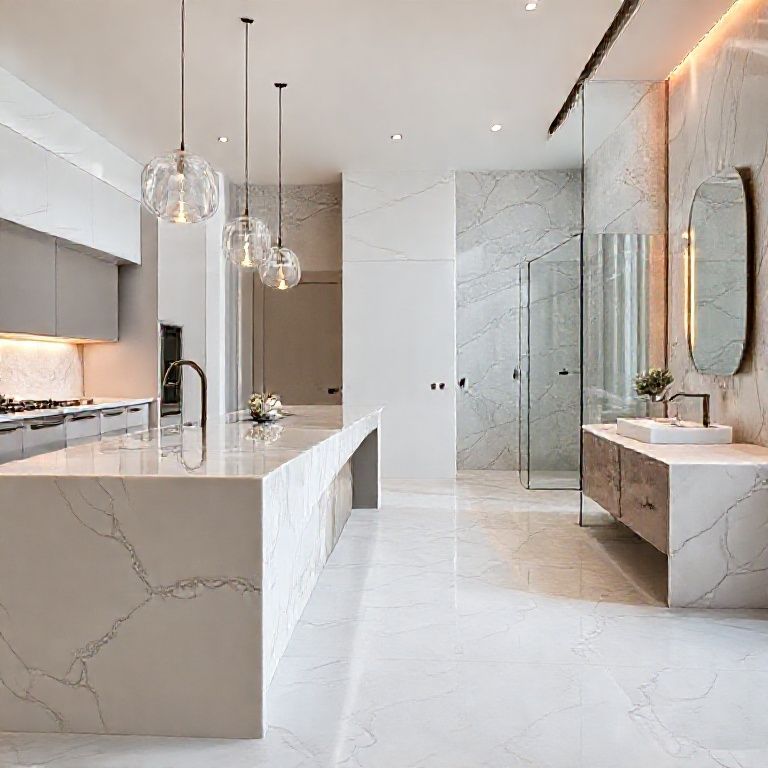
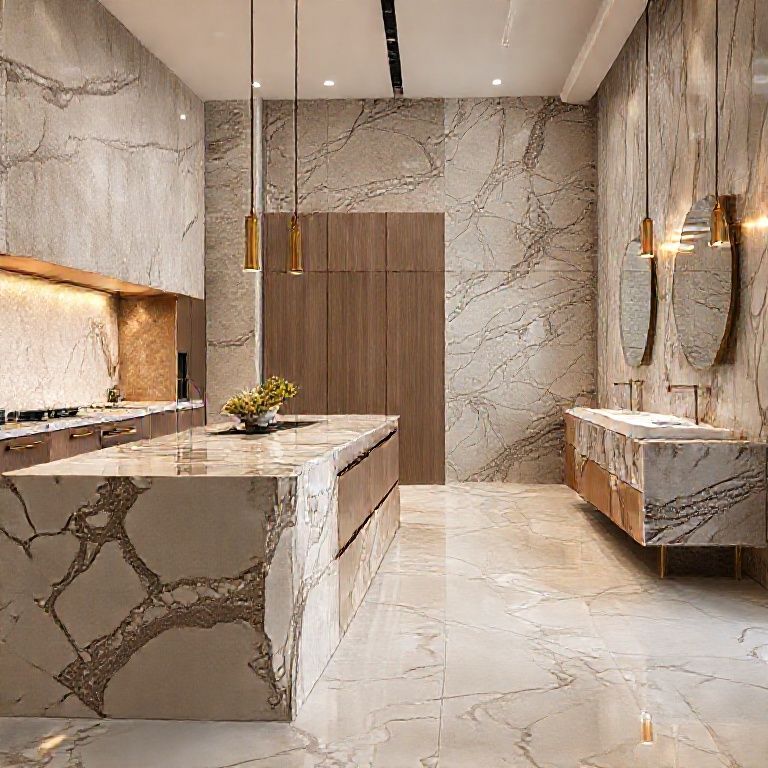
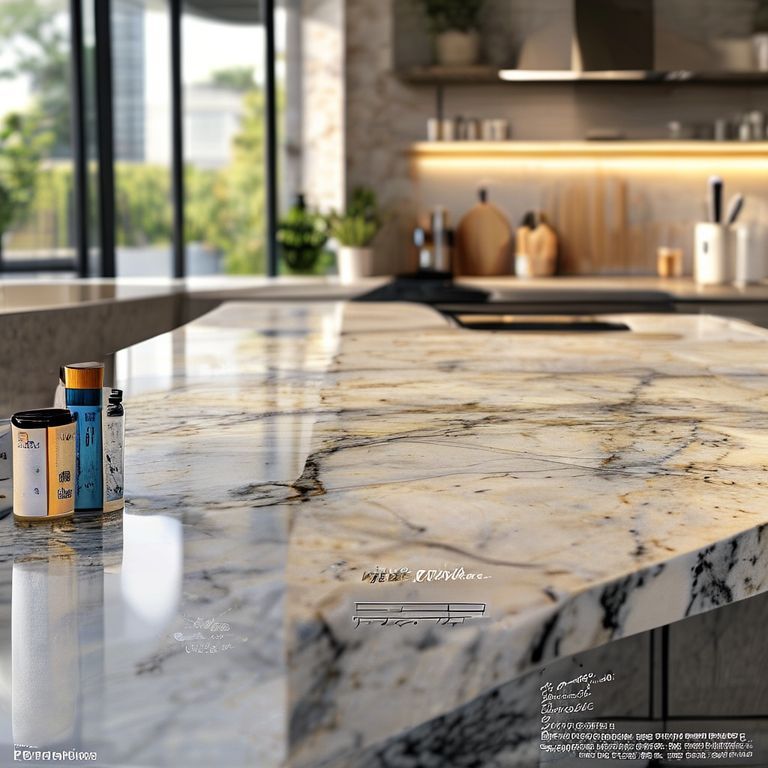
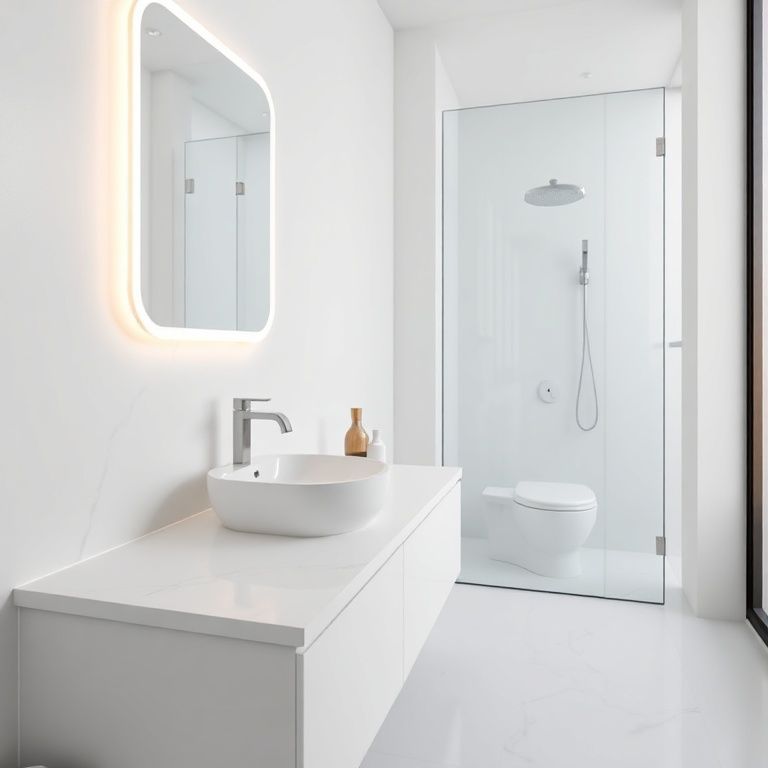
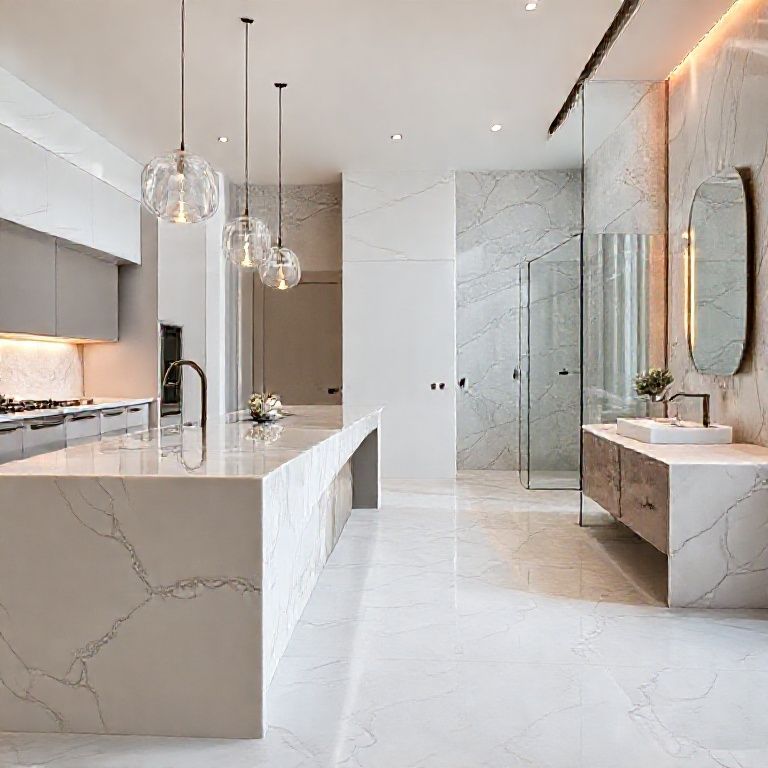
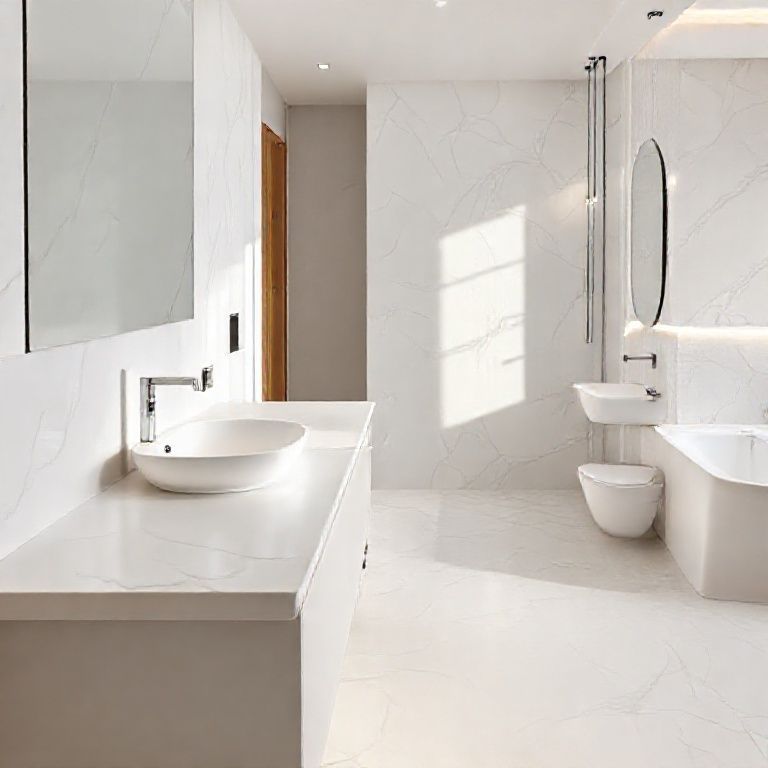
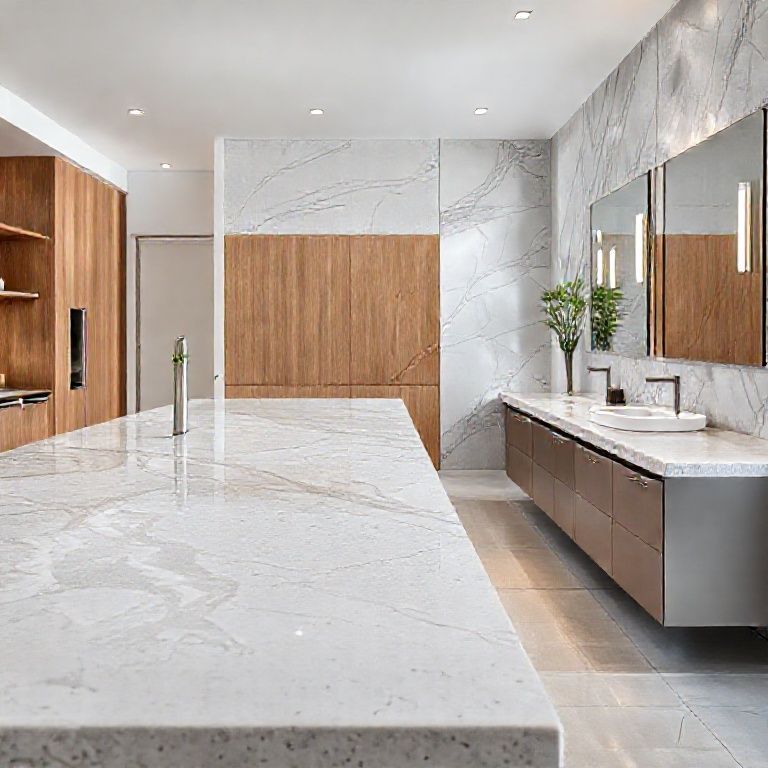
To truly appreciate the transformation of marble renovation, it’s essential to witness the before-and-after comparison. The contrast between the pre-renovation state and the polished, revitalized marble is nothing short of spectacular. The worn-out, dull, and damaged surface is replaced by a gleaming, vibrant, and structurally sound marble that showcases its natural beauty to perfection.
In the next part of this article, we will delve deeper into the specifics of marble renovation, including the advanced technologies used, the importance of professional expertise, and real-life examples of marble renovation projects that have achieved stunning results.
Advanced Techniques and Real-Life Transformations: The Art and Science of Marble Renovation
In the previous segment, we explored the journey of marble renovation, from understanding the pre-renovation state to the meticulous process involved in restoring marble to its former glory. Now, let’s dive deeper into the advanced techniques and real-life transformations that define this fascinating field.
Advanced Renovation Techniques
Marble renovation is both an art and a science, requiring a combination of skilled craftsmanship and advanced technology. Here are some of the cutting-edge techniques used in modern marble renovation:
Laser Cleaning: Laser cleaning is a highly precise method used to remove surface contaminants without damaging the marble. This technique uses a controlled laser to vaporize contaminants, leaving the marble surface clean and intact. It is particularly effective for removing stubborn stains and etchings without the need for harsh chemicals.
Diamond Polishing: Diamond polishing is a technique that uses diamond-impregnated pads to polish the marble surface. This method ensures an even, smooth finish and can correct minor surface imperfections. Diamond polishing is highly effective for achieving a high-gloss finish that enhances the marble’s natural beauty.
Nano Technology: Nano technology is revolutionizing the field of marble renovation. Nano-sealers are applied to the marble surface, creating a microscopic barrier that repels stains, water, and acidic substances. This technology ensures long-lasting protection and maintains the marble’s pristine appearance over time.
Chemical Restoration: Chemical restoration involves the use of specialized compounds to rejuvenate aged and damaged marble. These chemicals penetrate the marble’s surface, restoring its original texture and color. This method is particularly useful for restoring marble that has suffered significant etching and discoloration.
The Importance of Professional Expertise
While the techniques used in marble renovation are advanced, the success of the process depends heavily on the expertise of the professionals involved. A skilled marble renovator has the knowledge and experience to assess the marble’s condition, choose the most appropriate techniques, and execute the renovation with precision.
Professional expertise is crucial for several reasons:
Accurate Assessment: A professional can accurately assess the extent of the damage and determine the most effective renovation techniques. This ensures that the process is tailored to the specific needs of the marble, leading to the best possible results.
Expertise in Techniques: Professional renovators are trained in the latest techniques and technologies. They have the skills to use these methods effectively, ensuring that the marble is restored to its former glory without causing any further damage.
Long-Lasting Results: Professionals understand the importance of sealing and protecting the renovated marble. They apply high-quality products that provide long-lasting protection, ensuring that the marble remains beautiful and durable over time.
Real-Life Examples of Marble Renovation
To truly appreciate the impact of marble renovation, let’s explore some real-life examples that highlight the transformative power of this process.
Example 1: The Historic Mansion
A historic mansion with marble floors and walls had suffered years of neglect and damage. The marble had lost its luster, and there were visible etchings and water spots. Professional renovators were brought in to restore the marble to its former grandeur.
Using a combination of laser cleaning and diamond polishing, the professionals meticulously cleaned and polished the marble. They applied a nano-sealer to protect the surface from future damage. The result was a stunning transformation, with the marble floors and walls gleaming with their original beauty, making the mansion look more luxurious than ever.
Example 2: The Modern Office Space
A modern office space featured marble countertops and walls that had become dull and stained over time. The renovation team used advanced chemical restoration techniques to rejuvenate the marble. They carefully applied a polishing compound and sealed the surface with a high-quality nano-sealer.
The transformation was remarkable. The marble now shone with a vibrant, reflective finish, enhancing the overall aesthetic of the office space. The renovation not only improved the appearance of the marble but also contributed to a more cohesive and stylish design.
Example 3: The Timeless Bathroom
A timeless bathroom with marble tiles had become faded and stained due to years of exposure to moisture and acidic substances. The renovation process involved a thorough cleaning, de-etching, and polishing.
The professionals used laser cleaning to remove stubborn stains and diamond polishing to restore the marble’s texture and shine. They sealed the surface with a nano-sealer, providing long-lasting protection against future damage. The result was a bathroom with pristine marble tiles that looked as good as new, enhancing the overall luxury of the space.
Conclusion
The journey of marble renovation is a testament to the transformative power of skilled craftsmanship and advanced technology. From understanding the pre继续我们对于大理石翻新前后对比的深入探讨,可以进一步讨论其对于空间美学和实际应用的影响。
提升空间美学
视觉效果: 大理石翻新后,其光泽和色彩会得到显著提升,使得原本单调或破旧的表面变得焕然一新。例如,在客厅或厨房中,经过翻新的大理石台面和地板能够带来视觉上的高级感,使空间显得更加现代和时尚。
质感与触感: 翻新后的大理石具有更高的光滑度和光泽感,触感也更为舒适。这不仅提升了空间的质感,也增强了用户的整体体验。
实际应用与效益
耐用性与易清洁性: 现代大理石翻新技术不仅能恢复大理石的原始美观,还能提高其耐用性和抗污性。通过专业的翻新和高效的封闭处理,翻新后的大理石能够更好地抵抗水渍、油污和日常磨损,从而延长其使用寿命。
空间布局与功能优化: 翻新后的大理石可以为空间带来更多设计灵活性。设计师和建筑师可以根据翻新后的大理石材质,进行更加精致和个性化的空间布局和功能优化。例如,在商业空间中,翻新后的大理石台面和地板可以提升整体的品牌形象和客户体验。
环境与可持续性
环保性: 现代翻新技术在保留大理石原有美感的采用了环保材料和清洁技术,减少了对环境的污染。这不仅对建筑物内部空气质量有益,也符合当前可持续发展的趋势。
资源再利用: 大理石翻新通常不需要完全更换材料,而是通过表面处理和保护,使其重新焕发光彩。这种方式减少了对新材料的需求,有助于节约资源和减少废弃物的产生。
案例分析
住宅改造: 在一些高端住宅翻新项目中,大理石台面和地板的翻新是常见的环节。例如,在一栋老式别墅翻新项目中,翻新后的大理石不仅恢复了原有的质感,还增加了房间的现代感,使整个空间看起来更加协调和高档。
商业空间: 在餐厅、咖啡厅和商业办公楼中,大理石的翻新能够极大地提升空间的吸引力。例如,一家高端餐厅通过对大理石桌面和地板进行翻新,使其在竞争激烈的市场中脱颖而出,吸引了更多的顾客。
未来趋势
智能翻新技术: 随着科技的进步,未来大理石翻新将更加智能化。例如,利用激光技术进行精确清洁和修复,或通过先进的材料科学提升大理石的耐用性和美观性。
个性化定制: 未来的大理石翻新将更加注重个性化定制,通过客户的需求定制特定的色彩和纹理,使每一个翻新项目都独一无二。
通过上述多方面的探讨,我们可以看到,大理石翻新不仅仅是一项简单的美化工作,而是一种综合性的空间提升方式,涉及到美学、实用性、环境和未来趋势等多个维度。无论是住宅还是商业空间,大理石翻新都能为其带来巨大的价值提升。