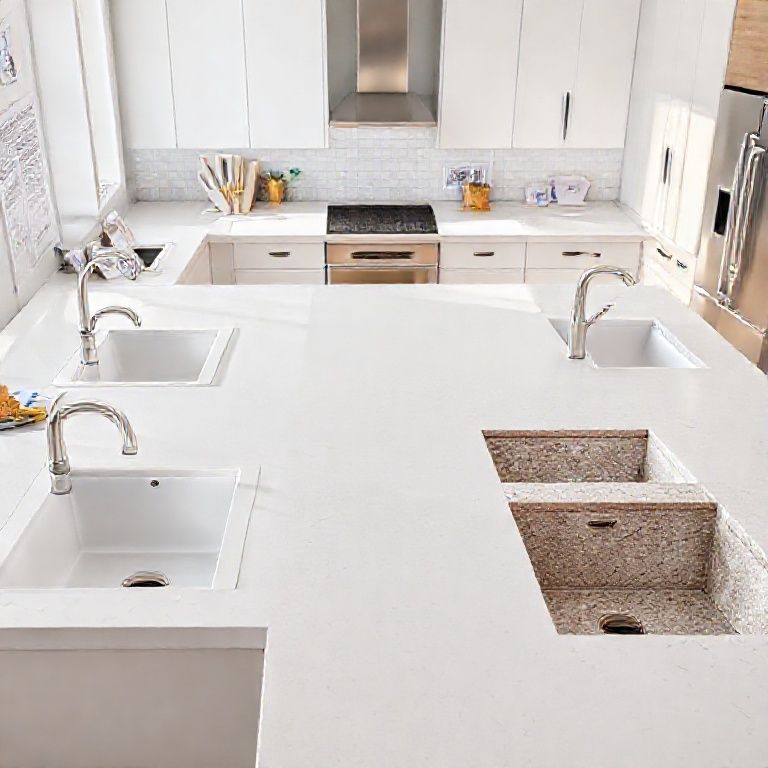
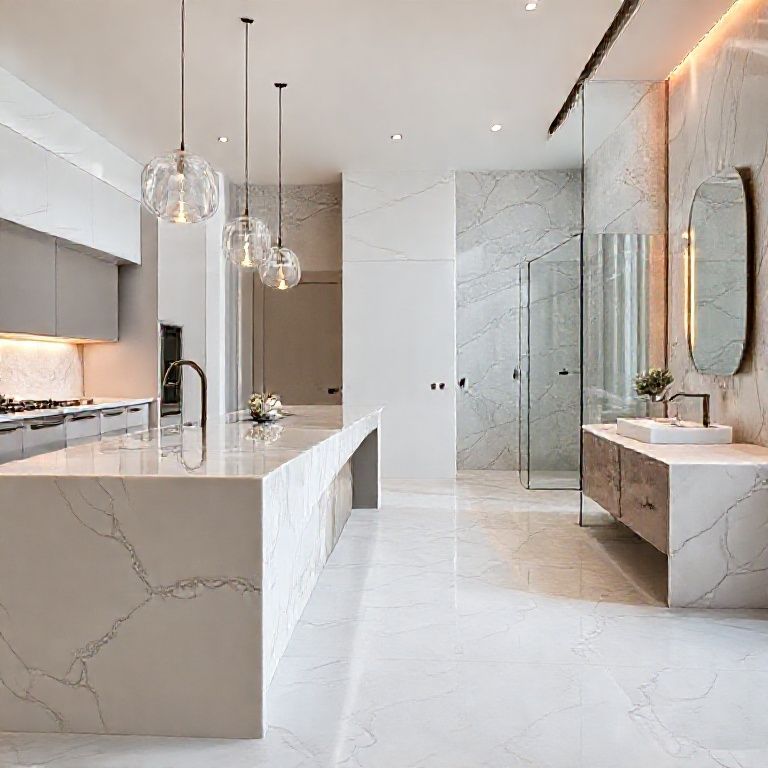
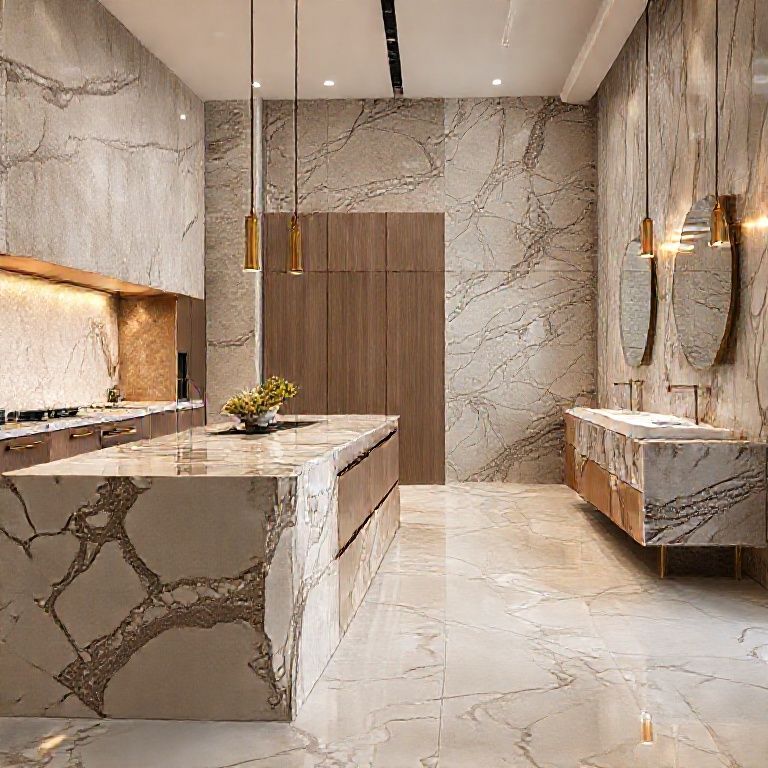
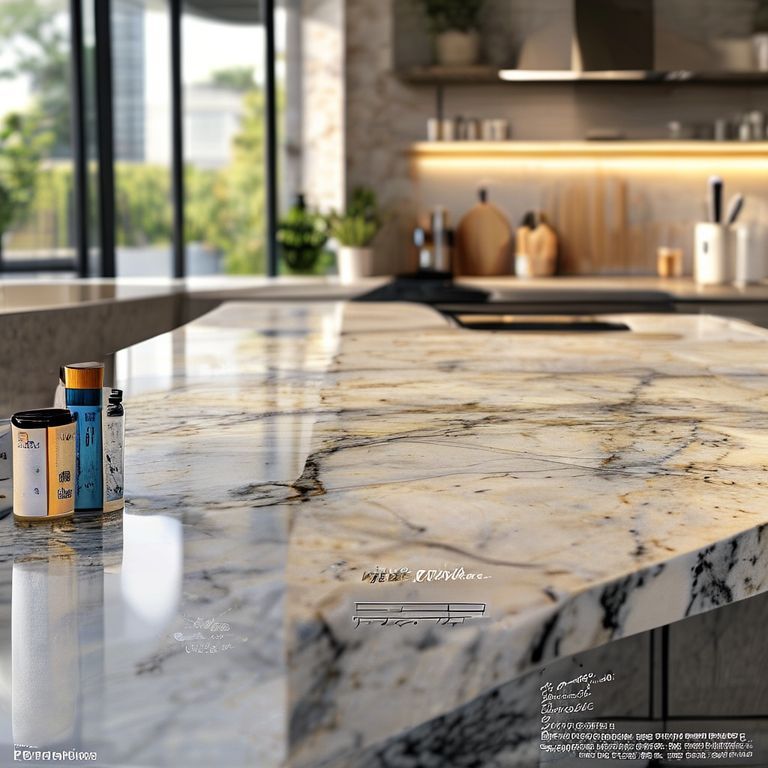
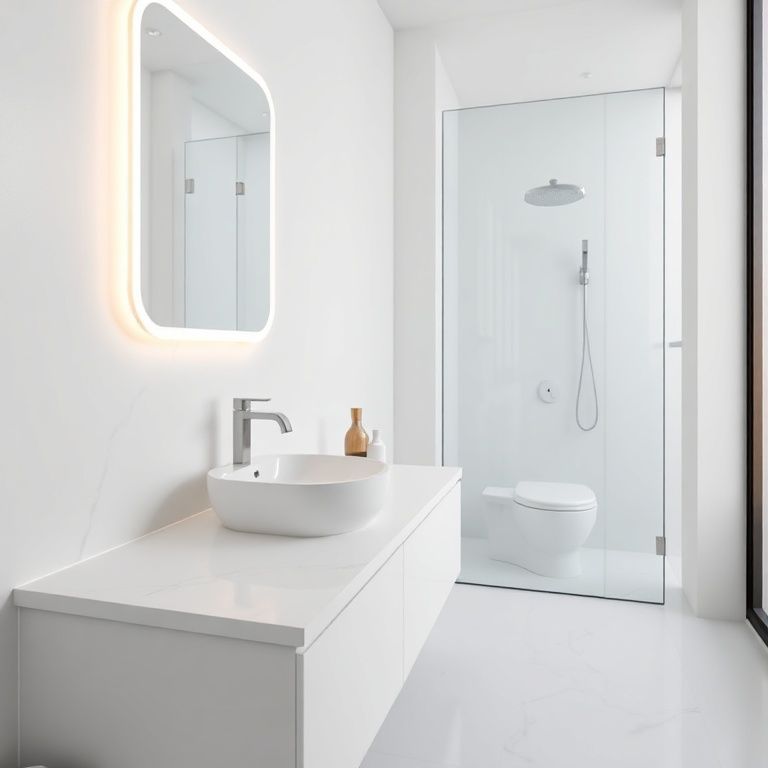
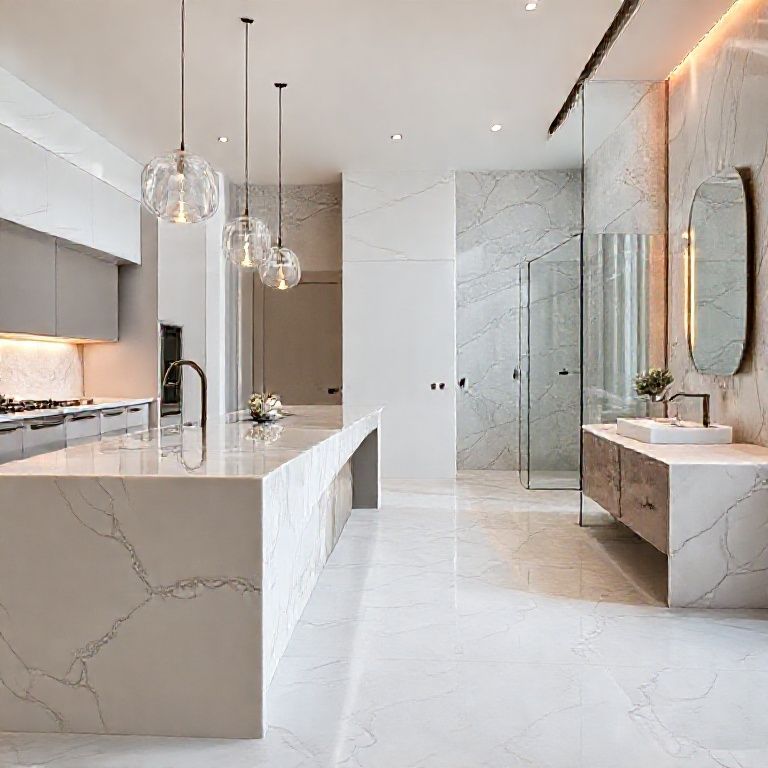
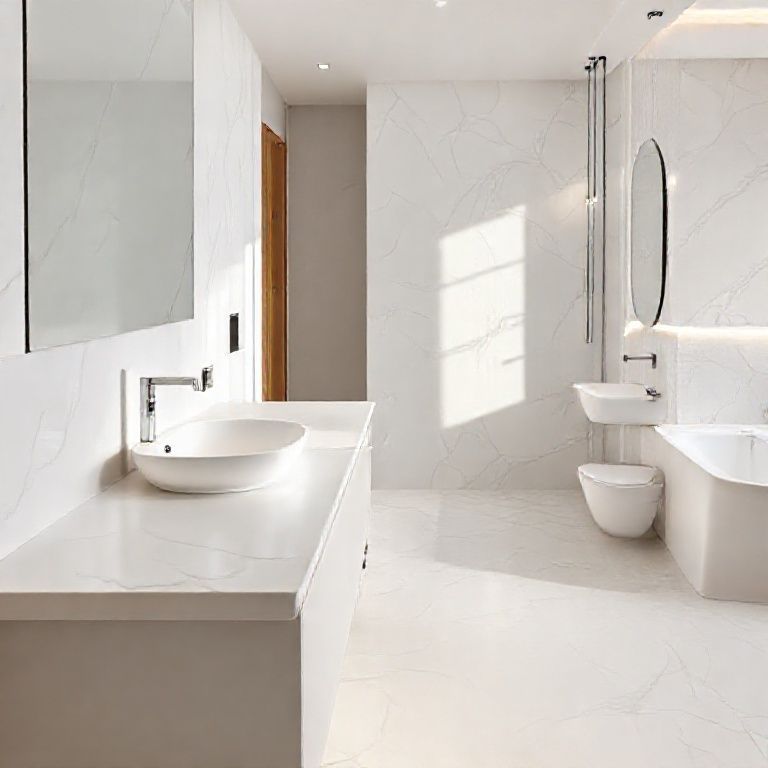
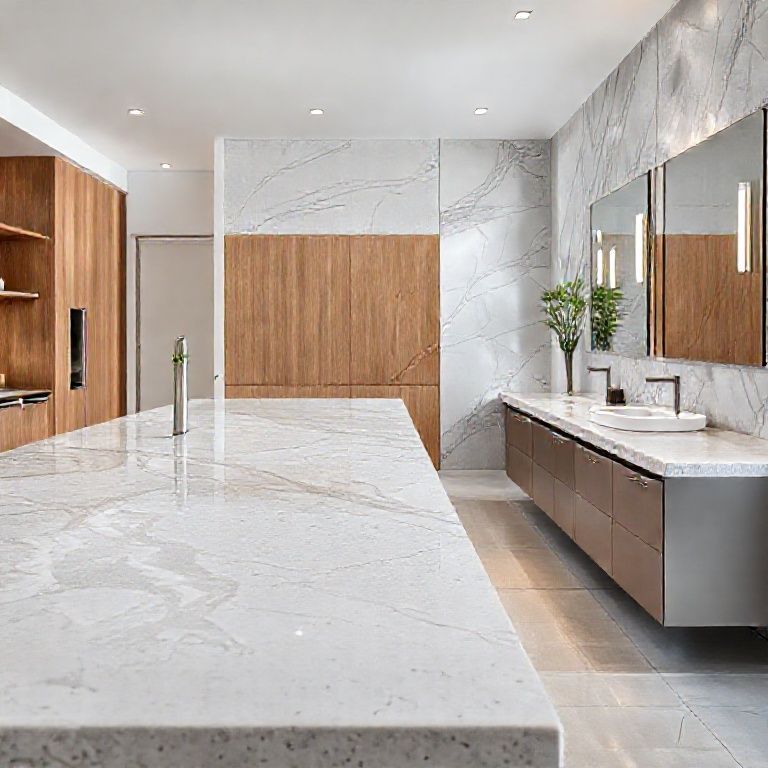
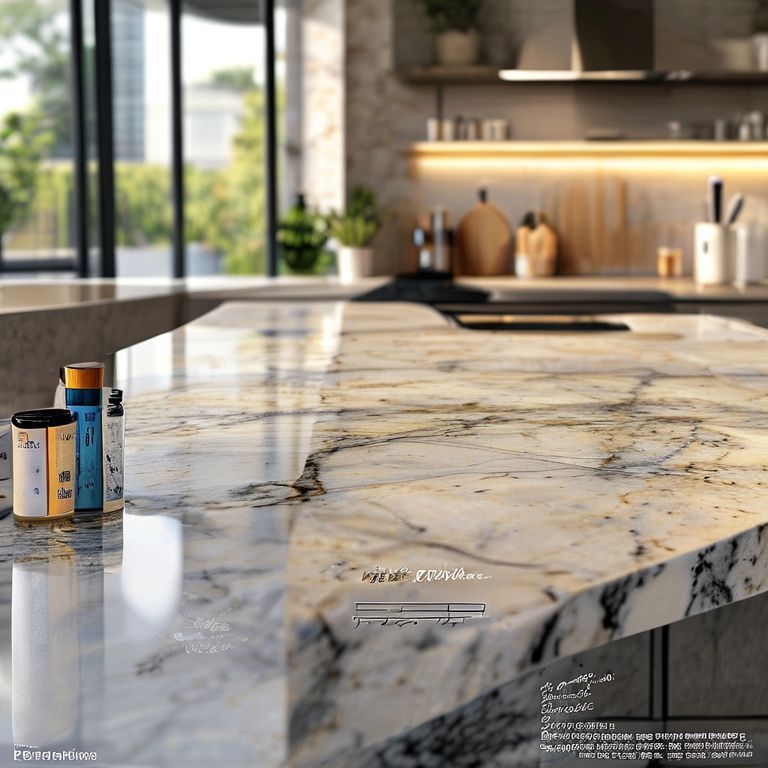
Artificial marble, often known as cultured marble, has gained widespread popularity due to its appealing aesthetic and relatively lower cost compared to natural stone. However, beneath this polished surface lie a series of hidden drawbacks that can significantly impact its long-term performance and sustainability. In this part of our comprehensive overview, we will explore the ten major issues associated with artificial marble, focusing on its maintenance challenges, durability concerns, and staining potential.

1. Maintenance Issues
One of the most significant drawbacks of artificial marble is the level of maintenance it requires. Unlike natural stone, which can often endure with minimal upkeep, artificial marble needs regular care to maintain its appearance and integrity.
Cleaning: Artificial marble requires special cleaning agents to avoid scratching its surface. Ordinary cleaning products can leave streaks or damage the material, so it’s essential to use specific cleaners formulated for this type of stone.
Polishing: Over time, artificial marble can lose its sheen and appear dull. To restore its luster, it needs regular polishing, which can be time-consuming and may require professional assistance.
2. Durability Concerns
While artificial marble is marketed as a durable alternative to natural stone, it still falls short in several areas of durability.
Impact Resistance: Although more durable than some synthetic materials, artificial marble is still susceptible to chipping and cracking under significant impact. This makes it less suitable for areas that experience heavy use or where objects may frequently fall.
Temperature Sensitivity: Artificial marble can be sensitive to high temperatures, which can cause it to warp or develop thermal shock. This is particularly problematic in kitchens and other high-heat environments.
3. Staining Potential
Staining is another critical issue with artificial marble. Although it’s less prone to staining than some other synthetic materials, it is not completely stain-resistant.
Chemical Stains: Many cleaning agents and chemicals can leave permanent stains on artificial marble if not properly cleaned. This includes common household cleaners, oil-based stains, and even food and drink spills.
Color Fading: Prolonged exposure to sunlight can cause artificial marble to fade, leading to a dull and unappealing finish. This fading effect is more pronounced in lighter colors.
4. Chemical Resistance
Chemical resistance is a significant concern for artificial marble, as its composition can make it susceptible to various household and industrial chemicals.
Acids and Alkalis: Many acids and alkalis, such as those found in cleaning products or food, can degrade the surface of artificial marble. This can lead to discoloration, etching, and a loss of structural integrity.
Solvents: Solvents like acetone and other organic compounds can cause artificial marble to degrade quickly. This is a critical consideration for those who use nail polish remover or other solvent-based products regularly.
5. Cost
While artificial marble is generally more affordable than natural stone, its cost can add up over time due to the need for regular maintenance and potential repairs.
Upkeep Expenses: The need for regular cleaning and polishing can result in additional costs for products and possibly professional services.
Replacement Costs: In the event of damage or significant deterioration, replacing artificial marble can be costly, as it often requires professional installation.
Continuing from the previous discussion on the hidden downsides of artificial marble, this part will delve deeper into the environmental impact, installation challenges, and overall long-term value associated with this material. We will also explore alternatives and how to mitigate some of these drawbacks to make a more informed decision.
6. Environmental Impact
The production and disposal of artificial marble come with several environmental concerns that are worth considering.
Resource Consumption: The manufacturing process for artificial marble involves the use of various chemicals and materials, some of which are non-renewable. This contributes to resource depletion and environmental pollution.
Toxicity: Many of the chemicals used in the production of artificial marble can be toxic. During its lifecycle, from manufacturing to disposal, these chemicals can leach into the environment, causing potential harm to both ecosystems and human health.
Recyclability: Unlike natural stone, artificial marble is not easily recyclable. Its composite nature makes it challenging to break down and reuse, leading to increased waste in landfills.
7. Installation Challenges
Installing artificial marble can present several challenges that may not be immediately apparent.
Weight and Handling: Artificial marble is generally heavier than natural stone, making it more difficult to handle and install, especially in larger projects. This can require more physical effort and specialized equipment.
Precision Fitting: Achieving precise fits and seams can be more challenging with artificial marble compared to natural stone. This often necessitates careful planning and more time-consuming adjustments during installation.
8. Longevity and Value
When evaluating the long-term value of artificial marble, it’s essential to consider its durability and longevity.
Longevity: Despite its durability claims, artificial marble may not last as long as natural stone, especially in high-traffic or high-heat areas. This can lead to premature wear and the need for frequent repairs or replacements.
Value Depreciation: The aesthetic appeal of artificial marble can diminish over time, particularly if it starts to show signs of wear, staining, or fading. This can affect the resale value of properties where it is used extensively.
9. Aesthetic Limitations
While artificial marble offers a range of colors and patterns, its aesthetic flexibility has limitations that may not meet everyone’s design needs.
Uniformity: Artificial marble typically offers a more uniform appearance compared to natural stone, which can lack the unique beauty of natural stone’s imperfections. This can make it less desirable for those seeking a more authentic, organic look.
Customization: Customizing artificial marble to match specific design requirements can be challenging. Unlike natural stone, it doesn’t offer the same degree of flexibility in terms of shaping and cutting to unique specifications.
10. Health Concerns
Finally, there are potential health concerns associated with artificial marble, particularly regarding its chemical composition.
Volatile Organic Compounds (VOCs): During manufacturing, artificial marble can release volatile organic compounds, which can contribute to indoor air pollution. This is especially problematic in new installations where the risk of high VOC levels is greater.
Allergies and Sensitivities: Some individuals may experience allergic reactions or sensitivities to the chemicals used in artificial marble. These can include respiratory issues, skin irritations, and other health problems.
Conclusion:
Artificial marble offers an appealing and cost-effective alternative to natural stone, but it’s important to weigh its numerous drawbacks carefully. From maintenance challenges and durability concerns to environmental impact and health risks, there are several significant issues that can affect its long-term performance and sustainability. By understanding these drawbacks, homeowners and designers can make more informed decisions about whether artificial marble is the right choice for their specific needs and preferences.