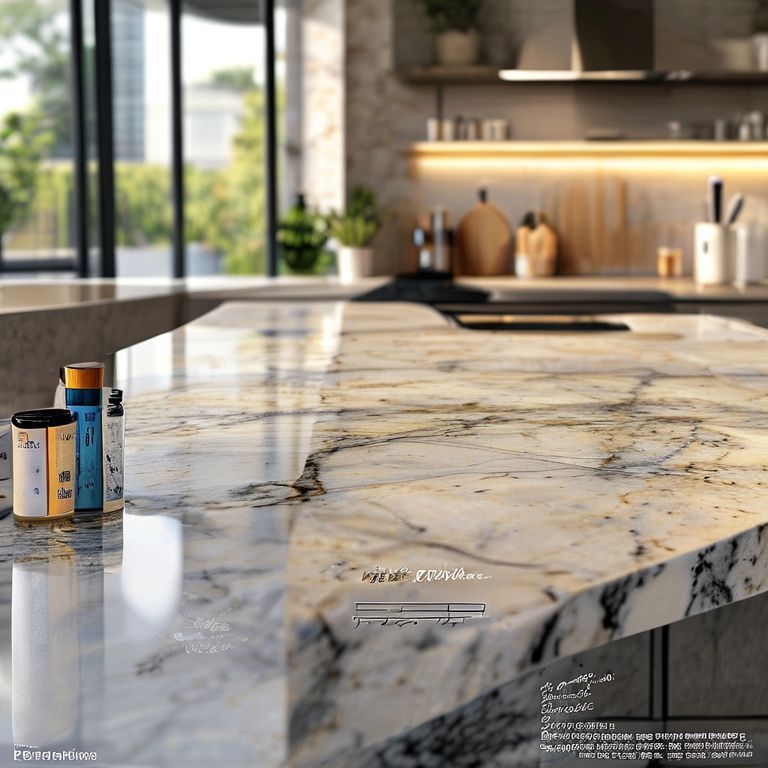
In this comprehensive exploration, we delve into the intricate world of artificial marble, examining its safety, benefits, and potential drawbacks. Discover whether this popular material is worth considering for your home decor, with insights from experts and real-world examples.
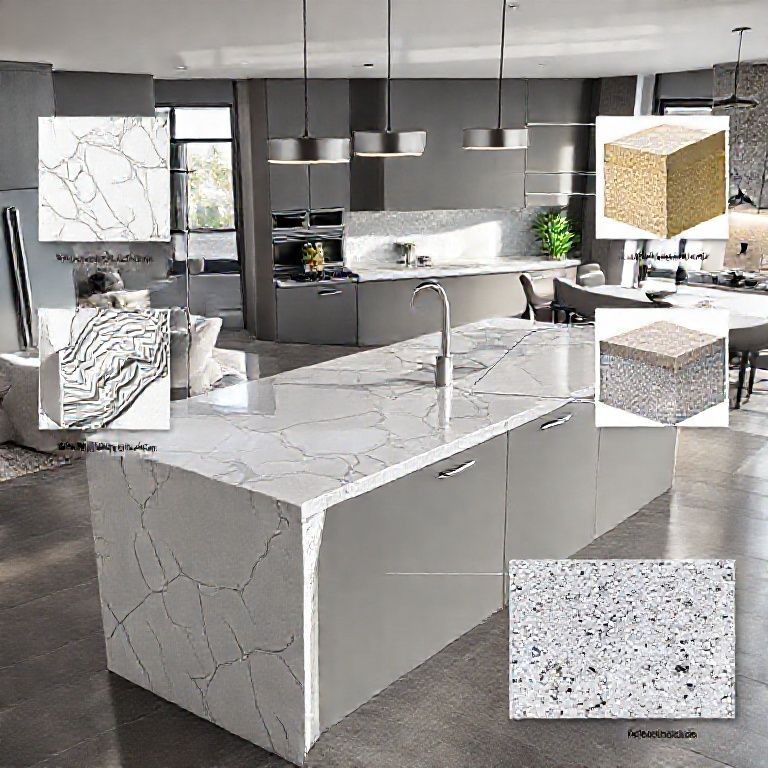
The Rising Popularity of Artificial Marble
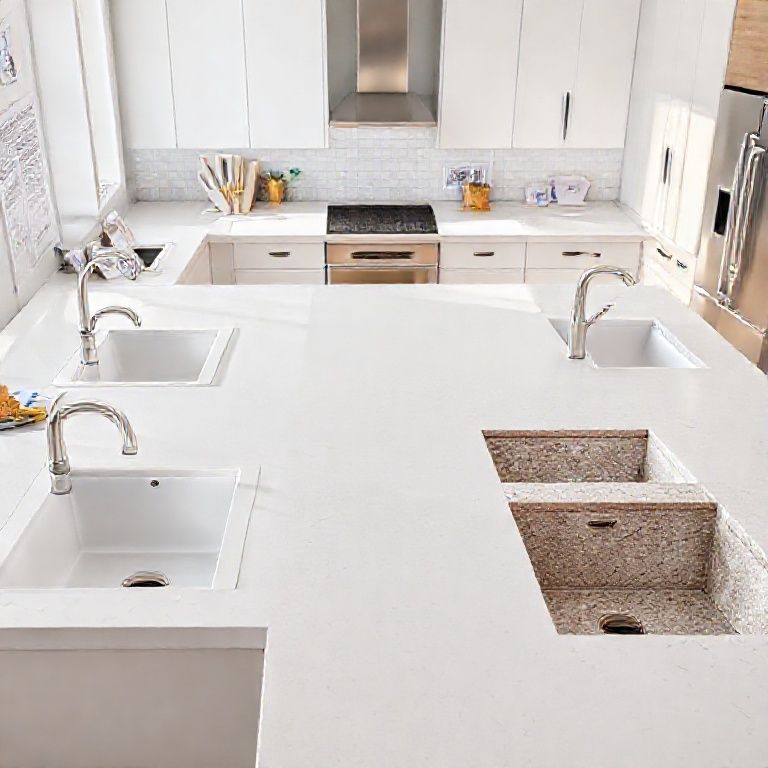
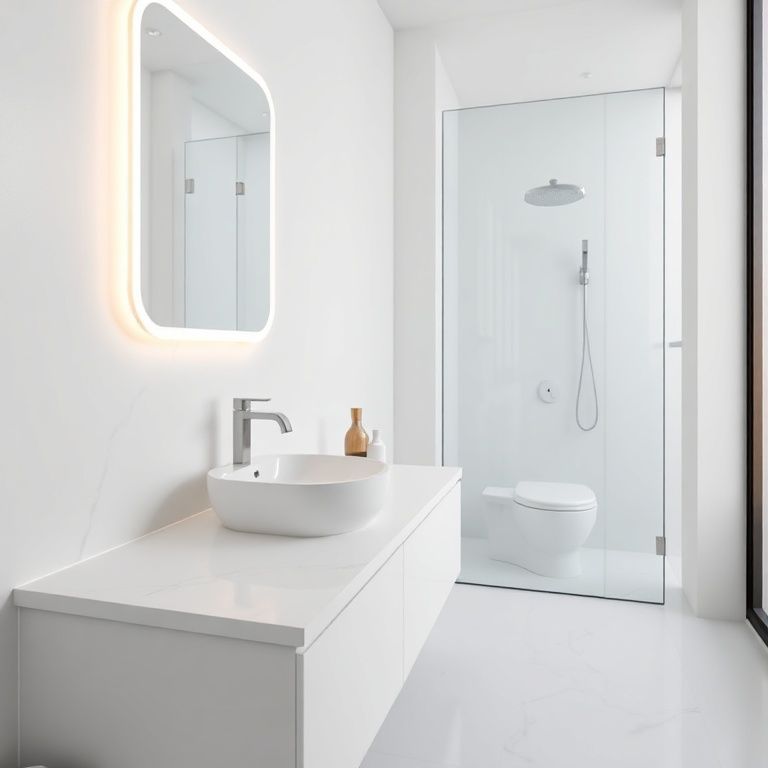
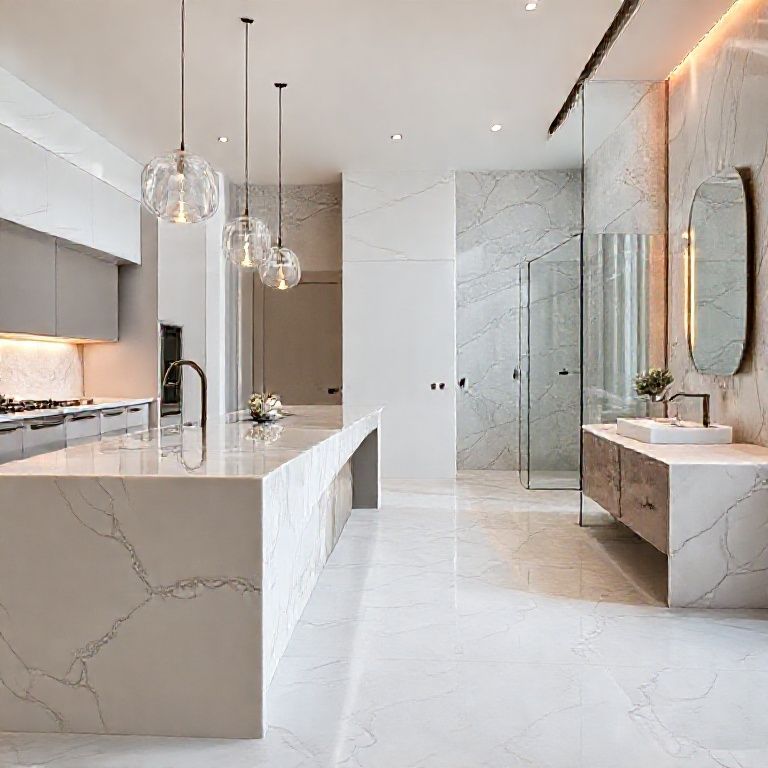
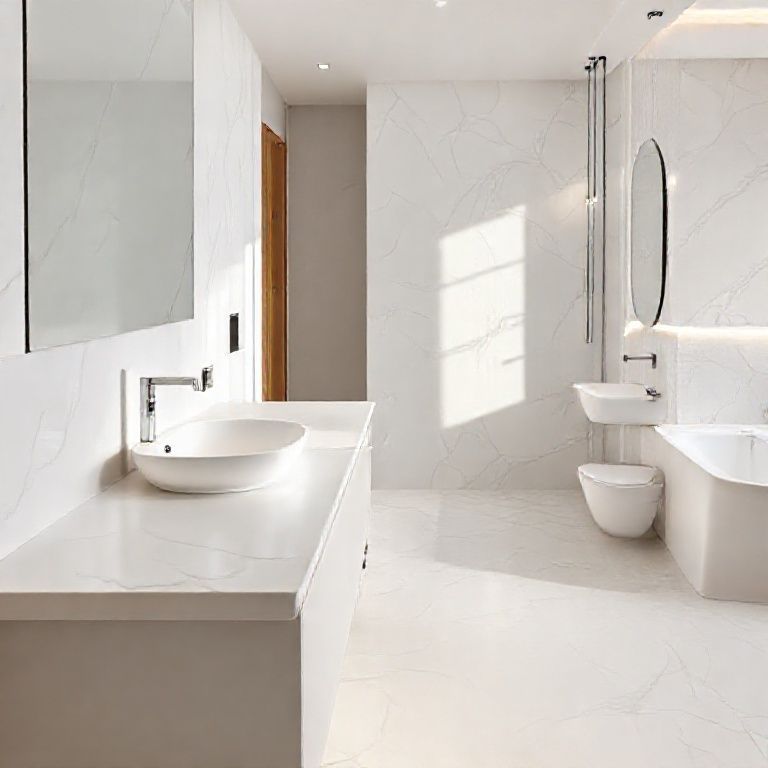
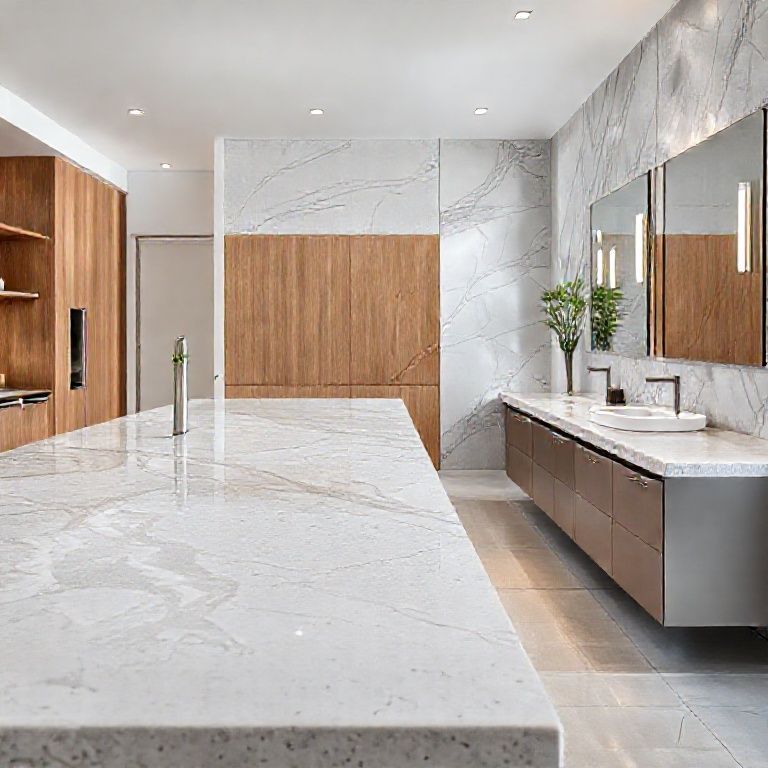
In recent years, artificial marble has surged in popularity as a material for home decor. Often marketed as a cost-effective alternative to natural stone, it promises the aesthetic appeal of marble while being more durable and affordable. This synthetic material is used in countertops, sinks, and even bathtubs, capturing the imagination of homeowners and designers alike.
Artificial marble, also known as cultured marble, is made from a combination of acrylic resin, marble dust, and other pigments. The process involves mixing these components to create a material that mimics the look of natural marble. This composite material is then poured into molds, where it cures and hardens into a solid form.
The Safety Concerns
Despite its growing popularity, artificial marble has sparked debates regarding its safety. One of the primary concerns revolves around the chemicals used in its production. The resin and other additives in artificial marble often contain volatile organic compounds (VOCs). These chemicals can emit fumes that may have adverse effects on indoor air quality and human health.
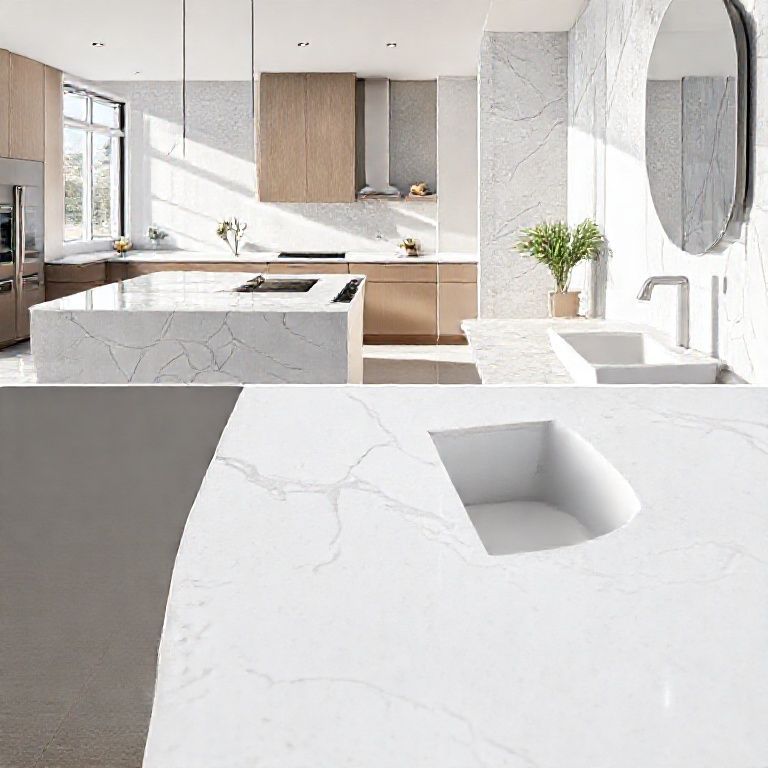
Health Risks of VOCs
When artificial marble is first installed, it can release significant amounts of VOCs. Prolonged exposure to these chemicals can lead to several health issues, including headaches, dizziness, respiratory problems, and even long-term health concerns such as cancer. The Environmental Protection Agency (EPA) and other health organizations have issued guidelines to limit the use of VOCs in consumer products due to their harmful effects.
Potential Allergens and Irritants
Another aspect of safety concerns is the potential for allergens and irritants. The resin used in artificial marble can sometimes contain particles that might trigger allergic reactions or irritate sensitive individuals. Symptoms may include skin rashes, respiratory issues, or general discomfort.
The Environmental Impact
Beyond immediate health concerns, there’s also a broader environmental perspective to consider. The production process for artificial marble involves the use of non-renewable resources and energy-intensive manufacturing techniques. This can contribute to environmental degradation, including pollution and resource depletion.
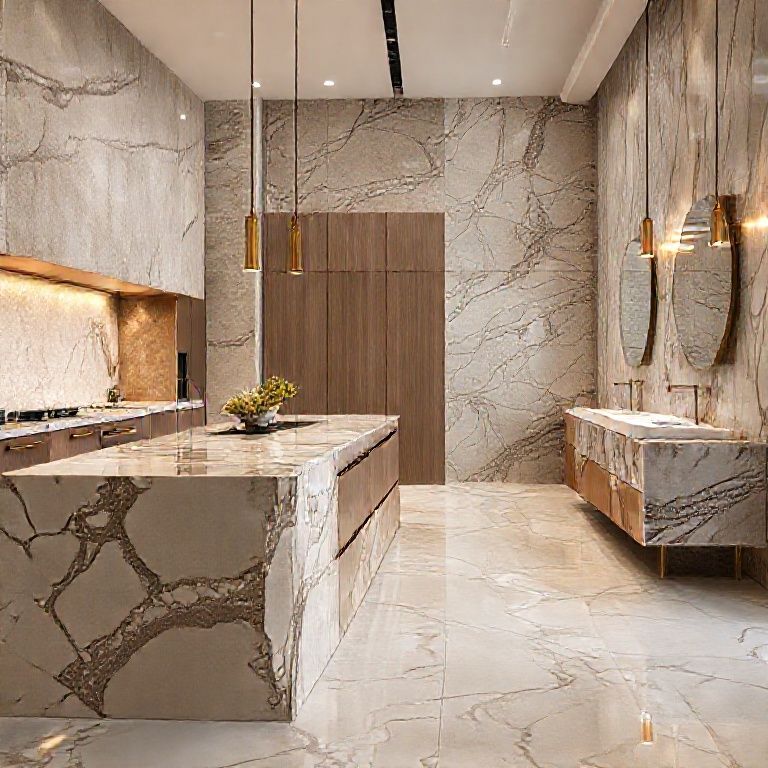
Sustainable Alternatives
For those who are environmentally conscious, this aspect of artificial marble’s lifecycle might be a significant deterrent. Sustainable alternatives, such as bamboo or reclaimed wood, are often touted for their lower environmental impact and renewable nature. However, these alternatives come with their own set of pros and cons, including cost and durability.
Installation and Maintenance
When it comes to installation, artificial marble is relatively straightforward compared to natural stone. It is less labor-intensive, which can lead to cost savings. However, the material is not as durable as natural marble, requiring careful maintenance to avoid scratches, chips, and stains.
Installation Tips
To ensure the longevity of artificial marble, it’s crucial to follow proper installation practices. Using high-quality adhesives and sealants can help prevent cracks and ensure a sturdy bond. Regular cleaning with appropriate products is also essential to maintain its appearance and prevent damage.
Maintenance Challenges
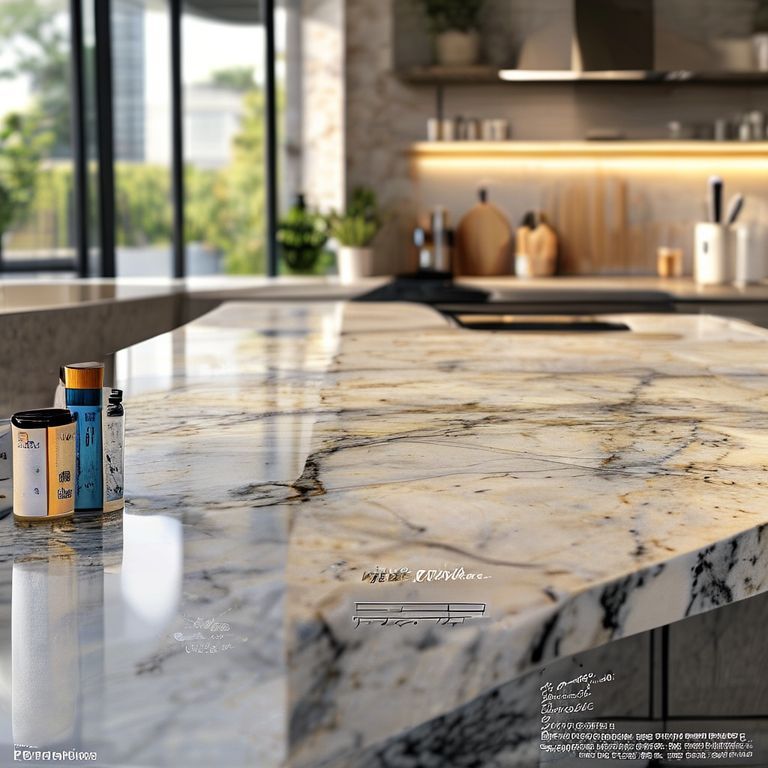
While artificial marble is less prone to staining compared to natural stone, it still requires regular cleaning to keep it looking its best. Acidic foods and beverages can cause discoloration, so it’s advisable to avoid placing cutting boards or acidic substances directly on the surface. Using coasters and cutting boards can help mitigate this issue.
Conclusion
In conclusion, the question of whether artificial marble is safe for use in your home involves a complex interplay of health, environmental, and practical factors. While it offers aesthetic appeal and cost benefits, the potential release of harmful chemicals and the environmental impact of its production cannot be ignored. Careful consideration of these factors is essential to make an informed decision that aligns with your values and needs.
Weighing the Pros and Cons
To fully understand the implications of using artificial marble in your home, it’s crucial to weigh its advantages against its potential drawbacks. This balance can help you make a more informed decision about whether this material is suitable for your specific needs.
Aesthetic Appeal and Design Versatility
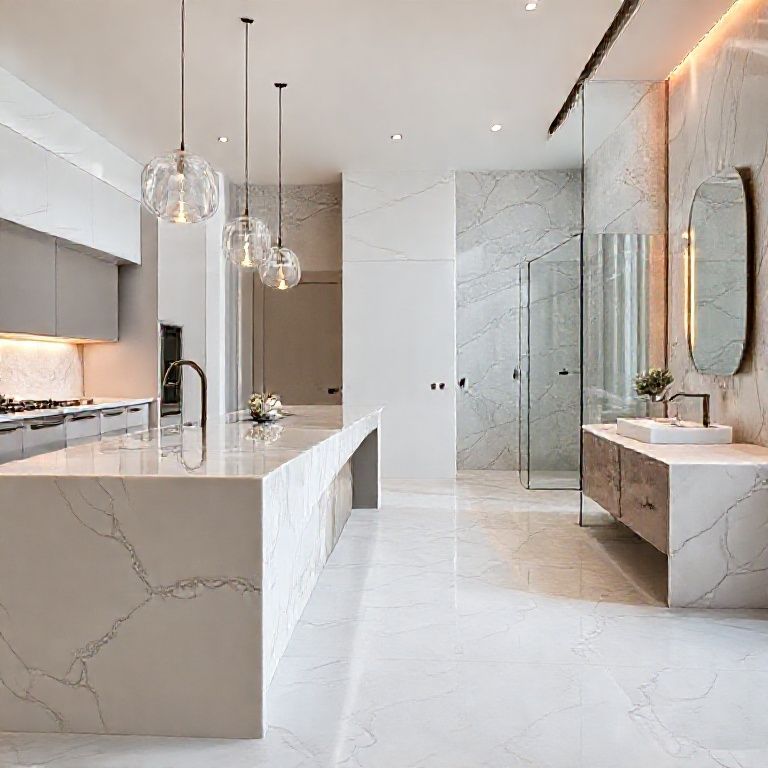
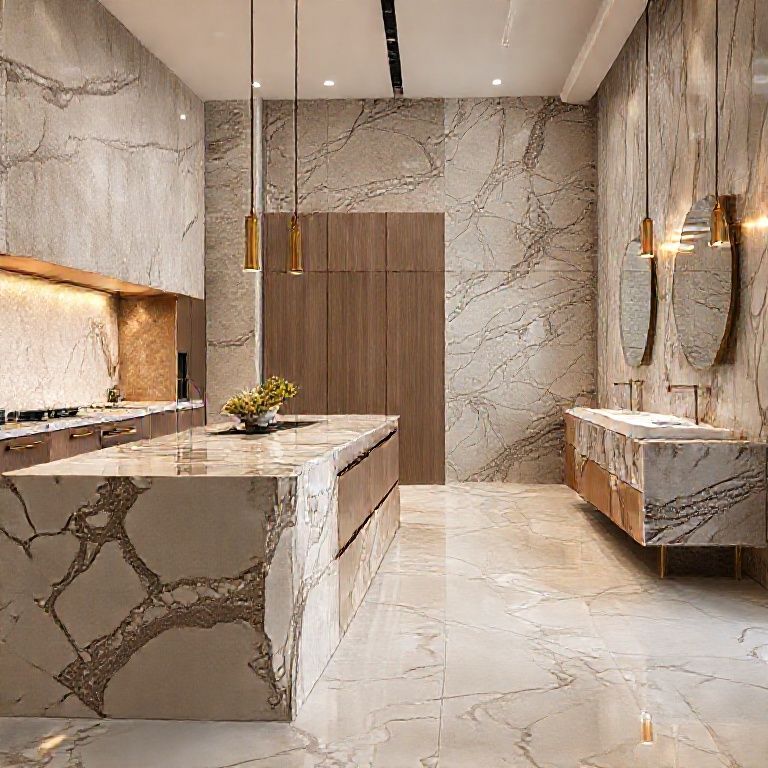
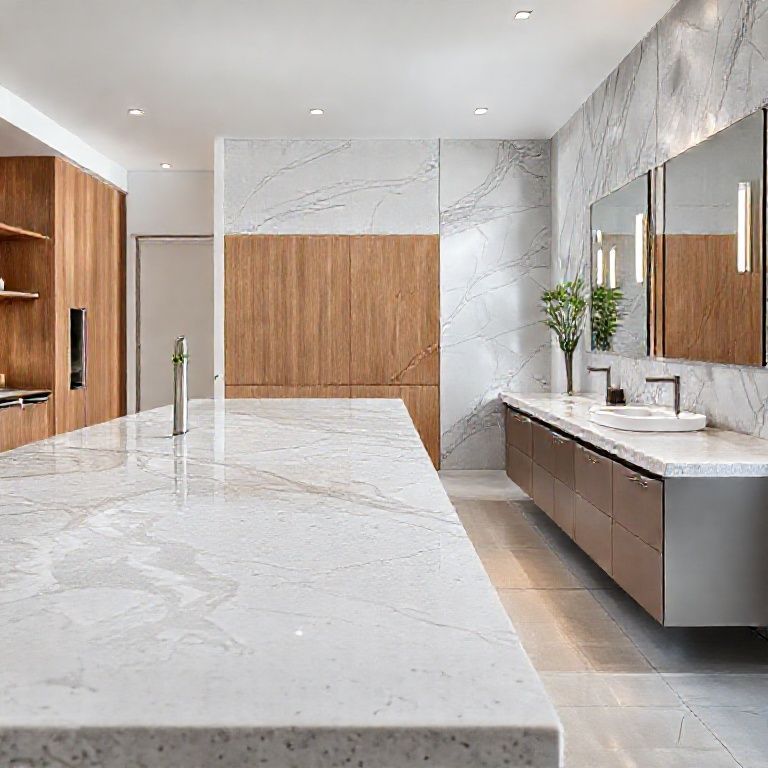
One of the most significant advantages of artificial marble is its aesthetic versatility. It can mimic the intricate patterns and colors of natural marble, providing a luxurious look without the high cost. This material is available in a wide range of styles and finishes, allowing designers and homeowners to create bespoke designs that suit their tastes.
Customization and Creativity
The ability to customize artificial marble makes it a popular choice for creative and modern designs. It can be shaped, cut, and carved to fit various forms, making it ideal for unique projects like custom countertops, sinks, and even sculptures. This flexibility often allows for more creative freedom compared to traditional marble, which can be more rigid in its applications.
Durability and Maintenance
While artificial marble is not as durable as natural stone, it is still a robust material when properly installed and maintained. It is resistant to many types of stains and can withstand everyday wear and tear, making it a practical choice for high-traffic areas.
Durability Comparison
When comparing artificial marble to natural stone, it’s important to note that while natural stone is harder and more resistant to scratches, it can also be prone to staining from acidic substances. Artificial marble, on the other hand, may scratch more easily but is less likely to show stains. Proper maintenance can help mitigate both of these issues, extending the life of the material.
Cost Considerations
One of the primary reasons artificial marble has become so popular is its cost-effectiveness. It generally costs significantly less than natural marble, making it an attractive option for homeowners looking to achieve a high-end look without breaking the bank.
Budget-Friendly Options
For those on a tighter budget, artificial marble provides an affordable alternative to more expensive materials. This cost-effectiveness can be especially beneficial for DIY projects or for those who want to upgrade their home without a major investment.
Alternatives to Artificial Marble
Given the potential health and environmental concerns, some homeowners may prefer to explore alternatives to artificial marble. There are several options that might align better with their values and needs.
Natural Stone Alternatives
Natural stone, such as granite or quartzite, offers a timeless and durable option. While it tends to be more expensive, it is generally considered safer due to its natural composition. Natural stone also has a long lifespan, requiring minimal maintenance over time.
Sustainable Materials
For those prioritizing sustainability, materials like bamboo, reclaimed wood, or recycled composites can be excellent alternatives. These materials often have a lower environmental impact and can offer unique aesthetic benefits. However, they may require more maintenance to ensure longevity.
Expert Opinions and Real-World Examples
To provide further insight, it’s helpful to look at expert opinions and real-world examples of artificial marble use.
Industry Experts
Industry experts often emphasize the importance of proper installation and maintenance when using artificial marble. They advise that while the material can be safe and durable when handled correctly, it requires careful consideration to avoid potential pitfalls.
Case Studies
Several case studies highlight the successful use of artificial marble in various settings. For instance, a high-end restaurant opted for artificial marble for its countertops, choosing a high-quality product that not only looked impressive but also maintained its appearance with minimal maintenance. On the other hand, some homeowners have reported issues with discoloration and chemical fumes, prompting them to seek alternatives.
Making an Informed Decision
Ultimately, deciding whether to use artificial marble in your home involves weighing the pros and cons based on your specific circumstances. Here are some steps to help guide your decision:
Assess Your Priorities
Consider what factors are most important to you—whether it’s cost, aesthetic appeal, durability, or environmental impact. Understanding your priorities will help narrow down your options.
Consult Professionals
Seek advice from professionals, including architects, designers, and contractors who have experience with artificial marble. They can provide valuable insights and recommendations based on their expertise.
Research and Test
If possible, research different brands and types of artificial marble. Testing samples in your environment can help you determine how well it performs in terms of appearance, durability, and maintenance.
Consider Alternatives
If the potential drawbacks of artificial marble are a significant concern, explore alternative materials that align better with your values and needs.
Final Thoughts
In conclusion, the question of whether artificial marble is safe and suitable for your home involves a multifaceted evaluation of its benefits and drawbacks. While it offers many advantages in terms of cost, design versatility, and ease of maintenance, it also comes with potential health and environmental concerns that must be carefully considered. By weighing these factors and consulting with professionals, you can make an informed decision that best suits your needs and values.
By breaking down the information into two parts, this article provides a thorough examination of artificial marble, helping readers make a well-rounded decision based on detailed insights and expert advice.