The Composition and Manufacturing of Artificial Marble
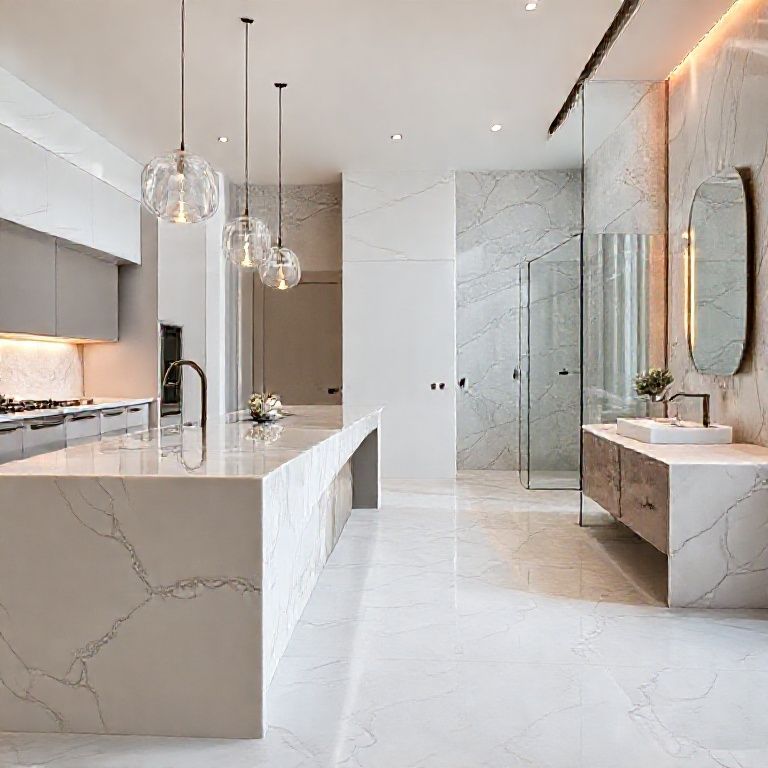
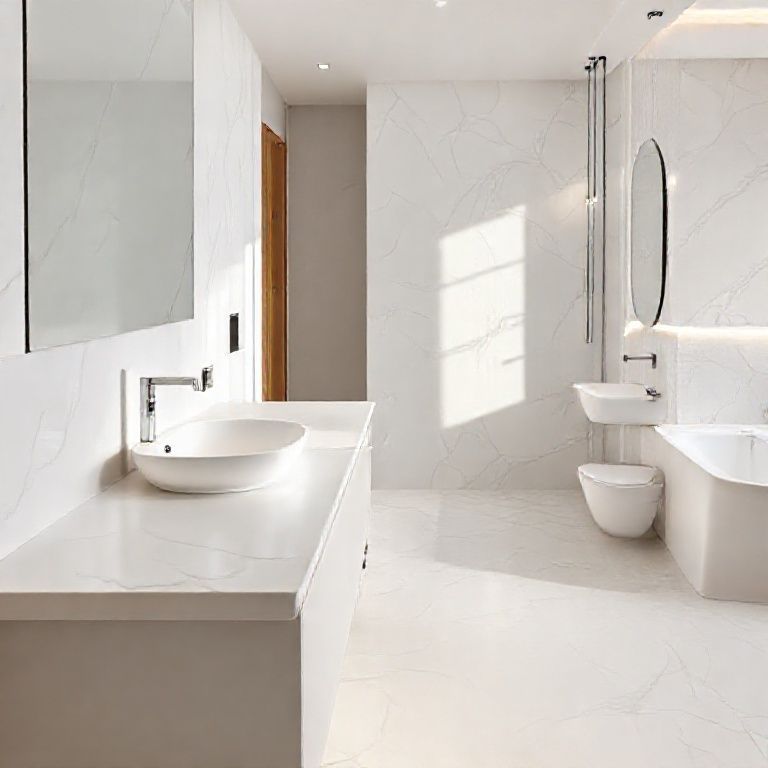
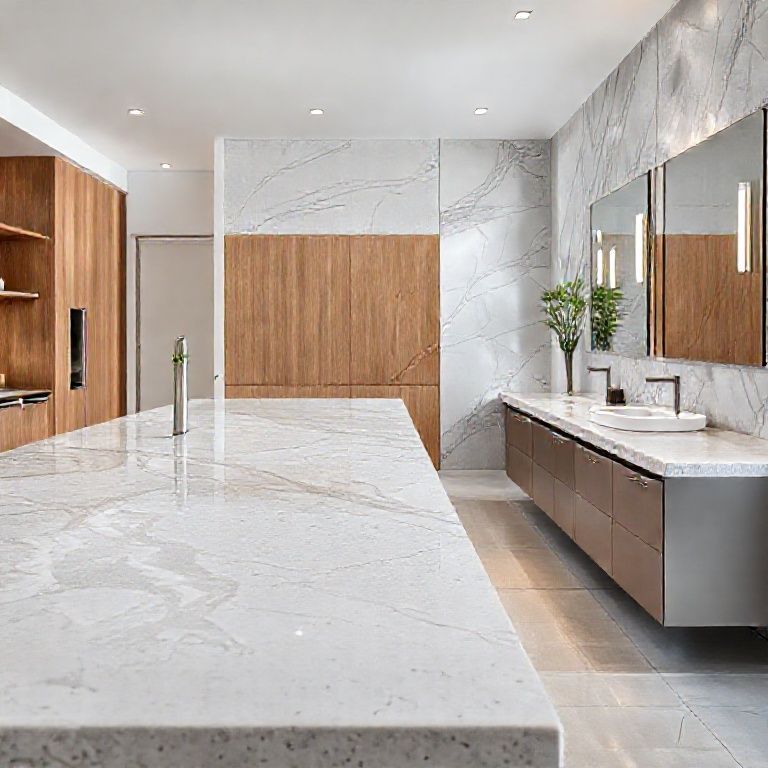
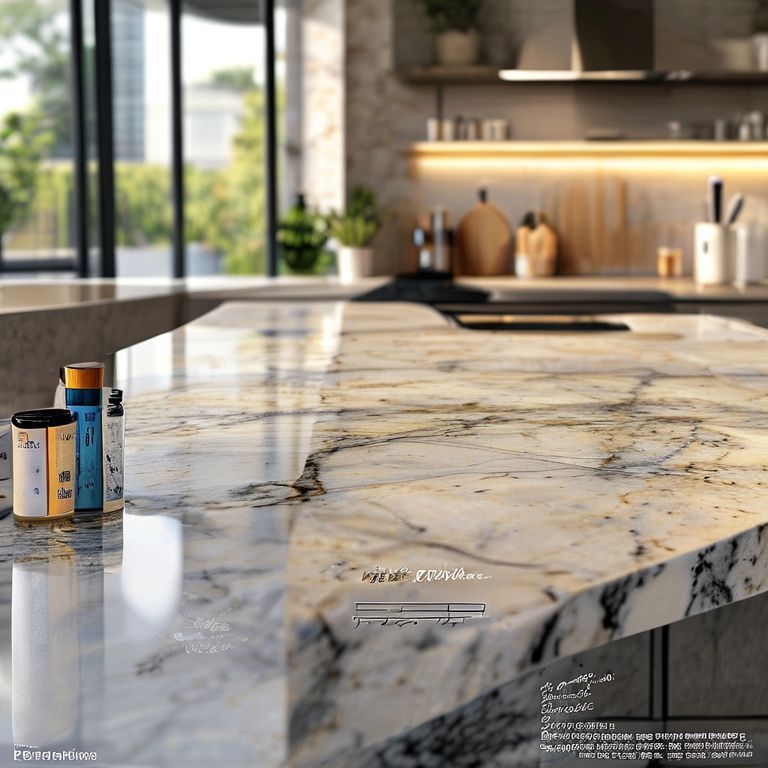
Introduction to Artificial Marble Artificial marble, also known as cultured marble or quartz, has surged in popularity over the past decade. This material has been lauded for its stunning aesthetics and durability, making it a favored choice for countertops, sinks, and other interior features. Despite its widespread use, there are still many questions about its true composition and how it might affect our health. In this first part, we’ll dive deep into the material science behind artificial marble, examining its components and the manufacturing process.

Material Composition Artificial marble is primarily composed of a combination of minerals and resins. The most common base material is quartz, a naturally occurring mineral composed of silicon dioxide (SiO2). To create the artificial marble, manufacturers mix crushed quartz with resin binders, colorants, and other additives. The mixture is then heated and molded under high pressure to form the stone-like material.
Quartz: Quartz is the fundamental component of artificial marble. It is chosen for its impressive hardness and natural aesthetic. The high-quality quartz particles create a visually appealing, crystalline appearance.
Resins: The primary resin used is a polyester or acrylic polymer. These resins act as the binder, holding the quartz particles together. The resins provide the material with its strength and flexibility.
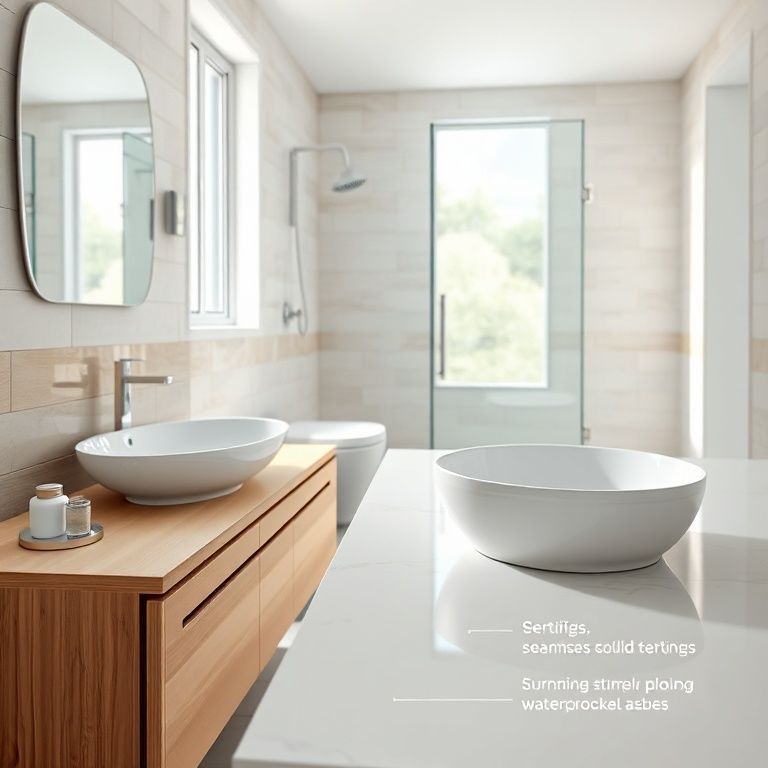
Colorants: To achieve the wide range of colors found in artificial marble, colorants are added to the mixture. These can be natural pigments or synthetic dyes that are incorporated into the material during the manufacturing process.
Additives: Other additives, such as fillers and stabilizers, may be included to enhance the material’s properties. These can improve its durability, color consistency, and resistance to chemicals.
Manufacturing Process The creation of artificial marble is a meticulous process that involves several stages:
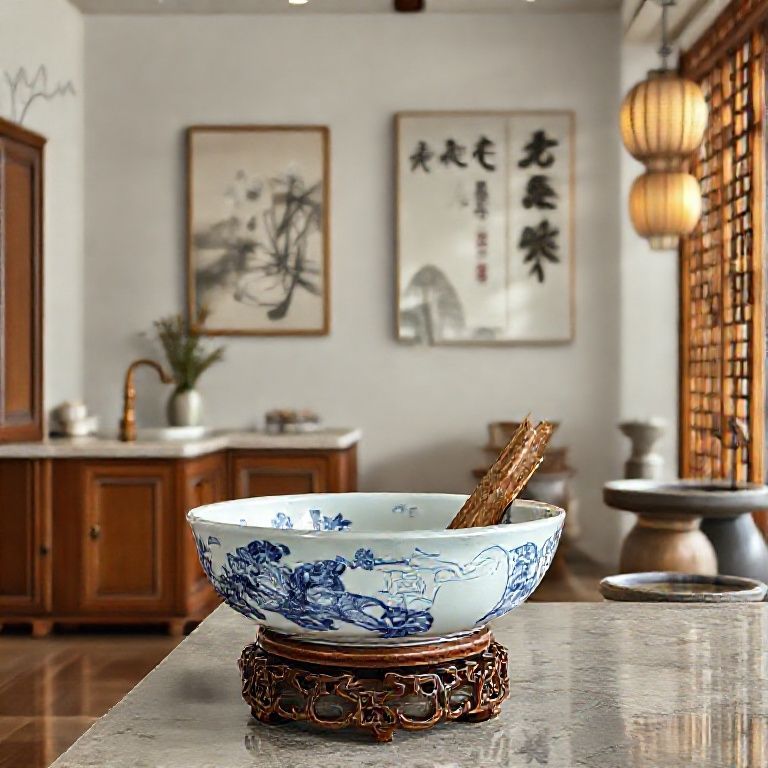
Mixing: Crushed quartz is combined with the resin binder and colorants. The mixture is thoroughly blended to ensure an even distribution of components.
Molding: The blended mixture is then poured into molds and subjected to high pressure and heat. This process fuses the quartz particles together, forming a solid, stone-like material.
Curing: After molding, the material is left to cure for several days. During this time, the resin hardens, fully bonding the quartz particles and creating a durable composite.
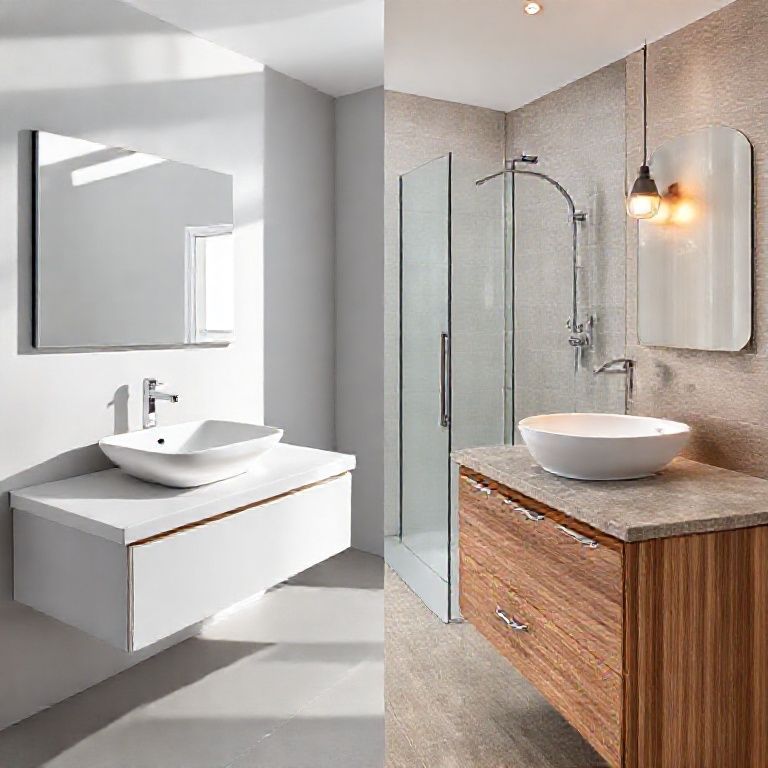
Finishing: Once cured, the artificial marble is cut and polished to achieve its final shape and surface texture. This step can include edge finishing, drilling for sinks, and other customizations.
Health Implications and Safety Considerations
Potential Health Risks While artificial marble is generally regarded as safe, there are still concerns about its potential health implications. These concerns primarily stem from the chemicals used in its manufacturing and the potential for dust and fumes during installation and maintenance.
Resin Fumes: During the manufacturing and curing process, volatile organic compounds (VOCs) may be released. VOCs are chemicals that easily vaporize at room temperature, and some can pose health risks. Exposure to high levels of VOCs can cause respiratory issues, headaches, and other health problems.
Dust and Particles: Sawing, drilling, and cutting artificial marble can generate fine dust particles. Inhalation of these particles may lead to respiratory issues, especially for individuals with pre-existing conditions such as asthma or allergies.
Chemical Leaching: Although artificial marble is generally stable, there is a possibility that some chemicals from the resin and colorants could leach into water over time. This is a less common concern but still warrants attention, particularly in applications like kitchen sinks and bathrooms.
Safety Measures and Mitigations To mitigate these potential health risks, several safety measures can be taken:
Ventilation: Proper ventilation during installation and maintenance is crucial. Using exhaust fans or working in well-ventilated areas can help to disperse fumes and reduce inhalation of VOCs and dust.
Personal Protective Equipment (PPE): Wearing appropriate PPE, such as masks, gloves, and eye protection, can significantly reduce exposure to harmful substances. Masks with HEPA filters are particularly effective at capturing fine dust particles.
Professional Installation: Having artificial marble installed by professionals can minimize the risk of exposure. Experienced installers are trained to handle the material safely and use techniques that minimize dust and fumes.
Regular Cleaning: Keeping artificial marble surfaces clean can help to prevent the accumulation of dust and reduce the risk of inhalation. Regular cleaning with appropriate, non-abrasive cleaning agents is recommended.
Conclusion Artificial marble is a fascinating material that combines the beauty of natural stone with the durability and versatility of synthetic materials. While it is generally safe for use in most applications, understanding its composition and the potential health risks associated with its manufacturing and maintenance is essential. By taking appropriate safety measures and ensuring proper ventilation and use of PPE, the risks can be significantly minimized. As with any material used in interior design, informed decision-making and awareness of potential hazards are key to creating a safe and healthy living environment.