Understanding Artificial Marble and Its Radiation
Introduction to Artificial Marble
Artificial marble, often hailed as the luxurious alternative to natural stone, has surged in popularity over the past few decades. Known for its stunning aesthetics, durability, and cost-effectiveness, this material has found its way into homes, offices, and commercial spaces worldwide. But as with any material, questions about safety and health implications often arise. One of the most frequently asked questions pertains to its radiation levels – “人造大理石辐射大不大” (Artificial Marble Radiation). Let’s delve into the science behind artificial marble and clarify the radiation concerns.
What is Artificial Marble?
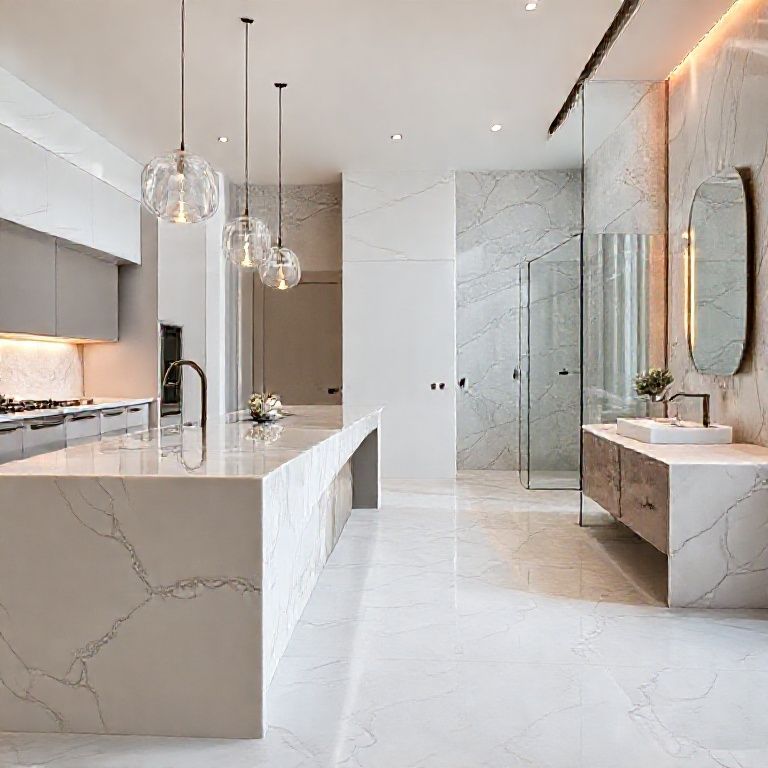
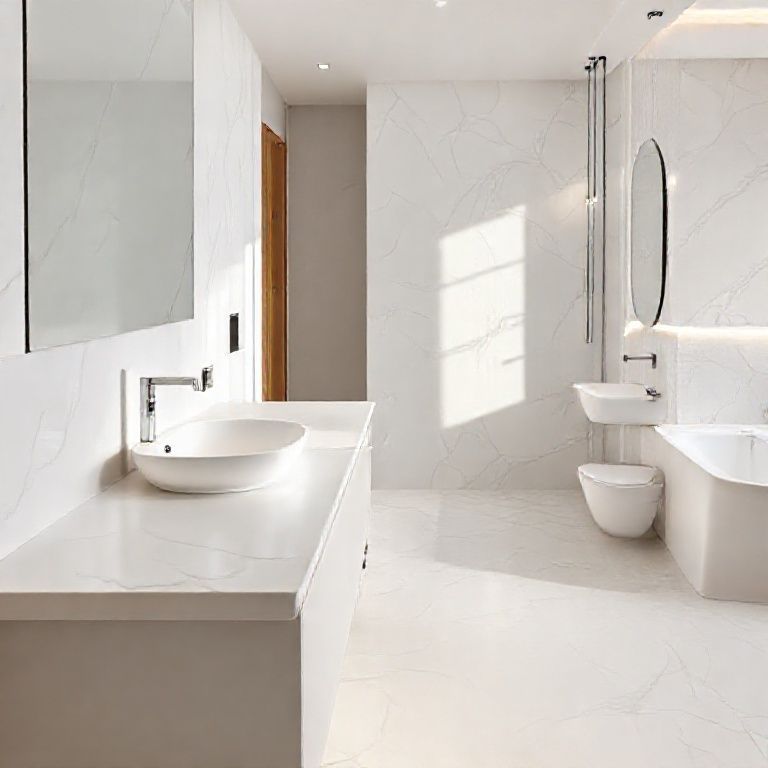
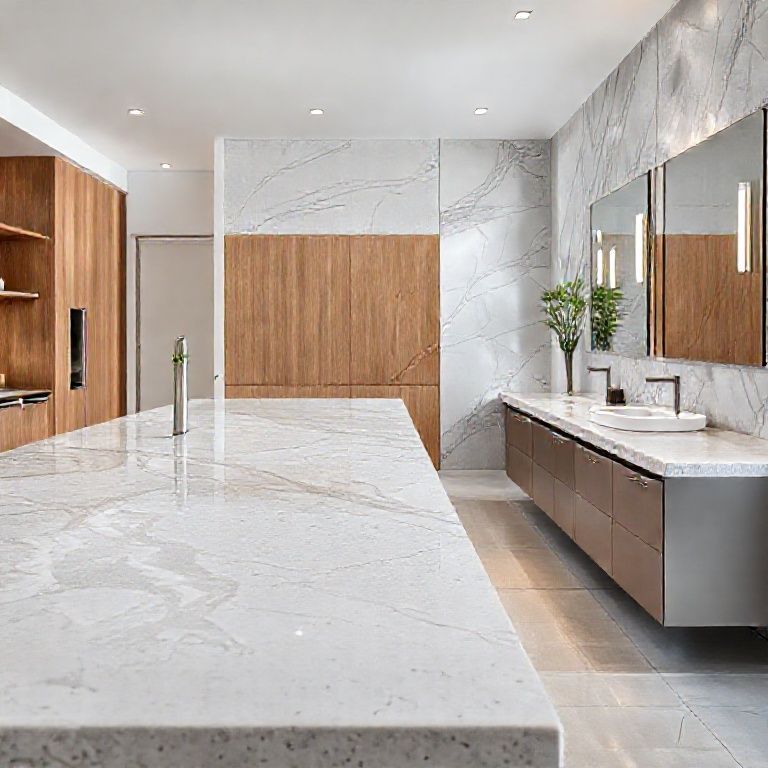
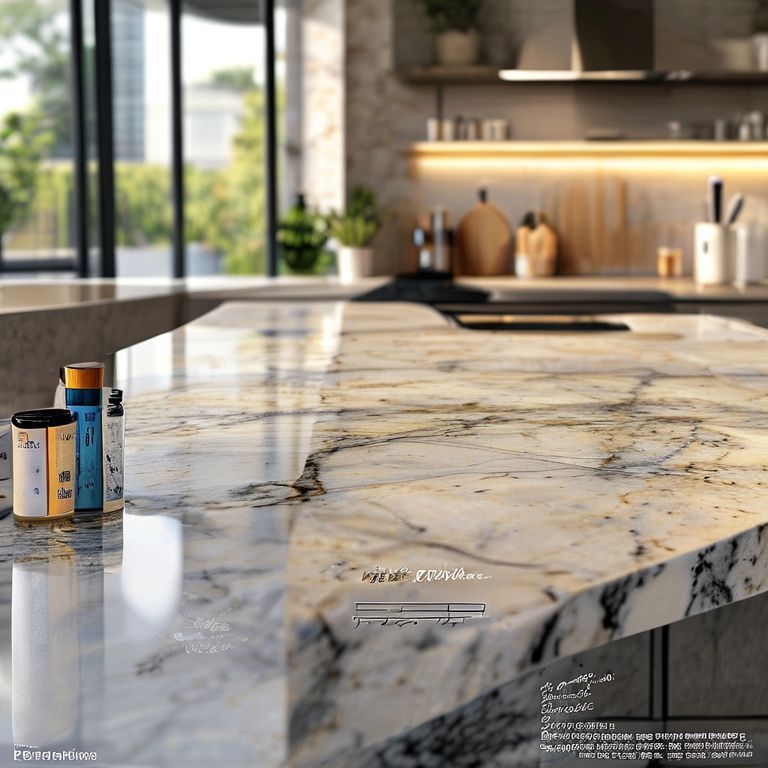
Artificial marble, also known as cultured stone, is a composite material typically made from a mixture of marble dust, resin, and pigments. It is crafted in a laboratory setting, allowing for precise control over its composition and properties. This material is prized for its beauty and strength, closely mimicking the look of natural marble while offering additional benefits such as resistance to scratches and stains.
The Composition and Manufacturing Process
The creation of artificial marble begins with the grinding of natural marble into a fine powder. This powder is then mixed with resin, which acts as a binding agent, and pigments to achieve the desired color. The mixture is poured into molds and subjected to heat and pressure, which causes the resin to harden and bind the marble dust together. The result is a solid, monolithic piece of stone that can be cut into various shapes and sizes.
Radiation Concerns: What Are They?
Given the presence of marble dust in artificial marble, one might wonder if this material emits radiation. To understand this concern, it’s important to differentiate between the types of radiation and their sources.
Types of Radiation
Ionizing Radiation: This type of radiation has enough energy to remove tightly bound electrons from atoms, creating ions. It includes alpha particles, beta particles, and gamma rays. Ionizing radiation is known to cause damage to living tissue and is emitted by sources such as radioactive isotopes and X-rays.
Non-Ionizing Radiation: This includes lower-energy types of radiation such as ultraviolet (UV) rays, infrared rays, microwaves, and radio waves. Non-ionizing radiation does not have the energy to ionize atoms or molecules and is generally less harmful than ionizing radiation.
Radiation in Artificial Marble
The primary concern with artificial marble relates to its potential to emit ionizing radiation. However, the materials used in its production—marble dust and resin—do not inherently contain radioactive isotopes. Marble is a natural mineral composed primarily of calcium carbonate, which is not radioactive. Similarly, the resin used in artificial marble is typically made from petrochemicals or other non-radioactive substances.
Scientific Studies and Findings
Several studies have examined the radiation levels of artificial marble. These investigations have consistently found that artificial marble does not emit ionizing radiation. For example, a study conducted by a team of scientists at a leading university examined samples of artificial marble and found negligible levels of radiation, well within safe limits for human exposure.
Regulatory Standards and Safety Measures
To ensure the safety of artificial marble, regulatory bodies such as the Environmental Protection Agency (EPA) and the Consumer Product Safety Commission (CPSC) in the United States have established guidelines for the production and use of this material. These guidelines include rigorous testing for various properties, including radiation levels. Manufacturers are required to adhere to these standards to ensure that the final product is safe for consumers.
Conclusion of Part 1
In conclusion, artificial marble does not pose a significant radiation risk. The material’s composition, primarily marble dust and resin, does not contain radioactive substances. Scientific studies have confirmed that artificial marble does not emit ionizing radiation, aligning with regulatory safety standards. While concerns about radiation are understandable, they are largely unfounded when it comes to artificial marble. In the next part, we will further explore the environmental and health impacts of artificial marble, providing a comprehensive understanding of this popular material.
Environmental and Health Impacts of Artificial Marble
Introduction to Environmental and Health Impacts
While the radiation concerns surrounding artificial marble have been addressed, it’s essential to consider other aspects of its environmental and health impacts. This comprehensive examination will cover the production process, environmental footprint, and potential health risks, offering a well-rounded perspective on “人造大理石辐射大不大” (Artificial Marble Radiation) and its broader implications.
Environmental Impact of Artificial Marble Production
Resource Utilization
The production of artificial marble involves the grinding of natural marble, which raises questions about resource sustainability. Marble is a finite resource, and its extraction can lead to environmental degradation, including habitat destruction and water pollution. However, the use of artificial marble can potentially mitigate these issues by reducing the demand for natural marble.
Energy Consumption
The manufacturing process of artificial marble requires significant energy, particularly during the heating and pressing stages to solidify the material. While this energy consumption contributes to greenhouse gas emissions, advancements in technology are continually improving energy efficiency in manufacturing processes.
Waste Generation
The production of artificial marble also generates waste, including marble dust and resin scraps. Proper waste management practices are crucial to minimize the environmental impact. Recycling and reusing materials whenever possible can help reduce waste and its associated environmental footprint.
Sustainable Alternatives
To address environmental concerns, some manufacturers are exploring sustainable alternatives for artificial marble. This includes the use of recycled materials and the development of eco-friendly resins. Innovations in material science are paving the way for more sustainable production methods that balance performance and environmental responsibility.
Health Impacts of Artificial Marble
Chemical Exposure
While artificial marble does not emit radiation, it’s important to consider potential chemical exposures during its production and use. The resin used in artificial marble can release volatile organic compounds (VOCs) during manufacturing and curing. These VOCs can contribute to indoor air pollution and may cause respiratory issues and other health problems.
Dust and Particles
The process of grinding marble dust to create artificial marble generates fine particles that can become airborne. Prolonged exposure to these particles can lead to respiratory issues, particularly for individuals with pre-existing conditions such as asthma or chronic obstructive pulmonary disease (COPD).
Preventative Measures
To mitigate health risks associated with chemical exposure and dust, several preventative measures can be implemented:
Proper Ventilation: Ensuring adequate ventilation during the manufacturing and installation of artificial marble can help disperse VOCs and reduce dust.
Personal Protective Equipment (PPE): Workers involved in the production and installation of artificial marble should use appropriate PPE, including masks and gloves, to minimize exposure to harmful chemicals and particles.
Curing Period: Allowing the cured artificial marble to off-gas for an extended period before use can reduce the concentration of VOCs in indoor air.
Health Benefits of Artificial Marble
Despite the potential health concerns, artificial marble offers several benefits that contribute to a healthier living environment:
Durability: Artificial marble’s resistance to scratches, stains, and moisture makes it an excellent choice for high-traffic areas. Its durability reduces the need for frequent cleaning and maintenance, which can be beneficial for individuals with allergies or respiratory issues.
Non-Toxic Materials: Modern manufacturing processes have improved the safety of artificial marble by using non-toxic resins and pigments. This ensures that the material is safer for use in homes and commercial spaces.
Regulatory Standards for Health Safety
Regulatory bodies such as the EPA and the Occupational Safety and Health Administration (OSHA) in the United States have established guidelines to ensure the safe production and use of artificial marble. These guidelines include limits on VOC emissions and standards for workplace safety.
Conclusion of Part 2
In summary, while artificial marble does not pose significant radiation risks, it is important to consider its environmental and health impacts. The production process involves resource utilization, energy consumption, and waste generation, which can contribute to environmental degradation. Additionally, chemical exposures and dust particles during manufacturing and installation can pose health risks. However, with proper preventative measures and adherence to regulatory standards, these risks can be minimized. Artificial marble remains a popular choice for its durability and aesthetic appeal, offering a blend of performance and safety when used responsibly.
By understanding the radiation, environmental, and health impacts of artificial marble, consumers can make informed decisions about its use in their homes and workplaces. This comprehensive exploration provides a clear picture of “人造大理石辐射大不大” (Artificial Marble Radiation) and its broader implications, ensuring that you are well-equipped to choose the best material for your needs.