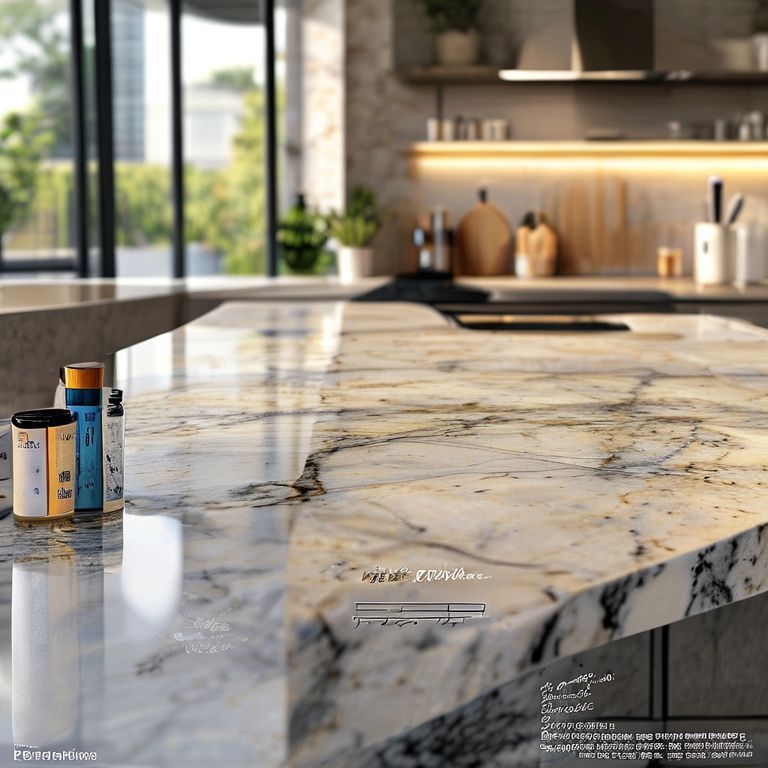
Understanding Synthetic Marble and Its Composition
Synthetic marble has revolutionized the world of interior design with its stunning aesthetics and durability. It’s an artificial stone crafted to mimic the beauty and elegance of natural marble while offering enhanced properties. But as with any new material, questions and concerns arise, particularly regarding radiation. Let’s explore what synthetic marble is made of and how it impacts our health and environment.
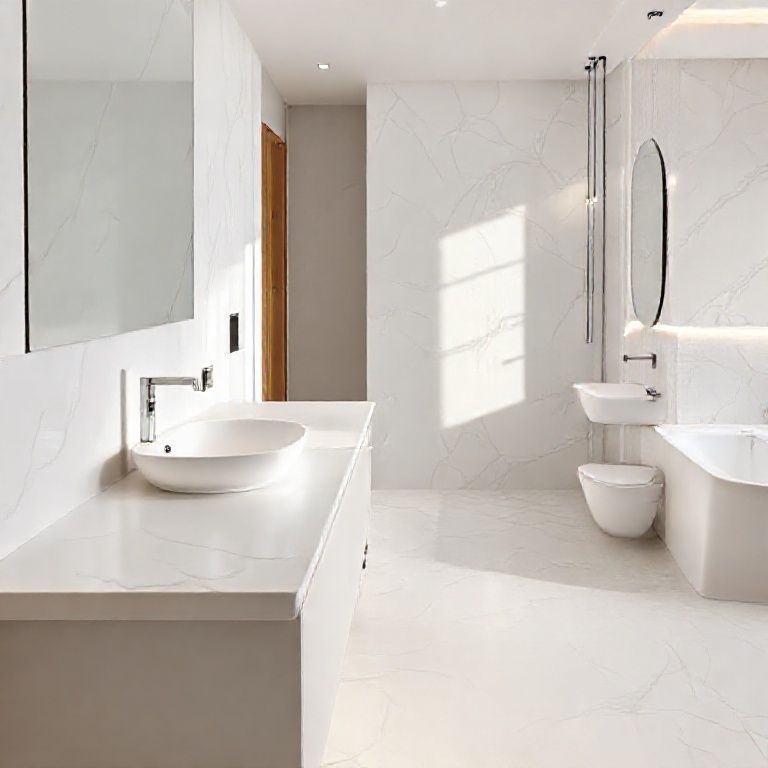
Synthetic Marble: A Modern Marvel
Synthetic marble, also known as engineered stone, is a composite material made primarily from natural minerals such as quartz, mica, and feldspar, bound together with a polymer resin. This combination not only replicates the look of traditional marble but also boasts superior strength, resistance to scratches, stains, and even thermal shock. The manufacturing process involves heating the mixture at high temperatures to fuse the minerals with the resin, creating a solid, homogeneous material.
The Ingredients: A Closer Look
To understand whether synthetic marble has radiation concerns, we need to scrutinize its components:
Quartz: Quartz is a naturally occurring mineral found in various forms across the globe. It is a significant component in synthetic marble due to its high resistance to wear and durability. Quartz is not radioactive; it’s a common mineral used extensively in everyday items like watches and electronics.
Mica: Mica is a group of minerals that are often used for their insulating properties. They are also non-radioactive and are commonly found in a variety of natural materials including soil and rocks.
Feldspar: Feldspar is another widely abundant mineral, often used in ceramics and glass production. It too is not radioactive and is a standard component in many building materials.
Resin: The polymer resin used to bind these minerals is typically a non-toxic material. It is designed to be safe for indoor use and does not emit radiation.
Radiation Myths: What’s the Reality?
It’s essential to address the misconceptions surrounding radiation in synthetic marble. One common myth is that synthetic materials inherently produce harmful radiation. However, the key lies in understanding that radiation emission is a property of radioactive materials, not the synthetic process itself.
Natural vs. Synthetic: A Comparative Insight
Natural marble and synthetic marble both contain minerals that can be found in the earth’s crust. The primary difference is how they are processed. Natural marble is quarried directly from the earth, while synthetic marble is manufactured using a combination of natural minerals and a binding resin. Neither process involves the introduction of radioactive materials. Thus, the primary concern about radiation does not apply to synthetic marble.
Health and Safety Standards
The production of synthetic marble adheres to stringent safety standards. Manufacturers employ rigorous testing to ensure that their products are free from harmful chemicals and radiation. Regulatory bodies like the Environmental Protection Agency (EPA) and the Occupational Safety and Health Administration (OSHA) monitor and enforce compliance with health and safety regulations in the manufacturing and use of such materials.
Conclusion: Myth-Busting
In summary, synthetic marble does not inherently emit radiation. The materials used in its production are natural minerals that do not possess radioactive properties. The polymer resins used are non-toxic and safe for indoor environments. With thorough manufacturing processes and adherence to safety standards, synthetic marble stands as a reliable and safe alternative to natural stone.
In the next part of our exploration, we will delve deeper into the environmental impact of synthetic marble, its maintenance, and long-term durability, providing a holistic view of this fascinating material.
Environmental Impact and Long-Term Durability of Synthetic Marble
Synthetic marble has made significant inroads into the world of modern design due to its aesthetic appeal and practical benefits. However, understanding its environmental impact and long-term durability is crucial for making informed choices. In this part, we will explore these aspects in depth.
Environmental Impact: A Green Alternative
One of the standout features of synthetic marble is its relatively lower environmental impact compared to natural stone. Here’s how:
Resource Conservation: Reduced Quarrying: The extraction of natural marble involves extensive quarrying, which can lead to habitat destruction and environmental degradation. Synthetic marble, on the other hand, is manufactured using recycled and readily available minerals, significantly reducing the need for new quarrying. Energy Efficiency: Manufacturing Process: While the production of natural marble involves mining and transportation, synthetic marble’s manufacturing process is energy-efficient. The fusion of minerals and resin in controlled conditions requires less energy compared to the extensive processes involved in natural stone extraction and transportation. Waste Reduction: Recyclable Components: Synthetic marble can be recycled at the end of its life cycle, reducing landfill waste. The components can be reused in new manufacturing processes, further minimizing environmental impact.
Sustainability and Eco-Friendliness
The sustainability of synthetic marble extends beyond just its production process:
Non-Toxic: The materials used in synthetic marble are non-toxic. There are no harmful chemicals or radiation emissions during its production or use, making it a safer choice for indoor environments.
Durability: Synthetic marble’s durability means fewer replacements over time, which translates to lower overall environmental impact. This longevity also reduces the need for frequent resource extraction and manufacturing processes.
Maintenance: Easy Care for Long-Term Use
Maintaining synthetic marble is straightforward, ensuring it retains its beauty and functionality for years to come:
Stain Resistance: Synthetic marble is highly resistant to stains and scratches. Regular cleaning with mild soap and water is typically sufficient to maintain its pristine appearance. Unlike natural marble, it doesn’t require sealing to prevent staining.
Low Maintenance: Unlike natural stone that can be prone to water damage and requires periodic sealing, synthetic marble does not absorb liquids and is not susceptible to mold or mildew. This low-maintenance nature makes it ideal for high-traffic areas.
Ease of Cleaning: The surface of synthetic marble is smooth and non-porous, making it easy to clean. A simple wipe with a damp cloth can remove most everyday spills and stains.
Long-Term Durability: A Lasting Choice
The durability of synthetic marble ensures it stands the test of time, providing a long-lasting solution for various applications:
Resistance to Heat: Synthetic marble can withstand high temperatures without cracking, making it an excellent choice for kitchens and other areas where heat is a factor.
Impact Resistance: It is highly resistant to impacts and scratches, maintaining its appearance and integrity over long periods. This resilience means fewer replacements and less need for frequent repairs.
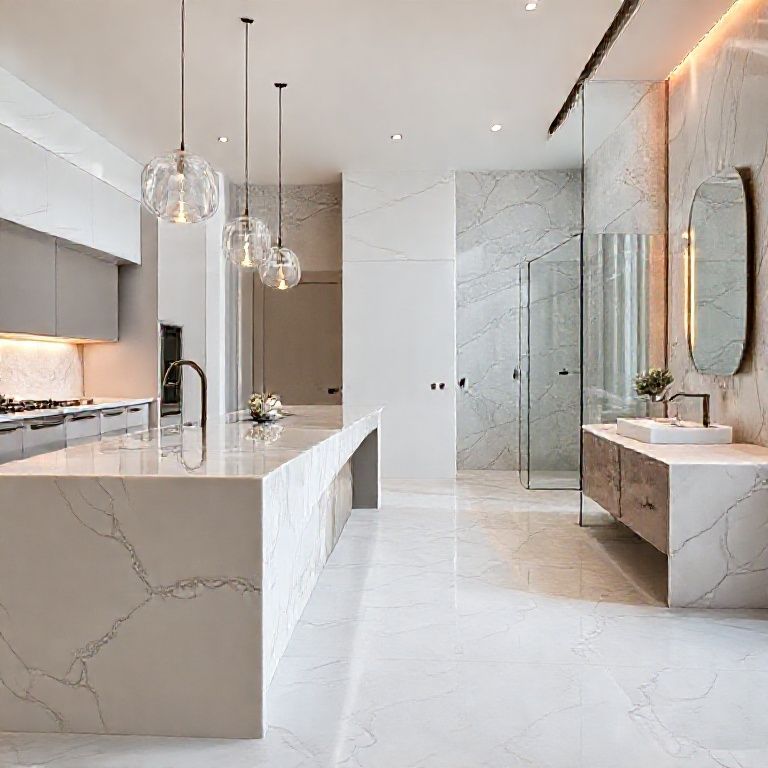
Versatility: Synthetic marble’s durability and versatility make it suitable for various applications, from countertops and tabletops to flooring and wall cladding. Its ability to mimic natural marble while offering superior durability is a testament to its practical design.
Conclusion: A Holistic View
Synthetic marble stands out not only for its aesthetic and practical benefits but also for its environmental sustainability and long-term durability. By opting for synthetic marble, you’re choosing a material that conserves natural resources, reduces waste, and provides a low-maintenance, durable solution that lasts for years.
In conclusion, synthetic marble is a remarkable material that addresses many of the concerns associated with traditional natural stone. From its composition and safety to its environmental impact and durability, synthetic marble offers a compelling alternative that is both practical and sustainable. As we continue to innovate and advance in materials science, synthetic marble exemplifies the blend of beauty, functionality, and responsibility that modern design demands.