${part1}
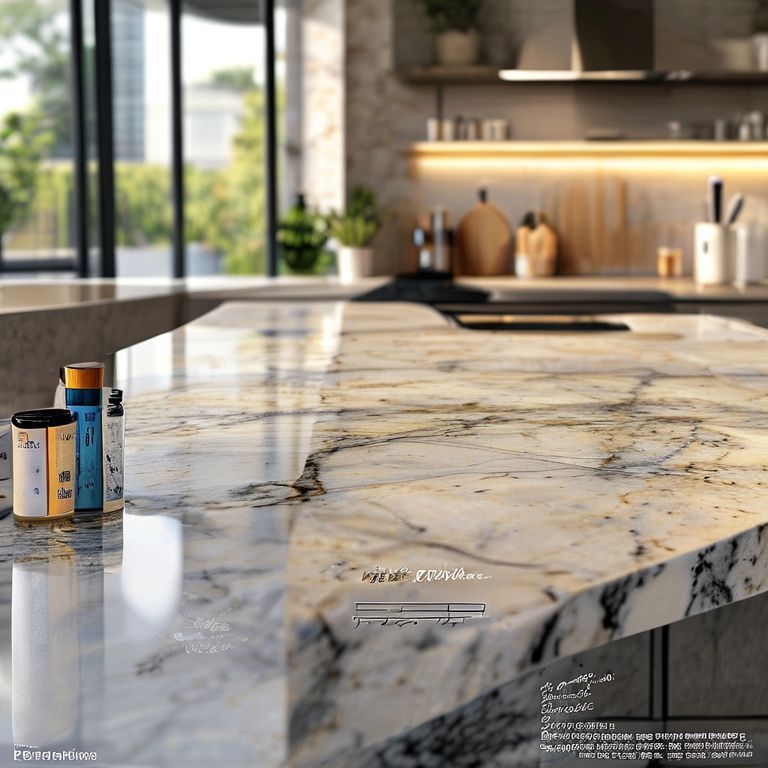
In the world of modern construction and interior design, synthetic marble has emerged as a popular choice for both its aesthetic appeal and cost-effectiveness. But when it comes to health concerns, one question often arises: “Does synthetic marble have radiation, and why?” To understand this topic, we need to break down the nature of synthetic marble, its manufacturing process, and the science behind radiation to clarify any misconceptions.
What is Synthetic Marble?
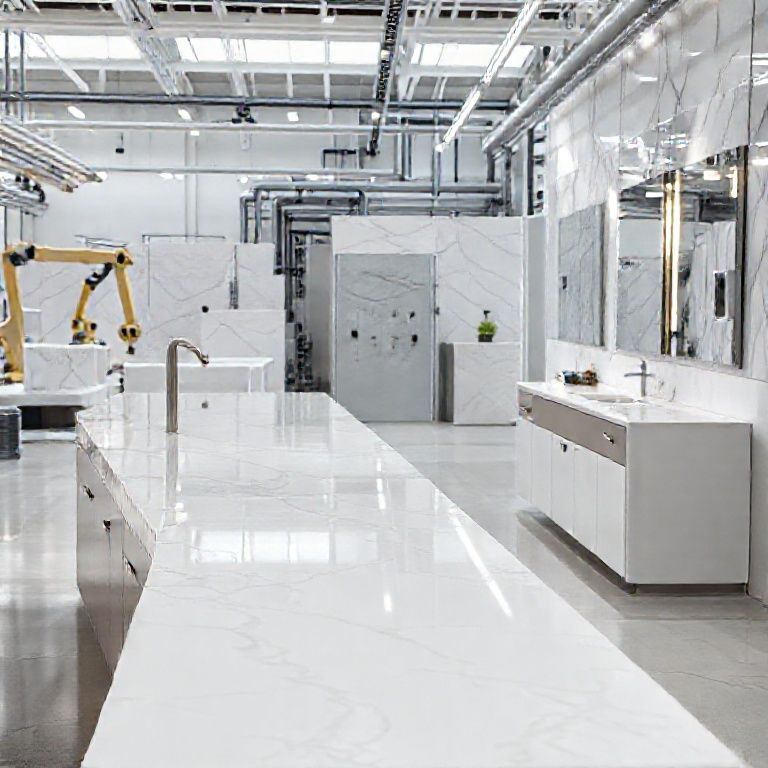
Synthetic marble, also known as artificial or cultured stone, is a composite material made from a mixture of minerals, including calcium carbonate, quartz, and other additives. It is produced through a process that combines these minerals with resins and pigments to mimic the look and feel of natural marble. This material is favored for its durability, resistance to stains, and lower cost compared to genuine marble.
The Manufacturing Process
The creation of synthetic marble involves several steps:
Raw Material Preparation: The primary minerals are crushed and mixed with resins and other additives. Molding: The mixture is poured into molds and compressed to form the desired shape. Curing: The molded stone is then cured under heat and pressure to bond the minerals together, creating a solid surface. Finishing: Finally, the surface is polished to achieve the desired look.
This entire process does not involve any radioactive elements or processes that could introduce radiation into the material.
Understanding Radiation
Radiation is the emission of energy as electromagnetic waves or as moving subatomic particles, especially high-energy particles which cause ionization. There are two main types of radiation relevant to our discussion:
Ionizing Radiation: This type of radiation has enough energy to remove tightly bound electrons from atoms, creating ions. It includes alpha particles, beta particles, gamma rays, and X-rays. Ionizing radiation can cause serious health issues if exposed to in large doses, including cancer and other forms of radiation sickness.
Non-Ionizing Radiation: This type includes lower-energy radiation such as radio waves, microwaves, infrared, visible light, ultraviolet, X-rays (at lower doses), and some types of catalog electric and magnetic fields. Non-ionizing radiation does not have the energy to remove electrons from atoms but can cause other effects such as heating.
Synthetic Marble and Radiation
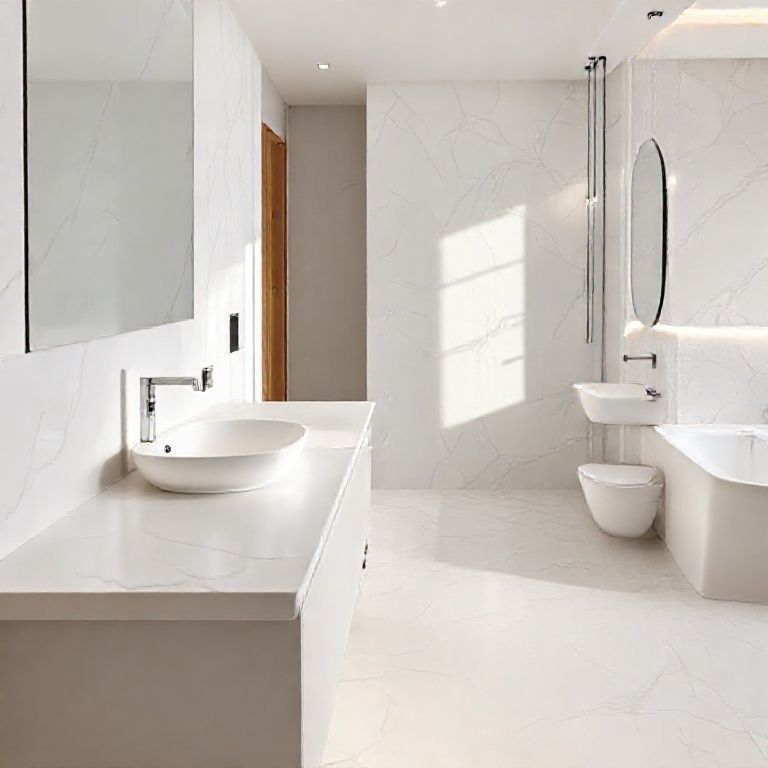
Now, let’s address the primary question: does synthetic marble have radiation? The answer is a definitive no. Here’s why:
Natural vs. Synthetic Materials
Natural marble is a naturally occurring stone composed primarily of calcium carbonate, which is not radioactive. Therefore, the process of creating synthetic marble does not introduce any radioactive materials. The minerals used in synthetic marble come from natural sources but are processed in a controlled environment where no radioactive elements are intentionally added.
Scientific Evidence
Scientific studies and tests confirm that synthetic marble does not emit ionizing or non-ionizing radiation. This has been verified by various tests and certifications from independent laboratories. These tests measure any potential radiation levels and consistently find none. The materials used in the production of synthetic marble do not undergo any processes that would result in radiation emission.
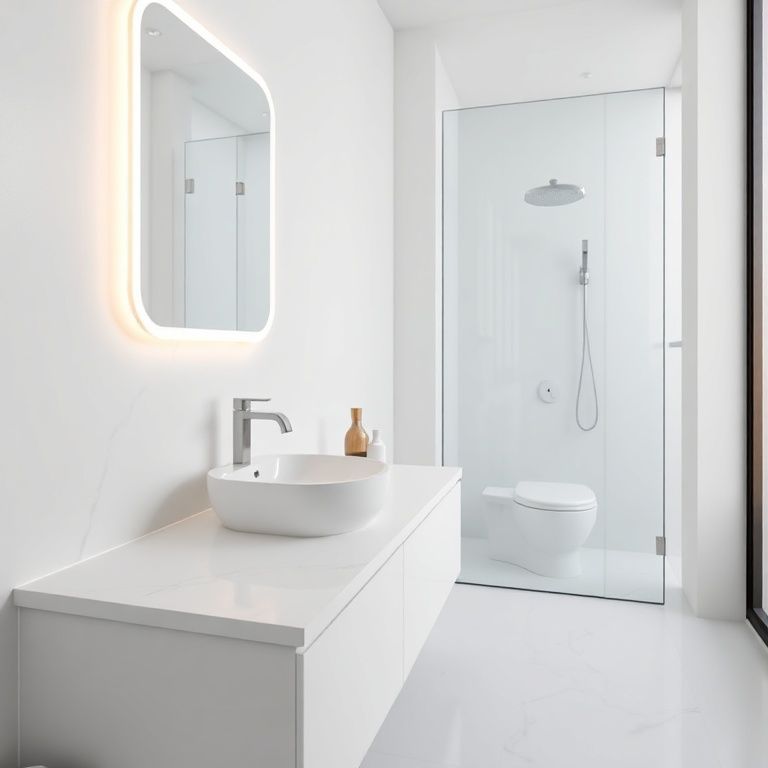
Common Misconceptions
The idea that synthetic marble might emit radiation often stems from misconceptions or misunderstandings about materials and their manufacturing processes. Here are some common myths:
Radiation from Manufacturing Processes: Some may believe that the high-pressure and heat used in the manufacturing process could generate radiation. However, these processes do not involve radioactive materials or conditions that would produce radiation.
Misinformation: Misinformation can spread easily, leading people to believe synthetic marble is harmful due to radiation. It’s important to rely on verified scientific data and expert opinions to clear up such myths.
Health and Safety Standards
Manufacturers of synthetic marble adhere to stringent health and safety standards. These standards ensure that the materials used are safe for human contact and do not pose any health risks. Certifications such as ISO (International Organization for Standardization) and similar safety marks are often provided to assure consumers of the product’s safety.
Conclusion
In conclusion, synthetic marble does not have radiation. It’s a safe and reliable material for various applications in construction and interior design. Understanding the manufacturing process and the science behind radiation helps to dispel myths and provides clarity on the safety of synthetic marble. In the next part, we will further explore the benefits of synthetic marble, its environmental impact, and why it’s becoming a preferred choice in the modern world.
${part2}
In the previous part, we addressed the core question of whether synthetic marble emits radiation and why it doesn’t. Now, let’s delve deeper into the benefits, environmental impact, and overall advantages of synthetic marble to understand why it’s becoming a preferred choice in modern construction and interior design.
Benefits of Synthetic Marble
Aesthetic Appeal
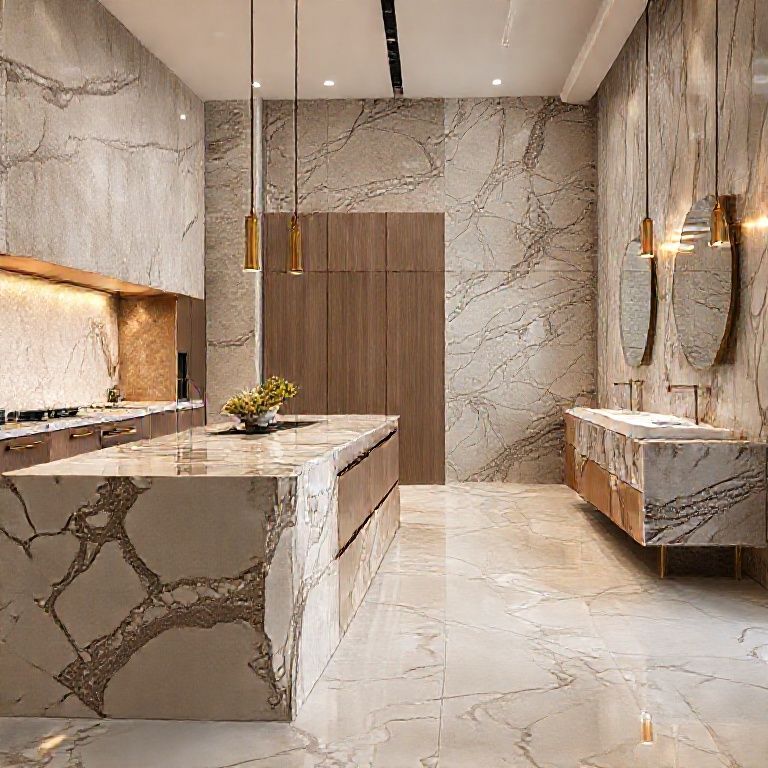
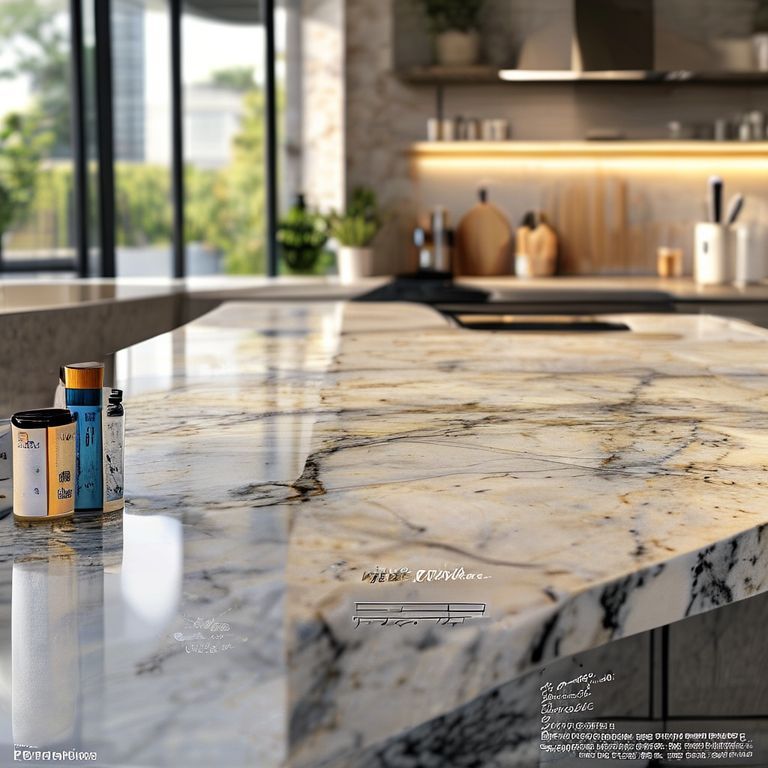
Synthetic marble offers a stunning range of colors, patterns, and finishes that closely mimic natural marble. The ability to create intricate designs and patterns allows for a wide array of decorative possibilities, making it suitable for both high-end luxury settings and more modest spaces.
Durability and Maintenance
One of the standout features of synthetic marble is its durability. Unlike natural marble, which can be prone to stains, scratches, and etching, synthetic marble is highly resistant to these issues. This makes it easier to maintain and clean, reducing the need for frequent upkeep and professional cleaning services.
Cost-Effectiveness
While the initial cost of synthetic marble might be higher than some other materials, its long-term benefits make it a cost-effective choice. The durability and low maintenance requirements translate into lower long-term costs. Additionally, the variety of designs and finishes available often makes synthetic marble more versatile and adaptable to different budgets.
Environmental Impact
Sustainable Production
The production of synthetic marble is designed to be as environmentally friendly as possible. Manufacturers often use recycled materials and aim to minimize waste during the manufacturing process. Additionally, the energy consumption in producing synthetic marble is generally lower compared to the extraction, processing, and transportation of natural marble.
Reduced Carbon Footprint
The extraction and transportation of natural marble contribute significantly to the carbon footprint due to the energy-intensive processes involved. Synthetic marble, on the other hand, reduces the need for these extensive processes, leading to a lower overall carbon footprint. This makes synthetic marble a more eco-conscious choice for environmentally aware consumers.
Conservation of Natural Resources
By providing a viable alternative to natural marble, synthetic marble helps in conserving natural resources. The demand for natural marble can lead to over-extraction, which can harm ecosystems and contribute to the decline of natural marble deposits. Synthetic marble offers a sustainable option that doesn’t deplete these natural resources.
Versatility in Design and Application
Flexibility in Shapes and Sizes
Synthetic marble can be molded into virtually any shape or size, offering unparalleled flexibility in design. This allows architects and designers to create custom pieces that fit specific needs and spaces, from tabletops to countertops, and even bespoke sculptures.
Wide Range of Applications
The versatility of synthetic marble extends to a wide range of applications:
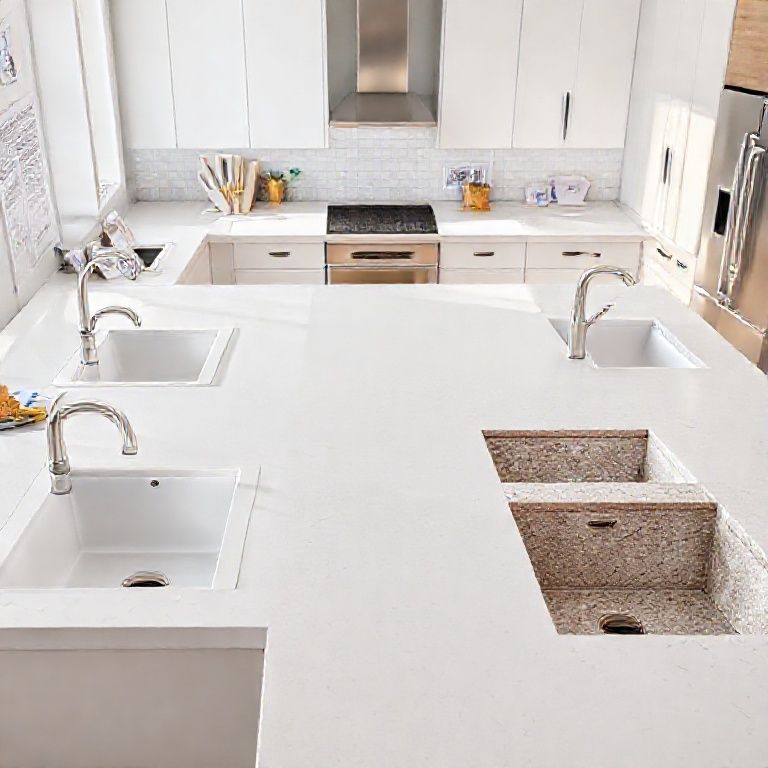
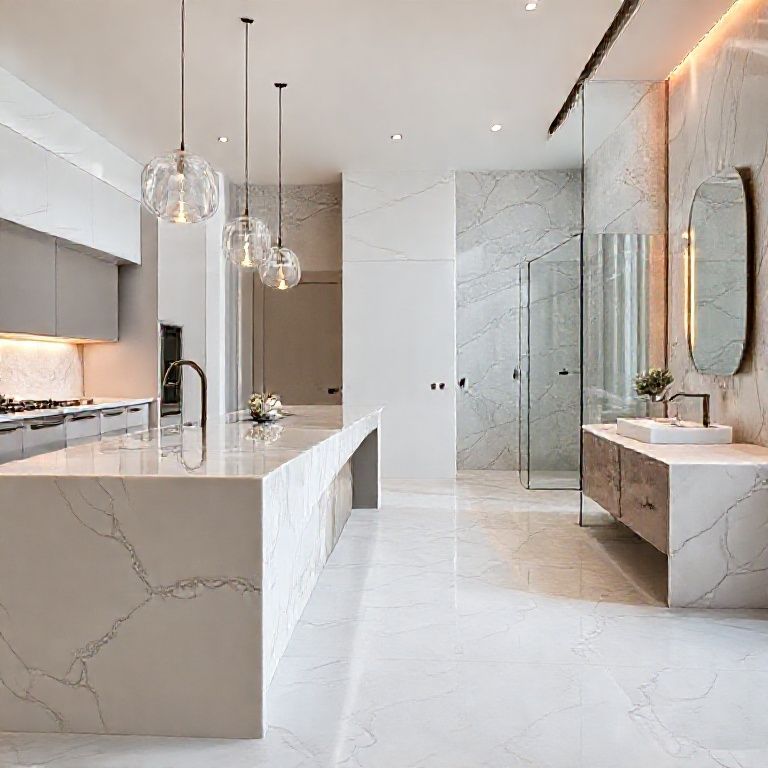
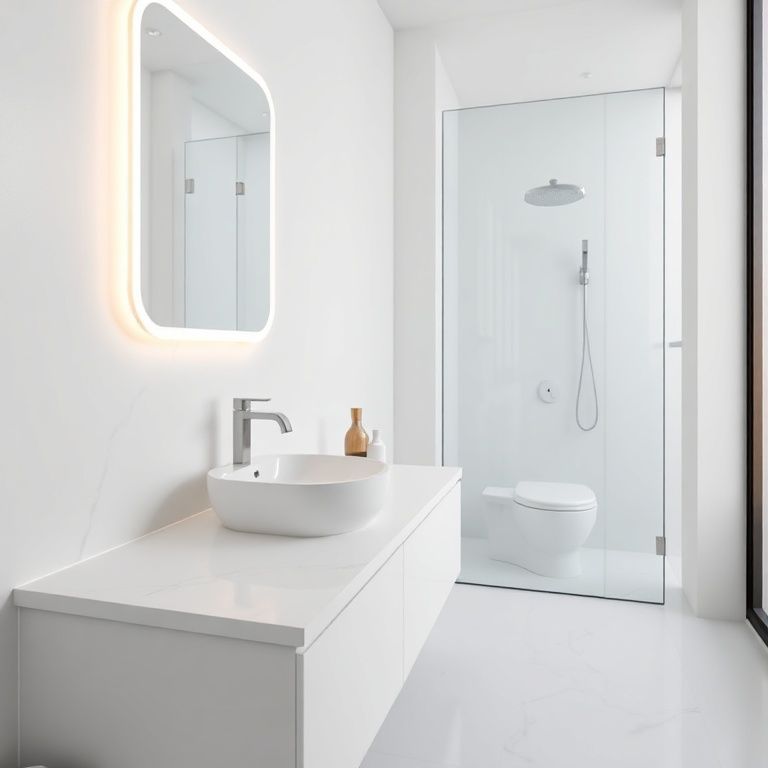
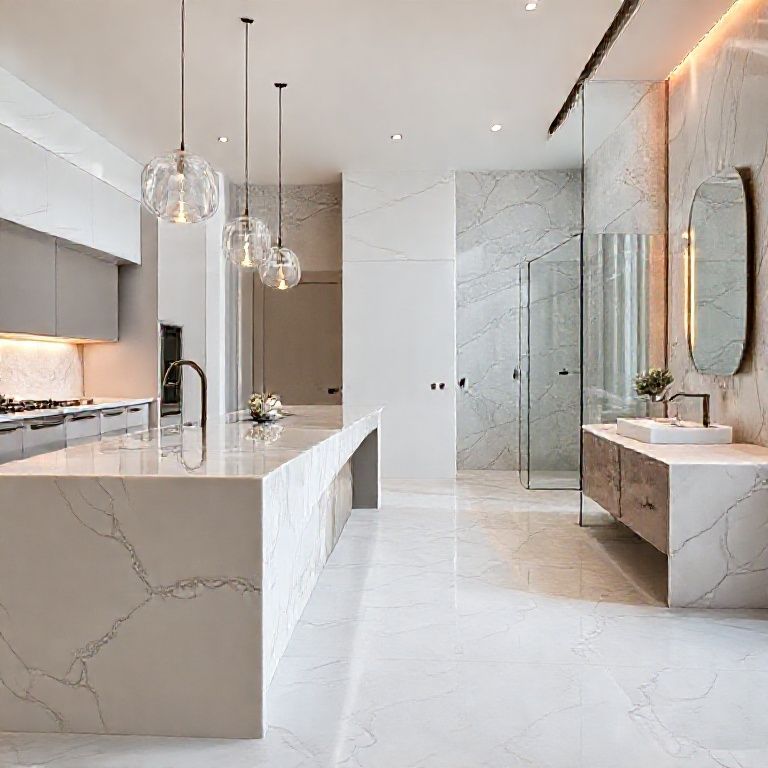
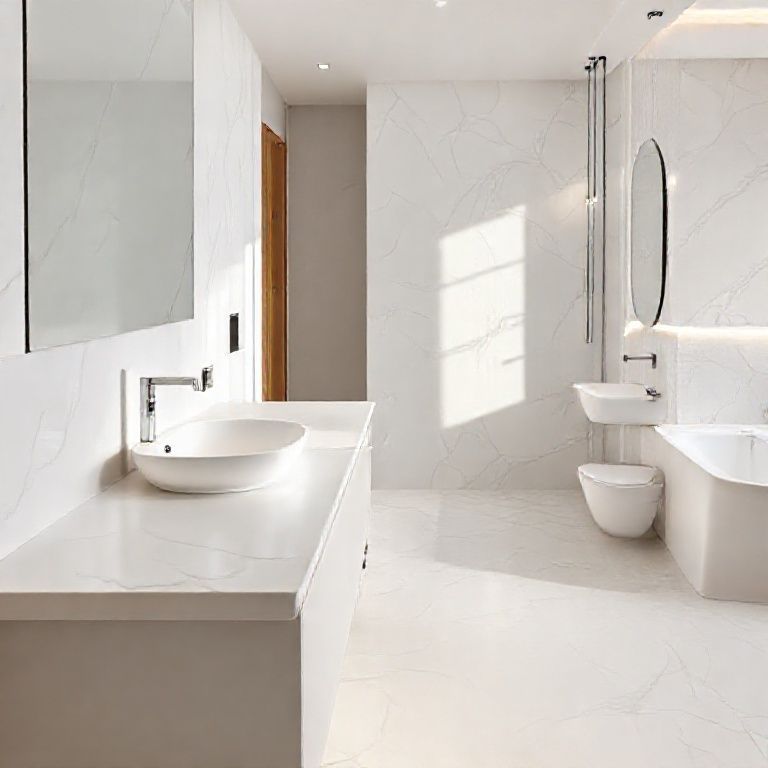
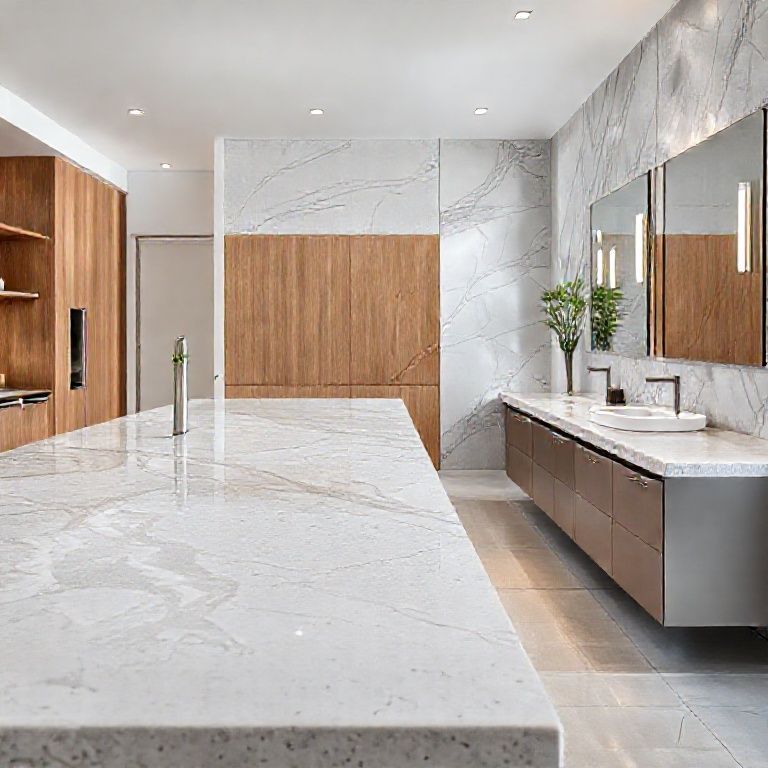
Kitchens and Bathrooms: Ideal for countertops, backsplashes, sinks, and bathtubs due to its water-resistant properties. Interior Design: Perfect for flooring, wall cladding, and decorative elements in homes, offices, and commercial spaces. Furniture: Used in creating stylish and durable furniture pieces like tables, cabinets, and shelving units.
Innovations and Future Developments
Advancements in Technology
The field of synthetic marble is continually evolving with advancements in technology. Innovations in resins, pigments, and manufacturing processes are enhancing the quality, durability, and aesthetic appeal of synthetic marble. These advancements are pushing the boundaries of what synthetic marble can achieve, making it an even more attractive option for future projects.
Customization and Personalization
With the growing demand for unique and personalized designs, manufacturers are offering more customization options. From bespoke colors and textures to intricate designs, synthetic marble allows for a high degree of personalization, catering to individual tastes and preferences.
Real-World Applications
High-Profile Projects
Synthetic marble has been used in numerous high-profile projects around the world, showcasing its versatility and quality. From luxury hotels and high-end restaurants to residential homes and iconic public spaces, synthetic marble’s presence in these projects underscores its reliability and aesthetic appeal.
Industry Endorsements
Leading architects, designers, and contractors often endorse synthetic marble due to its combination of beauty, durability, and cost-effectiveness. These endorsements further cement the material’s reputation as a superior choice in the industry.
Conclusion
Synthetic marble stands out as a superior alternative to natural marble for a multitude of reasons. It combines aesthetic appeal, durability, low maintenance, and cost-effectiveness while also offering a sustainable and environmentally friendly option. The absence of radiation in synthetic marble further alleviates any health concerns, making it a safe choice for all applications. As technology continues to advance, the possibilities with synthetic marble will only grow, ensuring its place as a preferred material in modern construction and design.
By understanding the benefits, production process, and environmental impact of synthetic marble, you can继续探讨和深入了解人造大理石(synthetic marble)的优势,以及它在现代建筑和室内设计中的广泛应用,可以更全面地认识这一材料的独特性和未来的发展方向。
健康与安全
无毒无害
除了不产生辐射之外,人造大理石还在无毒无害方面表现出色。在其生产过程中,通常不会使用任何有害化学物质。尽管它是一种人工合成材料,但其成分经过精心选择和处理,以确保对人体无害。这使得它成为家庭、办公室和其他公共场所的理想选择。
抗菌特性
一些现代人造大理石品牌还在其材料中添加了抗菌成分,进一步提升了其卫生和安全水平。这种特性使得它在医院、实验室和食品加工厂等需要高卫生标准的场所尤为受欢迎。
艺术品制作
人造大理石在艺术品的制作中也扮演了重要角色。由于其可以精细地模仿大理石的外观和质感,艺术家可以更自由地进行创作,不受天然大理石的物理限制。这种灵活性不仅推动了艺术创作的多样性,还为文化传承提供了新的途径。
历史与文化的保护
在考古和文化遗产保护领域,人造大理石被用来修复和保护古老的大理石雕像和建筑。这种材料的稳定性和耐用性使得它能够很好地模仿和保护这些历史文物,避免了天然大理石因使用和环境因素导致的损坏。
经济效益
降低维护成本
由于人造大理石的耐用性和低维护特性,使用它的建筑和设施可以显著降低长期的维护成本。这不仅节省了清洁和修复的费用,还减少了因材料损坏导致的结构性问题,从而提高了整体投资的回报率。
吸引投资
在商业和住宅项目中,使用高质量的人造大理石可以提升整体价值,从而吸引更多的投资。高端市场的消费者对于材料的质量和外观有着严格的要求,而人造大理石可以满足这些需求,同时控制成本。
未来展望
新材料的研发
随着材料科学的不断进步,人造大理石的性能和应用范围将进一步扩展。未来的研发可能会在更多方面提升这种材料的性能,包括更强的抗污性、更高的耐热性以及更好的美观效果。
环保技术的结合
未来的人造大理石开发还可能结合更多的环保技术,例如使用可再生资源、减少生产过程中的碳排放等。这将使得这种材料在可持续发展的背景下发挥更大的作用。
结论
人造大理石作为一种现代化的建筑材料,展现了其在多方面的优势。从健康和安全,到经济效益,再到文化和艺术的延续,它都为现代建筑和设计提供了可靠和灵活的选择。随着技术的进步和环保意识的增强,人造大理石在未来将继续发挥更大的潜力,成为建筑和室内设计中不可或缺的重要材料。
通过深入了解和应用人造大理石,我们不仅可以享受到其带来的美学和功能上的提升,还能为环境保护和资源节约做出贡献。这种材料无疑是现代建筑和设计领域的一个重要创新,值得我们持续关注和探索。