Composition and Potential Health Risks of Artificial Marble
Artificial marble, often referred to as engineered stone, has gained popularity in recent years due to its durability, aesthetic appeal, and relatively lower cost compared to natural stone options. However, questions have been raised regarding its toxicity and potential health risks. In this part, we will explore the composition of artificial marble and the associated health concerns.
Understanding Artificial Marble
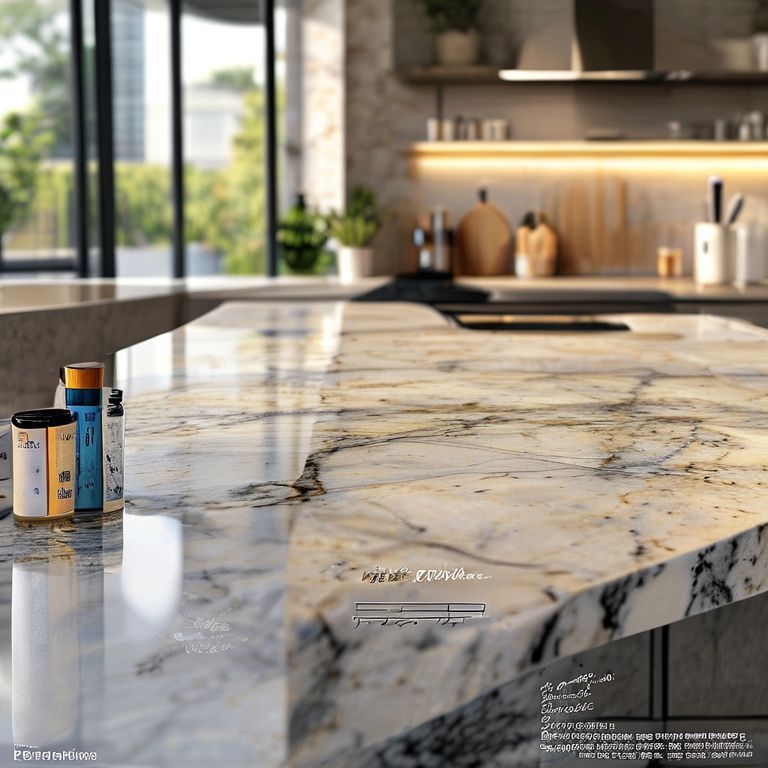
Artificial marble is a composite material made primarily from natural stone powders such as quartz, calcite, and feldspar, combined with a resin binder. This mixture is compressed and cured under high pressure and temperature to form a solid, monolithic surface. The result is a material that closely resembles natural marble but is much more resistant to scratches, stains, and impact.
Chemical Composition
The primary components of artificial marble include:
Natural Stone Powders: Quartz, calcite, and feldspar are the main minerals used. Resin Binders: These are typically made from polymers such as polyurethane or acrylic. The binders hold the stone particles together and provide strength and durability. Colorants: Various pigments are used to achieve the desired aesthetic appearance.
Potential Health Risks
While artificial marble offers numerous benefits, concerns have been raised about its potential toxicity, particularly due to the chemicals used in its production. Here are some of the key health risks associated with artificial marble:
Volatile Organic Compounds (VOCs): VOCs are released during the manufacturing process and can linger in the air. Common VOCs include formaldehyde and benzene, which are known to cause respiratory issues, headaches, and other health problems. Prolonged exposure to high levels of VOCs can lead to more severe health issues, including damage to the liver, kidneys, and central nervous system. Formaldehyde Release: Formaldehyde is a key component in many resins used to bind the stone particles. It is a known carcinogen and can cause irritation of the eyes, nose, and throat. Some studies suggest that formaldehyde can also trigger allergic reactions and asthma symptoms. Dust and Particles: During installation and maintenance, artificial marble can generate dust and particles. Inhalation of these particles can cause respiratory issues, especially in individuals with pre-existing conditions like asthma or chronic obstructive pulmonary disease (COPD). Heavy Metals: Although less common, some artificial marble products may contain heavy metals like lead or arsenic, which can pose significant health risks if they leach into the environment or are ingested.
Regulatory Standards and Safety Measures
Manufacturers and regulatory bodies have established guidelines to mitigate these health risks. Here are some steps taken to ensure safety:
Low-VOC Formulations:
Many manufacturers now produce low-VOC versions of artificial marble to reduce the emission of harmful chemicals.
Certification:
Products are often certified by third-party organizations to ensure compliance with safety standards. Look for certifications such as the EU’s REACH regulation or the US EPA’s Safer Choice program.
Installation Guidelines:
Proper installation techniques and ventilation are crucial to minimize exposure to VOCs and dust. Always follow the manufacturer’s guidelines and use protective equipment during installation.
Conclusion
While artificial marble offers impressive durability and aesthetic versatility, it is essential to be aware of its potential health risks. By understanding its composition and the chemicals involved, you can make informed decisions to mitigate these risks and ensure a safer living environment. In the next part, we will explore alternative non-toxic countertop options and how to maintain artificial marble safely.
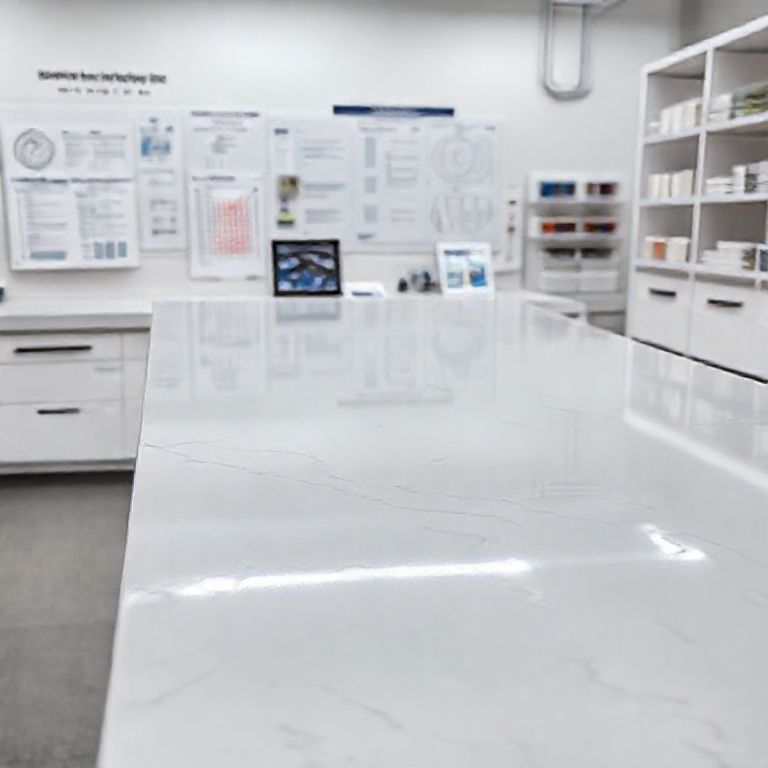
Alternatives and Safe Maintenance of Artificial Marble
In this part, we will explore non-toxic alternatives to artificial marble and provide tips on how to safely maintain artificial marble countertops to minimize health risks. We’ll also discuss the importance of indoor air quality and chemical exposure prevention.
Non-Toxic Alternatives to Artificial Marble
While artificial marble has many advantages, not everyone may want to use it due to health concerns. Here are some non-toxic alternatives you can consider:
Natural Stone: Granite: A popular choice known for its durability and resistance to stains. It is a natural stone that doesn’t release harmful chemicals. Quartzite: Another natural stone that is highly resistant to scratches and stains. It is also low in VOCs. Travertine: A natural stone with a unique texture and color that is safe and durable. Wood: Engineered Wood: Offers a natural look with enhanced durability. It is typically treated with low-VOC finishes. Solid Wood: Provides a natural aesthetic but requires regular maintenance to prevent warping and staining. Ceramic Tiles: Tiles are an excellent non-toxic option. They are easy to clean, resistant to stains, and come in a wide range of designs. Bamboo: Bamboo is a sustainable and durable option. It is naturally resistant to mold, mildew, and bacteria.
Safe Maintenance of Artificial Marble
Proper maintenance of artificial marble can help minimize the release of harmful chemicals and ensure its longevity. Here are some tips for safe maintenance:
Cleaning: Use mild, non-abrasive cleaners to avoid scratching the surface. Avoid using harsh chemicals that can damage the resin binder. For everyday cleaning, a simple water and mild soap solution works well. Avoiding Heat Sources: Keep hot pots and pans away from the surface to prevent thermal shock, which can cause cracking. Using Coasters and Trivets: Place coasters and trivets under hot drinks to prevent thermal damage. Regular Inspections: Regularly inspect the surface for any signs of wear, cracking, or damage. Address any issues promptly to prevent further damage.
Importance of Indoor Air Quality
Indoor air quality is crucial for maintaining a healthy living environment. Here are some steps you can take to improve indoor air quality when using artificial marble or any other materials:
Ventilation: Ensure good ventilation in the room where artificial marble is installed. Open windows and use exhaust fans to help disperse VOCs. Air Purifiers: Use air purifiers with HEPA filters to capture airborne particles and improve air quality. Low-VOC Products: Choose low-VOC products for cleaning, furniture, and decor to reduce chemical exposure. Natural Ventilation: When possible, use natural ventilation methods such as opening windows to let fresh air circulate.
Chemical Exposure Prevention
Minimizing exposure to harmful chemicals is essential for maintaining health and safety. Here are some preventive measures:
Proper Installation: Always follow the manufacturer’s guidelines for installation. Proper techniques can minimize dust and chemical exposure. Use of Personal Protective Equipment (PPE): During installation and maintenance, use masks, gloves, and goggles to protect yourself from dust and chemicals. Sealing and Curing: Ensure that the artificial marble surface is properly sealed and cured according to the manufacturer’s instructions. This helps to lock in the binder and reduce the release of VOCs. Regular Maintenance: Regular cleaning and maintenance can prevent the buildup of dust and other particles that may pose health risks.
Conclusion
When considering artificial marble for your home, it’s important to weigh the benefits against the potential health risks. By choosing low-VOC formulations, maintaining proper ventilation, and following safe installation and maintenance practices, you can enjoy the advantages of artificial marble while minimizing health concerns. For those looking for non-toxic alternatives, options like natural stone, wood, ceramic tiles, and bamboo provide beautiful and safe choices. Ensuring good indoor air quality and taking preventive measures against chemical exposure will further enhance your living environment. By making informed choices, you can create a beautiful, healthy, and safe space for you and your family.
This comprehensive guide aims to provide you with the knowledge and tools to make informed decisions about artificial marble and its alternatives, ensuring a healthy and safe living environment.