Quality, Durability, and Aesthetics
When deciding between man-made and natural marble, it’s essential to delve into the quality, durability, and aesthetic appeal of each type. Let’s start by exploring these key factors in detail.
Quality and Composition
Natural marble, derived from the earth, offers an unparalleled level of quality. Formed millions of years ago through the intense pressures and temperatures of the Earth’s mantle, natural marble boasts a unique composition that includes calcium carbonate, dolomite, and magnesium carbonate, among other minerals. This natural formation results in a stunning array of colors, patterns, and textures that are truly one-of-a-kind.
Man-made marble, or engineered stone, on the other hand, is a composite material made from a blend of natural stone powder, resin, and other binding agents. This combination is meticulously crafted to mimic the appearance of natural marble. While it can replicate the look of natural marble remarkably well, the composition lacks the organic integrity found in natural stone.
Durability and Maintenance
Durability is a significant consideration when choosing between man-made and natural marble. Natural marble is inherently softer than most other types of stone, which makes it susceptible to scratching and staining. This vulnerability means that natural marble requires careful maintenance and possibly regular sealing to protect its surface from everyday wear and tear.
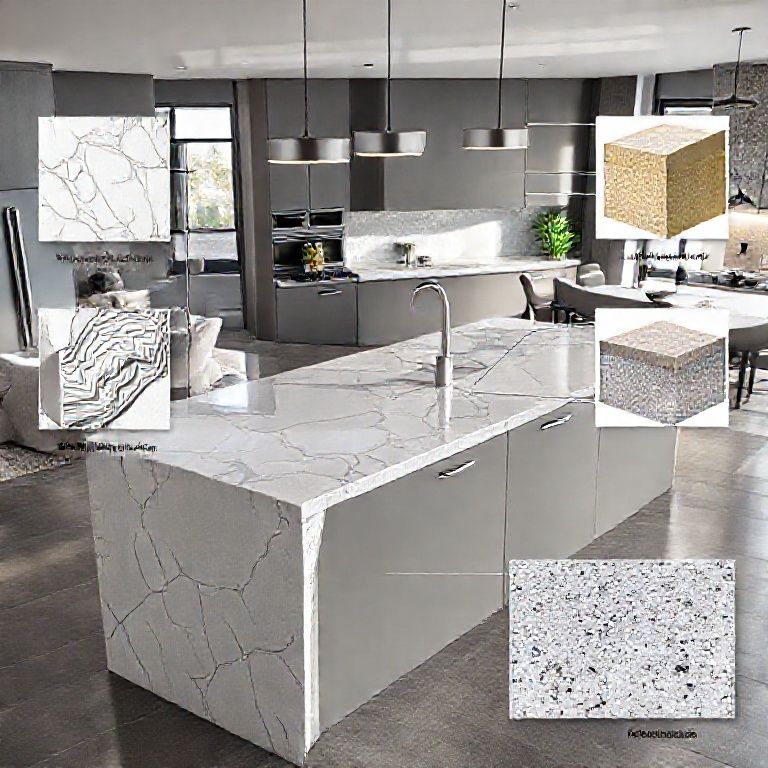
In contrast, man-made marble is engineered to be more durable. The resin binding agents used in its creation provide a harder surface that resists scratches and stains better than natural marble. This makes man-made marble an excellent choice for high-traffic areas where durability is a priority.
However, man-made marble’s durability also comes with maintenance considerations. While it is less prone to staining, it can still be affected by strong chemicals and high temperatures, so careful handling is still necessary.
Aesthetic Appeal
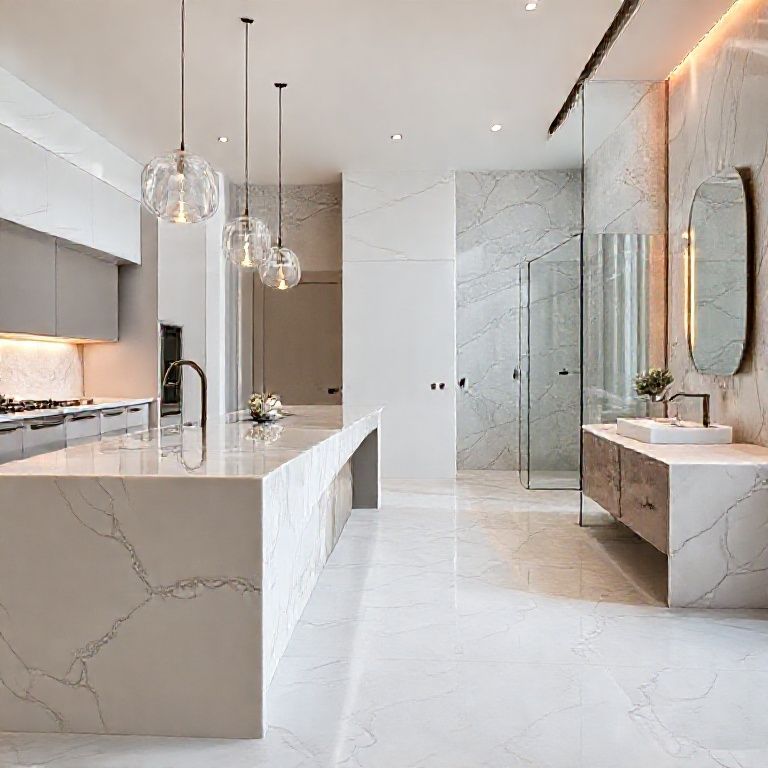
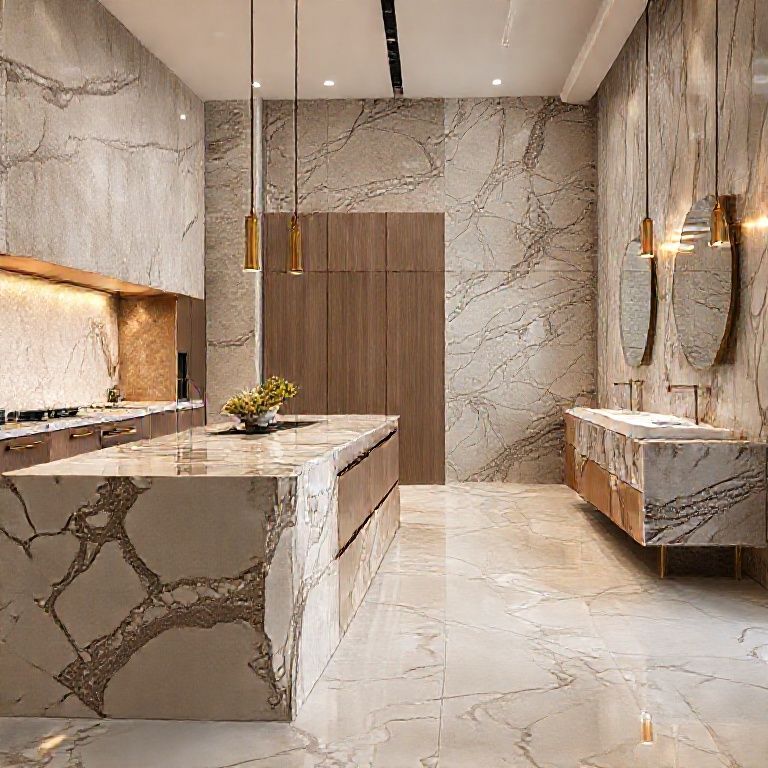
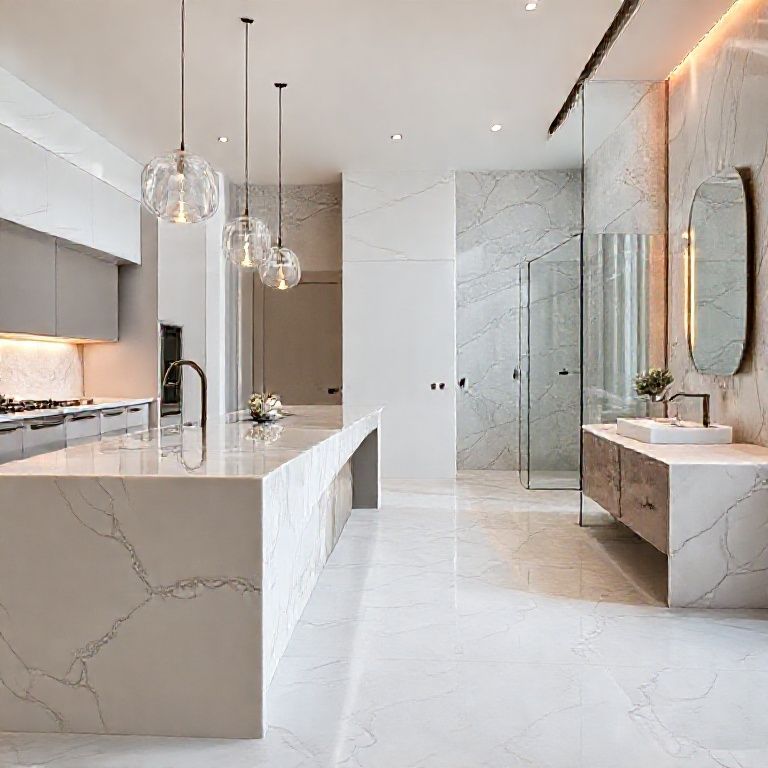
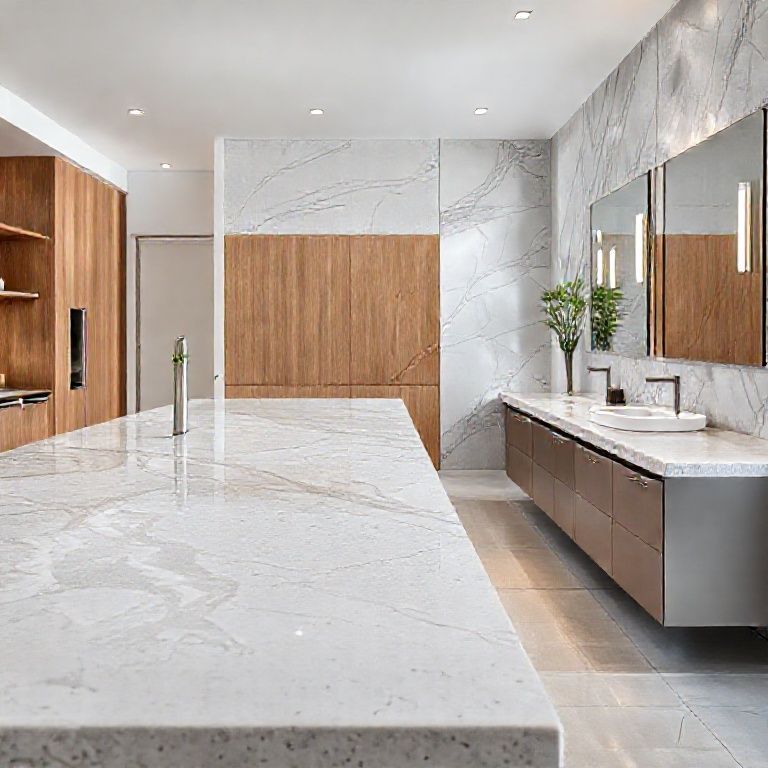
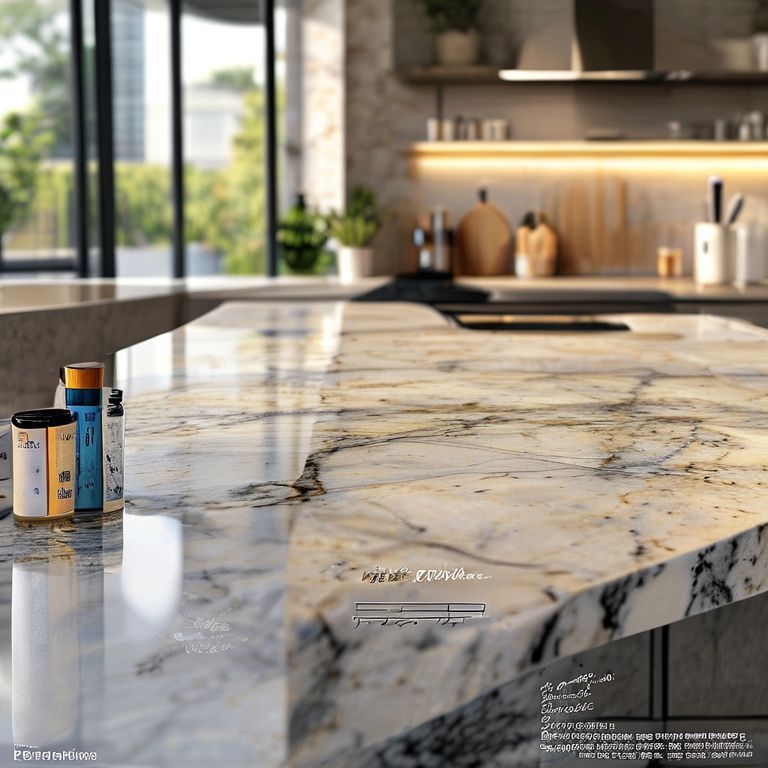
The aesthetic appeal of marble is often a key factor in the decision-making process. Natural marble’s unique, veined patterns and rich colors offer a timeless elegance that can enhance any space. The natural beauty of marble comes from its unique geological history, which results in a variety of patterns that can range from subtle to bold. This uniqueness means that each piece of natural marble is distinct, adding character and a touch of luxury to any environment.
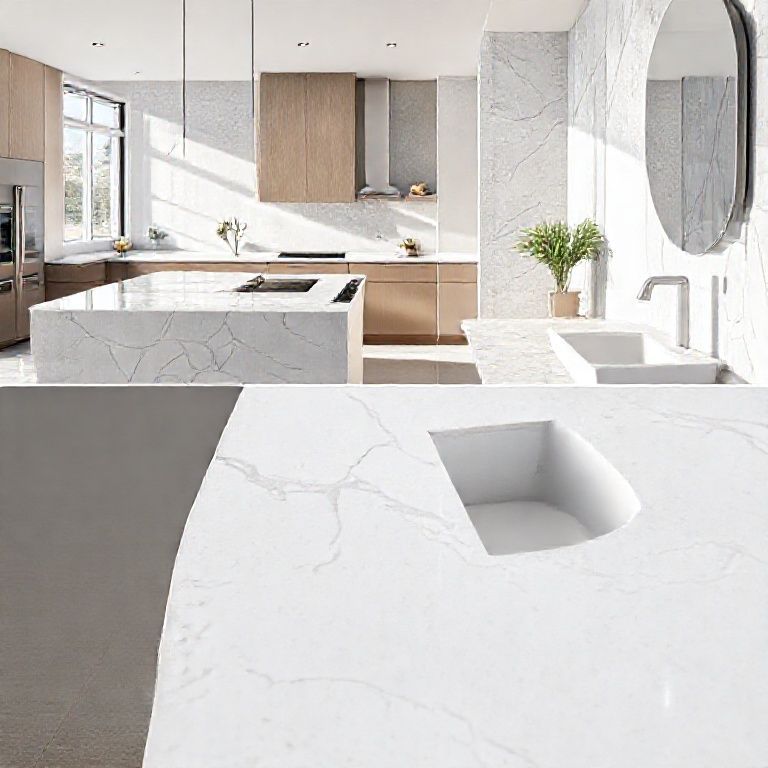
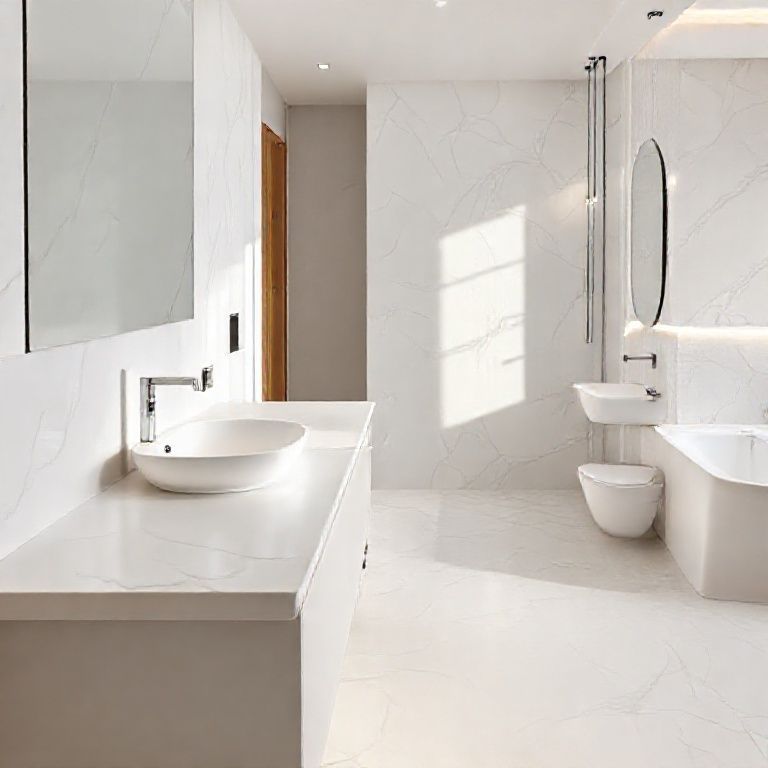
Man-made marble, while it may not have the same geological uniqueness, offers a level of predictability and consistency in appearance. The manufacturing process allows for precise control over the final product, ensuring uniformity in color, pattern, and texture. This can be particularly appealing for those who desire a specific aesthetic and are looking for a more standardized look.
Cost
Cost is another crucial factor when comparing man-made and natural marble. Natural marble is typically more expensive due to its rarity and the labor-intensive process of quarrying and cutting. The price can vary widely based on the type of marble and its unique patterns. High-end varieties like Carrara or Italian marble can be particularly costly.
Man-made marble, while generally more affordable, still offers a range of price points depending on the quality and design. The manufacturing process for man-made marble is more economical, allowing for a broader spectrum of options without the premium pricing associated with natural marble.
Environmental Impact
Another critical aspect to consider is the environmental impact of each type of marble. Natural marble extraction can lead to significant environmental concerns, including habitat destruction, water usage, and carbon emissions. Sustainable practices are often employed to mitigate these impacts, but they remain a significant consideration.
Man-made marble, while not without its environmental footprint, typically has a lower impact compared to natural marble. The manufacturing process for man-made marble is more controlled and can incorporate sustainable practices more easily. Additionally, the use of recycled stone powder in its production can contribute to a more eco-friendly option.
Installation, Versatility, and Long-Term Considerations
In the second part of our comparison between man-made and natural marble, we will explore installation, versatility, and long-term considerations to help you make an informed decision for your home.
Installation
When it comes to installation, both man-made and natural marble have their unique considerations. Natural marble, due to its softer nature, often requires a more specialized approach. It typically needs to be installed on a substrate that can support its weight and provide adequate stability. The installation process can be more labor-intensive, as the stone needs to be carefully cut and fitted to ensure a perfect fit.
Man-made marble, with its harder surface and uniform composition, can be easier to install. The material’s durability means it can withstand the rigors of the installation process more easily. Additionally, man-made marble slabs can be cut to size more precisely, making the fitting process more straightforward.
Versatility
Versatility is another key factor to consider. Natural marble’s unique patterns and colors offer an unmatched level of versatility in design. Its natural beauty can be enhanced with various finishes and treatments, allowing it to blend seamlessly into a wide range of interior styles from traditional to contemporary.
Man-made marble, while it may not have the same level of natural variation, offers a high degree of versatility in terms of color, pattern, and texture. The manufacturing process allows for the creation of custom designs and patterns, making it possible to replicate specific natural marble looks or to create entirely unique designs. This versatility makes man-made marble an excellent choice for custom projects where a specific aesthetic is desired.
Long-Term Considerations
Long-term considerations are crucial when making a decision between man-made and natural marble. Natural marble, despite its beauty, can be prone to fading and discoloration over time, especially with exposure to direct sunlight and chemicals. Regular maintenance, such as sealing, is often necessary to prolong the life and appearance of natural marble.
Man-made marble, with its durable surface and resistance to staining, generally requires less maintenance over time. However, it’s important to note that man-made marble can still be affected by strong chemicals and high temperatures. Proper care and occasional cleaning are still necessary to maintain its appearance and longevity.
Safety and Health
Safety and health considerations are also important when choosing between man-made and natural marble. Natural marble, while beautiful, can sometimes contain trace amounts of heavy metals and other minerals. The extraction and processing of natural marble can also produce dust and other particulates that may pose health risks during installation and maintenance.
Man-made marble, while it does involve manufacturing processes that may release some chemicals, typically offers a safer option in terms of dust and particulate emissions. The resins used in its creation are generally formulated to minimize health risks, although it’s always advisable to follow manufacturer guidelines for safe handling and installation.
Future Trends and Innovations
Finally, it’s worth considering future trends and innovations in the marble industry. The demand for sustainable materials and practices is on the rise, and both man-made and natural marble are evolving to meet these needs.
Innovative manufacturing techniques for man-made marble are continually improving, focusing on reducing environmental impact and enhancing durability. The use of recycled materials and sustainable practices in the production of man-made marble is becoming more prevalent.
Natural marble is also seeing advancements in sustainable quarrying and processing methods. Efforts to minimize environmental impact and ensure ethical sourcing are becoming more common, making high-quality natural marble more accessible while reducing its ecological footprint.
Conclusion
Choosing between man-made and natural marble ultimately comes down to your specific needs, preferences, and priorities. Natural marble offers unparalleled beauty and uniqueness, making it an excellent choice for those looking to add a touch of elegance and luxury to their home. On the other hand, man-made marble provides a cost-effective, durable, and versatile alternative that can still offer stunning aesthetics.
By understanding the key differences in quality, durability, aesthetics, cost, installation, versatility, long-term considerations, safety, and future trends, you can make an informed decision that best suits your home and lifestyle. Whether you opt for the timeless beauty of natural marble or the innovative appeal of man-made marble, both options have their unique advantages that can enhance your living space.