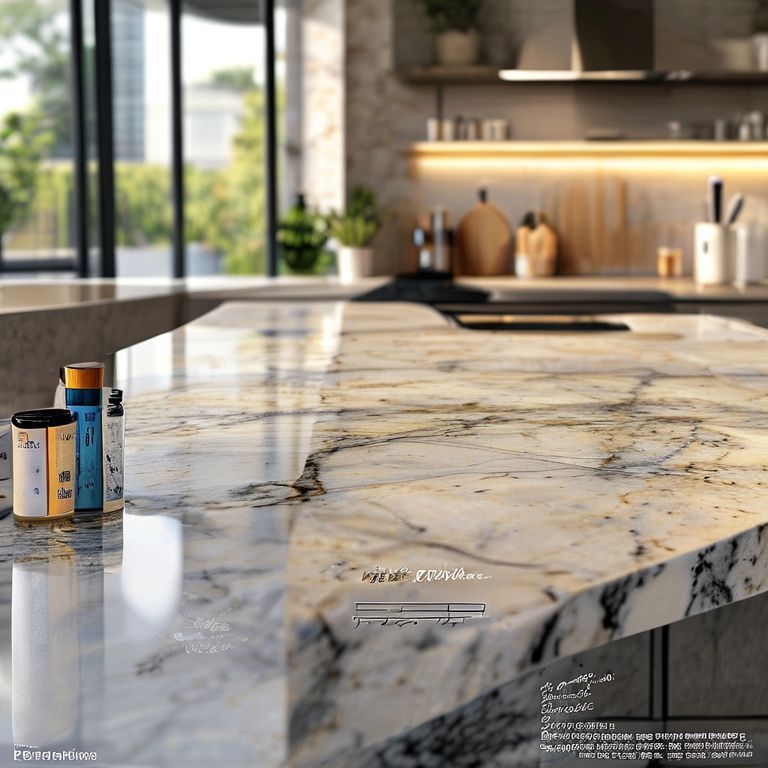
Natural Marble vs. Artificial Marble: A Detailed Look at Advantages and Disadvantages
When it comes to selecting materials for your home or commercial space, marble often stands out due to its timeless elegance and versatility. However, the choice between natural marble and artificial marble can be daunting. Both have unique attributes that cater to different needs and preferences. Let’s dive into the intricate differences and uncover the pros and cons of each.
The Natural Allure of Marble
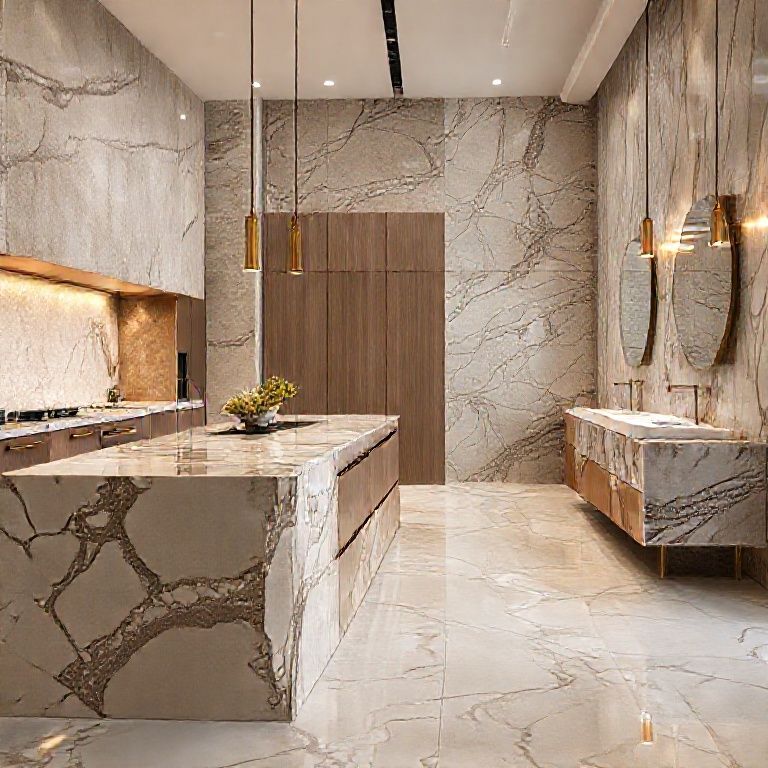
Natural marble is a time-honored choice, known for its rich, veined patterns and unparalleled beauty. Here’s what makes natural marble a standout option:
1. Aesthetic Appeal
Natural marble boasts a unique and exquisite aesthetic. Each piece is distinct, with intricate patterns and colors that are entirely unique. This natural uniqueness adds a touch of luxury and sophistication to any space. The beauty of natural marble lies in its ability to tell a story through its natural formation, making every piece a one-of-a-kind masterpiece.
2. Durability and Longevity
Natural marble is known for its impressive durability. When properly cared for, it can last for centuries. The density and hardness of natural marble make it resistant to scratches and stains, ensuring it maintains its beauty and integrity over time. This longevity makes natural marble a wise investment, especially for high-traffic areas.
3. Thermal Conductivity
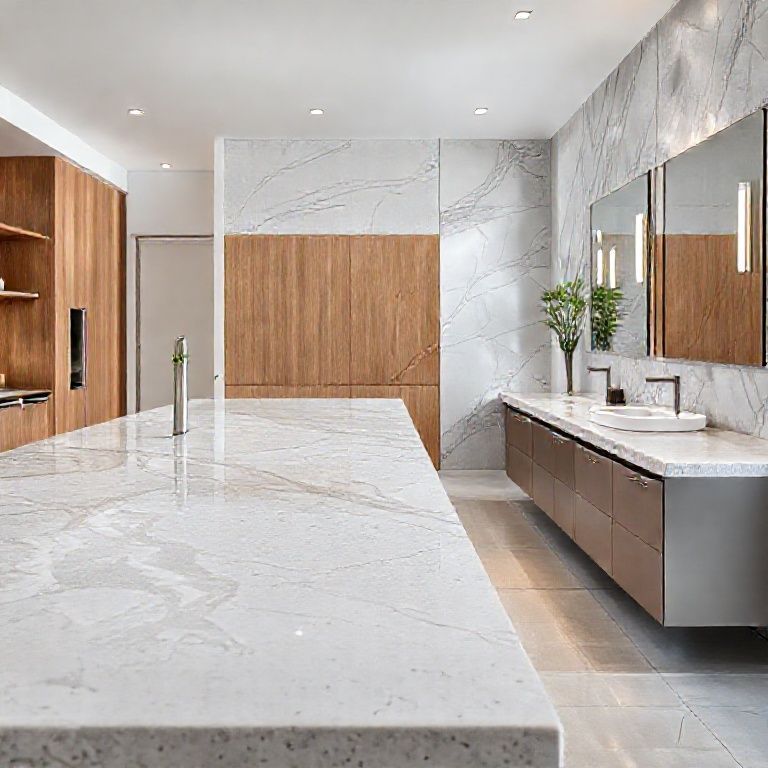
Natural marble conducts heat well, which means it can become quite warm on sunny days. While this might be a deterrent for some, it also provides a unique tactile experience. The warmth of natural marble adds a sensory dimension to its appeal.
4. Eco-Friendliness
The extraction of natural marble has a significant environmental footprint. However, when sourced responsibly, natural marble can be a more sustainable option compared to artificial alternatives. Responsible quarrying practices can help mitigate the environmental impact, making it a better choice for eco-conscious consumers.
The Modern Marvel of Artificial Marble
Artificial marble, also known as cultured marble, offers a contemporary alternative that combines the elegance of natural marble with modern conveniences. Here’s what makes artificial marble a compelling choice:
1. Customization
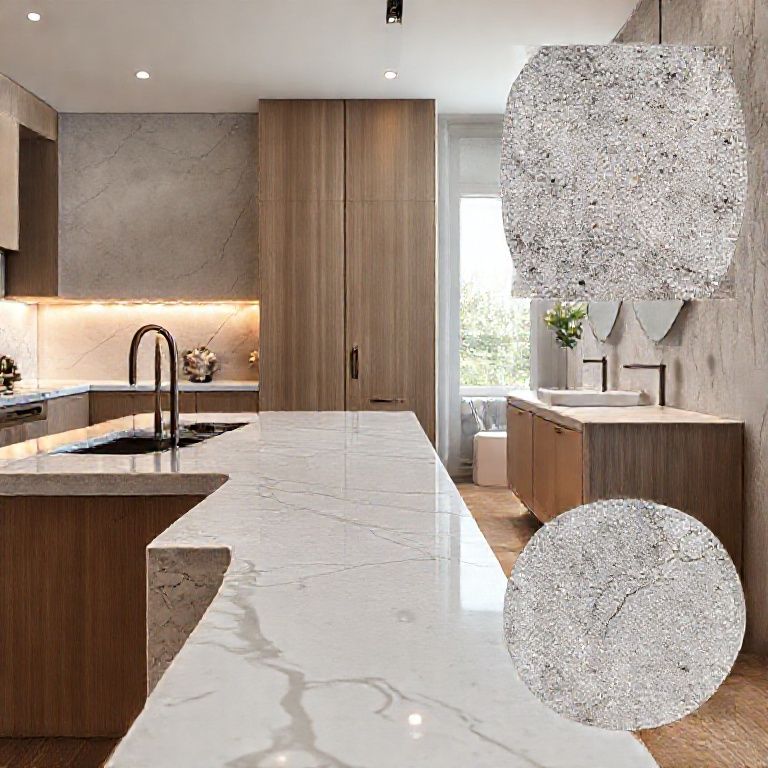
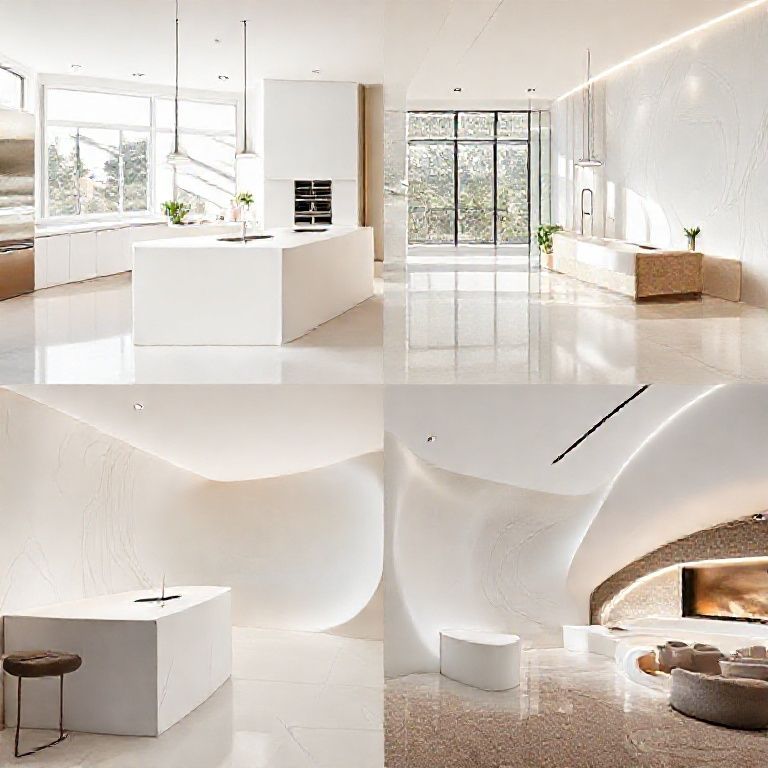
Artificial marble stands out for its versatility and customization options. It can mimic the appearance of natural marble with stunning accuracy, but it also offers endless possibilities in terms of color, texture, and pattern. This allows designers and homeowners to tailor the material to their specific vision and aesthetic preferences.
2. Cost-Effectiveness
One of the most significant advantages of artificial marble is its cost-effectiveness. It is generally more affordable than natural marble, making it an accessible option for a wide range of budgets. The lower cost is due to the manufacturing process, which involves fewer resources and labor compared to the extraction and transportation of natural marble.
3. Maintenance and Durability
Artificial marble is easier to maintain than natural marble. It is resistant to stains, scratches, and heat damage, making it an ideal choice for high-traffic areas where durability is a priority. Artificial marble also does not require sealing, unlike natural marble, which needs regular maintenance to preserve its beauty and integrity.
4. Environmental Impact
Artificial marble has a significantly lower environmental impact compared to natural marble. The manufacturing process for artificial marble is less resource-intensive and produces fewer emissions. Additionally, artificial marble can be made from recycled materials, contributing to sustainability efforts.
5. Versatility
Artificial marble is highly versatile and can be used in a variety of applications, from countertops and flooring to sinks and bathtubs. Its ability to be molded and shaped into different forms makes it an excellent choice for modern, innovative designs.
Drawbacks to Consider
While both natural and artificial marble have their merits, it’s important to consider the potential drawbacks associated with each:
Natural Marble
1. Cost
Natural marble is often more expensive due to its rarity and the costs associated with extraction and transportation. High-quality pieces can be prohibitively expensive, making it less accessible for some.
2. Maintenance
Natural marble requires regular maintenance to protect its beauty and longevity. It needs to be sealed periodically to prevent stains and scratches, which can be time-consuming and costly.
3. Environmental Impact
The environmental impact of natural marble is significant due to the extensive mining and quarrying processes involved. Unsustainable practices can lead to habitat destruction and other ecological issues.
Artificial Marble
1. Aesthetic Authenticity
While artificial marble can closely mimic natural marble, some purists argue that it lacks the unique and genuine aesthetic appeal of natural marble. The patterns and colors, though realistic, are not entirely natural.
2. Lifespan
While artificial marble is durable, its lifespan may not match that of natural marble. Depending on the quality of the manufacturing and the specific type of artificial marble, it may not last as long as natural marble.
3. Chemical Sensitivity
Artificial marble can be sensitive to certain chemicals and solvents. It’s important to use appropriate cleaning agents to avoid damaging the material.
Conclusion
Choosing between natural marble and artificial marble depends on your specific needs, budget, and aesthetic preferences. Natural marble offers unmatched beauty, durability, and eco-friendliness when sourced responsibly, but comes with higher costs and maintenance requirements. Artificial marble provides a cost-effective, customizable, and low-maintenance alternative, with a smaller environmental footprint but potentially less authentic aesthetic appeal.
In the next part, we will explore in more detail the applications and uses of both natural and artificial marble, helping you make an informed decision for your next project.
Applications and Uses of Natural Marble vs. Artificial Marble
Once you have a grasp on the pros and cons of natural marble versus artificial marble, it’s time to delve into their practical applications and uses. This knowledge will help you determine which type of marble best suits your specific needs and preferences.
Natural Marble in Design and Architecture
Natural marble has been a cornerstone of design and architecture for centuries. Its timeless beauty and elegance make it a preferred choice for numerous applications:
1. Countertops
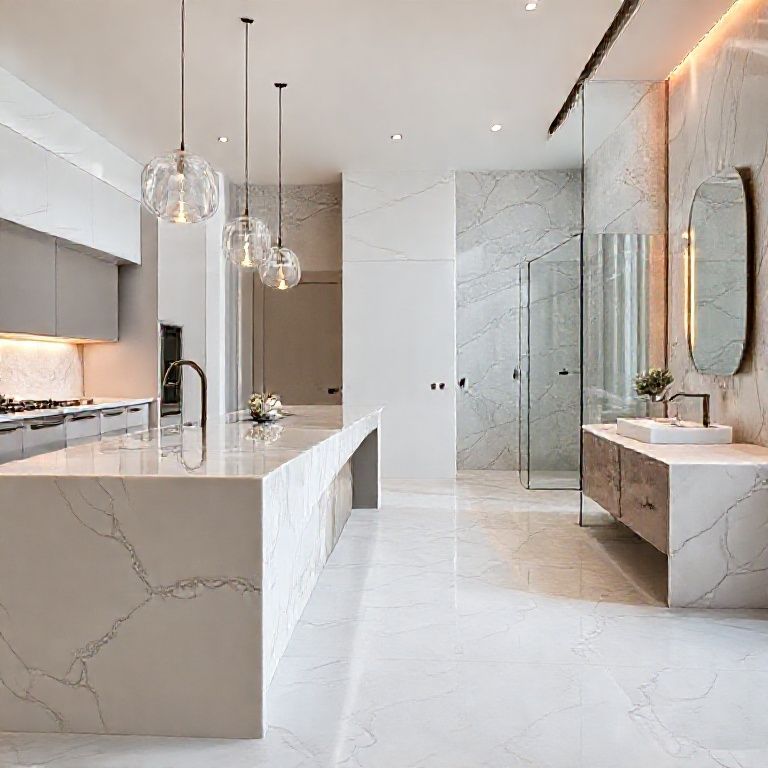
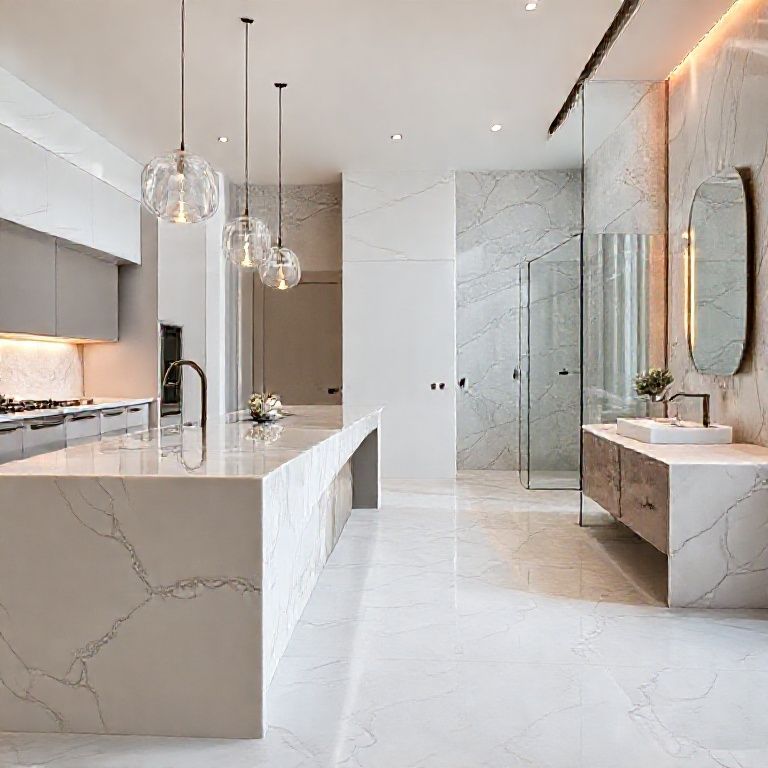
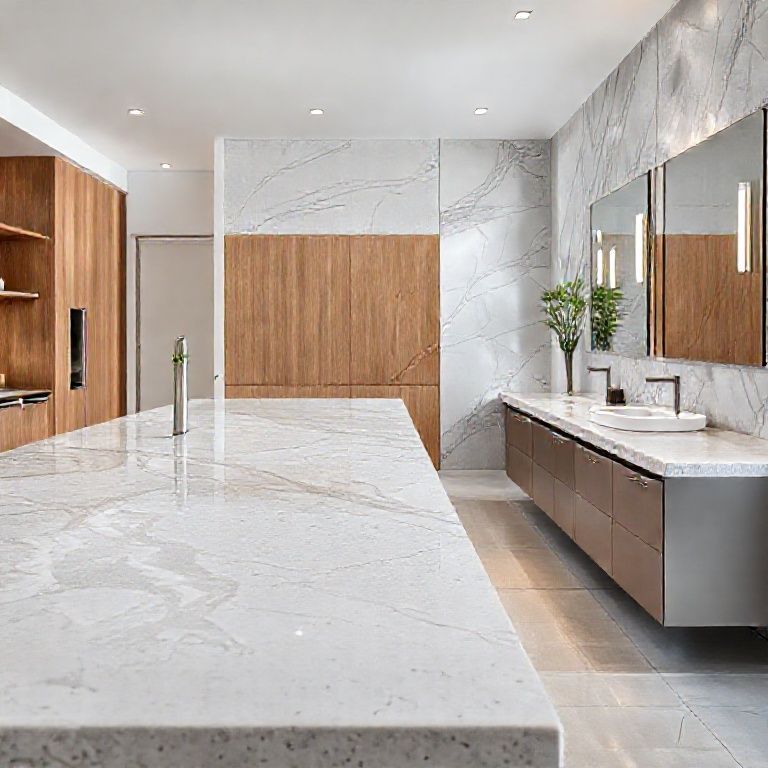
Natural marble countertops are a popular choice for kitchens and bathrooms due to their luxurious appearance and durability. The unique veining and colors add a touch of sophistication and elegance to any space. High-quality natural marble countertops are resistant to scratches and stains, ensuring they maintain their beauty over time.
2. Flooring
Marble flooring is renowned for its elegance and durability. When properly installed and maintained, marble floors can last for decades, adding a classic and timeless touch to any interior space. The natural beauty of marble makes it a standout option for high-end residential and commercial projects.
3. Walls and Panels
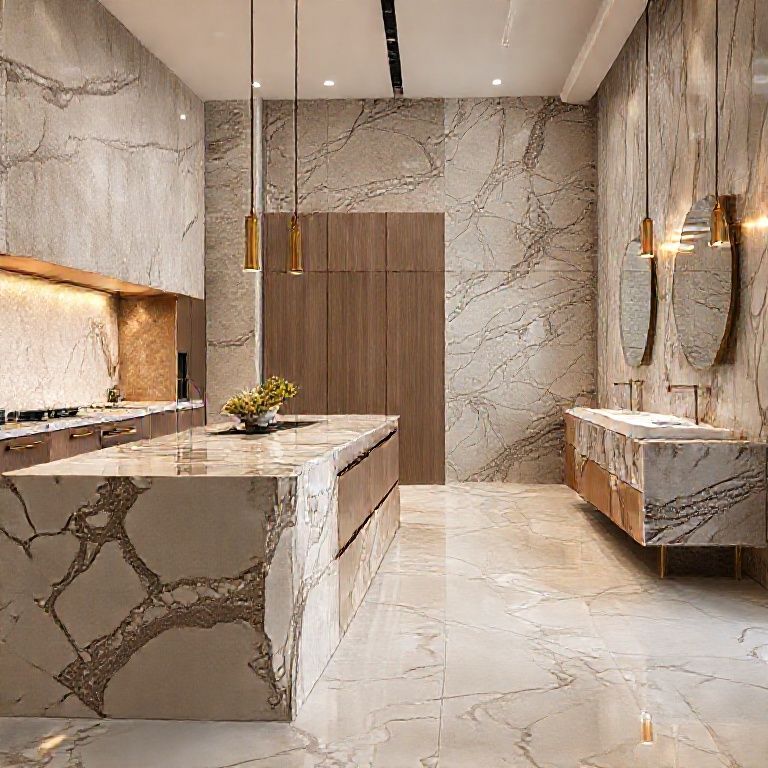
Natural marble can be used to create stunning wall and panel installations. Whether used in a living room, office, or public space, marble panels add a touch of luxury and sophistication. The unique patterns and colors of natural marble can create a dramatic and impressive focal point.
4. Statues and Sculptures
Natural marble is often used for statues and sculptures due to its fine grain and ability to be finely carved. Artists have been using marble for centuries to create masterpieces that stand the test of time. The beauty of natural marble makes it an ideal material for artistic expressions.
5. Bathtubs and Showers
Natural marble bathtubs and showers are luxurious and timeless. The warm, inviting appearance of marble adds a sense of comfort and elegance to any bathroom. While they require regular maintenance to prevent stains and scratches, the beauty and durability of natural marble make it a worthwhile choice.
Artificial Marble in Modern Design
Artificial marble offers a versatile and innovative alternative that suits modern design needs:
1. Countertops
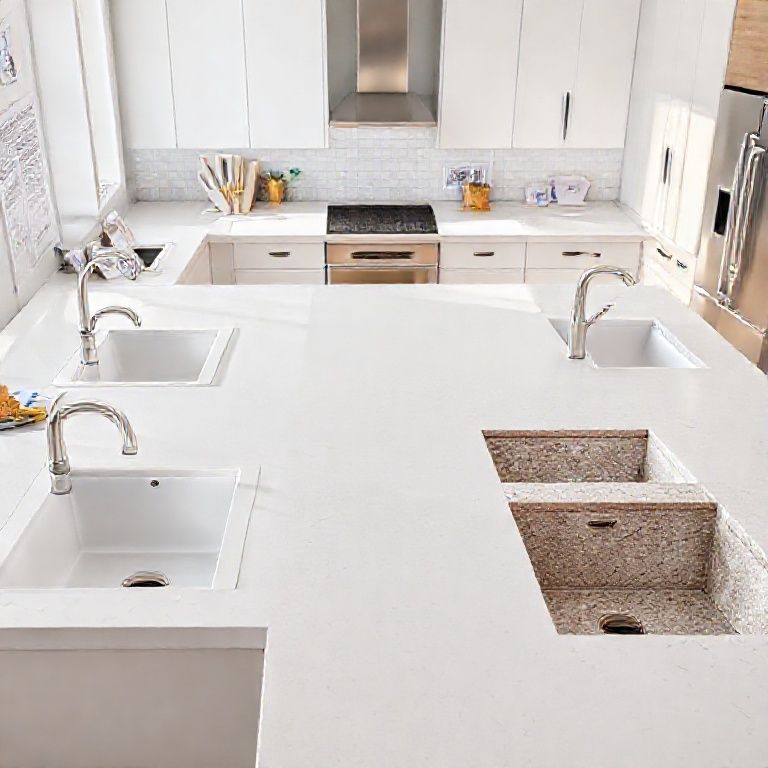
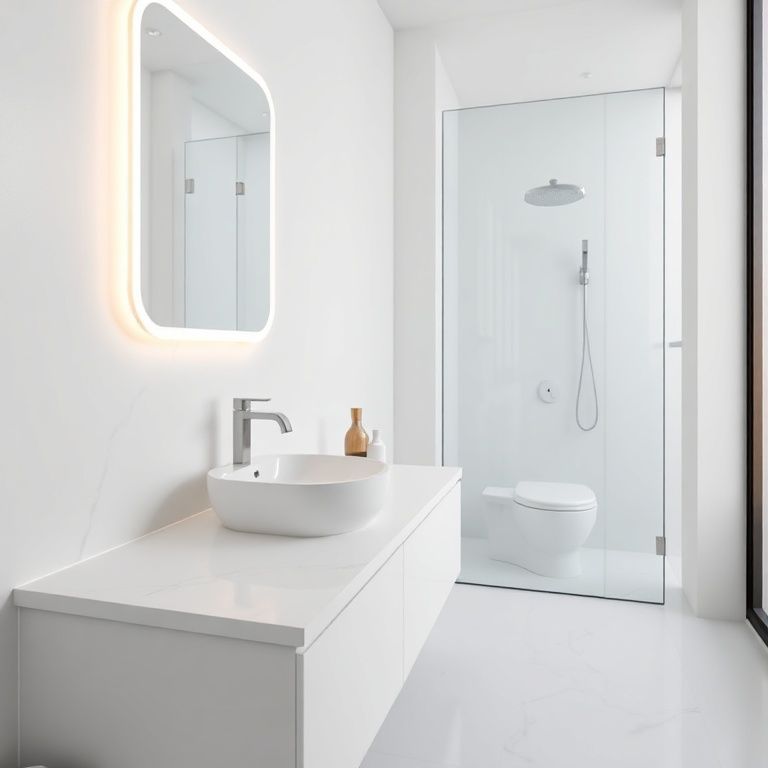
Artificial marble countertops are a popular choice for kitchens and bathrooms due to their affordability, durability, and customizable appearance. Unlike natural marble, artificial marble does not require sealing, making it easier to maintain. It can mimic the appearance of natural marble with stunning accuracy, offering a cost-effective solution without compromising on aesthetics.
2. Flooring
Artificial marble flooring provides a cost-effective and durable alternative to natural marble. It can be installed in various settings, from residential to commercial spaces, and offers a wide range of design possibilities. Artificial marble flooring is resistant to scratches, stains, and heat, making it ideal for high-traffic areas.
3. Walls and Panels
Artificial marble panels can be used to create stunning wall installations and add a touch of luxury to any space. The customizable nature of artificial marble allows designers to create unique and innovative designs that can complement any aesthetic. Whether used in residential or commercial projects, artificial marble panels offer a versatile and stylish option.
4. Bathtubs and Showers
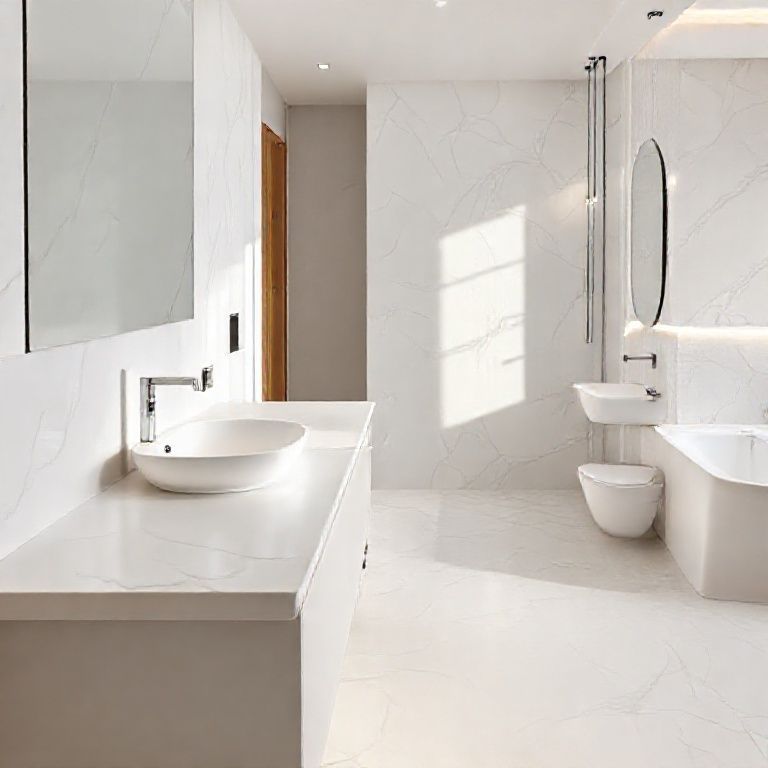
Artificial marble is increasingly popular for bathtubs and showers due to its durability and resistance to stains and scratches. It can be molded into various shapes and sizes, offering a wide range of design possibilities. The affordability of artificial marble makes it an attractive choice for modern bathrooms.
5. Furniture
Artificial marble is used to create a variety of furniture pieces, including tables, cabinets, and more. Its versatility and customizable nature make it an excellent choice for creating unique and stylish furniture. The durability of artificial marble ensures that furniture pieces will last for years.
Maintenance and Care
Proper maintenance is crucial for both natural and artificial marble to ensure their longevity and beauty. Here’续介绍一些维护和保养的技巧,以便您能够更好地保持和延长大理石的使用寿命。
自然大理石的维护与保养
清洁方法:自然大理石比较坚硬,但仍然需要小心清洁。最好使用温水和中性洗涤剂,用软布轻轻擦拭。避免使用酸性清洁剂,因为这些清洁剂可能会对大理石表面造成腐蚀。
抛光:自然大理石表面的天然花纹需要定期抛光,以保持其光泽和美观。使用专业的大理石抛光剂和工具,可以帮助恢复和保持其自然光泽。
防护封闭剂:为了防止污渍和染色,建议定期使用大理石封闭剂。封闭剂能够形成一层保护膜,阻止液体渗入大理石表面,并减少清洁的频率。
修复:如果大理石表面有划痕或污渍,可以使用专门的修复剂进行修复。有时,专业的大理石修复服务也是一个不错的选择。
人造大理石的维护与保养
清洁方法:人造大理石表面通常比较光滑,容易清洁。可以使用温水和中性洗涤剂,用软布擦拭。避免使用过多水分,以防止浸泡。
酸性物质防护:虽然人造大理石比较耐用,但仍需避免使用酸性清洁剂或其他腐蚀性物质,以免损坏表面。
擦拭和保养:可以使用专门的人造大理石保养剂,以保持其光泽和美观。定期擦拭和保养可以防止灰尘积累和污渍形成。
修复:人造大理石较为耐用,但如果出现划痕或污渍,可以使用专门的修复剂进行处理。有时,专业的修复服务也可以提供解决方案。
选择和安装
选择材料:在选择大理石时,要考虑其来源、质量和耐用性。对于自然大理石,选择经过认证的优质材料;对于人造大理石,选择知名品牌和高质量产品。
专业安装:无论选择自然大理石还是人造大理石,最好都请专业人员进行安装。专业的安装可以确保大理石紧密贴合,减少裂缝和错位的风险。
环境适应性:了解大理石在不同环境中的表现,例如厨房、浴室或公共场所。不同的环境对大理石的要求可能不同,选择合适的大理石材料和设计方案。
通过以上维护和保养技巧,您可以让自然大理石和人造大理石在家庭或商业空间中展现出最佳状态,并延长其使用寿命。无论您选择哪种类型的大理石,都需要一些基本的护理和定期检查,以确保其持久美观和功能性。