Part 1
${part1}
The Rising Popularity of Synthetic Marble
In recent years, synthetic marble has carved a significant niche in the world of interior and exterior design. Often referred to as artificial or engineered marble, this material has garnered attention due to its myriad advantages over traditional marble. As we delve into the pros and cons of synthetic marble, we will uncover why it has become a preferred choice for many architects, designers, and homeowners alike.
Durability and Strength
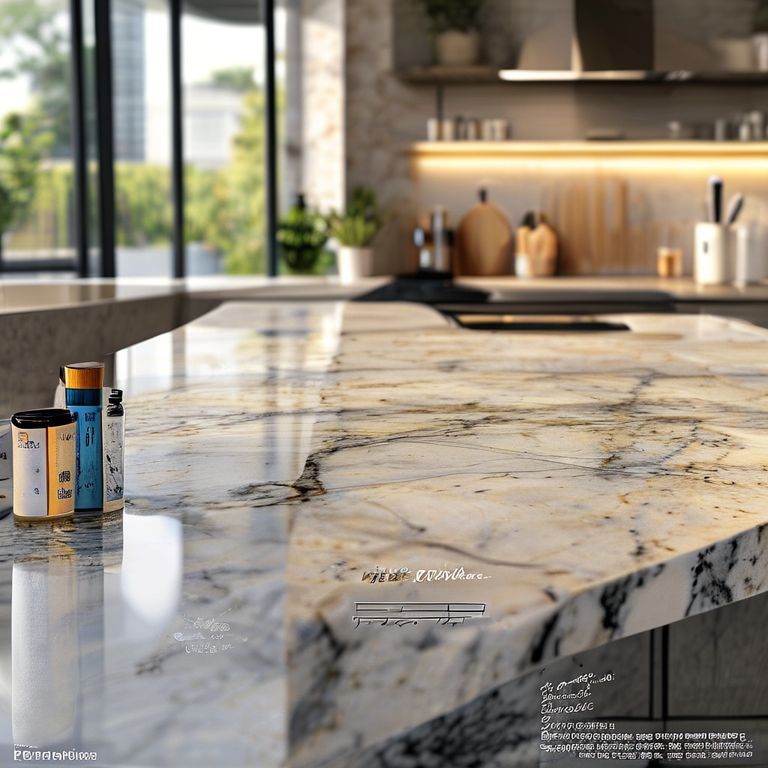
One of the most compelling reasons synthetic marble is favored is its superior durability. Unlike natural marble, which is susceptible to scratches, stains, and chips, synthetic marble is engineered to withstand these common issues. The manufacturing process infuses synthetic marble with high-strength resins that significantly enhance its resilience. This means that synthetic marble can endure heavy foot traffic and frequent use without showing signs of wear and tear.
Cost-Effectiveness
Cost is often a deciding factor when choosing materials for construction and renovation projects. Synthetic marble offers an impressive cost-effective solution. The production process of synthetic marble is more economical compared to quarrying and transporting natural marble. This cost efficiency extends to the end user, making synthetic marble an affordable alternative that doesn’t compromise on quality. Moreover, the lower maintenance requirements of synthetic marble translate to long-term savings, as it doesn’t need the same level of care as natural marble.
Versatility in Design
Synthetic marble is a designer’s dream due to its unparalleled versatility. It can mimic the appearance of various natural stones, including granite, quartz, and traditional marble. This flexibility allows designers to create unique and custom designs that would be challenging to achieve with natural materials. Additionally, synthetic marble comes in an extensive range of colors, patterns, and finishes, offering endless possibilities for creative expression.
Environmental Considerations
In the age of sustainability, synthetic marble stands out as an eco-friendly alternative. The production of natural marble involves significant environmental impacts, including land disruption, water usage, and carbon emissions. Synthetic marble, on the other hand, can be produced with less environmental footprint. Many manufacturers are adopting green technologies to minimize the ecological impact, making synthetic marble a more sustainable choice.
Ease of Installation
The installation process of synthetic marble is another significant advantage. Unlike natural marble, which requires specialized tools and skills for cutting and installation, synthetic marble can be cut with standard tools and is often available in pre-cut sizes, simplifying the installation process. This ease of installation makes synthetic marble a practical choice for DIY enthusiasts and professional contractors alike.
Aesthetic Appeal
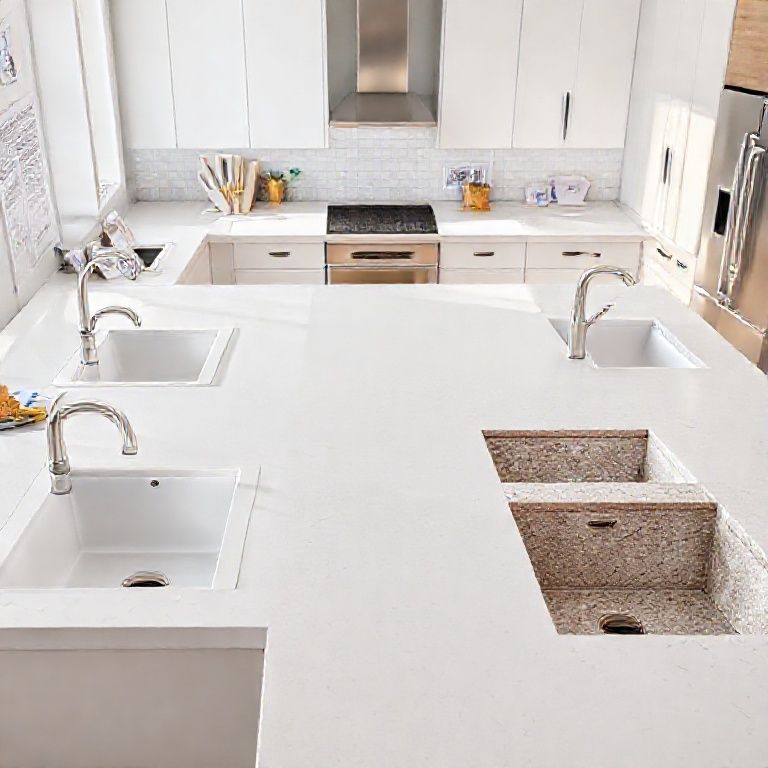
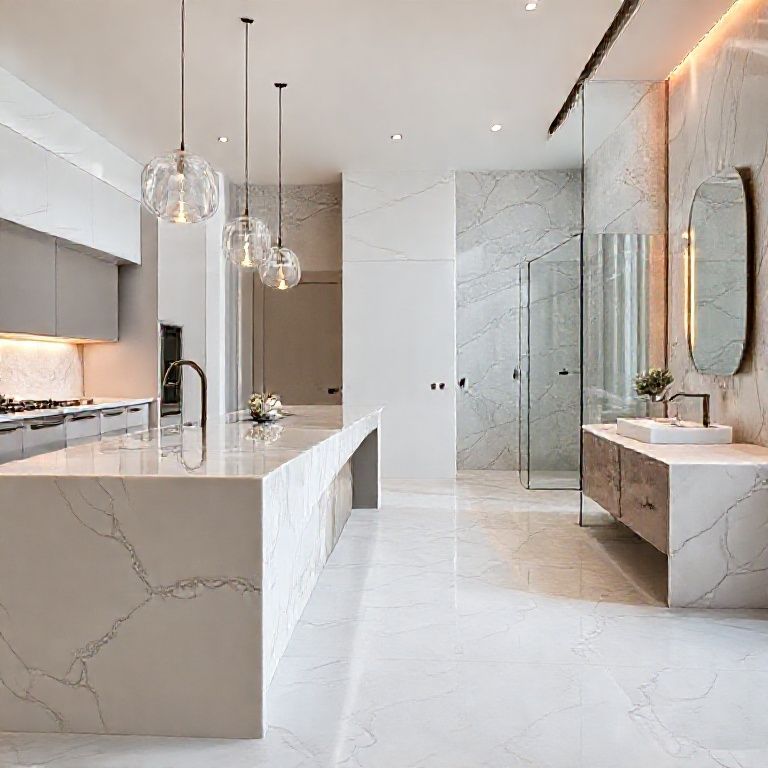
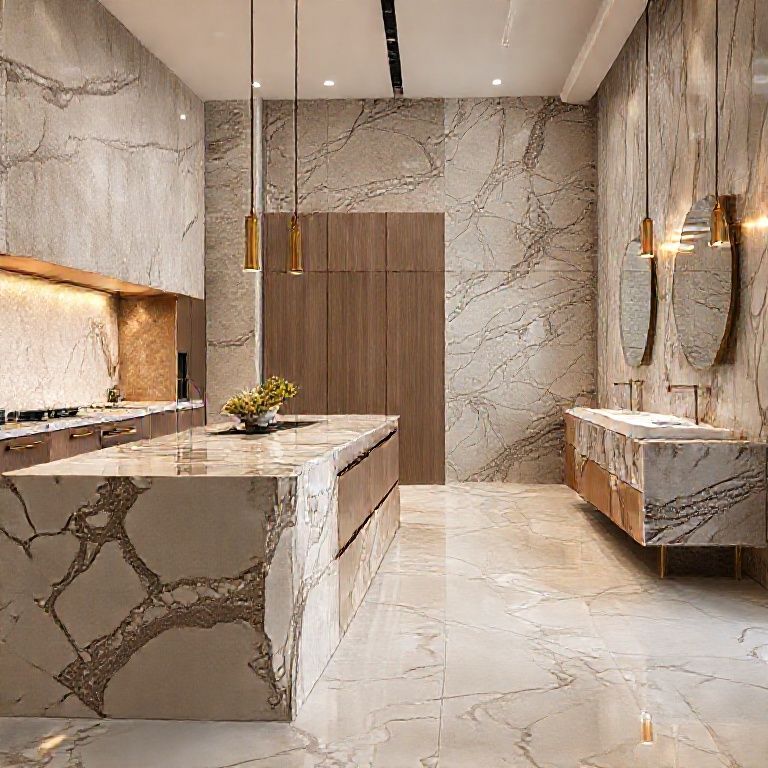
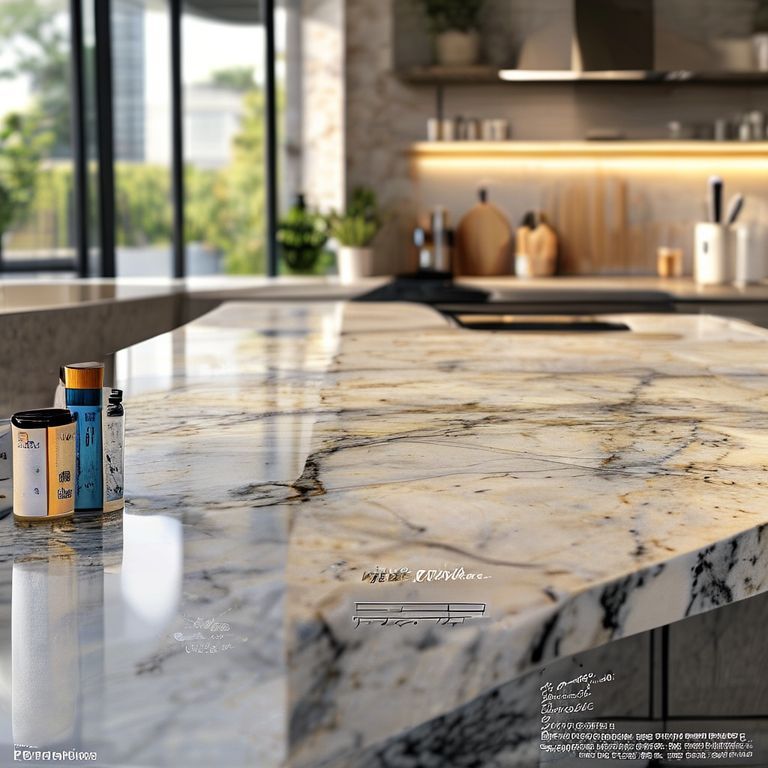
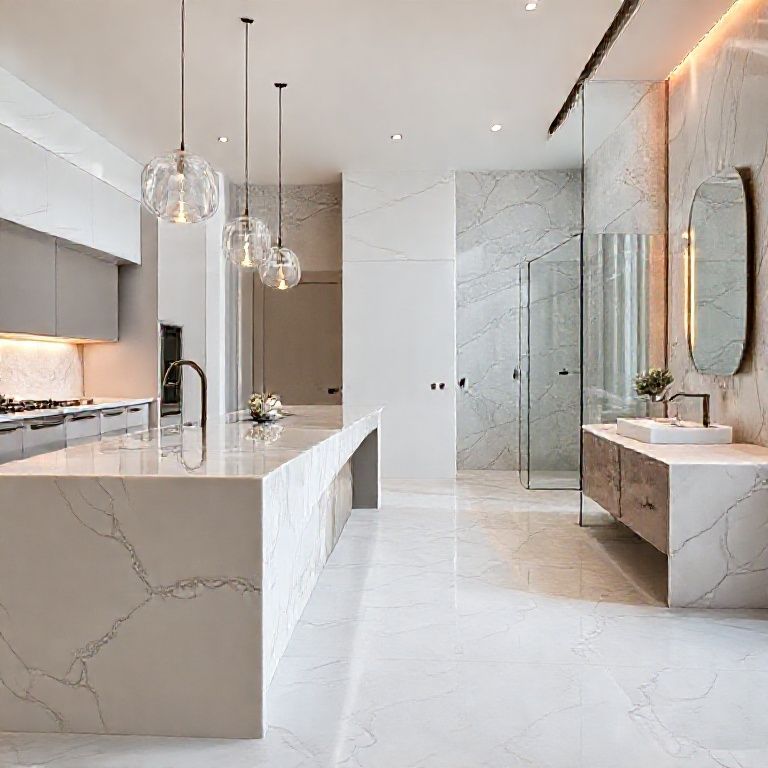
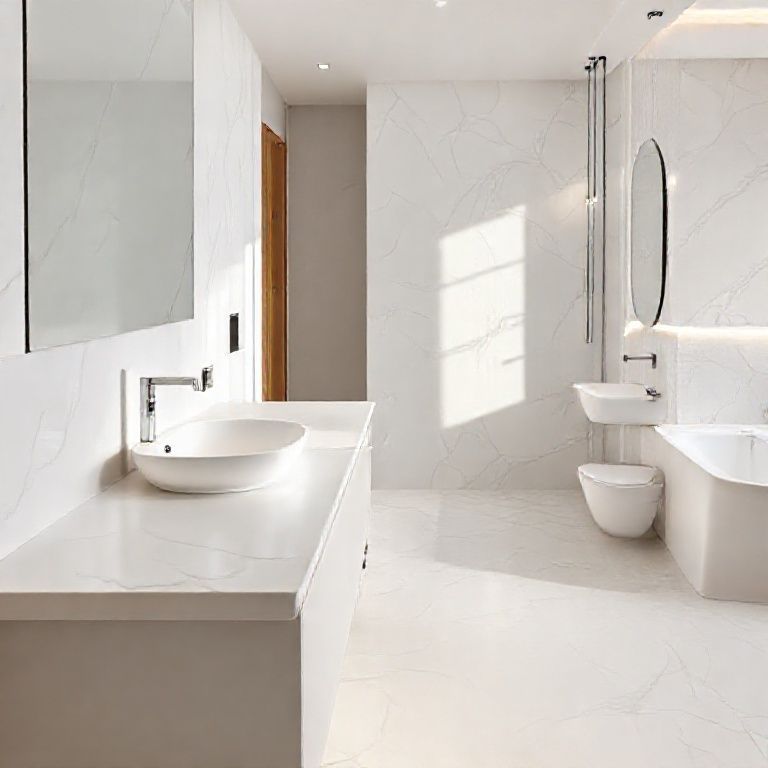
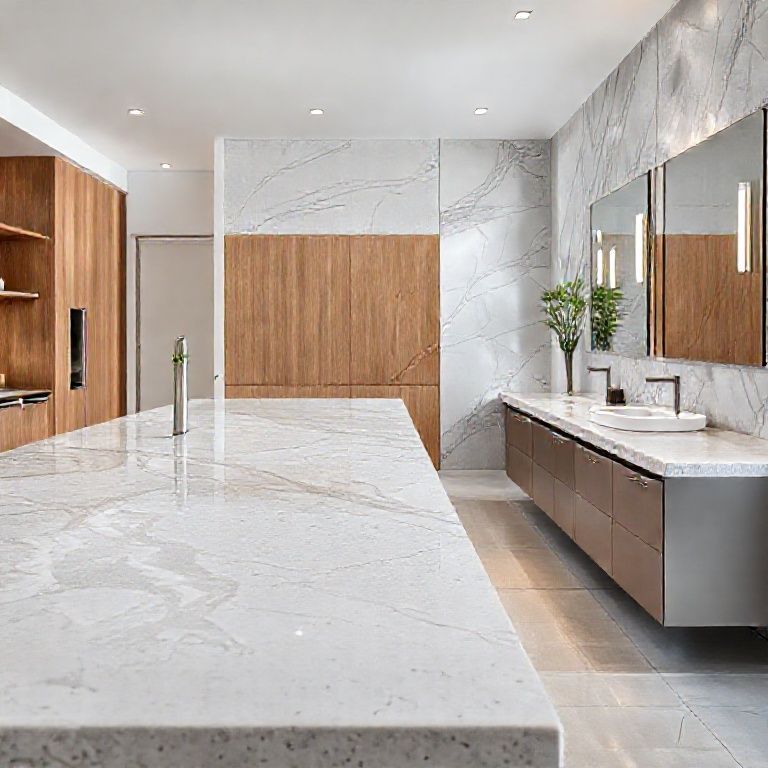
The aesthetic appeal of synthetic marble cannot be overlooked. Its ability to replicate the natural beauty of marble while offering enhanced durability makes it a popular choice for both residential and commercial spaces. The polished surface of synthetic marble provides a luxurious, high-gloss finish that enhances the visual appeal of any space. Whether used for countertops, floors, or decorative elements, synthetic marble adds a touch of elegance and sophistication.
Part 2
${part2}
Potential Drawbacks of Synthetic Marble
While synthetic marble boasts numerous advantages, it’s essential to consider its limitations to make an informed decision. In this part, we will explore the cons of synthetic marble, helping you weigh the pros and cons to determine if this material is the right fit for your project.
Heat Sensitivity
One notable disadvantage of synthetic marble is its sensitivity to high temperatures. Unlike natural marble, which can withstand moderate heat, synthetic marble can become damaged by direct exposure to high heat, such as from a burning candle or a hot pan left on a countertop. This limitation can pose a challenge in environments where heat is a frequent concern.
Chemical Resistance
While synthetic marble is more durable than natural marble, it still has limitations when it comes to chemical resistance. Substances such as acids, solvents, and some cleaning agents can damage the surface of synthetic marble, leading to stains and discoloration. To maintain its appearance, it is crucial to use appropriate cleaning products and avoid harsh chemicals that could harm the material.
Weight and Handling
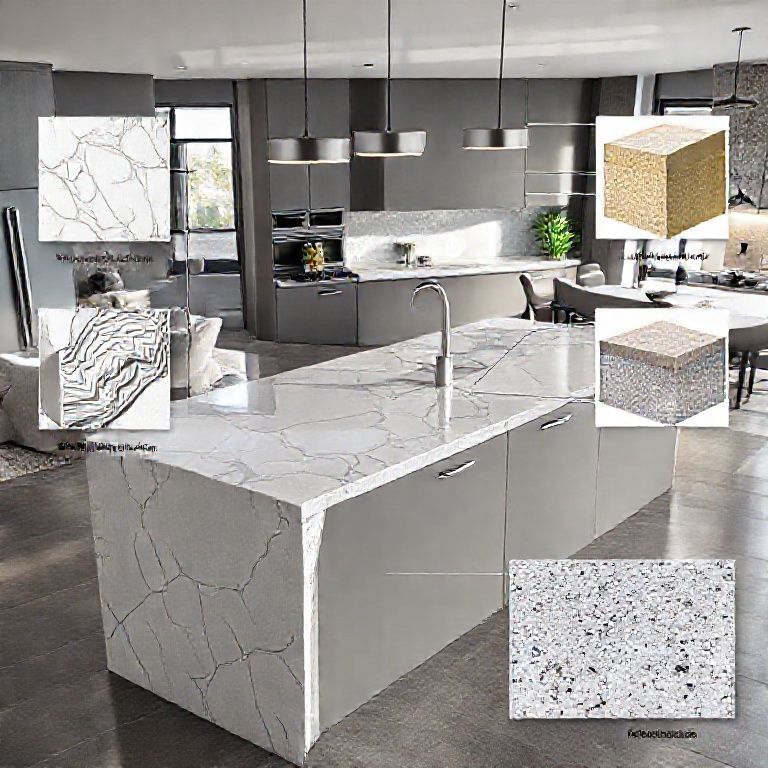
Synthetic marble is generally lighter than natural marble, which can be an advantage in installation and handling. However, the weight of synthetic marble blocks can still be substantial, especially larger pieces. Proper lifting techniques and tools are necessary to avoid injury and ensure safe handling during installation.
Aesthetic Authenticity
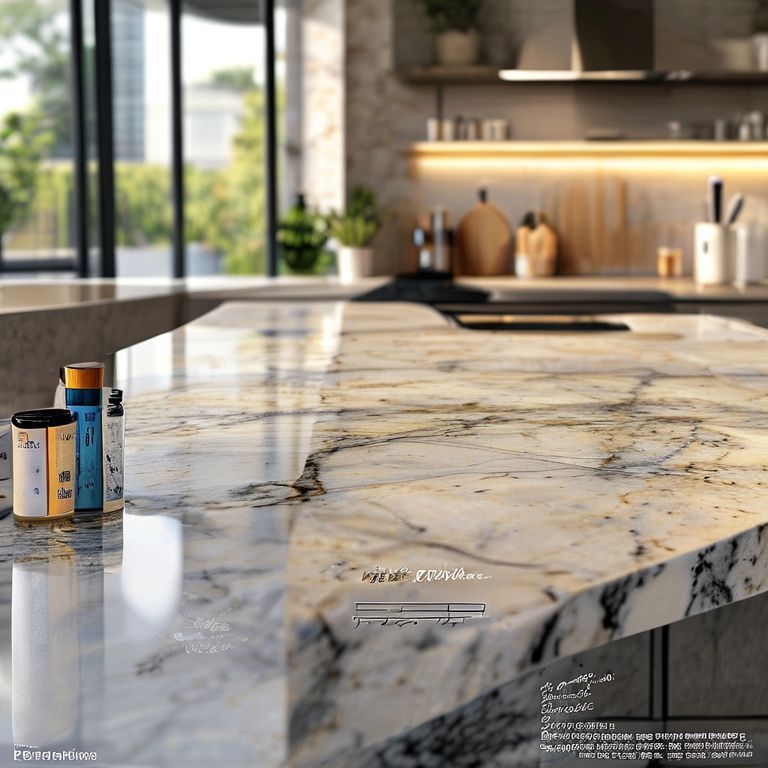
Although synthetic marble can closely mimic the appearance of natural marble, there are subtle differences that may be noticeable upon close inspection. The texture, veining, and overall aesthetic authenticity might not perfectly replicate the unique characteristics of natural marble. For projects where the authenticity of natural stone is paramount, synthetic marble might not be the ideal choice.
Longevity and Warranty
While synthetic marble is durable, its longevity can vary depending on the quality of the material and the manufacturing process. High-quality synthetic marble offers excellent longevity, but it is still important to research and choose reputable brands that provide warranties for their products. Understanding the warranty terms and conditions can provide peace of mind regarding the long-term performance of the material.
Environmental Concerns
Although synthetic marble is considered more environmentally friendly than natural marble, the production process still involves energy consumption and the use of resins and other materials. The overall environmental impact can vary depending on the manufacturing practices of the specific brand. It’s essential to consider the full lifecycle of the product, including production, transportation, and disposal, to evaluate its environmental footprint accurately.
Conclusion
In conclusion, synthetic marble presents a compelling alternative to natural marble with its impressive durability, cost-effectiveness, versatility, environmental benefits, ease of installation, and aesthetic appeal. However, it’s crucial to weigh these advantages against its limitations, including heat sensitivity, chemical resistance, handling challenges, aesthetic authenticity, longevity, and environmental concerns. By understanding both the pros and cons, you can make a well-informed decision that aligns with your project’s specific needs and goals. Whether you opt for synthetic marble or explore other alternatives, thorough research and careful consideration will ensure a successful and satisfying outcome for your design and renovation projects.