${part1}
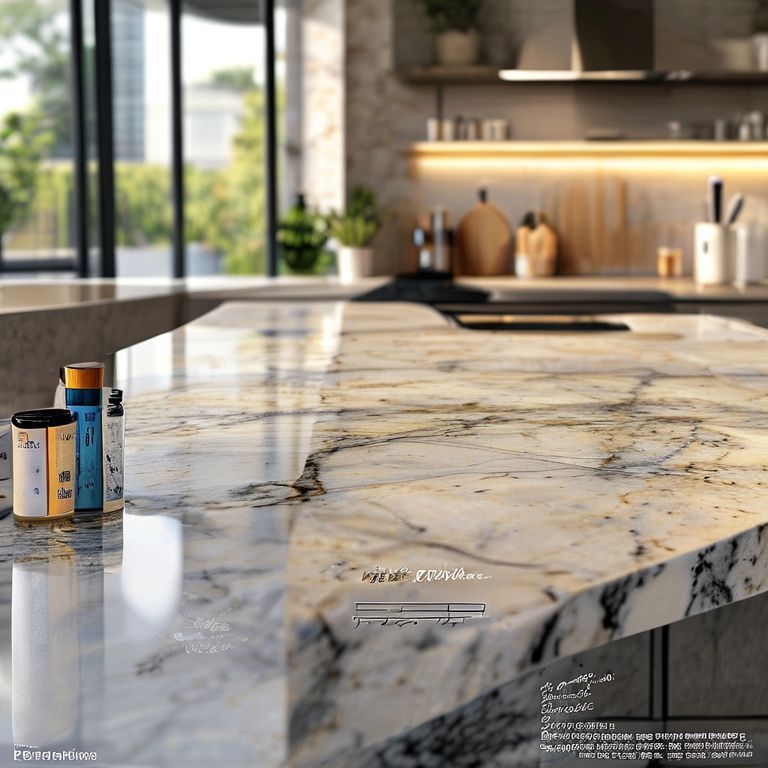
When it comes to selecting the perfect countertop for your kitchen or bathroom, the decision between quartz and engineered stone can be a daunting one. Both materials have risen to prominence in the realm of home renovation, offering distinct advantages that cater to different tastes and needs. In this first part of our comparison, we’ll delve deep into the characteristics, benefits, and maintenance aspects of quartz countertops and engineered stone.
Quartz Countertops: The Ultimate Blend of Style and Functionality
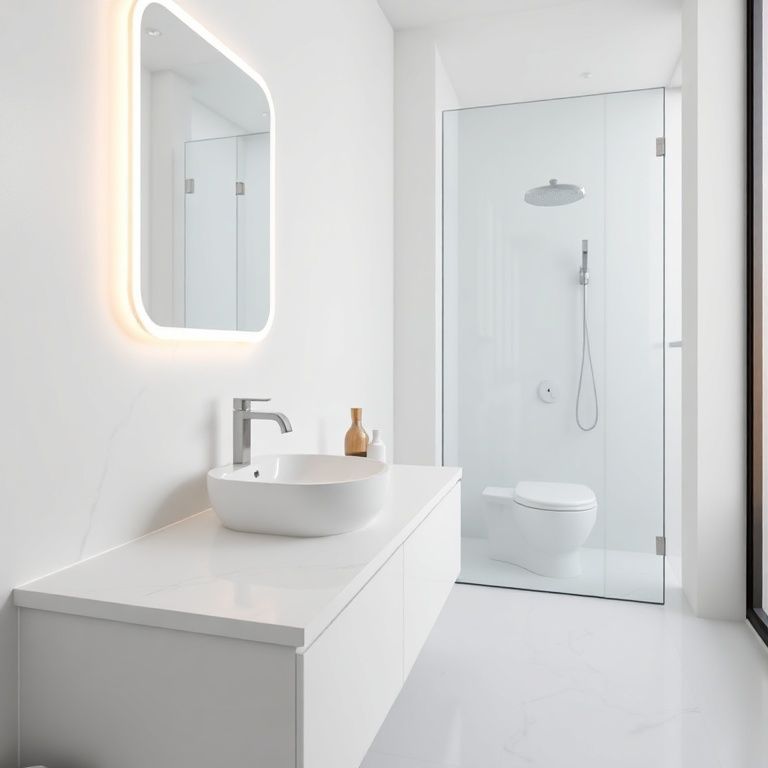
Quartz countertops have taken the industry by storm due to their impeccable blend of durability, style, and functionality. Manufactured by combining 90% natural quartz with other materials like silica and resins, these countertops are not just aesthetically pleasing but also incredibly resilient.
Durability and Strength
One of the standout features of quartz countertops is their exceptional durability. The high percentage of natural quartz makes these surfaces incredibly hard, giving them a scratch-resistant quality that rivals that of granite. This makes quartz an excellent choice for high-traffic areas where wear and tear are a concern.
Design Versatility
Quartz offers a virtually limitless range of colors and patterns, allowing for endless design possibilities. Whether you’re looking for a sleek, monochromatic look or a unique, bespoke design, quartz can be customized to meet your exact specifications. This versatility makes it an ideal choice for those who want a personalized touch to their kitchen or bathroom.
Low Maintenance
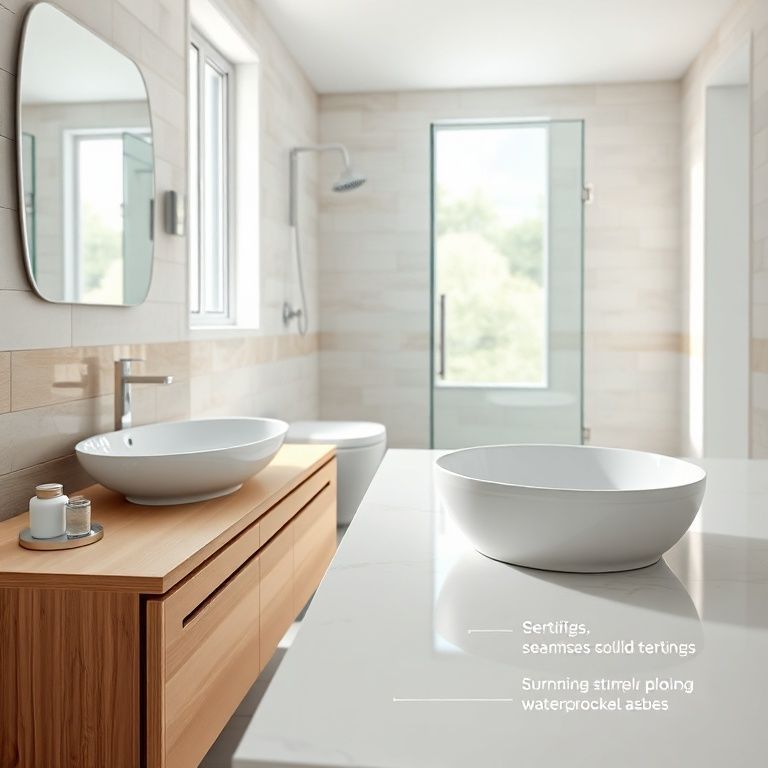
Quartz countertops are known for their low maintenance requirements. They are non-porous, which means that spills and stains don’t penetrate the surface. This makes cleaning a breeze – a simple wipe with a damp cloth and a mild soap solution will suffice to keep these countertops looking pristine.
Cost-Effectiveness
While the initial cost of quartz countertops can be higher than some other options, the durability and low maintenance factor make them a cost-effective choice in the long run. The need for fewer repairs and less frequent cleaning translates to savings over time, making quartz a practical investment for homeowners.
Engineered Stone: A Blend of Tradition and Modern Innovation
Engineered stone has been gaining popularity thanks to its combination of traditional stone aesthetics and modern functionality. Made from a base material like quartz, granite, or marble, and bonded with resin, engineered stone offers a unique set of benefits.
Aesthetic Appeal
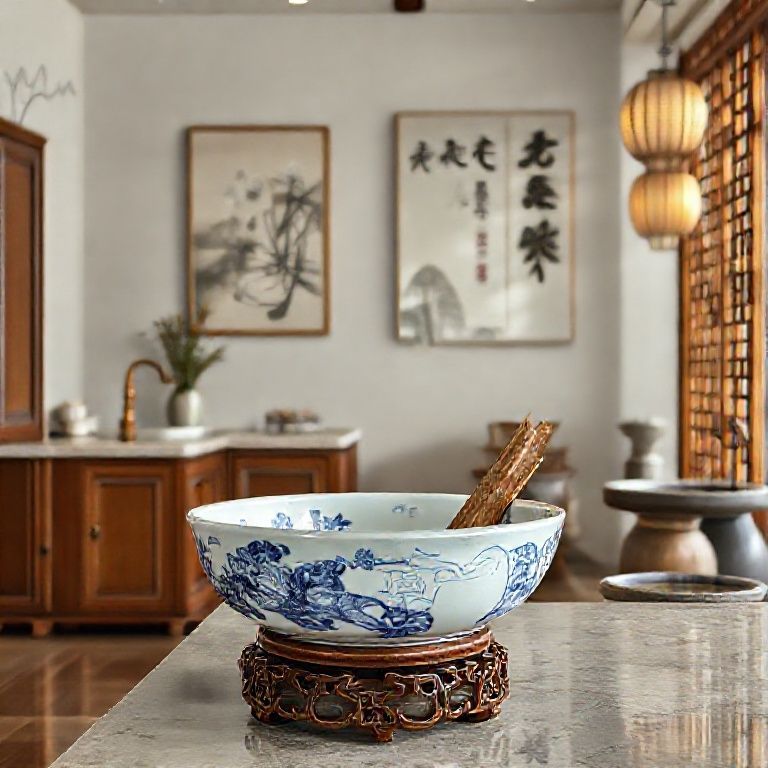
Engineered stone captures the natural beauty of traditional stone while providing the flexibility to create unique patterns and colors. The aesthetic appeal of engineered stone can range from the rustic charm of natural stone to the sleek, modern look of contemporary designs. This versatility makes engineered stone an excellent choice for those who want the look of natural stone without the high cost and maintenance.
Strength and Durability
Engineered stone is designed to be both strong and durable. The resin used in the manufacturing process enhances the hardness of the stone, making it resistant to scratches and stains. This durability makes engineered stone a practical choice for high-traffic areas.
Customization and Design
One of the significant advantages of engineered stone is the level of customization available. You can create intricate designs and patterns that are difficult to achieve with natural stone. This flexibility allows designers and homeowners to push the boundaries of creativity, making engineered stone a popular choice for custom projects.
Maintenance
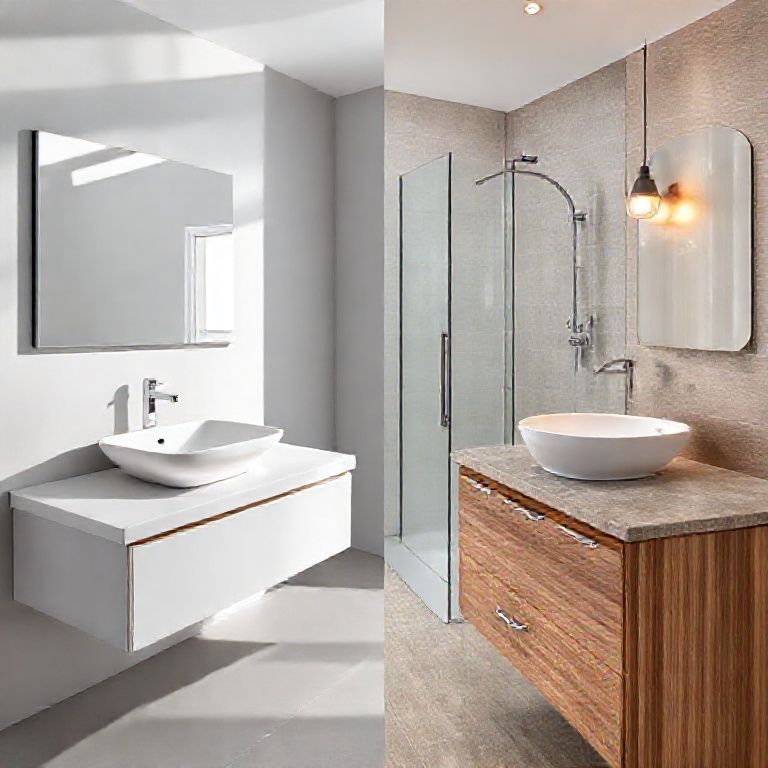
While engineered stone is generally low maintenance, it is not entirely non-porous. This means that spills and stains should be cleaned promptly to avoid potential damage. However, with proper care, engineered stone can maintain its beauty and functionality for years to come.
Cost Considerations
The cost of engineered stone can vary widely depending on the specific type and design. While it is often more affordable than natural stone, the price can still be higher than some other countertop materials. However, the durability and design flexibility often justify the investment for many homeowners.
Conclusion
Both quartz and engineered stone offer compelling reasons to consider them for your next countertop project. Quartz countertops shine with their durability, design versatility, and low maintenance, making them a top choice for those looking for a high-performance, easy-to-care-for surface. Engineered stone, on the other hand, offers a unique blend of traditional stone aesthetics and modern innovation, providing both durability and design flexibility.
In the next part of our comparison, we will delve deeper into the specific applications, installation processes, and long-term benefits of both quartz and engineered stone, helping you make an informed decision for your home renovation needs.
${part2}
Applications and Installation: Choosing the Right Countertop for Your Space
In the second part of our comprehensive comparison, we’ll explore the specific applications, installation processes, and long-term benefits of both quartz and engineered stone. Understanding these aspects will help you make a well-informed decision when choosing between quartz and engineered stone for your kitchen or bathroom.
Applications: Where Quartz and Engineered Stone Shine
Kitchen Countertops
Both quartz and engineered stone are excellent choices for kitchen countertops due to their durability and low maintenance. In a kitchen, where spills and stains are a daily occurrence, these materials stand out for their resistance to damage and ease of cleaning.
Quartz in Kitchens
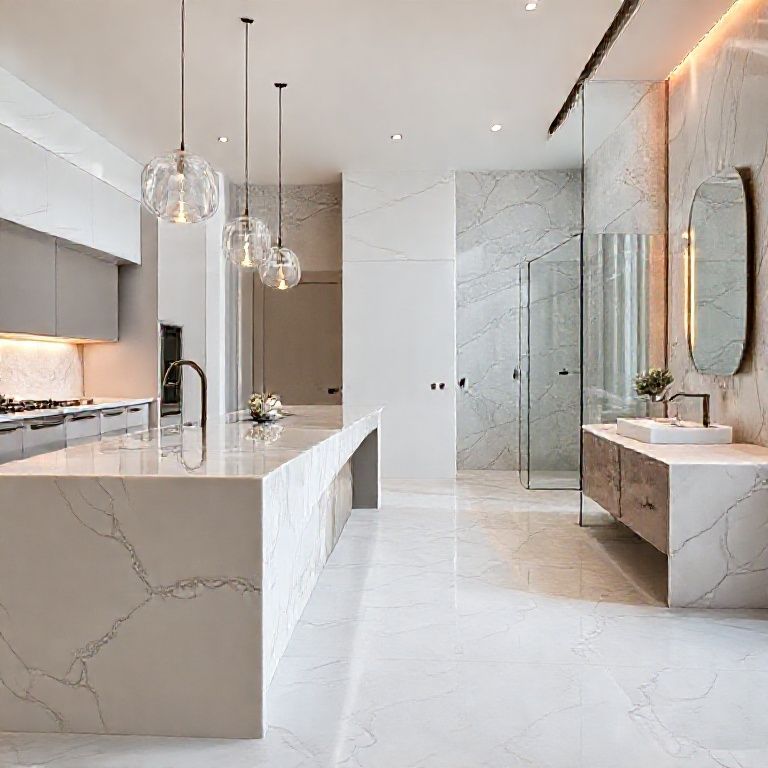
Quartz’s scratch resistance and non-porous nature make it ideal for kitchen countertops. It can withstand the heat from stovetops and ovens without warping or cracking, ensuring a long-lasting and aesthetically pleasing surface. The range of colors and patterns available allows for a personalized look that can complement any kitchen design.
Engineered Stone in Kitchens
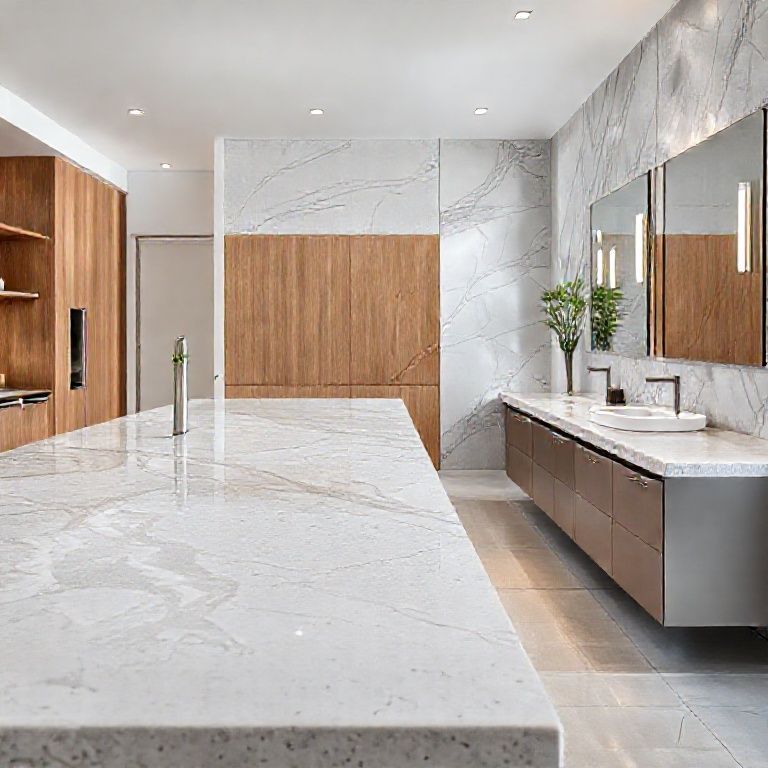
Engineered stone offers a unique blend of traditional stone aesthetics and modern durability. Its resistance to heat and stains makes it a practical choice for kitchen countertops, especially when combined with resins that enhance its hardness. The customizable nature of engineered stone allows for a variety of designs, from rustic to contemporary, providing flexibility to suit different kitchen styles.
Bathroom Countertops
The bathroom is another prime location for both quartz and engineered stone. These materials offer a sleek, modern look that can elevate the overall design of your bathroom while providing durability and low maintenance.
Quartz in Bathrooms
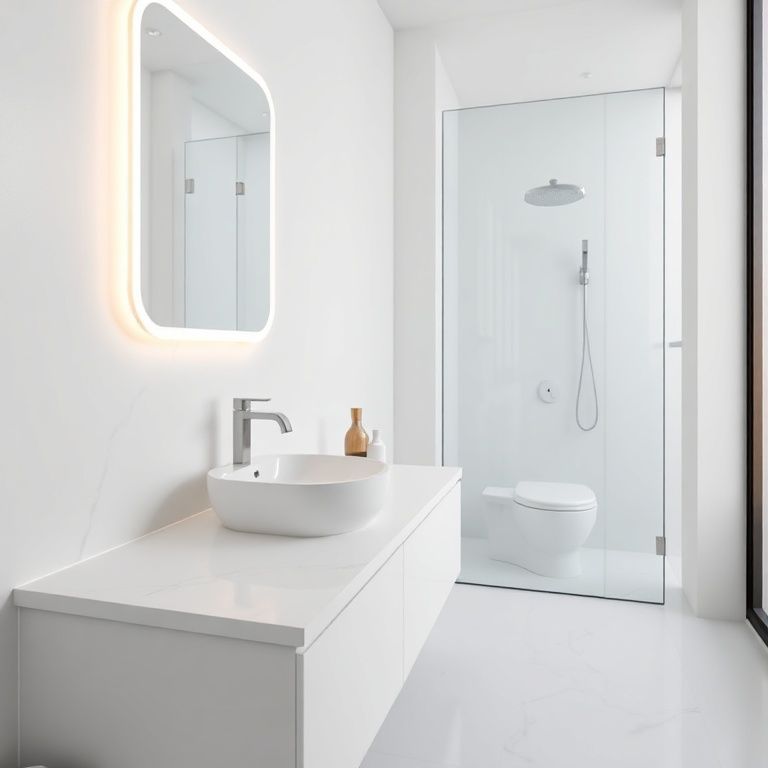
Quartz countertops are an excellent choice for bathrooms due to their resistance to moisture and chemicals. The non-porous surface prevents the penetration of water and other liquids, reducing the risk of mold and mildew. This makes quartz an ideal material for sinks, vanities, and other areas prone to moisture.
Engineered Stone in Bathrooms
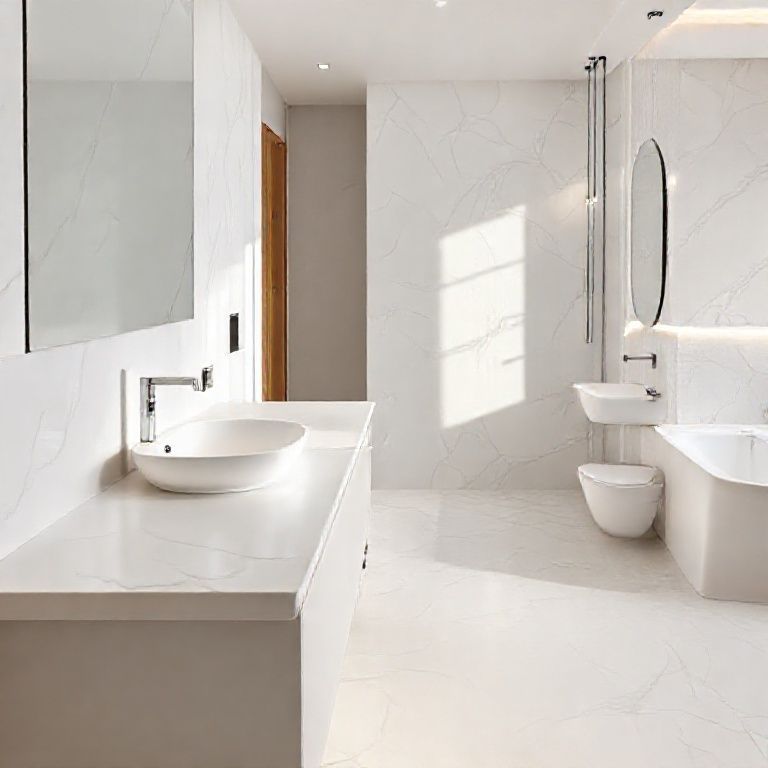
Engineered stone’s combination of natural stone aesthetics and modern durability makes it a versatile option for bathroom countertops. Its resistance to water and stains ensures it remains looking pristine even in high-moisture areas. The customizable designs allow for a unique, personalized look that can complement any bathroom decor.
Installation Processes: Ensuring a Flawless Finish
Quartz Countertops
The installation of quartz countertops is relatively straightforward due to their solid surface nature. They are typically pre-cut and can be installed using standard adhesive techniques. Here’s a brief overview of the installation process:
Preparation: Ensure the surface where the quartz countertop will be installed is clean, dry, and free of any imperfections.
Cutting: If necessary, cut the quartz countertop to fit the space using a tile cutter or saw.
Adhesive Application: Apply a thin-set adhesive to the surface where the countertop will be installed.
Installation: Carefully place the quartz countertop onto the adhesive and use a rubber mallet to ensure it is properly seated.
Cleaning: Once the adhesive has dried, clean the surface with a damp cloth to remove any residue.
Engineered Stone
Installing engineered stone countertops involves a few more steps due to the material’s composite nature. Here’s a simplified overview of the process:
Preparation: Similar to quartz, the surface must be clean, dry, and free of imperfections.
Cutting: Cut the engineered stone countertop to fit the space, ensuring precise measurements for a seamless look.
Adhesive Application: Apply a suitable adhesive to the installation surface.
Installation: Place the engineered stone countertop onto the adhesive and use a rubber mallet to secure it. For larger pieces, you may need to use a specialized adhesive to ensure a strong bond.
Sealing: Once the countertop is installed and the adhesive has dried, apply a stone-specific sealant to protect the surface from stains and moisture.
Long-Term Benefits: The Value of Your Investment
Durability and Longevity
One of the most significant long-term benefits of both quartz and engineered stone is their exceptional durability. These materials are designed to withstand the rigors of daily use, providing a long-lasting surface that requires minimal maintenance and repairs.
Quartz
Quartz’s high quartz content makes it one of the hardest materials available, offering superior resistance to scratches, dents, and stains. This durability translates to a longer lifespan, reducing the need for costly replacements or repairs.
Engineered Stone
Engineered stone combines the best qualities of natural stone with modern manufacturing techniques to create a durable and resilient surface. Its resistance to heat, stains, and moisture ensures it remains in excellent condition for years to come.
CostBenefits for Home Value and Aesthetics
Both quartz and engineered stone offer excellent value for your home, enhancing both its aesthetic appeal and resale value. The modern, sleek look of these countertops can significantly elevate the overall design of your kitchen or bathroom, making them attractive to potential buyers.
Quartz
Quartz countertops are often seen as a luxury item due to their combination of durability, design versatility, and low maintenance. Homes featuring quartz countertops are generally perceived as higher quality, which can translate to a higher resale value.
Engineered Stone
Engineered stone provides a cost-effective alternative to natural stone while still offering the aesthetic benefits of traditional stone. Its durability and customizable designs make it a popular choice among homeowners and designers, contributing to a home’s overall appeal and value.
Maintenance and Care: Keeping Your Countertops Looking Great
Proper maintenance is essential to ensure the longevity and beauty of your quartz or engineered stone countertops. Here are some tips for keeping each type of countertop in top condition.
Quartz
Cleaning: Use a damp cloth with mild soap and water to clean quartz countertops. Avoid using harsh chemicals or abrasive cleaners, as they can damage the surface.
Stains: For any stains, use a soft cloth with a mixture of water and vinegar to gently remove them. Avoid letting water sit on the surface for too long, as it can lead to water spots.
Sealing: While quartz is non-porous, it’s still a good idea to apply a protective sealant periodically to ensure its durability and resistance to stains.
Engineered Stone
Cleaning: Similar to quartz, use a damp cloth with mild soap and water to clean engineered stone countertops. Avoid using abrasive cleaners that can scratch the surface.
Stains: Promptly wipe up any spills or stains to prevent them from penetrating the material. For tougher stains, use a gentle cleaner specifically designed for stone surfaces.
Sealing: Engineered stone is not entirely non-porous, so it’s important to apply a stone-specific sealant to protect against stains and moisture. Follow the manufacturer’s instructions for proper application and maintenance.
Conclusion: Making the Right Choice for Your Home
When deciding between quartz and engineered stone, it’s important to consider your specific needs, preferences, and budget. Both materials offer unique benefits that can enhance the beauty and functionality of your kitchen or bathroom.
Quartz is an excellent choice if you’re looking for a durable, low-maintenance surface that offers a wide range of design possibilities. Its scratch resistance and non-porous nature make it ideal for high-traffic areas.
Engineered stone provides a cost-effective alternative with the aesthetic appeal of traditional stone. Its durability and customizable designs make it a versatile option for those who want the look of natural stone without the high cost and maintenance.
Ultimately, the choice between quartz and engineered stone comes down to personal preference and specific project requirements. By understanding the unique benefits and maintenance needs of each material, you can make an informed decision that will enhance your home’s design and value for years to come.
In the next part of our comparison, we will address common concerns and misconceptions about both materials, providing you with the full picture to make the best choice for your renovation project.