Introduction to Artificial Marble
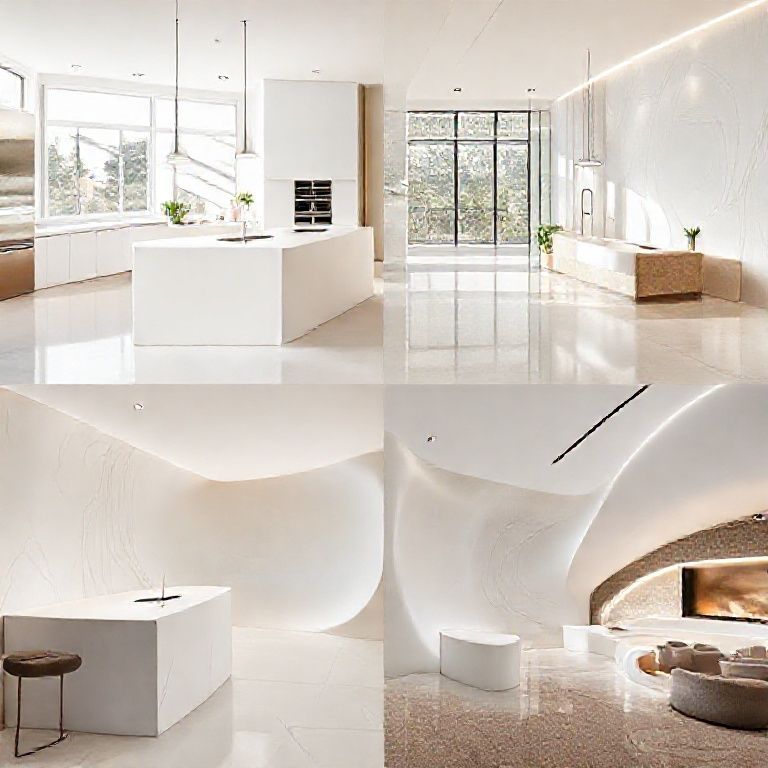
Artificial marble, also known as cultured marble, is a contemporary material that has gained significant popularity in recent years. It’s an engineered stone that combines the aesthetic appeal of natural marble with the practicality of modern materials. The allure of artificial marble lies in its exceptional design versatility, cost-effectiveness, and durability. This material has been embraced by homeowners and designers alike for its unique characteristics and the myriad of design possibilities it offers.

Design Versatility
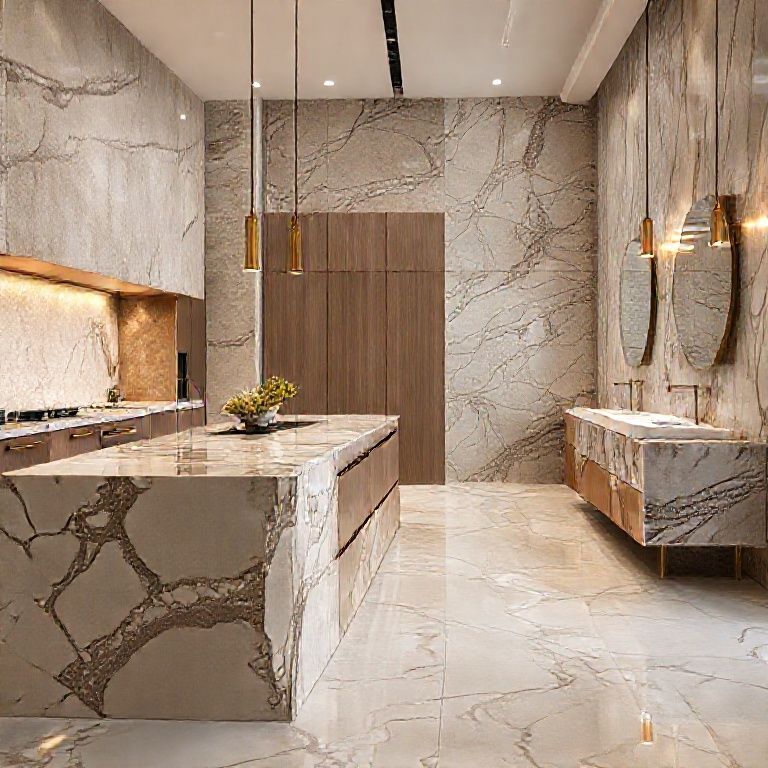
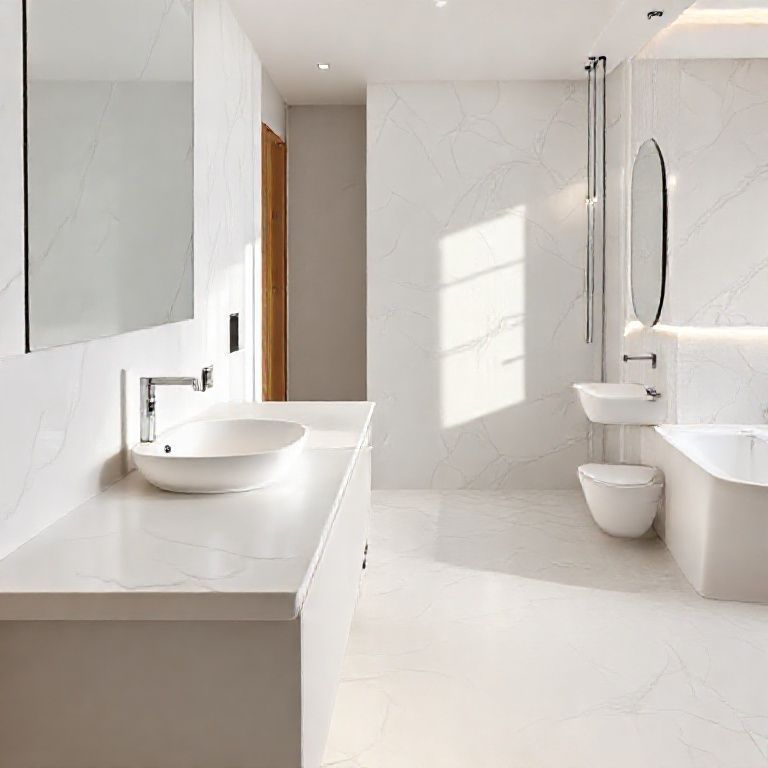
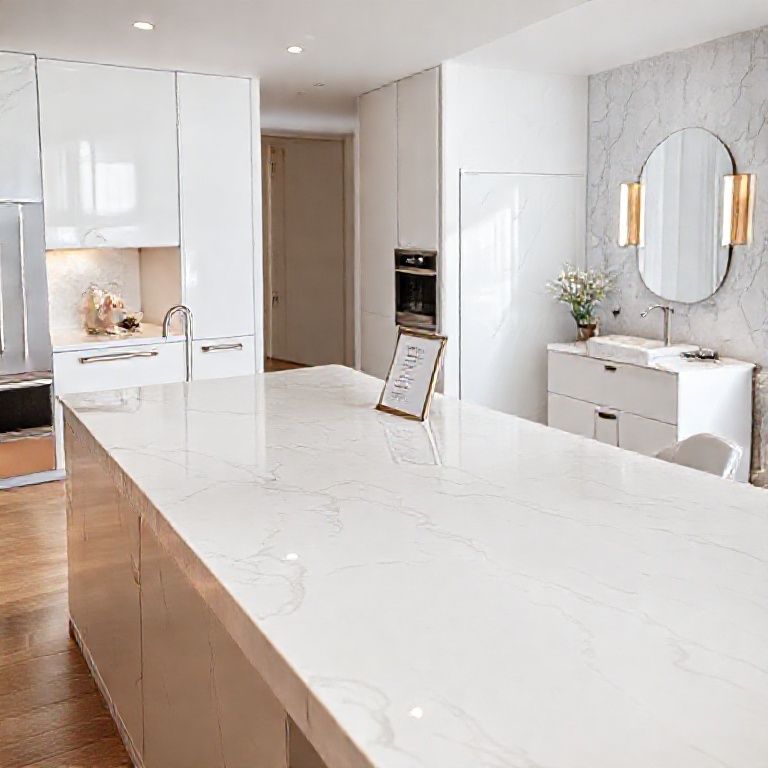
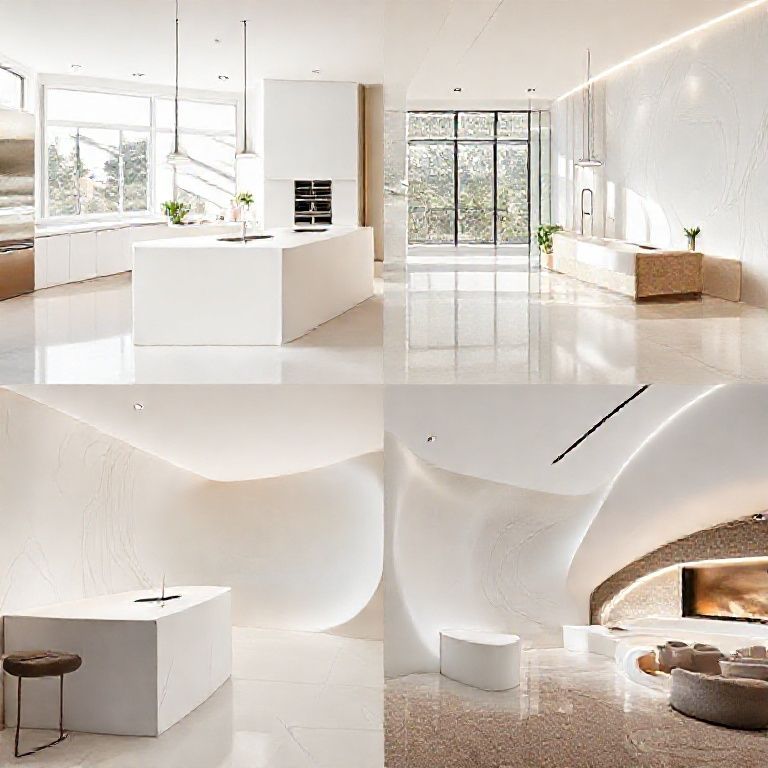
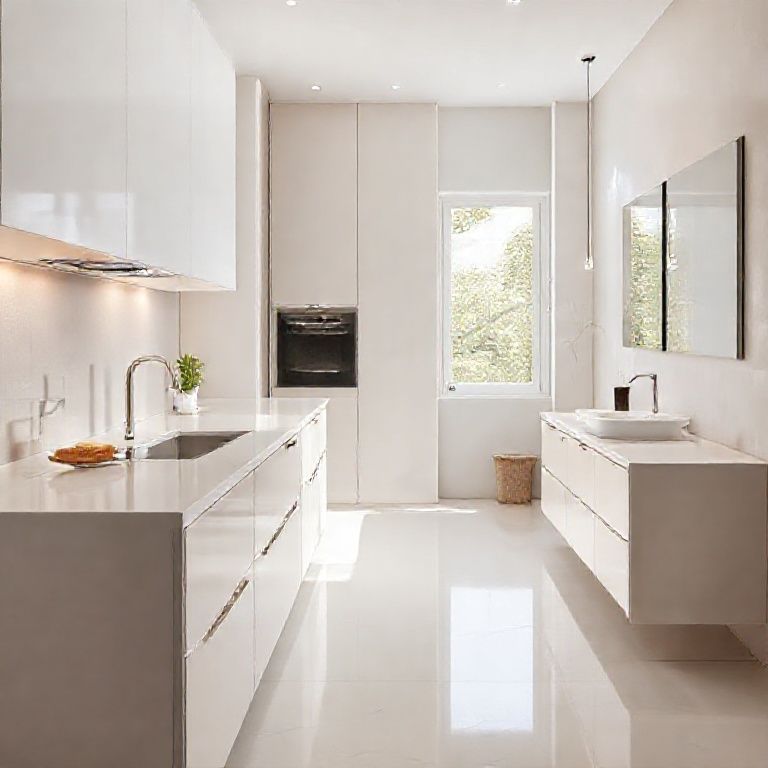
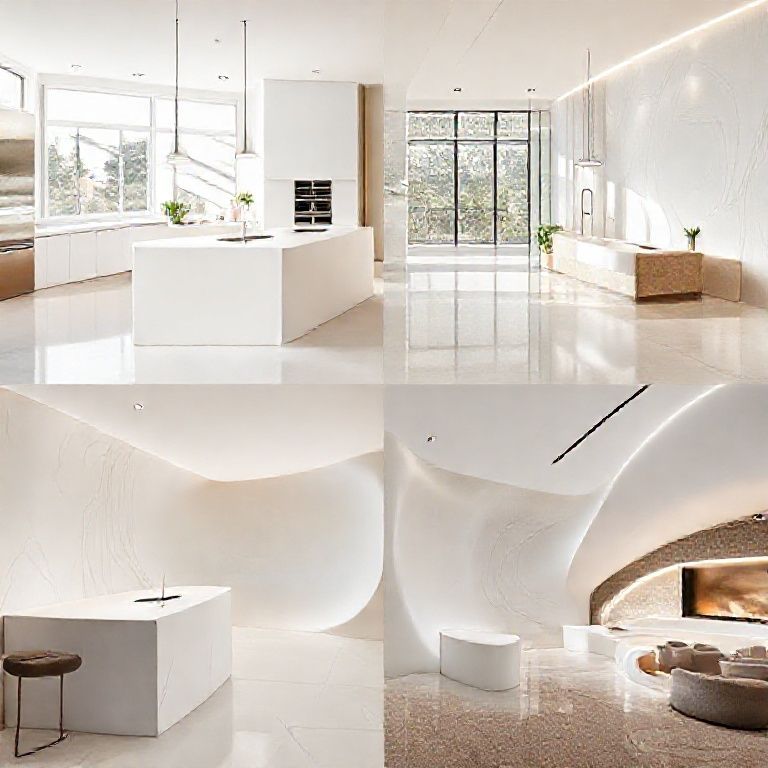
One of the most striking features of artificial marble is its design versatility. Unlike natural marble, artificial marble can be crafted in an extensive range of colors, patterns, and textures. It can mimic the look of various natural stones, including granite, quartz, and even wood. This flexibility allows designers to push creative boundaries, creating custom countertops, sinks, and other architectural elements that cater to any aesthetic vision. The ability to achieve a precise color match or pattern means that artificial marble can be tailored to fit any space, whether it’s a sleek, modern kitchen or a rustic dining area.
Cost-Effectiveness
Cost is a significant factor for many homeowners when considering materials for their renovation projects. Artificial marble stands out as a cost-effective alternative to traditional materials. It is generally more affordable than natural marble and other high-end stones. The production process of artificial marble is more efficient, reducing material waste and lowering costs. This cost-effectiveness doesn’t come at the expense of quality; artificial marble is designed to withstand the rigors of everyday use, providing a durable surface that can last for years without significant maintenance.
Durability
Artificial marble is renowned for its durability. It is composed of a blend of minerals, resins, and pigments that create a solid, cohesive material. This composition makes it highly resistant to scratches, stains, and thermal damage. Unlike natural marble, which can be easily etched by acidic substances, artificial marble offers a more resilient option that maintains its appearance and integrity over time. This durability extends to its ability to handle high traffic areas, making it an excellent choice for high-use kitchens and bathrooms.
Maintenance
When it comes to maintenance, artificial marble is a homeowner’s dream. It is low-maintenance compared to natural stone options like granite or marble. Artificial marble does not require sealing like natural stone to protect against stains and etching. Instead, it can be easily wiped clean with a damp cloth and mild soap. For tougher spots, a gentle scrub with a non-abrasive cleaner will suffice. This ease of maintenance is particularly beneficial for busy households, as it means less time spent on cleaning and upkeep.
Sustainability
In today’s environmentally-conscious world, sustainability is a crucial consideration. Artificial marble is a more sustainable option compared to natural stone. The production process of artificial marble uses fewer natural resources, and it can be manufactured using recycled materials. Additionally, it does not require the extensive quarrying and transportation associated with natural stone, reducing the environmental footprint of your renovation project. By choosing artificial marble, you’re contributing to a more sustainable home renovation.
Conclusion
Artificial marble presents a compelling case for those considering high-quality, durable, and aesthetically versatile materials for their home renovations. Its design flexibility, cost-effectiveness, durability, low maintenance, and sustainability make it an attractive option for a wide range of applications. Whether you’re looking to update your kitchen, bathroom, or any other space, artificial marble offers a sophisticated and practical solution that can elevate the look and feel of your home.
Comparison with Natural Marble
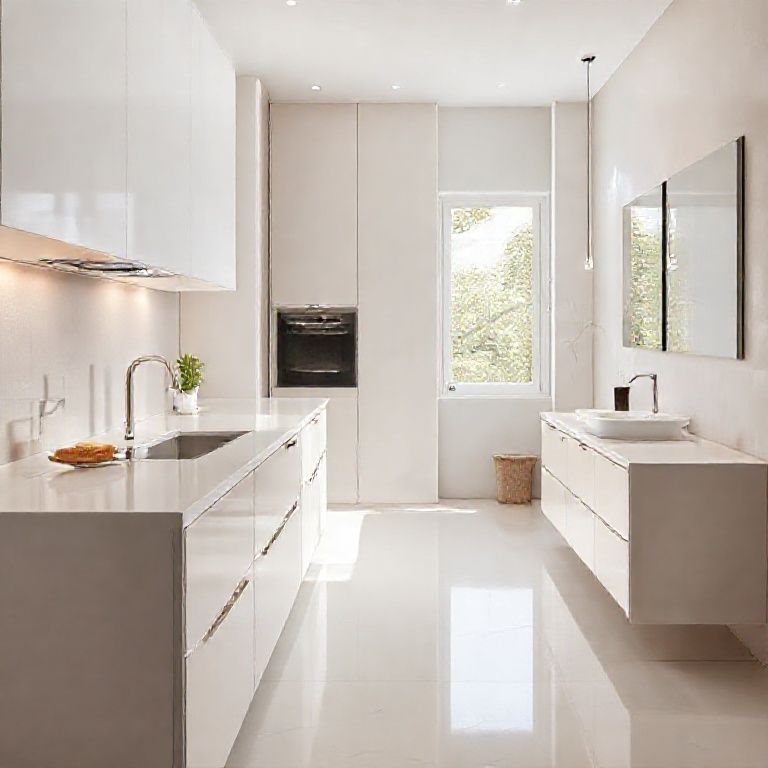
While artificial marble offers many advantages, it’s essential to compare it with natural marble to understand its full scope. Natural marble is prized for its unique, one-of-a-kind patterns and timeless beauty. However, it is also prone to etching and staining from acidic substances, requiring regular sealing to maintain its appearance. Natural marble is also significantly more expensive and less durable than artificial marble. When considering your options, weigh the aesthetic appeal of natural marble against the practicality and affordability of artificial marble.
Installation and Craftsmanship
The installation of artificial marble is straightforward and can often be completed by professional installers or DIY enthusiasts. Its solid, cohesive structure makes it easy to cut, shape, and install, reducing the complexity of the renovation process. High-quality artificial marble can be polished and finished to achieve a luxurious shine, enhancing its visual appeal. The craftsmanship involved in creating artificial marble ensures that it can be molded into various forms, from sleek countertops to intricate architectural elements, allowing for an array of design possibilities.
Heat Resistance
One of the standout features of artificial marble is its exceptional heat resistance. Unlike natural marble, which can crack or splinter when exposed to high temperatures, artificial marble remains intact. This makes it an ideal choice for areas where hot pots, pans, and other heat-generating items are frequently used. The ability to withstand thermal shock ensures that artificial marble maintains its integrity and appearance over time, providing a safe and reliable option for high-traffic areas.
Aesthetic Appeal
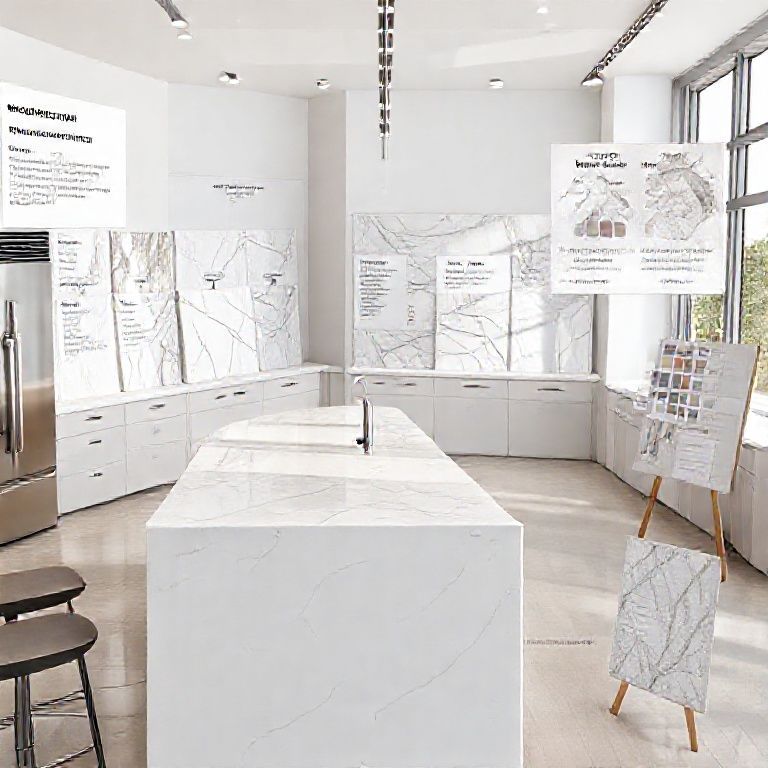
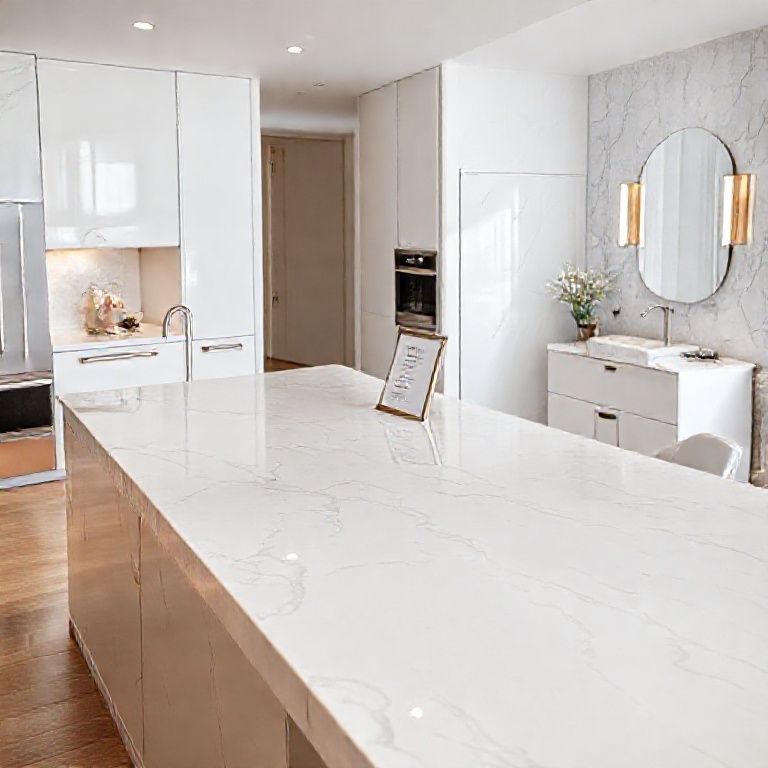
Artificial marble is designed to replicate the aesthetic appeal of natural marble without the drawbacks. It can mimic the intricate veins and patterns of natural marble, offering a luxurious look that is both realistic and durable. The color and texture of artificial marble can be customized to match the specific design vision, providing a high degree of customization. Whether you prefer a classic, timeless look or a contemporary, modern style, artificial marble can be tailored to fit your aesthetic preferences.
Environmental Impact
As previously mentioned, artificial marble is a more sustainable option compared to natural stone. The production process of artificial marble uses fewer natural resources and can incorporate recycled materials. This contributes to reducing waste and minimizing the environmental footprint associated with home renovations. By choosing artificial marble, you’re making a conscious decision to support sustainable practices, which is increasingly important in today’s eco-conscious society.
Considerations and Drawbacks
While artificial marble offers numerous benefits, it’s also important to consider some potential drawbacks. One of the main concerns is its cost relative to other synthetic materials. Although generally more affordable than natural marble, artificial marble can still be more expensive than some other countertop materials like quartz or laminate. Additionally, while artificial marble is highly durable, it is not indestructible. It can still be scratched or damaged by sharp objects, although this is less likely compared to natural stone. Understanding these limitations helps set realistic expectations and ensures informed decision-making.
Final Thoughts
Artificial marble is a remarkable material that offers a blend of beauty, practicality, and sustainability. Its design versatility, cost-effectiveness, durability, and low maintenance make it an attractive option for a wide range of home renovation projects. While it’s important to consider its potential drawbacks, the overall benefits often outweigh these minor concerns. By choosing artificial marble, you’re investing in a material that not only enhances the aesthetic appeal of your home but also provides a practical, low-maintenance solution that stands the test of time.
In conclusion, artificial marble is a worthy investment for those seeking a high-quality, durable, and versatile material for their home renovation projects. Its ability to mimic the look of natural marble while offering superior durability and ease of maintenance makes it an excellent choice for anyone looking to elevate the beauty and functionality of their space. Whether you’re a homeowner, designer, or contractor, artificial marble is a compelling option that should be on your list of materials to consider.